ProductsLife Sciences
Saphyr Chip®
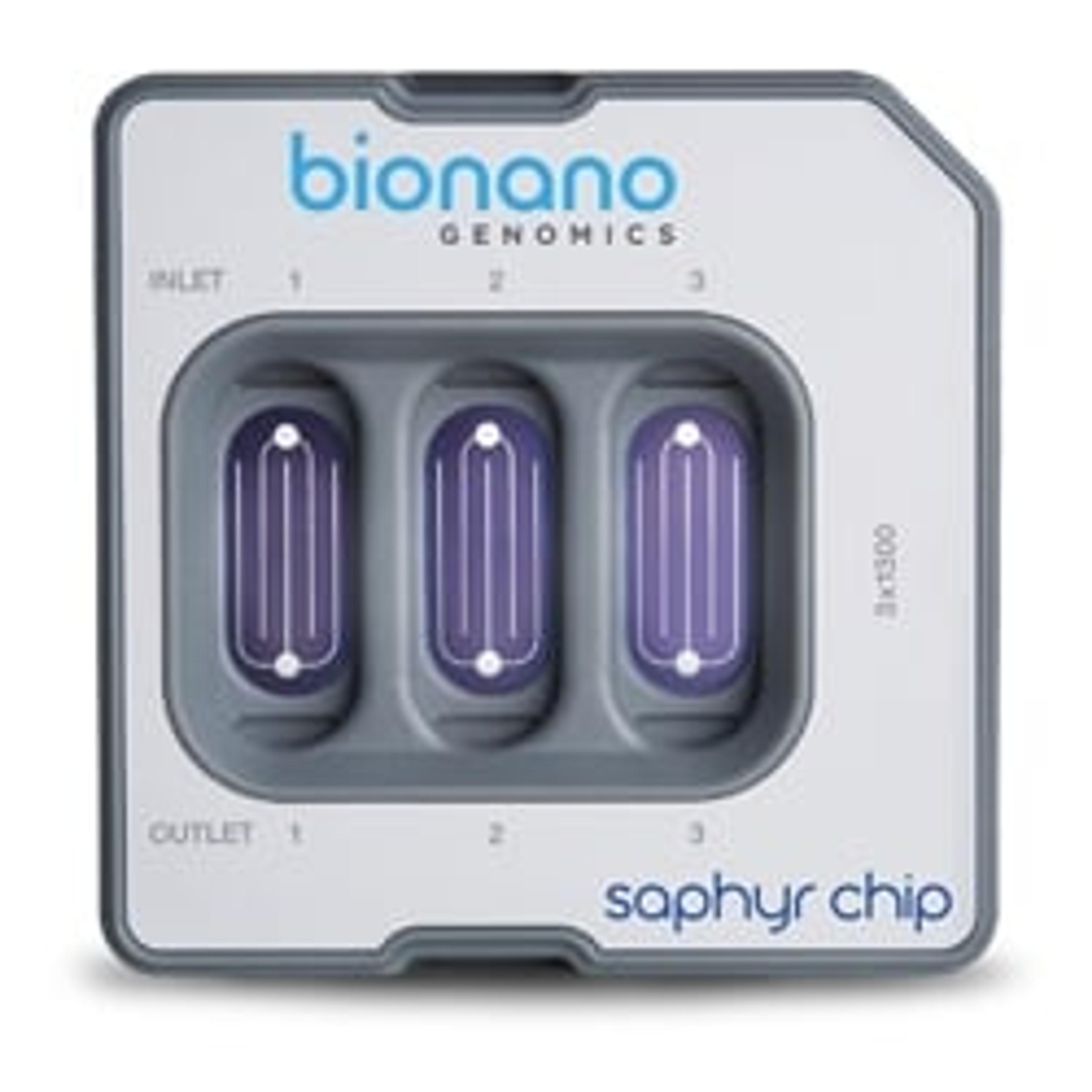
Bionano GenomicsThe Bionano Saphyr Chip ® utilizes hundreds of thousands of massively parallel NanoChannels that linearize long DNA molecules allowing Bionano systems to directly image your samples.

The Bionano Saphyr Chip ® utilizes hundreds of thousands of massively parallel NanoChannels that linearize long DNA molecules allowing Bionano systems to directly image your samples.
Bionano Data Solutions™ includes a complete suite of hardware and software for end-to-end experiment management, analysis and bioinformatics processing, along with convenient web-based management and monitoring tools.
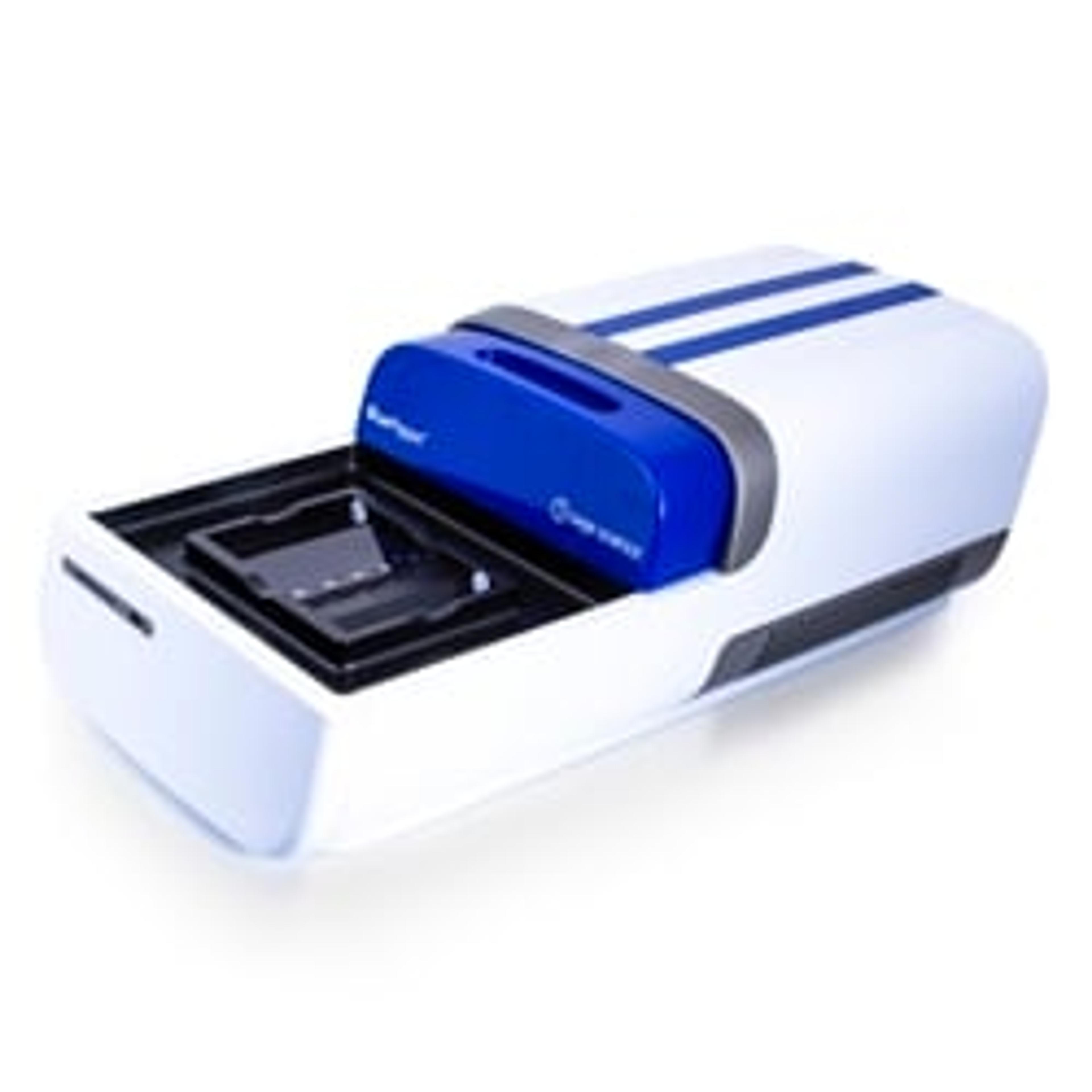
Automated, preparative gel electrophoresis systems, used for accurate and reproducible size selection/collection of DNA (or cDNA) fragments, for the preparation of libraries for next generation sequencing (NGS)
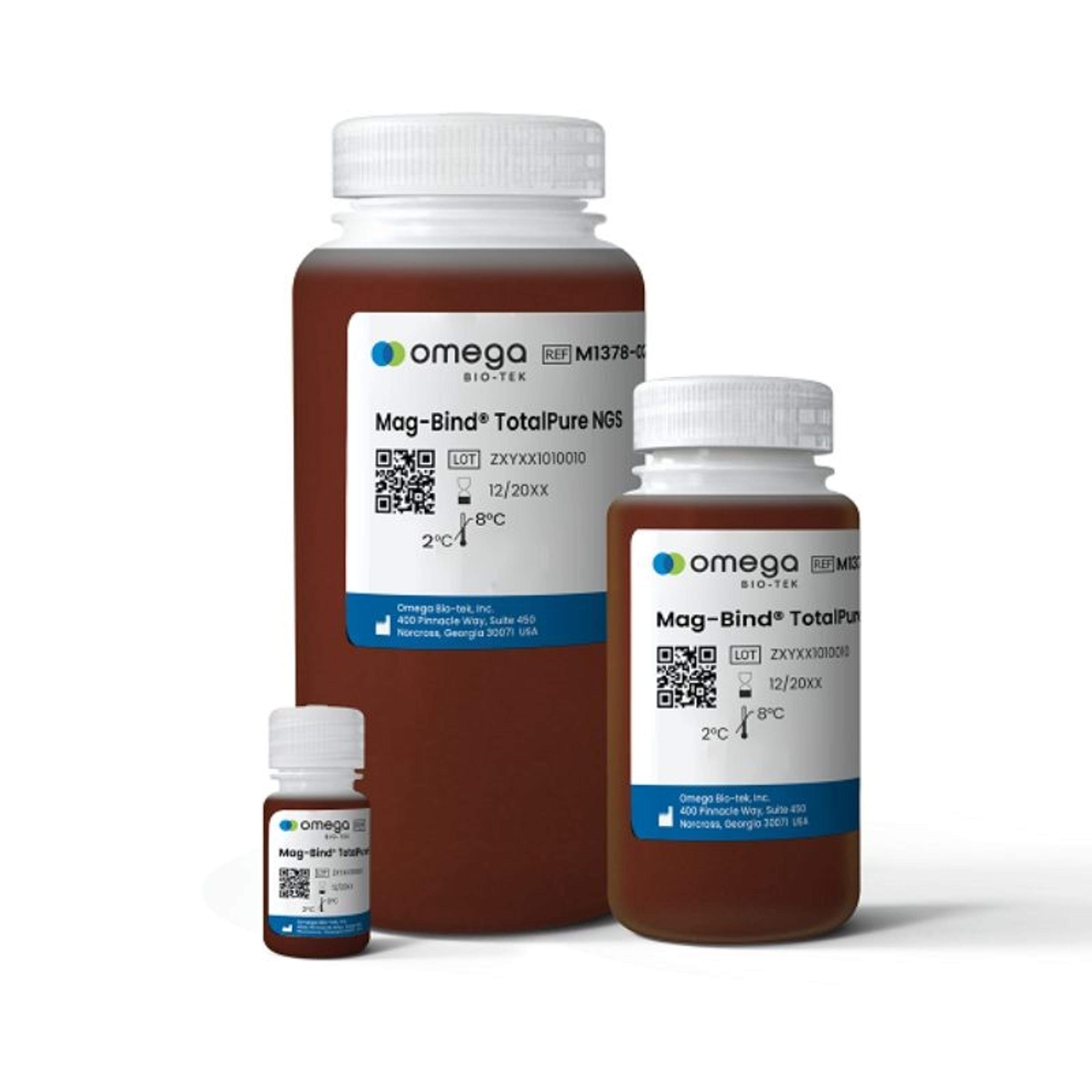
Clean up and size selection of DNA and RNA for NGS workflows using magnetic beads
Removal of unincorporated terminators from sequencing reactions using magnetic beads
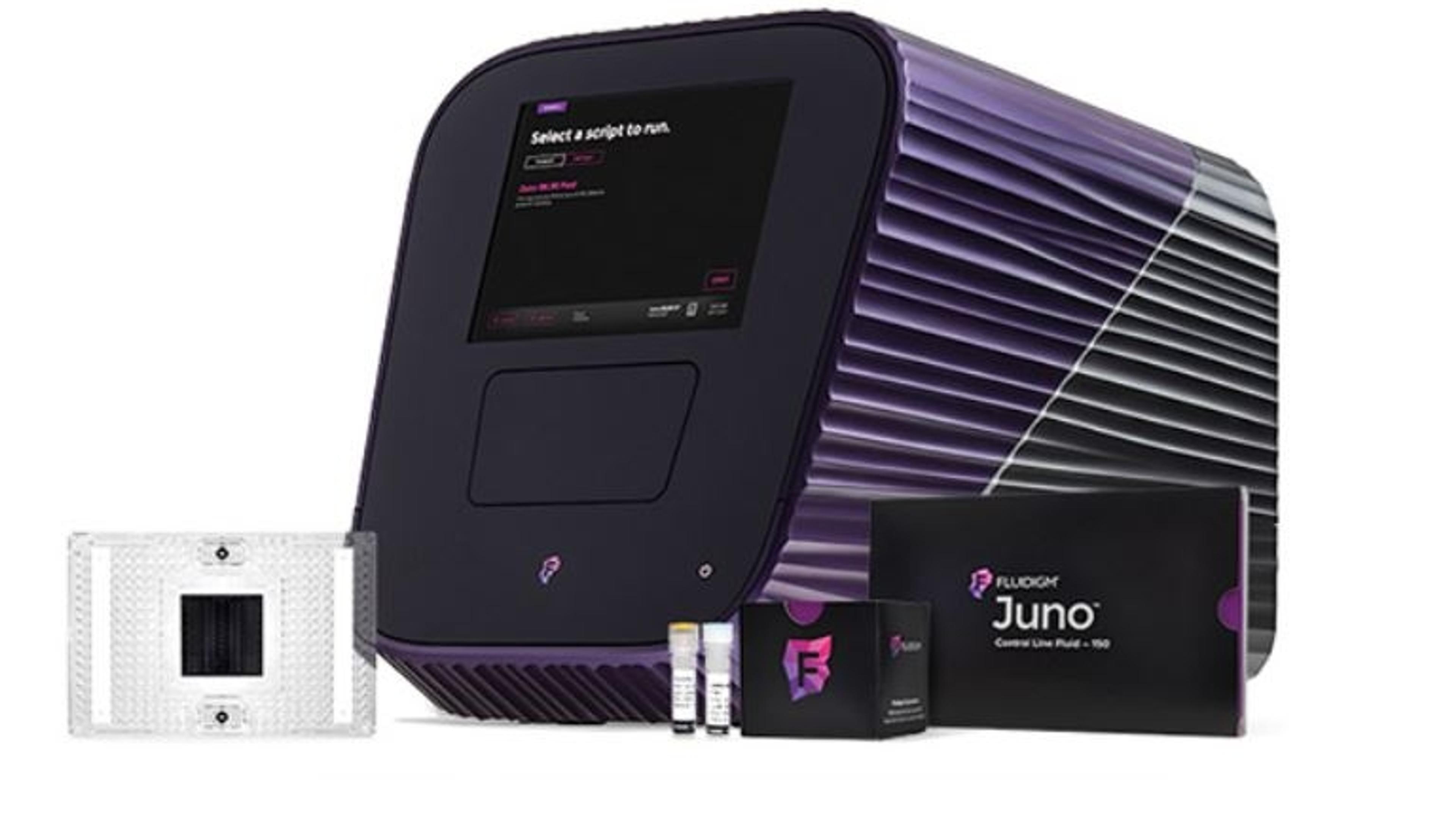
Transform your laboratory productivity with nanoscale automation delivering substantial cost and operational savings for RNA-Seq library preparation.
Confidently analyze multiple somatic variants with a flexible, automated NGS workflow
Twist also offers Research-Use Only (RUO) target enrichment NGS panels for viral detection and characterization of samples. These panels can be used for environmental monitoring and surveillance testing, while also providing insight into full sequence information for monitoring of viral evolution and strain origin.
The superior performance of Twist Human Core Exome provides the optimal solution for sequencing of protein coding genes. The Twist Human Core Exome however focuses only on the most accurate curated subset—CCDS database. Twist now offers the Twist Human RefSeq Panel, which is designed to expand the content of the Twist Human Core Exome. When combining the two panels, greater than 99% of protein coding genes are covered.
Twist Library Preparation Kit (Mechanical Fragmentation) is designed for use with gDNA that has already been sheared mechanically. It combines the enzymes and reagents for end repair, dA-tailing, and adapter ligation into a single reaction: Accommodates a wide range of DNA input types, enables high-quality sequencing of low-quality samples and minimizes start / stop site artifacts
Twist Library Preparation EF Kit (Enzymatic Fragmentation) incorporates the reagents and enzymes needed for DNA fragmentation with those for end repair, dA-tailing, and adapter ligation into a single reaction: Ideal for automated, high-throughput library preparation, produces tunable, reproducible fragment sizes and minimizes sequence bias, maximizes coverage depth.
Scale up your RNA extraction for SARS-CoV-2 research and detection

Positive controls provide quality control measures for the verification and validation for point-of-care diagnostic tests including both next-generation sequencing (NGS) and reverse transcriptase-polymerase chain reaction (RT-PCR) assays.
Positive controls provide quality control measures for the verification and validation for point-of-care diagnostic tests including both next-generation sequencing (NGS) and reverse transcriptase-polymerase chain reaction (RT-PCR) assays.
Positive controls provide quality control measures for the verification and validation for point-of-care diagnostic tests including both next-generation sequencing (NGS) and reverse transcriptase-polymerase chain reaction (RT-PCR) assays.
Positive controls provide quality control measures for the verification and validation for point-of-care diagnostic tests including both next-generation sequencing (NGS) and reverse transcriptase-polymerase chain reaction (RT-PCR) assays.
Positive controls provide quality control measures for the verification and validation for point-of-care diagnostic tests including both next-generation sequencing (NGS) and reverse transcriptase-polymerase chain reaction (RT-PCR) assays.
Positive controls provide quality control measures for the verification and validation for point-of-care diagnostic tests including both next-generation sequencing (NGS) and reverse transcriptase-polymerase chain reaction (RT-PCR) assays.
Positive controls provide quality control measures for the verification and validation for point-of-care diagnostic tests including both next-generation sequencing (NGS) and reverse transcriptase-polymerase chain reaction (RT-PCR) assays.
Positive controls provide quality control measures for the verification and validation for point-of-care diagnostic tests including both next-generation sequencing (NGS) and reverse transcriptase-polymerase chain reaction (RT-PCR) assays.
Positive controls provide quality control measures for the verification and validation for point-of-care diagnostic tests including both next-generation sequencing (NGS) and reverse transcriptase-polymerase chain reaction (RT-PCR) assays.
Positive controls provide quality control measures for the verification and validation for point-of-care diagnostic tests including both next-generation sequencing (NGS) and reverse transcriptase-polymerase chain reaction (RT-PCR) assays.
Positive controls provide quality control measures for the verification and validation for point-of-care diagnostic tests including both next-generation sequencing (NGS) and reverse transcriptase-polymerase chain reaction (RT-PCR) assays.
Positive controls provide quality control measures for the verification and validation for point-of-care diagnostic tests including both next-generation sequencing (NGS) and reverse transcriptase-polymerase chain reaction (RT-PCR) assays.
Positive controls provide quality control measures for the verification and validation for point-of-care diagnostic tests including both next-generation sequencing (NGS) and reverse transcriptase-polymerase chain reaction (RT-PCR) assays.