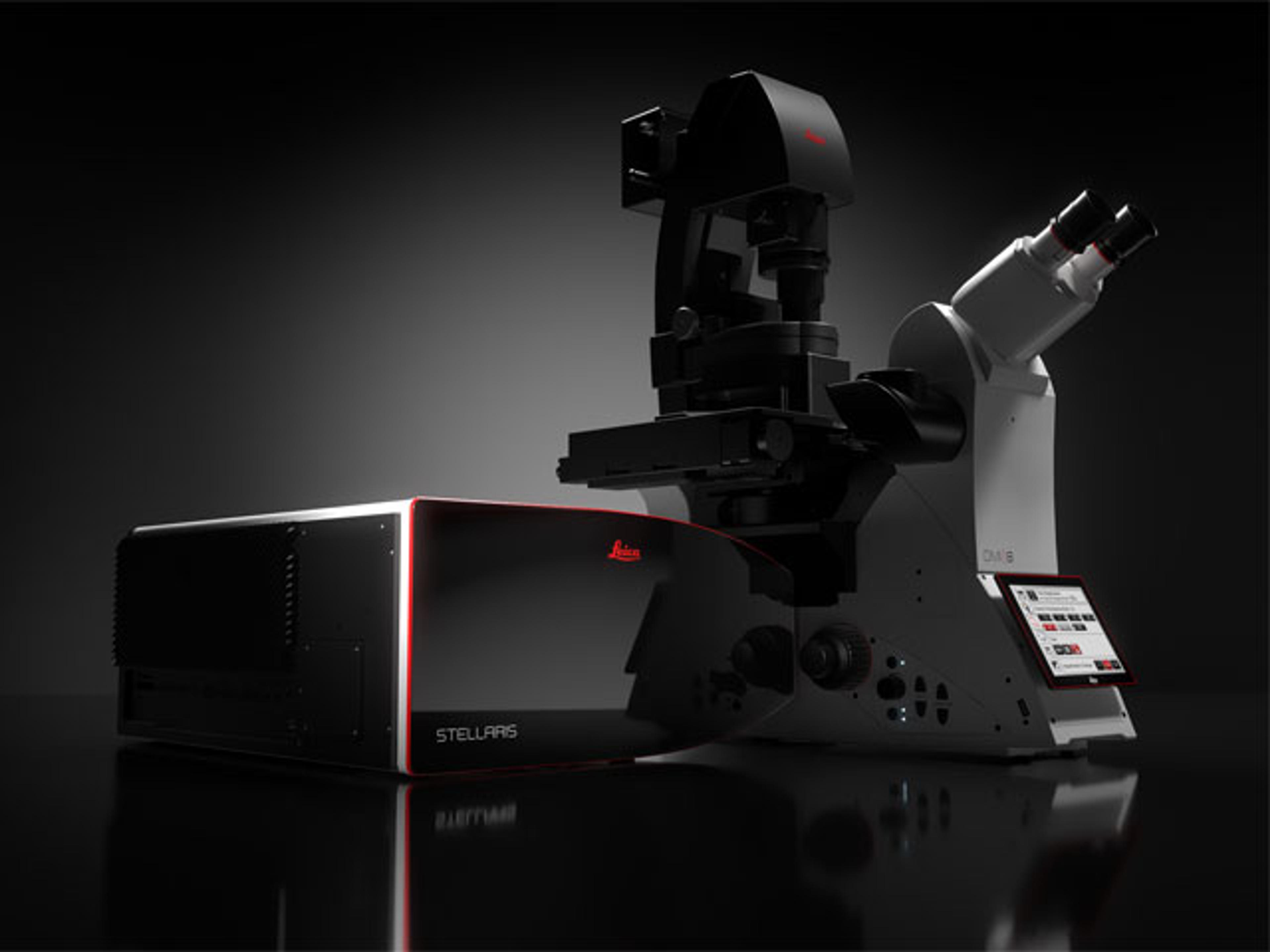
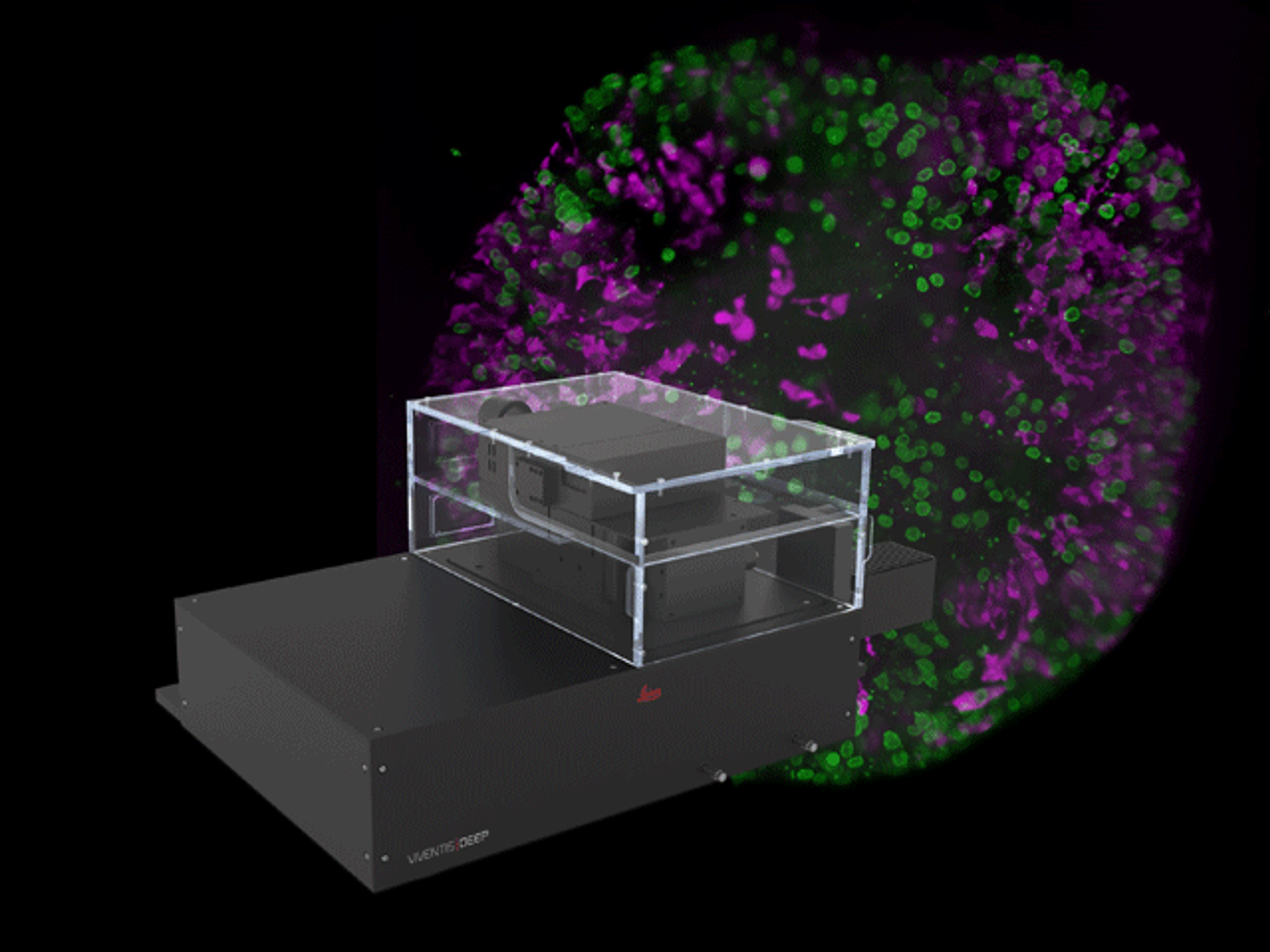
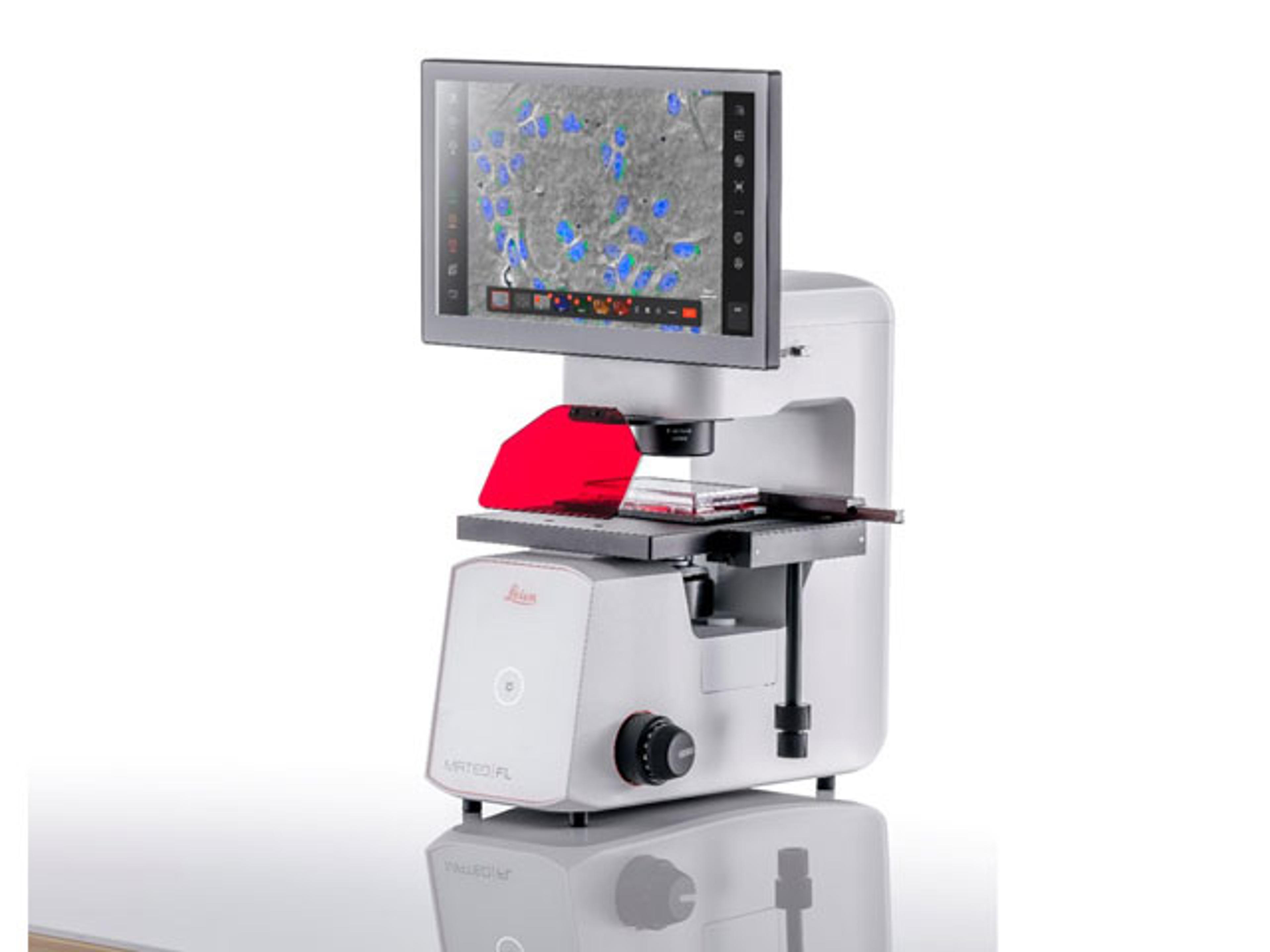
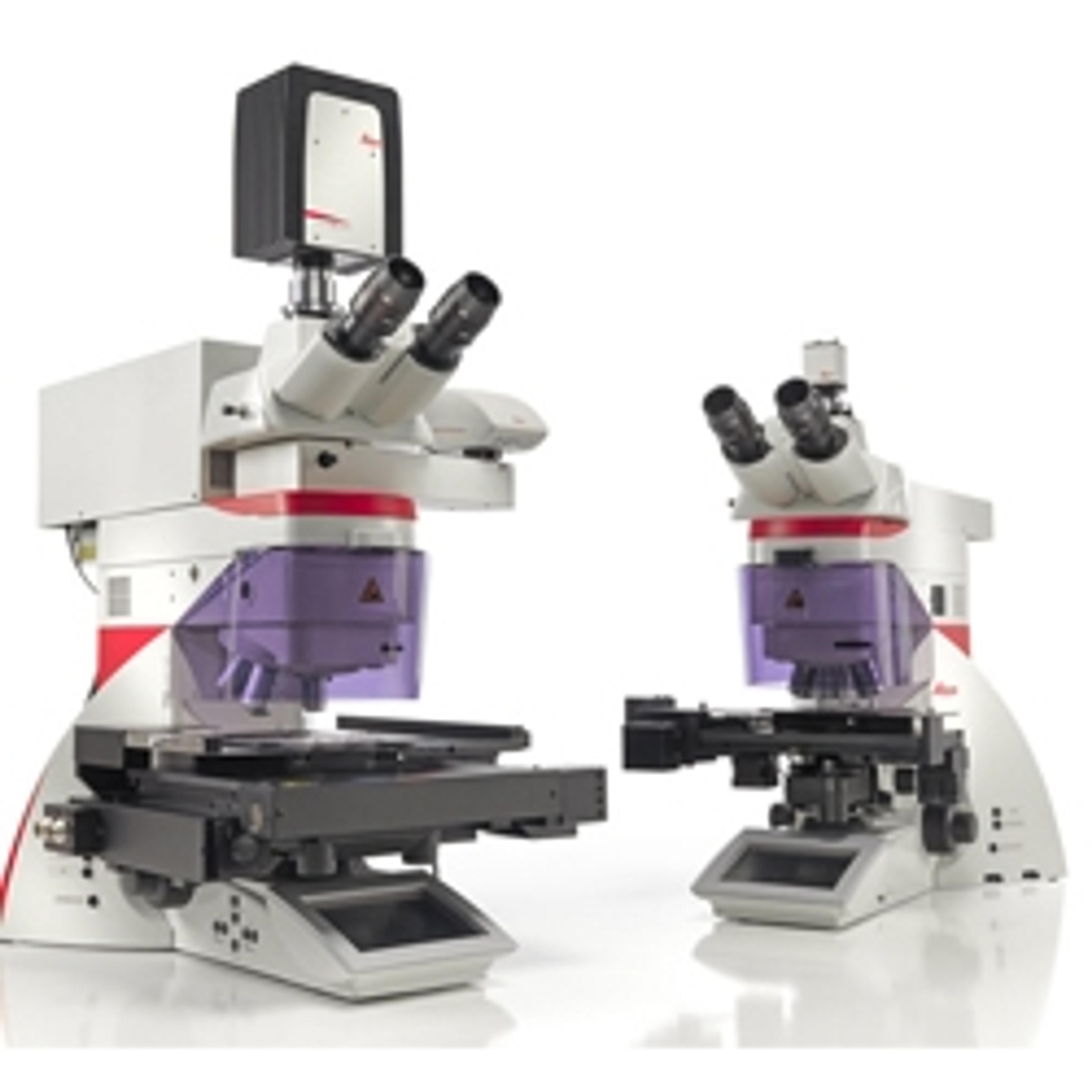
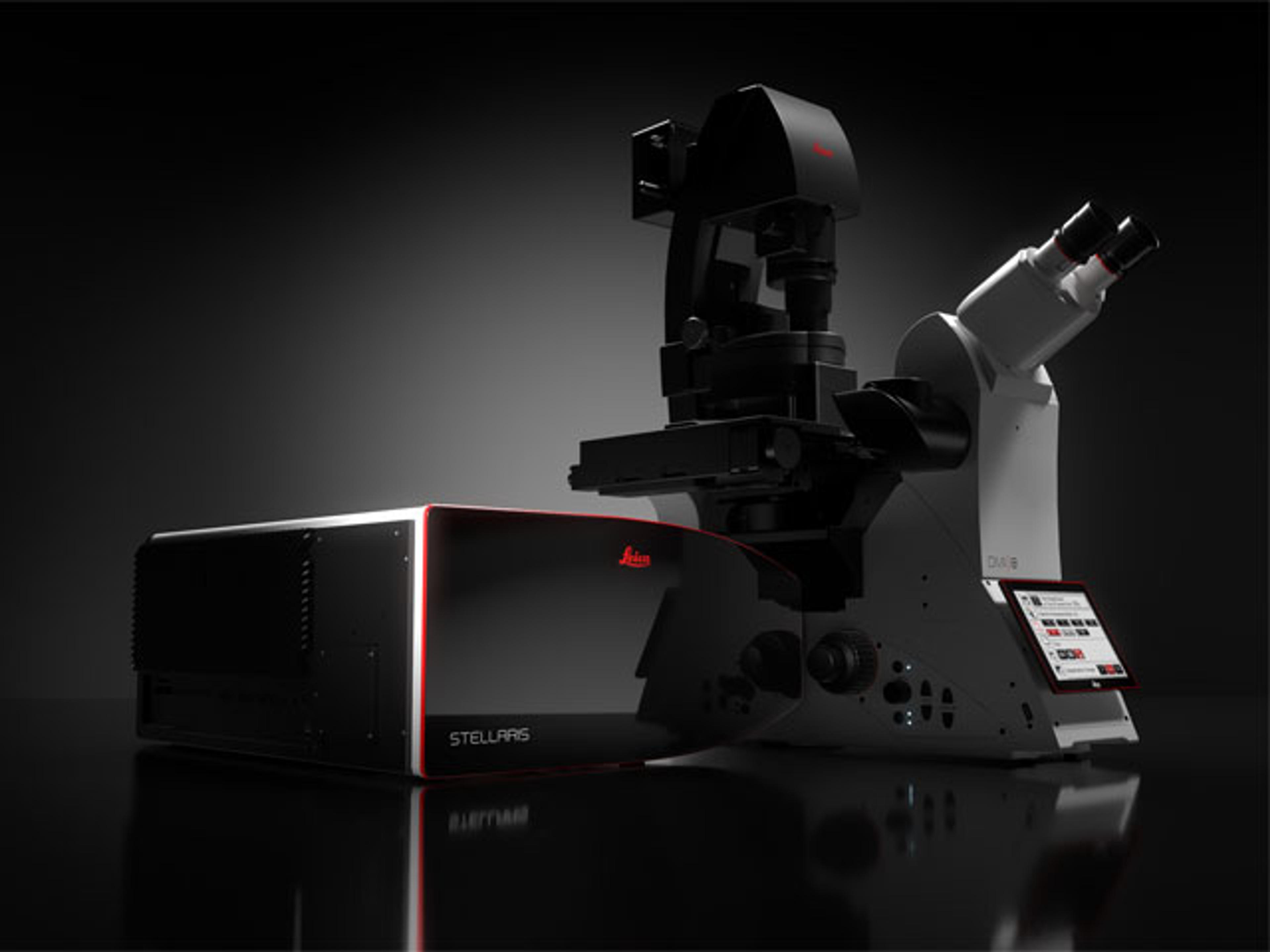
THUNDER Imager
Your solution for advanced 3D cell culture assays, whether you want to study stem cells, spheroids, or organoids
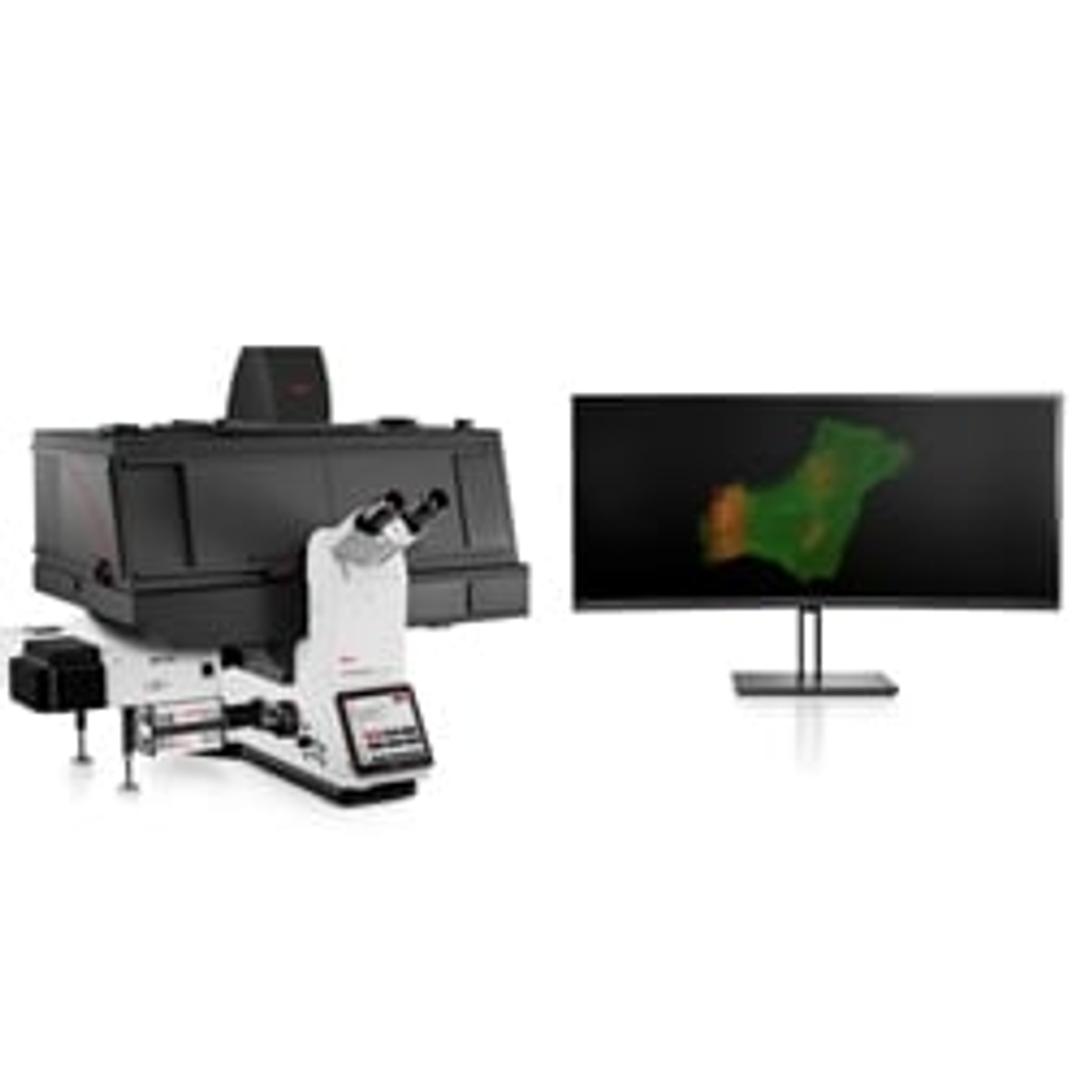
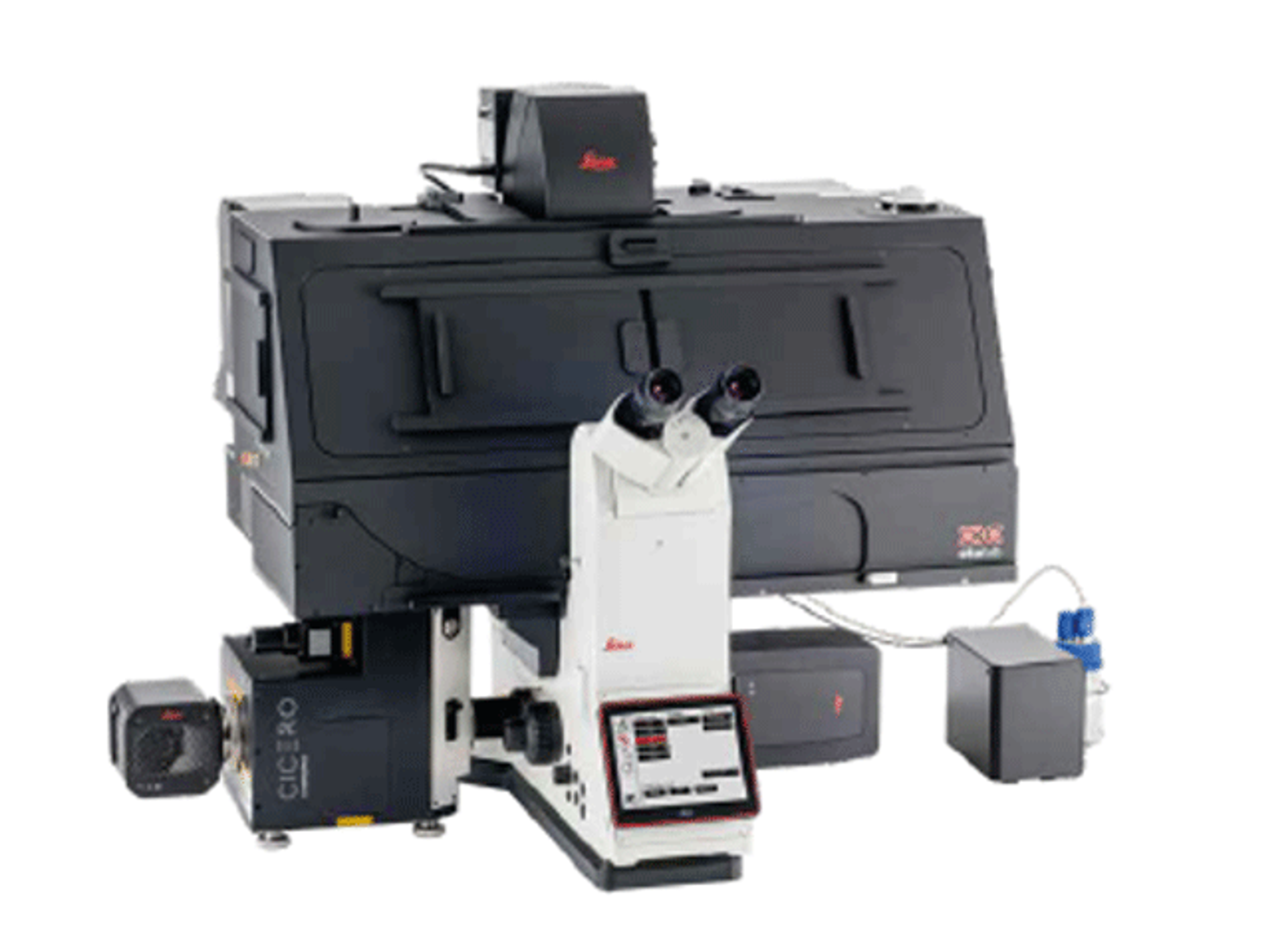
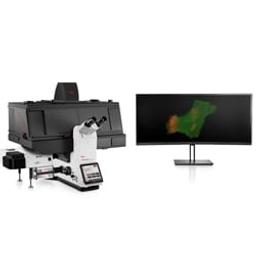
THUNDER Imager Live Cell with incubator
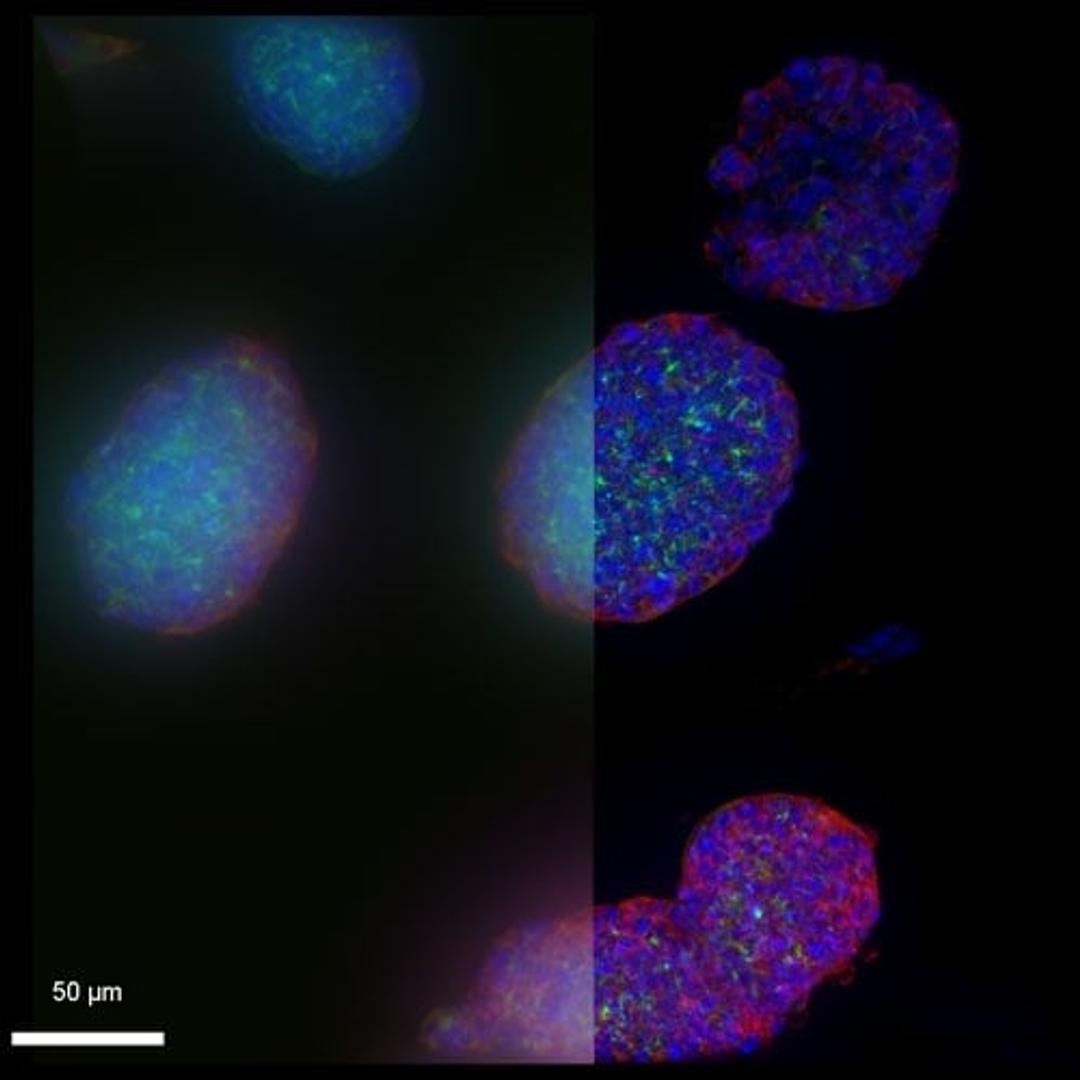
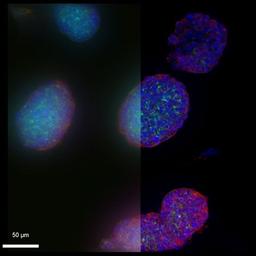
Courtesy Dr. Rémy Bonnavion, Bad Nauheim (DE)
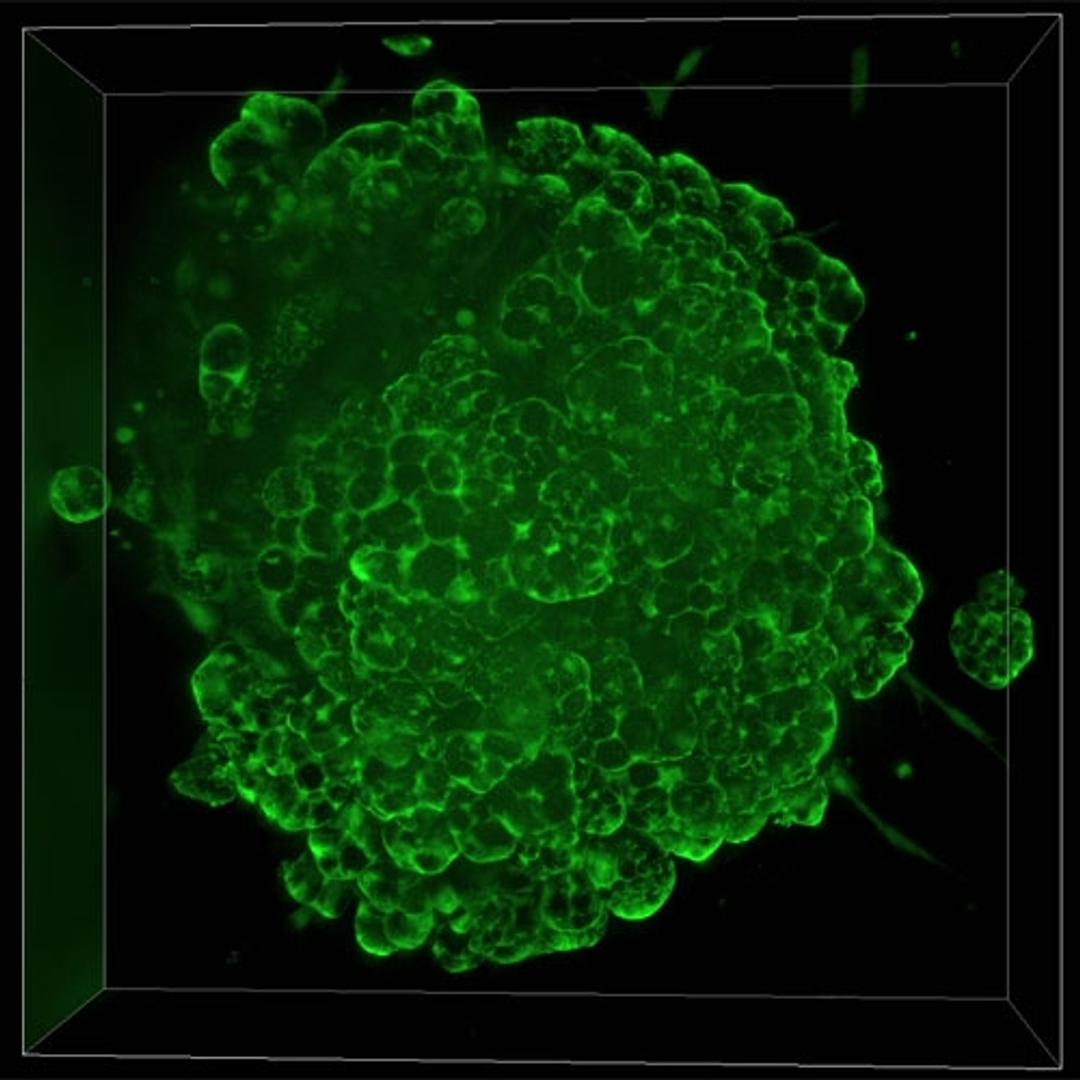
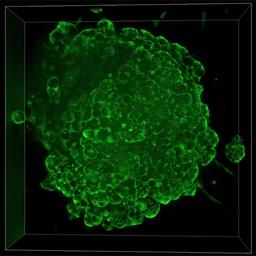
Courtesy Dr. Pumaree Kanrai, Bad Nauheim (DE)

Receive your quote directly from the manufacturer.
Love, love, love my Leica fluorescent microscope!
Cytological profiling
The image quality and analysis software provides for excellent qualitative and quantitative analyses. The equipment is easy to maintain and is a very robust system. The customer service is excellent. I highly recommend Leica microscope products.
Review Date: 10 Dec 2023 | Leica Microsystems Europe
Happy to have this in lab
Observing organoids and cilia movements
The machine is quite helpful for observing live cells and organoids and track the movements if there is any. Need to adjust your plate and objectives if you need better quality of images.
Review Date: 22 Nov 2023 | Leica Microsystems Europe
THUNDER Imagers provide you with a solution for advanced 3D cell culture assays, whether you want to study stem cells, spheroids, or organoids.
With a THUNDER Imager for Live Cell & 3D Cell Culture, you can benefit from:
- High throughput for better statistics and efficiency
- High imaging performance from an easy-to-use instrument
- Optimal physiological conditions for meaningful results
THUNDER Imagers feature the innovative Leica technology Computational Clearing. It efficiently removes out-of-focus blur in real time, enabling the meaningful use of 3D specimens with camera-based fluorescence microscopes. The high sensitivity of the system ensures low phototoxicity and photobleaching, i.e., higher throughput with optimal conditions.
Find the THUNDER Imager that’s right for you
The THUNDER Imager Live Cell, 3D Cell Culture & 3D Assay are part of the THUNDER family of imaging systems. Whether you are looking for a dedicated high-end imaging system that excels in a given application, or a versatile solution for a lab running different kinds of assays with various samples, we’ve got you covered.
Brochures

THUNDER Imaging Systems
THUNDER Imagers with Computational Clearing define a new class of instruments for high-speed, high-quality imaging of thick 3-dimensional specimens.
The power of pairing adaptive deconvolution with Computational Clearing
Deconvolution is a computational method used to restore the image of the object that is corrupted by the point spread function (PSF) along with sources of noise. In this technical brief, learn how the deconvolution algorithm offered by Leica Microsystems allows you to overcome losses in image resolution and contrast in widefield (WF) fluorescence microscopy due to the wave nature of light and the diffraction of light by optical elements. Explore the methods of user-controlled or automated deconvolution to see and resolve more structural detail.
The ultimate guide to live-cell imaging
Live-cell imaging enables the visualization of living cells in real time. Using live-cell microscopy techniques, researchers can gain valuable insights into the biological relevance of physiological processes such as cell localization, migration, growth, and dynamic cellular interactions.
This eBook provides a comprehensive guide to the different live-cell imaging techniques available, highlights key considerations to help maximize your experimental success, and presents solutions that can address even the toughest imaging applications.
Download your guide free today for:
- An introduction to live-cell imaging
- Important considerations, techniques, and applications
- Expert insight into the preservation of cell homeostasis
- The principles of widefield imaging and the problem of out-of-focus light
An introduction to Computational Clearing - A new method to remove out-of-focus blur
Commonly in widefield (WF) microscopy, the imaging of objects in the object plane results in captured images that are compounded by image haze (referred to as background noise). The presence of background noise in an image obscures structural features from being resolved. Many software packages include background subtraction algorithms to enhance the contrast of features in the image by reducing background noise. The most common methods used to remove background noise from WF images are rolling ball and sliding paraboloid. Recently, Leica Microsystems introduced their own background subtraction method called Instant Computational Clearing (ICC), which is present in all Leica THUNDER WF imaging platforms. Find out more about how the technology works.
Key advantages of the THUNDER Imager 3D Live Cell & 3D Cell Culture
THUNDER Imagers provide you with a solution for advanced 3D cell culture assays, whether you want to study stem cells, spheroids, or organoids. Watch this video to discover the key advantages that the THUNDER Imager 3D Live Cell & 3D Cell Culture offer.
A New Paradigm for Imaging Biologically Relevant 3D Models
Discover the new THUNDER Imager from Leica Microsystems that offers to deliver a new benchmark for core life science applications. The system's Computational Clearing method enables you to capture images that are clearer than ever before with widefield observation, differentiating between signal and background, giving images so clear you can separate single cells from each other and use the images for downstream analysis.
CrestOptics and Leica Microsystems collaborate to expand capabilities of spinning disk microscopy
The partnership will incorporate CrestOptics' CICERO spinning disk imaging unit within Leica Microsystems' THUNDER Imager Cell system
3D cell culture: Discover the latest technologies and resources for your research
Hear from leading experts and explore tools to advance your work using 3D cell culture
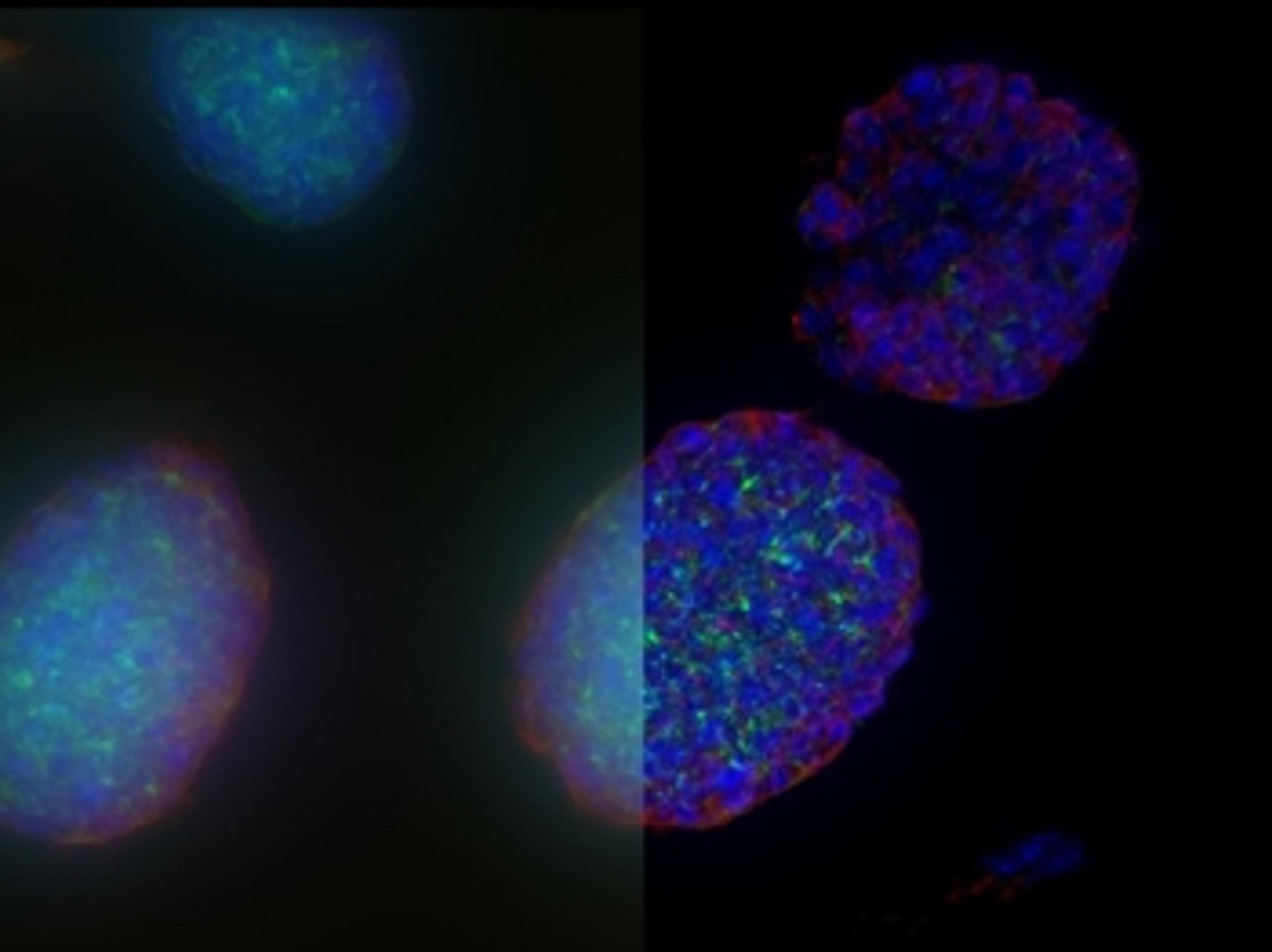
Seeing in 3D: How cell culture imaging just got easier
Dr. Falco Krüger discusses the challenges of 3D cell culture imaging, enabling technologies and the future of AI microscopy
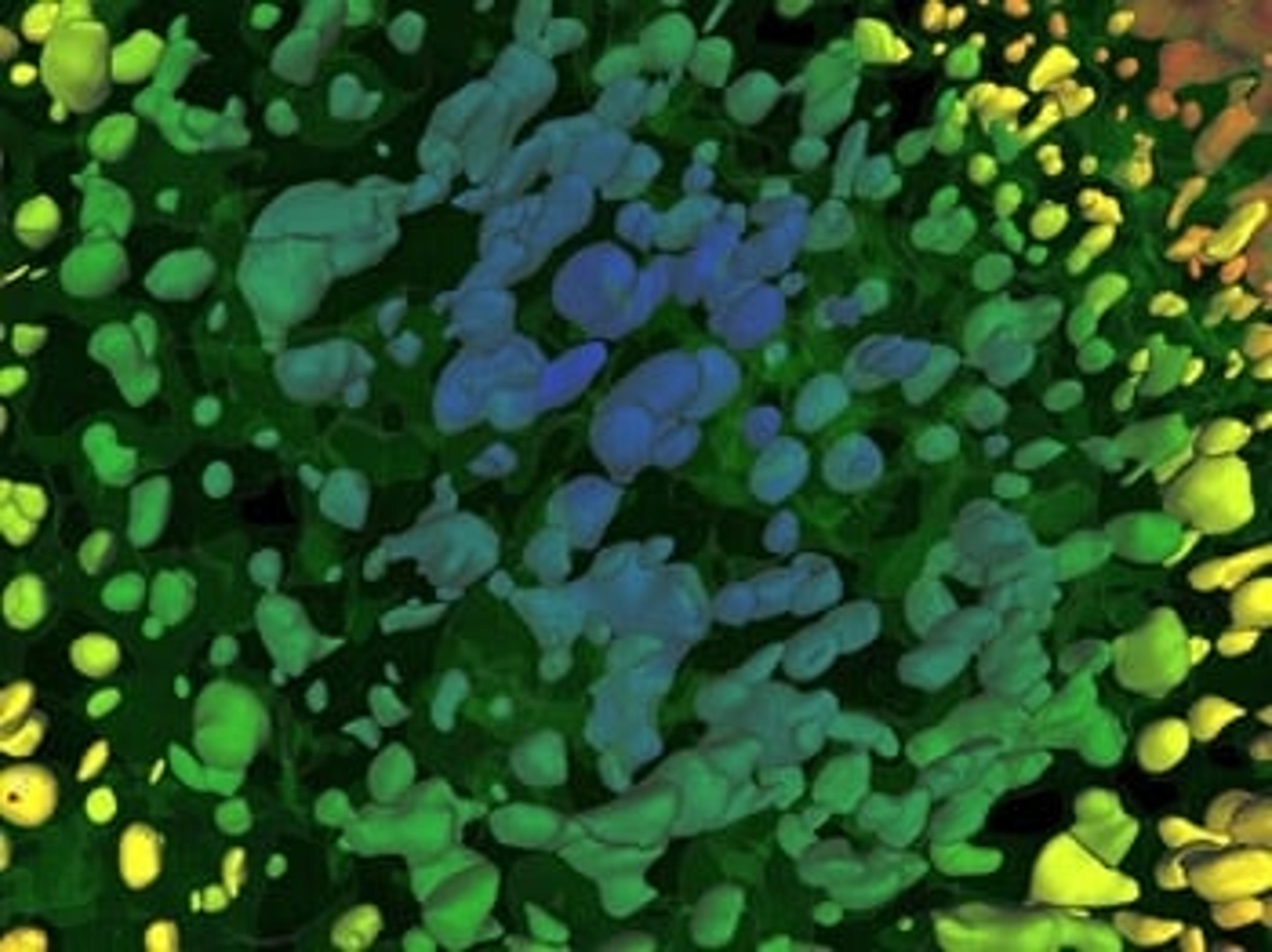
Aivia 10: Driving research for all with autonomous image analysis
Experience the solutions new functions with a free trial on the Aivia web platform
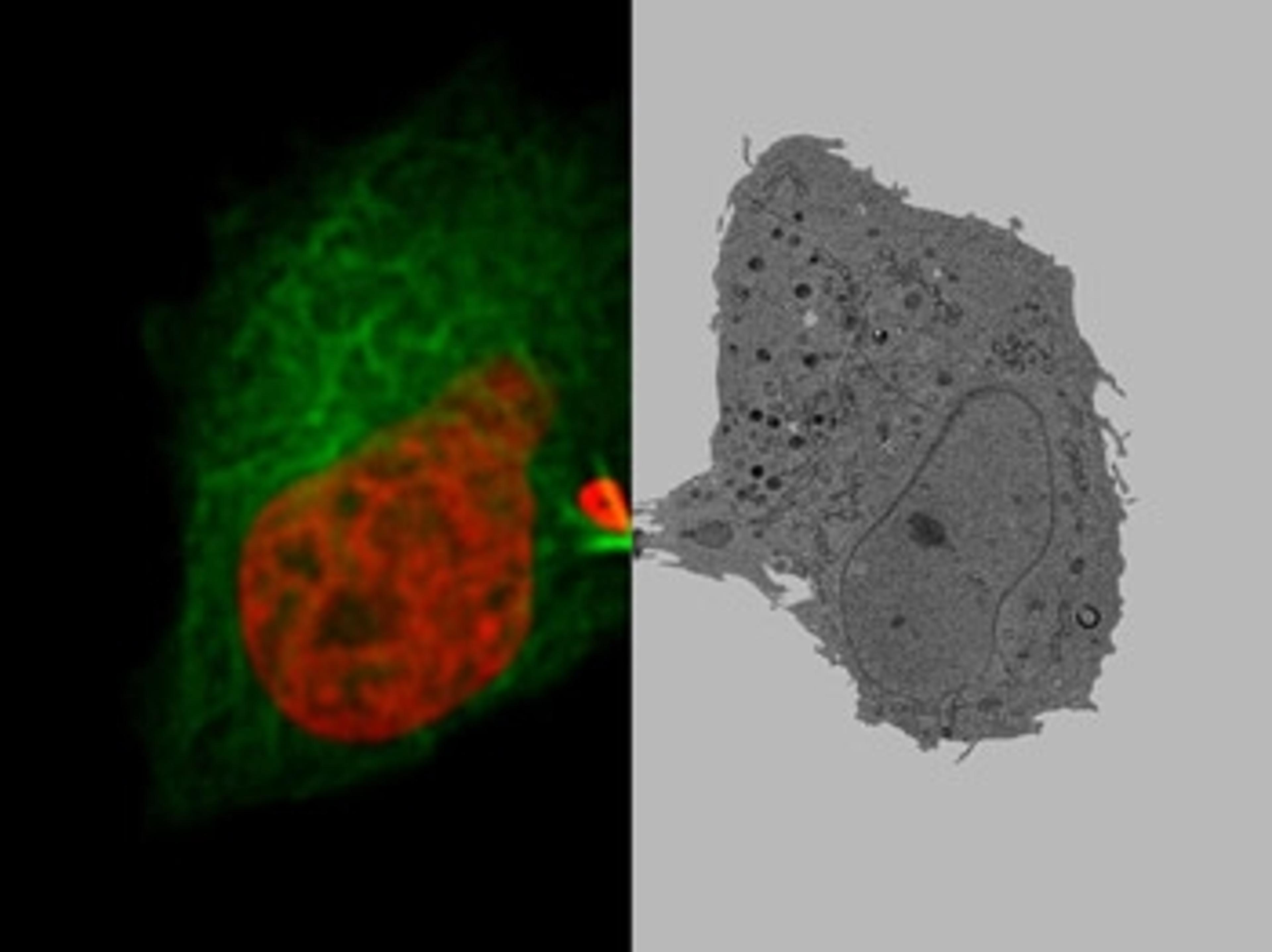
Leica Microsystems launches ground-breaking Live-Cell CLEM workflow
The new solution promises to accelerate experimental success and improve process reliability as industry looks to faster drug discovery post-Covid-19
3D Cell Culture Methods and Protocols
From 3D Culture Systems to Spheroids – break into three-dimensional (3D) cell culture with the latest methods and resources

Trends in Drug Discovery: Antibody Engineering, Protective Antibody Treatments, Streamlining Antibody Discovery & More!
Find all the latest developments in antibody engineering and June’s top content from our drug discovery community
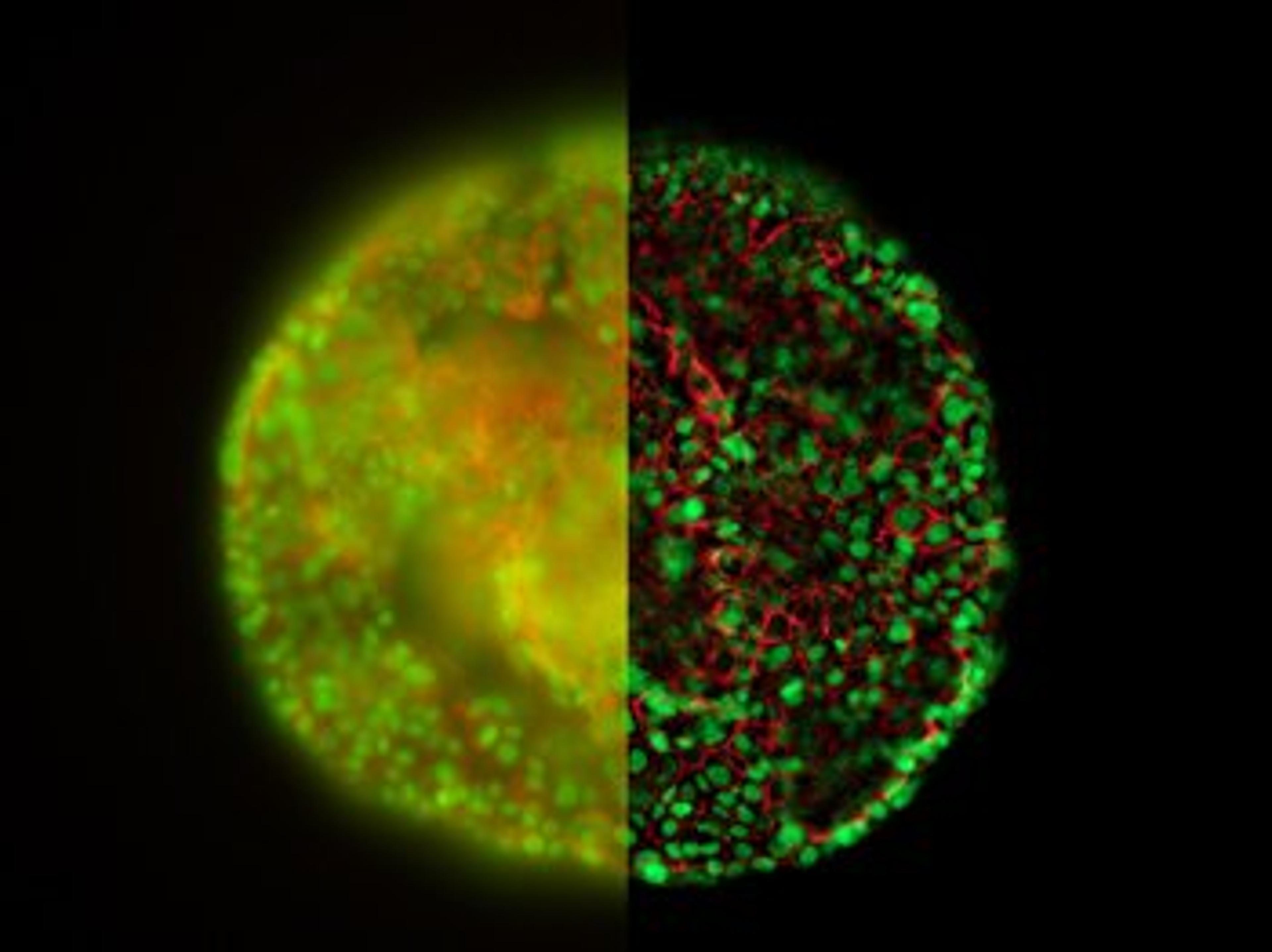
Cut Through the Haze: Can the Latest 3D Imaging Technology Help You Remove Out-of-Focus Blurring?
In this article, discover how Computational Clearing technology from Leica Microsystems quickly resolves the longstanding challenge of blurry contrast when imaging thick sections
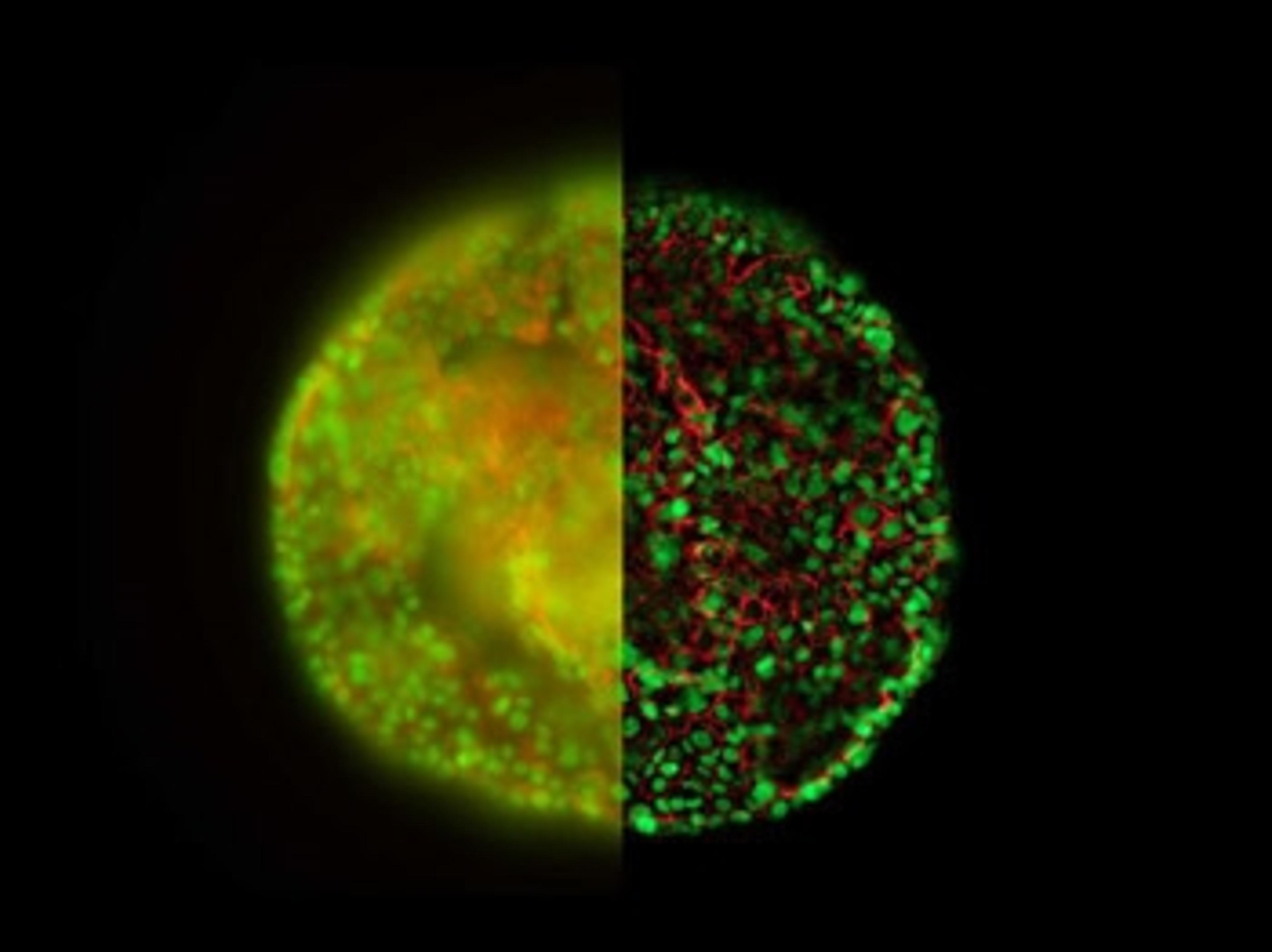
New Leica imagers set to transform visualization of 3D samples
The THUNDER imager family enables users to decode 3D biology in real-time*