RASTRUM™
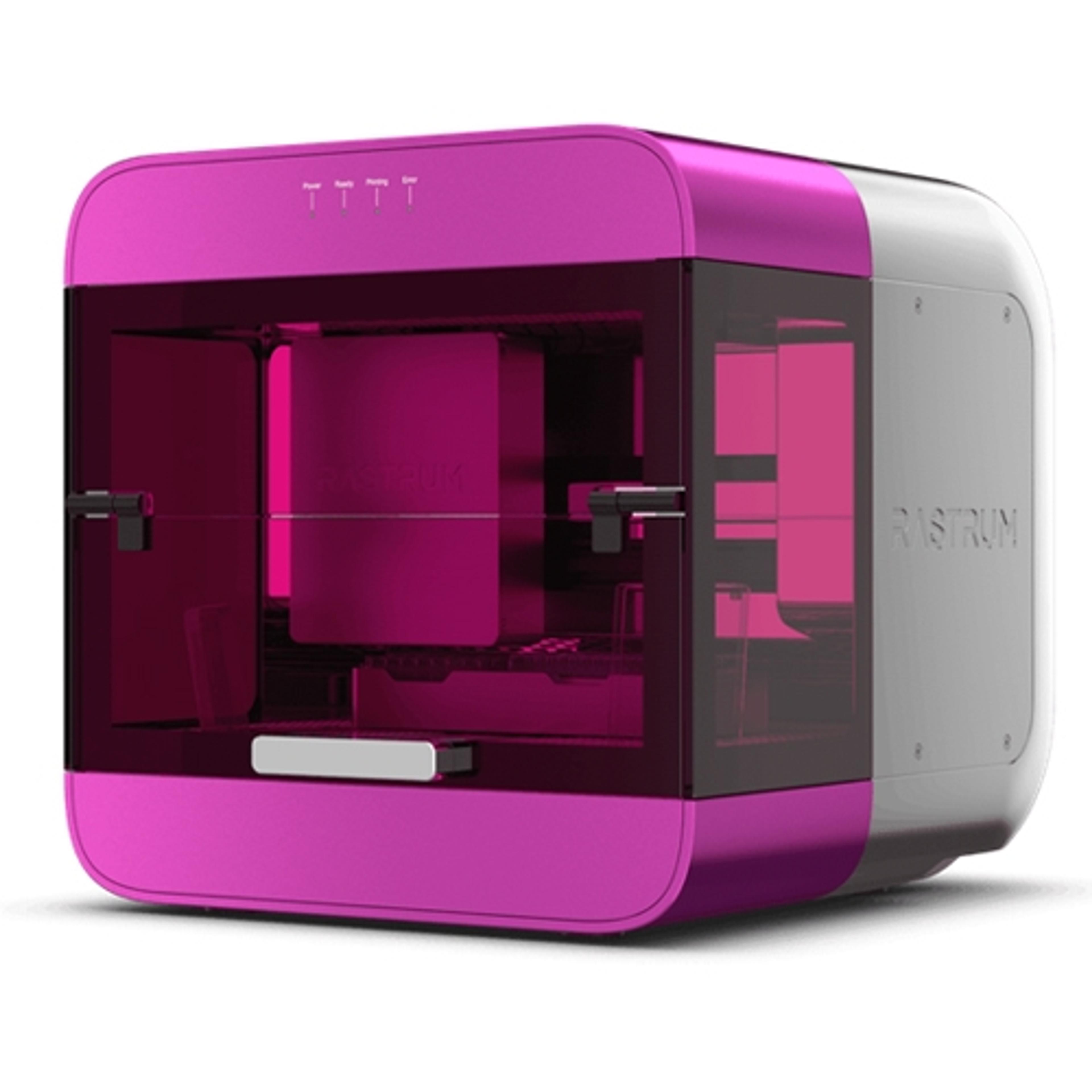
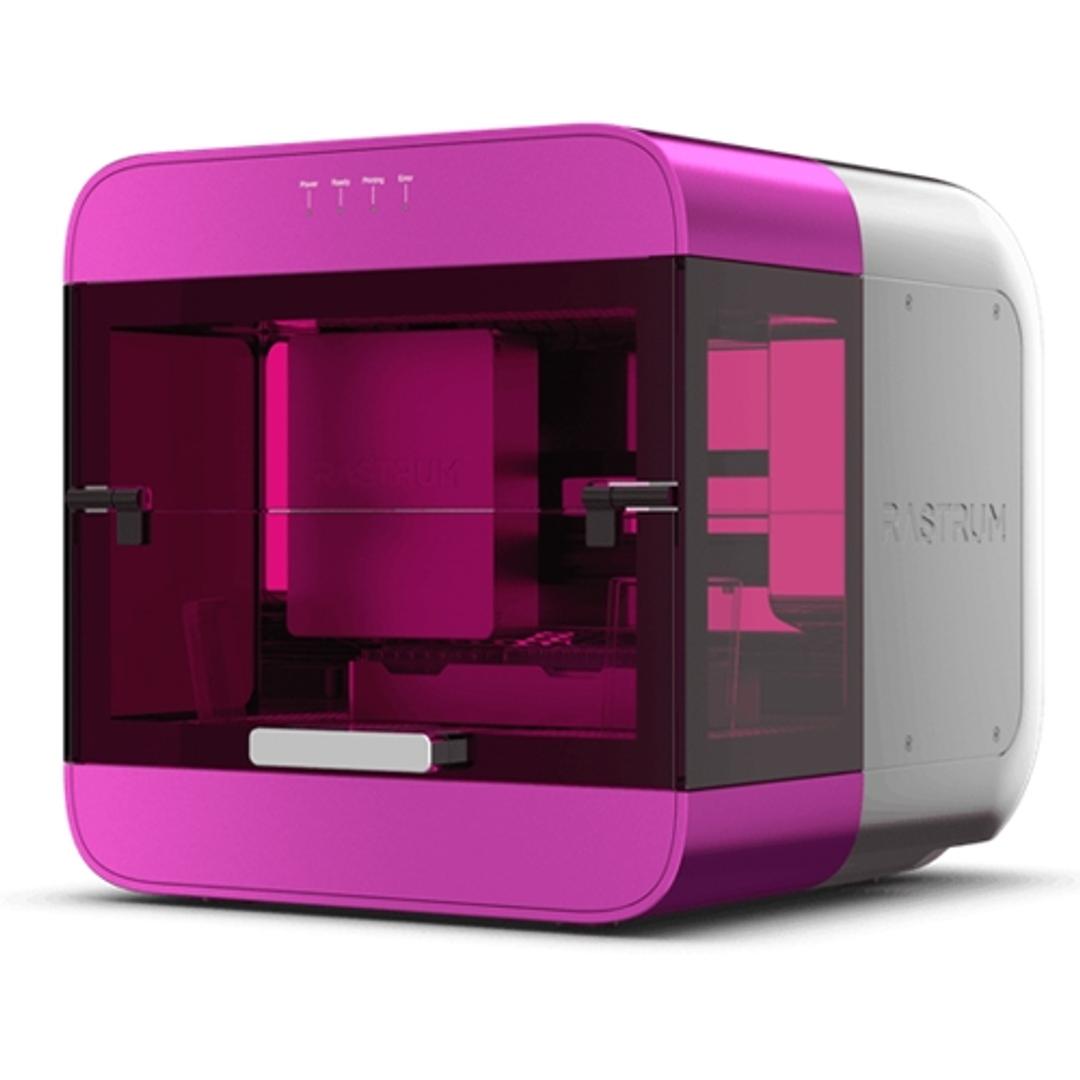
RASTRUM™ is a 3D cell culture platform that enables scientists to generate biologically and phenotypically relevant models for disease research, drug discovery, and translational applications with greater efficiency and consistency.

The supplier does not provide quotations for this product through SelectScience. You can search for similar products in our Product Directory.
RASTRUM™ is redefining 3D cell culture workflows by offering a scalable, reproducible solution for generating structured 3D models. Traditional 3D culture techniques can be labor-intensive, inconsistent, and difficult to scale, leading to variability in experimental results. RASTRUM eliminates these challenges, allowing researchers to generate biologically relevant 3D models with minimal hands-on effort.
The platform leverages drop-on-demand technology to precisely deposit cells and extracellular matrices, creating structured co-culture systems that better reflect native cellular environments. Whether in oncology, neuroscience, or immunology, RASTRUM provides a robust toolset for advancing disease modeling, drug screening, and translational research.
By enabling high reproducibility and eliminating manual bottlenecks, RASTRUM allows scientists to focus on discovery rather than optimization, supporting applications from tumor modeling to neurodegenerative disease research.
Key Features:
- Advanced 3D cell culture platform for biologically relevant models
- Drop-on-demand technology for precise and reproducible cell placement
- Supports co-culture systems with tunable extracellular matrix compositions
- High reproducibility for consistent experimental outcomes
- Optimized for oncology, neuroscience, and immunology research
Applications:
- Oncology: Creation of tumor models for drug screening and therapy evaluation
- Neuroscience: 3D cultures for studying neurodegenerative disease mechanisms
- Immunology: Immune-competent models for immune response research
- Regenerative Medicine: 3D microenvironments for stem cell and tissue engineering

Phenotypic 3D cell models – Benefits and how to get started
Phenotypic 3D cell models recapitulate the complexity of the tissue microenvironment by incorporating tissue architectures and extracellular matrices that have in vivo relevance. Matrix-embedded 3D cell models provide an optimal balance of complexity and scalability that makes them ideal for drug screening applications. Inventia Life Science outlines how scalable matrix-embedded 3D cell models can replicate the complexity of the in vivo context and easily integrate with existing downstream analysis methods for drug discovery.
Studying fibroblast activation and production of extracellular matrix proteins with RASTRUM 3D cell models
In this application note from Inventia, explore the creation of 3D cell models using normal human lung fibroblasts (NHLF) and liver stellate cells (LX-2) printed in RASTRUM™ Matrix. Furthermore, discover how the data collected demonstrates that RASTRUM can generate 3D fibroblast models that can be used in phenotypic screening and other applications.
Create 3D phenotypic models at scale
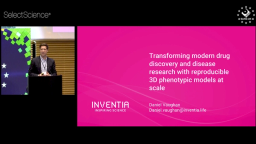
Find out how Inventia is transforming modern drug discovery and disease research with reproducible 3D phenotypic models at scale. Traditional 2D in vitro models have long been a staple in drug discovery but fall short in physiological relevance. Inventia addresses this gap with its innovative matrix-embedded phenotypic models, which encapsulate cells within a matrix that mimics the human extracellular environment. This provides a more accurate prediction of in vivo tissue functions.
Inventia's platform uniquely combines model complexity with high throughput, enabling scalable and reproducible results. These advanced 3D models integrate seamlessly with most downstream workflows, offering a transformative approach to biomedical research.