iMatrix Recombinant Laminin E8 Fragments
High Efficient ES/iPS Cell Culture

The supplier does not provide quotations for this product through SelectScience. You can search for similar products in our Product Directory.
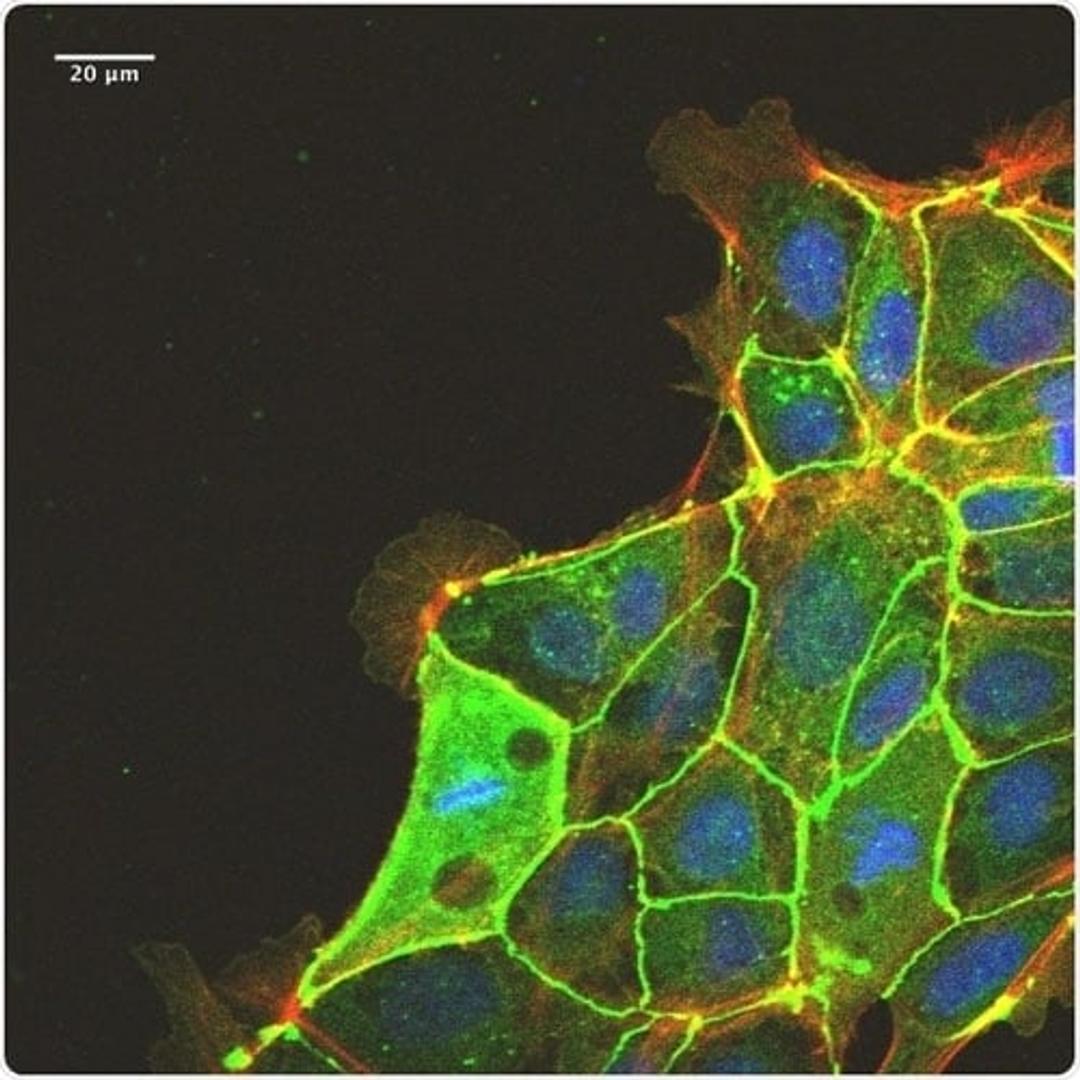
iMatrix-511 is an innovative cell culture matrix compatible with a wide variety of cell types, and exceptionally well suited for pluripotent stem cells. This product is comprised of recombinant Laminin-511 E8 protein fragments which permit ES/iPS cells to be maintained in xeno-free culture conditions, enable the passaging of single cells, and provide greater adhesion than full-length Laminin, Vitronectin or Matrigel.
Laminin-511 is a major component of the basement membrane, which is expressed in early development of the embryo and can be used as a matrix for pluripotent (ES/iPS) stem cells, as it binds to integrin on cell surfaces. However, Laminin-511 is a large protein (800kDa) composed of three chains (alpha, beta and gamma), making it difficult to produce recombinantly. In order to overcome this challenge, Laminin-511 proteins were fragmented to find the smallest integrin-binding component and hES cells were found to adhere more strongly to the E8 fragment than to the full-length protein.
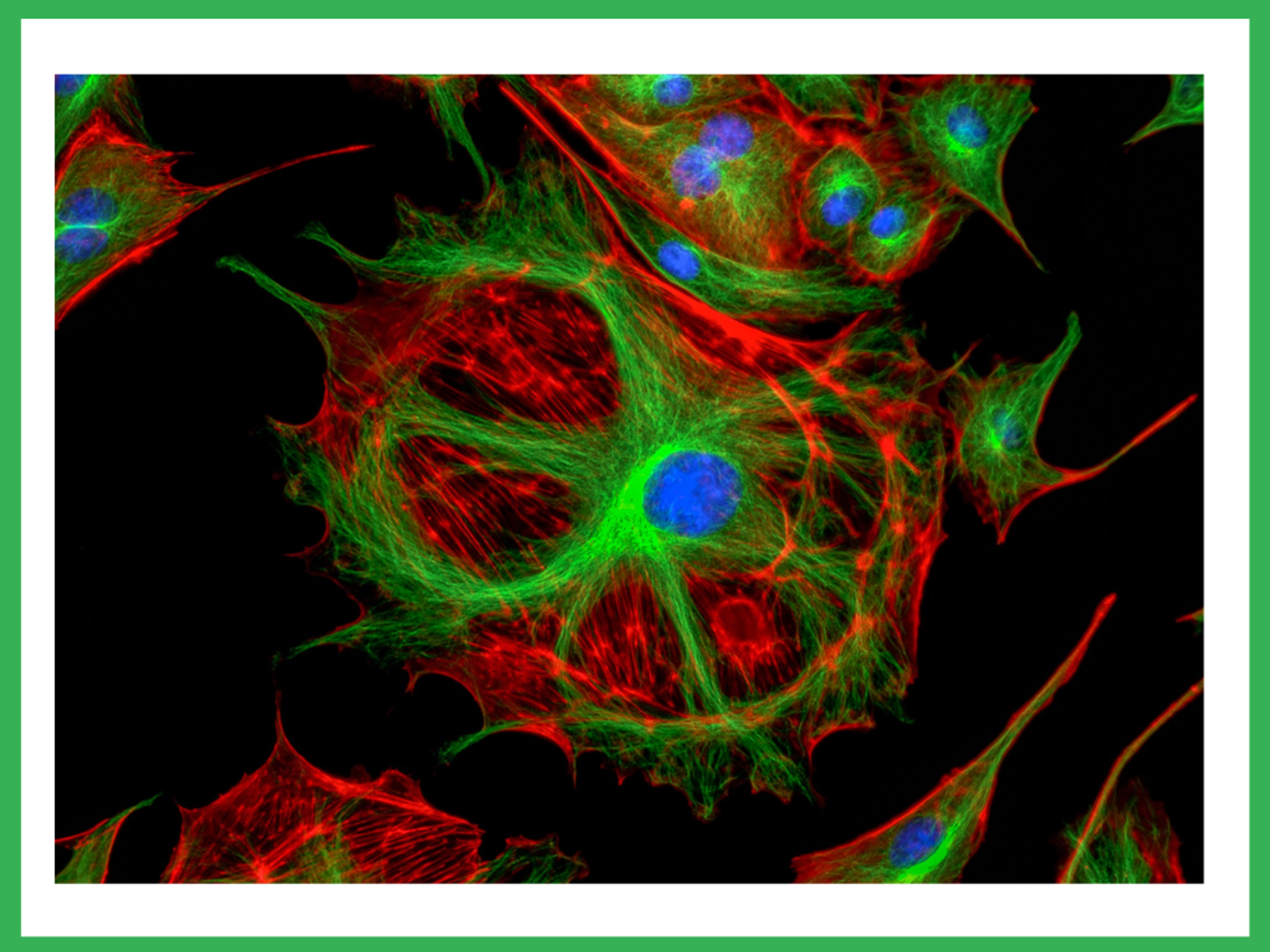
New direct translocation reagent eliminates transfection, transcription and translation processes
BioPORTER protein delivery reagent from AMSBIO is proven to efficiently transport functionally active proteins directly into living cells eliminating the traditional DNA transfection, transcription, and protein translation process.
Fast creation of custom cell lines
Develop an optimized, custom cell line to stably express your gene of interest with AMSBIO
AMSBIO expands its range of laminin isoforms
Expanded range of laminin isoforms provides greater flexibility when tailoring your substrate to specific cells
AMSBIO launch recombinant monoclonal antibody development service
The platform can directly isolate IgG genes from B cells of immunized animals
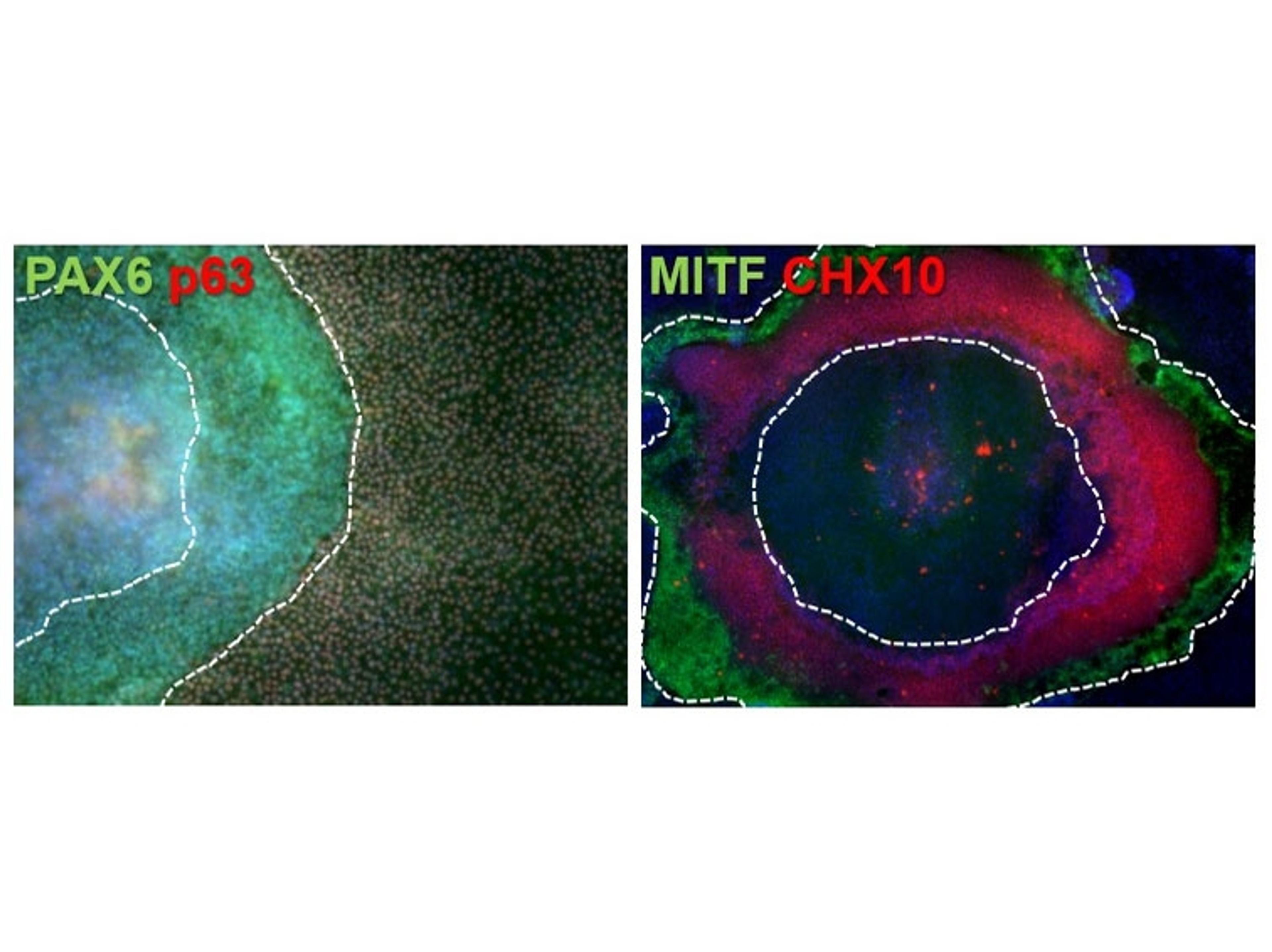

Low Adhesion Plates Help Culture Light Responsive Retinal Organoids
Leading European research groups use Lipidure coated microplates to help culture physiologically functional, light-responsive retinal organoids