Epsilon 4 Building Materials
Improve your process efficiency through high-quality, low-cost elemental analysis.
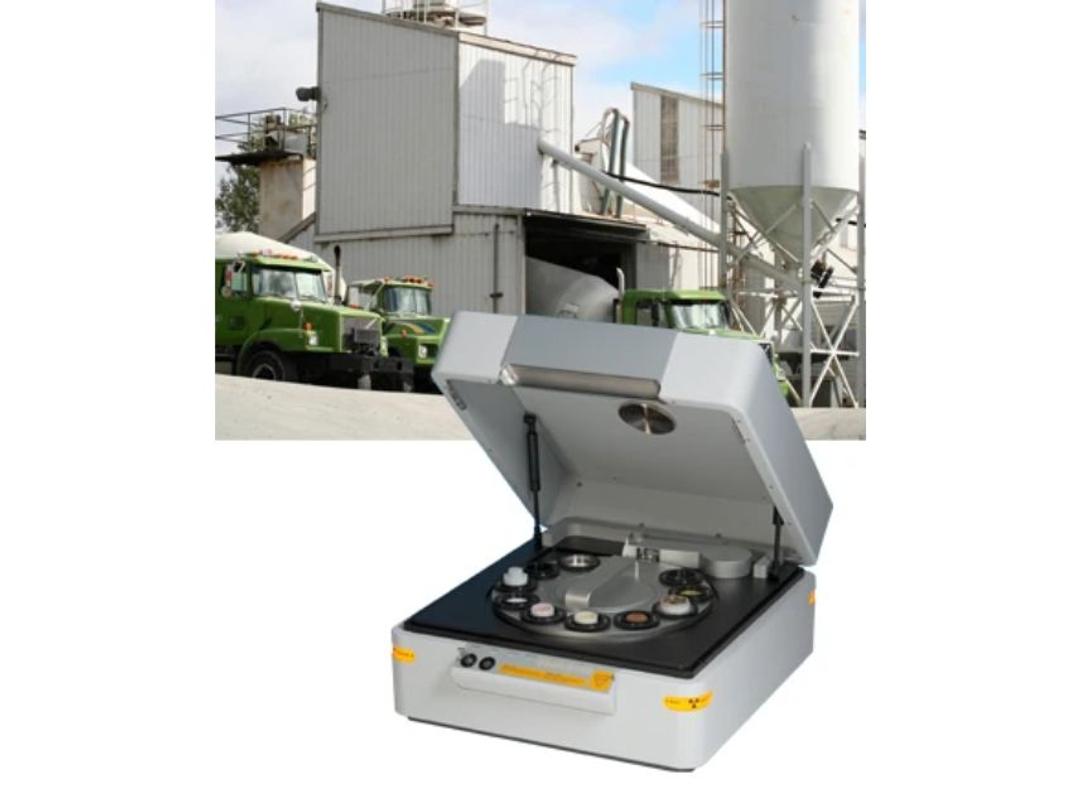
Epsilon 4

Receive your quote directly from the manufacturer.
Improve your process efficiency through high-quality, low-cost elemental analysis.
X-ray fluorescence spectroscopy (XRF) has an important and well-established analytical role within the cement industry. It is used extensively for production and quality control for the elemental analysis of raw materials, alternative fuels and finished products.
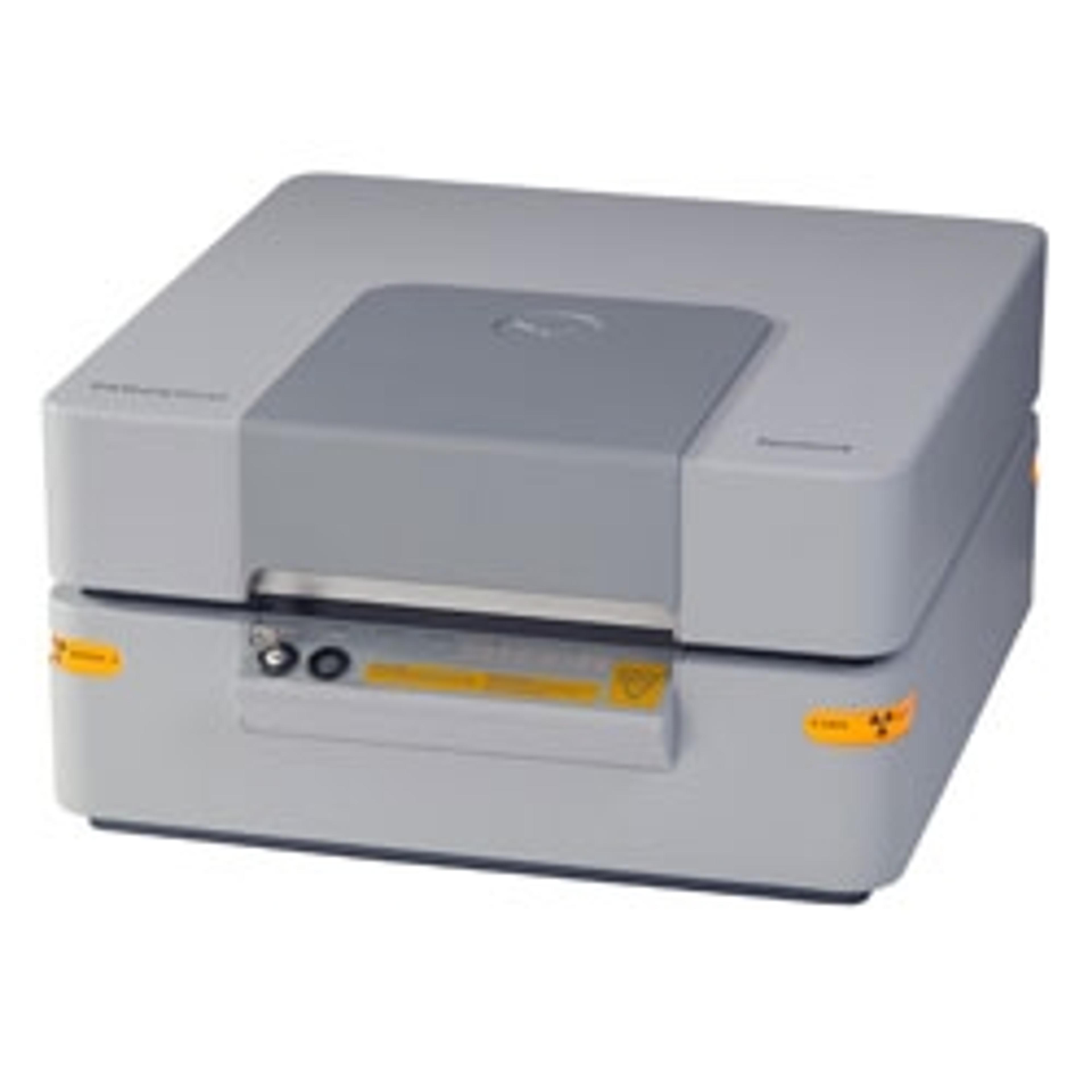
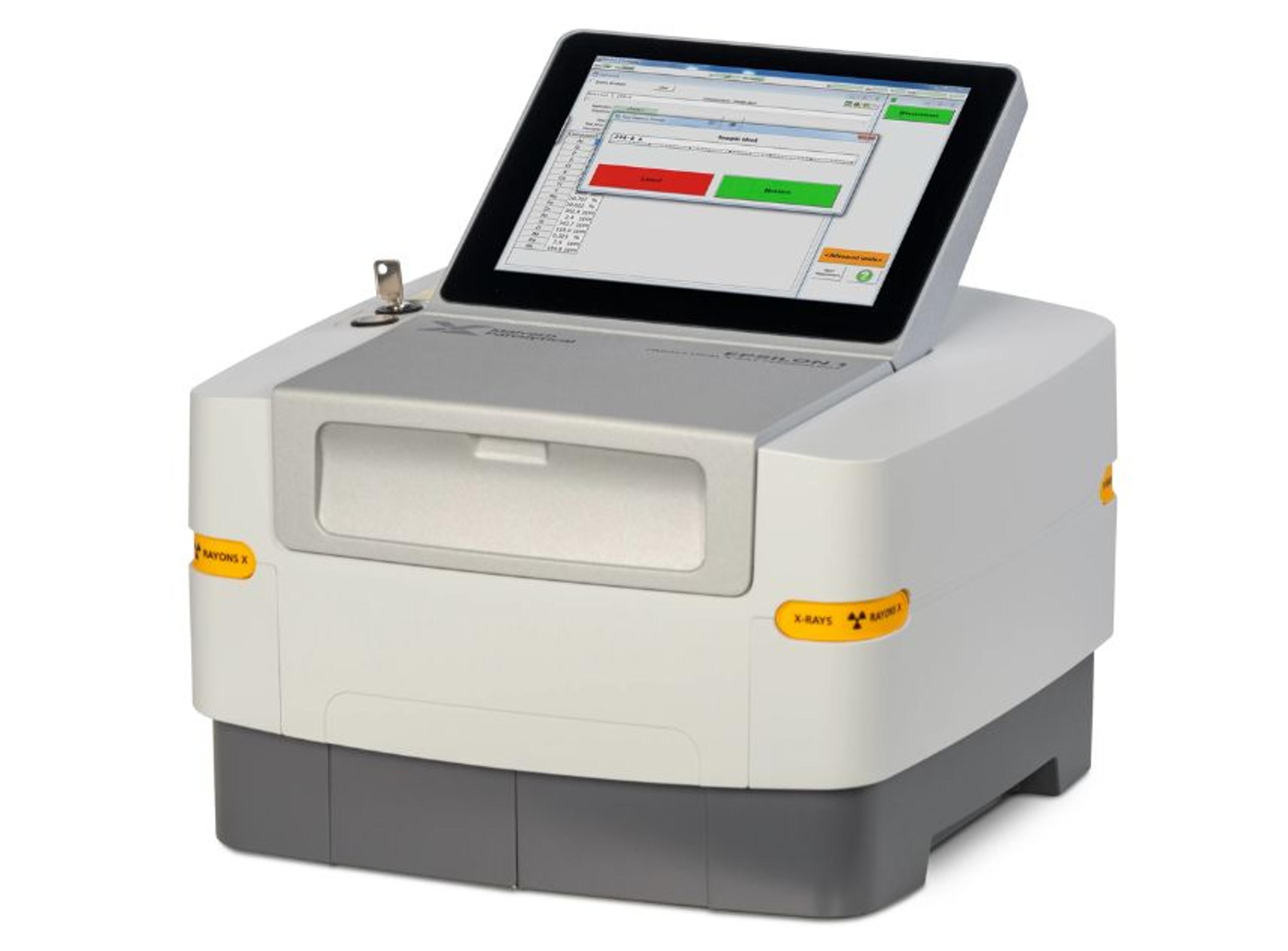
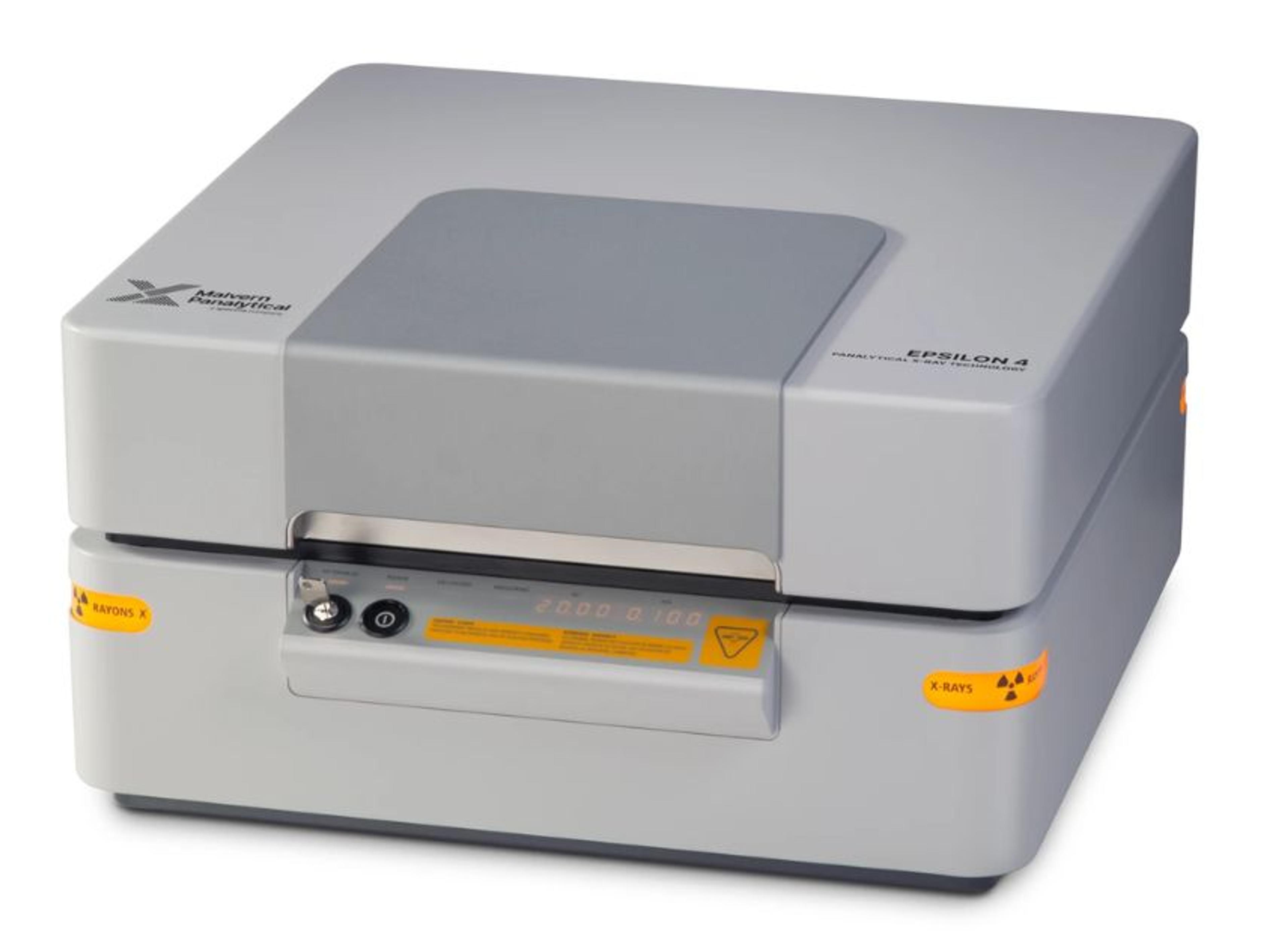
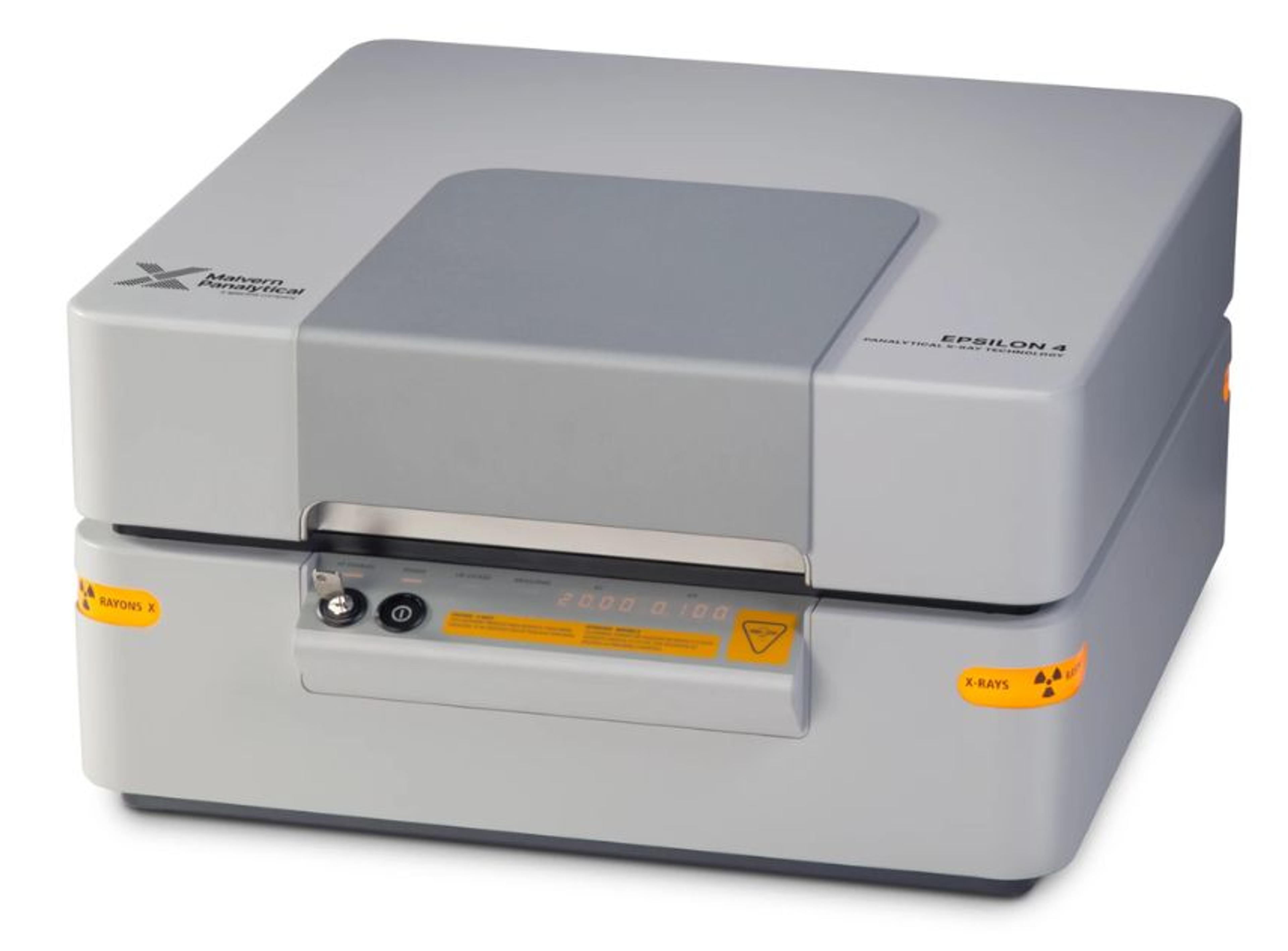
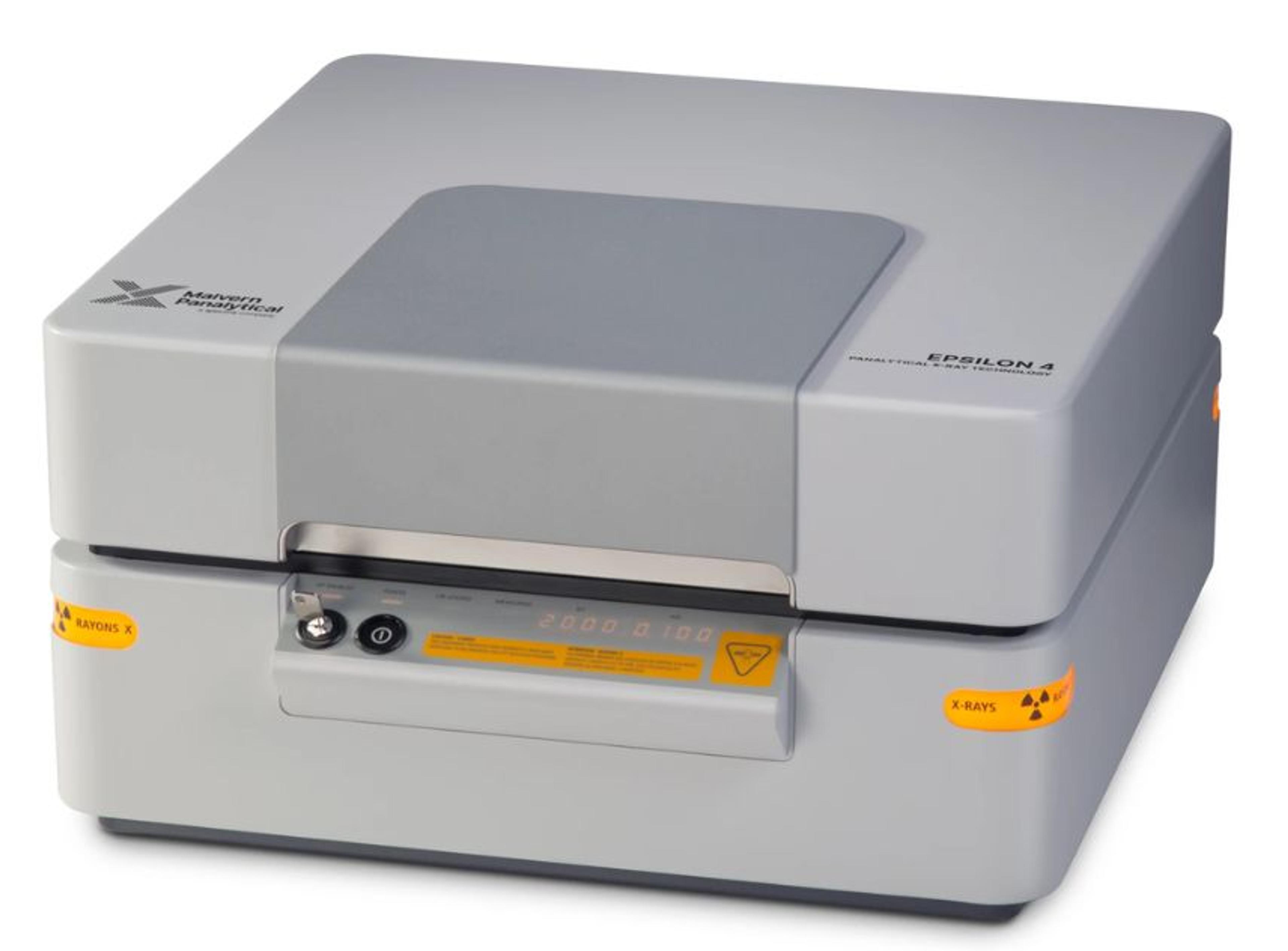
Continuing Malvern Panalytical's successful and established line of benchtop spectrometers, Epsilon 4 provides state-of-the-art XRF analysis. The outstanding analytical performance of Epsilon 4 is comparable to floor-standing XRF instruments, with a much lower cost of ownership.
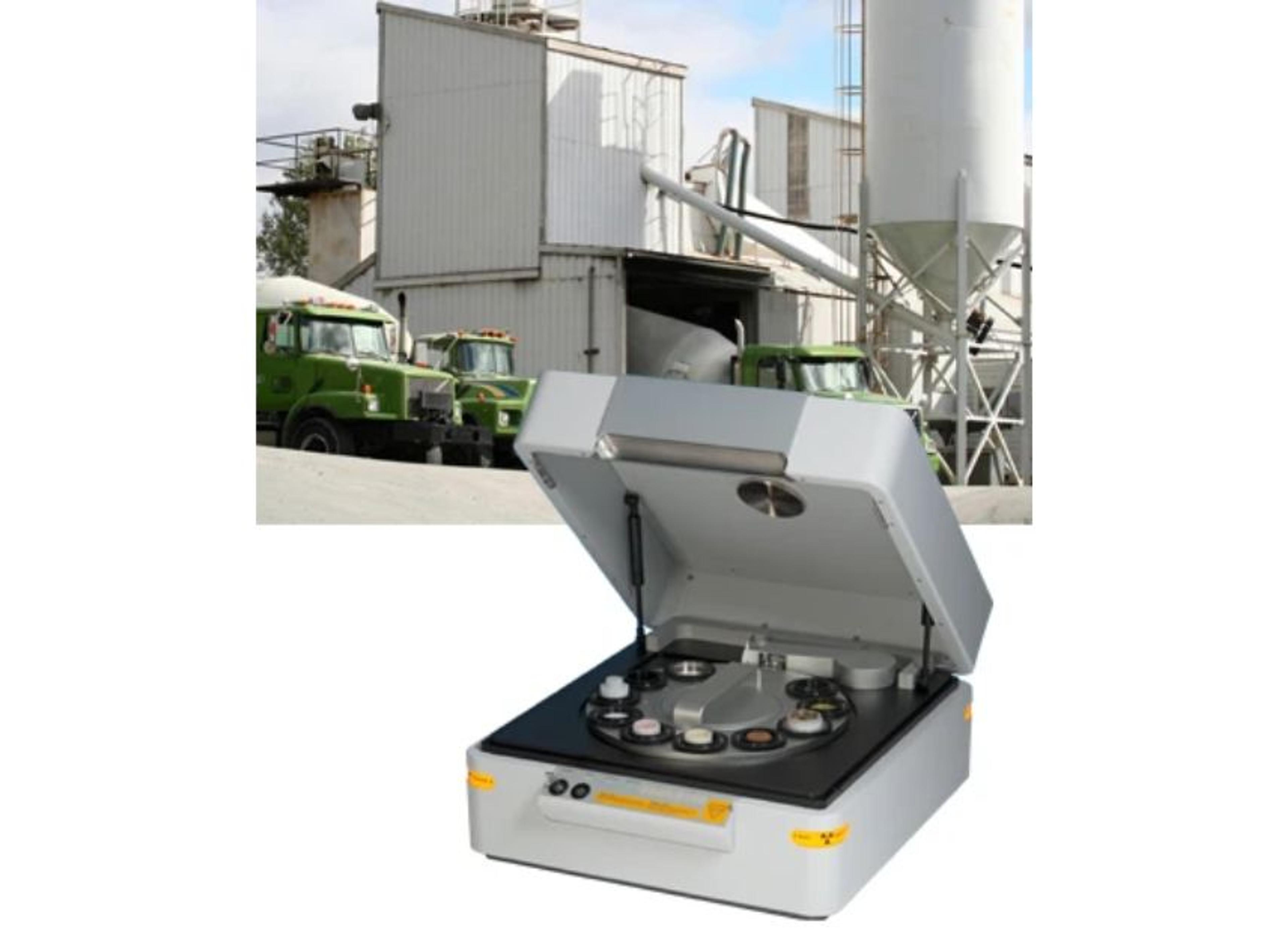
Discover the possibilities of XRF analysis and reduce your feedback time from hours to minutes by placing the XRF spectrometer next to the production line.
Accurate results
The unique high-performance, metal-ceramic X-ray tube, specifically designed and manufactured by Malvern Panalytical, ensures high-quality data and reliable results. Flexible voltage settings from 4.0 to 50 kV and a maximum current setting up to 3.0 mA optimize the performance across the periodic table.
Unattended operation
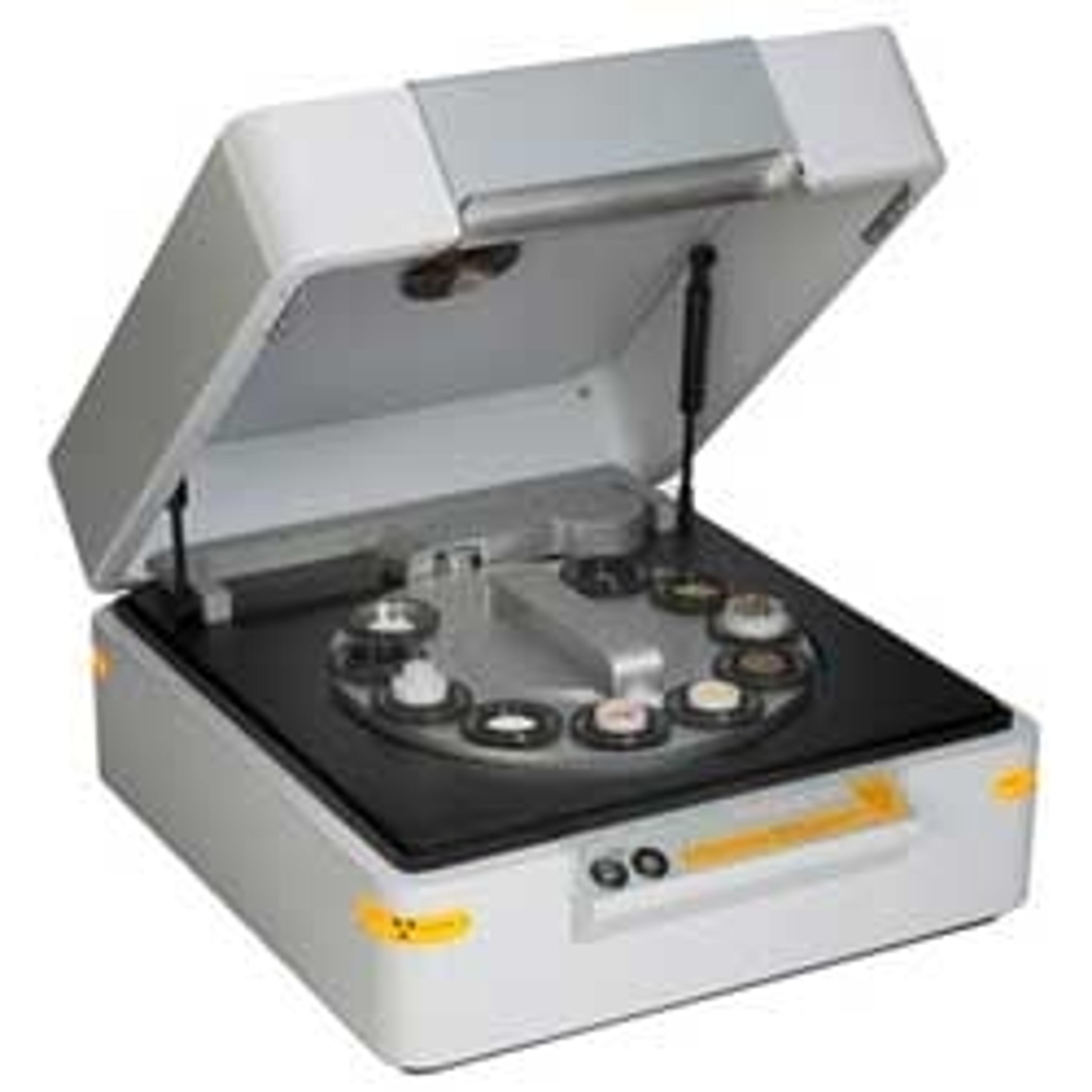
The combination of a 10-position removable sample changer with spinner enables the automatic processing of sample batches without the need for operator attention. Continuous rotation of the sample during measurement minimizes any errors caused by non-homogeneity or surface irregularities within individual samples and provides more accurate results.
Automatic transfer of data to a central location gives you access to the latest results.
Fast and sensitive
Fast measurements are achieved by using the latest silicon drift detector technology that produces significantly higher intensities.
Unique detector electronics enable a linear count rate capacity to over 1,500,000 cps (at 50% dead time) and a count rate independent resolution typically better than 135 eV for better separation of analytical lines in the spectrum. This allows the Epsilon 4 spectrometer to run at full power and therefore realizes a much higher sample throughput compared to traditional EDXRF benchtop instruments.
Reduce helium consumption
The high performance of Epsilon 4 enables many applications to be operated in air atmosphere, without longer overhead time and costs involved for helium or maintenance of vacuum system. When measuring in air, low-energy X-ray photons characteristic of sodium, magnesium and aluminium, are sensitive to variations in air pressure and temperature. Built-in temperature and air-pressure sensors compensate for these environmental variations, ensuring excellent results whatever the weather.

ASTM C114-15 and ISO 29581-2 compliance for cement fused beads in 10 minutes
In this technical note, Malvern Panalytical demonstrates how the Epsilon 4, in combination with the Eagon 2 fully automatic fusion system, complies with the latest cement testing methods of both ASTM C114-15 and ISO 29581-2. This facilitates the fast quantitative analysis of a wide range of compounds in cement.
Analysing Major and Minor Elements in Cement Pressed Powders
The analysis of raw materials such as cement can be crucial in quality assurance and prevention of environmental contamination. This application note demonstrates that Epsilon 4, a high-performance energy dispersive x-ray fluorescence spectrometer, is capable of analyzing major and minor elements in cement samples.
Elemental Screening in Three Minutes with Omnian
In this application note, we combine the Omnian module with Epsilon 4 for fast and accurate analyses on a variety of industrial materials such as cement, metals and oils.
7 Key factors to Consider When Buying a New Benchtop X-Ray Diffractometer
When the time comes to replace or buy a new X-ray diffractometer for your lab, there are a number of key factors you should consider to help you select the best possible system for your requirements. This whitepaper presents 7 factors to help you make this decision decision.

X-ray fluorescence for mineral analysis: Using the best tools for the job can make all the difference
Prof. Saúl Loaiza shares the importance of robust quality control in mineral analysis by using high-quality in-the-field analyzers