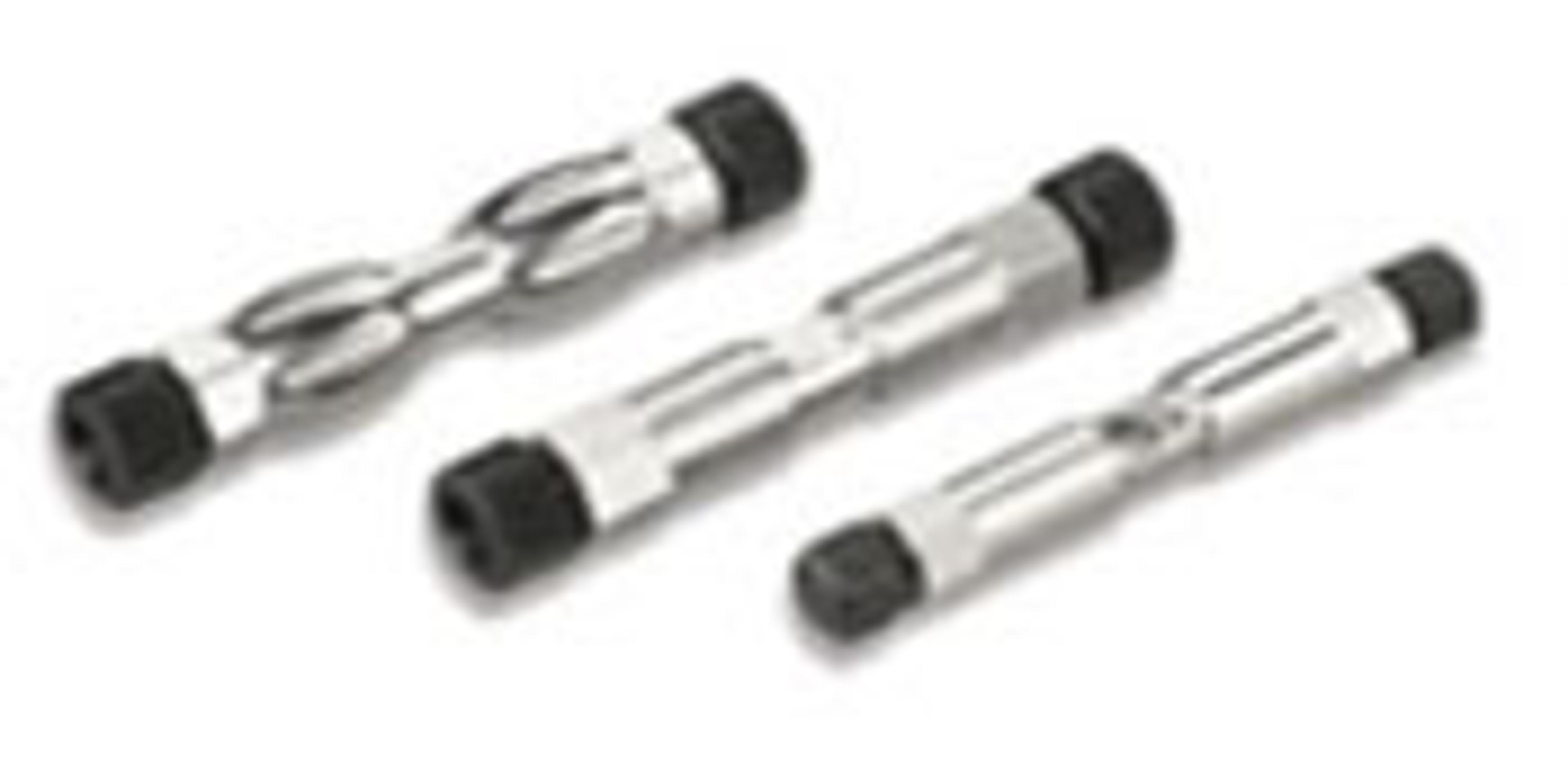
DisQuE Dispersive Sample Preparation Kit
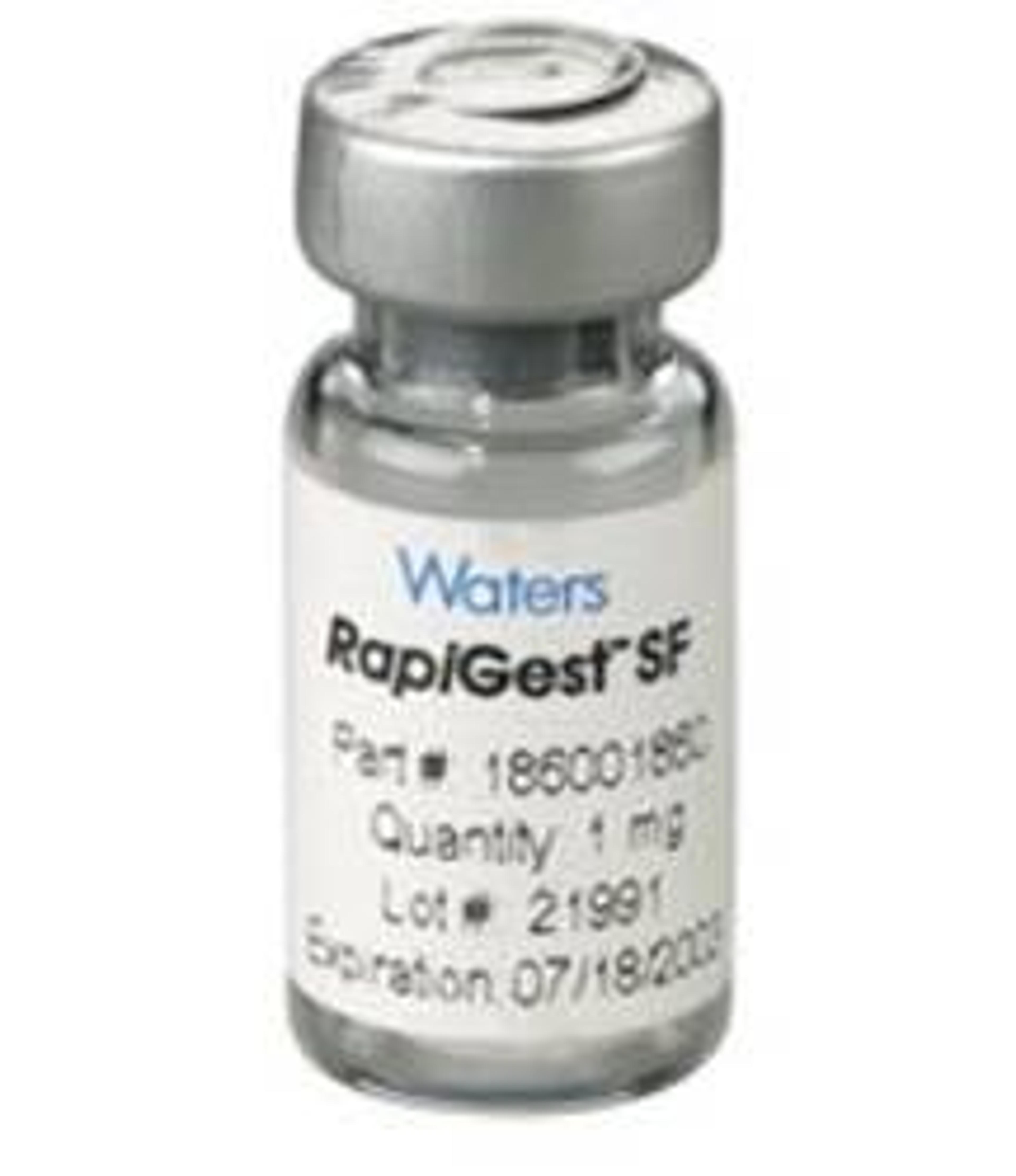
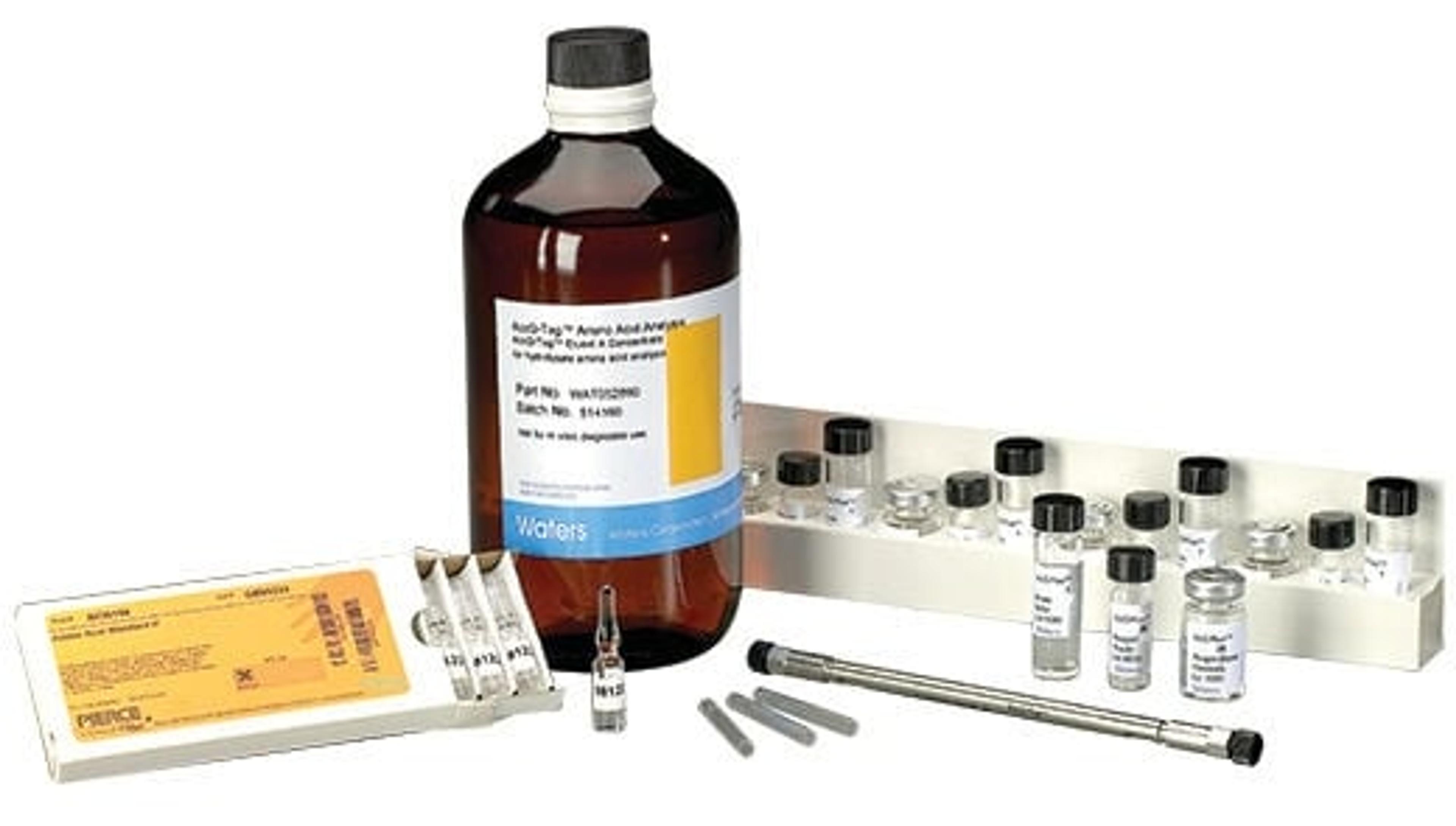
DisQuE Dispersive Sample Preparation is a well proven, high throughput sample preparation method for a wide array of pesticides in produce. The kit contains conveniently packaged vials with pre-measured sorbents and buffers used to provide extraction and clean-up for up to 100 samples. Each 50 mL DisQuE Extraction tube contains 6 grams of magnesium sulphate and 1.5 grams of sodium acetate. Each 2 mL DisQuE Clean-Up tube cont…


Place your order directly with the manufacturer.
DisQuE Dispersive Sample Preparation is a well proven, high throughput sample preparation method for a wide array of pesticides in produce.
The kit contains conveniently packaged vials with pre-measured sorbents and buffers used to provide extraction and clean-up for up to 100 samples. Each 50 mL DisQuE Extraction tube contains 6 grams of magnesium sulphate and 1.5 grams of sodium acetate. Each 2 mL DisQuE Clean-Up tube contains 150 mg of magnesium sulphate and 50 mg PSA (primary-secondary amine SPE sorbent). Detailed method instructions are included with the kit.

Multi-residue method for analyzing pesticides in cannabis using UPLC-MS/MS and APGS-MS/MS
In this application note, Waters present the use of a simple sample extraction and d-SPE clean up where the resulting extract is analyzed by UPLC-MS/MS or APGS-MS/MS in a manner that complies with Canadian regulatory requirements. A single workflow for the multi-residue analysis of pesticides in cannabis is demonstrated.
Oasis PRiME HLB Cartridges and DisQuE QuEChERS Products for UPLC-MS/MS Mycotoxin Analysis in Cereal Grains
Ingestion of food containing only parts-per-billion (µg/kg) concentration of some mycotoxins may cause severe illness. Therefore, sensitive and reliable analytical methods are required to determine mycotoxins in foods and feeds. An improved QuEChERS extraction procedure was shown to be effective for simultaneous extraction of 12 mycotoxins from wheat, rice and maize flours.
Waters Application Notes: Food Testing : Introducing the Xevo TQ-XS
In this collection from Waters, you will find a range of application notes covering the areas of food quality control, research, and safety. Find out how to rapidly screen fatty acids in oil supplements, test for pesticide residues in dried botanicals, and much more.
Enantioseparation and Detection of Triazole Fungicides in Wheat Grain and Wheat Straw using the ACQUITY UPC2 System and Xevo TQ-S
The safe use of crop protection products is of paramount importance to the agricultural chemicals manufacturing industry. In this application note, ACQUITY UPC2 level enantioanalysis of five triazole fungicides and tandem quadrupole mass spectrometry were used for the trace in wheat grain and/or wheat straw. UltraPerformance Convergence ChromatographyTM (UPC2) applies the performance advantages of UPLC® to SFC, combining the use of supercritical CO2 with sub-2-μm particle columns.
Determination of Triphenylmethane Dyes and Their Metabolites in Shrimp Using QuEChERS Extraction and the ACQUITY UPLC H-Class System with Xevo TQD
This application note reports a highly sensitive and efficient LC-MS/MS method for simultaneously analyzing MG, LMG, CV, LCV, and BG using the Waters® ACQUITY UPLC H-Class System with the Xevo TQD.
Multi-Residue Pesticide Analysis in Dried Chili Powder: Optimized Cleanup after QuEChERS Extraction for UPLC-MS/MS and GC-MS/MS Analysis
This application note presents QuEChERS extraction and SPE-based cleanup strategies for multi-residue pesticide analysis of chili powder, a highly resinous and oily material obtained from dried chili pepper fruits. For the analysis of chili powder, the sample is first equilibrated with water before extraction using the DisQuE pouch for CEN QuEChERS.
Enantioseparation and Detection of Triazole Fungicides in Wheat Grain and Wheat Straw using the ACQUITY UPC2 System and Xevo TQ-S
In this application note, ACQUITY UPC2 and tandem quadrupole mass spectrometry were used for the trace level enantioanalysis of five triazole fungicides. Chiral separations using a 3.0 μm chiral CSP followed by multiple reaction monitoring (MRM) detection allowed concentrations of part per trillion (ppt) levels to be reproducibly detected and quantified.
Faster, Easier, and more Accurate Food Safety Analyses
Food safety is a growing worldwide concern, and so is the responsibility of laboratories to meet the increasing demand for monitoring and testing. In this app note discover Water’s solutions to identify diverse chemical compounds, meet compliance requirements, reduce operational costs, and increase productivity.
QuEChERS Sample Preparation for LC-MS/MS Determination of Avermectins in Meat and Milk
In this application note, milk and ground beef are prepared and analyzed for avermectins at the ppb level using QuEChERS methodology and LC-MS/MS.
QuEChERS Sample Preparation for GC/MS Determination of Organophosphorous Pesticides in Beef
Maximum reside limits (MRLs) are in place for many pesticides in animal products, therefore necessitating the determination of pesticide residues in these matrices. This application note demonstrates the suitability of QuEChERS as a methodology for determining organophosphorous pesticides in beef muscle tissue.This rapid method was developed for the analysis of pesticide residues in fruits and vegetables, prior to GC/MS or LC/MS and allows 30 samples to be prepared in 1 hour. Using the DisQuE pouch (QuEChERS) on ground beef with an 80% water content demonstrated that this method can effectively remove pesticides from beef with consistent recoveries ranging from 75% to 100%. The results indicate that QuEChERS extraction and subsequent dispersive SPE cleanup steps provide analysts with a fast preparation method using less toxic reagents, and with similar detection limits compared with other methods.