Avanti® Polar Lipids Mini Extruder
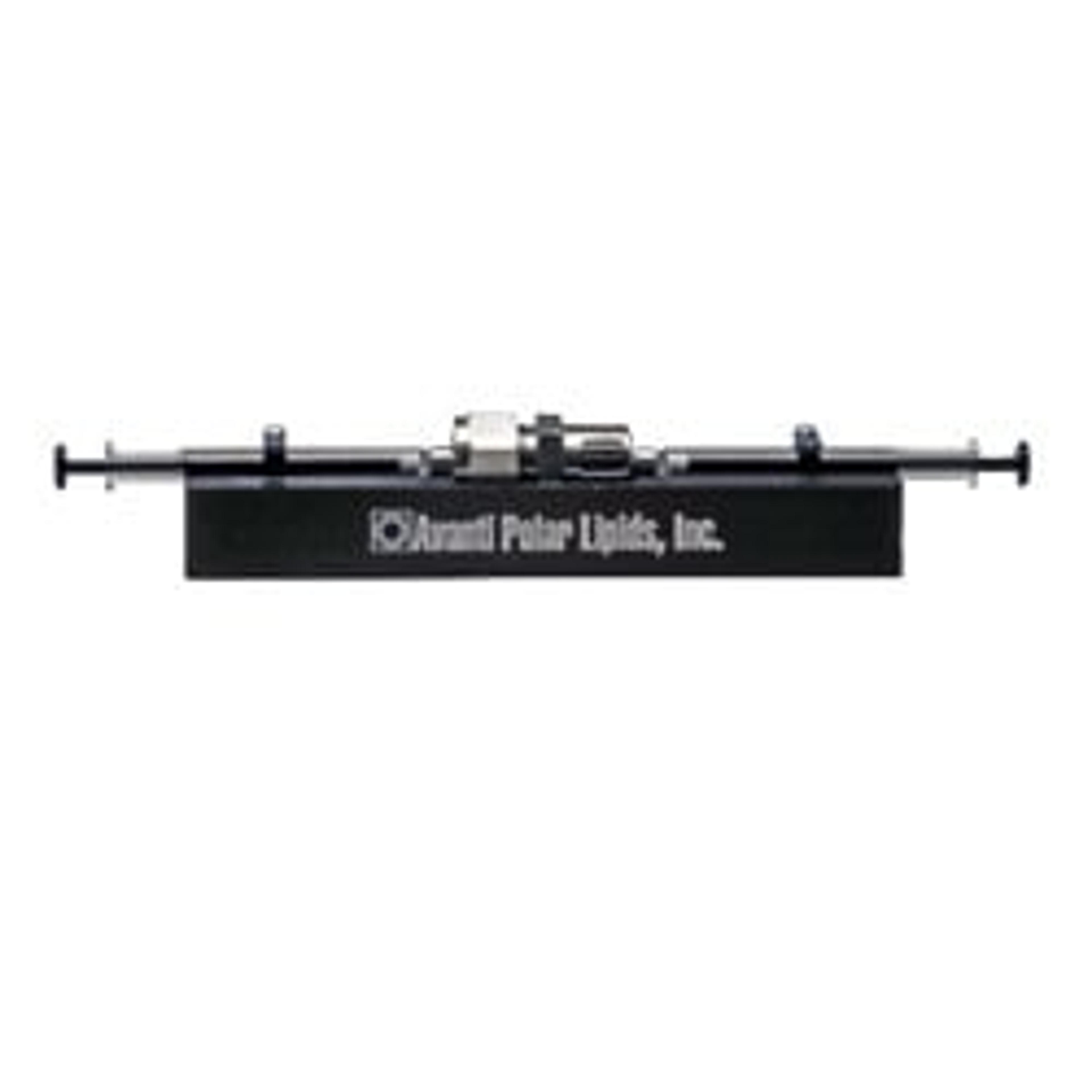
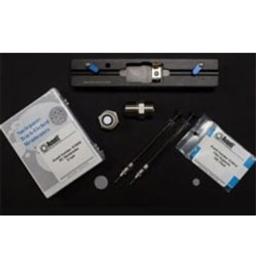
The Avanti ® Mini Extruder allows researchers and scientists to prepare large, unilamellar vesicles by extrusion in an efficient manner.
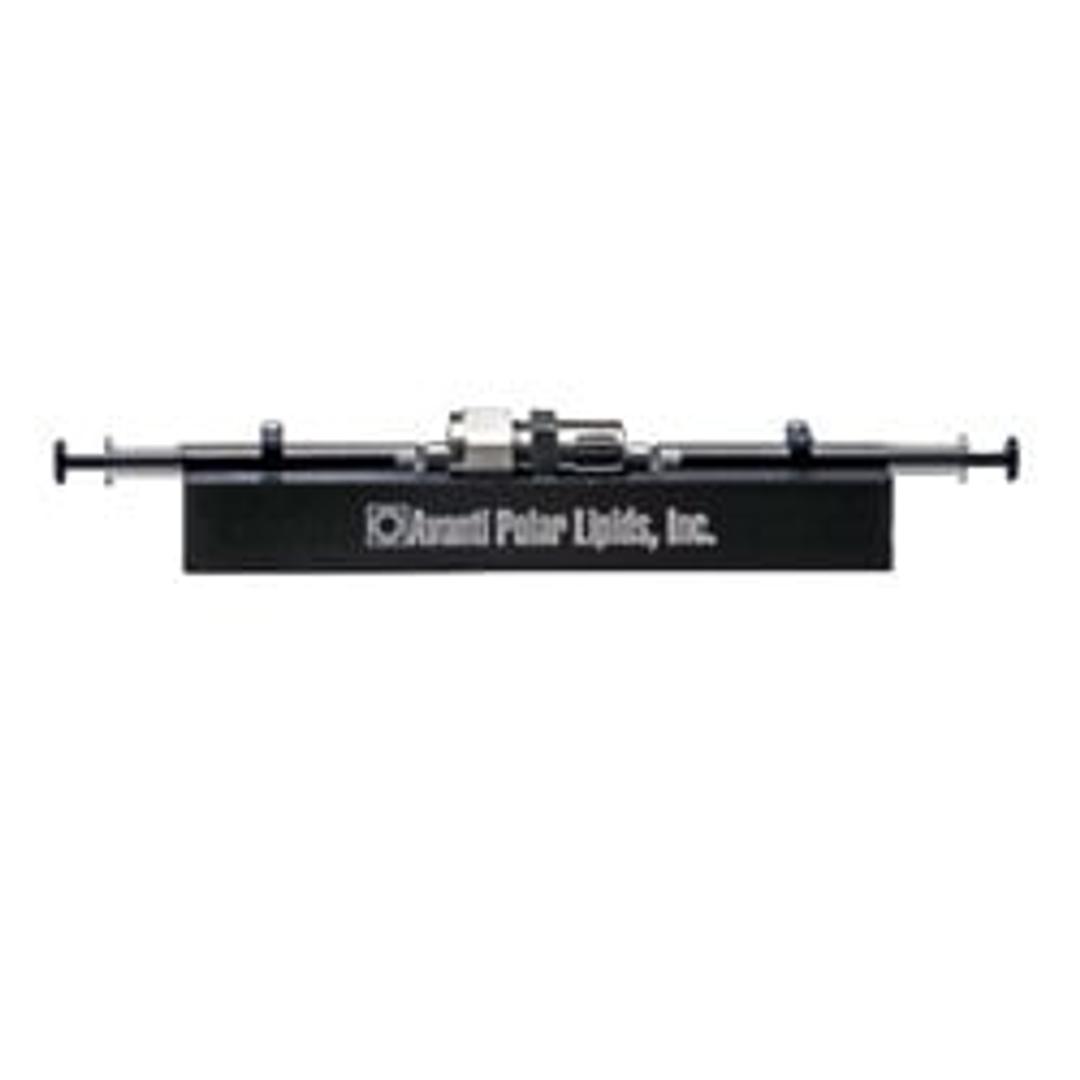
Avanti® Polar Lipids Mini Extruder for large, unilamellar ve


The supplier does not provide quotations for this product through SelectScience. You can search for similar products in our Product Directory.
Easy to use, robust, and showed satisfying liposome characteristics
Production of liposomes for RNA nanotherapeutics
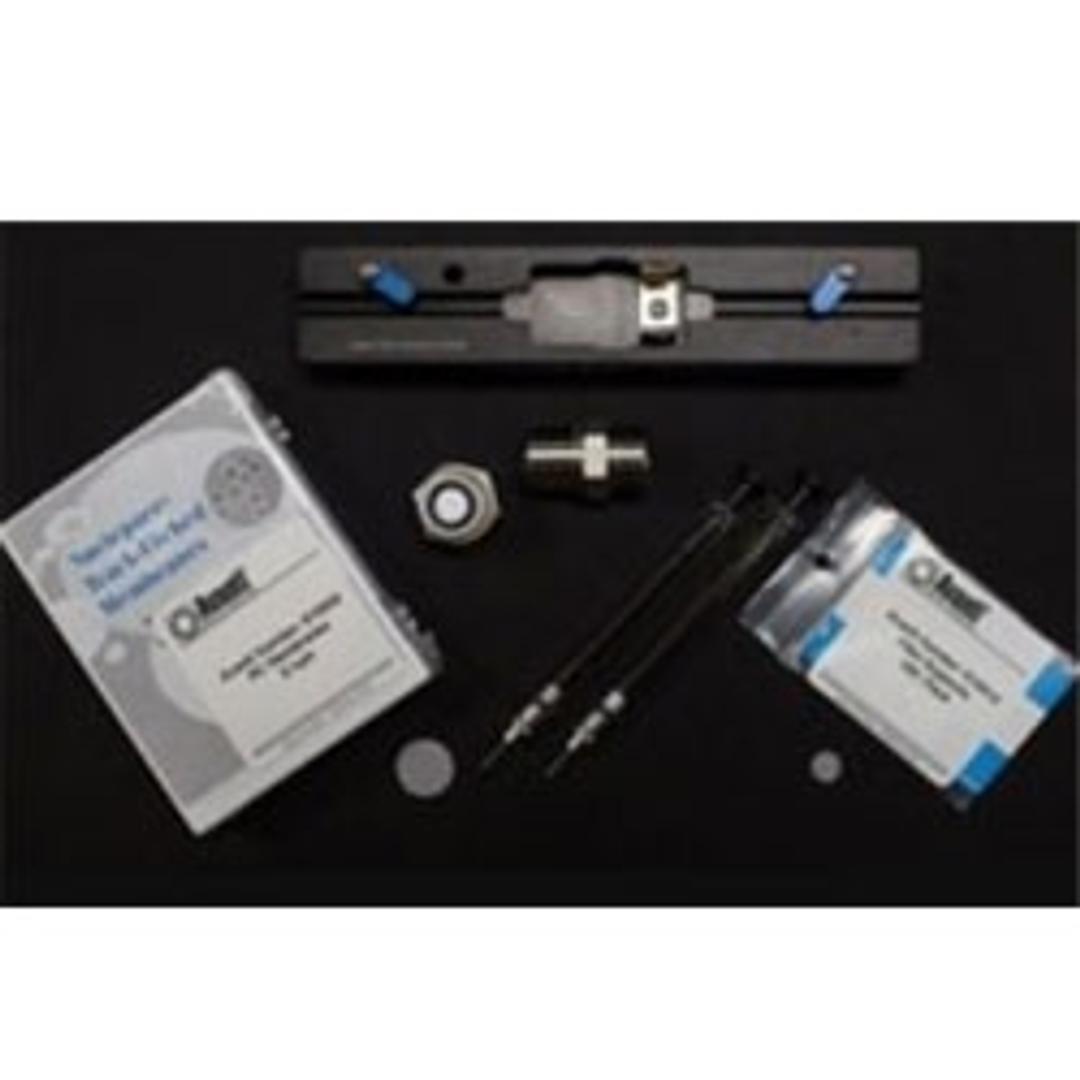
We got the Mini-Extruder from SigmaAldrich for use in our research in nano-scaled mRNA formulations at the Johannes Gutenberg University and to give feedback to SelectScience. After watching a short video of Avanti explaining the assembly, use, and cleaning procedure, I could start using it right away. The heating block is a convenient feature to raise the production temperature above phase transition temperature, if needed, with only a heating plate in addition. Even if a higher temperature is not needed, I recommend using the Mini-Extruder with the heating block for more stable handling. The two syringes are fixated by the heating block by a metal clip so that they are protected from bending or breaking, which is often a problem when handling HAMILTON syringes without fixation. A common extrusion problem is also rupture of the membrane. Luckily, I was saved from this frustrating experience due to the construction of the membrane between two filter supports and the O-rings. The liposomes I produced showed a low polydispersity index and mono modal sizes and zeta potentials. One little disadvantage is that the cleaning procedure did take me some time because of the many small pieces, but that fact also gives the possibility to exchange parts if necessary. After disassembly, carefully check that every thread is tight! Although the whole extruder with current supply is not cheap, I would not spend the money on a less stable extrusion system. To conclude, the Mini-Extruder is easy to use, robust, and showed satisfying liposome characteristics.
Review Date: 22 Dec 2019 | Merck KGaA, Darmstadt, Germany
Quickly clean all wetted parts, reducing downtime between production of vesicles from different lipid species.
Generate uniform populations of unilamellar liposomes without the use of solvents or detergents.
Vesicle size can be readily controlled by polycarbonate membrane selection.
Merck is with SigmaAldrich.com, the exclusive provider of Avanti® Polar Lipids research products for all countries except the United States.
Brochures

Avanti's Mini-Extruder for LUV Preparation
Whether you specialize in lipidomics or lipids are simply a part of your research, you know the critical role lipids play and the inherent challenges they present. Discover more than 2,000 Avanti® products with >99% purity: from natural and synthetic phospholipids, to sphingolipids and sterols,.
Monocyte Activation Test (MAT): The <i>in vitro</i> test for pyrogen detection
In this white paper, Merck Millipore discusses why Monocyte Activation Tests (MAT) should be used. This white papers highlights how MAT allows for the testing of a broad range of pyrogens; testing of a wide range of product types; is a in vitro method; is supported byby regulations and guidelines; and is a robust and sensitive method.
Ask the experts: Q&A on sterility testing challenges
In this application note, Merck Millipore's experts answer questions on the challenges of sterility testing. This application note covers areas ranging from method development and validation to handling and workflow.
Reprogramming the immune system: mRNA lipoplex particles as the basis of therapeutic gene delivery systems
Lukas Uebbing and Vera Cornet, pharmacists and Ph.D students at the Institute of Pharmacy and Biochemistry, Johannes Gutenberg University of Mainz, Germany, discuss their research using liposomal formulations and the creation of mRNA lipoplex preparations to deliver mRNA to target cells, such as dendritic and T cells. To make modeling approaches easier, the researchers use high-purity Avanti lipids, and extrusion methodologies using the Avanti mini-extruder to prepare liposome nanoparticles. This research aims to gain a greater understanding of these particles as the basis of new therapeutic approaches to fight cancer.