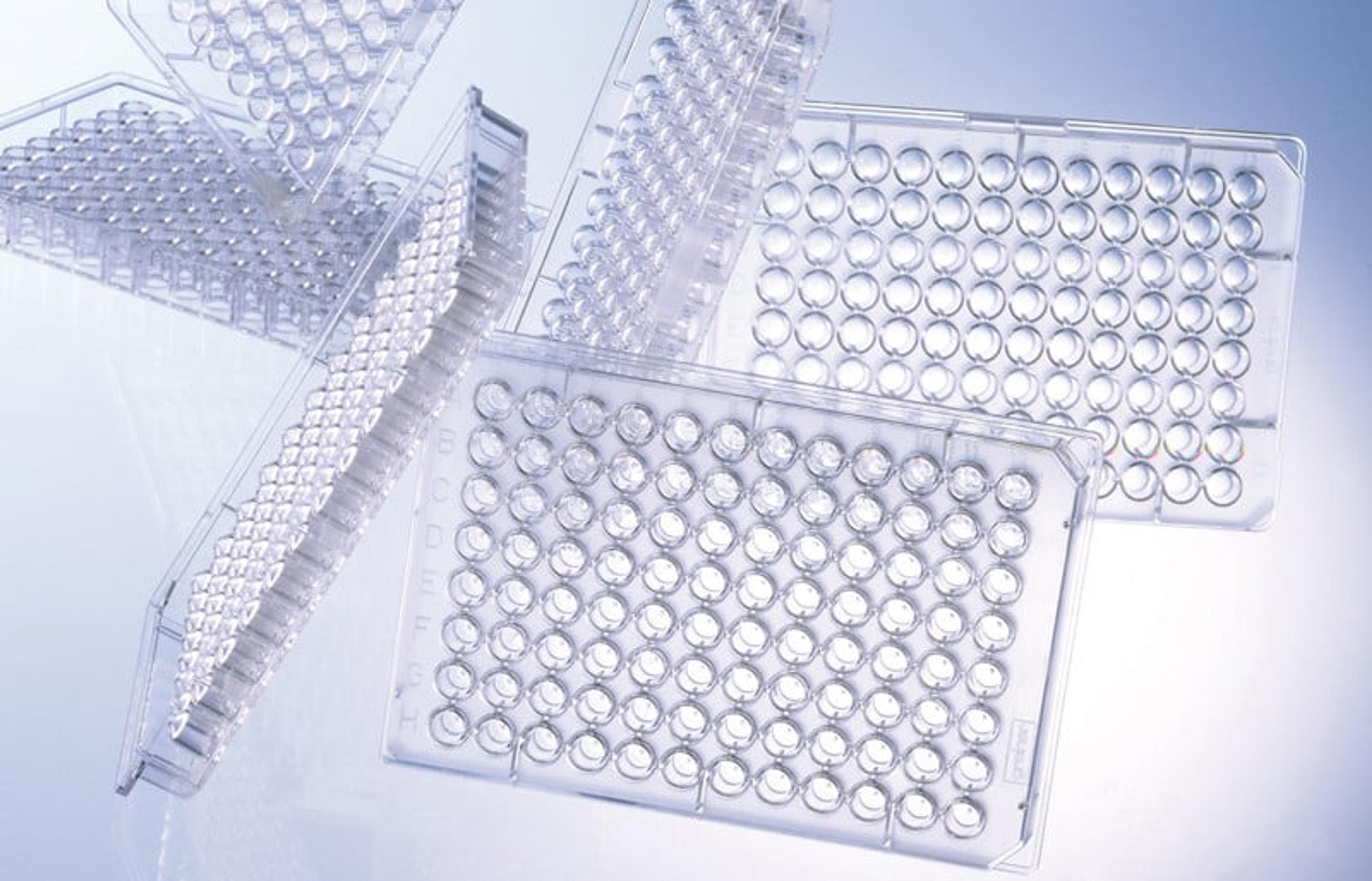
96 well PS microplates
High-quality microplates for your applications
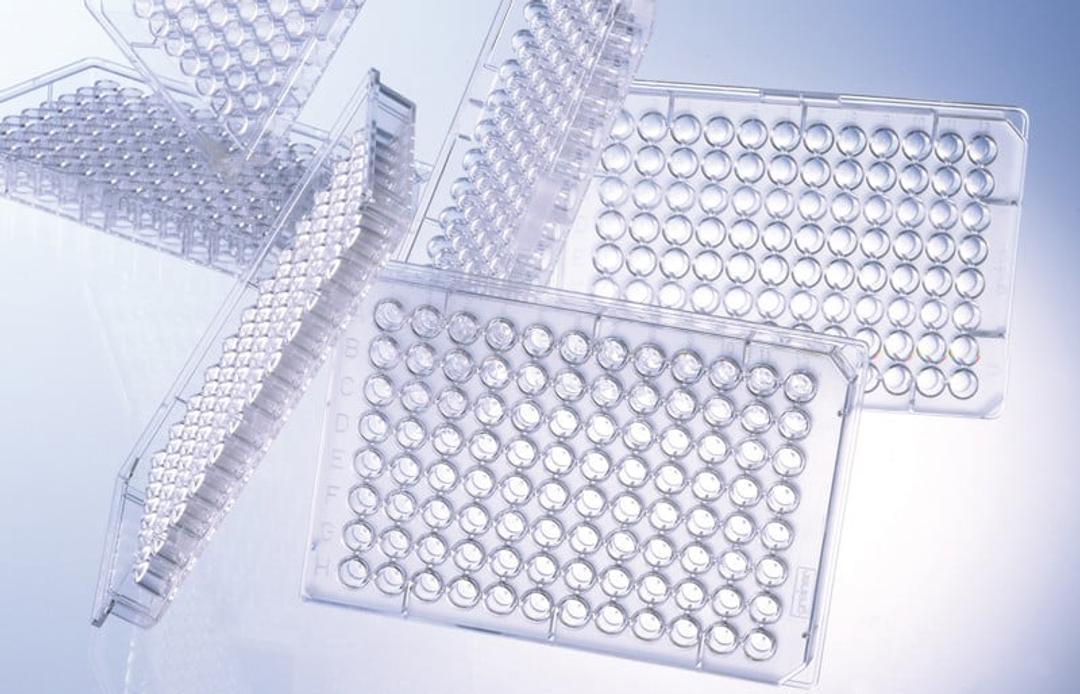
96 Well Microplates (clear)
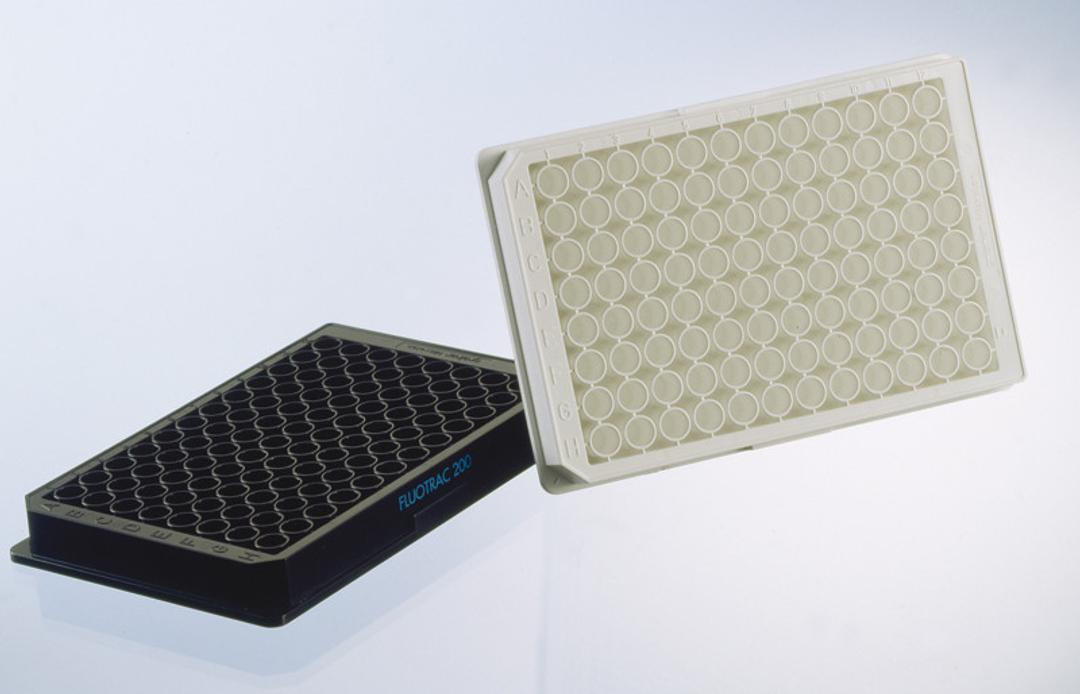
96 Well Microplates (black and white)
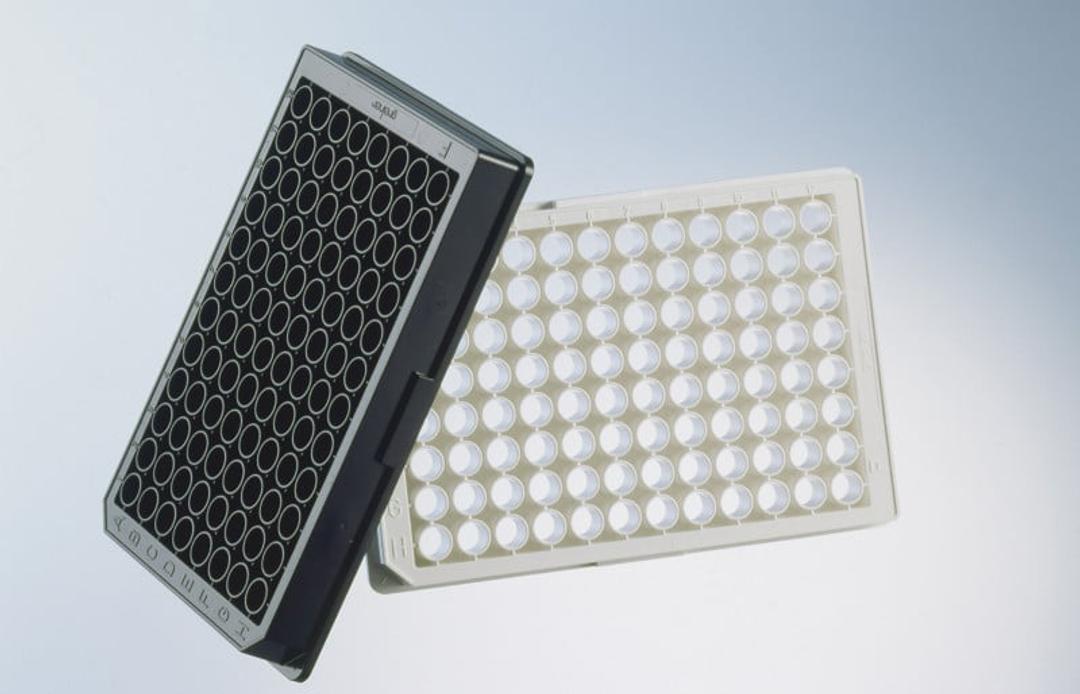
96 Well Microplates (µClear®bottom)
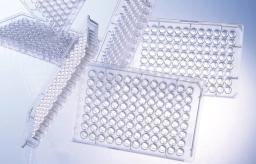
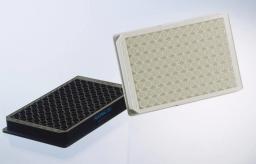
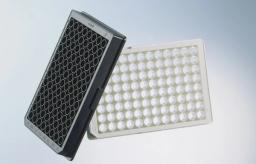

The supplier does not provide quotations for this product through SelectScience. You can search for similar products in our Product Directory.
Great results, easy to use, highly recommended
Diagnosis and immunological research
Greiner Bio-One has been manufacturing microplates for diagnostics and immunological research for over 30 years. The microplate footprint is compatible with automated systems. A key step in ELISA is the binding of one assay com- ponent – antigen or antibody – to the solid surface by passive adsorption. Therefore, the fea- tures of this surface are crucial for the performance of the assay. All ELISA microplates from Greiner Bio-One are made out of high-quality virgin poly- styrene. The resin is highly trans- parent and therefore ideally suited for optical measurements. Beside products made of clear polystyrene for colorimetric measurements, Greiner Bio-One offers a wide variety of black and white ELISA microplates for luminescence and fluorescence measurements. The quality of our immunological products is constantly con- trolled in our quality assurance laboratory by means of ELISA. Highly recommend I would give 4 stars.
Review Date: 29 Sept 2021 | Greiner Bio-One GmbH
Greiner Bio-One has been manufacturing microplates and strip microplates for diagnostics and immunological research for over 40 years. A large number of different 96 well microplates is available in a wide variety of surface treatments. The spectrum ranges from clear bottom microplates and completely black or white microplates to UV-Star® products.
96 well polystyrene microplates are available in the following versions:
With U-bottom, V-bottom or F-bottom (standard or chimney well)Sterile or non-sterileCell culture treatedIn medium binding or high binding qualityIn non-binding qualityWith cell-repellent surfaceWith or without lid
Brochures

Microplate selection guide
In this brochure, Greiner Bio-One GmbH aims to offer an overview of microplates, focusing on their applications and suitability for different research needs. Advancements in research technologies have led to various platforms used across different fields. Researchers face the task of selecting microplates tailored to their specific applications from a wide array of options. This brochure aims to provide a detailed solution to microplate selection.