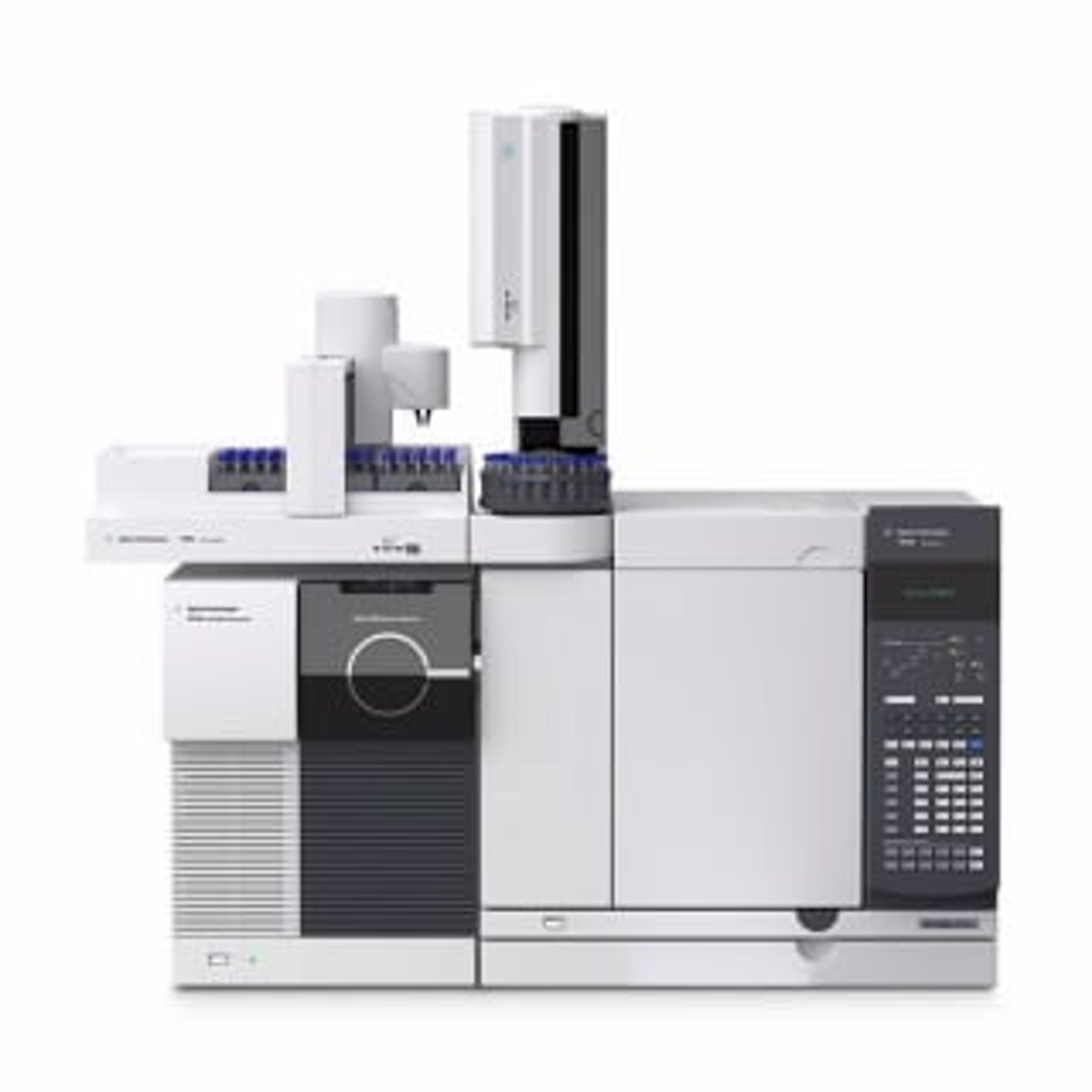
7010B Triple Quadrupole GC/MS
Agilent 7010B Triple Quad GC/MS Expand Your Lab In Multiple Dimensions
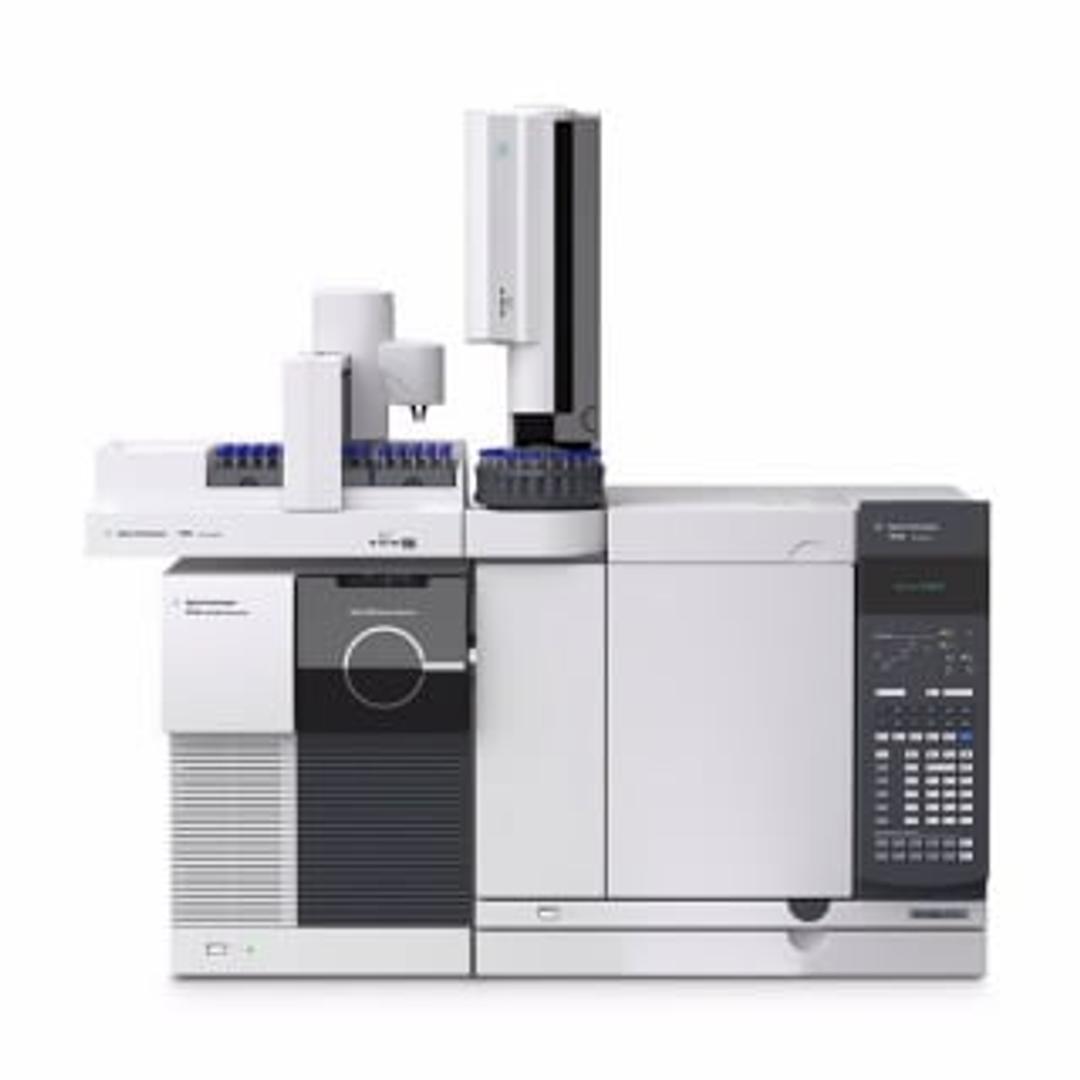
7010B Triple Quadrupole GC/MS

Receive your quote directly from the manufacturer.
Great Instrument and Sensitive
Extractable and Leachable, Genotoxic & Nitrosamine Impurities
The Agilent GCMS-TQ 7010B is more sensitive and the process of chromatograms and mass spectra are easy/user friendly with Mass Hunter/ECM Server Software. Happy customer of Agilent.
Review Date: 2 May 2023 | Agilent Technologies
It gives nice results and eases examination within the lab
Analysis of drugs, pesticides, poisons and metabolites
The technique itself, 8890B-7010 GC-TQ is not complicated to manipulate as long as we were trained about hardware and software. It is very sensitive and robust for analysis with reliable results. It made analysis either quantitative and qualitative easier to perform with different modes: SCAN MODE/SIM/MRM.
Review Date: 1 Oct 2021 | Agilent Technologies
Great equipment for trace level testing.
Contaminants testing
The equipment is very sensitive and robust. Can handle a wide range of applications and is very handy in trace level testing. Equipment is easy to maintain and clean. Jet-clean option is available, but not user-friendly. The equipment software is easy to use. Data analysis software could have been better.
Review Date: 14 May 2021 | Agilent Technologies
Good sensitivity and ease of use
Pesticides
Overall good sensitivity that allows us to detect at the levels required for testing. The FSE in our area is outstanding and very helpful. Software is mostly pretty intuitive and straightforward to use and set up.
Review Date: 28 Apr 2021 | Agilent Technologies
Good value for high-quality instrument
Pesticide analysis
Pretty reliable instrument. The Masshunter software is very easy to use and intuitive and aesthetically pleasing. Great for high-output of samples. Minor issue with EPC gas savers shutting down due to pressure issues, but simply restarting the instrument solves the problem and we don't see any detrimental effects on analysis, so it may be an electronics issue.
Review Date: 9 Mar 2020 | Agilent Technologies
High throughput device!
Environmental
I started using this triple quadrupole Agilent GC-MS/MS 3 years ago and I can't imagine how better an instrument can be. It is very reliable and give great detection limits. The only drawback are the filaments that are linked in the same plate and sometime break up. By the way, I am very satisfied.
Review Date: 17 Jan 2019 | Agilent Technologies
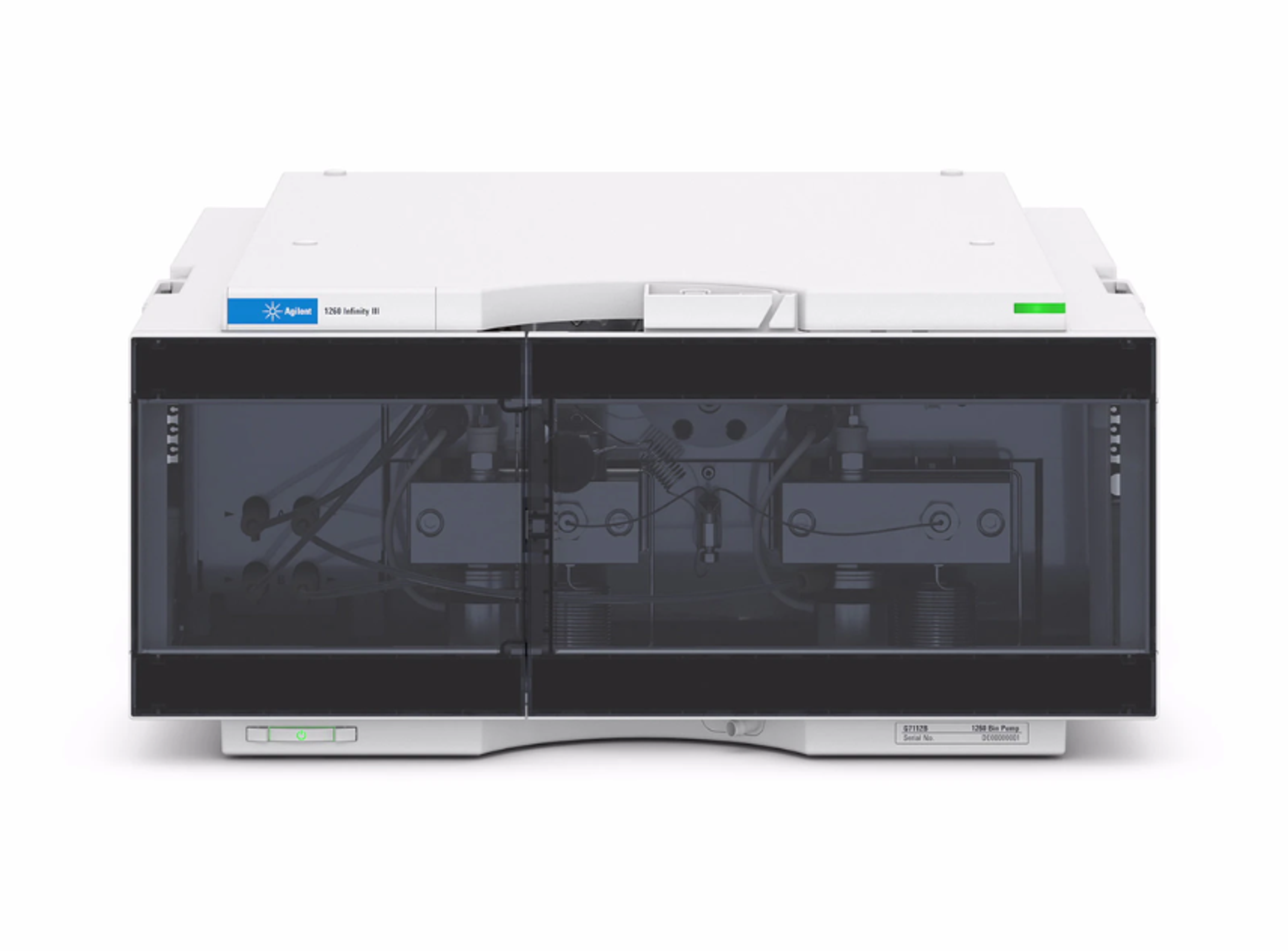
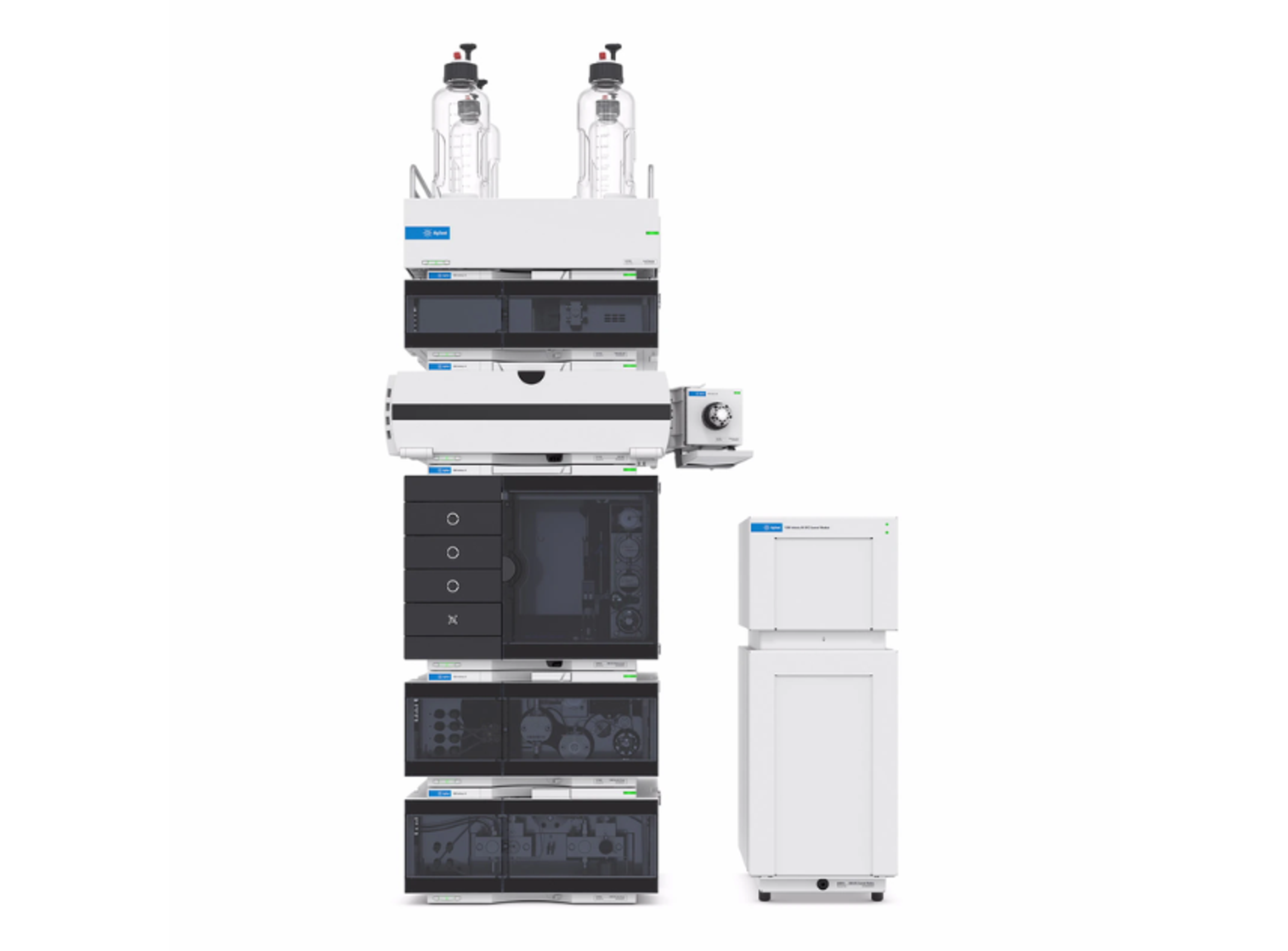
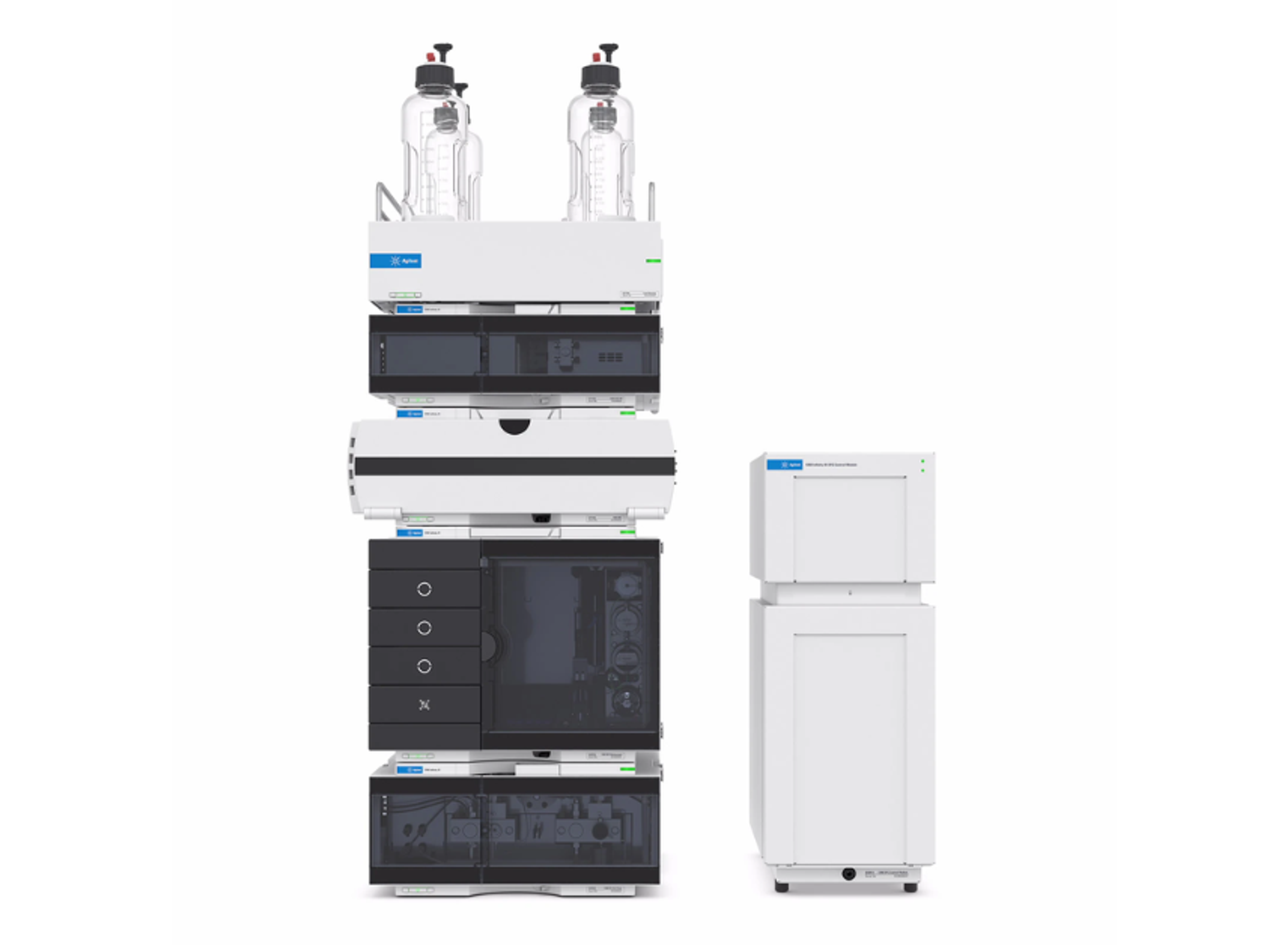
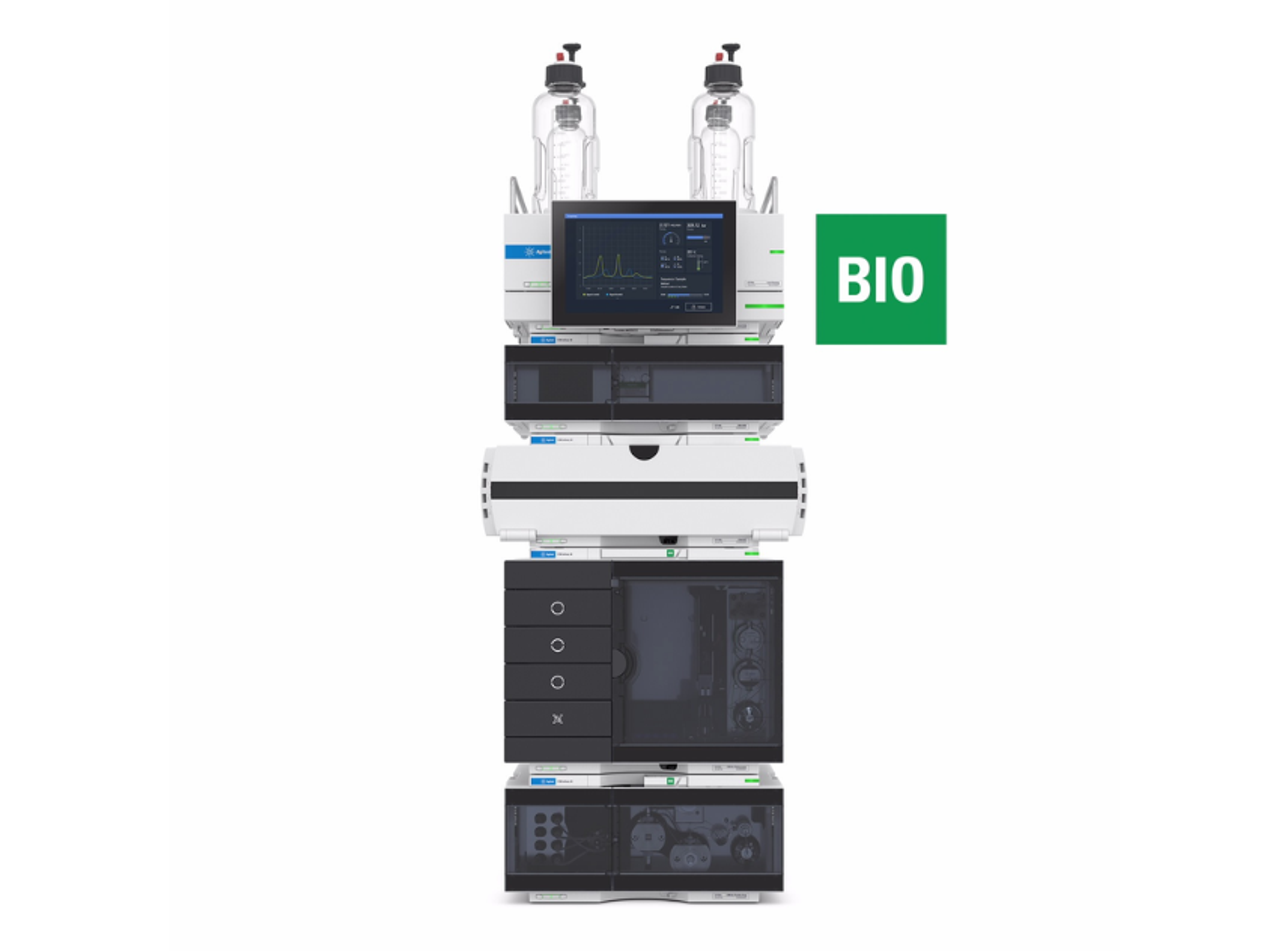
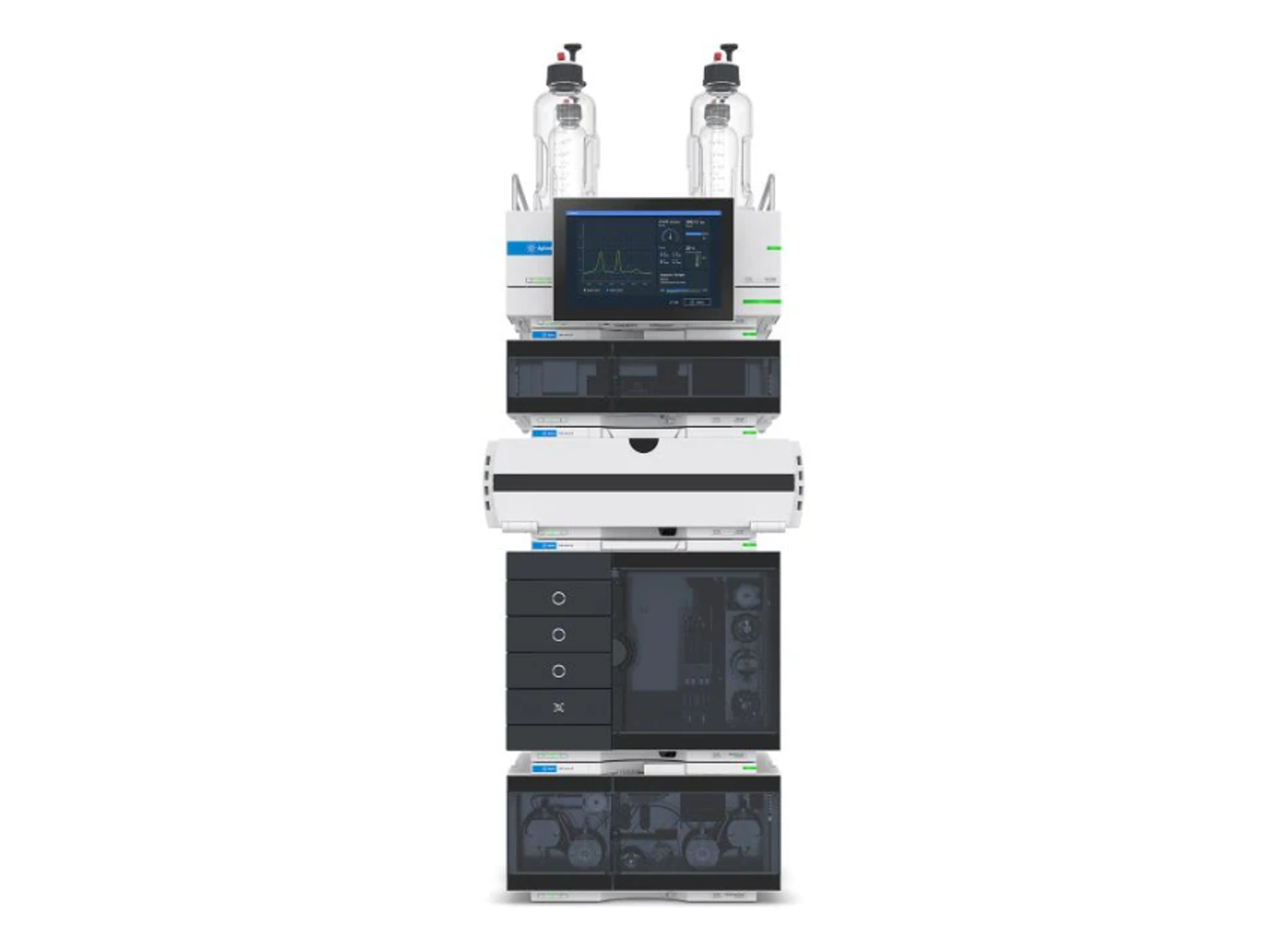
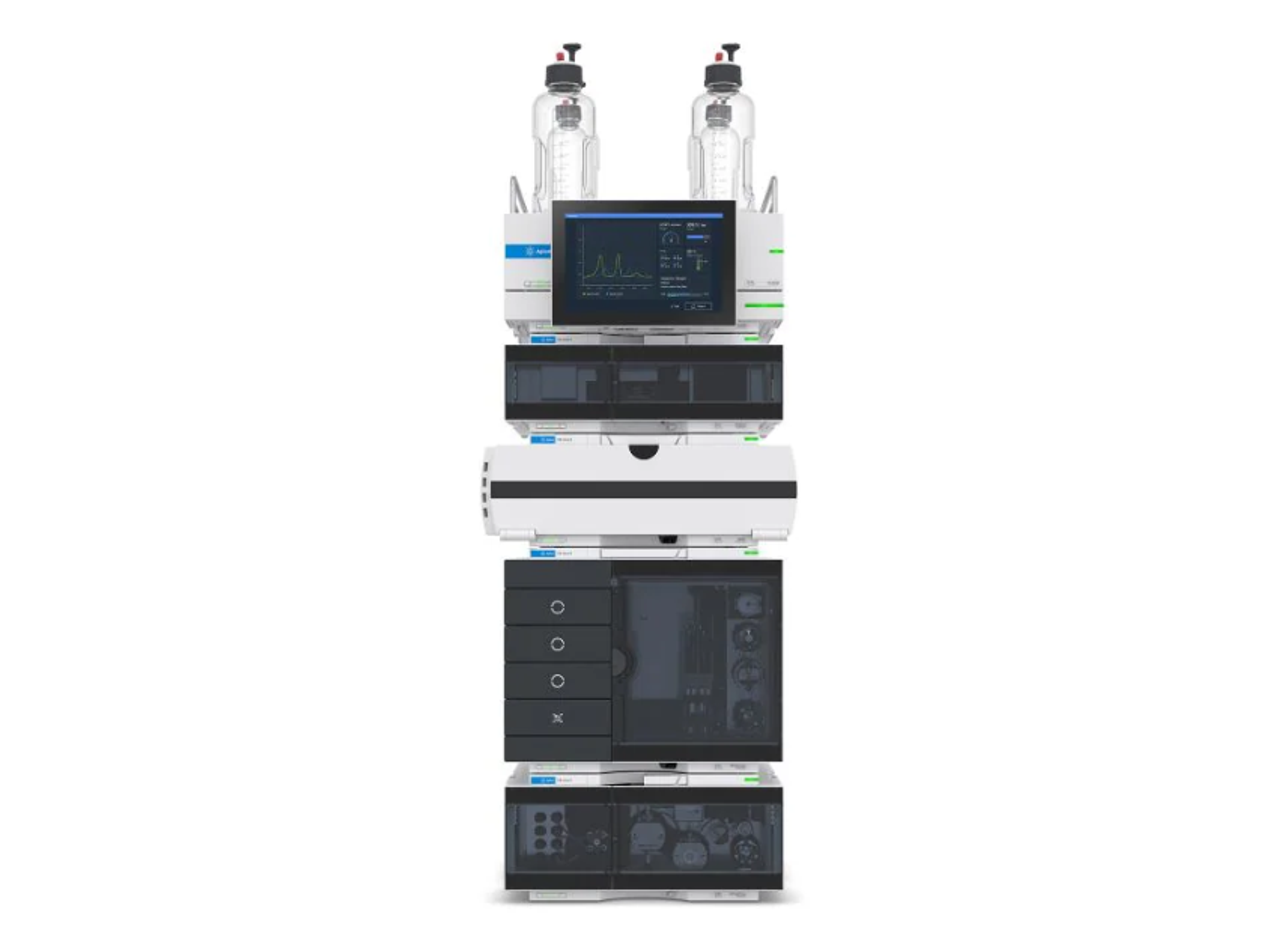
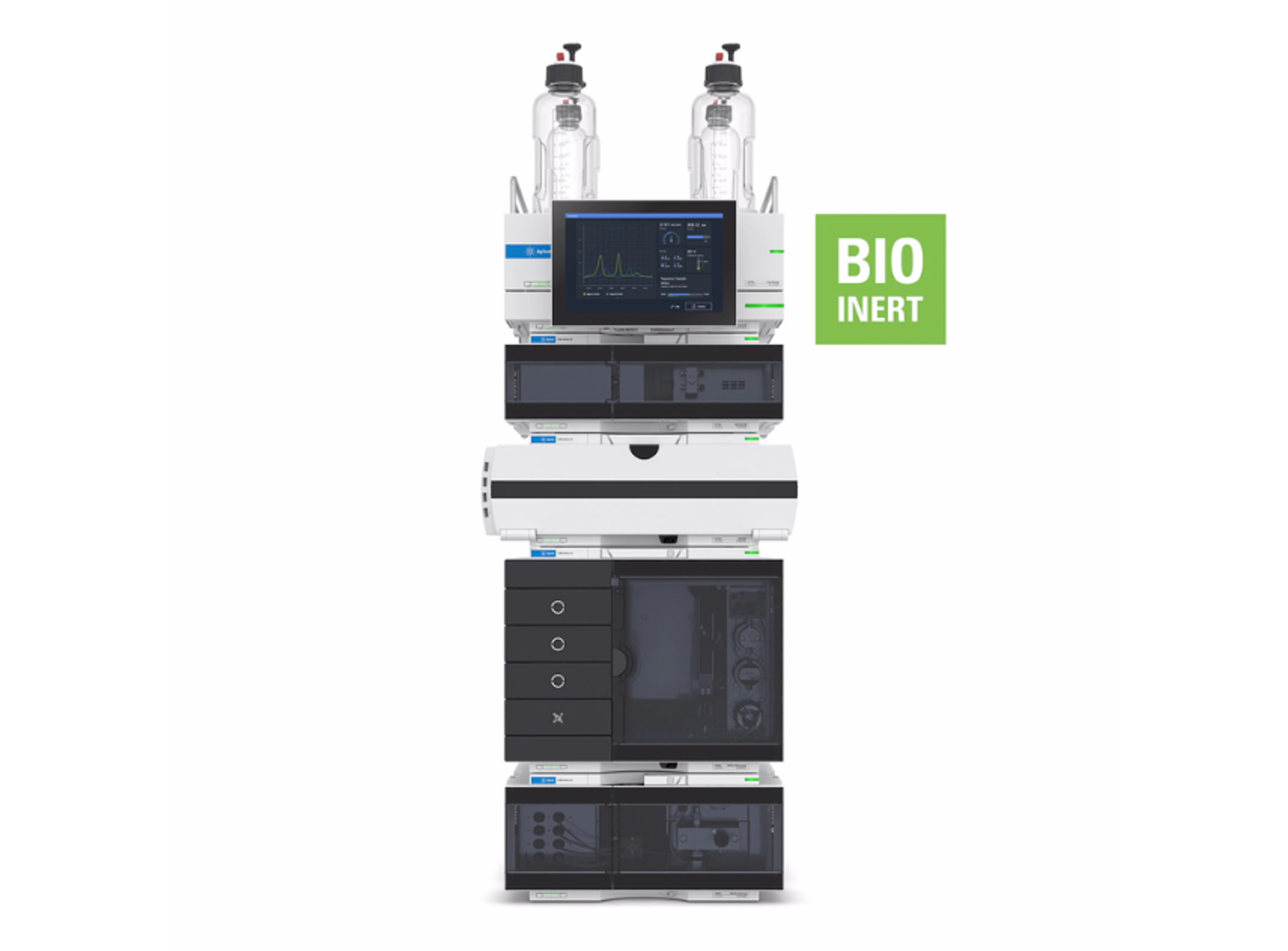
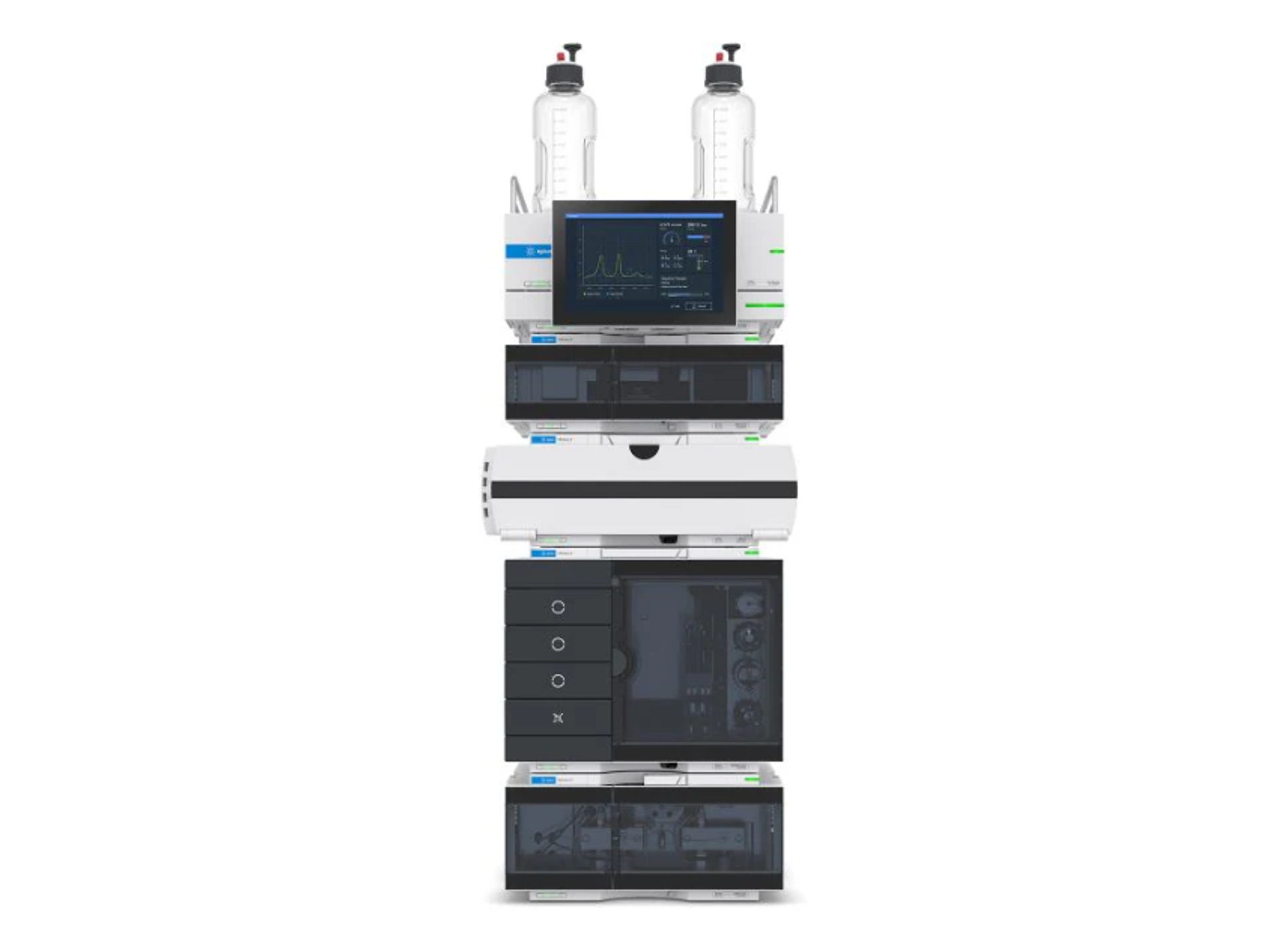
The Agilent 7010B triple quadrupole GC/MS is the most sensitive version of Agilent compact benchtop triple quad (MS/MS) systems, providing attogram-level detection limits in electron ionization (EI) mode. The breakthrough in sensitivity allows you to optimize sample preparation, reduce maintenance cycles by injecting less, or achieve new detection limits. The Agilent 7010B triple quadrupole GC/MS is equipped with a high-efficiency EI source that produces at least 20 times as many ions as the previous generation, making it the most sensitive Agilent GC/TQ . In addition, the dynamic MRM (dMRM) mode of acquisition provides ease of use and efficiency, and if you already own an Agilent 5975 or 5977 GC/MSD, you can load your GC/MSD SIM and scan methods straight onto the 7010B if desired.

Is our water safe to drink? Determining the quality of water
In this application note, find out how experts design robust analytical methods to investigate the potential contaminants and routes of contamination in our drinking water.
The full video is available to watch on The Scientists’ Channel®.
Development of GC/TQ methods for the analysis of hazardous chemicals
In this application note, Agilent Technologies describes how the Agilent MassHunter Optimizer software for GC Triple Quad (GC/TQ) can help generate multiple reaction monitoring (MRM) transitions for newly added compounds using an Agilent 8890 GC coupled to an Agilent 7000D GC/TQ system.
Triple quadrupole GC/MS application compendium
The Agilent 7000D triple quadrupole GC/MS is the latest model of the most successful GC/TQ in history. The right choice for most applications, the 7000D is the fourth-generation version of the GC/TQ used by agencies around the world to create and validate many now-standard GC/MS/MS methods.
Download this compendium of application notes, featuring analyses performed using triple quadrupole GC/MS/MS.
Analysis of twenty-seven GC‑amenable pesticides regulated in the cannabis industry in North America
Twenty-seven GC-amenable pesticides and their isomers regulated in the cannabis industry in North America stand out as challenging to analyze using liquid chromatography-triple quadrupole mass spectrometry (TQ LC/MS) with electrospray ionization (ESI). In this application note, Agilent Technologies outlines a complete workflow that achieves required limits of detection (LOD), limits of quantitation (LOQ), accuracy, and precision defined by the California Bureau of Cannabis Control (BCC) and Health Canada in dry cannabis flower.
Determination of 19 polycyclic aromatic hydrocarbon compounds in salmon and beef
In this application note, Agilent presents a multiresidue method for the analysis of PAH residues in salmon and beef. This workflow, consisting of liquid extraction, Captiva EMR–Lipid cleanup, and analysis by GC/MS/MS, promises high matrix cleanup, excellent analyte recovery, and precise results for multiresidue analysis of PAHs.
Quantitation of pesticides in strawberries at tolerance levels established by the US EPA
In this application note, Agilent utilizes the 8890/7000D and 8890/7010B triple quadrupole GC/MS systems for the quantitation of GC-amenable incurred pesticides in strawberries. These systems are shown to be suitable for the determination of pesticides in strawberries at the tolerances established by the US EPA, ranging from 10 to 25,000 ppb.
Analysis of multiresidue pesticides in salmon using Agilent Captiva EMR—Lipid with GC/MS/MS
In this application note, Agilent describes an analytical method for determining multiresidue pesticides in salmon. The sample preparation method is based on liquid extraction followed by Agilent Captiva EMR—Lipid cleanup and analysis with Agilent Intuvo 9000 GC and 7010B Triple Quadrupole mass spectrometry (GC/MS/MS).
EU priority PAH analysis in pumpkin seed oil by GC/MS/MS
This application note investigatesd pumpkin seed oil, which has a fatty and complex matrix with a high probability for PAH contamination. The fatty acid compositions in pumpkin seed oil include mainly palmitic acid, stearic acid, oleic acid, and linoleic acid. Pumpkin seed oil is produced by toasting pumpkin seeds above 100 °C, and pressing the seeds, using a hydraulic press, into a dark green oil. In addition to the roasting process, the other possibility for PAH contamination in pumpkin seed oil is that there is no refining step, which can drastically decrease the amount of PAHs.
Increasing productivity in pesticide residue analysis by GC-MS and LC-MS
Today’s high throughput food laboratories require reliable and timely pesticide residue analysis of varied food samples. To gain the highest productivity of the analytical instrumentation, the JetClean Self-Cleaning Ion Source was successfully applied to pesticide residue analysis, significantly reducing the need for manual source cleaning and increasing the sample throughput of the GC/MS system. Similarly, applying the StreamSelect (SS) configuration to LC/MS systems eliminates the idle time of the MS, and increases the LC/MS system throughput. Both the JetClean and the StreamSelect operations are executed automatically using MassHunter SW.
Workflow solutions for direct insertion, real-time gas chromatography-mass spectrometry
The need for fast screening of samples is desired across many fields of study, from crime laboratories analysis of seized drugs, to verify RoHS compliance of plastic commodities. Conventional screening with GC-MS requires sample preparation of dissolution, dilution and/or headspace sampling and long GC analysis times. Typical application of direct insertion real-time MS provides a quick analysis of various sample types but does not have chromatographic separation of the analytes, causing increased time of human review. Direct insertion GC-MS is an easy-to-use screening technique, and offers fast analysis with GC separation and mass spectral confirmation in under a minute.
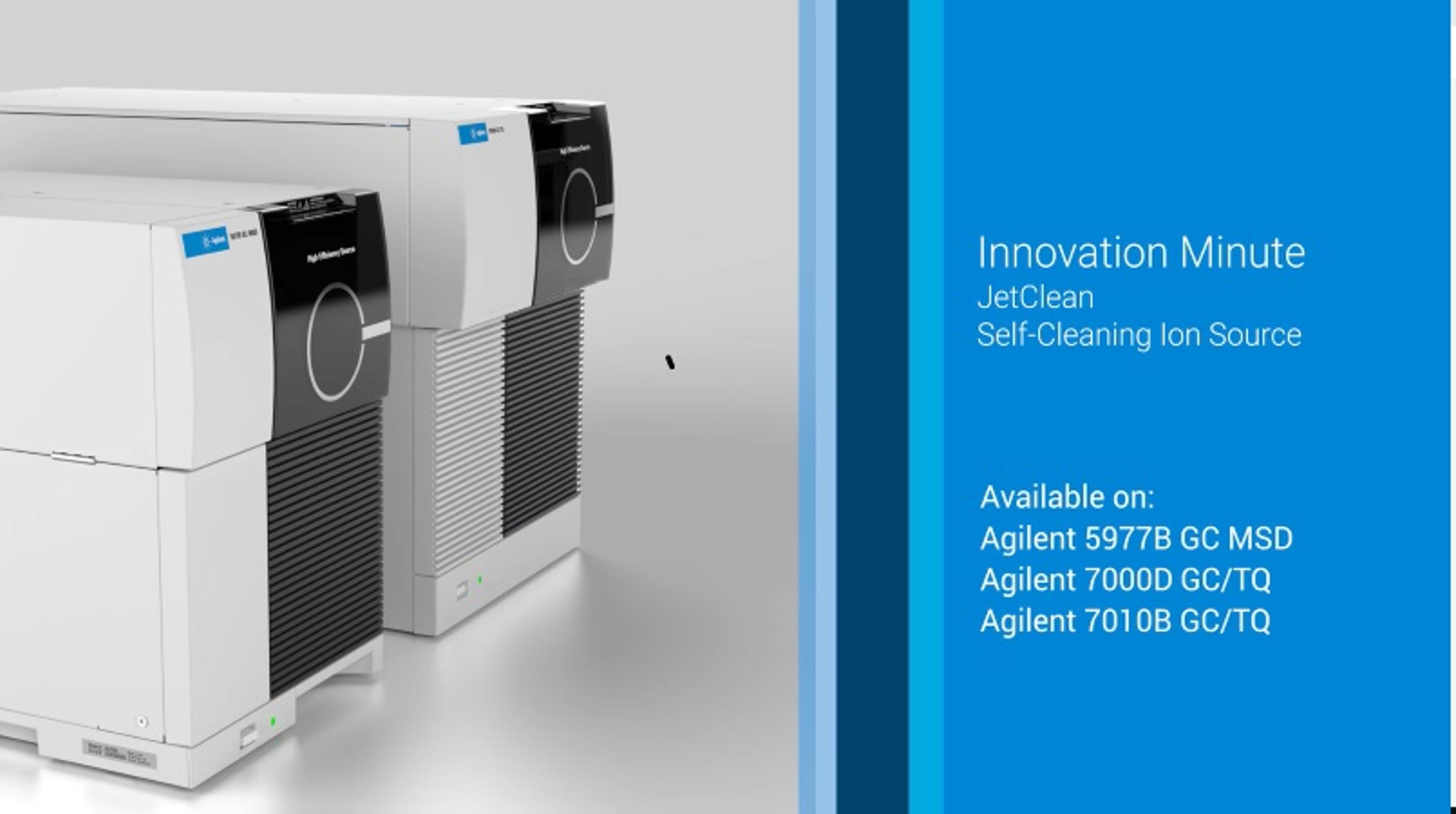
Innovation Minute: JetClean Self-Cleaning Ion Source
This video introduces the Jet-Clean Self-Cleaning Ion Source, a technology that allows operation for months without having to clean the source. This is designed to improve sensitivity, improve peak-shape, and prevent continuous recalibration.

How to navigate the lab digitalization journey
Gain insights from industry experts on how to approach lab digitalization and ease the transition from paper to pixels