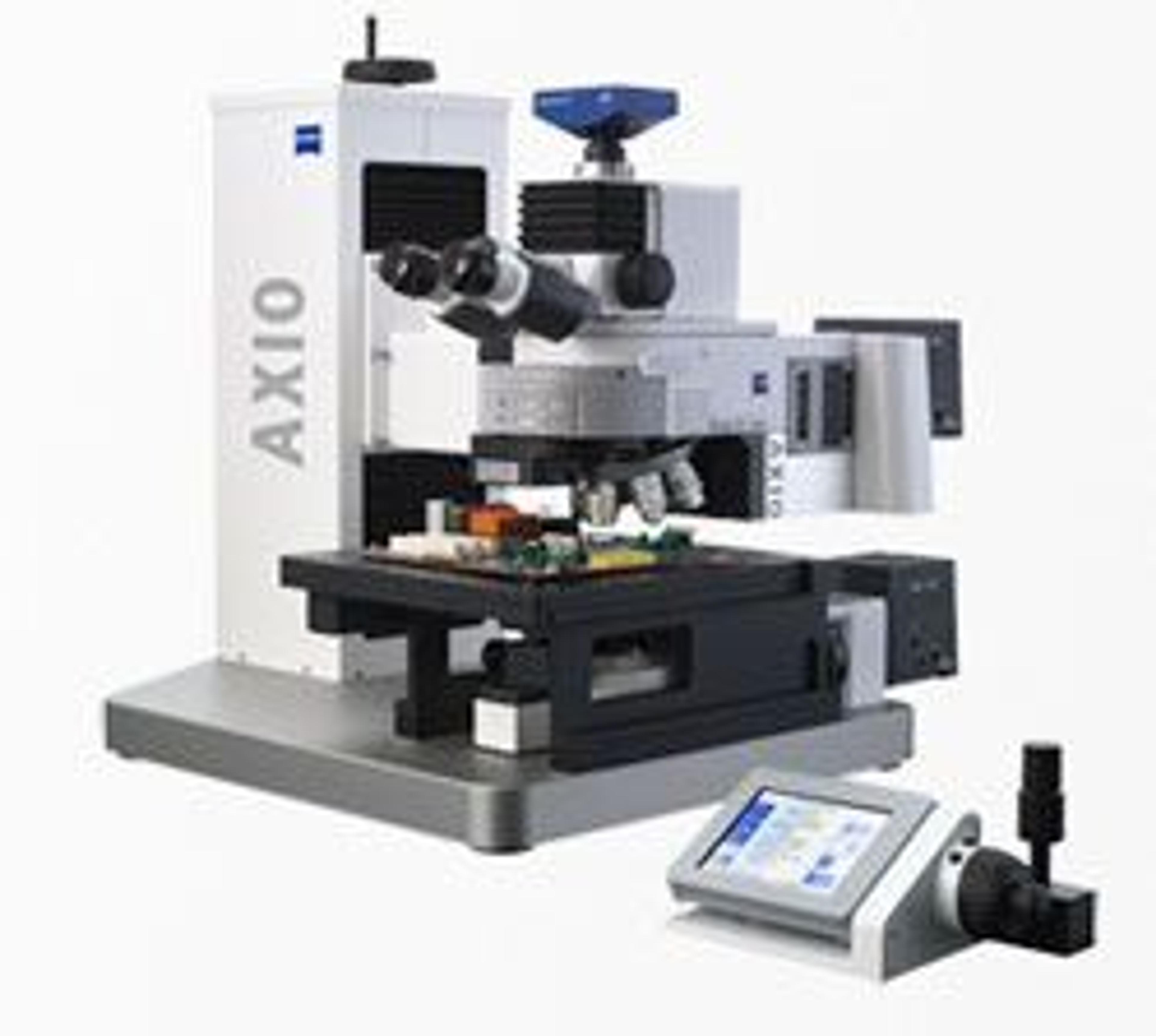
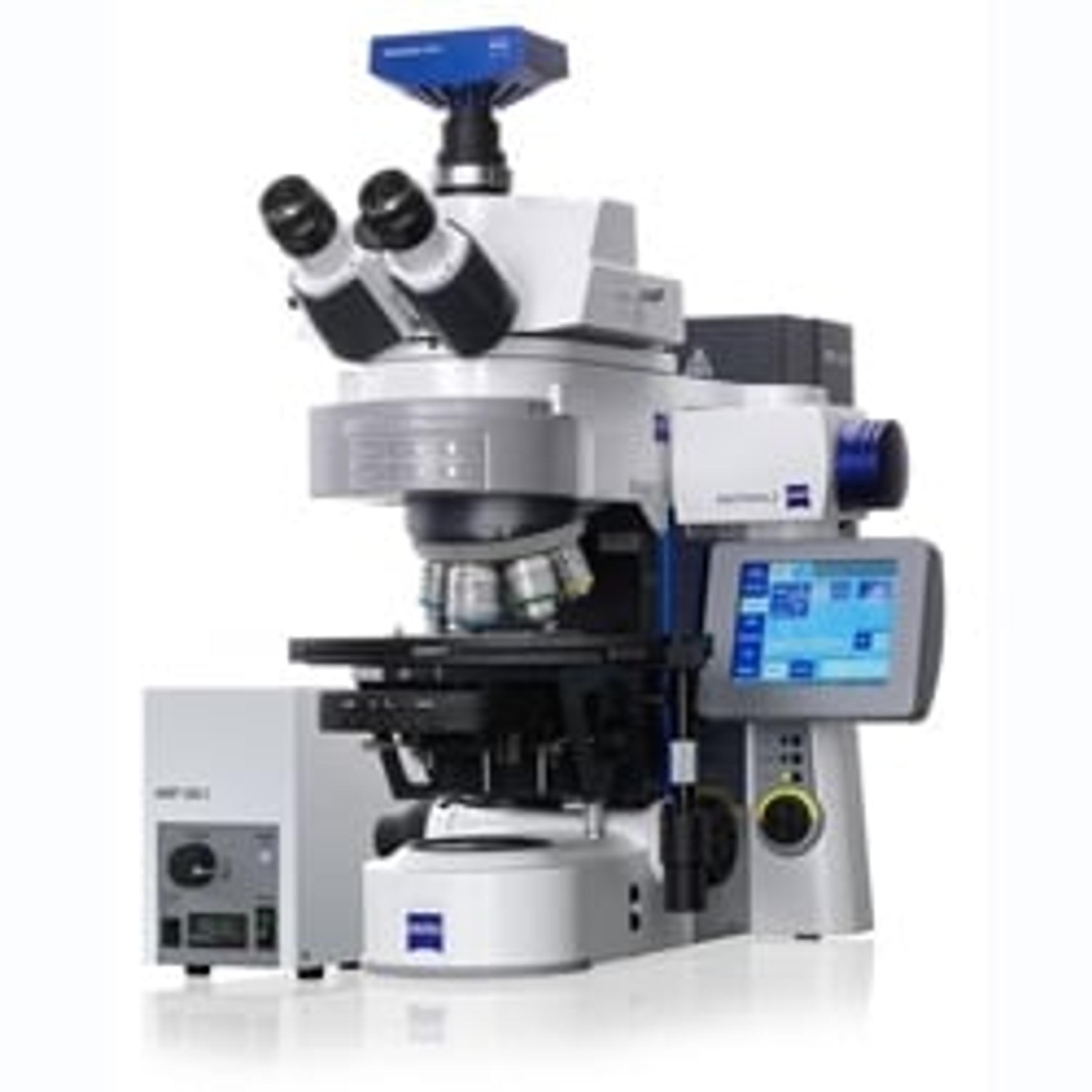
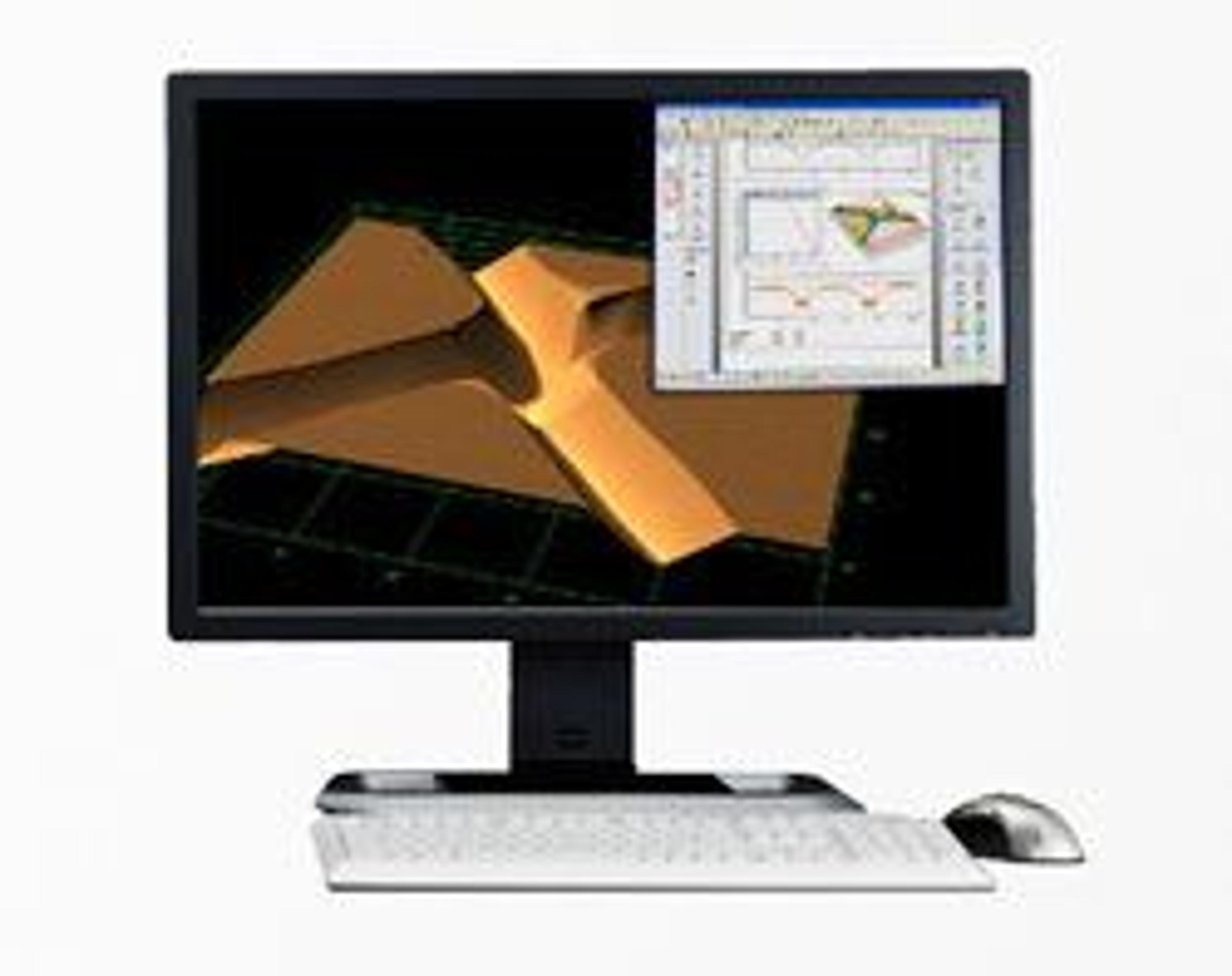
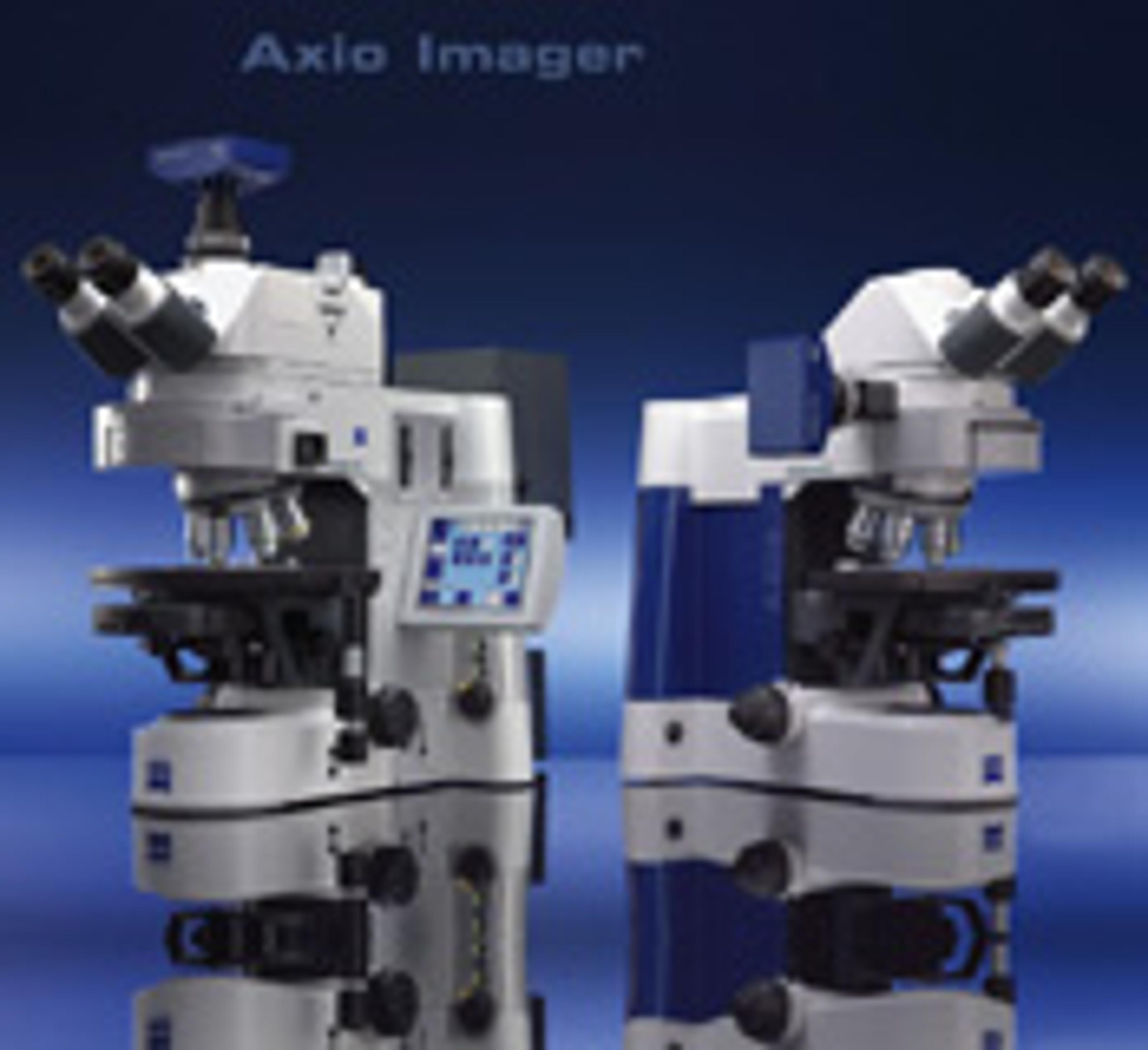
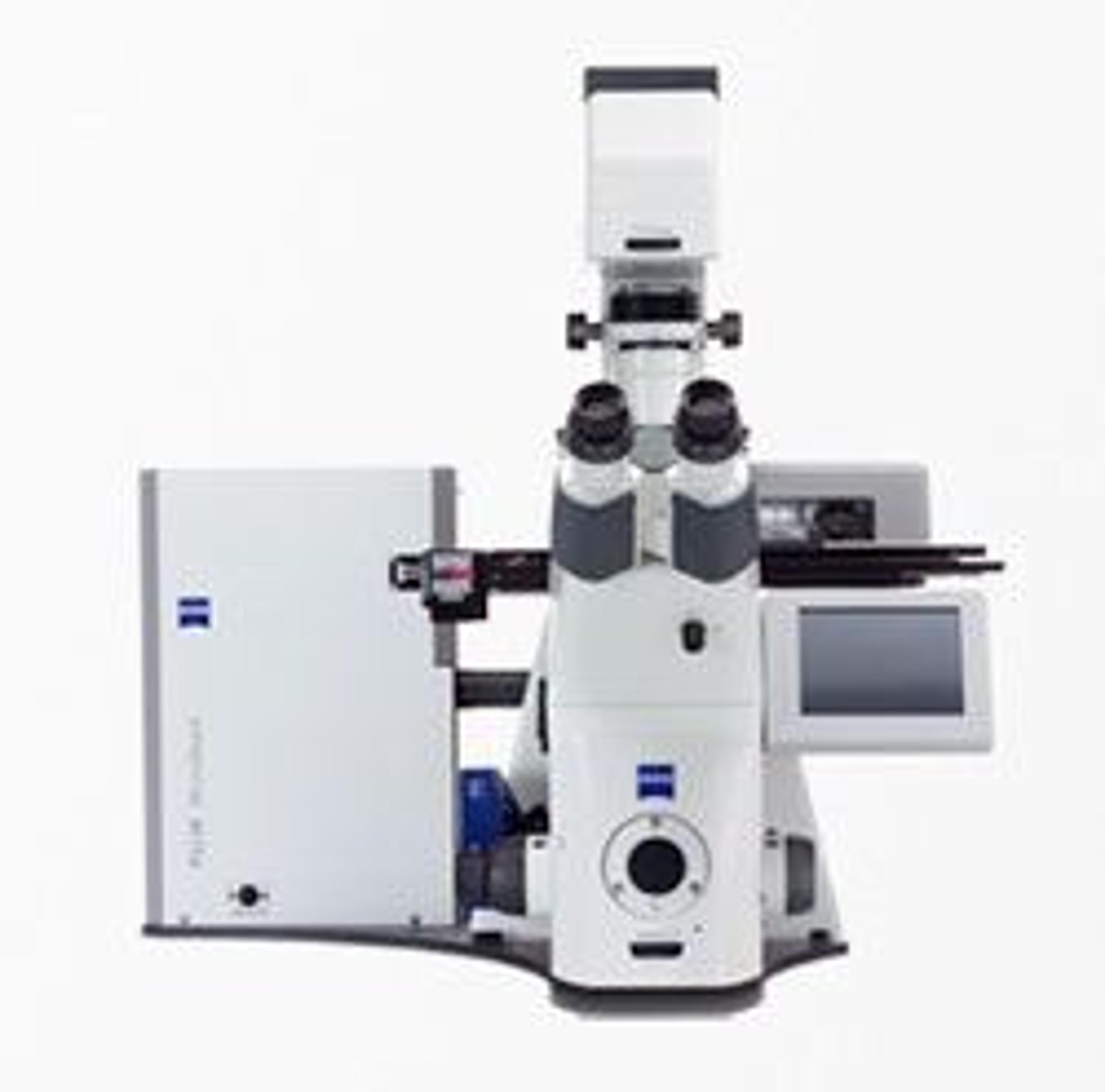
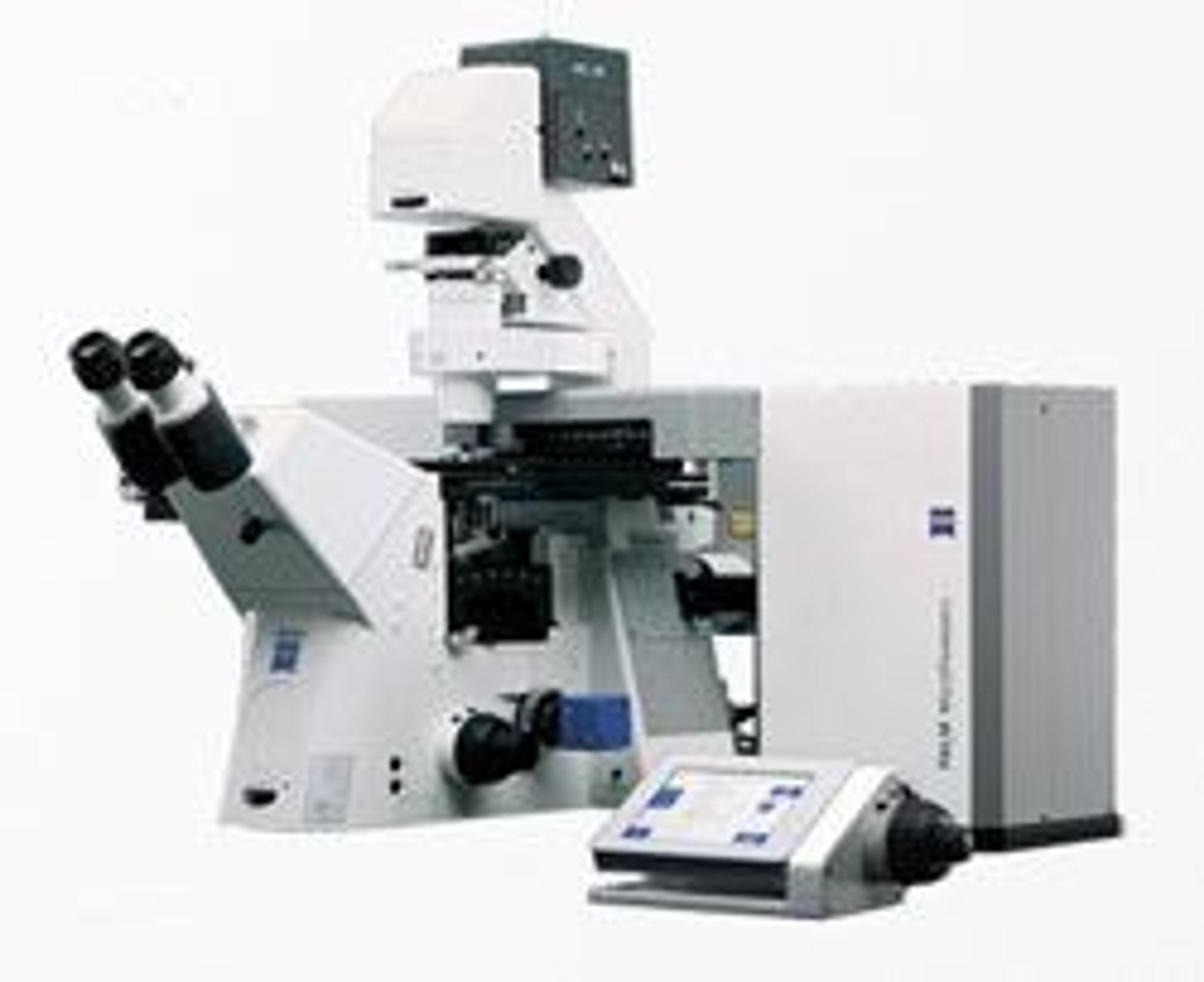
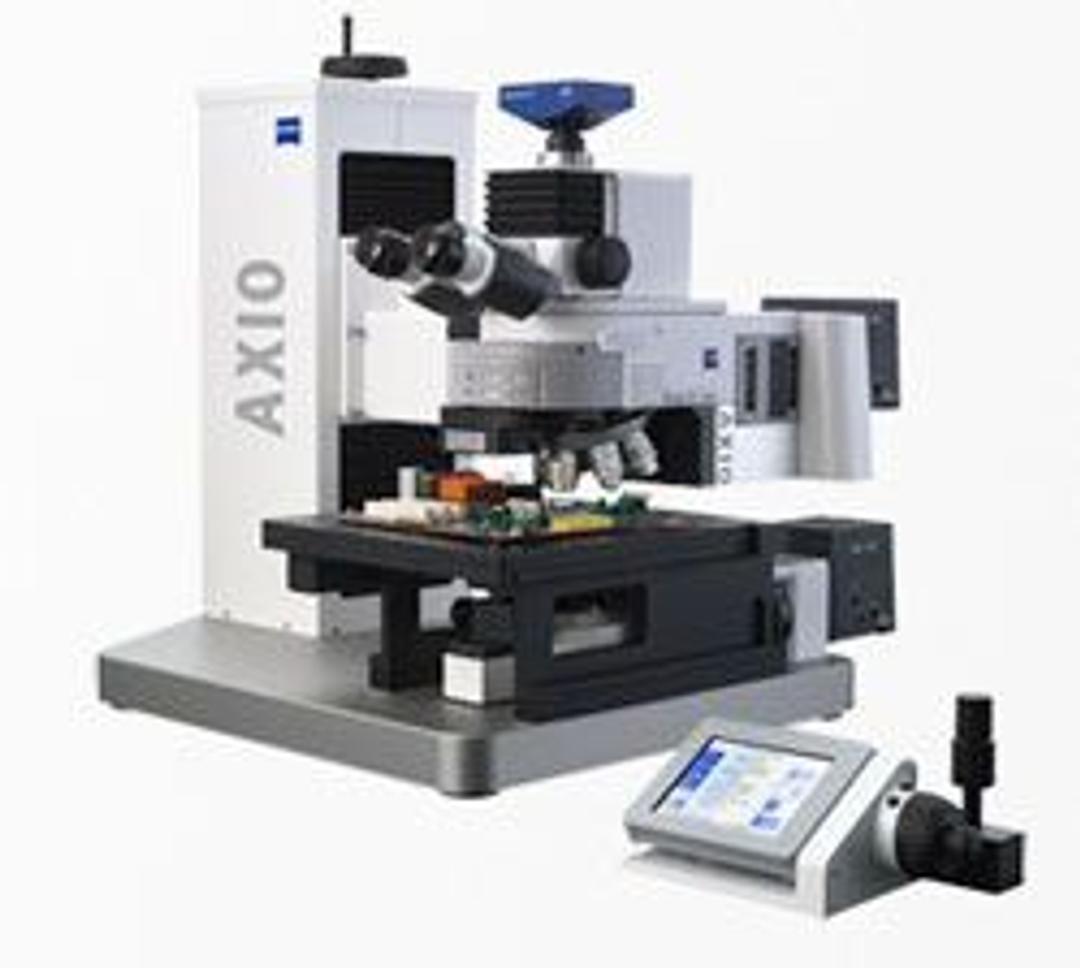
ZEISS Axio Imager Vario
Examine Large Specimens - Automated and Compatible with Clean Rooms.

Receive your quote directly from the manufacturer.
BioProcess Sciences
Zeiss produces a wondering imaging microscope with many wonderful features. The best part of purchasing Zeiss is their customer care. We have had representatives out twice for training. Have a question? No problem, they will get you the correct answer ASAP.
Review Date: 15 Dec 2014 | ZEISS Research Microscopy Solutions
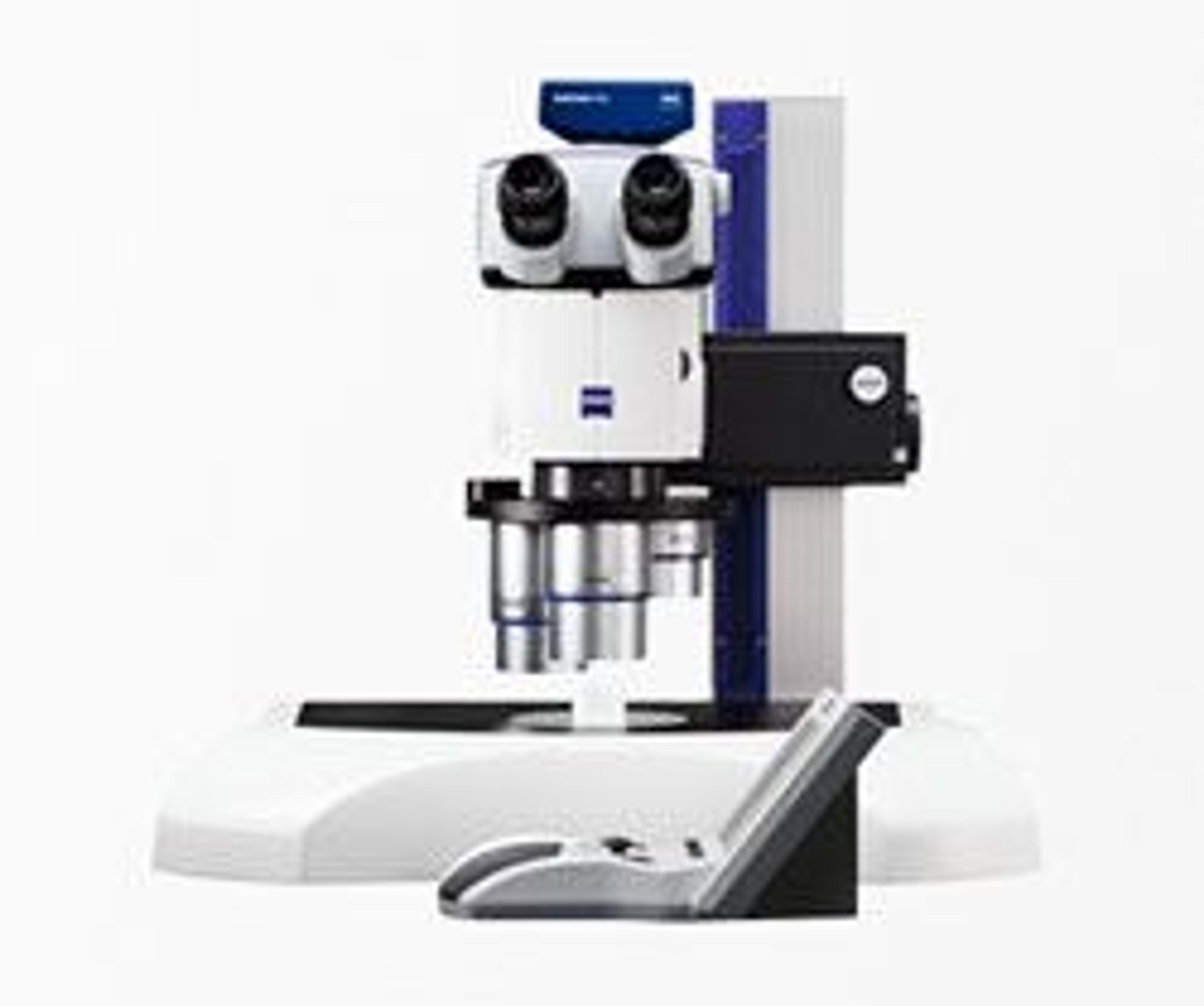
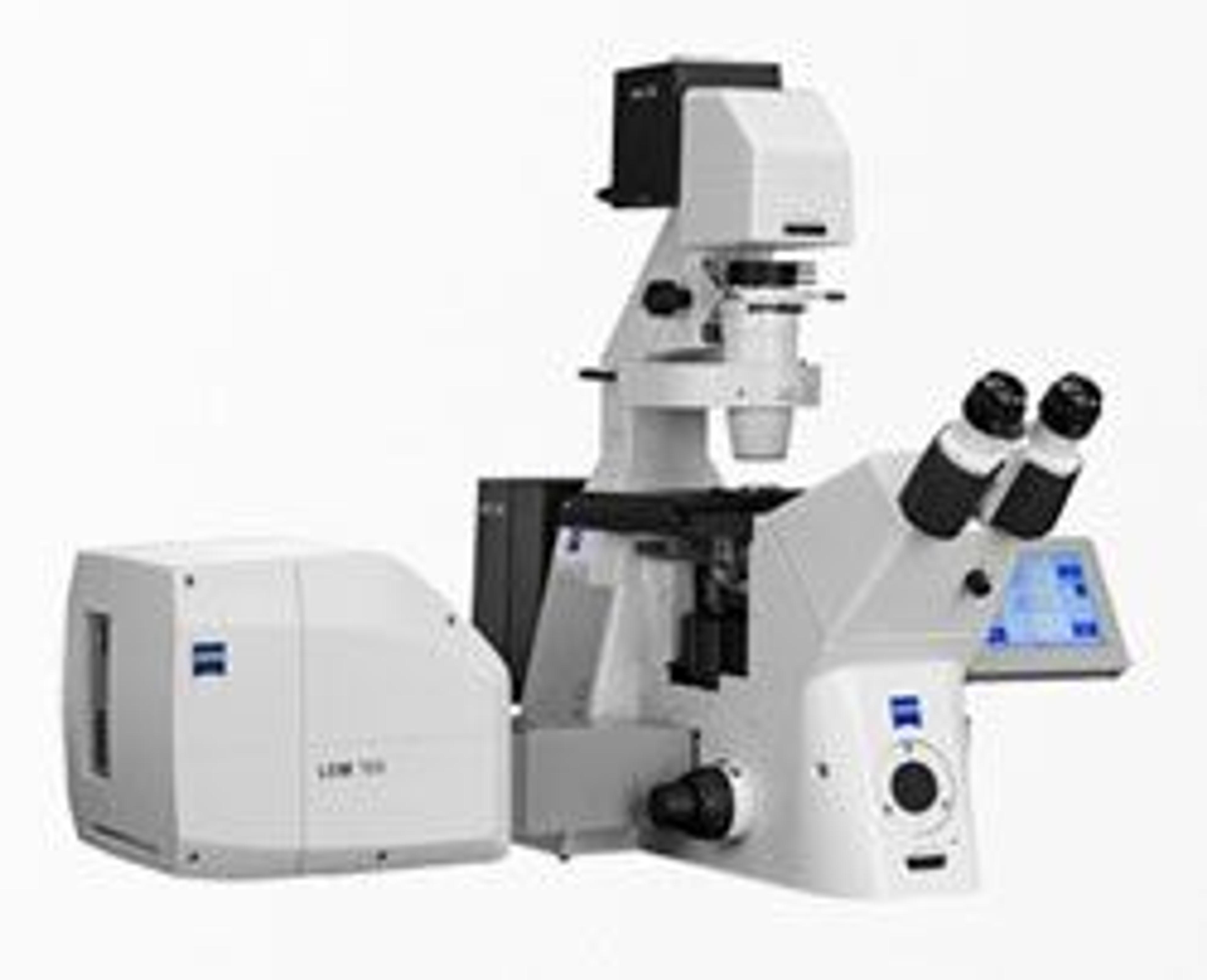
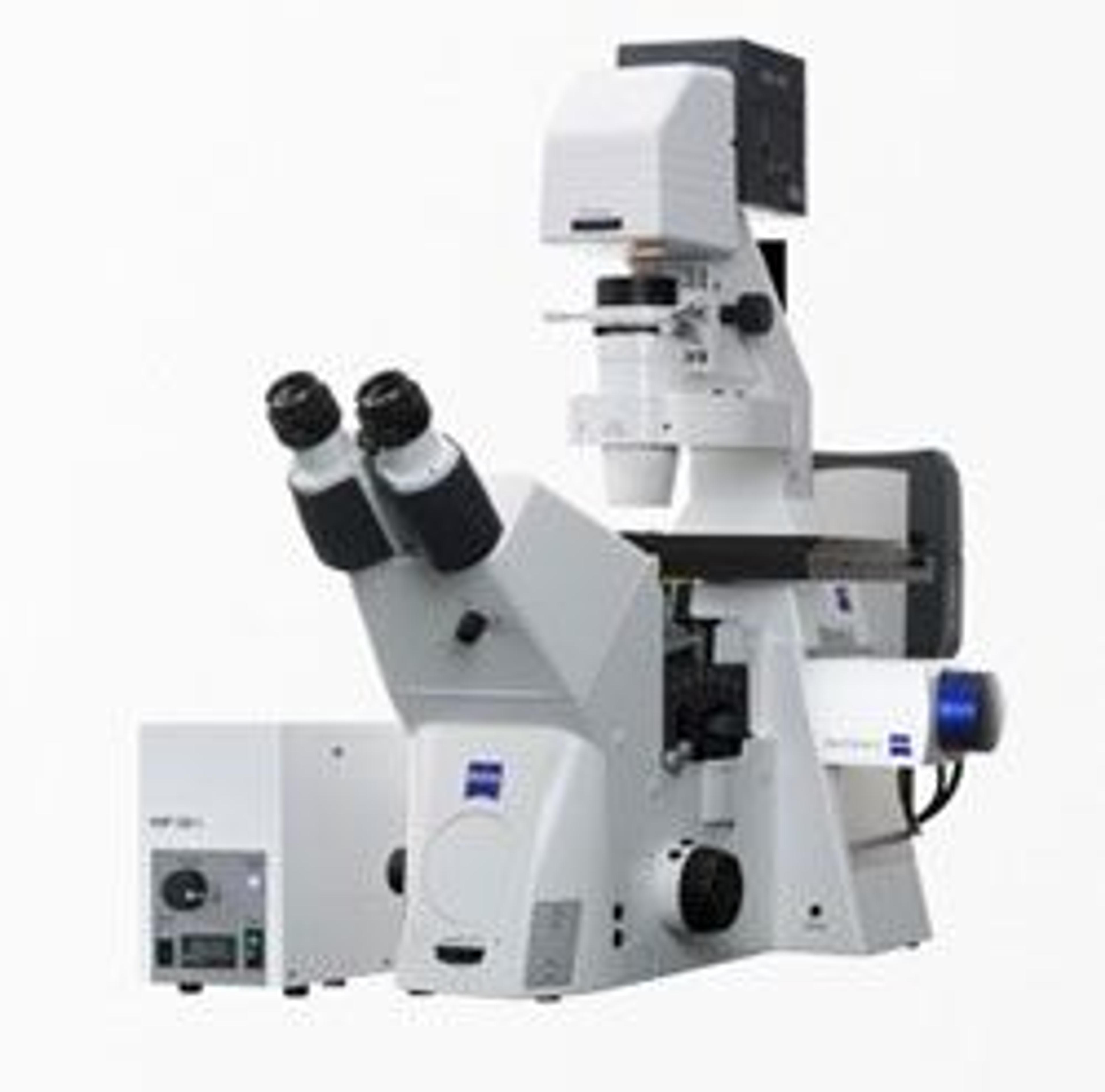
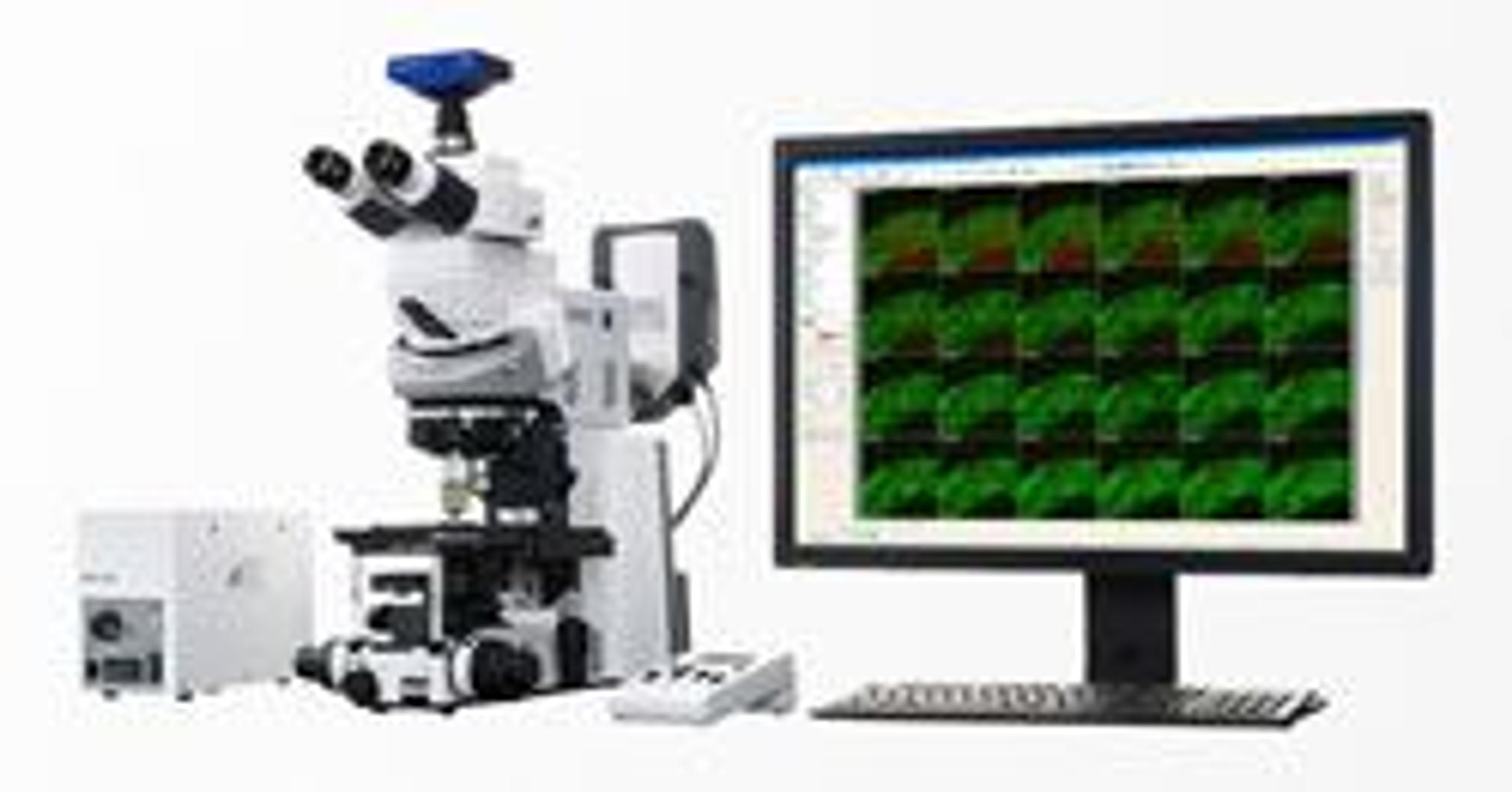
Axio Imager Vario brings out your research, development, and quality assurance specimens so that they are larger than life, regardless of whether you are working with tiny MEMS sensors or XXL wafers.
On top of this, a maximum specimen size of 300 mm × 300 mm and an impressive maximum specimen height of 254 mm make sure that you will be able to analyze large specimens nondestructively. And all this supported by the stability provided by a column design.
Examine your wafers in your clean room – Axio Imager Vario is DIN EN ISO 14644-1-certified and meets the requirements corresponding to clean room class ISO 5. Finally, a motorized Z-axis drive and the Hardware Auto Focus system ensure that you will always be able to automatically bring low-contrast, reflective specimens into perfect focus so that you will always get optimum results.

Microstructural Investigation of Austempered Ductile Iron (ADI) with "Shuttle & Find"
Austempered ductile iron (ADI) excels through strength, wear resistance and toughness – characteristics that make ADI the material of choice for use in combustion engines and gear box components. This means that safety aspects are also involved in addition to purely functional aspects. For this reason, changes in the ADI production process need to be monitored with respect to the material's characteristics and must be optimized systematically. For the micro- and nanoscopic analysis of the structure and precipitations, scientists typically use both light and electron microscopes. To date, however, there has been no possibility of relocating regions of interest without doubt when transferring the sample from the light to the electron microscope or vice versa. "Shuttle&Find" – the interface for correlative microscopy in materials analysis — offers an easy-to-use solution, enabling seamless integration of these two complementary technologies for the first time.
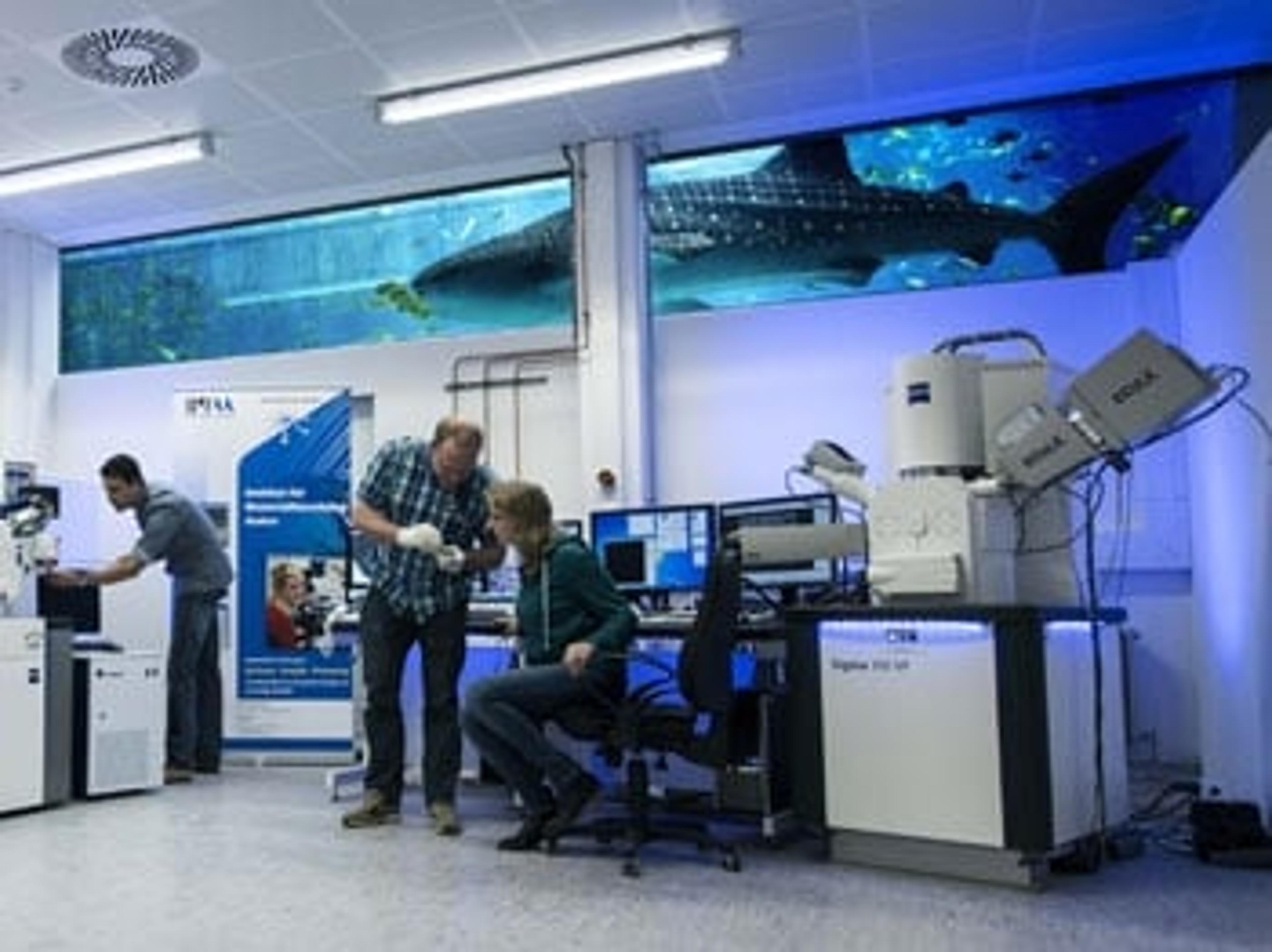
Could Correlative Microscopy Solve the Energy Problems of the Future?
Find out how materialography methods are being developed at the IMFAA, Germany, to enhance research into materials for energy conversion, additive processing and energy storage

ZEISS Highlights New and Enhanced Microscopes and Imaging Solutions at SEMICON West 2017
Visit Booth # 5214 to learn about equipment ideal for semiconductor manufacturing