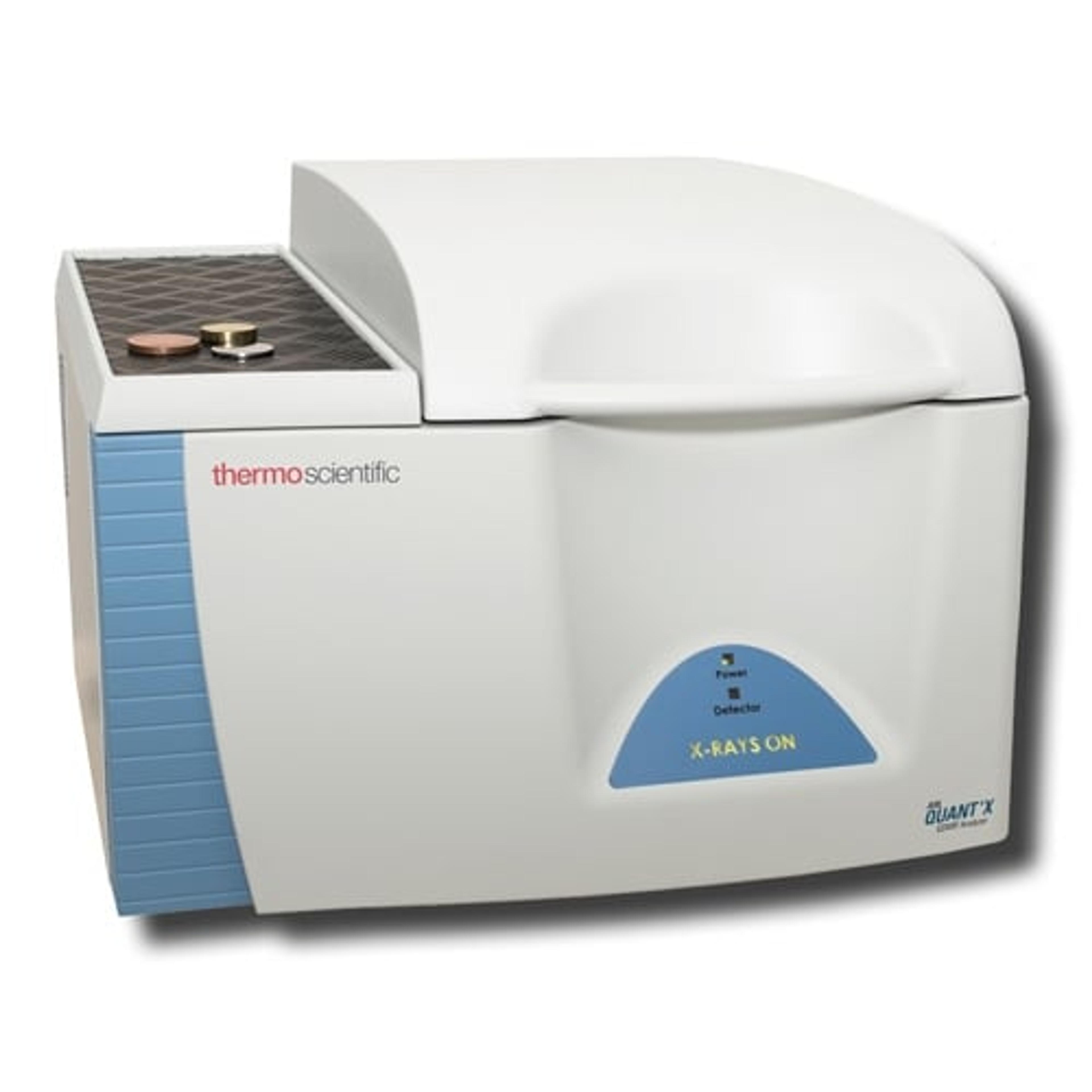
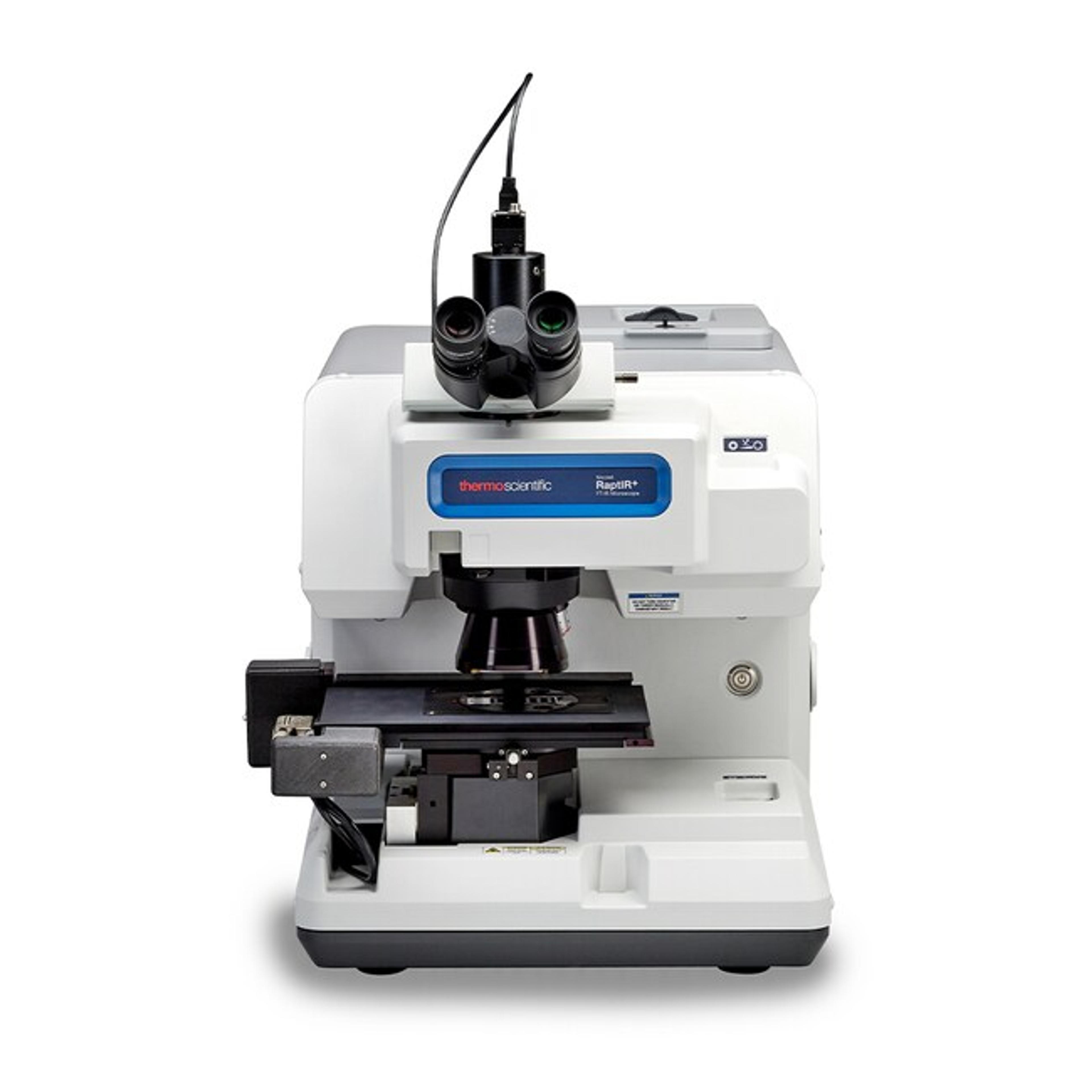
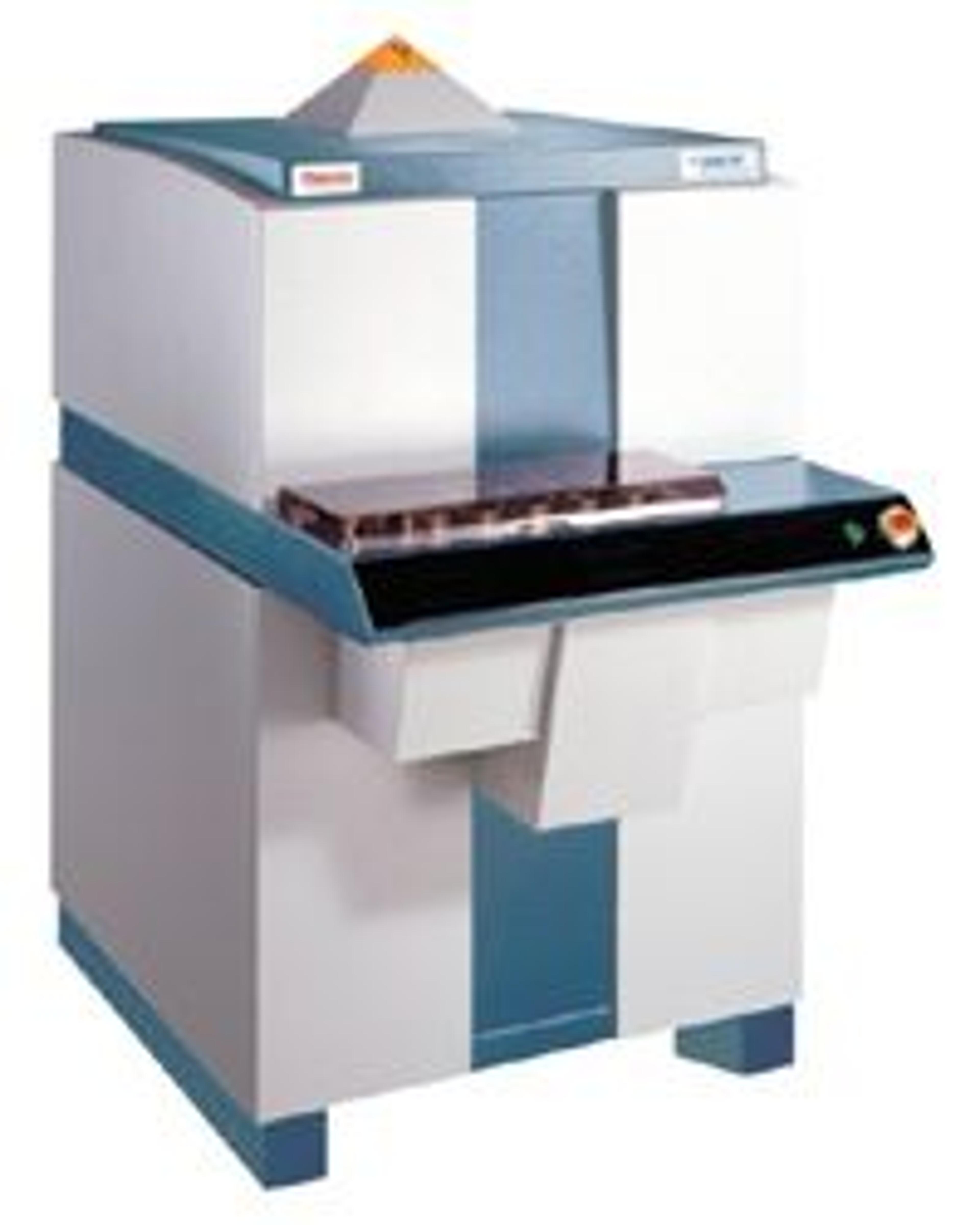
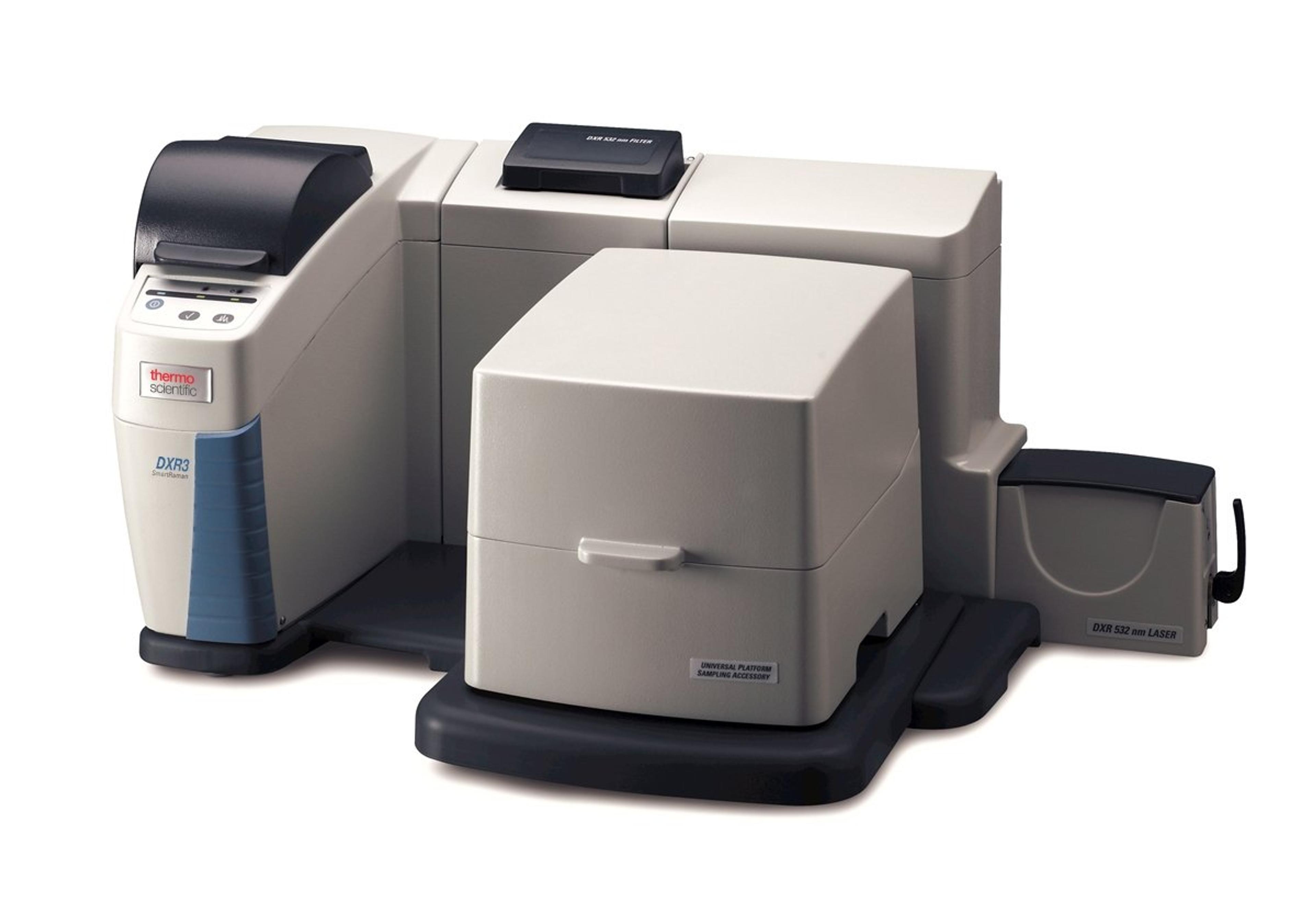
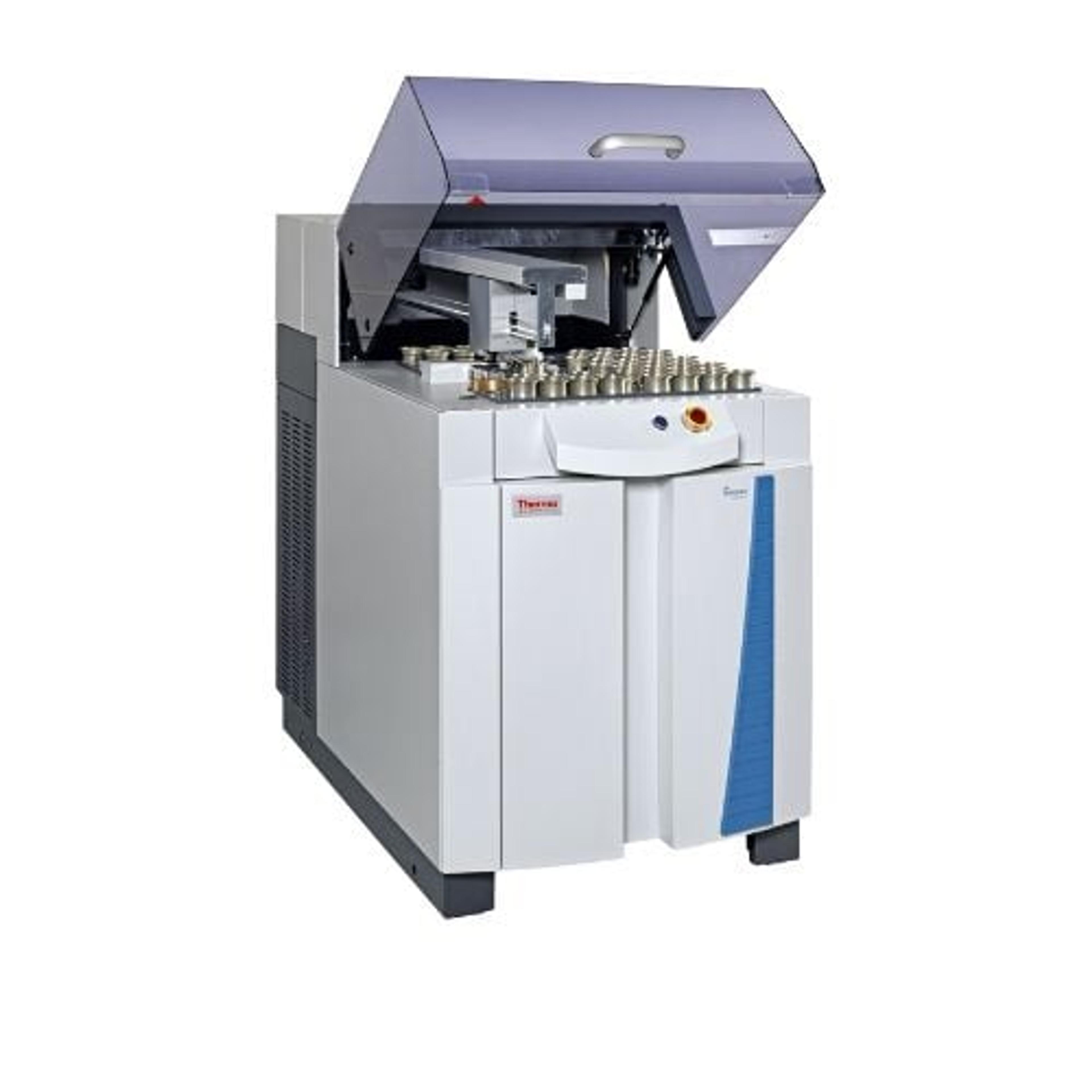
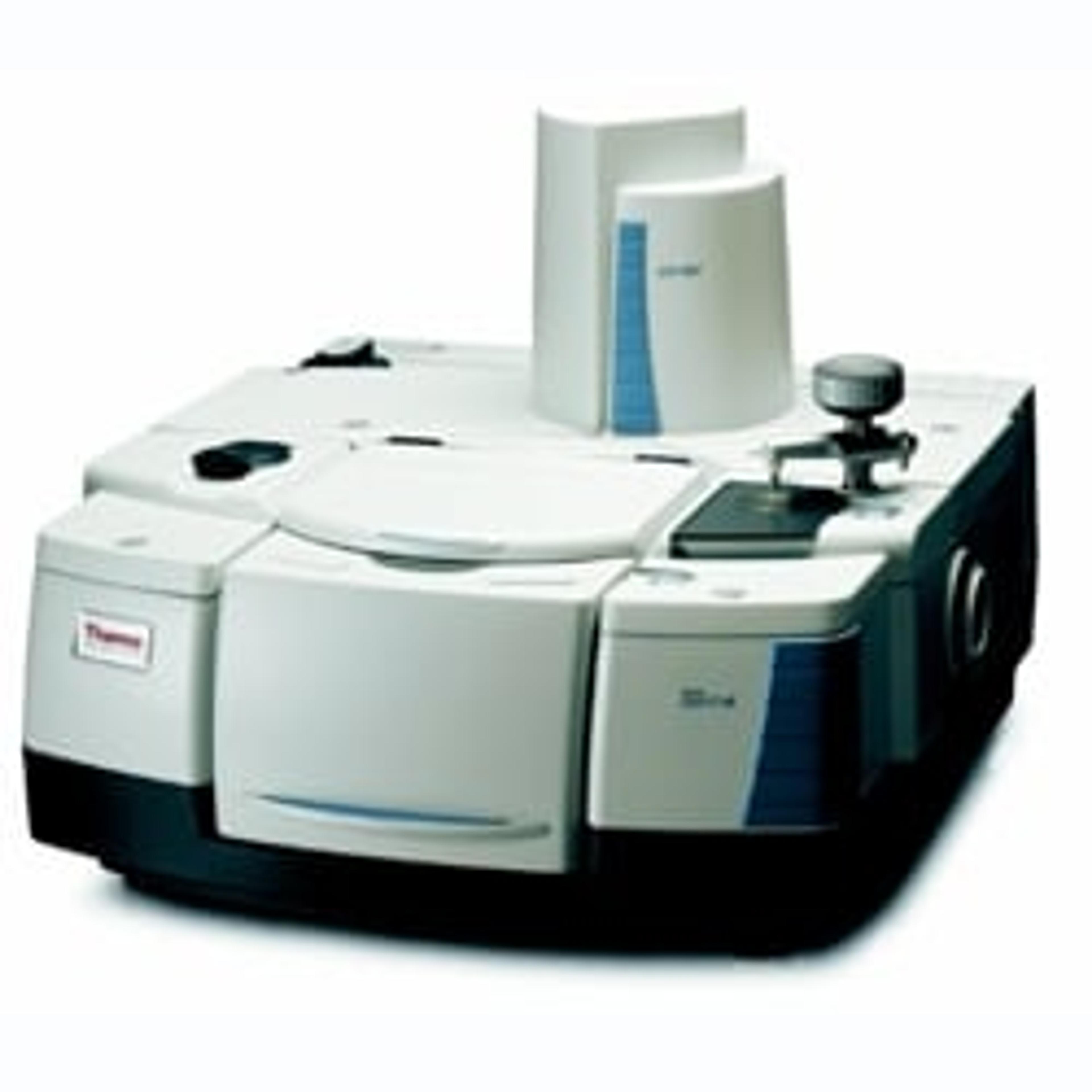
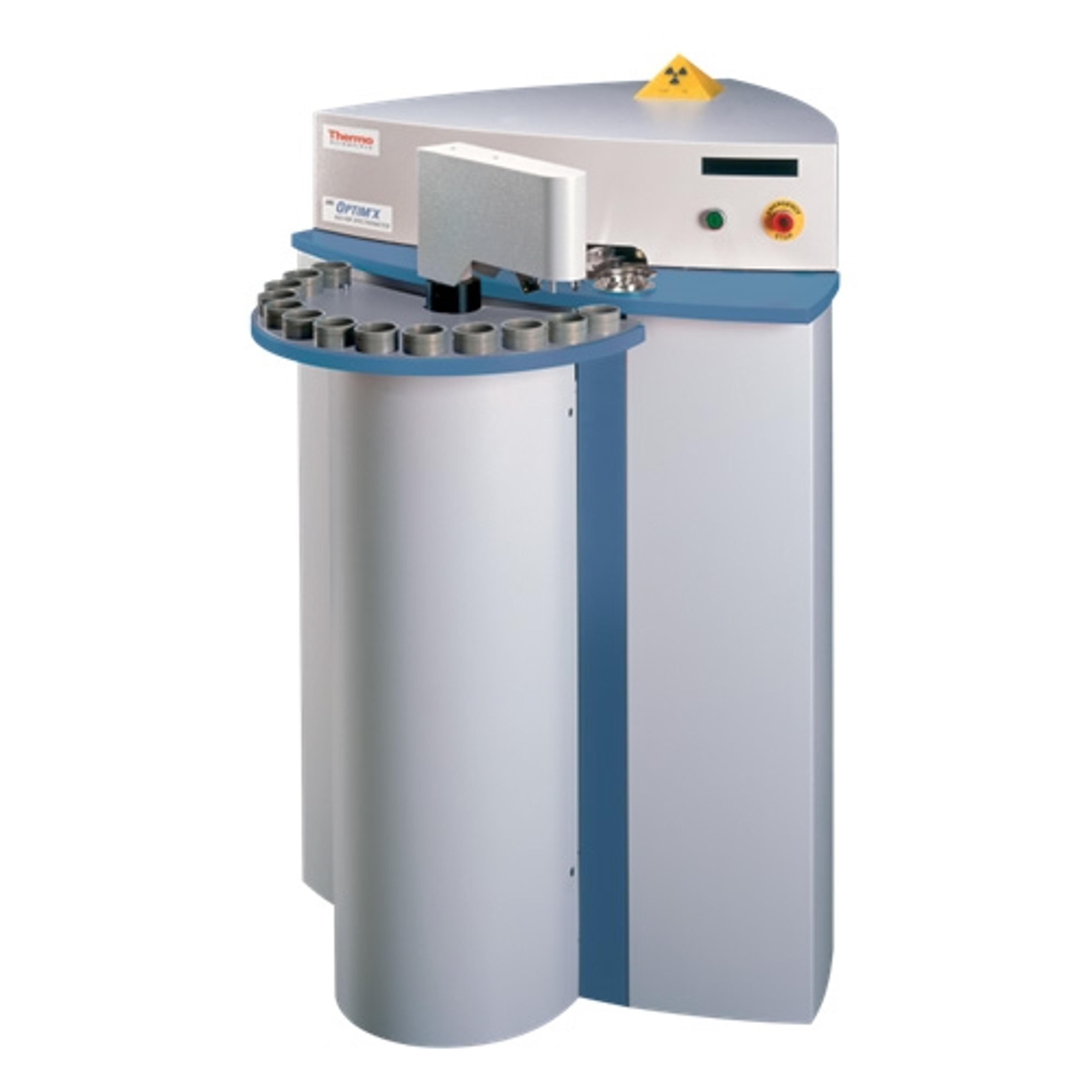
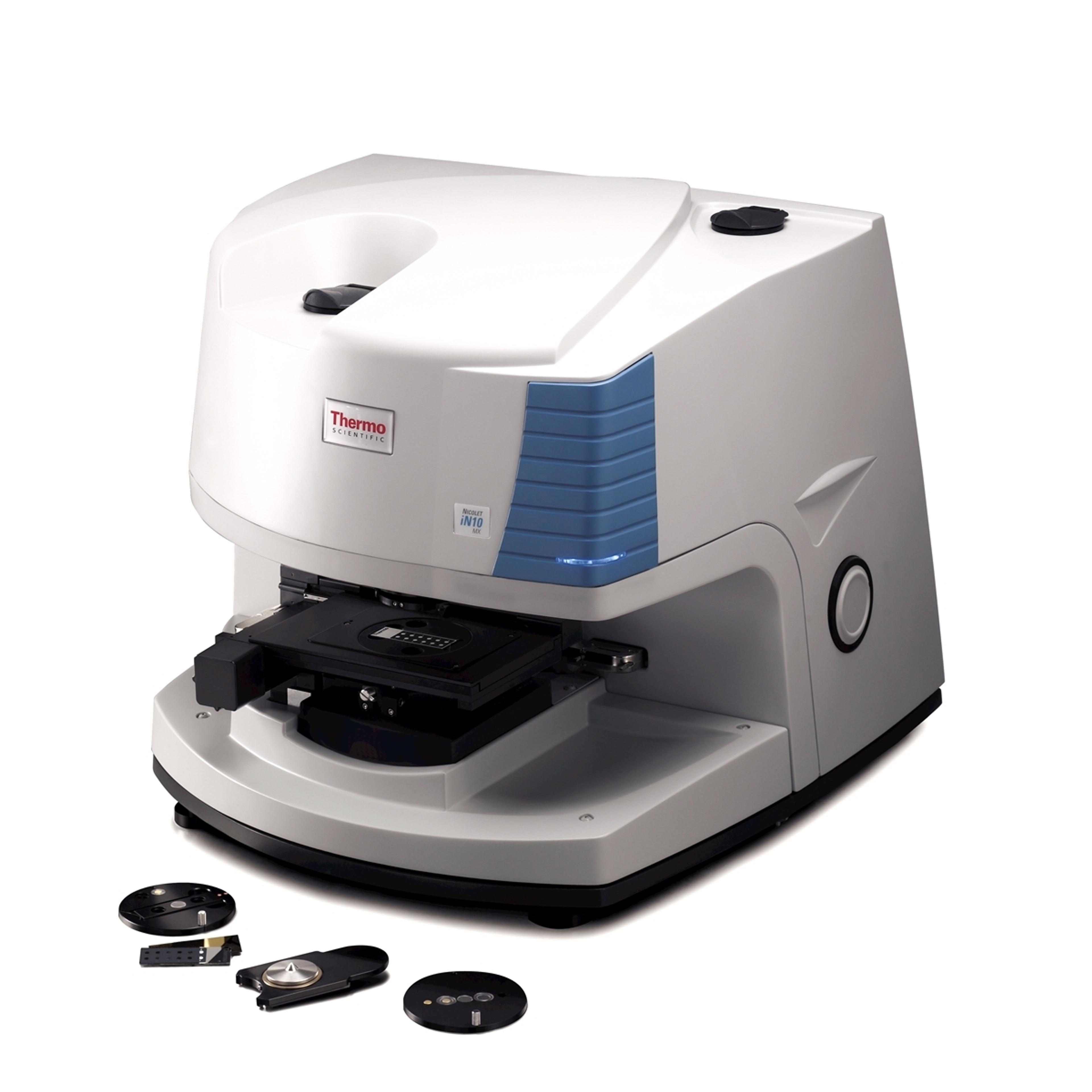
Thermo Scientific™ ARL™ QUANT'X EDXRF Spectrometer
Accomplish the most challenging analytical tasks in research and manufacturing with powerful x-ray fluorescence technology for nondestructive elemental analysis. High flexibility sample handling for all kinds of samples, solids, powders, rocks and gems for lab and field.
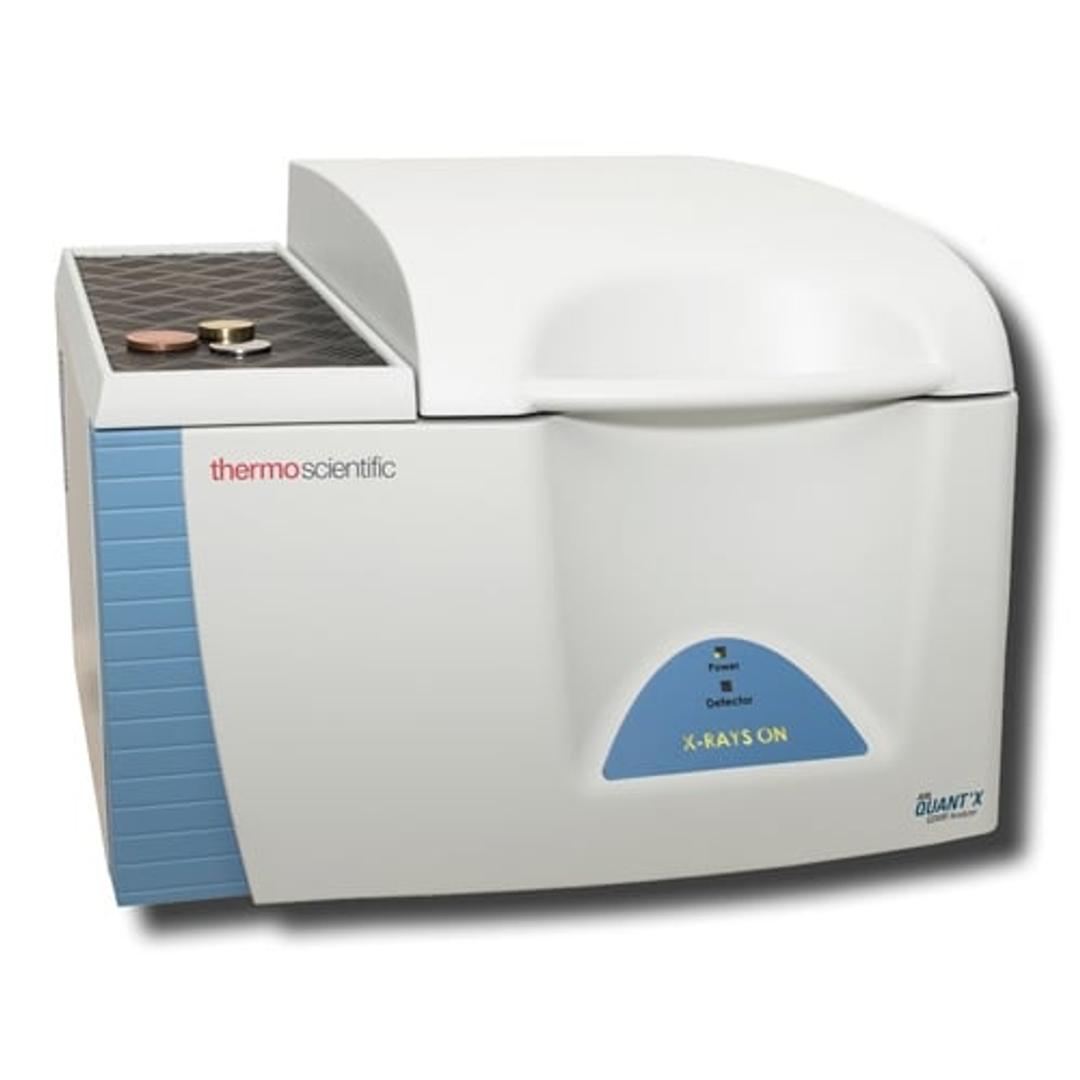
ARL QUANT'X EDXRF Spectrometer

Receive your quote directly from the manufacturer.
Industrial Chemical Manufacturing
We use the Quant'X to analyze in-process acid streams, our operators love it, because it returns results quickly. The calibration process is intuitive and the instrument is rugged enough not to require frequent re-calibration adjustment.
Review Date: 2 May 2012 | Thermo Fisher Scientific
The Thermo Scientific* ARL QUANT'X EDXRF spectrometer offers the ultimate in performance, versatility and reliability of elemental analysis. Its compact desktop design, close-coupled optics and advanced electrically cooled detector allow for unsurpassed analytical precision in a wide dynamic range from ppm to % elemental concentrations.
The large sample chamber, camera, and wide range of collimators easily accommodate investigation of not only ordinary-sized bulk samples, but also large irregularly-shaped samples as well as small spot analysis on millimeter-sized sample fragments. Combining these flexible features with powerful calibration standardless Fundamental Parameters software allows the ARL QUANT'X to unravel virtually any sample composition in a matter of minutes.

Investigate CIGS solar cells with ARL EQUINOX 100 X-ray Diffractometer and ARL QUANT'X EDXRF Spectrometer
The combination of X-ray diffraction (XRD) and energy dispersive X-ray fluorescence spectroscopy (EDXRF) is an effective method for quality control and research analysis of copper indium gallium selenide (CIGS) solar cells. In this application note, Thermo Fisher Scientific discusses the analysis of CIGS solar cells, an important material for thin-film solar cell technology. The Thermo Scientific™ ARL™ EQUINOX 100 X-ray Diffractometer is presented as a suitable instrument for fast screening of thin film samples using grazing incidence X-ray diffraction (GIXRD). The ARL EQUINOX 100 X-ray Diffractometer can perform a full GIXRD scan of CIGS solar cells within two-minute measurement time, which can distinguish between different structure types, the amorphous/crystalline character of the sample, and even between different layers in the same module.
Analyze liquid hazardous waste fuels with ARL QUANT’X EDXRF Spectrometer
Liquid hazardous waste is an industrial waste typified by mixtures of solvents, oils, paints and pigments which may pose a potential hazard to human health or the environment when improperly disposed of. Before incineration, it is usually required by governmental regulations to screen such liquid hazardous waste fuel (LHWF) for the presence of toxic and/or volatile elements above certain concentration levels. In this application note, Thermo Fisher Scientific highlights the capability of the ARL™ QUANT’X Spectrometer to monitor 11 elements over a wide concentration range. Sample preparation using graphite as described in ASTM D5839 offers a fast and straightforward method to deal with the typical non-homogeneity of LHWF samples. A 60 second analysis time per condition under air yields detection limits of 5 ppm or less.
Analyze air filters using the ARL QUANT’X EDXRF Spectrometer
Driven by the US EPA's commitment to improving air quality, there is an increasing demand for monitoring specific elements in ambient particulate matter. X-ray fluorescence emerges as the preferred method due to its non-destructive nature and superior sensitivity. In this application note, Thermo Fisher Scientific presents the ARL QUANT’X™ EDXRF Spectrometer as a tool for this purpose, offering multiple element analysis on air filters with minimal sample preparation. The analysis time can typically take around 4–10 minutes per filter depending on the number of elements and their concentration level. The ARL QUANT’X is best suited for direct, non-destructive and reliable analysis of toxic and other elements of environmental concern with typical detection limits in the nanogram/cm2 range.
Determine hazardous elements in municipal solid waste with the ARL QUANT’X EDXRF Spectrometer
Municipal solid waste (MSW) typically consists of plastics, textile, cardboard/paper and organic matter. Chemical characterization of waste to determine any hazardous elements is critical to determine the processing route. Energy-dispersive X-ray fluorescence (EDXRF) is a cost-efficient instrumental technique to determine all elements of interest at concentrations of a few ppm to % w/w. In this application note, explore the Thermo Scientific™ ARL QUANT’X™ XRF EDXRF Spectrometer, a fast and cost-effective solution for screening of MSW samples for the presence of any hazardous elements.
Analyze sewage sludge with the ARL QUANT’X EDXRF Spectrometer
Sewage sludge is a byproduct of domestic sewage and waste water treatment. Due to the nature of the physicochemical process involved in waste water treatment, sludge tends to concentrate heavy metals and other harmful constituents present in waste water. In this application note, Thermo Fisher Scientific illustrates how the ARL QUANT’X™ EDXRF Spectrometer is ideally suited to screen and monitor the heavy element content of sewage sludge. An easy, straightforward calibration using fundamental parameters and pure element compounds offers a fast semi-quantitative analysis method with very little sample preparation required. The silicon drift detector (SDD) allows for excellent element sensitivities and the multiple primary beam filters offer optimal background control.
Analyze nutrients in milk-based powders using EDXRF
A variety of analytical techniques are used in the food industry to determine the nutritional value of milk-based powders, which consist of milk powder with added nutrients. Energy-dispersive X-ray fluorescence (EDXRF) is employed for rapid and straightforward elemental analysis. In this application note, Thermo Fisher Scientific illustrates how the ARL QUANT’X™ EDXRF Spectrometer, when equipped with a graphene detector window, is an excellent tool for monitoring the elemental composition of milk-based powders. Light elements such as Na and Mg, which were previously difficult to detect, now show well-defined signals of sufficient intensity to set up reliable calibration curves.