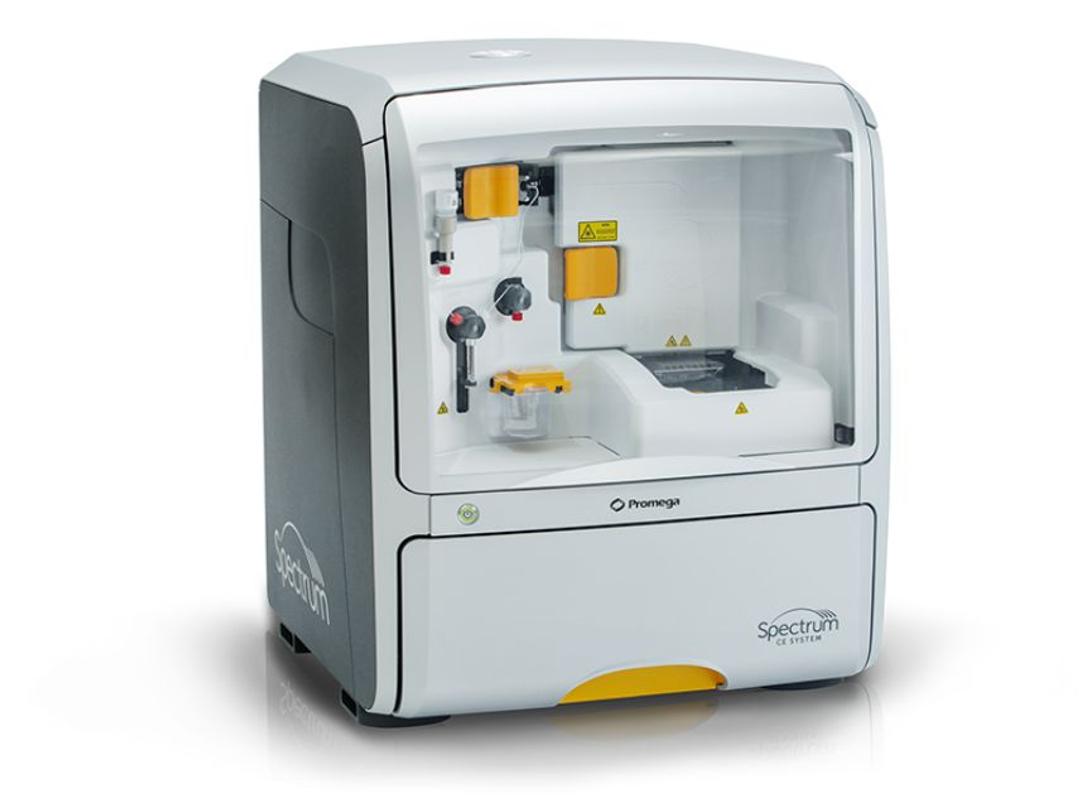
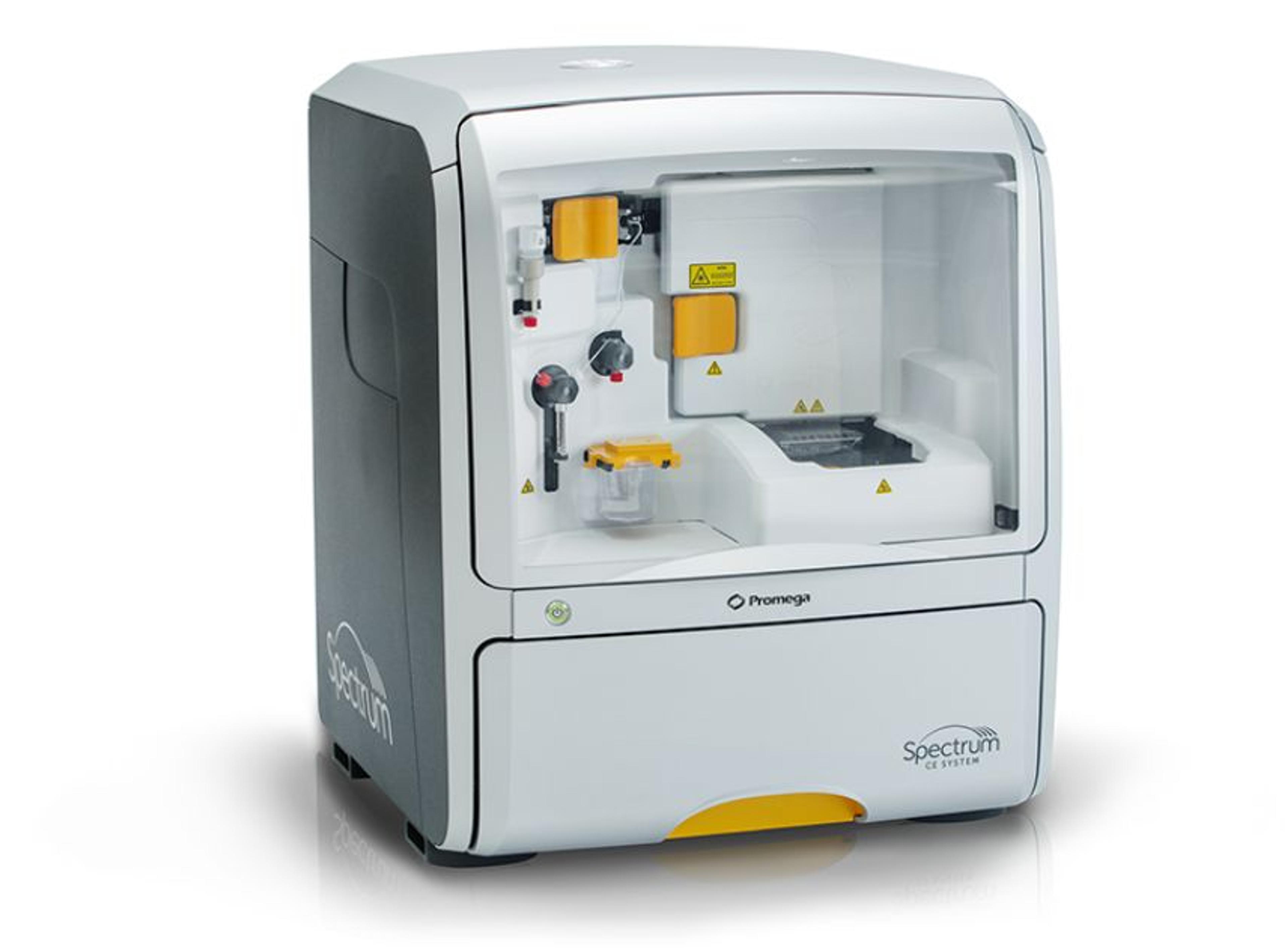
Spectrum CE System
A new CE system for forensic and paternity labs.
A new CE system for forensic and paternity labs. Offers state-of-the-art STR analysis functionality, increased run flexibility, and our full service and support.
A new CE system for forensic and paternity labs.


A new CE system for forensic and paternity labs. Offers state-of-the-art STR analysis functionality, increased run flexibility, and our full service and support.


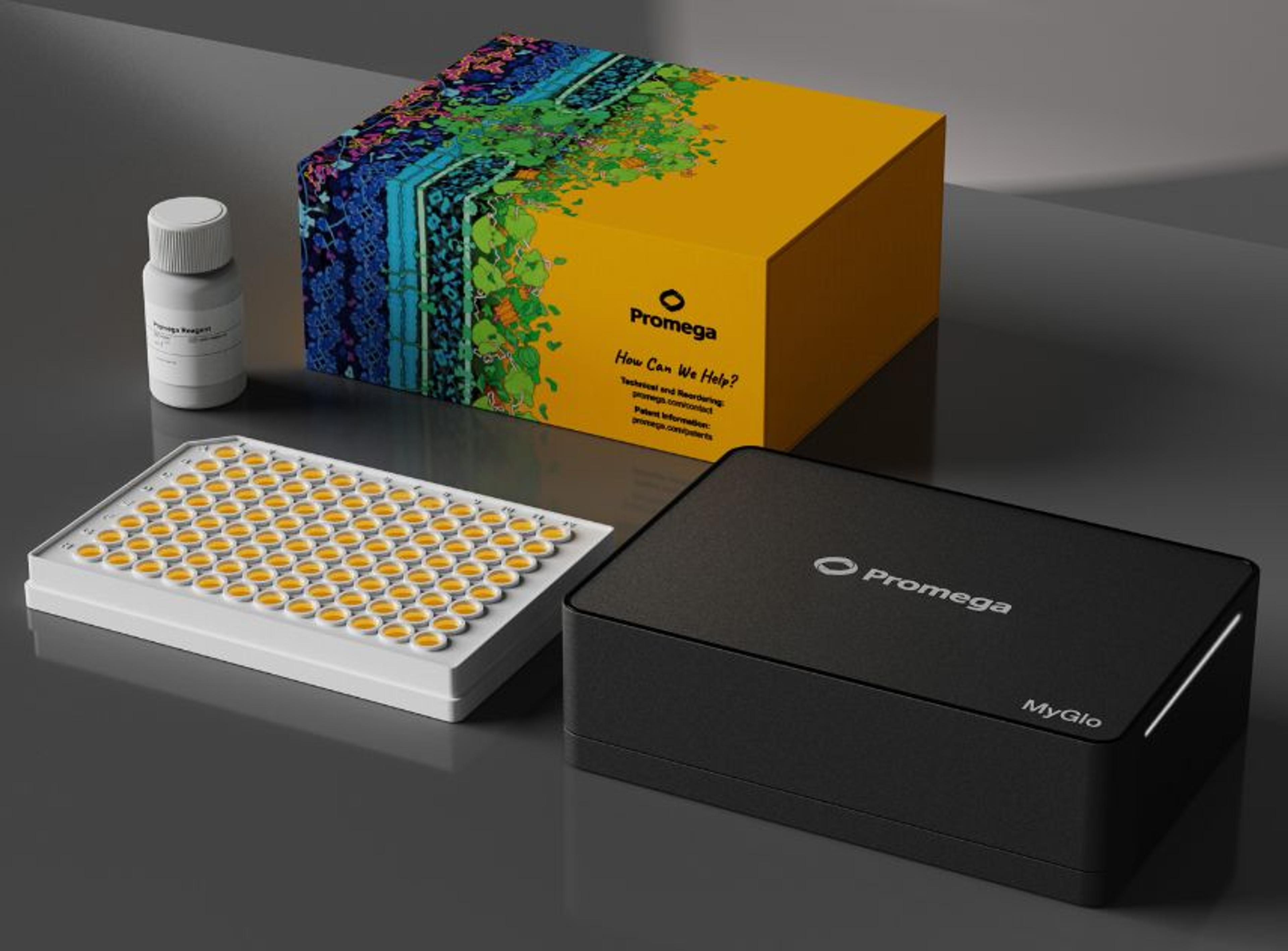
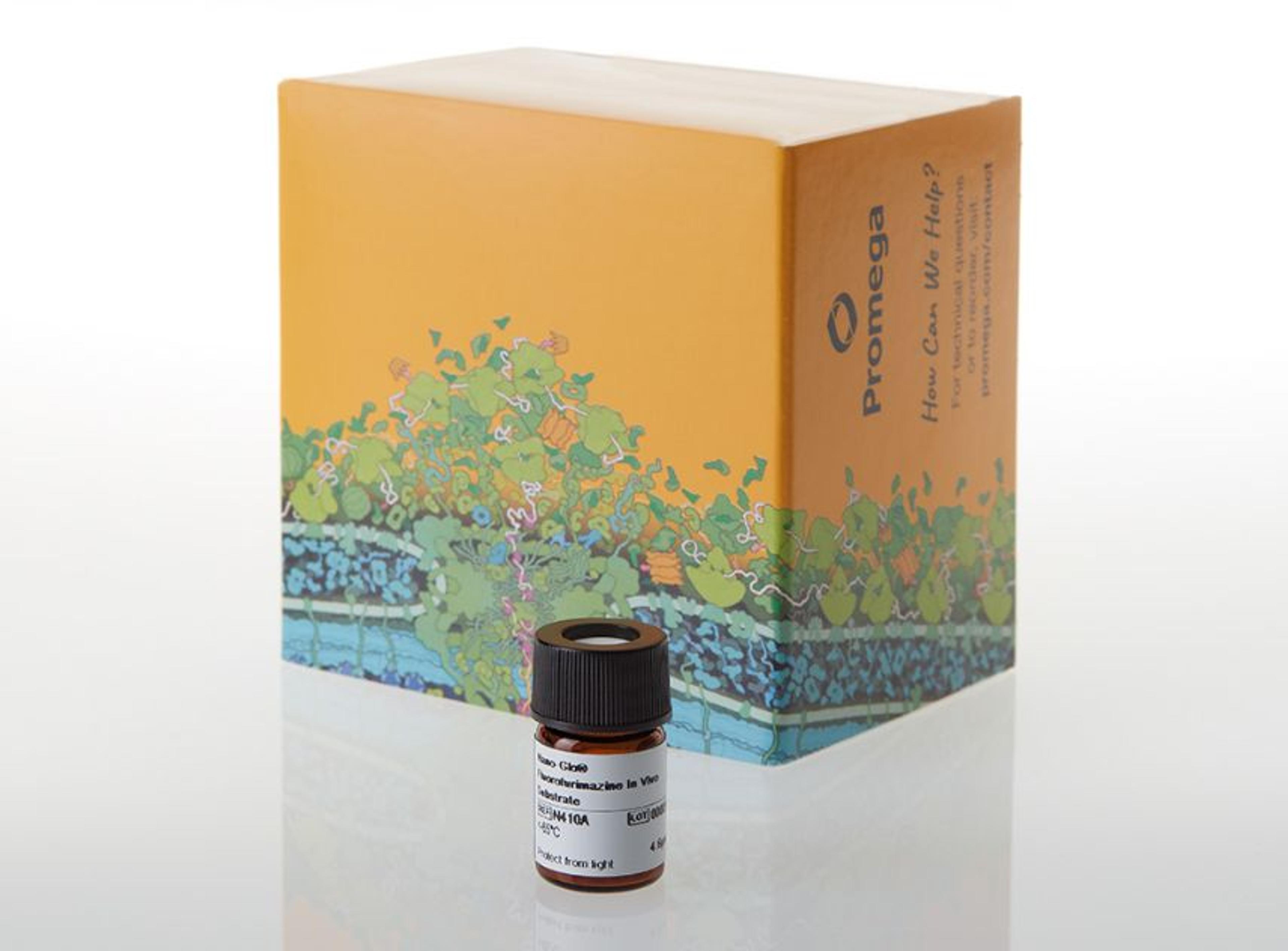
NanoLuc® and NanoBiT® Luciferase Substrate for Animal Imaging Studies

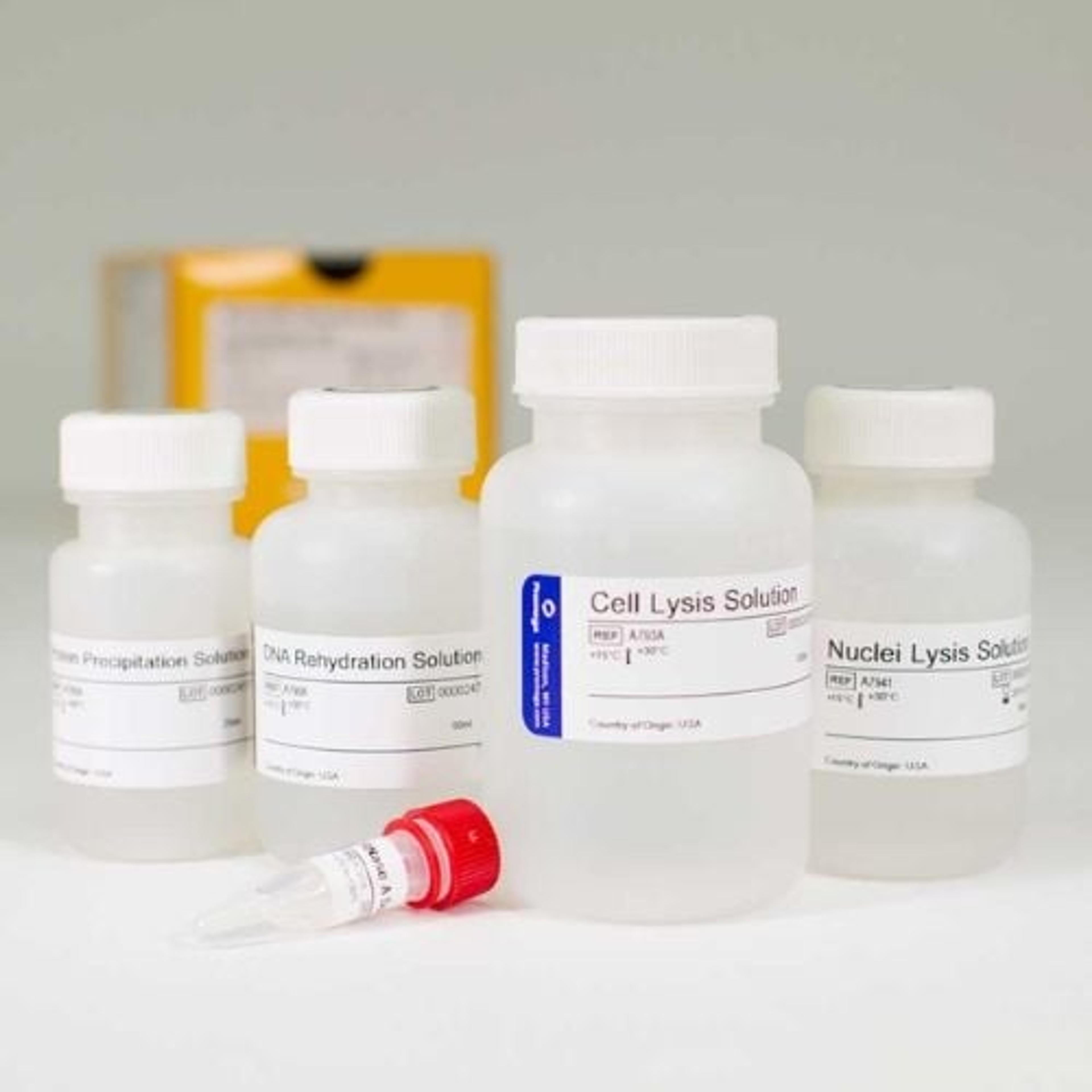
The Wizard® Genomic DNA Purification Kit provides a simple, solution-based method for isolation of DNA from white blood cells, tissue culture cells, animal tissue, plant tissue, yeast and Gram-positive and Gram-negative bacteria. DNA purified with this system is suitable for a variety of applications, including amplification, digestion with restriction endonucleases and membrane hybridizations (e.g., Southern and dot/slot blots). Wizard® Genomic DNA Purification Kit Features & Benefits: Improved Productivity - Rapidly isolate genomic DNA from blood, tissue culture, animal and plant cells, bacteria and yeast in approximately 60 minutes. Scalability - Reagent volumes can be adjusted to correspond to the amount of material to be processed. Flexibility - Genomic DNA purified from a variety of sample types is suitable for a variety of applications. Your Choice of Configuration

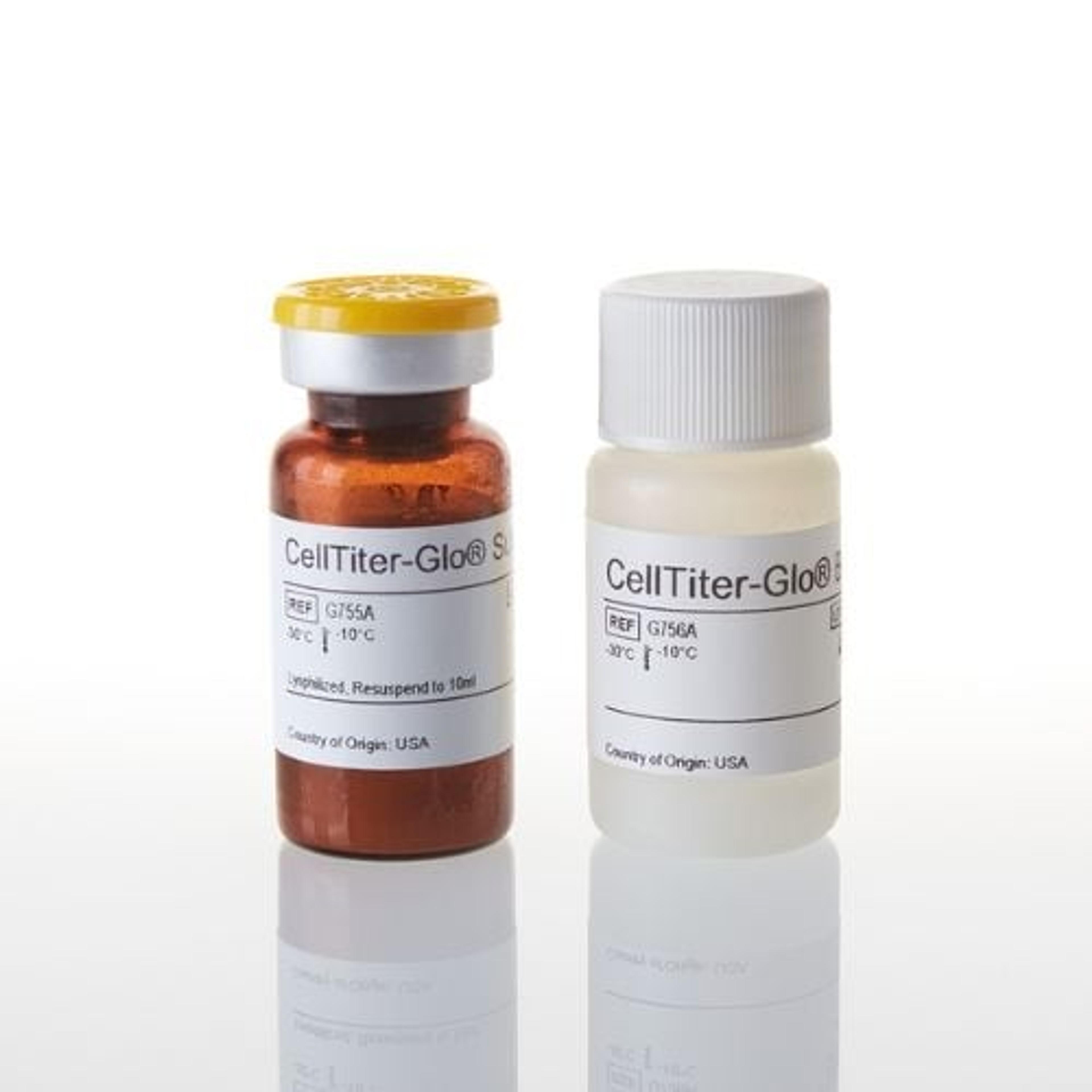
The CellTiter-Glo® Luminescent Cell Viability Assay(a,b) is a homogeneous method of determining the number of viable cells in culture based on quantitation of the ATP present, an indicator of metabolically active cells. The CellTiter-Glo® Assay is designed for use with multiwell formats, making it ideal for automated high-throughput screening (HTS), cell proliferation and cytotoxicity assays. The homogeneous assay procedure involves adding the single reagent (CellTiter-Glo® Reagent) directly to cells cultured in serum-supplemented medium. Cell washing, removal of medium and multiple pipetting steps are not required. The system detects as few as 15 cells/well in a 384-well format in 10 minutes after adding reagent and mixing. The homogeneous "add-mix-measure" format results in cell lysis and generation of a luminescent signal proportional to the amount of ATP present. The amount of ATP is directly proportional to the number of cells present in culture. The CellTiter-Glo® Assay generates a "glow-type" luminescent signal, which has a half-life generally greater than five hours, depending on cell type and medium used. The extended half-life eliminates the need to use reagent injectors and provides flexibility for continuous or batch mode processing of multiple plates. The unique homogeneous format avoids errors that may be introduced by other ATP measurement methods that require multiple steps.

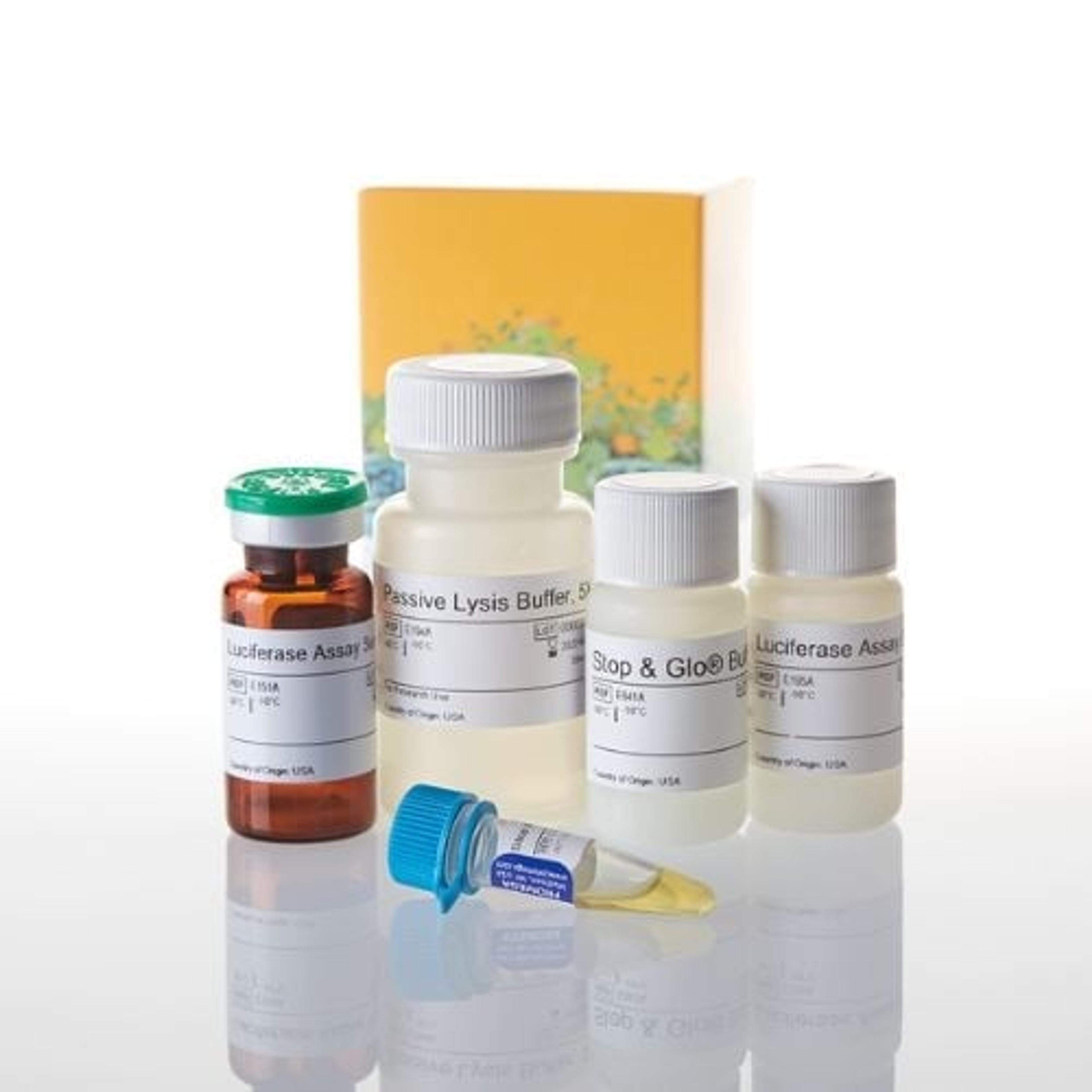
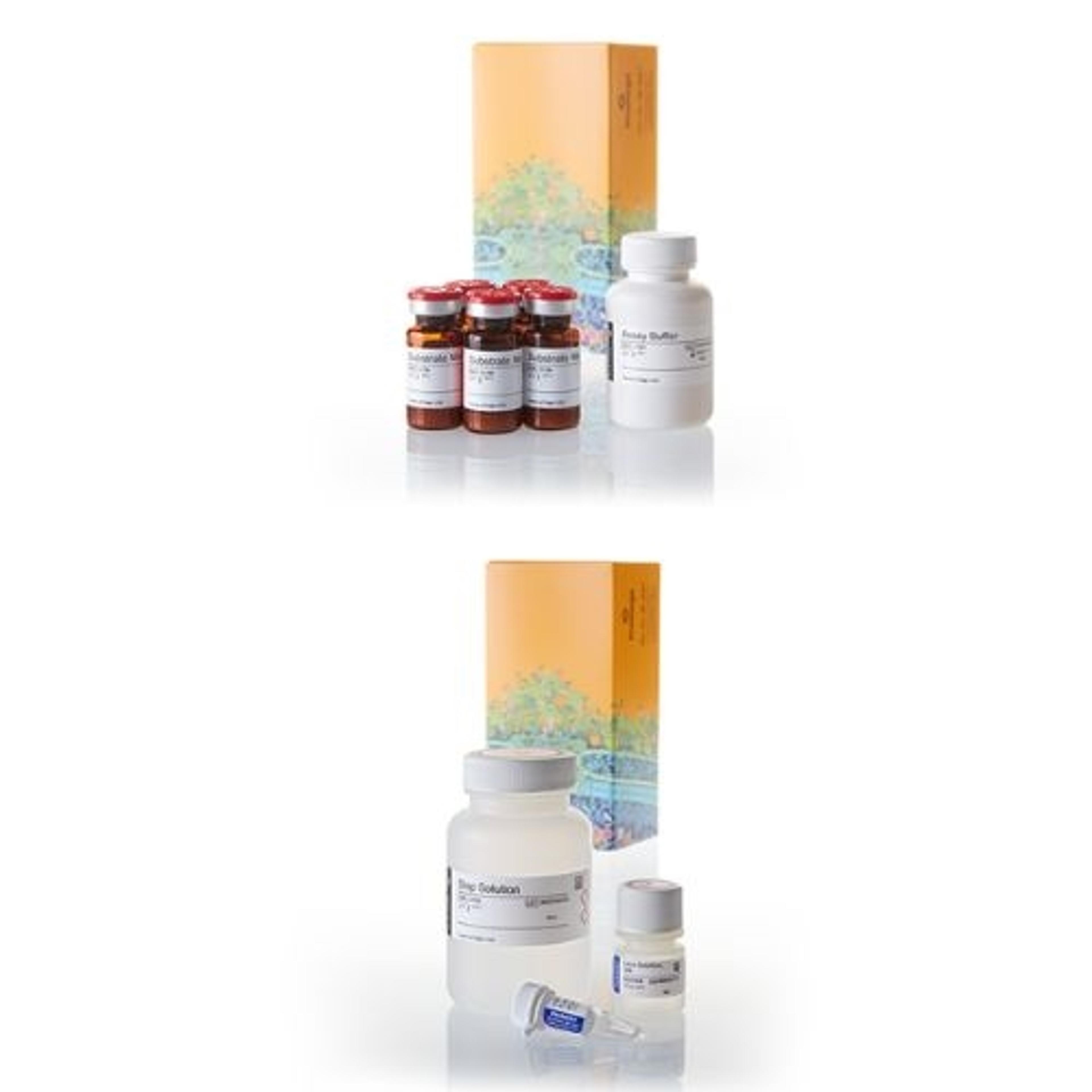
The Dual-Luciferase® Reporter (DLR™) Assay System(a–f) provides an efficient means of performing two reporter assays. In the DLR™ Assay, the activities of firefly (Photinus pyralis) and Renilla (Renilla reniformis or sea pansy) luciferases are measured sequentially from a single sample. The firefly luciferase reporter is measured first by adding Luciferase Assay Reagent II (LAR II) to generate a luminescent signal lasting at least one minute. After quantifying the firefly luminescence, this reaction is quenched, and the Renilla luciferase reaction is initiated simultaneously by adding Stop & Glo® Reagent to the same sample. Both assays can be completed in about 4 seconds using a luminometer with reagent auto-injectors. In the DLR™ Assay System, both reporters yield linear assays with attomole (<10−18) sensitivities and no endogenous activity in the experimental host cells. Furthermore, the integrated format of the DLR™ Assay provides rapid quantitation of both reporters either in transfected cells or in cell-free transcription/translation reactions. The pGL4 and phRL series of synthetic Renilla Luciferase Reporter Vectors are designed for use with the DLR™ Assay Systems. A Renilla luciferase vector with constitutive expression may be used in combination with any experimental firefly luciferase vector to co-transfect mammalian cells.

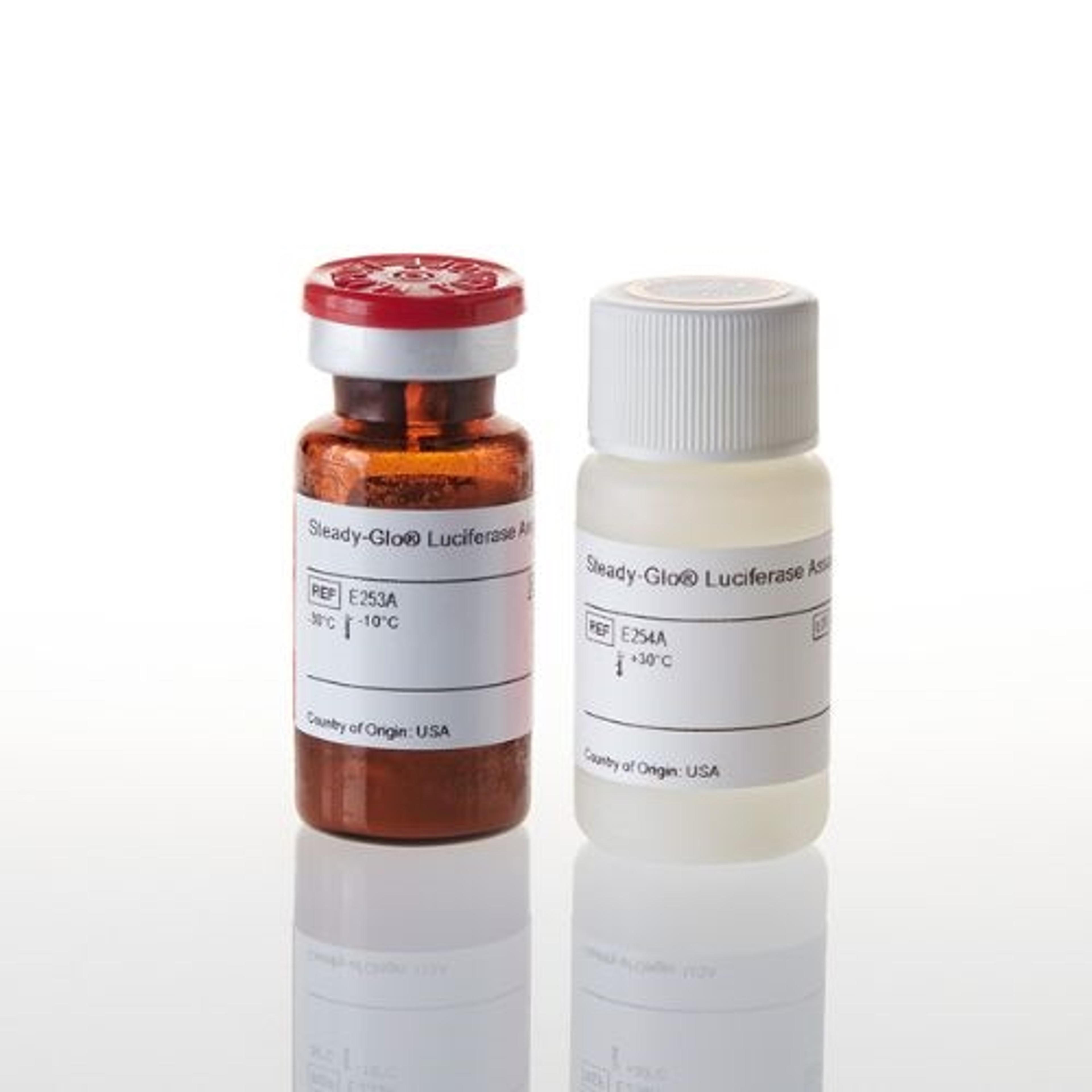
High-throughput quantitation of firefly (Photinus pyralis) luciferase expression in mammalian cells is commonly performed by batch processing of 96- and 384-well plates. Steady-Glo® Luciferase Assay System(a,b,c) is designed for this purpose by providing long-lived luminescence when added to cultured cells. The homogeneous assay provides signal half-lives of over 5 hours in commonly used cell culture media without prior sample processing. Throughput rates of several thousand samples per hour may be achieved with high reproducibility under standard laboratory conditions.

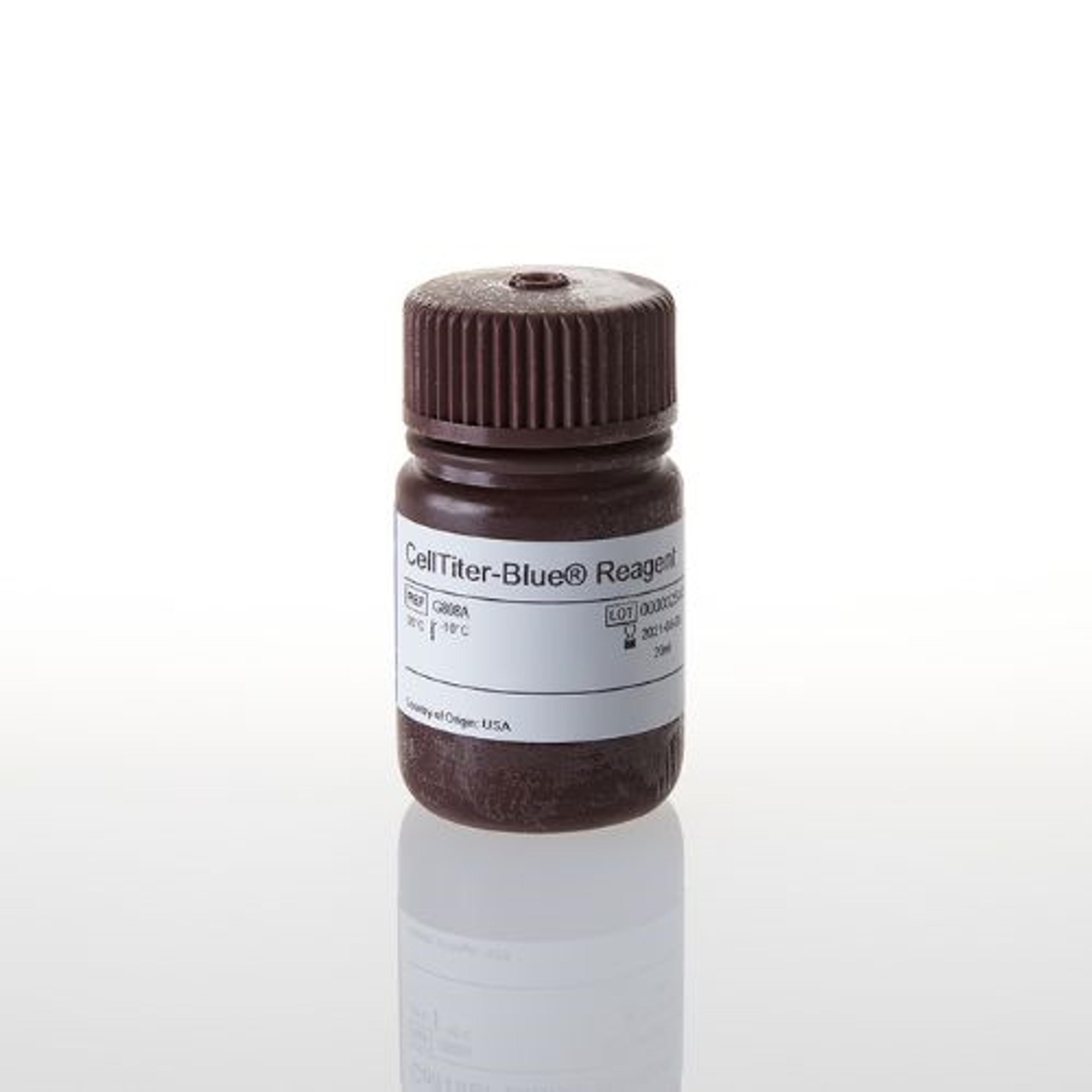
The CellTiter-Blue® Cell Viability Assay provides a homogeneous, fluorescent method for monitoring cell viability. The assay is based on the ability of living cells to convert a redox dye (resazurin) into a fluorescent end product (resorufin). Nonviable cells rapidly lose metabolic capacity and thus do not generate a fluorescent signal. The homogeneous assay procedure involves adding the single reagent directly to cells cultured in serum-supplemented medium. After an incubation step, data are recorded using either a plate-reading fluorometer (preferred) or spectrophotometer.

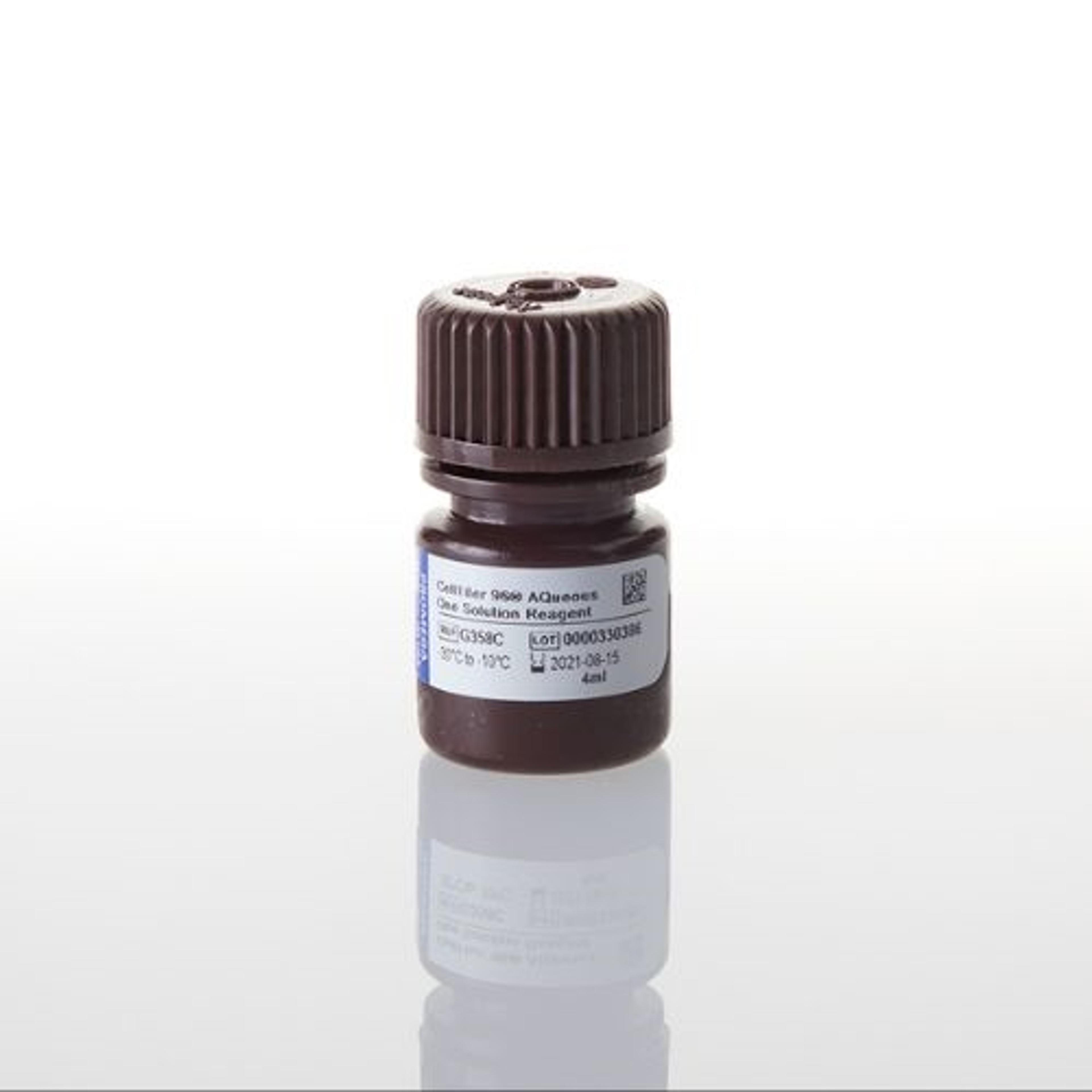
The CellTiter 96® AQueous One Solution Cell Proliferation Assay is a colorimetric method for determining the number of viable cells in proliferation, cytotoxicity or chemosensitivity assays. The CellTiter 96® AQueous One Solution Reagent contains a tetrazolium compound [3-(4,5-dimethylthiazol-2-yl)-5-(3-carboxymethoxyphenyl)-2-(4-sulfophenyl)-2H-tetrazolium, inner salt; MTS(a)] and an electron coupling reagent (phenazine ethosulfate; PES). PES has enhanced chemical stability, which allows it to be combined with MTS to form a stable solution. The CellTiter 96® AQueous Assay uses phenazine methosulfate (PMS) as the electron coupling reagent, and PMS Solution and MTS Solution are supplied separately. PES has enhanced chemical stability, which allows it to be combined with MTS to form a stable solution. Assays are performed by adding a small amount of the CellTiter 96® AQueous One Solution Reagent directly to culture wells, incubating for 1–4 hours and then recording absorbance at 490nm with a 96-well plate reader. The quantity of formazan product as measured by the amount of 490nm absorbance is directly proportional to the number of living cells in culture.

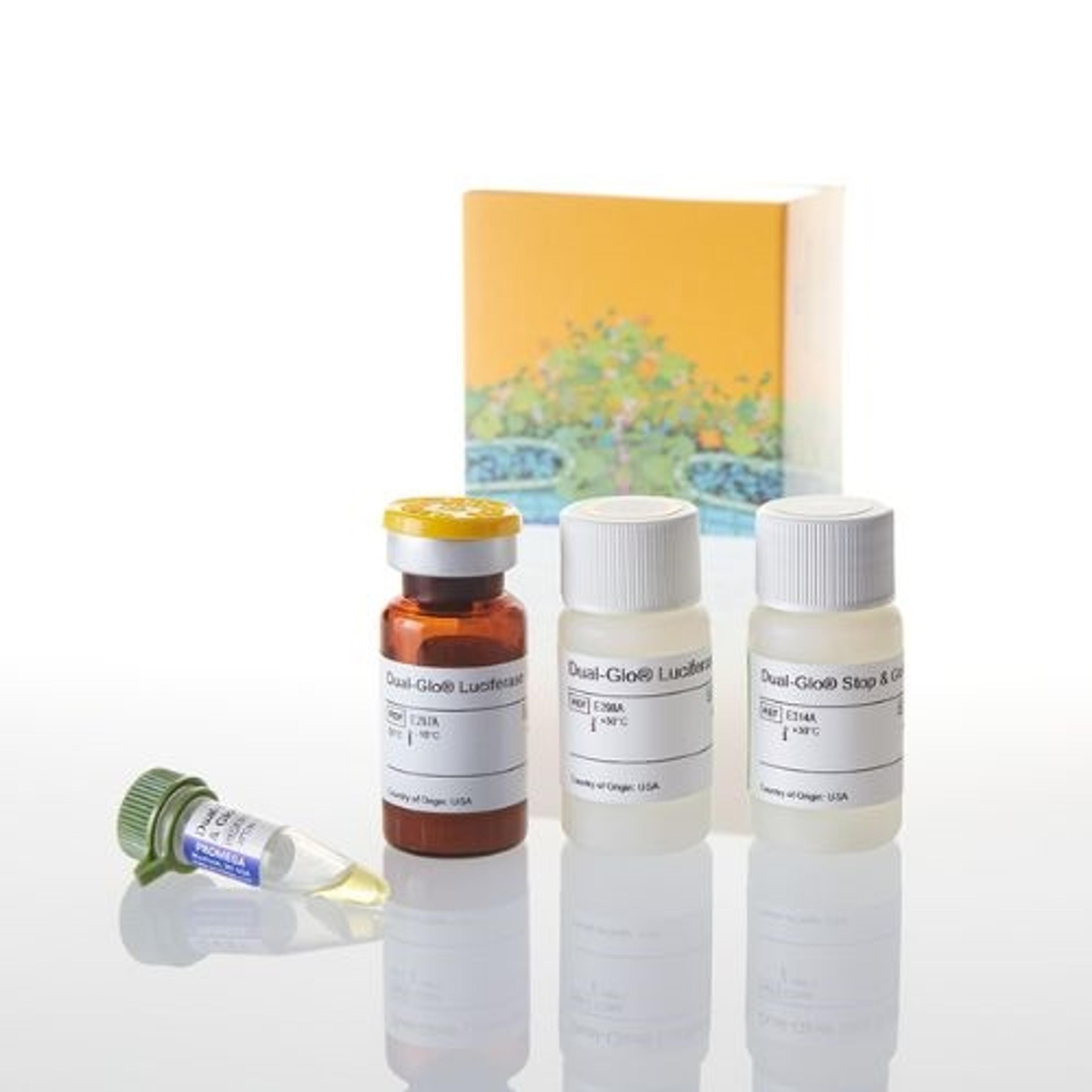
The Dual-Glo® Luciferase Assay System is a homogeneous reagent system that enables fast and simple quantitation of a stable luminescent signal from two reporter genes in a single sample. This convenient "add-and-read" system generates both firefly and Renilla luciferase luminescence signals from cells that have not been preconditioned or prelysed. With the Dual-Glo® System, internal controls can be established to minimize sample variability by reducing false positive and false negative readings caused by nonspecific factors such as cytotoxicity. In the Dual-Glo® Luciferase Assay, the activity of the primary reporter is correlated with the effect of specific stimuli, and the activity of the co-transfected control reporter provides an internal control to normalize results.

Use with ADP-Glo™ Assay for bioluminescent detection of kinase activity

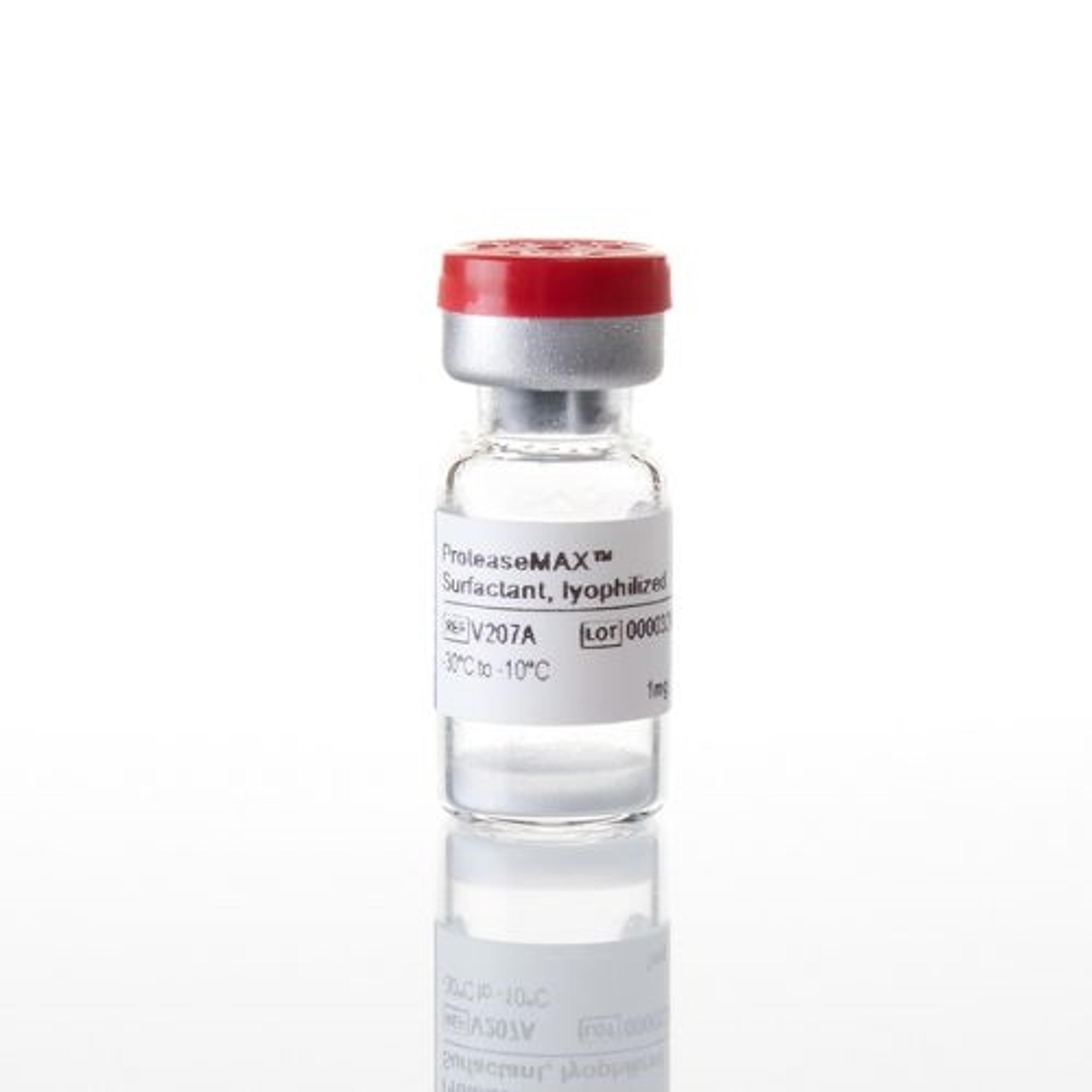
ProteaseMax™ Surfactant is a high-quality reagent for use in protein and peptide sample preparation. ProteaseMax™ Surfactant solubilizes proteins and ensures fast and improved protein digestion with trypsin or chymotrypsin. It is designed to degrade over the course of a digestion reaction, yielding products that are compatible with downstream methods such as mass spectrometry (MS) and liquid chromatography (LC). For in-gel protein digestion, ProteaseMax™ Surfactant also improves the recovery of peptides. ProteaseMax™ Surfactant can be used with existing in-gel or in-solution digestion protocols.

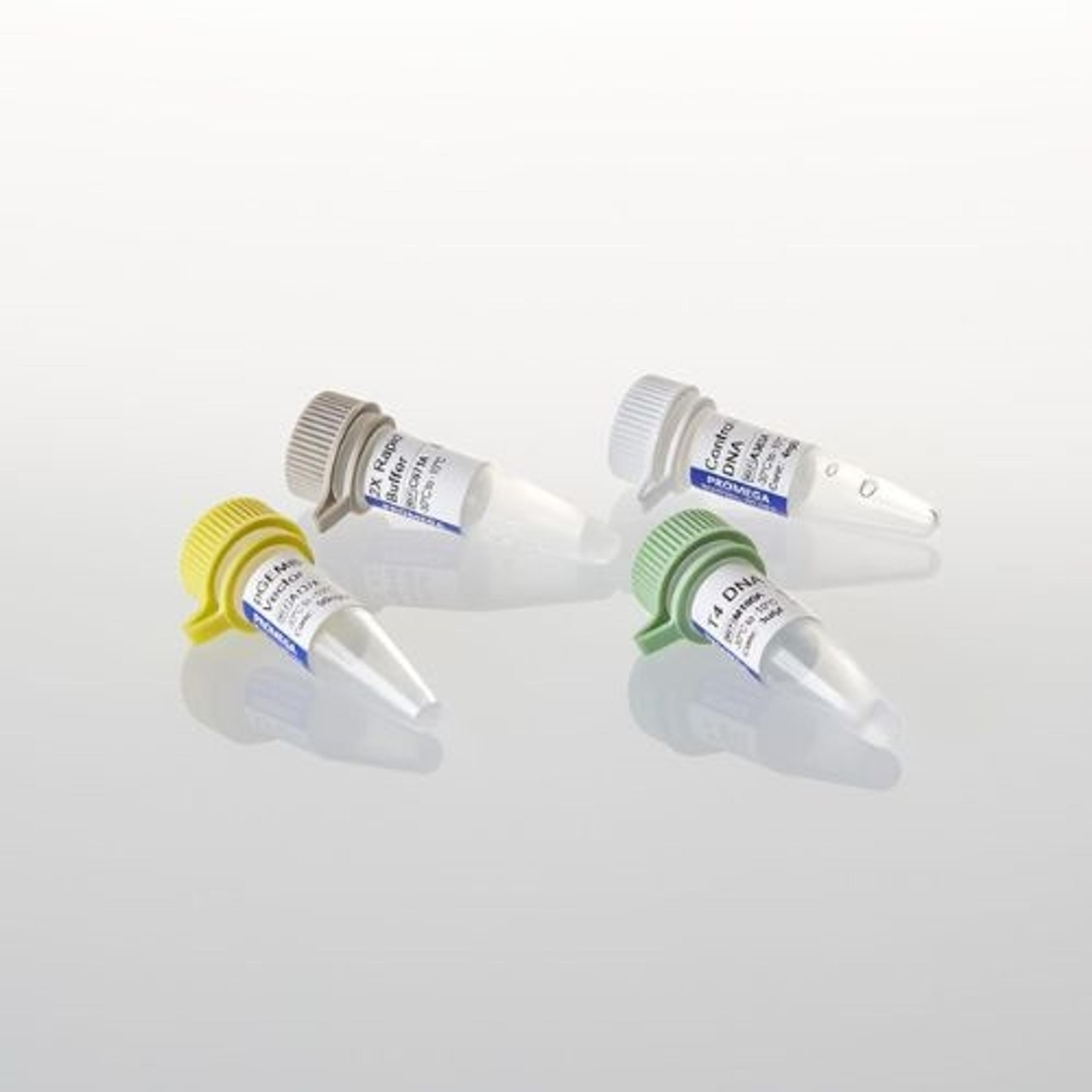
The pGEM®-T Easy Vector Systems are convienent systems to clone PCR products. They offer all of the advantages of the pGEM®-T Vector Systems with added convieneice of recognition sites for EcoRI and NotI flankin the insertion site. Thus, several options exist to remove the desired insert DNA with a single restriction digestion. The pGEM(R)-T Easy Vectr System II contains JM109 Competent Cells in addition to all pf the pGEM(R)-T Easy Vector System I components. pGEM®-T Easy Vector Systems Features & Benefits: Flexibility - The multiple cloning site is flanked by restriction enzyme sites for BstZI, NotI and EcoRI, allowing three options to remove the insert with a single digest. Rapid Ligation - The 2X Rapid Ligation Buffer provided allows reactions to be completed in 1 hour at room temperature. Blue/White Screening - T7 and SP6 RNA polymerase promoters flank a multiple cloning region within the α-peptide coding region for β-galactosidase. Insertional inactivation of the α-peptide allows recombinant clones to be directly identified by color screening on indicator plates. f1 Origin of Replication - Allows preparation of single-stranded DNA.

The Promega CytoTox 96® Non-Radioactive Cytotoxicity Assay is a colorimetric alternative to radioactive cytotoxicity assays. The CytoTox 96® Assay quantitatively measures lactate dehydrogenase (LDH), a stable cytosolic enzyme that is released upon cell lysis, in much the same way as [51Cr] is released in radioactive assays. Released LDH in culture supernatants is measured with a 30-minute coupled enzymatic assay that results in the conversion of a tetrazolium salt (INT) into a red formazan product. The amount of color formed is proportional to the number of lysed cells. Visible wavelength absorbance data are collected using a standard 96-well plate reader. The assay can be used to measure membrane integrity for cell-mediated cytotoxicity assays in which a target cell is lysed by an effector cell, or to measure lysis of target cells by bacteria, viruses, proteins, chemicals, etc. Features of the Promega CytoTox 96® Non-Radioactive Cytotoxicity Assay: • Non-Radioactive: Requires no radioactive waste disposal or [51Cr]. • Save Time: Eliminates labeling of target cells prior to experiment. • Use Standard Equipment: Collect absorbance (visible wavelength) data with a standard 96-well plate reader. • Adapt to Your Needs: Used for a variety of applications including measurement of: 1) cell-mediated cytotoxicity; 2) chemical-mediated cytotoxicity; and 3) total cell number. • Gain Sensitivity: Can reveal early, low-level damage to cell membranes that is often missed with other methodologies. Applications of the CytoTox 96® Non-Radioactive Cytotoxicity Assay: • Cytotoxicity. • Chemosensitivity. • Total cell number determination.

HaloLink - Promega Magnetic Beads for Covalent immobilization of HaloTag® fusion proteins. Features of the Promega HaloLink Magnetic Beads: • Magnetic-Based: Easy and quick immobilization of HaloTag® fusion proteins with minimal loss of sample material. • Covalent Bond: Allows stringent washing of immobilized HaloTag® fusion protein, removing nonspecific proteins and enhancing overall data. • Multiple Applications: Immobilized HaloTag® fusion proteins can be used for protein interaction analysis, enzyme assays and purification of fusion proteins containing a protease cleavage site. HaloLink™ Magnetic Beads from Promega provide a rapid and reliable method to covalently capture and immobilize HaloTag® fusion proteins to a paramagnetic particle. Immobilization through the HaloTag® Ligand provides for consistent, surface-directed orientation of the fusion protein, thus providing more reliable results in applications such as protein:protein interaction studies with the fusion protein. The result is a paramagnetic bead with very high binding capacity for HaloTag® fusion proteins and very low nonspecific protein binding. The paramagnetic feature allows for streamlined assay development and facilitates applications with automated assays developed on robotic platforms. A variety of vectors for the expression of HaloTag® fusion proteins in bacterial, mammalian or cell-free systems are available.

The GoScript™ Reverse Transcription System includes a reverse transcriptase and a specialized set of reagents for efficient synthesis of first-strand cDNA optimized for quantitative PCR amplification. GoScript™ Reverse Transcriptase uses M-MLV Reverse Transcriptase and state-of-the-art buffer technology to deliver robust, reliable cDNA synthesis of a full range of rare and abundant transcripts, even in the presence of inhibitors. GoScript™ Reverse Transcriptase is qualified for use in qPCR, including GoTaq® qPCR and Plexor® RT-qPCR systems.GoScript™ Reverse Transcription System Features & Benefits: Ultra-Active - Save money on every reaction. Sensitive - Detect rare transcripts. Processive - Transcribe long messages. Resilient - Synthesize cDNA in the presence of strong inhibitors.