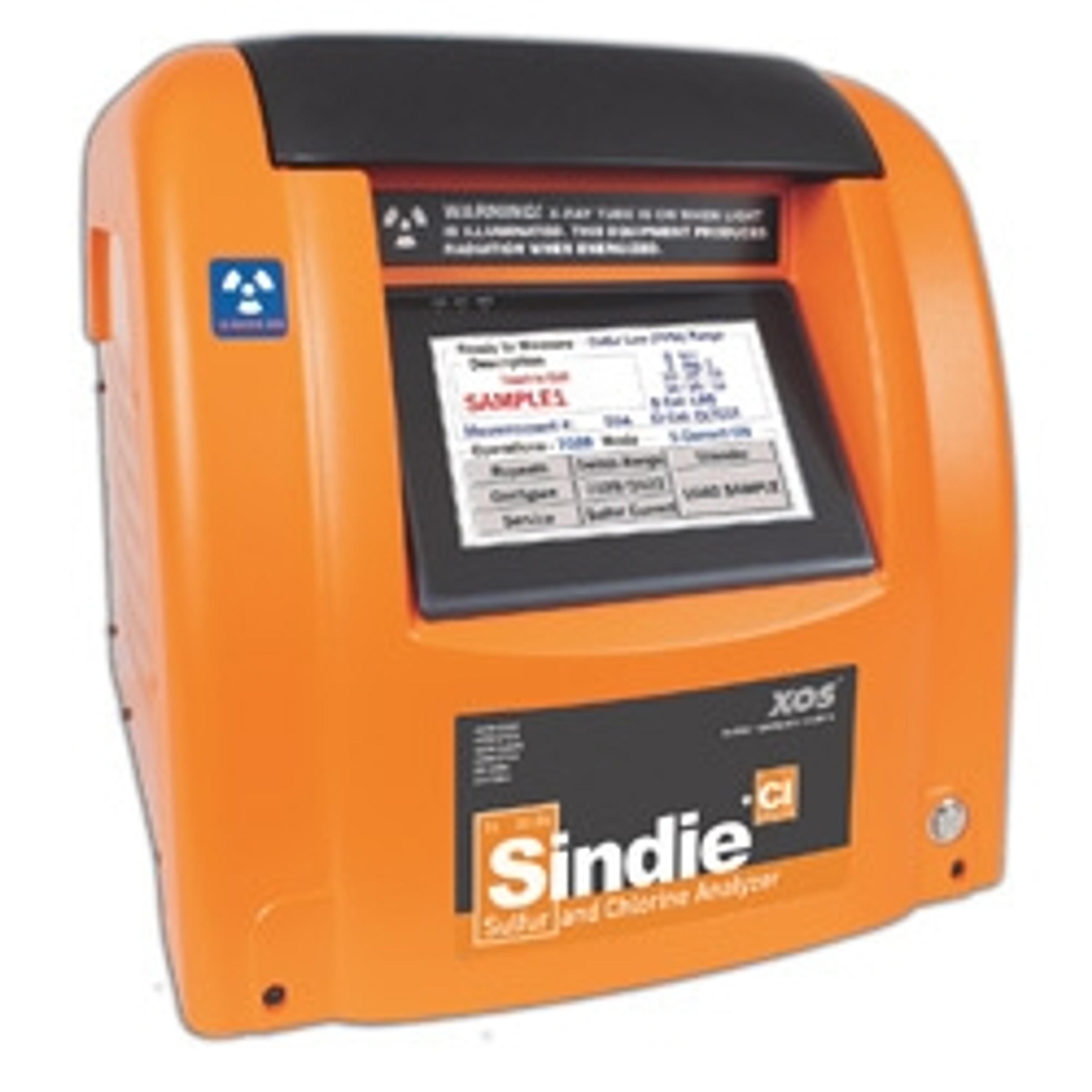
Sindie +Cl
TWO Critical Measurements, ONE Push of a Button, ZERO Hassle

The supplier does not provide quotations for this product through SelectScience. You can search for similar products in our Product Directory.
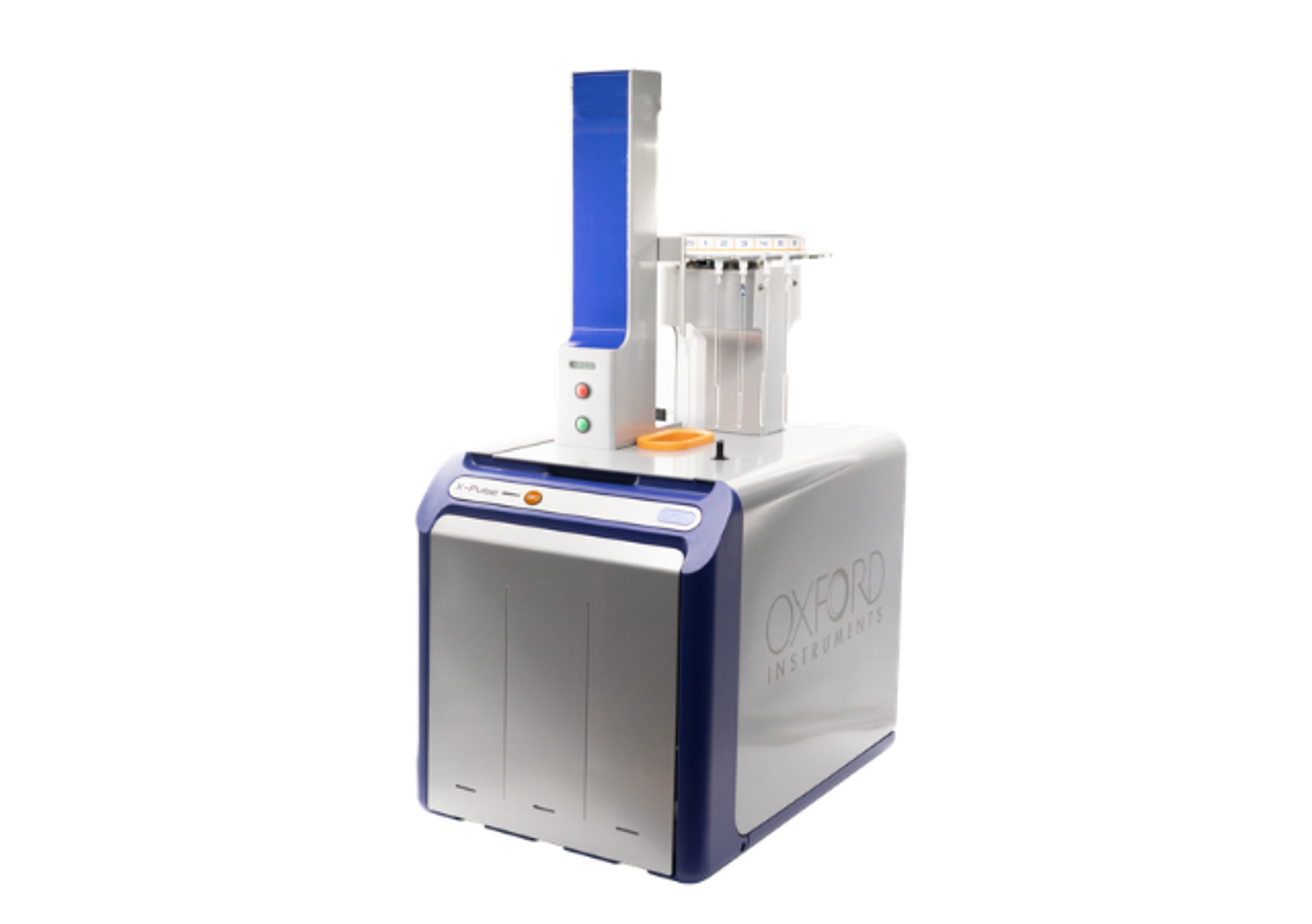
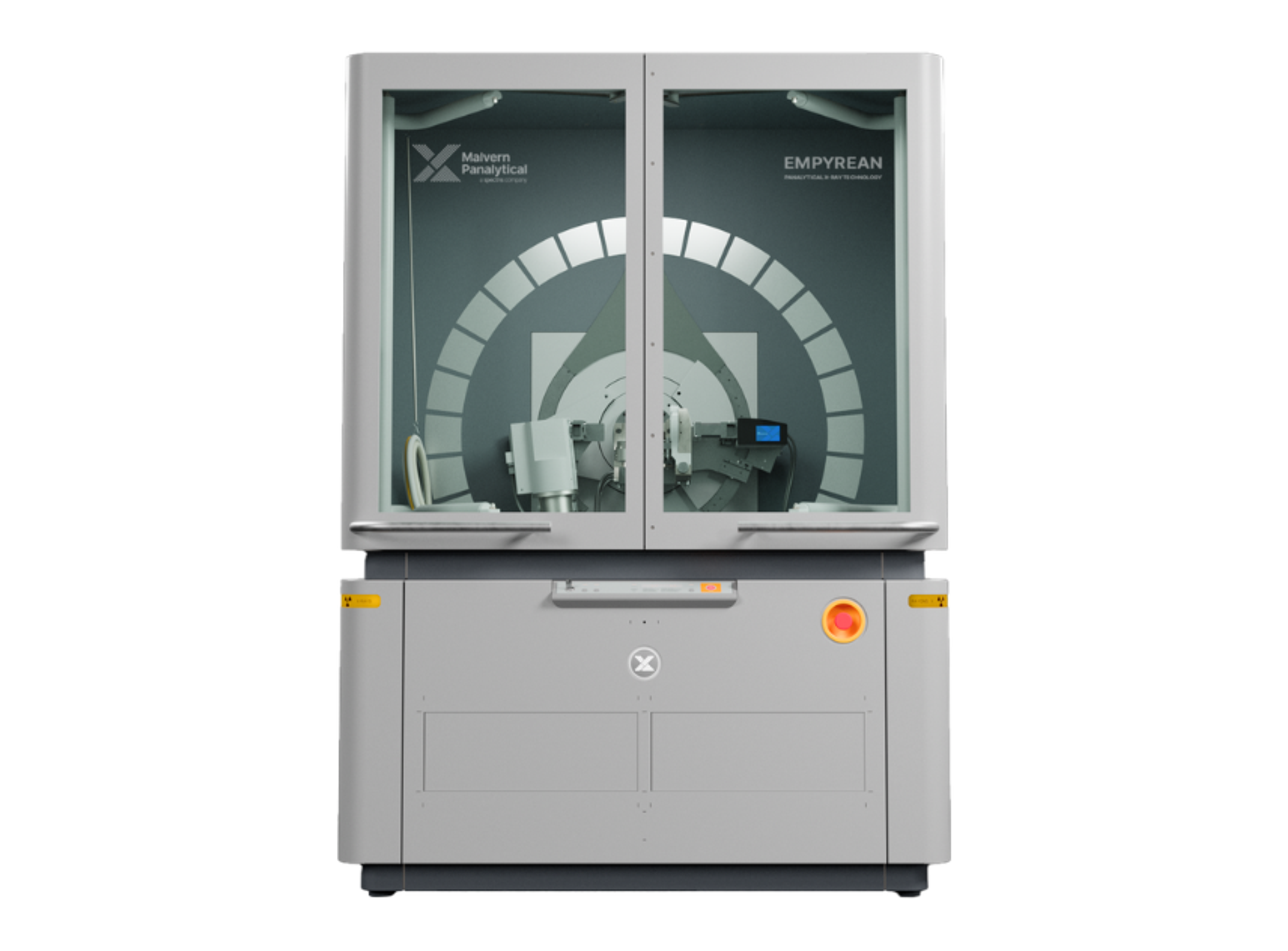
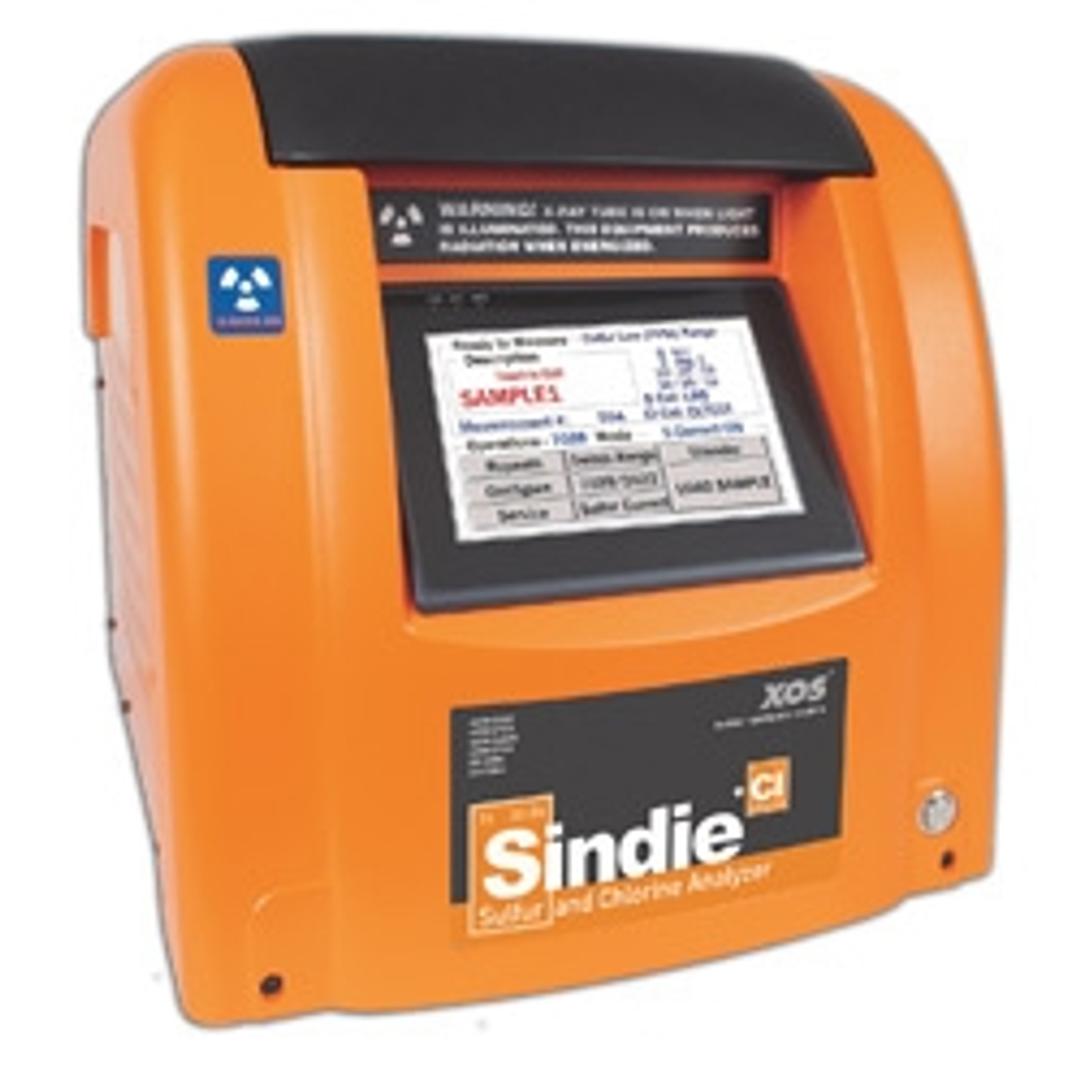
Sindie +Cl is a sulfur and chlorine analyzer delivering two critical measurements with one push of a button and zero hassle. It is the ideal solution for refineries and independent labs to certify sulfur levels in finished products and assess chlorine for corrosion mitigation, all with one instrument. Sindie +Cl utilizes a technique known as Monochromatic Wavelength Dispersive X-ray Fluorescence (MWDXRF) - delivering exceptional reproducibility. Samples are measured directly, which means it can analyze even the heaviest of hydrocarbons like crude oil or coker residuals without the hassles of boats, injectors, furnaces, or changing detectors. This model utilizes standard XRF sample cups.
Brochures

Certify Sulfur and Monitor Critical Elements at Sub-ppm Levels
Benchtop, Process and Portable Analysis Solutions
Get fast results for S and Cl in biofuels in compliance with ISO 20884
In this study, XOS test three real-world biofuel samples, showcase their concentrations, and then apply correction factors to mitigate biased results. The correction factors used were derived from the ASTM D7039 method, though these correction factors can still be applied for those in Europe adhering to the ISO 20884 method. As per Section 1 of ISO 20884, any sample with more than 3.7% oxygen content must be corrected for.
Rapid and accurate analysis of sulphur and chlorine in biofuels by XRF
In this study, XOS demonstrates the use of Sindie +Cl to test sulfur and chlorine in eight real-world samples, including both first- and second-generation biofuels as well as the traditional biofuels they are typically blended with. They also apply correction factors to mitigate biased results. Sindie +Cl was used in this study due to its convenient ability to measure total sulfur and chlorine concurrently.
Precision comparison between ASTM test methods D7039, D2622, and D5453
For many years, professionals in the petroleum industry have faced challenges regarding compliance and quality of product. This application note provides insight into the several different methodology options for sulfur analysis available, refineries, terminals, and test inspection certifications available, to ensure companies select a method that produces the least amount of variability in their measurements.
Monitor chlorine in crude oil at sub-ppm levels
Monitoring chlorine for corrosion mitigation is critical during refining processes. In this application note, XOS demonstrates their range of benchtop and online chlorine analysis solutions, specifically the Clora®, Clora® 2XP, Sindie +Cl® and Clora® Online analyzer, designed to offer breakthrough analytical solutions for the determination of chlorine in liquid hydrocarbon samples such as aromatics, distillates and heavy fuels, and aqueous solutions.
Best Practices for Improved Sulfur Repeatability
In this paper, XOS detail many known best practices for sample preparation using an XOS Sindie +Cl analyzer. The topics covered include cleanliness, measurement time, venting, repeat measurements, and calibration – among others. They showcase repeatability on Sindie +Cl after using proper sample preparation techniques and walk users through how to ensure their sample data is at its highest possible quality.
TWO critical measurements, ONE push of a button, ZERO hassle
Sindie® +Cl is a two-in-one instrument enabling trace analysis of both sulfur and chlorine with one push of a button. It is the ideal solution to certify sulfur levels in finished products, assess chlorine for corrosion mitigation, and optimize process parameters.
Sulfur in Ethanol for Tier 3 Compliance
The use of biofuels has been growing over the past decade as the industry adds renewable sources to the commercial product mix. This trend has seen the rise of complete fuel products such as biodiesel, as well as bioethanol blend stocks for gasoline. Most automobiles in the U.S. are able to run on gasoline with a 10% mixture of fuel ethanol (E10). Since 2014, over half of the new vehicles produced by Chrysler, Ford, and General Motors can use E85, which is a mixture of 15% gasoline and 85% fuel ethanol. The growth in U.S. production of Fuel Ethanol from roughly 800k barrels per day in 2013 to over 1M barrels per day in 2018
highlights the strong demand for these products. Since Jan 1st, 2017, ethanol that is blended with gasoline must meet the 10 parts per million (ppm) standard for sulfur content on a per gallon basis.
4 Ways to Effectively Monitor Total Chlorine in Liquid Hydrocarbons
Corrosion at petroleum refineries is a critical problem all over the world. In the United States alone, NACE International, a professional association dedicated to reducing the economic impact of corrosion, has shown that $3.7 billion in direct costs are realized annually from maintenance, vessel expenditures, and fouling as a result of corrosion. This huge figure does not take into account the estimated loss of as much as $12 billion in profits due to decreased capacity, unit outages, and premature turnarounds that result from corrosion.
Standard Test Method for Determination of Organic Chloride Content in Crude Oil by Distillation and XRF
On October 15, 2017, ASTM approved the addition of Procedure C to D4929 Standard Test Method for Determination of Organic Chloride Content in Crude Oil. Procedure C uses X-ray Fluorescence (XRF) to determine the chlorine content in the crude oil naphtha fraction. This is an important step forward, as users will be able to officially use XOS’ Clora, Clora 2XP, and Sindie +Cl analyzers for organic chloride analysis in crude oil without ASTM method modification.
Precision Comparison Between ASTM Test Methods D7039, D2622, and D5453
With several different methodology options for sulfur analysis available, refineries, terminals, and test inspection certification companies must take care to select a method that produces the least amount of variability in their measurements.