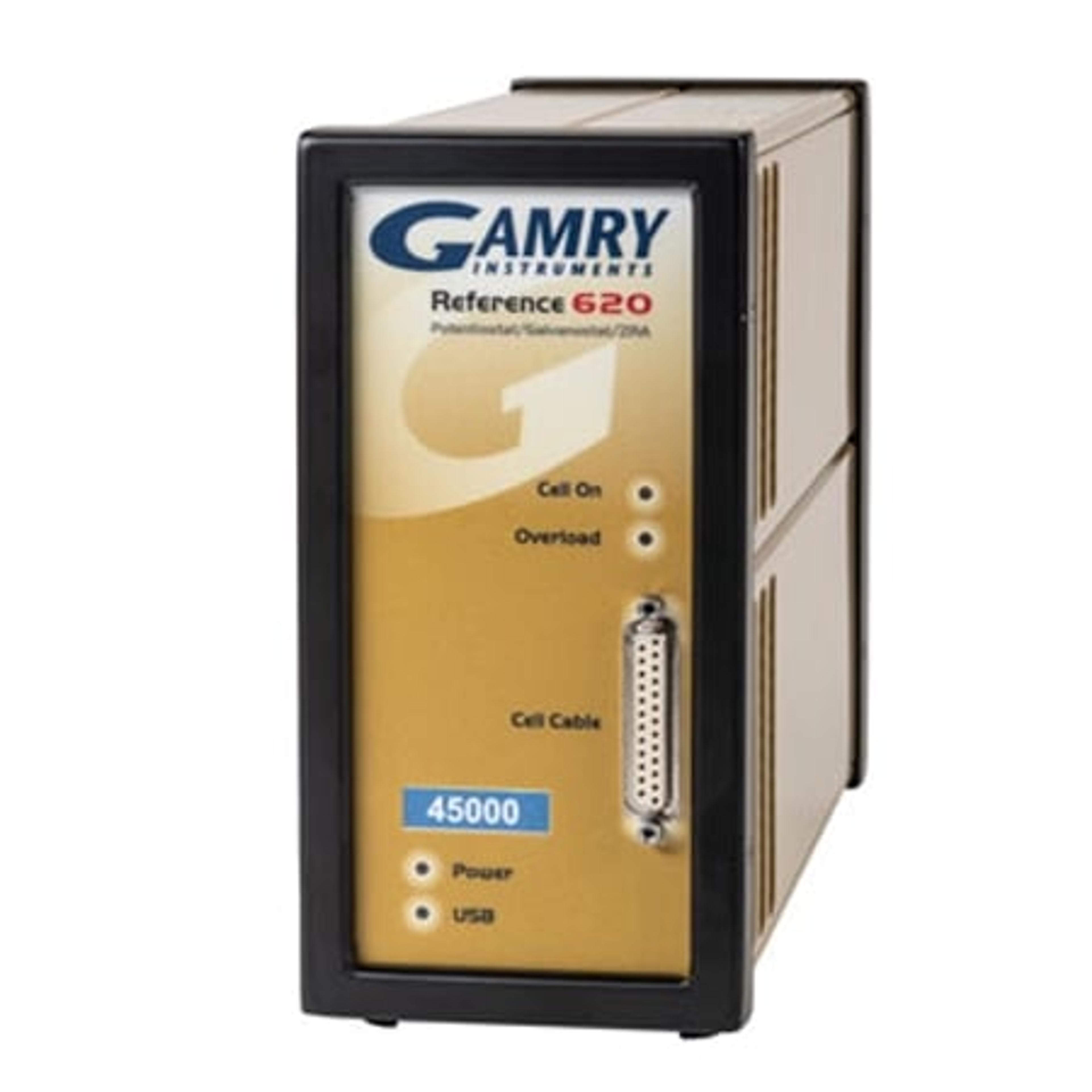
Reference 620 Potentiostat
A high-performance potentiostat suitable for applications in physechem, coatings, and corrosion.

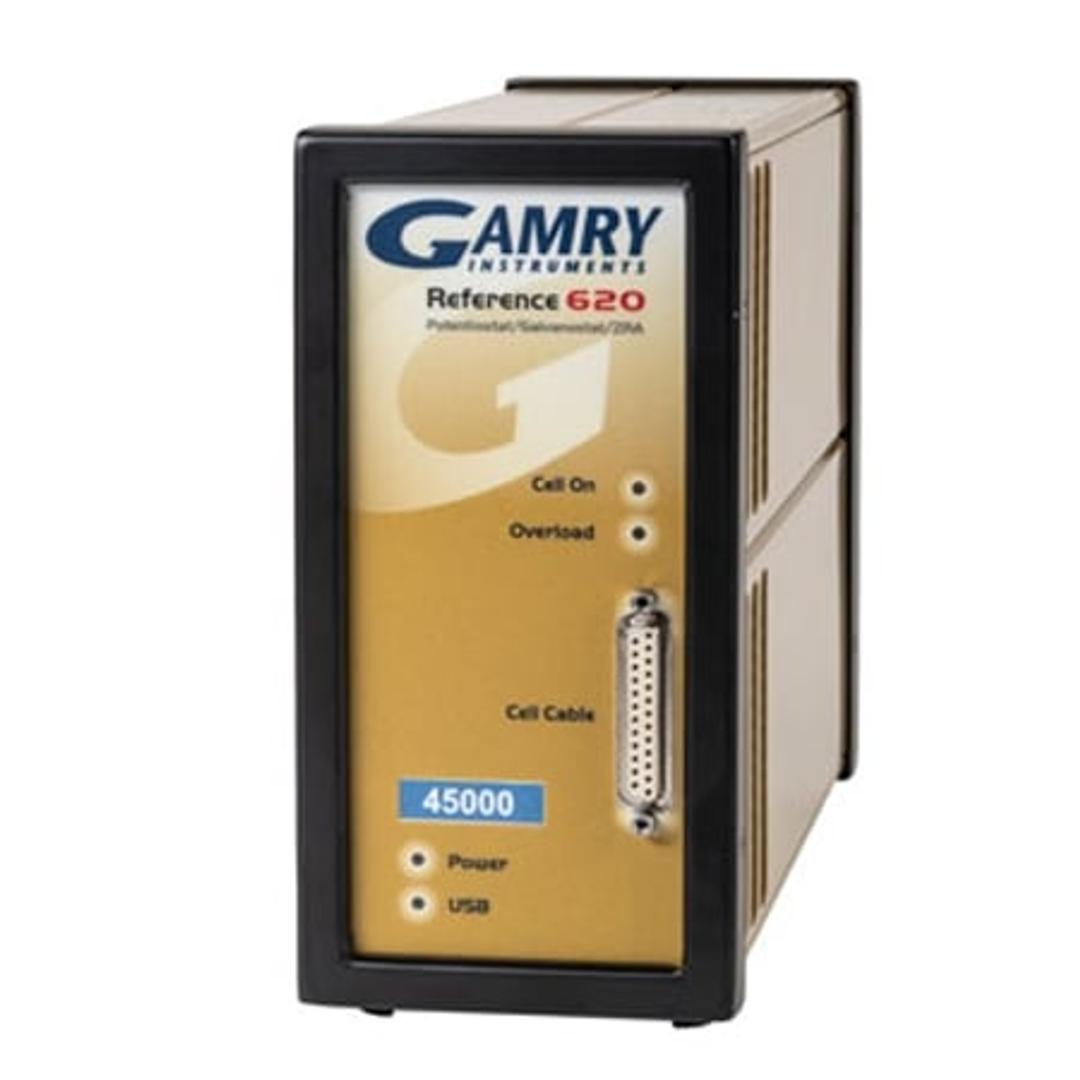
Reference 620 Potentiostat/Galvanostat
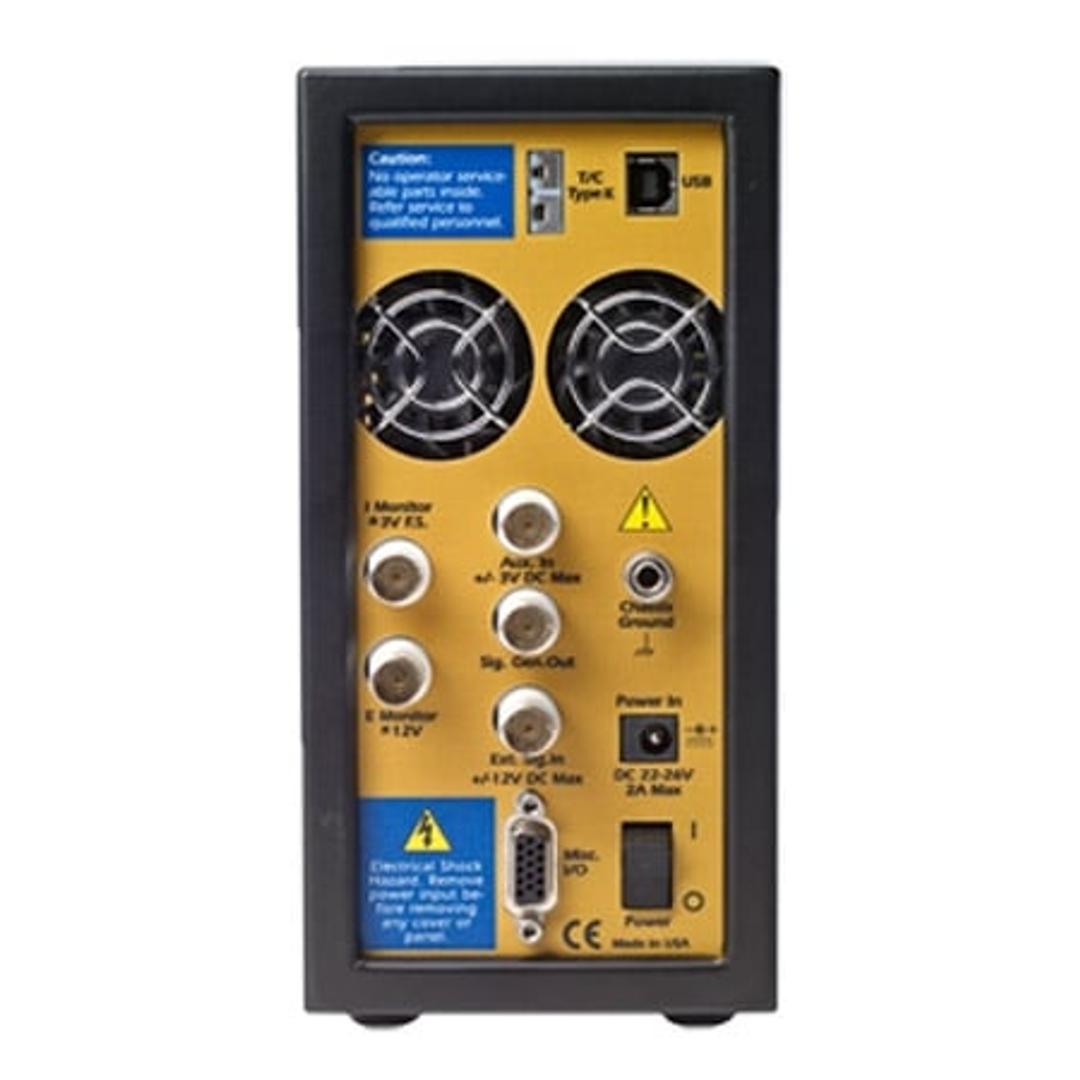
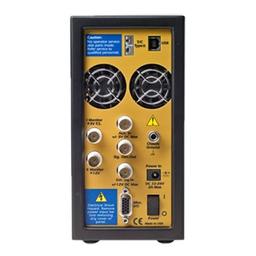
Reference 620 Back View

The supplier does not provide quotations for this product through SelectScience. You can search for similar products in our Product Directory.
Robust equipment
Applied electrochemistry and corrosion
Robust equipment with multiple applications in electrochemistry.
Review Date: 16 Sept 2024 | Gamry Instruments
Great result
MEMS application
It a good EP equipmnet, a accurate current and voltage. My experiment finally success.
Review Date: 17 Sept 2023 | Gamry Instruments
Amazing instrument to use.
Corrosion testing of metallic samples
We are using this equipment for 5 years. It is very easy to use and performs a lot of corrosion testing on different materials, including aluminium alloys, nickel-based superalloys, zirconium alloys, and titanium alloys. This is value for money. The sales care service is wonderful.
Review Date: 16 Sept 2022 | Gamry Instruments
Great results, reproducible results, easy to use
coatings
Gamry potentiostats are very easy to use, the software is intuitive. Reproducible results can be found. The equipments have a wide application range. In my case, in the evaluation of polymer coatings for the oil & gas industry, it has been an effective tool. The impedance ranges are wide, making evaluation easy.
Review Date: 28 Jun 2022 | Gamry Instruments
The Reference 620 Potentiostat is the Cadillac of potentiostats!
Corrosion protection performance of organic coatings
I run potentiostatic electrochemical impedance spectroscopy with this equipment. The data are extremely high quality. The technique and potentiostat are very sensitive. The interface is user-friendly, and the software is easy to maneuver. I have not had to call Gamry for after-sales care, so I gave the item 3 stars in this category for neutral. Based on my phone calls with Gamry regarding other product inquiries, however, I would expect excellent after-sales care.
Review Date: 14 Jun 2022 | Gamry Instruments
Great results
Corrosion studies
The device and its software are user-friendly. The results are great, especially for very low current systems.
Review Date: 14 Jun 2022 | Gamry Instruments
Great results, easy to use and install
Corrosion studies
The device is very robust with excellent performance for our applications. The software is user-friendly, which is important for our lab, because we receive a lot of students without know-how in this field.
Review Date: 5 Apr 2022 | Gamry Instruments
Reliable results in electrochemistry with this potentiostat.
Corrosion test
The potentiostat is very reliable, stable and easy to use.
Review Date: 25 Mar 2022 | Gamry Instruments
Workhorse of CV and EIS
Electrode kinetics using cyclic voltammetry
I have been doing fundamental 3E electrochemistry for about 10 years now, have used CHI, Biologic, Gamry and Princeton instruments. For CV and EIS, you really can't do better than the reference 620. Signal to noise is fantastic, scripting is possible (and scientists at gamry will write scripts for you if you need something unavailable!), and the EIS data is publication quality everytime. While the price is higher than Biologic, this Pstat surpasses all others for 3E fundamental electrochemistry!
Review Date: 16 Dec 2021 | Gamry Instruments
Good ease of use, after sales support in India need lots of work
Electrochemistry measurement & corrosion rate
We have almost 10 potentiostats we use in our lab. In terms of ease of use, I would rate this as one of the easiest. The bigger challenge is after sales support in India, we have been following up on a problem from many months, which is not yet resolved. The technical team also takes a lot of time to come back and fix the issue. Speaking frankly, if I find a better alternative to Gamry with better service support, I will be switching to it for sure.
Review Date: 5 May 2021 | Gamry Instruments
Manufacturer's Response
Thank you for the positive review of our instrument’s ease of use. We are working on addressing your concern regarding our after sales support and will be reaching out directly in order to better understand how we can better help you.
The Reference 620 is a high-performance, research-grade potentiostat/galvanostat/ZRA designed for fast, low-current measurements. It does well for a variety of applications such as physical electrochemistry (especially at microelectrodes), fast cyclic voltammetry, electrochemical corrosion, electrochemical noise measurements, paints and coatings, and sensors.
It has a number of auxiliary input and outputs designed to help you interface or control ancillary equipment such as a rotating disc electrode. It also has a thermocouple input for temperature measurements.
Features:
- For low-current applications
- 2, 3, 4, 5, or 6 cell connections
- 11 current ranges from 600 mA to 60 pA
- Compliance voltage limit of ± 22V
- Applied voltage limit of ± 12V
- EIS to 5 MHz
Techniques Available:
- Physical Electrochemistry
- Pulse Voltammetry
- Electrochemical Corrosion
- Electrochemical Noise Measurements
- Electrochemical Impedance Spectroscopy
- Critical Pitting Temperature
- Custom techniques available

EIS of difficult samples
Electrochemical Impedance Spectroscopy (EIS) is a technique that can be applied to various systems. This white paper is designed to give helpful information for systems that are a bit more challenging to measure. Typical examples would include barrier coatings, very corrosion-resistant materials, and very low impedance samples such as large supercapacitors (on the order of hundreds or thousands of Farads).
EIS of organic coatings and paints
This application note describes the effects that a potentiostat can have on electrochemical impedence spectroscopy (EIS) measurements of coated metals. Discover recommendations for getting meaningful EIS spectra on coating systems that are typically difficult to measure.
Setting up two, three and four electrode experiments
Electrochemical experiments range from simple potentiostatic (chronoamperometry) to cyclic voltammetry (potentiodynamic), to complex AC techniques such as impedance spectroscopy. Moreover, each individual technique may have multiple possible experimental setups, often with a best option. This note discusses one aspect of these setups: the number of electrodes (or probes) used.
Troubleshooting your Gamry potentiostat
In this application note, Gamry outlines how to troubleshoot, calibrate and check the EIS performance a Gamry potentiostat.
Accelerated cyclic electrochemical technique
In this application note, Gamry Instruments demonstrates how the Gamry Reference 620 potentiostat, combined with the Gamry Sequence Wizard, can be successfully used to implement the accelerated cyclic electrochemical technique (ACET).
Learn How to Perform Electrochemical Impedance Spectroscopy on Curved Electrodes
This application note explains how electrochemical impedance spectroscopy (EIS) can be perfomed using Gamry Instruments not only on flat samples in electrochemical cells, but also on curved parts not immersed in a liquid medium.
How to Set Up Your Electrochemical Experiment: Two-, Three-, and Four-Electrode Experiments
This applcication note explores and explains the setup of Gamry Instruments potentiostats in a series of electrode experiments. This note is applicable to any Gamry potentiostat, as well as some others.
Accuracy Contour Plots – Measurement and Discussion
Electrochemical Impedance Spectroscopy (EIS) is an indispensable, valuable, and versatile analytical tool for resolving electrochemical processes. This technical note discusses the Accuracy Contour Plot (ACP). The ACP gives the user valuable information about a potentiostat’s EIS performance and accuracy, enabling the user to compare the EIS capability of any potentiostat.
Testing Electrochemical Capacitors Part 3: Electrochemical Impedance Spectroscopy
This application note is Part 3 of the series describing electrochemical techniques for energy-storage devices. It discusses basics of Electrochemical Impedance Spectroscopy (EIS) and introduces Gamry’s EIS techniques by measurements on single electrochemical capacitors (ECs) and stacks.
The Fundamentals of the Potentiostat
In this application note, learn about the fundamentals of the potentiostat - an electronic instrument that controls the voltage difference between a working electrode and a reference electrode. Both electrodes are contained in an electrochemical cell. The potentiostat implements this control by injecting current into the cell through an auxiliary, or counter, electrode.

Most loved by scientists: 7 top-rated lab products awarded new Seals of Quality at Cancer & Immunology Research Summit 2021
From DNA extraction kits to pipettes and imaging systems, find out the latest products to join the exclusive ranks of lab equipment most loved by scientists across the world

Christmas Comes Early as Scientists Win Big in Our 12 Reviews Festive Giveaway
The first lucky winners of our massive festive giveaway have been revealed.