Qlucore Omics Explorer
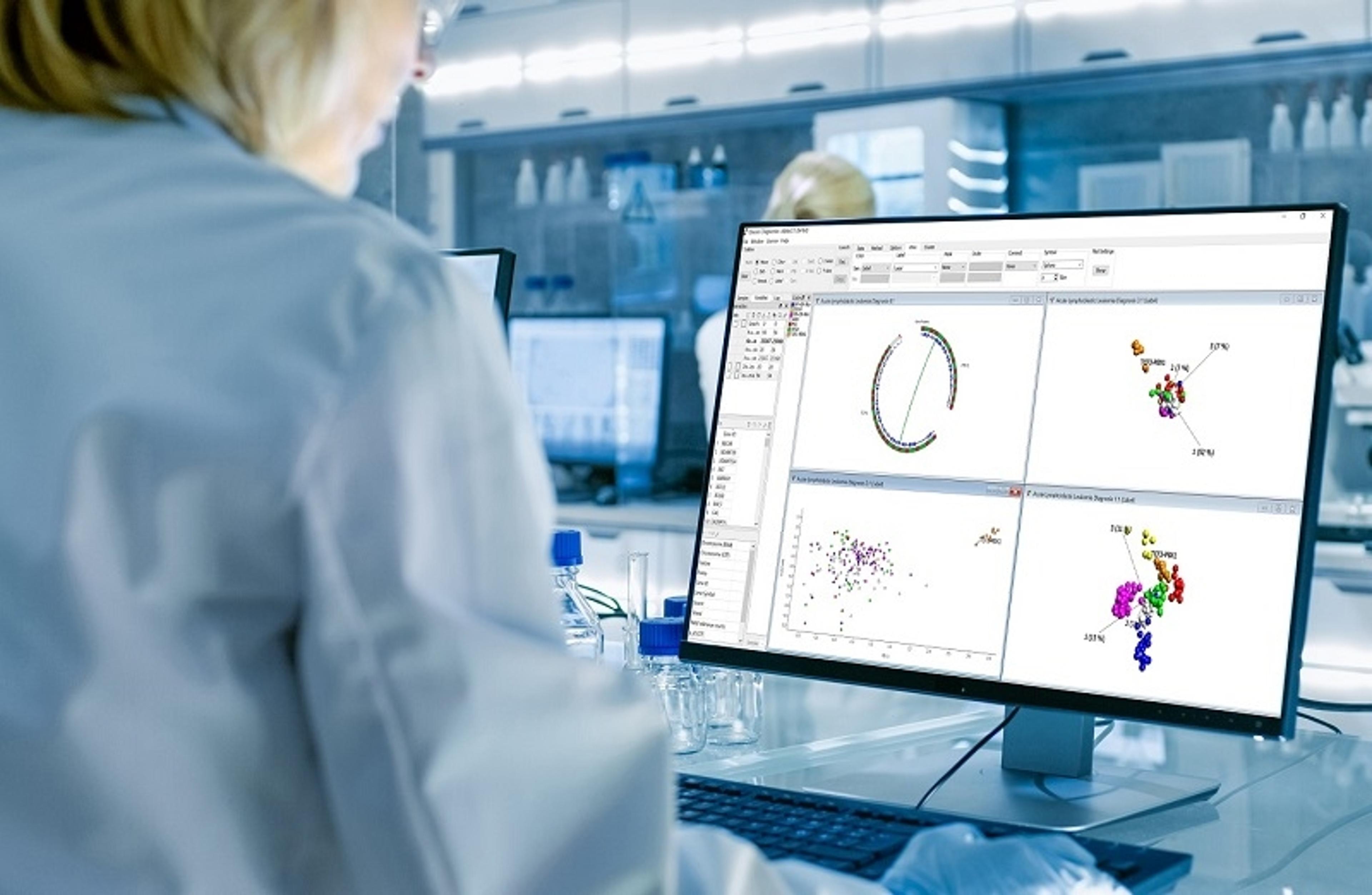
Qlucore Omics Explorer is a D.I.Y next-generation bioinformatics software for research in life science, plant- and biotech industries, as well as academia.






The supplier does not provide quotations for this product through SelectScience. You can search for similar products in our Product Directory.
Qlucore Omics Explorer is a powerful and flexible visualization-based data analysis tool with inbuilt powerful statistics, and delivers immediate results and provides instant exploration and visualization of big data.
The software is developed to allow the workflow which best suits you and your experiments and maximizes the outcome of your research. With the combination of fast algorithms, best in class visualizations and an easy to use point and click user interface, bioinformatics data analysis with Qlucore saves time, generates quality results and can be used by both biologists and bioinformaticians/statisticians. Qlucore Omics Explorer is used by scientists and corporations in over 25 countries to facilitate data analysis and interpretation. Download a trial version today at www.qlucore.com

Understanding the Molecular Mechanisms of Contaminant Exposures in Fish and Their Interaction with Nutrients
This application note shows how the Omics Explorer is a prime solution for any multivariant data problem that provides simple, and fast, visualization of data irrespective of the data source. It also summarizes data in PCA [principal component analysis] plots or heat maps. It details how it was possible to work together with the proteomics and transcriptomics data on the same platform so there was no need to translate the outputs from one tool to another. Finally, it made it very easy to compare data, to communicate amongst the researchers, and to discuss the next steps.
Understanding Viral Signatures in Hepatitis C
In this application note, it was shown how Qlucore Omics Explorer software was able to denote clear differences in some of the chemokines (proteins that control immune cell migration), in hepatitis C virally infected groups. The use of Qlucore on the Egypt biomarker data was so positive that researchers from the company are now working with the research laboratory as partners in a three-year European Union-funded program known as PoC-HCV.
Using Qlucore Omics Explorer for Interpreting Leukemia Proteomics Data
Steven Kornblau, a Professor of Medicine in the Department of Leukemia & Department of Stem Cell Transplantation and Cellular Therapy at UT MD Anderson Cancer Center in Houston, Texas, US, uses proteomics – the large-scale study of proteins – in the fight against leukemia. The approach that he and his colleagues take is to look simultaneously at hundreds of proteins to define patterns of protein activation in acute myeloid leukemia (AML) and identify proteins whose function are key to the survival of leukemic cells.
Studying the Epigenetics of Childhood Cancer
While rare, cancer remains a significant cause of death by disease in children. Childhood cancer is largely a genetic disease although its pattern of inheritance is not always clearly defined. These genetic mechanisms of susceptibility are the focus of research for the Cancer Genetics Program at the Hospital for Sick Children (SickKids) in Toronto, Canada. Research within the Cancer Genetics Program includes identifying and studying genes associated with childhood cancer risk; analyzing molecular and cell biology pathways associated with development and progression of cancers; identifying molecules that might represent viable targets for drug therapies; and developing practical applications of genetic testing of families at risk.
Reveal Human-Growth Patterns in Transcriptomic Data
Dr. Stevens is doing both bench studies and in silico studies on a range of omics datasets derived primarily from blood samples throughout human childhood. The datasets include transcriptomic data – which measures RNA and microarray RNA sequencing, looks at the integration of genetic data and other omics data (such as proteomics and phosphor proteomic data). These datasets are used to study both normal childhood growth and growth with various impairments. For example, at short stature, where there is a growth hormone deficiency, and chromosomal syndromes, for example Turner syndrome, where girls are often treated with growth hormones. Dr. Stevens has experienced that a fundamental problem is that if you’re running a project and realize you need statistics expertise you find statisticians but they don’t always understand the biology.
Using Proteomics to Understand Cardiovascular Disease
To understand disease biology, it's important to look at protein-related mechanisms in specific disease models. Mass spectrometry facilitates a global proteomics approach, enabling the analysis of between 1000 and 5000 proteins. This case study describes how the center for interdisciplinary cardiovascular sciences, CICS, uses the Qlucore Omics Explorer to identify trends in protein expression for future investigations.
Using Induced Pluripotent Stem Cells to Study Molecular Mechanisms in Dilated Cardiomyopathy
Dilated cardiomyopathy is the third leading cause of heart failure in the US. This case study compares behaviours between iPSCs reprogrammed into cardiomyocytes, and heart muscles cells isolated from surgery, using Qlucore's Omics Explorer. This type of work could enable pre-clinical drug testing to be performed on more easily-obtainable cell models of disease.
Qlucore Omics Explorer: Bioinformatic software
Qlucore Omics Explorer is a D.I.Y next-generation bioinformatics software for research in life science, biotech, food and plant industries, as well as academia. The powerful visualization-based data analysis tool with inbuilt powerful statistics is designed to deliver immediate results and promises instant exploration and visualization of big data.
Introducing Qlucore Omics Explorer
This video provides a demonstration of Qlucore Omics Explorer - a fast, visual and versatile data analysis software that allows scientists to analyze and explore large data sets on a normal PC or MAC.
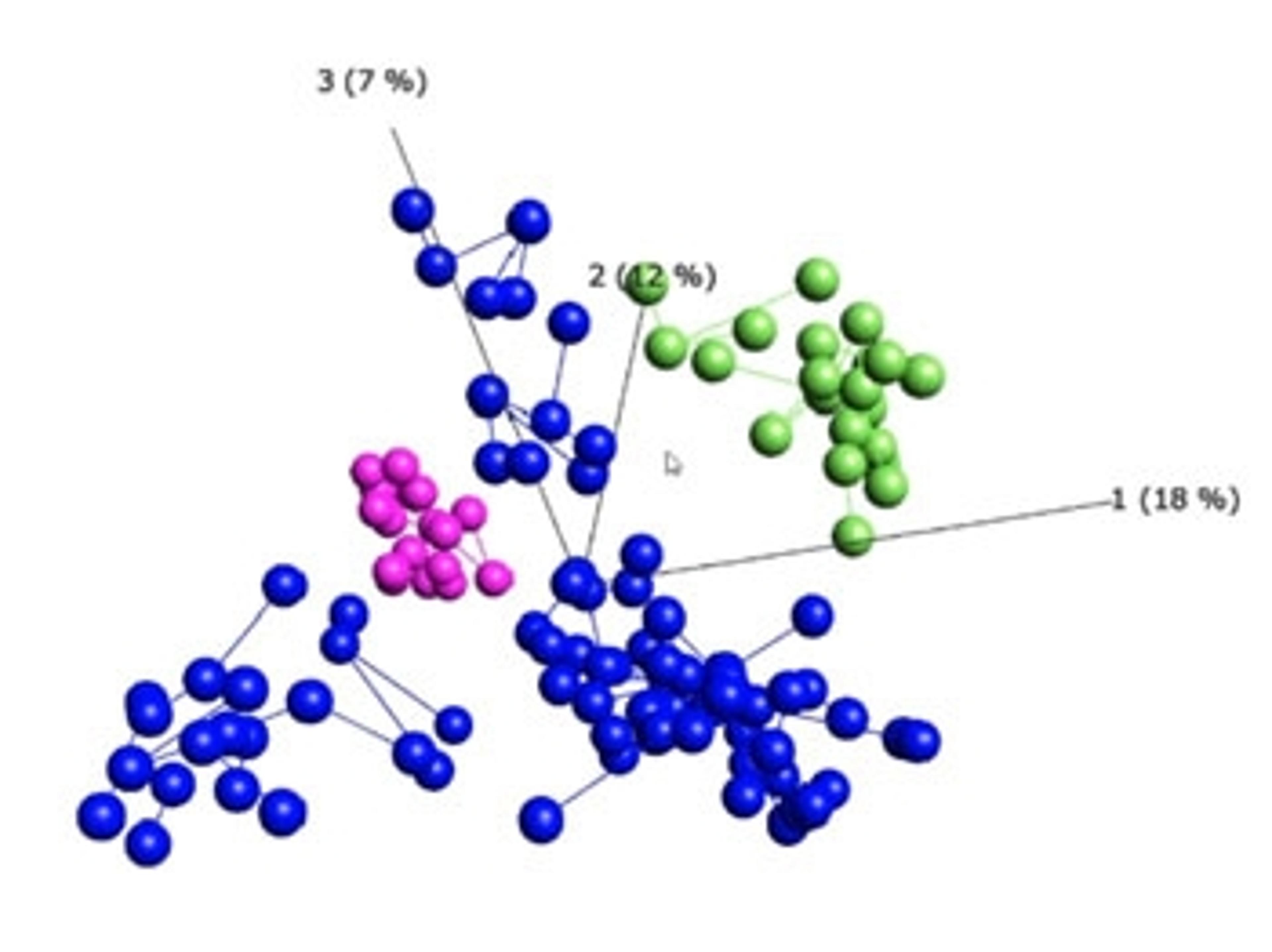
Unlock the Secrets of Big Data with Next-Generation Bioinformatics Software
Instant analysis of omics data using fast and versatile data visualization software