
INDiGO
An integrated candidate de-risking package that helps early-stage teams choose the right molecule to take forward, and reach IND faster. It brings the critical early developability, safety and DMPK questions into one coordinated workstream, so you can make a confident go/no-go decision before committing to a full IND-enabling programme.

Receive your quote directly from the manufacturer.
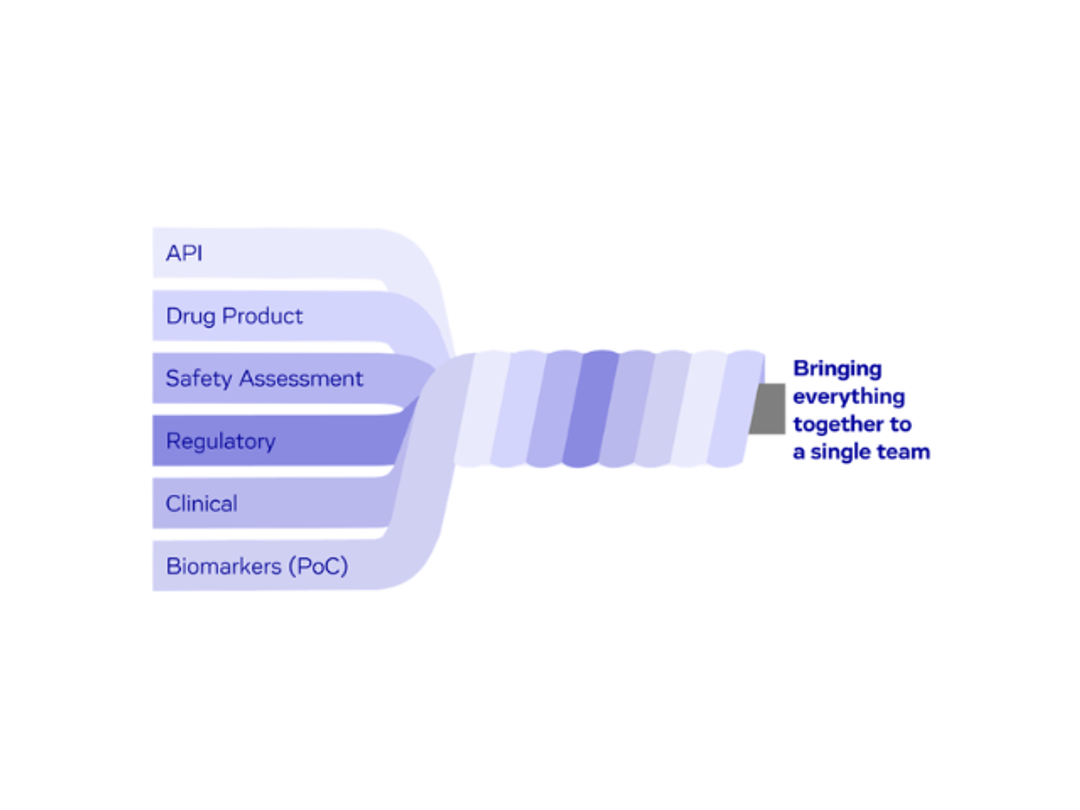
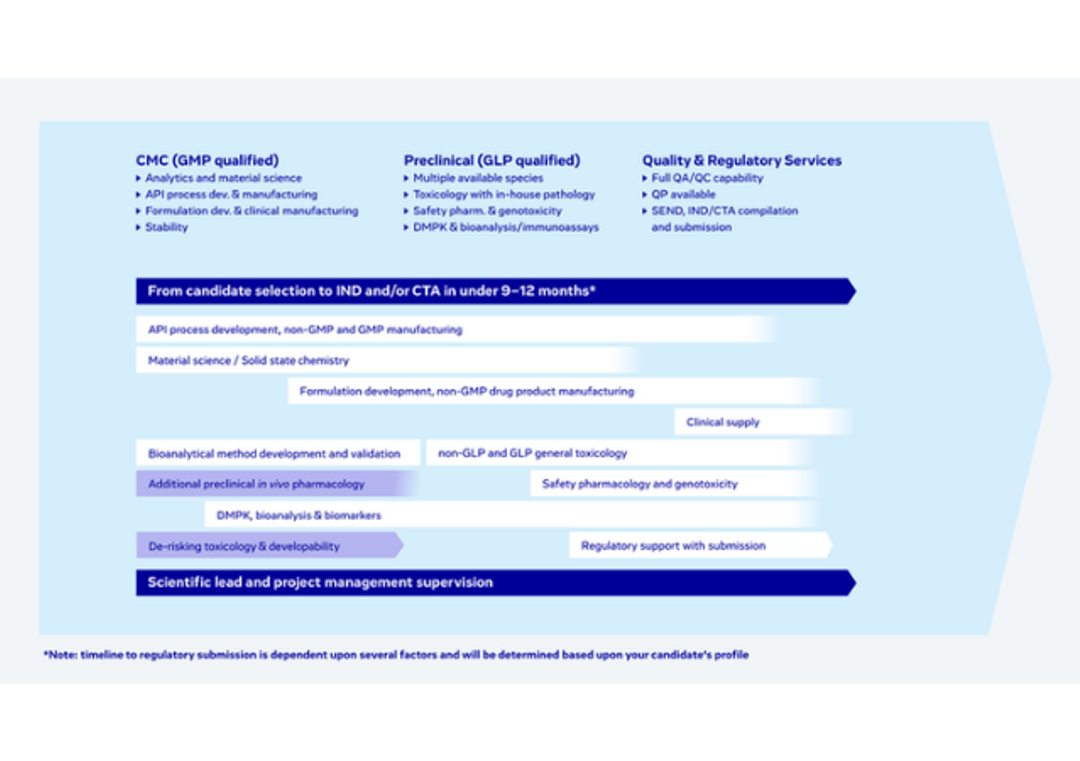
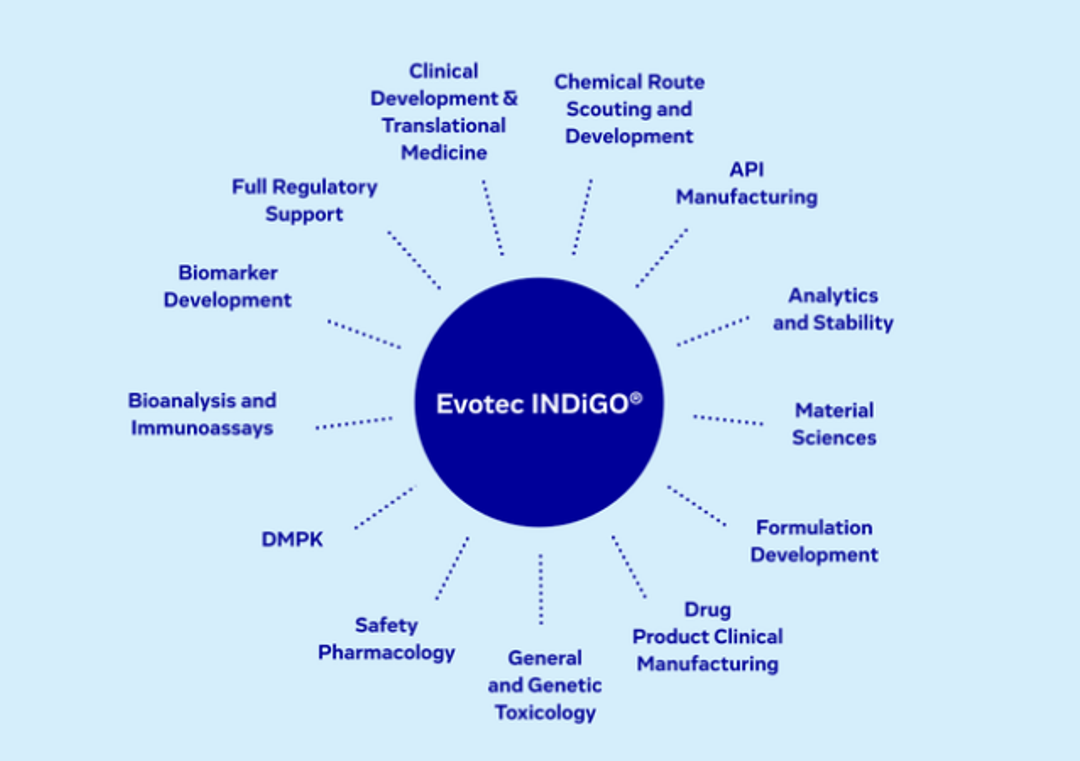
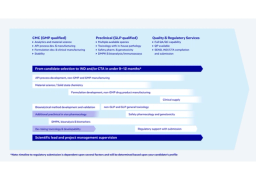
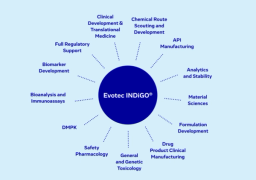
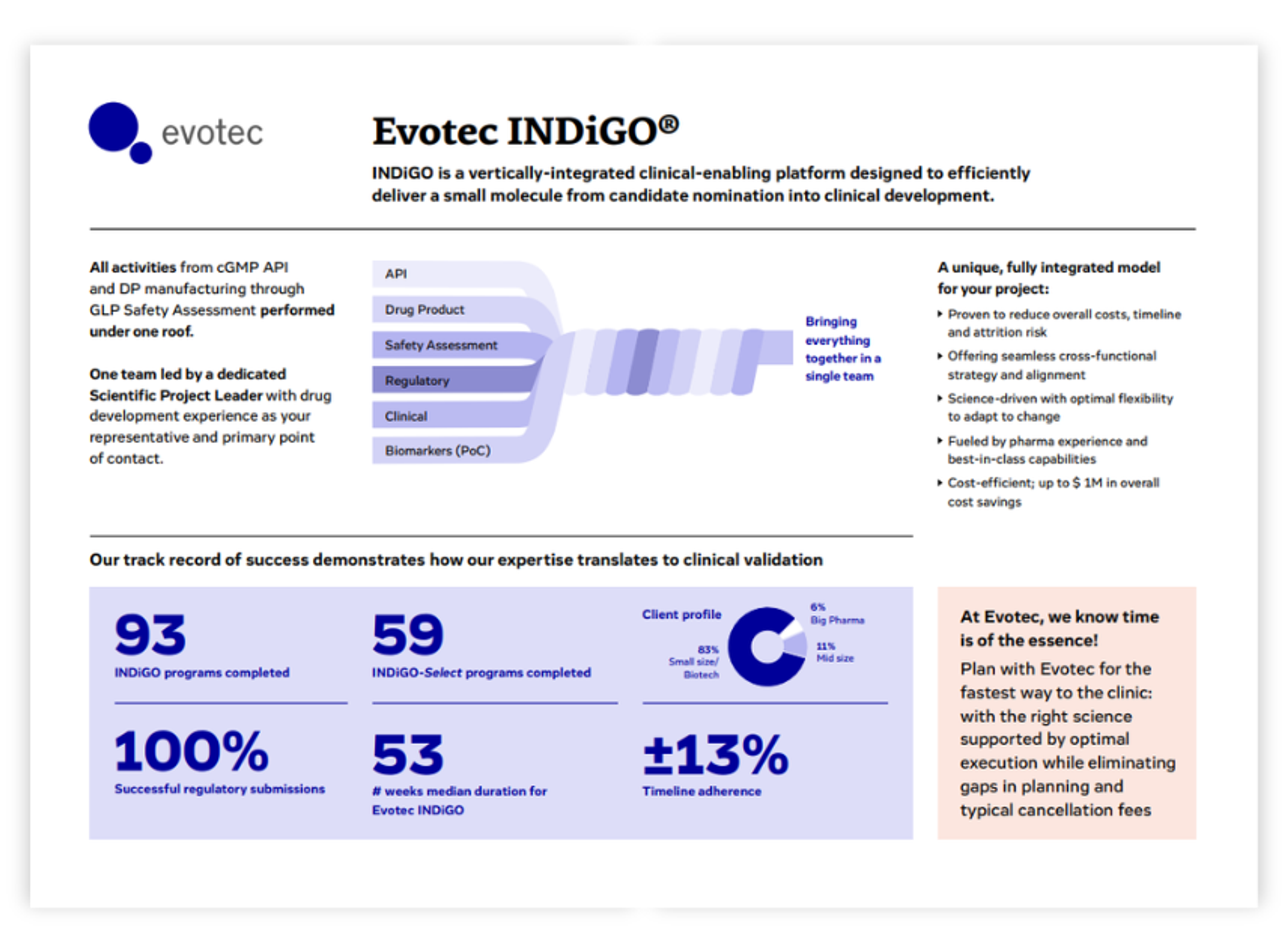
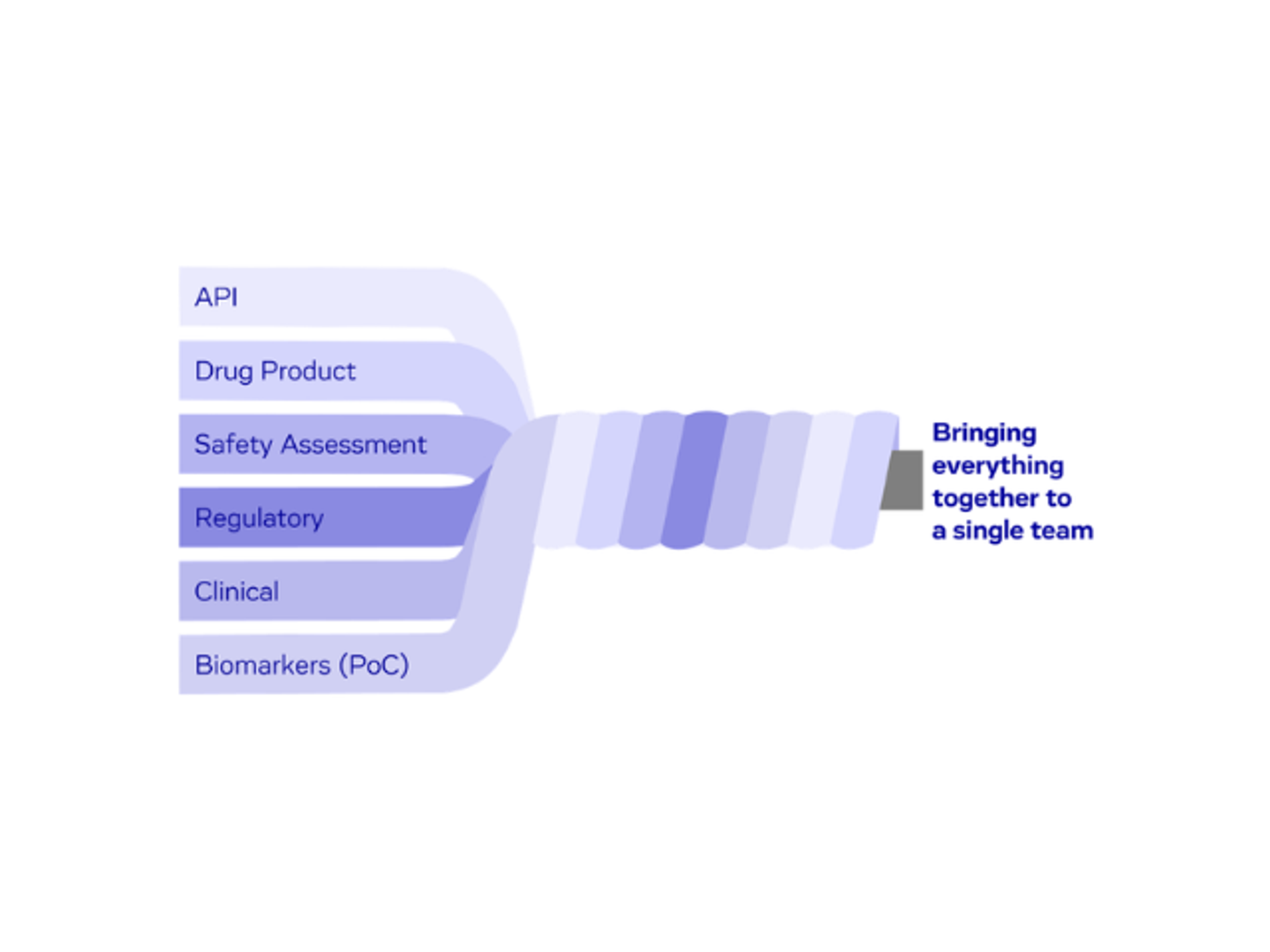
INDiGO is Evotec's integrated programme for IND-enabling drug development. It brings every workstream needed to reach IND, preclinical safety and toxicology, DMPK, CMC and regulatory, onto one platform, run by a single team accountable for the whole journey from candidate to clinic.
By integrating what is usually fragmented across multiple vendors, INDiGO removes the hand-offs that slow programmes down, giving you a faster and more predictable path to IND with the speed, quality and IP-security of a single partner, and continuity onward toward clinical readiness.
Key benefits:
- One integrated team accountable from candidate to IND, and into the clinic
- Safety/tox, DMPK, CMC and regulatory on a single platform
- Fewer hand-offs, compressed timelines, more predictable delivery
- Western, IP-secure, resilient single-partner delivery
Typical applications:
- Biotech and pharma advancing a candidate to IND
- Programmes wanting one accountable partner instead of multiple CROs
- Teams prioritizing speed and predictability to the clinic
Structuring analytical data for the future of regulatory submission with INDiGO
Bringing a small molecule from candidate nomination to clinical development is often a fragmented process, with handoffs between teams creating delays, increasing costs, and introducing risk. At the same time, up to 90% of drug candidates fail before market approval, highlighting the need for smarter strategies to identify and address potential roadblocks as early as possible.
This resource explores how Evotec’s INDiGO® and INDiGO-Select platforms streamline development through an integrated, science-driven approach. Discover how INDiGO-Select reduces IND-enabling attrition from 30–40% to 5%, and learn how early de-risking can accelerate timelines, strengthen confidence, and improve the chances of clinical success.
Product Overview
Links
Featured products
Request Quote for All Products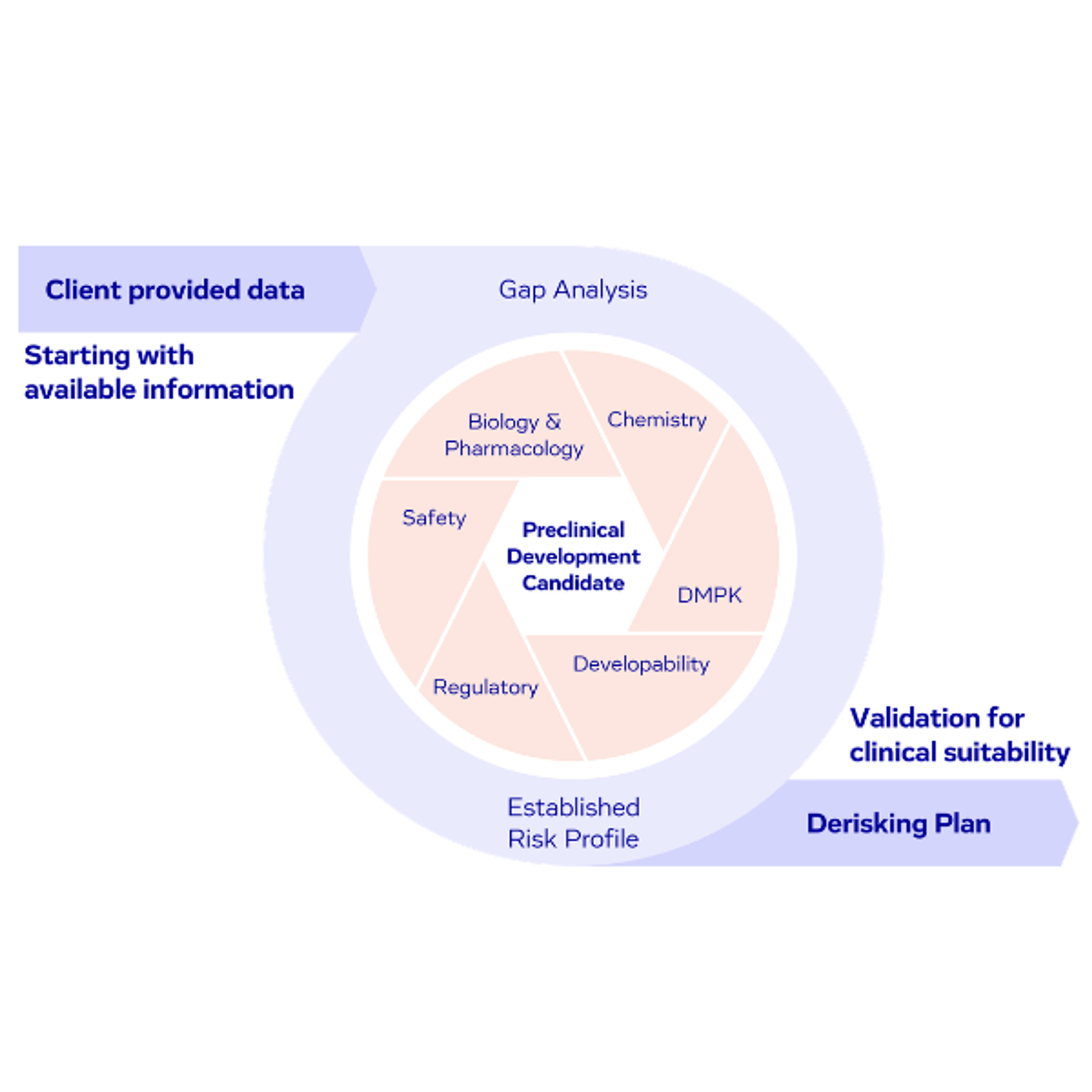
INDiGO Select
EvotecAn integrated candidate de-risking package that helps early-stage teams choose the right molecule to take forward, and reach IND faster. It brings the critical early developability, safety and DMPK questions into one coordinated workstream, so you can make a confident go/no-go decision before committing to a full IND-enabling programme.