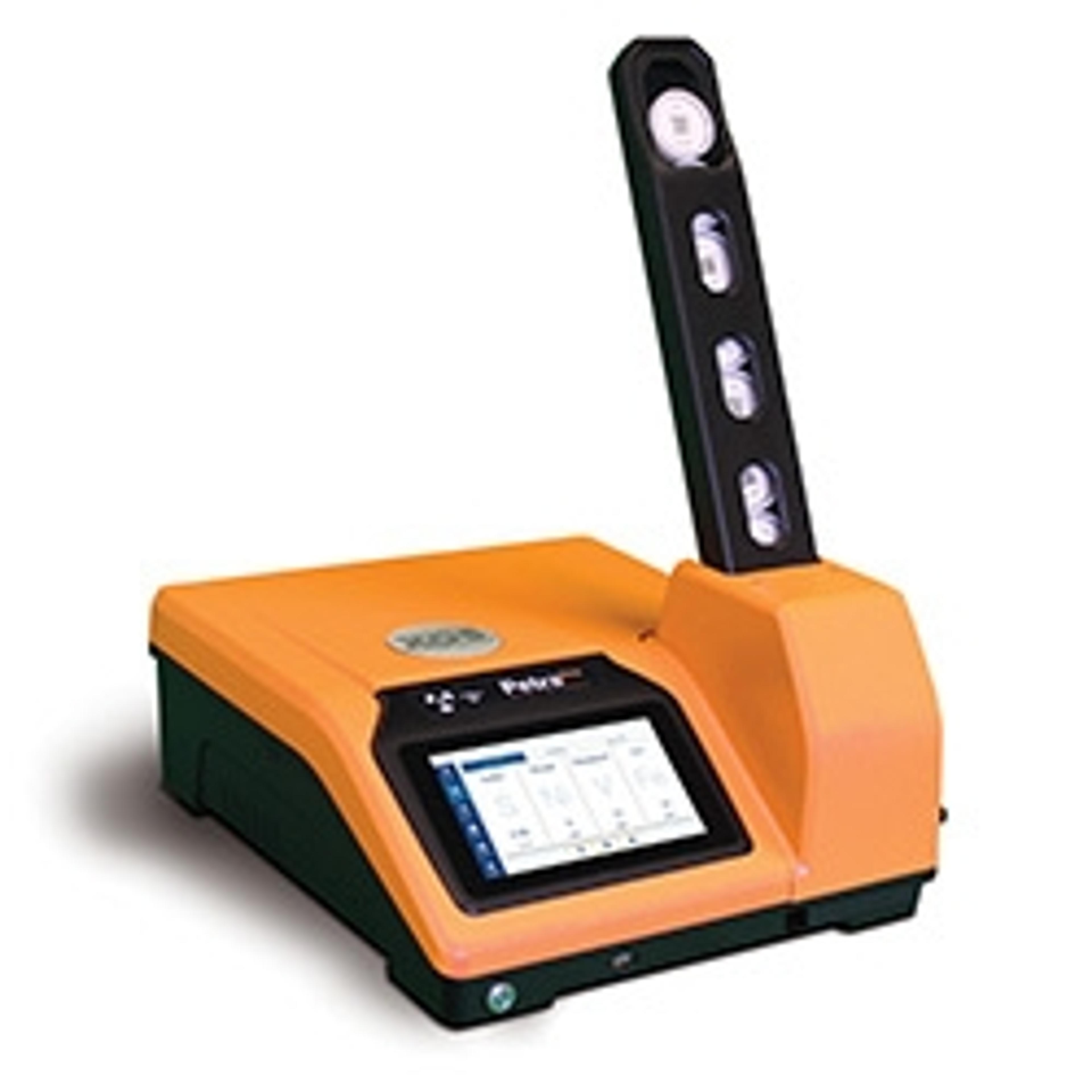
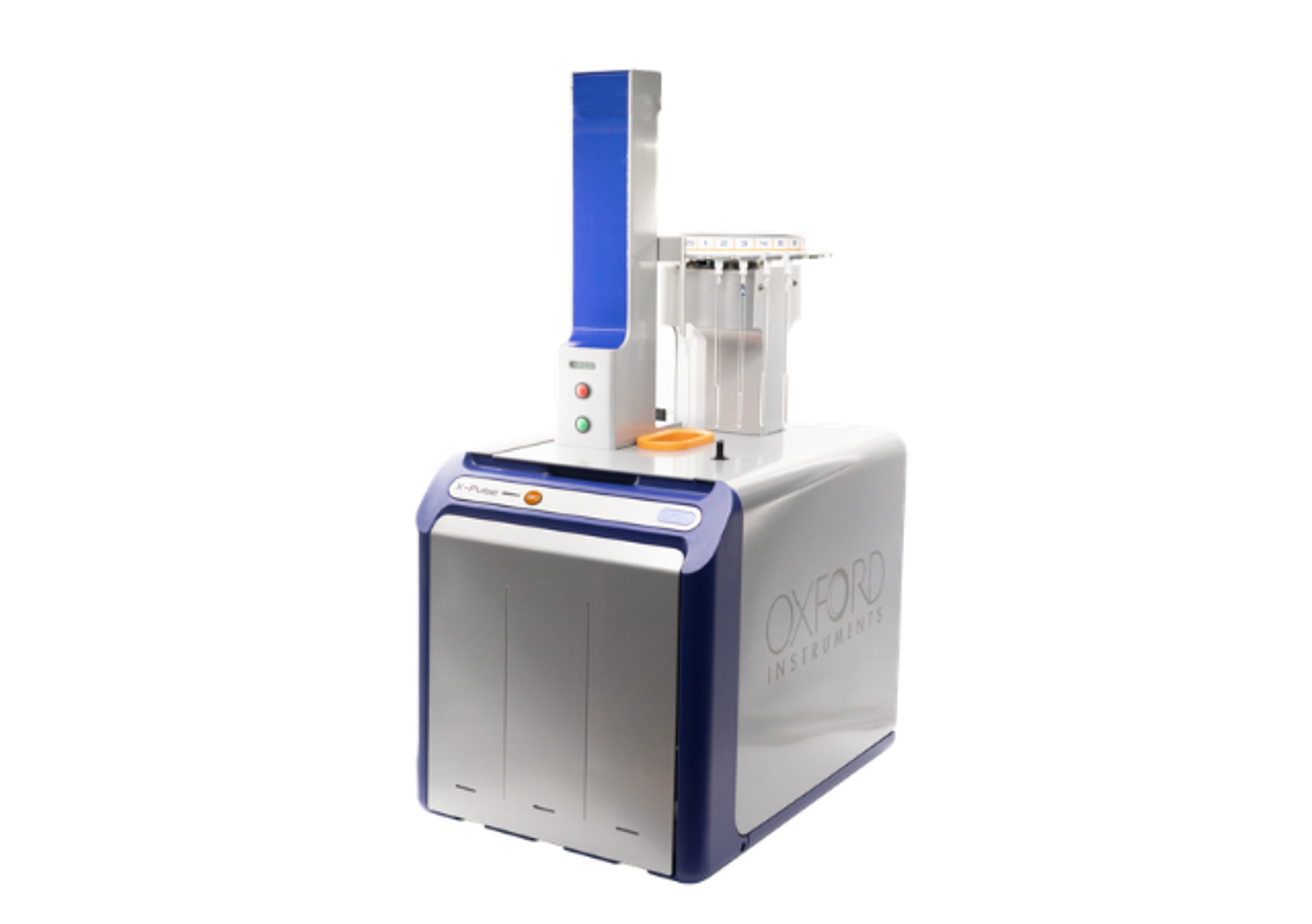
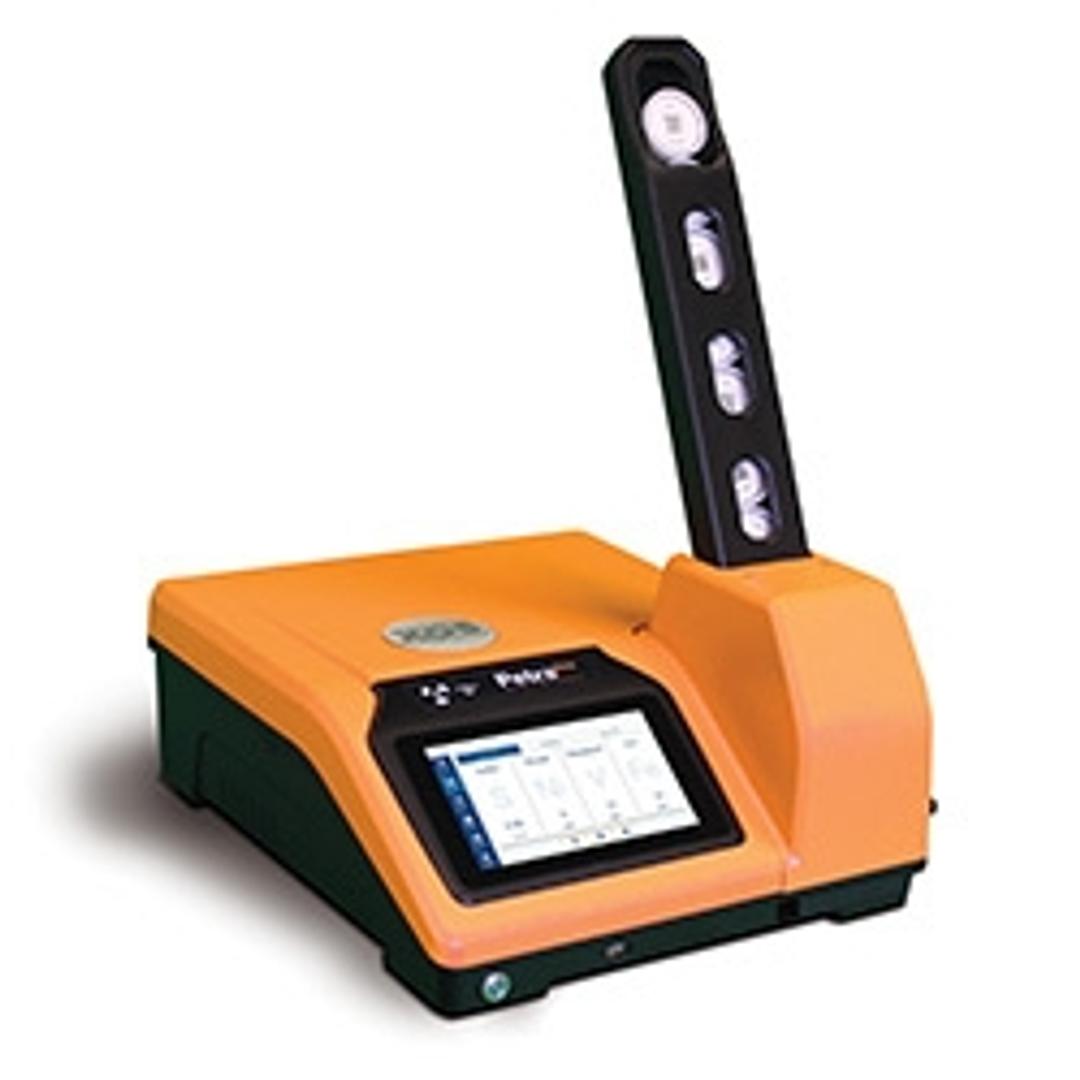
Petra 4294 Autosampler
Advanced Workflow with Autosampler

The supplier does not provide quotations for this product through SelectScience. You can search for similar products in our Product Directory.
Petra 4294 Autosampler complies with ASTM D4294, ISO 8754 and IP 336 methods for sulfur analysis of various hydrocarbons, water and catalysts. With Autosampler, users can experience a more efficient with sample tracking and continuous sample loading.
Simply scan the QR-coded sample cup with a handheld scanner and the analyzer scans the sample again when it reaches the measurement chamber, ensuring the correct sample name and measurement parameters are paired with results. Users have the option to use X-ID Sample Cups (QR-coded) or standard XRF cups.
The Autosampler is an optional add-on feature, and can be added to an existing Petra 4294 or Petra MAX analyzer. QR/barcode scanner included with purchase. QR-coded cups are not mandatory - standard XRF cups may be used with the analyzer.
Brochures

Certify Sulfur and Monitor Critical Elements at Sub-ppm Levels
Benchtop, Process and Portable Analysis Solutions
Elemental Analysis: Advanced
Rapid sulfur measurement plus 12 elements from P to Zn.
Certify sulfur and monitor critical elements at sub-ppm levels
In this application note, XOS demonstrates how the use of polycapillary optics can significantly enhance the performance of X-ray analysis in many applications, including X-ray fluorescence (XRF) and X-ray diffraction (XRD).
The Next-Generation of Elemental Analysis
With tightening sulfur regulations across the globe, petroleum professionals have the unique challenge of certifying their products as efficiently as possible. In addition, there is an increasing need to test critical elements in various matrices to protect valuable equipment and avoid downtime. Petra MAX delivers D4294 sulfur analysis in addition to 12 elements in matrices like hydrocarbon, water and catalysts. This analyzer was designed to save time for refineries, terminals, and third-party labs. Throughout this paper, XOS review some of the features that make Petra MAX so unique compared to its counterparts in the market.
Advanced Sulfur Analysis in Hydrocarbons
Petra MAX™ delivers advanced D4294 sulfur analysis in addition to 12 elements from P to Zn including Ca, Fe, K, Ni, and V at sub-ppm levels for various applications.
Precision Comparison Between HDXRF<sup>®</sup> and ICP for Ni, Fe, and V
As petroleum professionals continue to refine their production processes, products such as crude oil can contain higher concentrations of problematic metals like nickel (Ni), iron (Fe), and vanadium (V). In the face of tightening regulations and increased demand for sweeter crudes, refiners are looking tobuy lower cost oils that contain the metals mentioned above, with the intent of assessing their concentration levels throughout the refining process.
Adoption of HDXRF by ASTM Toy Safety Subcommittee for Heavy Metals Testing
The ASTM F15.22 Toy Safety Committee published revisions to its U.S. Toy Safety Standard, F963-16, covering the safety of all toys sold in the United States. It is expected that the Consumer Product Safety Commission (CPSC) will soon adopt these changes into its mandatory toy safety standards. Key among the new changes is a provision allowing for the use of High-Definition X-Ray Fluorescence (HDXRF), to measure the presence of toxic heavy metals in plastics in toys. This will make toy testing faster, less costly, and more flexible, thereby facilitating the testing of toys to ensure they do not contain lead or other toxic metals.