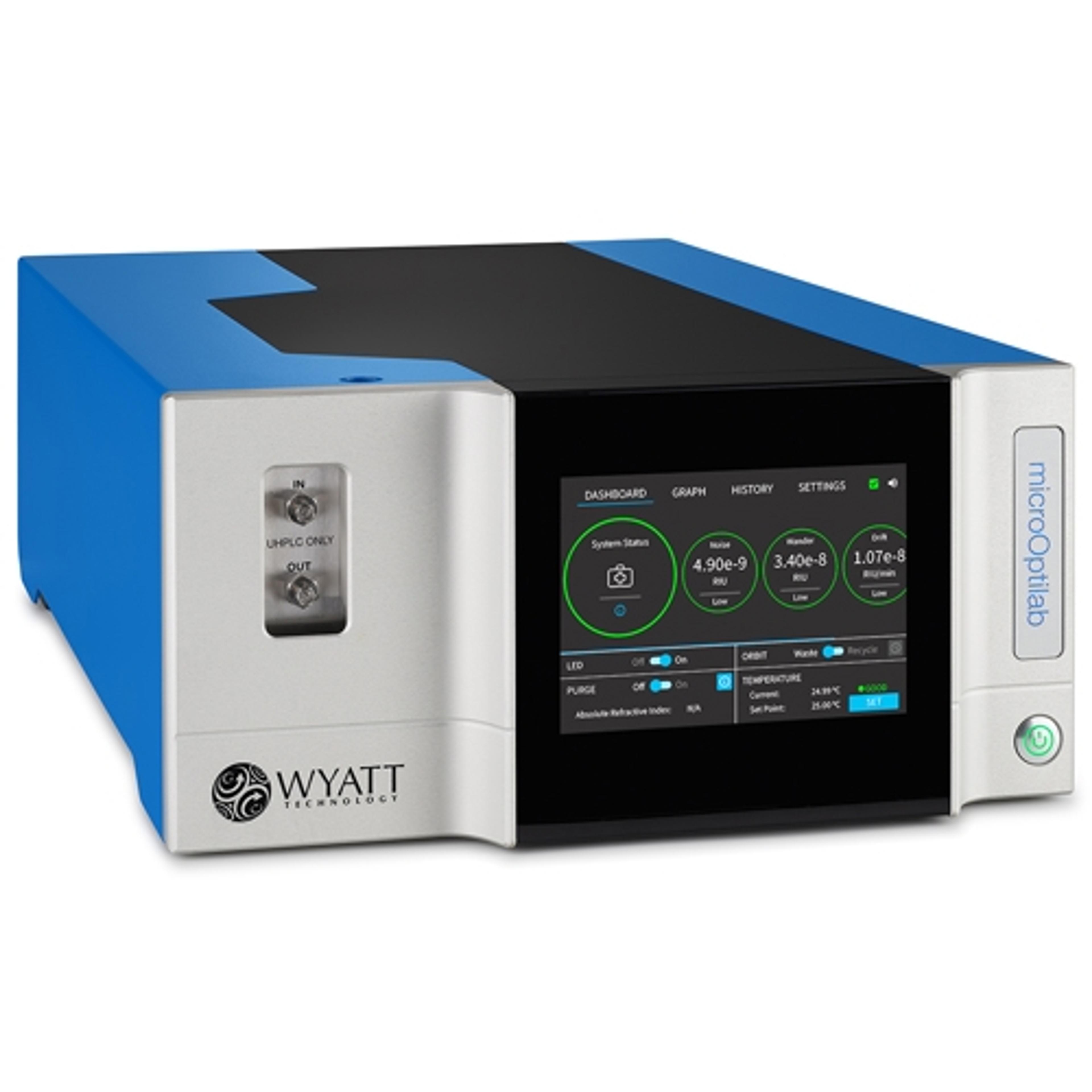
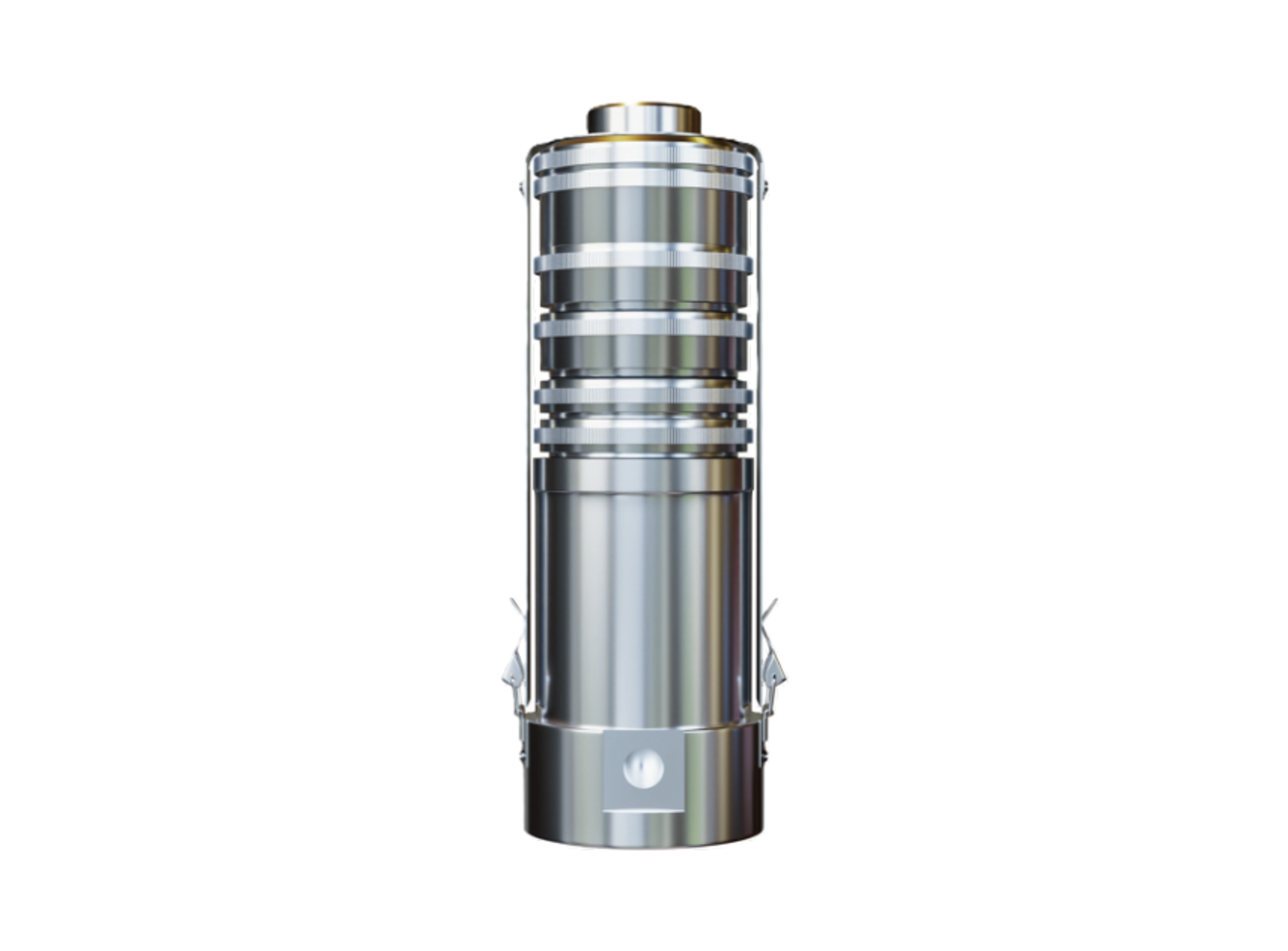
microOptilab™ Refractive Index Detector for UHPLC
Universal detection for UHPLC and µSEC-MALS.

The supplier does not provide quotations for this product through SelectScience. You can search for similar products in our Product Directory.
Ease of use
Sample Analysis
Great detector
Review Date: 13 May 2024 | Waters | Wyatt Technology
Amazing instrument, critical to Analytical chemistry!
MW determination of monoclonal antibodies
The product is amazing and provides detailed analytical demonstration that is critical to analytical chemistry in a biopharmaceutical environment. It is a reliable source of information that delivers excellent and consistent results. The software and instrument are easy to use and always provide the best results.
Review Date: 23 Jun 2016 | Waters | Wyatt Technology
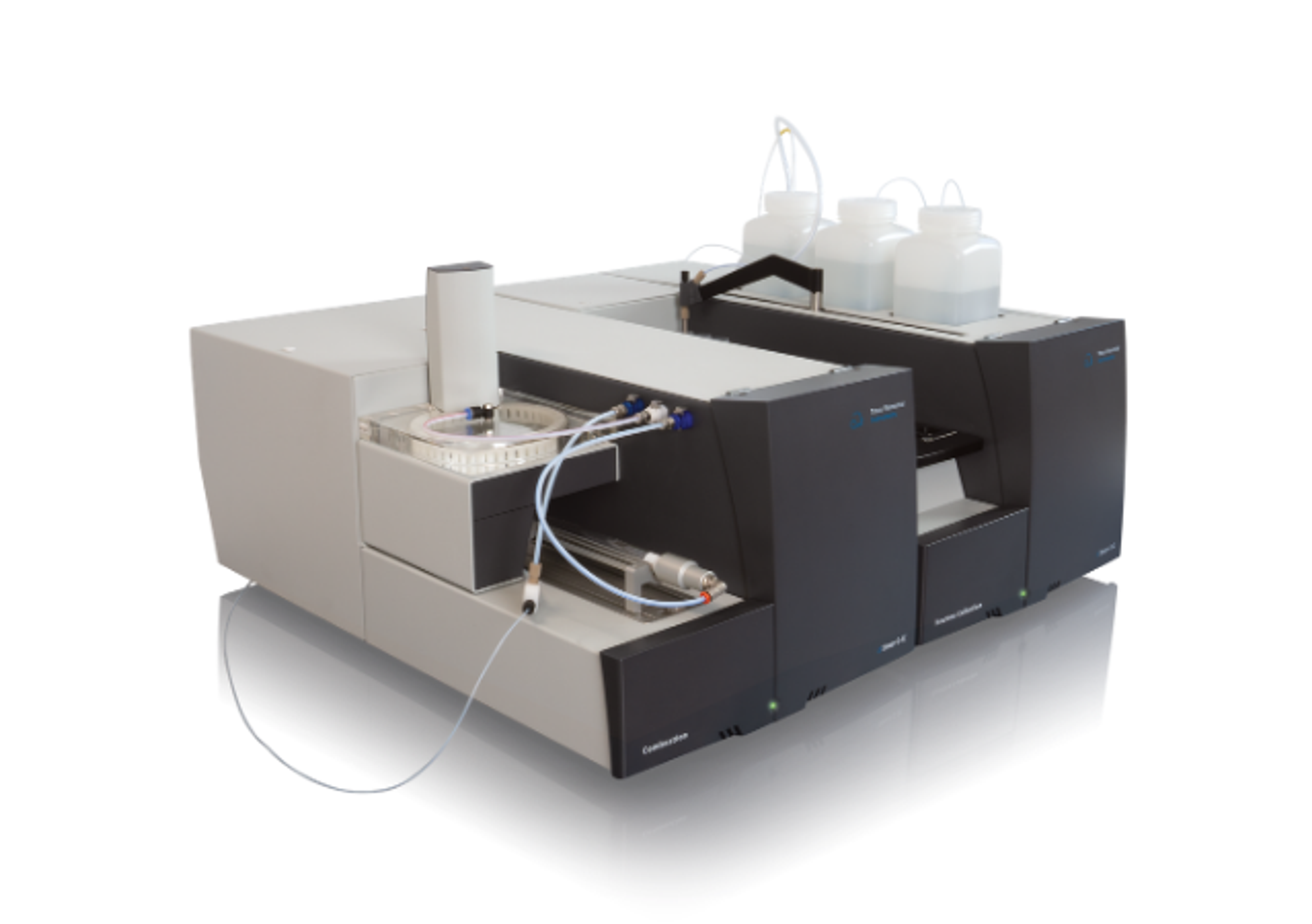
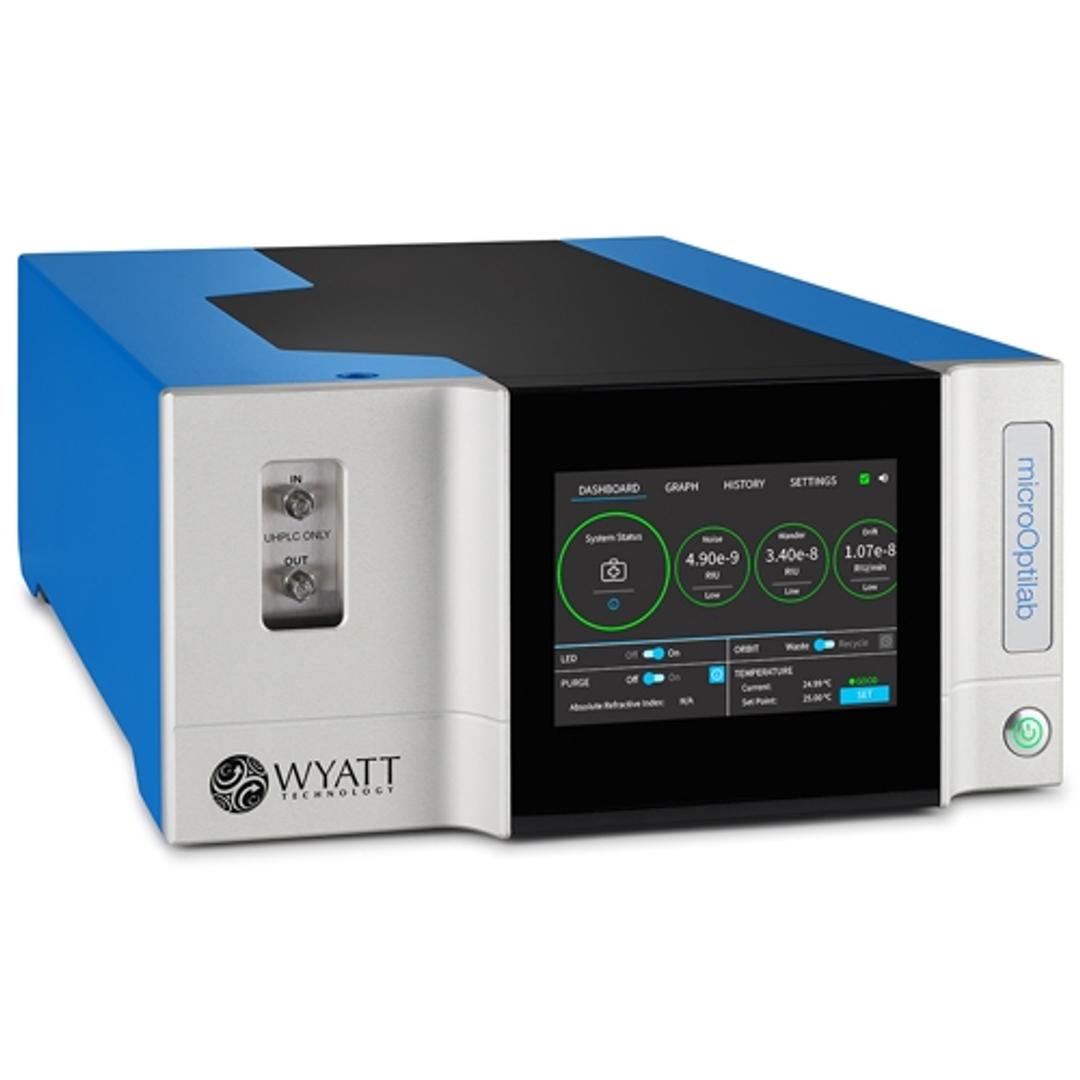
The microOptilab™ differential refractive index (dRI) detector is specifically designed for use with any UHPLC system. It works alone as a universal concentration detector, or in combination with the µDAWN™multi-angle light scattering (MALS) detector to measure absolute molar mass and size of macromolecules and nanoparticles in solution, via µSEC-MALS.
Considering the extremely small peak volumes of UHPLC, band broadening in the microOptilab™ is kept to the absolute minimum, at less than 4 µL, as compared to 20-40 µL or more from other dRI detectors.
Features:
- dRI noise: 1.5x10⁻⁹ RIU
- dRI range: ±4.7x10⁻³ RIU
- Dynamic range: 6,000,000:1
- Absolute RI sensitivity: ±0.002 RIU
- Absolute RI range: 1.2 – 1.8 RIU
- Temperature control: heated/cooled 4 - 65°C, including active stabilization—even at room temperature
- Wavelength: 660 nm, matched to the µDAWN™; other wavelengths available
- Touch-panel display for immediate access to data, diagnostics and settings
Applications:
- Universal online concentration measurement for chromatography, especially µSEC-MALS for absolute molecular weight
- Analysis of conjugated proteins, co-polymers and nanoparticle-encapsulated drugs/proteins/DNA/RNA when combined with a MALS and UV detector

Characterization of hyaluronic acid with online multi-angle light scattering and differential viscometry
The biopolymer hyaluronic acid is present in all mammalian systems and is of enormous commercial interest for opthalmic, medical, pharmacological and cosmetic applications. In this application note, the absolute determination of hyaluronic acids' properties is demonstrated using MALS, differential refractometry, and differential viscometry detectors in series with SEC separation.
Aggregate analyses by light scattering – Complementary and orthogonal
Biotherapeutic regulatory filingsrequire detailed characterization of degradation pathways including aggregation. Learn how three orthogonal light scattering techniques complement each other to analyze and quantify soluble and sub-micron insoluble aggregates. This poster describes the capabilities of SEC-MALS, FFF-MALS and CG-MALS and how they work together to provide a comprehensive picture of irreversible and reversible aggregates.
Analysis of PLGA using APC-MALS
In this application note, Wyatt Technology explores the use of SEC-MALS-IV in conjunction with UHPLC for the rapid and precise quantification of PLGA, a co-polymer used extensively in the biomedical field for medical devices and drug delivery.

Characterization of PLGA Using SEC-MALS-VIS
In this application note, two commercially available samples were analyzed by SEC coupled to a Multi-Angle Light Scattering (MALS) detector (HELEOS), a refractive index detector (Optilab rEX), and a viscosity (VIS) detector (ViscoStar). The results demonstrate that SEC-MALS-VIS is an excellent method for the characterization of PLGA polyesters as it has the ability to determine not only the molar mass distribution, but to reveal subtle differences in PLGA’s molecular structure.
Discriminating Heparin from Chondroitin Sulfate by Charge:Mass Ratio
In this study, heparin from two suppliers is compared, including one lot modified with super-sulfated material. Characterizing key parameters of different heparin lots requires multiple techniques. Weight-average molar mass measured by multi-angle static light scattering (MALS) and hydrodynamic radius measured by dynamic light scattering (DLS) can be used to characterize the size and polydispersity of the molecule. These quantities can also be used for lot-to-lot comparison and to qualify heparin from different suppliers.

Six Application Notes to Improve Your Polymer Analysis
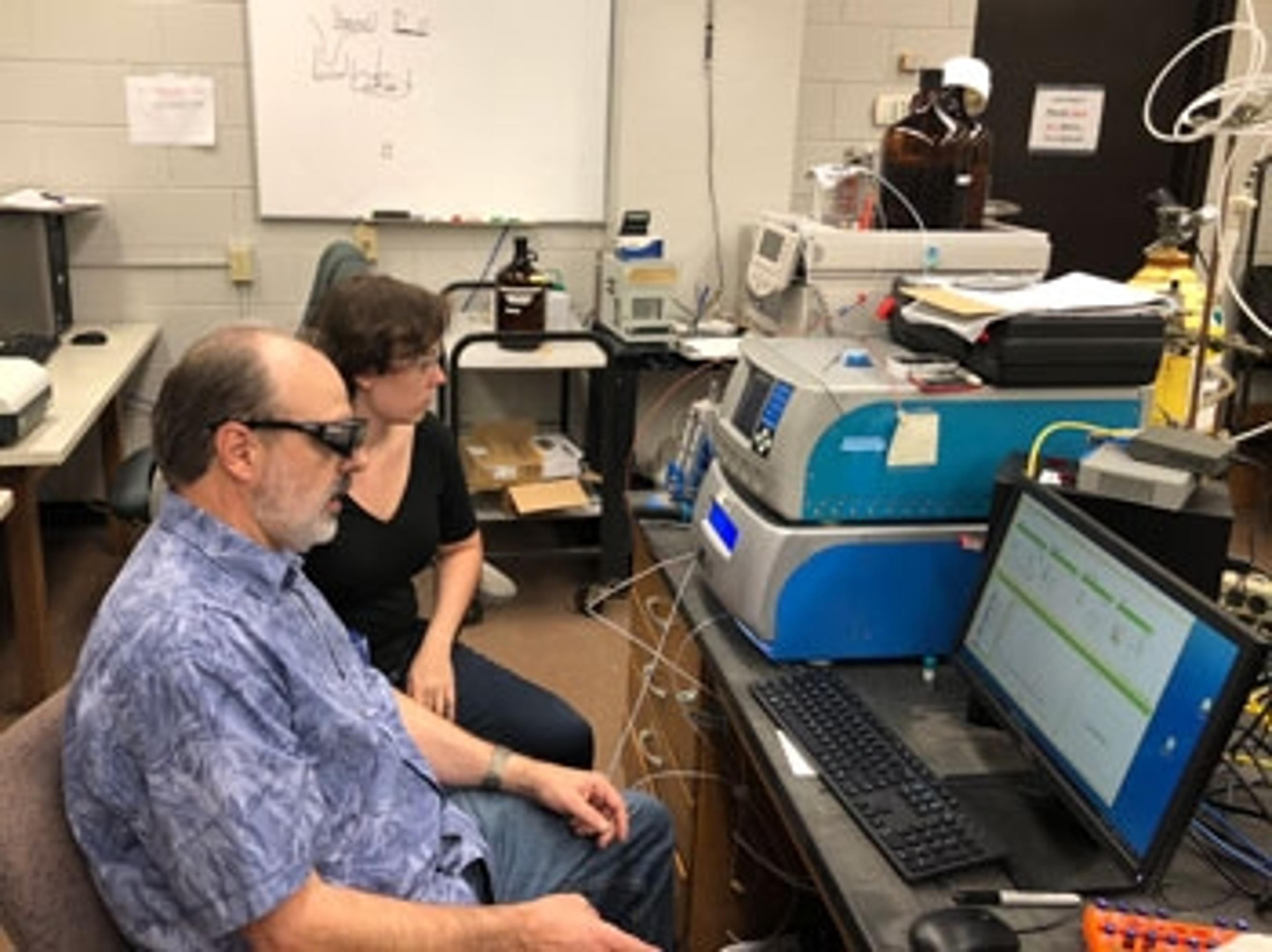
Analytical Chemistry – Forging a Long-Term Relationship with a Trusted Technology Provider
Learn how a polymer analysis lab in the US has reaped the benefits of using instrumentation from a trusted provider for more than 20 years