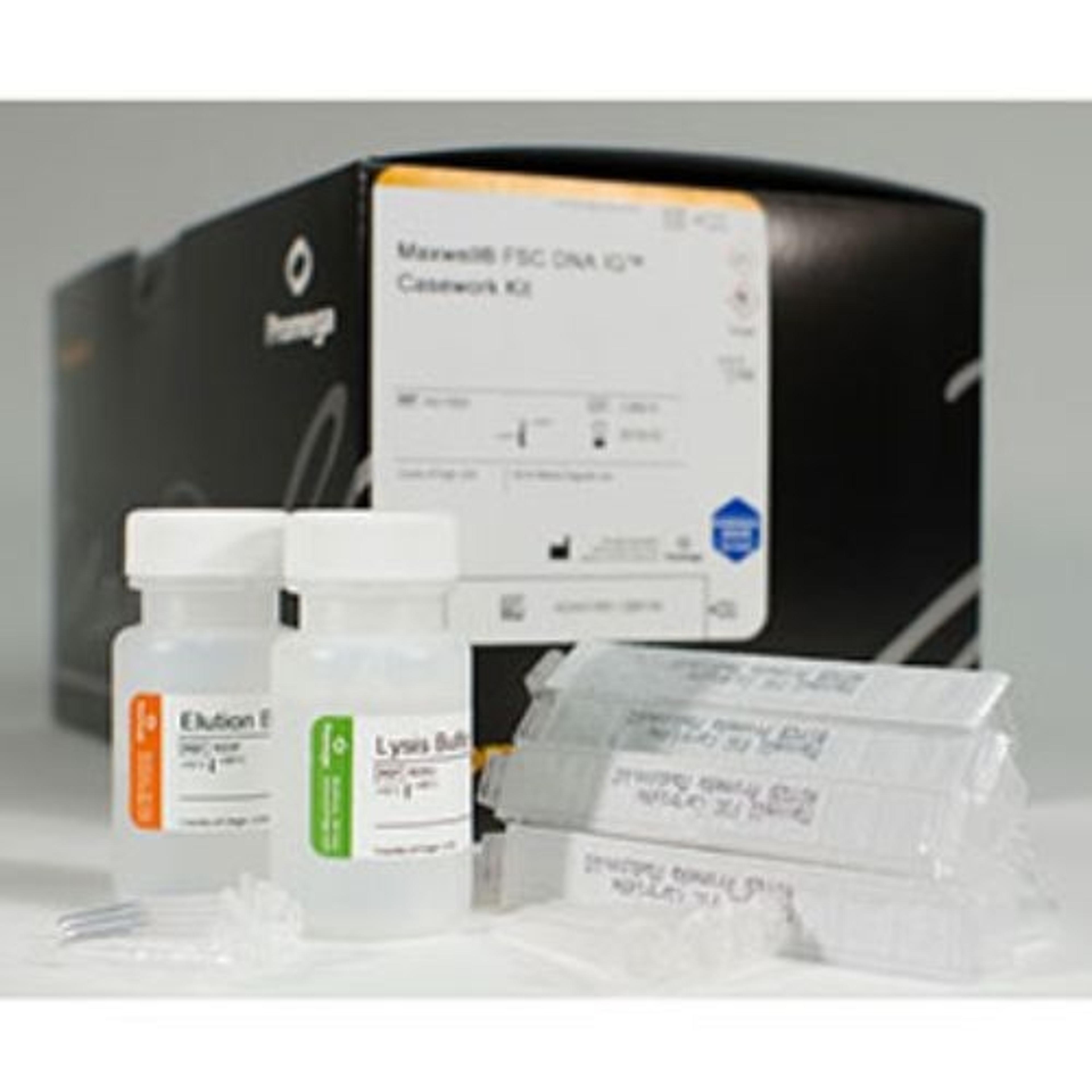
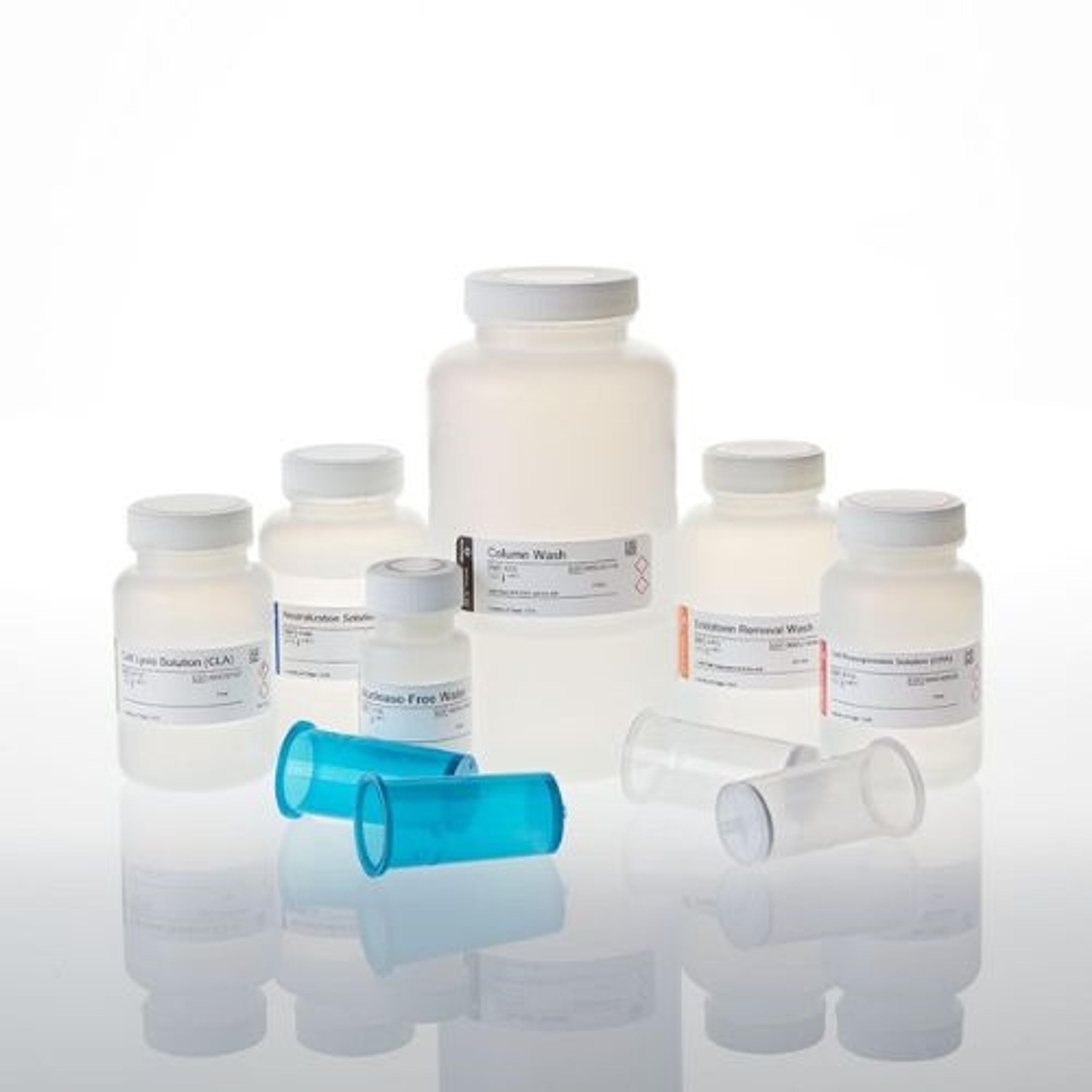
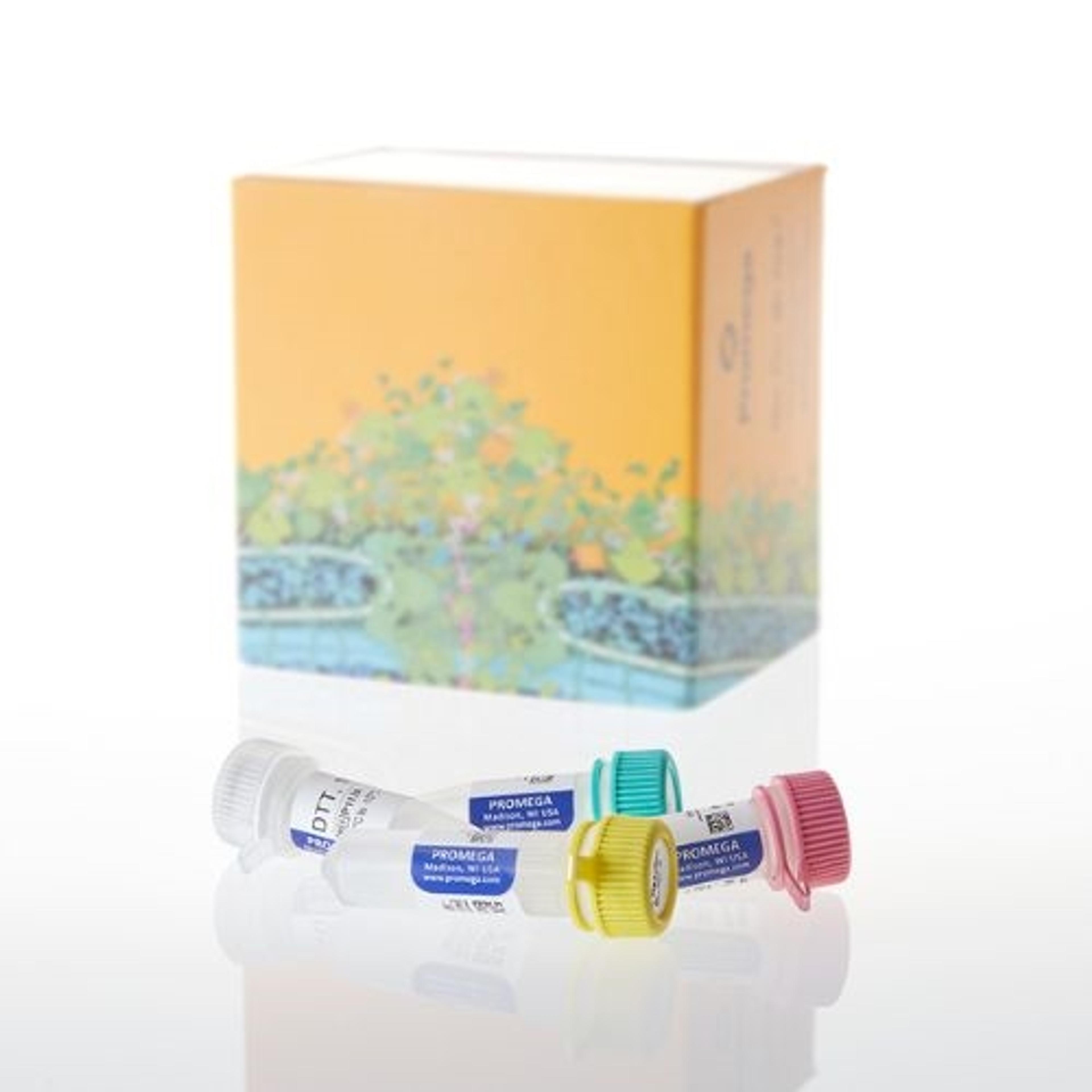
Maxwell® FSC DNA IQ™ Casework Kit
Optimal DNA extraction from forensic DNA samples.
This kit uses trusted DNA IQ™ reagents with the Maxwell® FSC Instrument for optimal DNA extraction from samples regularly encountered in forensic DNA analysis.
Optimal DNA extraction from forensic DNA samples.


This kit uses trusted DNA IQ™ reagents with the Maxwell® FSC Instrument for optimal DNA extraction from samples regularly encountered in forensic DNA analysis.


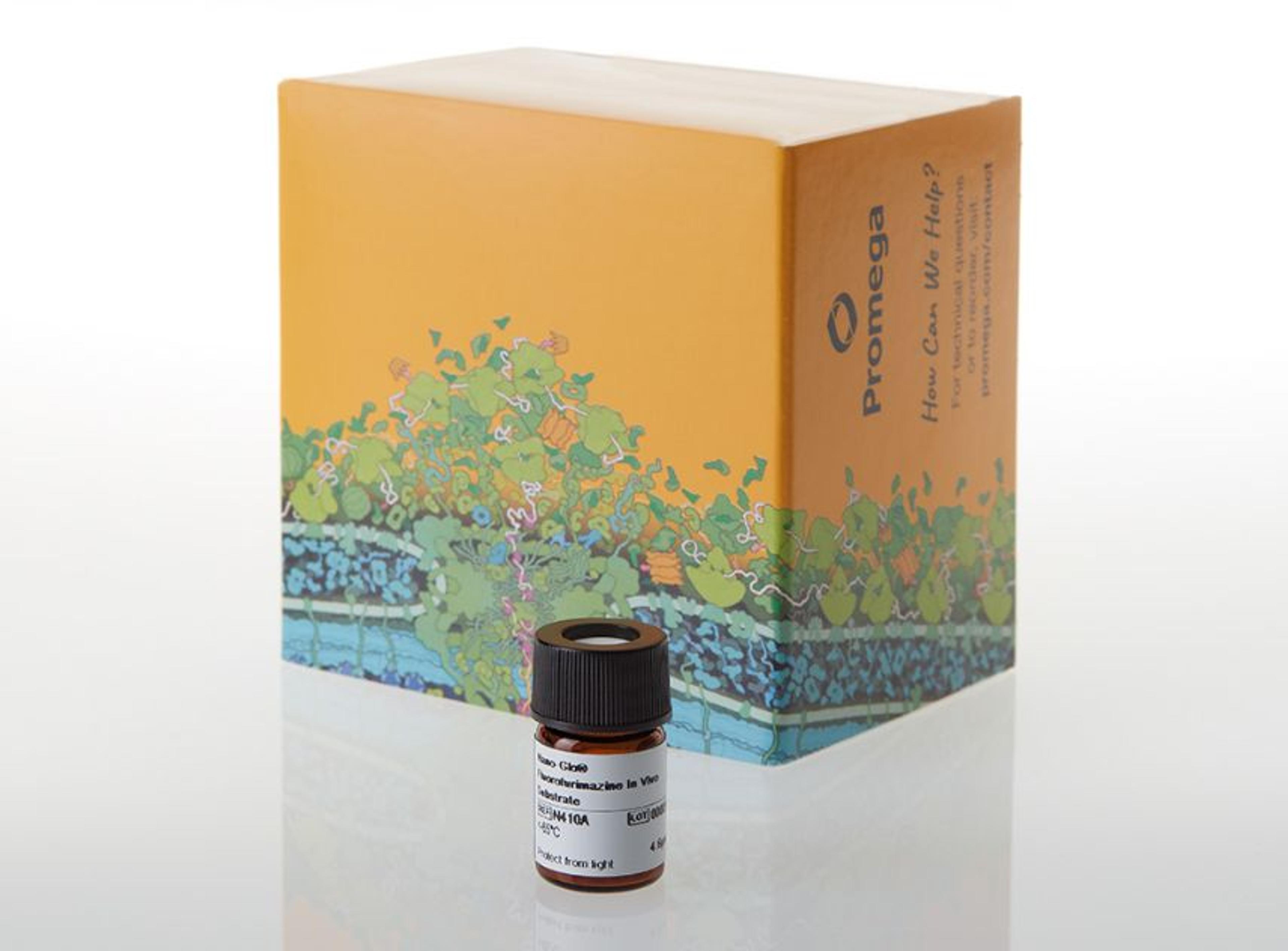
NanoLuc® and NanoBiT® Luciferase Substrate for Animal Imaging Studies

PCR Master Mix(a,b) includes Nuclease-Free Water and PCR Master Mix, 2X. PCR Master Mix is a premixed, ready-to-use solution containing Taq DNA Polymerase, dNTPs, MgCl2 and reaction buffers at optimal concentrations for efficient amplification of DNA templates by PCR. The PCR Master Mix has been optimized for use in routine PCR for amplifying DNA templates in the range of 0.2–2kb.

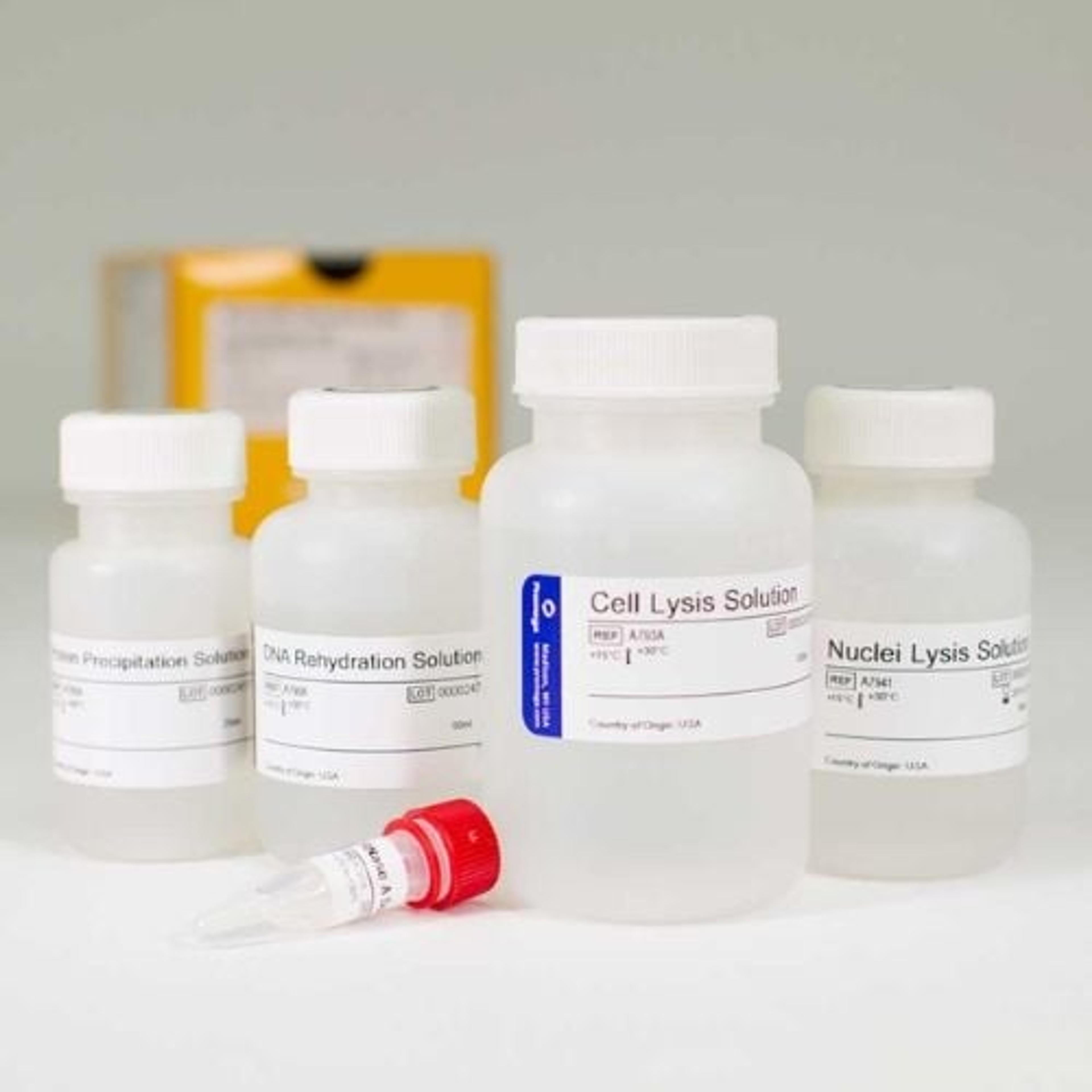
The Wizard® Genomic DNA Purification Kit provides a simple, solution-based method for isolation of DNA from white blood cells, tissue culture cells, animal tissue, plant tissue, yeast and Gram-positive and Gram-negative bacteria. DNA purified with this system is suitable for a variety of applications, including amplification, digestion with restriction endonucleases and membrane hybridizations (e.g., Southern and dot/slot blots). Wizard® Genomic DNA Purification Kit Features & Benefits: Improved Productivity - Rapidly isolate genomic DNA from blood, tissue culture, animal and plant cells, bacteria and yeast in approximately 60 minutes. Scalability - Reagent volumes can be adjusted to correspond to the amount of material to be processed. Flexibility - Genomic DNA purified from a variety of sample types is suitable for a variety of applications. Your Choice of Configuration

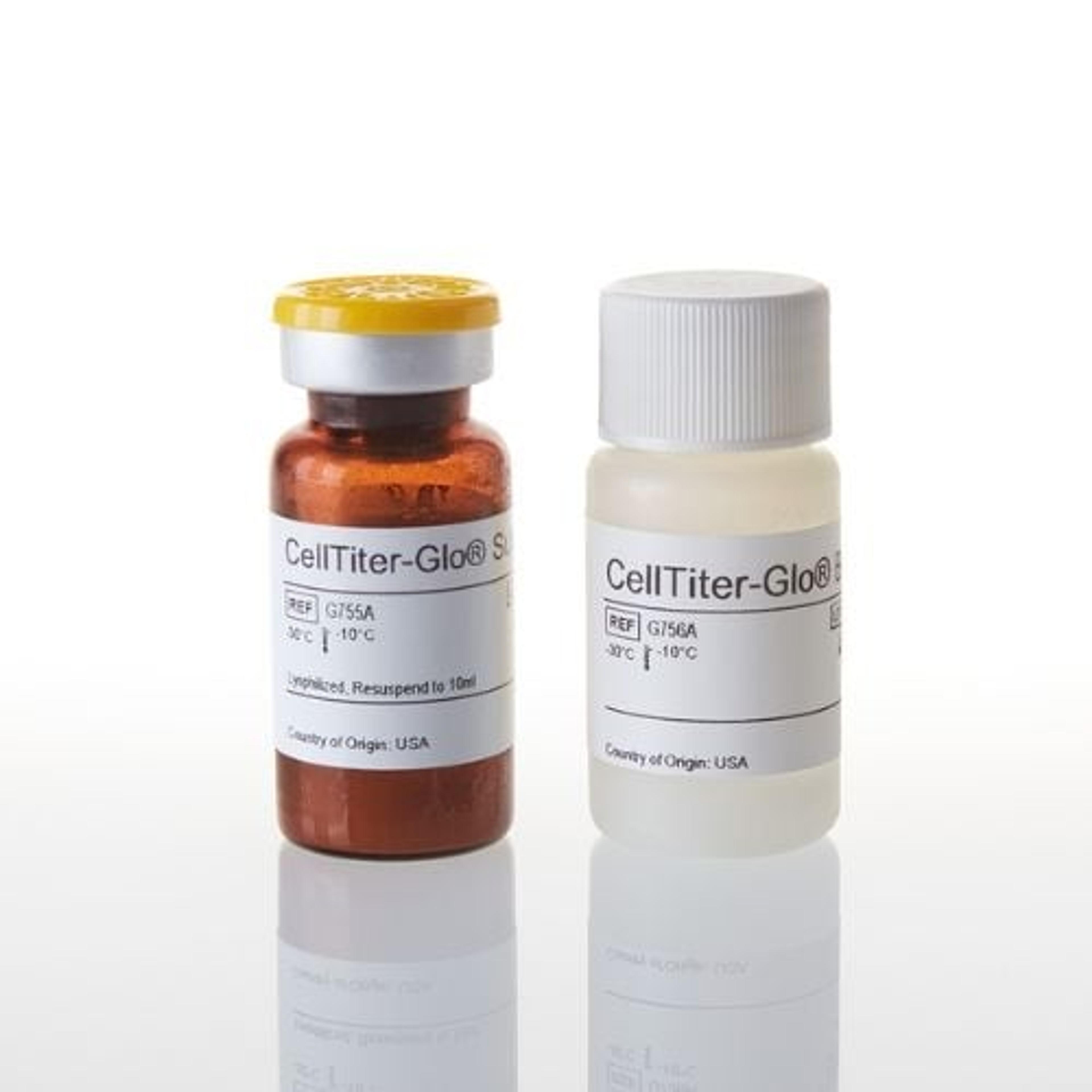
The CellTiter-Glo® Luminescent Cell Viability Assay(a,b) is a homogeneous method of determining the number of viable cells in culture based on quantitation of the ATP present, an indicator of metabolically active cells. The CellTiter-Glo® Assay is designed for use with multiwell formats, making it ideal for automated high-throughput screening (HTS), cell proliferation and cytotoxicity assays. The homogeneous assay procedure involves adding the single reagent (CellTiter-Glo® Reagent) directly to cells cultured in serum-supplemented medium. Cell washing, removal of medium and multiple pipetting steps are not required. The system detects as few as 15 cells/well in a 384-well format in 10 minutes after adding reagent and mixing. The homogeneous "add-mix-measure" format results in cell lysis and generation of a luminescent signal proportional to the amount of ATP present. The amount of ATP is directly proportional to the number of cells present in culture. The CellTiter-Glo® Assay generates a "glow-type" luminescent signal, which has a half-life generally greater than five hours, depending on cell type and medium used. The extended half-life eliminates the need to use reagent injectors and provides flexibility for continuous or batch mode processing of multiple plates. The unique homogeneous format avoids errors that may be introduced by other ATP measurement methods that require multiple steps.

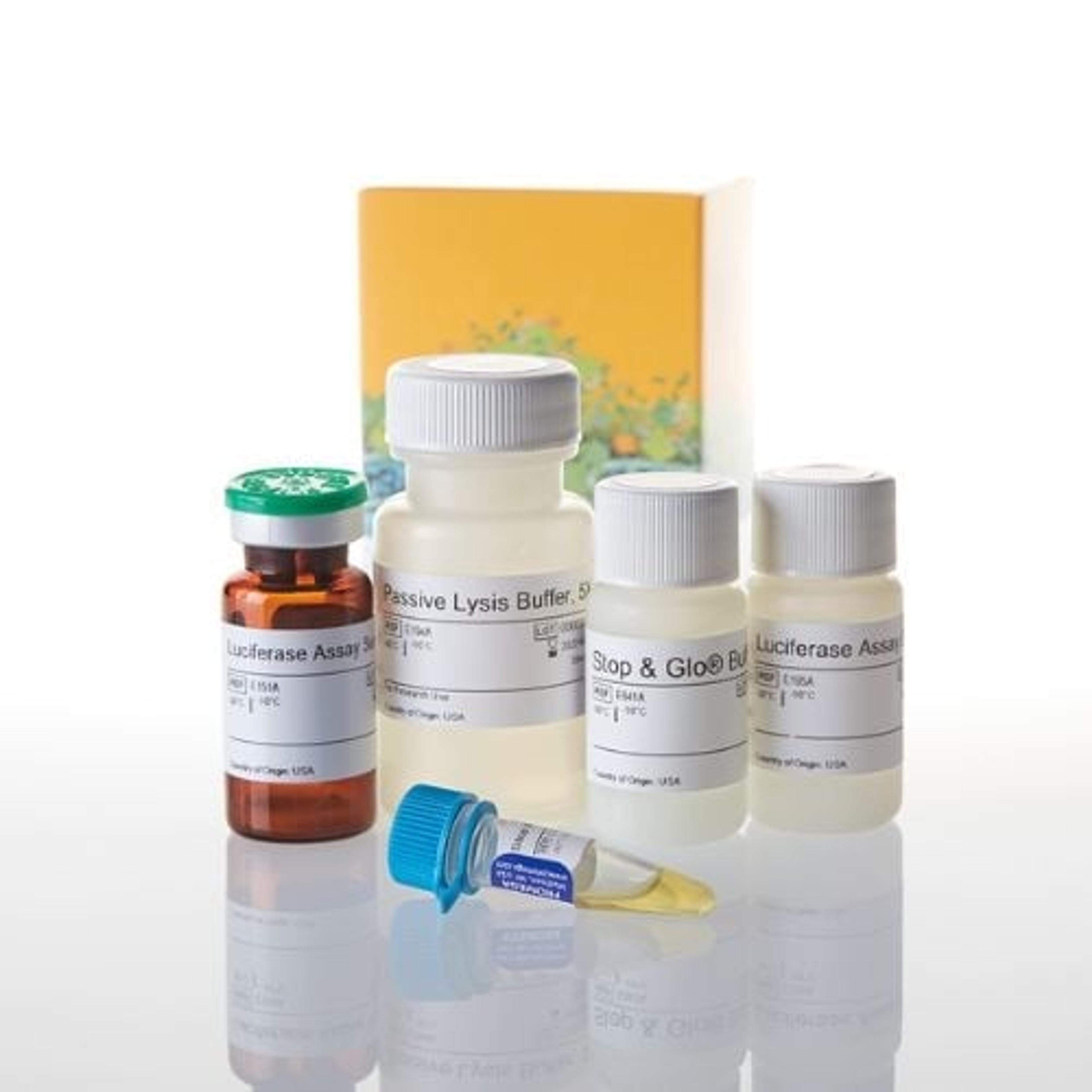
The Dual-Luciferase® Reporter (DLR™) Assay System(a–f) provides an efficient means of performing two reporter assays. In the DLR™ Assay, the activities of firefly (Photinus pyralis) and Renilla (Renilla reniformis or sea pansy) luciferases are measured sequentially from a single sample. The firefly luciferase reporter is measured first by adding Luciferase Assay Reagent II (LAR II) to generate a luminescent signal lasting at least one minute. After quantifying the firefly luminescence, this reaction is quenched, and the Renilla luciferase reaction is initiated simultaneously by adding Stop & Glo® Reagent to the same sample. Both assays can be completed in about 4 seconds using a luminometer with reagent auto-injectors. In the DLR™ Assay System, both reporters yield linear assays with attomole (<10−18) sensitivities and no endogenous activity in the experimental host cells. Furthermore, the integrated format of the DLR™ Assay provides rapid quantitation of both reporters either in transfected cells or in cell-free transcription/translation reactions. The pGL4 and phRL series of synthetic Renilla Luciferase Reporter Vectors are designed for use with the DLR™ Assay Systems. A Renilla luciferase vector with constitutive expression may be used in combination with any experimental firefly luciferase vector to co-transfect mammalian cells.

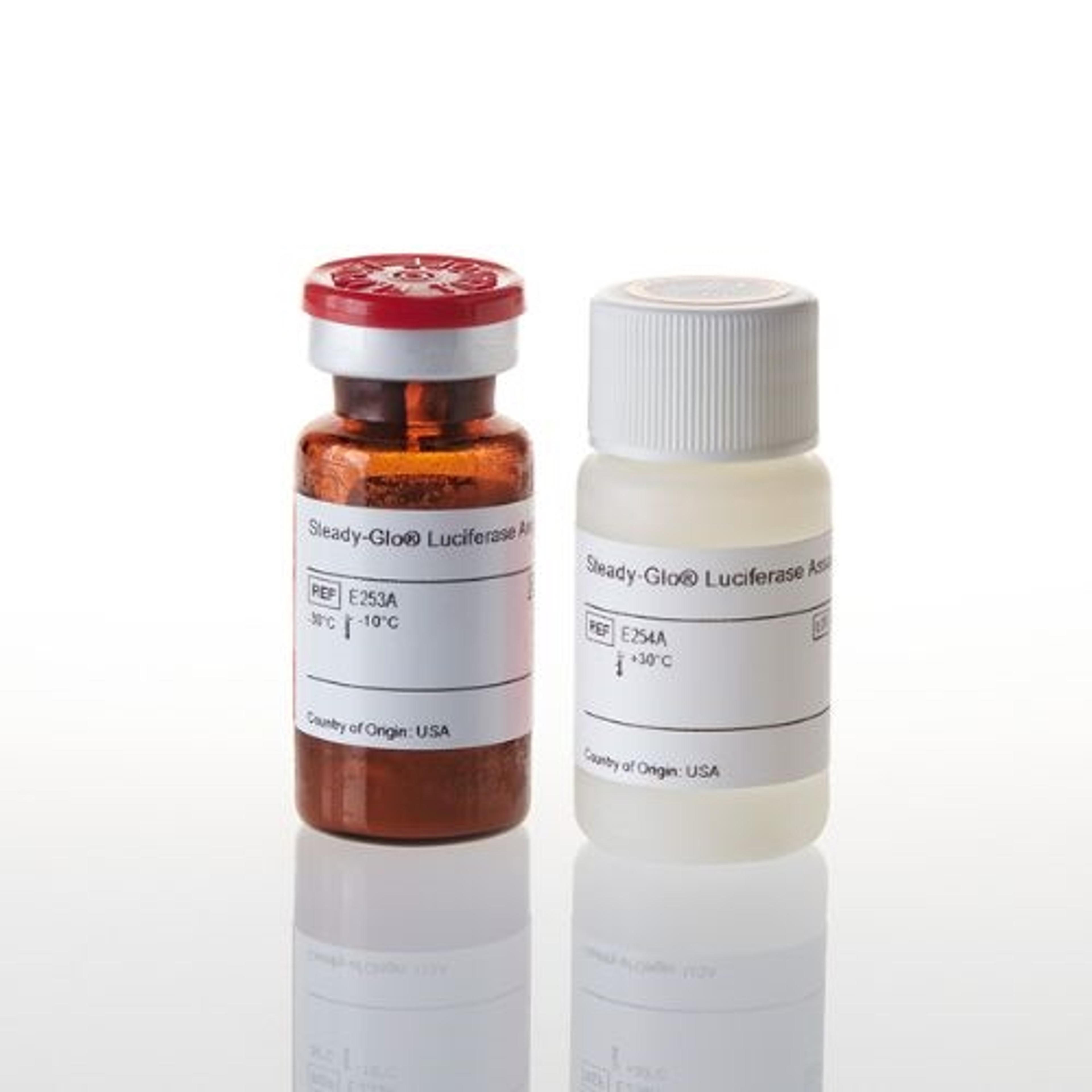
High-throughput quantitation of firefly (Photinus pyralis) luciferase expression in mammalian cells is commonly performed by batch processing of 96- and 384-well plates. Steady-Glo® Luciferase Assay System(a,b,c) is designed for this purpose by providing long-lived luminescence when added to cultured cells. The homogeneous assay provides signal half-lives of over 5 hours in commonly used cell culture media without prior sample processing. Throughput rates of several thousand samples per hour may be achieved with high reproducibility under standard laboratory conditions.

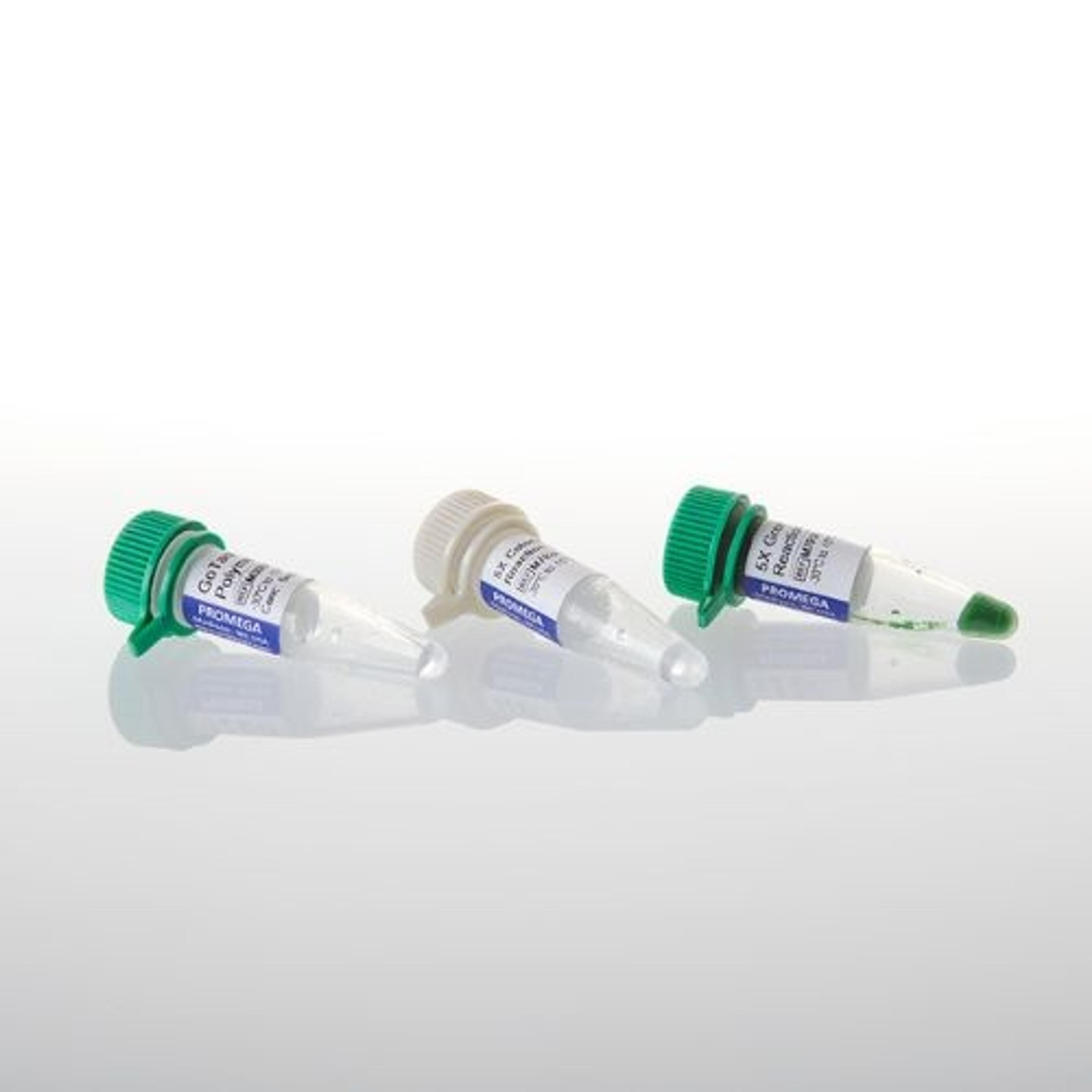
Experience improved PCR performance with GoTaq® DNA Polymerase products. GoTaq® DNA Polymerase is a proprietary formulation of Taq DNA polymerase that gives robust amplification equal to and in some cases superior to that of standard Taq DNA polymerase. GoTaq® DNA Polymerase comes in a variety of formulations designed to give you maximum flexibility, control and convenience.

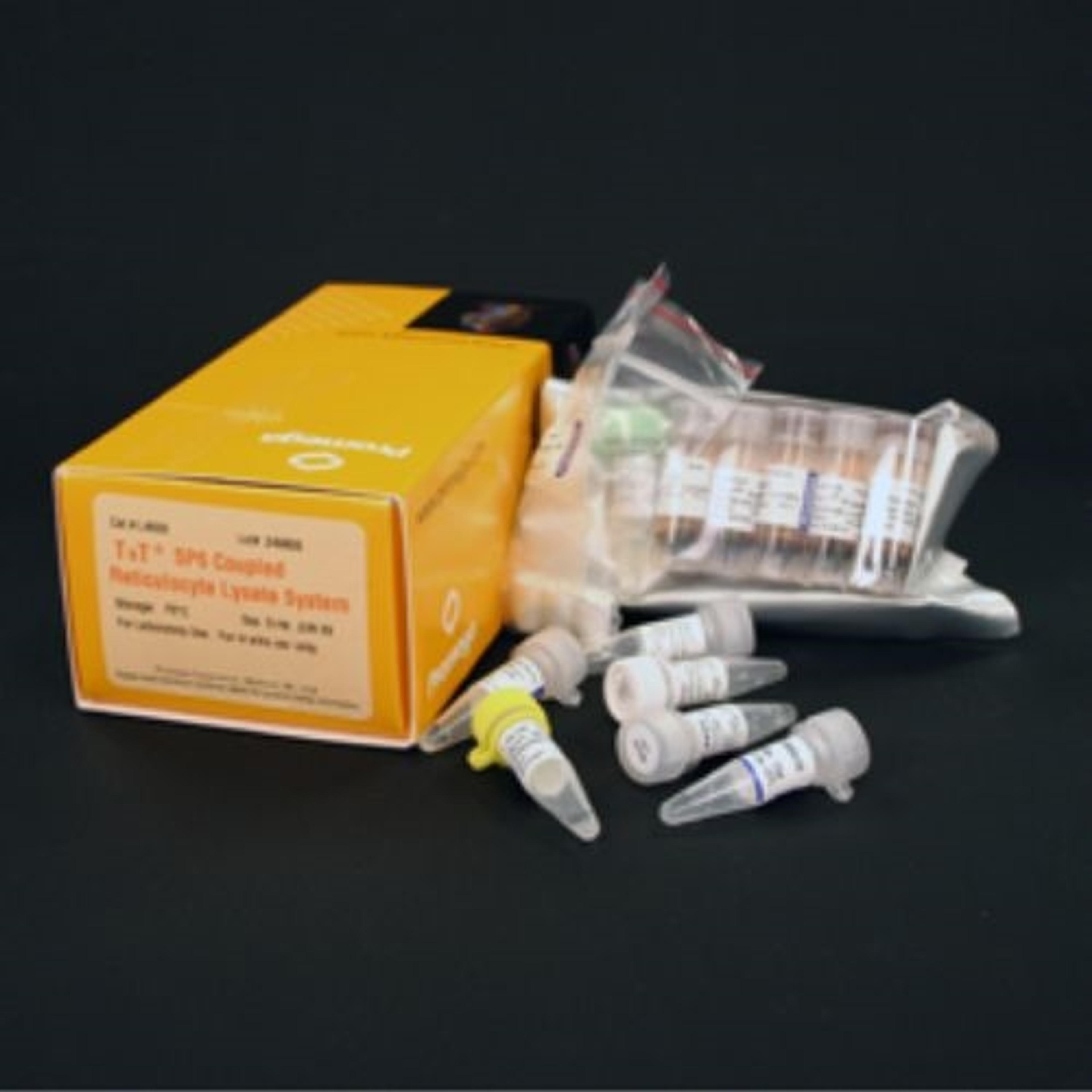
The TNT® Coupled Reticulocyte Lysate Systems offer researchers an alternative for eukaryotic cell-free protein expression: a single-tube, coupled transcription/translation system. The TNT® Lysate Systems greatly simplify the process and reduce the time required to obtain in vitro translation results.

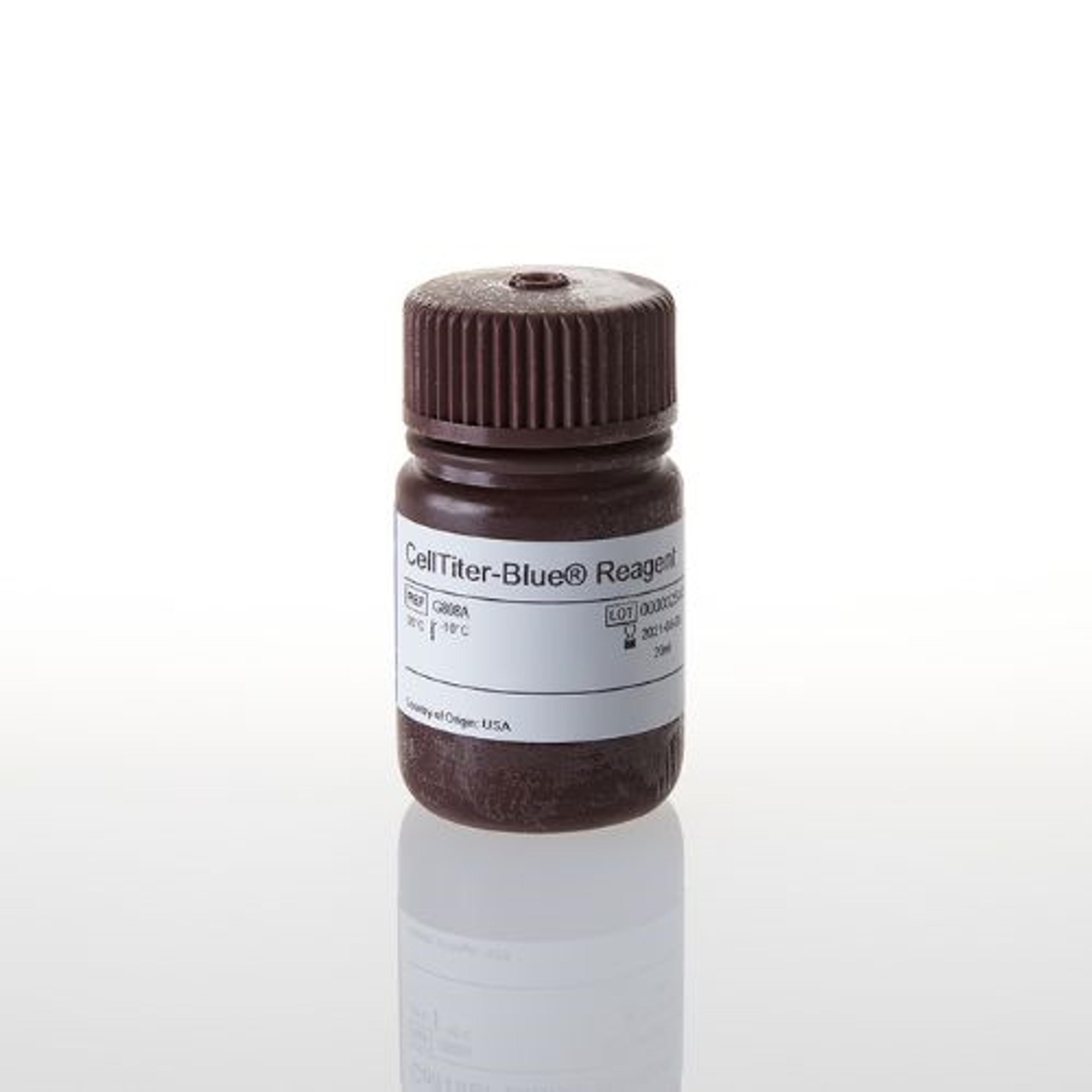
The CellTiter-Blue® Cell Viability Assay provides a homogeneous, fluorescent method for monitoring cell viability. The assay is based on the ability of living cells to convert a redox dye (resazurin) into a fluorescent end product (resorufin). Nonviable cells rapidly lose metabolic capacity and thus do not generate a fluorescent signal. The homogeneous assay procedure involves adding the single reagent directly to cells cultured in serum-supplemented medium. After an incubation step, data are recorded using either a plate-reading fluorometer (preferred) or spectrophotometer.

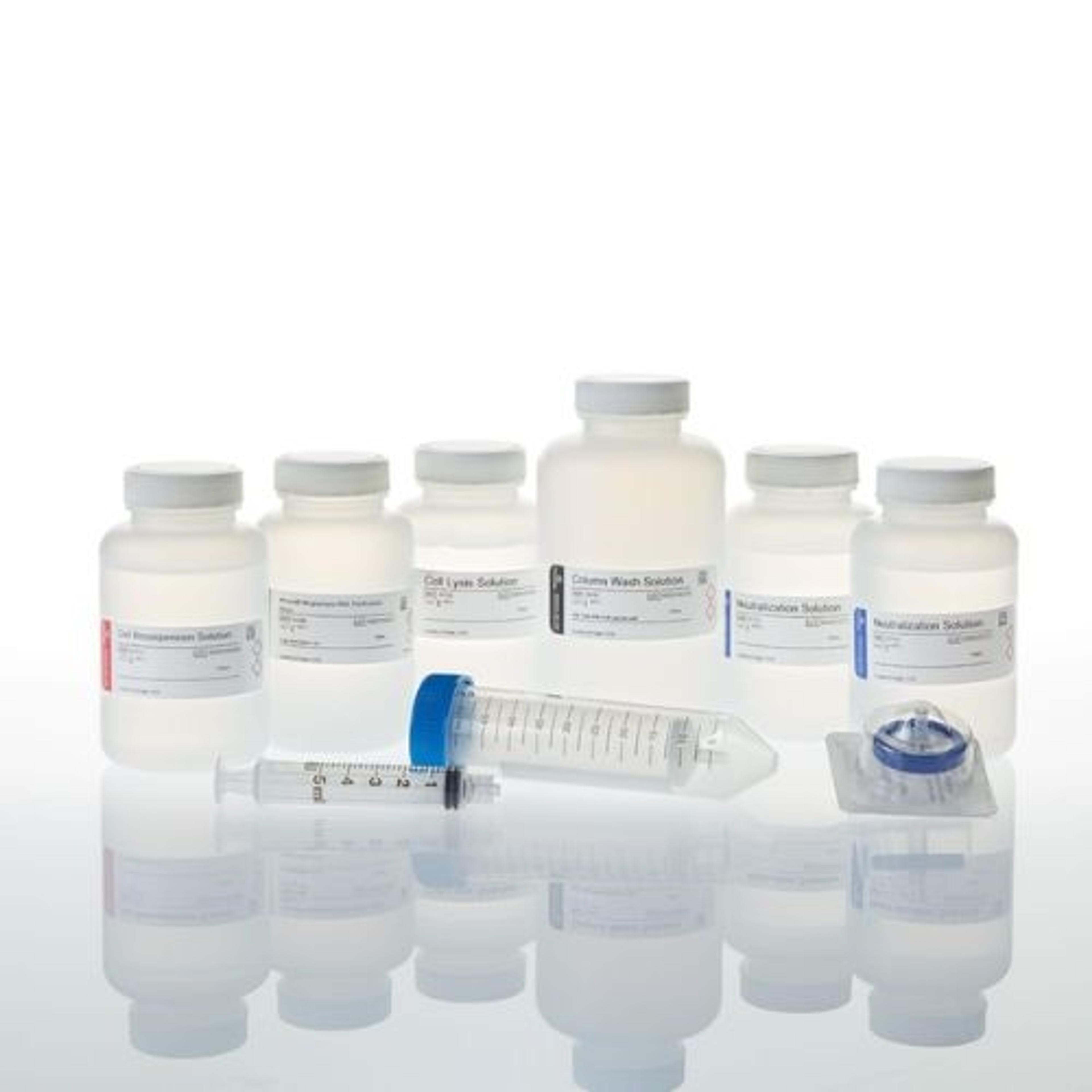
The PureYield™ Plasmid Midiprep System is designed to isolate transfection-quality plasmid DNA. The system provides a rapid method for purification of 100–200μg of plasmid DNA from 50ml bacteria culture. Plasmid DNA can be purified in as little as 30 minutes with the vacuum protocol, greatly reducing the time spent on purification compared to silica resin or other membrane-column methods. An alternative protocol allows purification of over 400μg of high-copy-number plasmid from 250ml of E. coli culture. The PureYield™ Plasmid Midiprep System incorporates a unique Endotoxin Removal Wash designed to remove substantial amounts of protein, RNA and endotoxin contaminants from purified plasmid DNA. Removal of contaminants improves the robustness of sensitive applications such as eukaryotic transfection, in vitro transcription and coupled in vitro transcription/translation (e.g., TnT® Quick Coupled Transcription/Translation System). Purification is achieved without isopropanol precipitation of purified plasmid DNA or extensive centrifugation, providing rapid purification from a single method. The system has been designed for use with centrifugation or vacuum (e.g., the Vac-Man® Laboratory Vacuum Manifold). PureYield™ Plasmid Midiprep System Features & Benefits: Improved Productivity - Vacuum protocol allows plasmid DNA purification in as little as 30 minutes. Confidence in Results - High purity and concentration of plasmid DNA gives proven performance in transfection, in vitro expression and other molecular biology applications. Ease of Use - Simple protocol eliminates tedious high-speed centrifugation, gravity-drip columns, and post-elution alcohol precipitation. Flexibility - PureYield™ membrane column allows purification of large amounts of plasmid DNA, exceeding the capabilities of other midiprep systems.

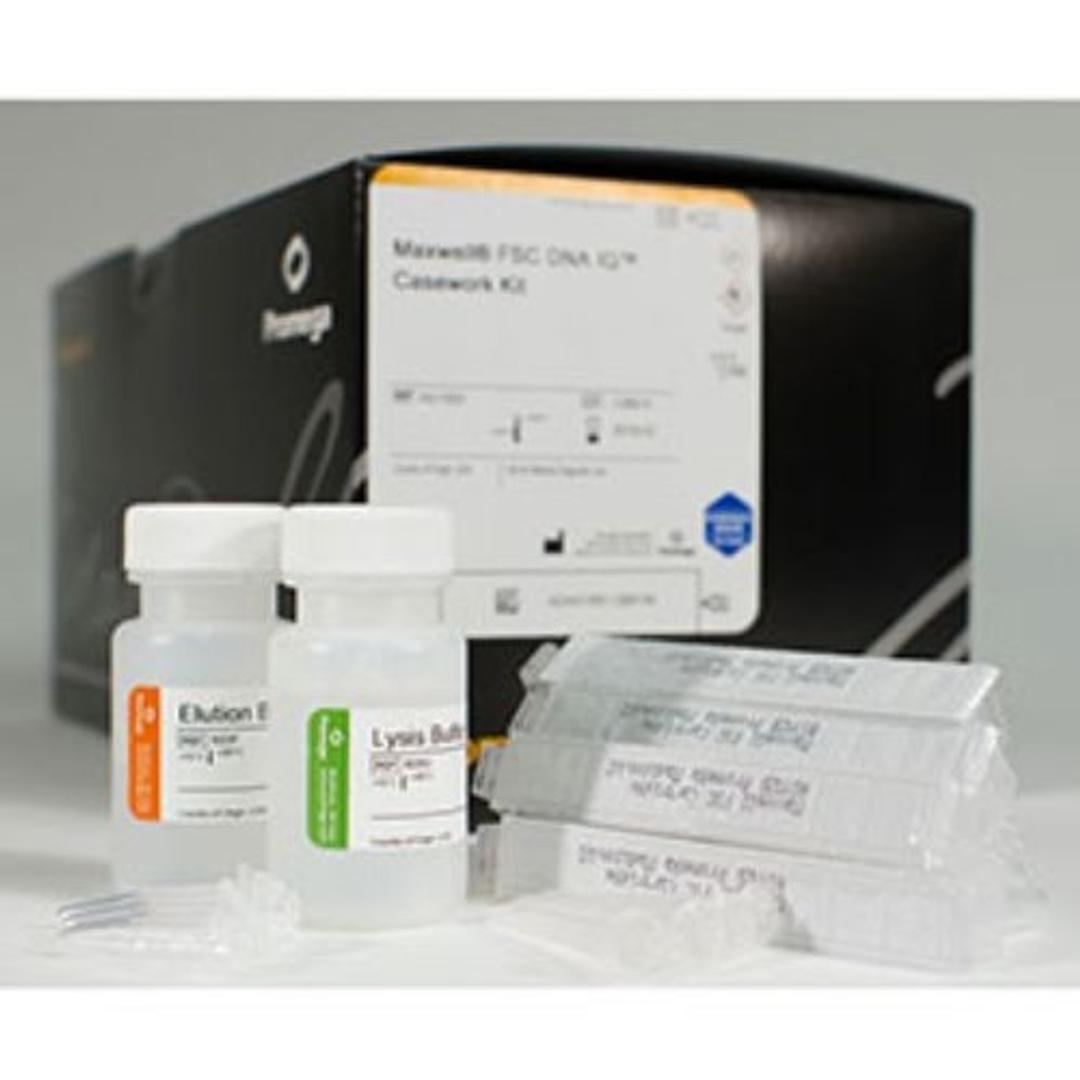
Wizard® Plus Megapreps DNA Purification System provides a simple and rapid method for large-scale purifications of plasmid DNA that eliminates the need for cesium chloride:ethidium bromide gradient centrifugation. Use of this system requires only a centrifuge, a vacuum source and a vacuum manifold. The system yields greater than one milligram of high-copy-number plasmid DNA (200–20,000bp) from a 1,000ml culture in less than three hours. Features: Fast: Rapid batch binding and column washing method used for DNA isolation Safe: Eliminates the need for cesium chloride:ethidium bromide gradient centrifugation and does not require organic extractions. Reliable: Yields plasmid DNA of comparable quantity and quality to cesium chloride:ethidium bromide gradient techniques that are much more time- and labor-intensive. Yield: Each megaprep produces >1mg of DNA from 1,000ml of bacterial culture when using a high-copy-number plasmid. Quality: DNA is suitable for restriction enzyme digestions, automated fluorescent DNA sequencing, transformation and subcloning.

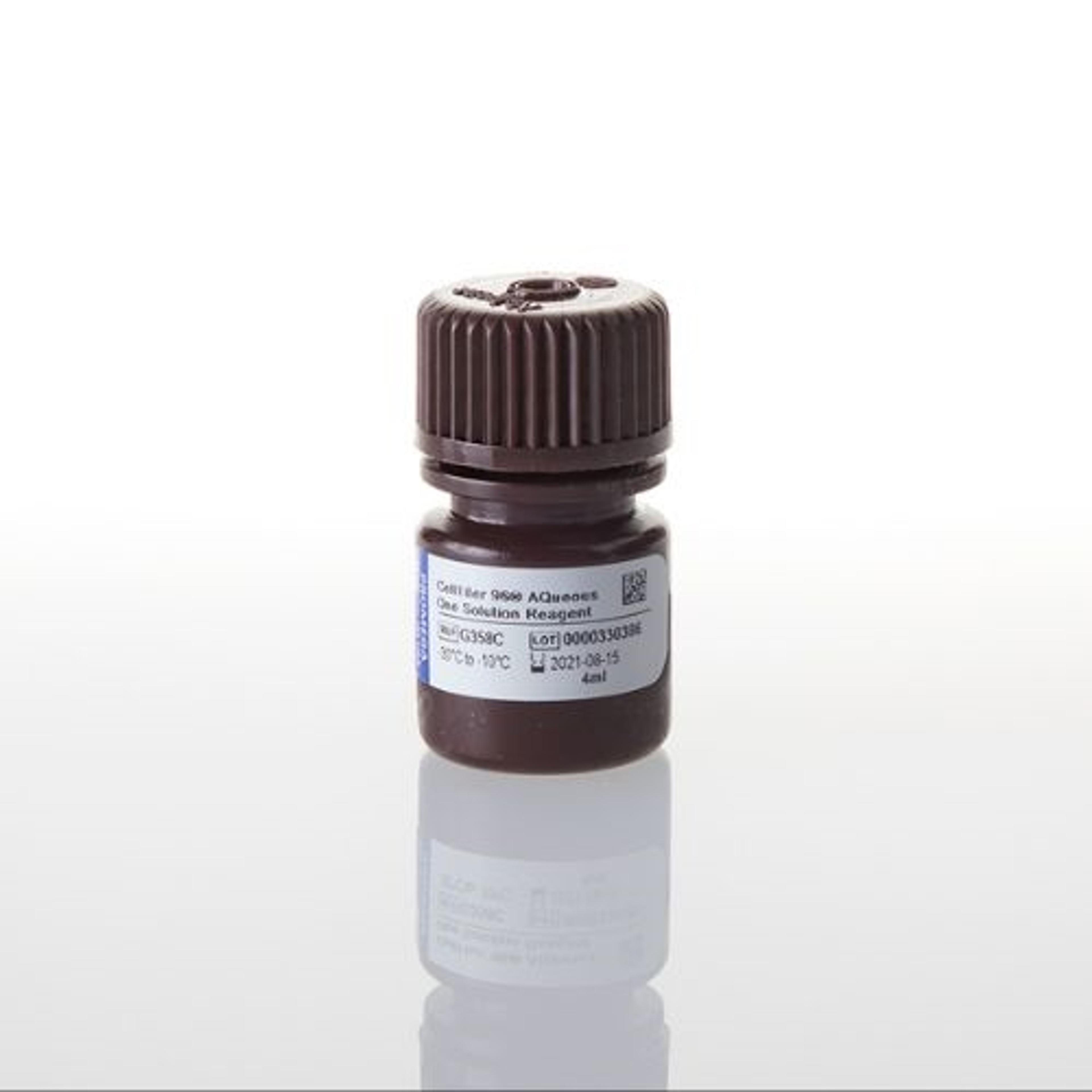
The CellTiter 96® AQueous One Solution Cell Proliferation Assay is a colorimetric method for determining the number of viable cells in proliferation, cytotoxicity or chemosensitivity assays. The CellTiter 96® AQueous One Solution Reagent contains a tetrazolium compound [3-(4,5-dimethylthiazol-2-yl)-5-(3-carboxymethoxyphenyl)-2-(4-sulfophenyl)-2H-tetrazolium, inner salt; MTS(a)] and an electron coupling reagent (phenazine ethosulfate; PES). PES has enhanced chemical stability, which allows it to be combined with MTS to form a stable solution. The CellTiter 96® AQueous Assay uses phenazine methosulfate (PMS) as the electron coupling reagent, and PMS Solution and MTS Solution are supplied separately. PES has enhanced chemical stability, which allows it to be combined with MTS to form a stable solution. Assays are performed by adding a small amount of the CellTiter 96® AQueous One Solution Reagent directly to culture wells, incubating for 1–4 hours and then recording absorbance at 490nm with a 96-well plate reader. The quantity of formazan product as measured by the amount of 490nm absorbance is directly proportional to the number of living cells in culture.

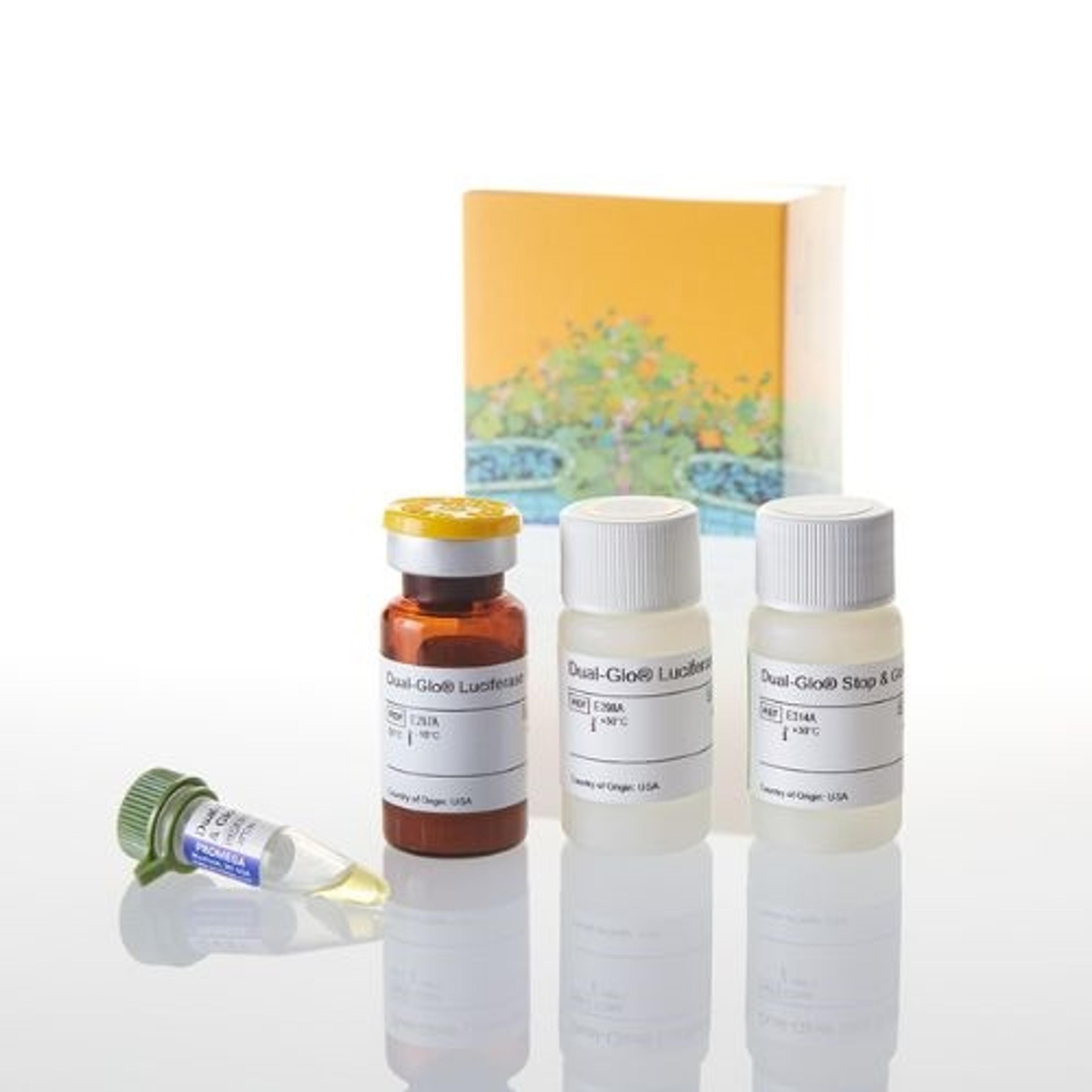
The Dual-Glo® Luciferase Assay System is a homogeneous reagent system that enables fast and simple quantitation of a stable luminescent signal from two reporter genes in a single sample. This convenient "add-and-read" system generates both firefly and Renilla luciferase luminescence signals from cells that have not been preconditioned or prelysed. With the Dual-Glo® System, internal controls can be established to minimize sample variability by reducing false positive and false negative readings caused by nonspecific factors such as cytotoxicity. In the Dual-Glo® Luciferase Assay, the activity of the primary reporter is correlated with the effect of specific stimuli, and the activity of the co-transfected control reporter provides an internal control to normalize results.

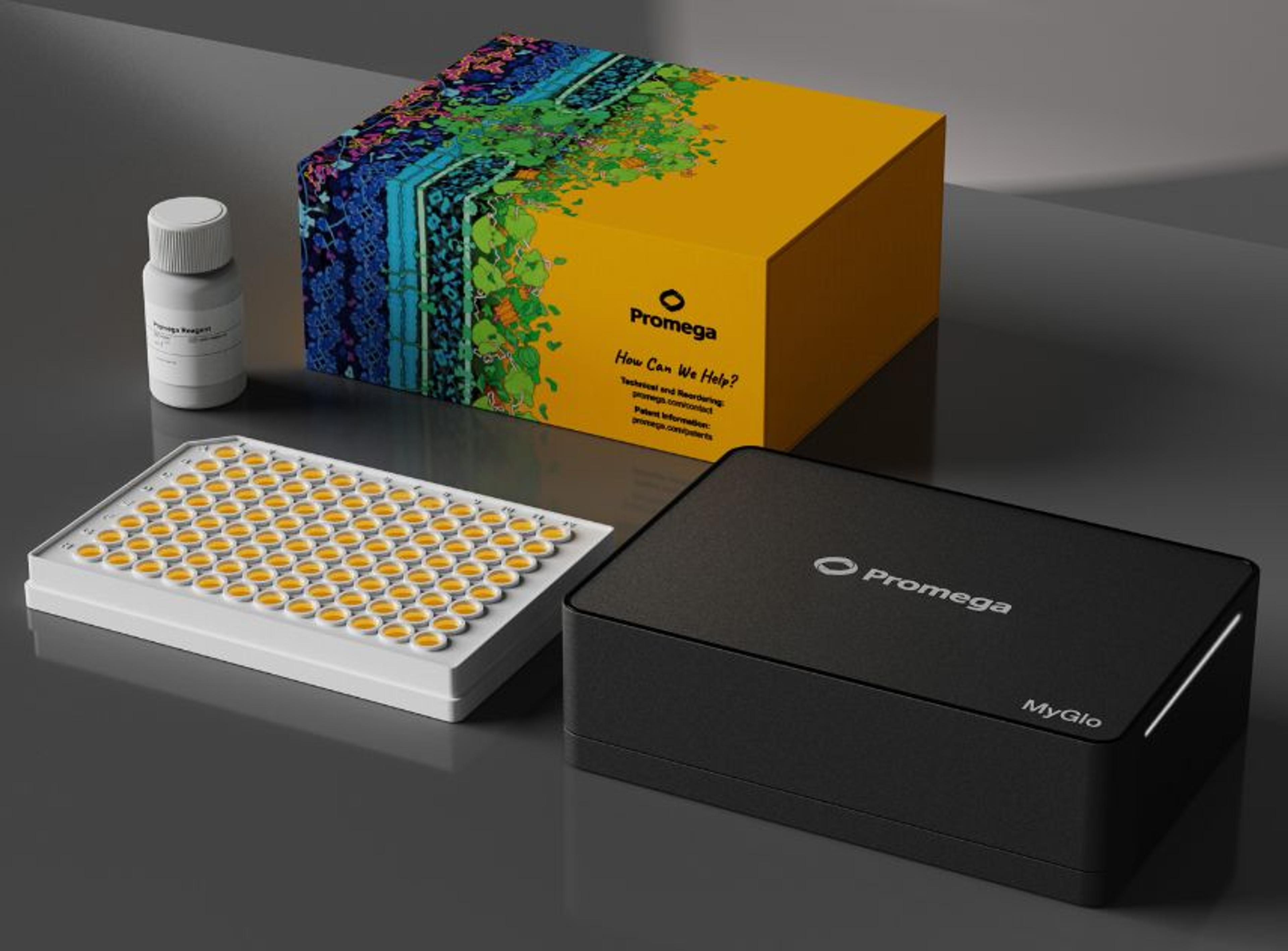
Use with ADP-Glo™ Assay for bioluminescent detection of kinase activity