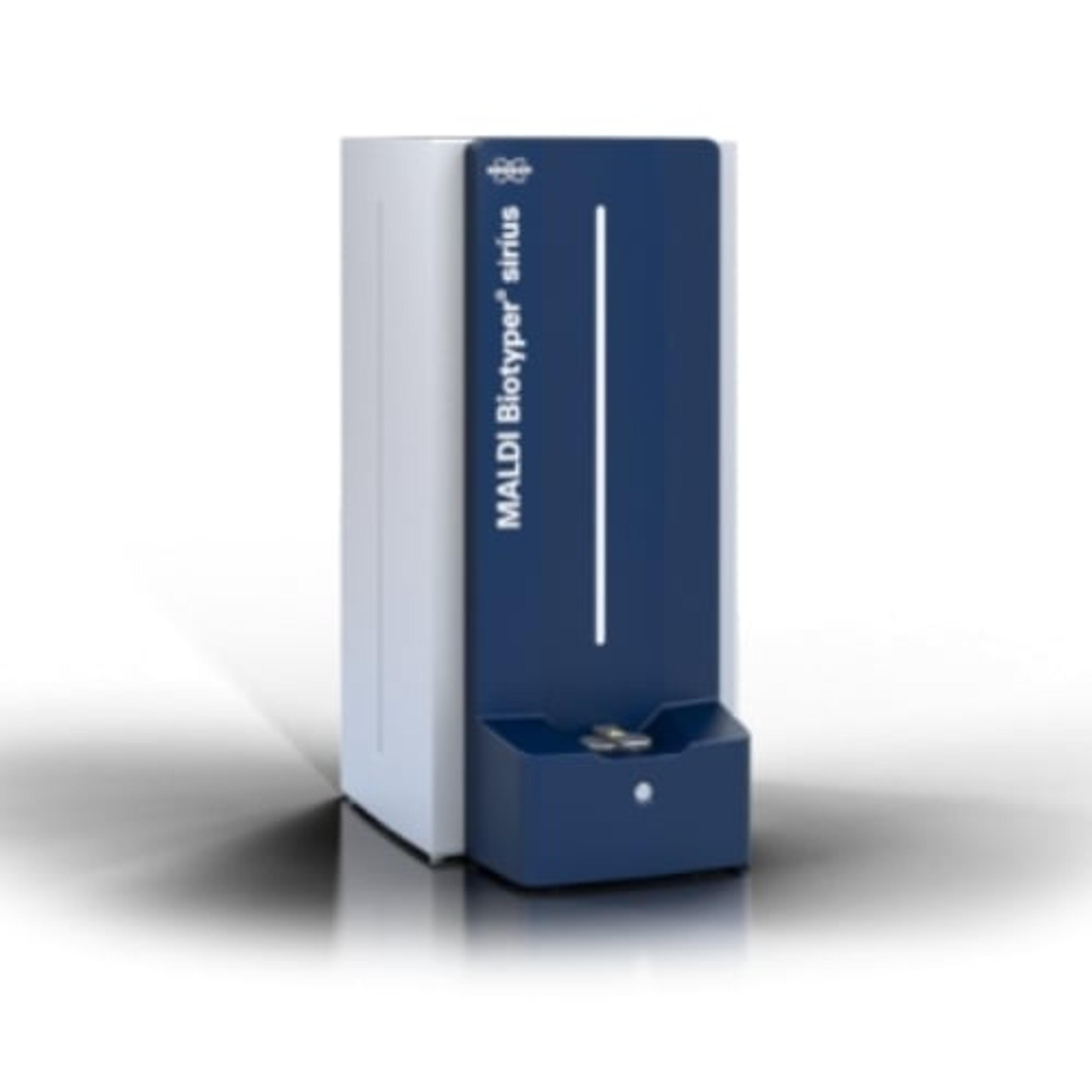
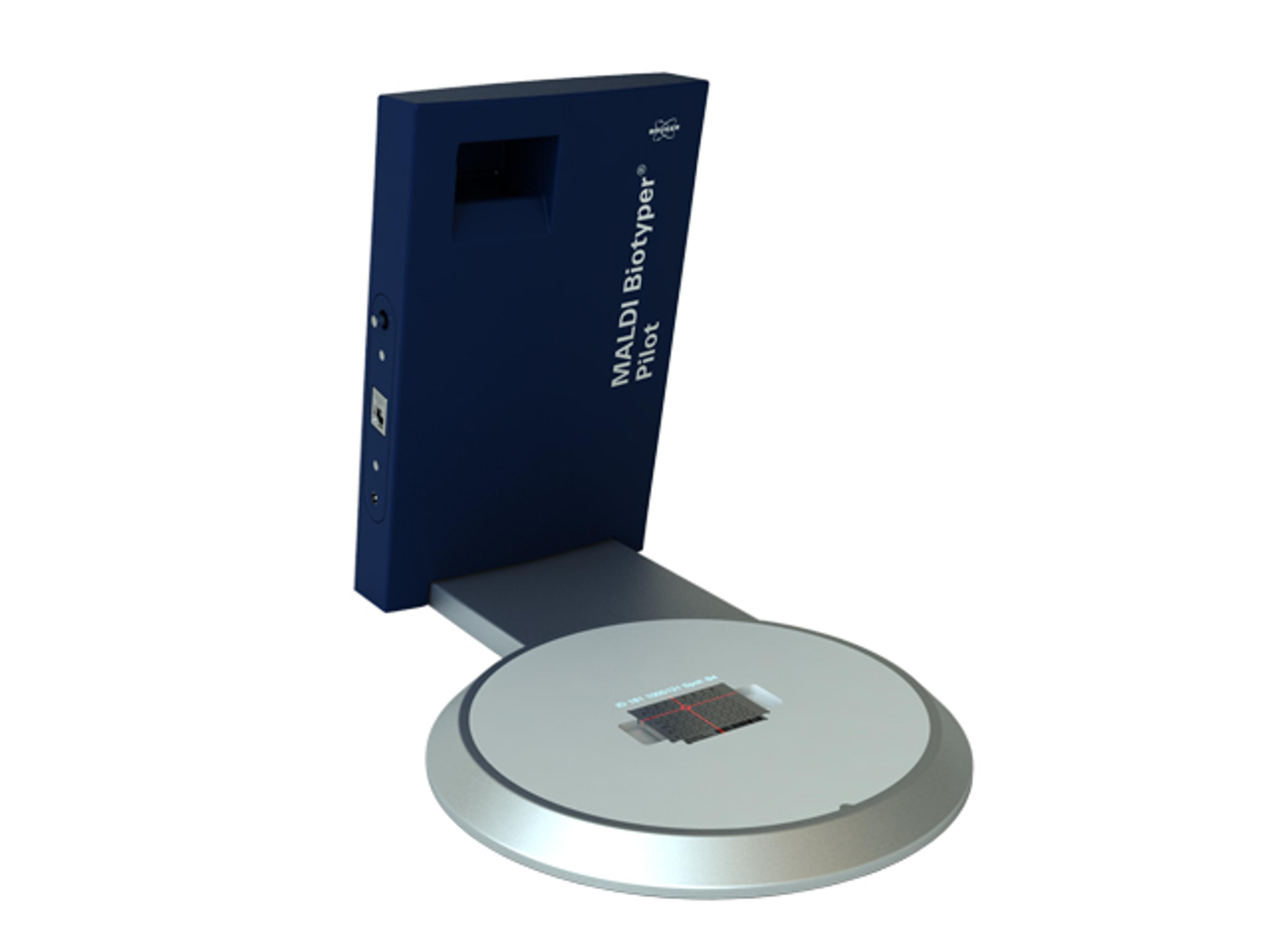
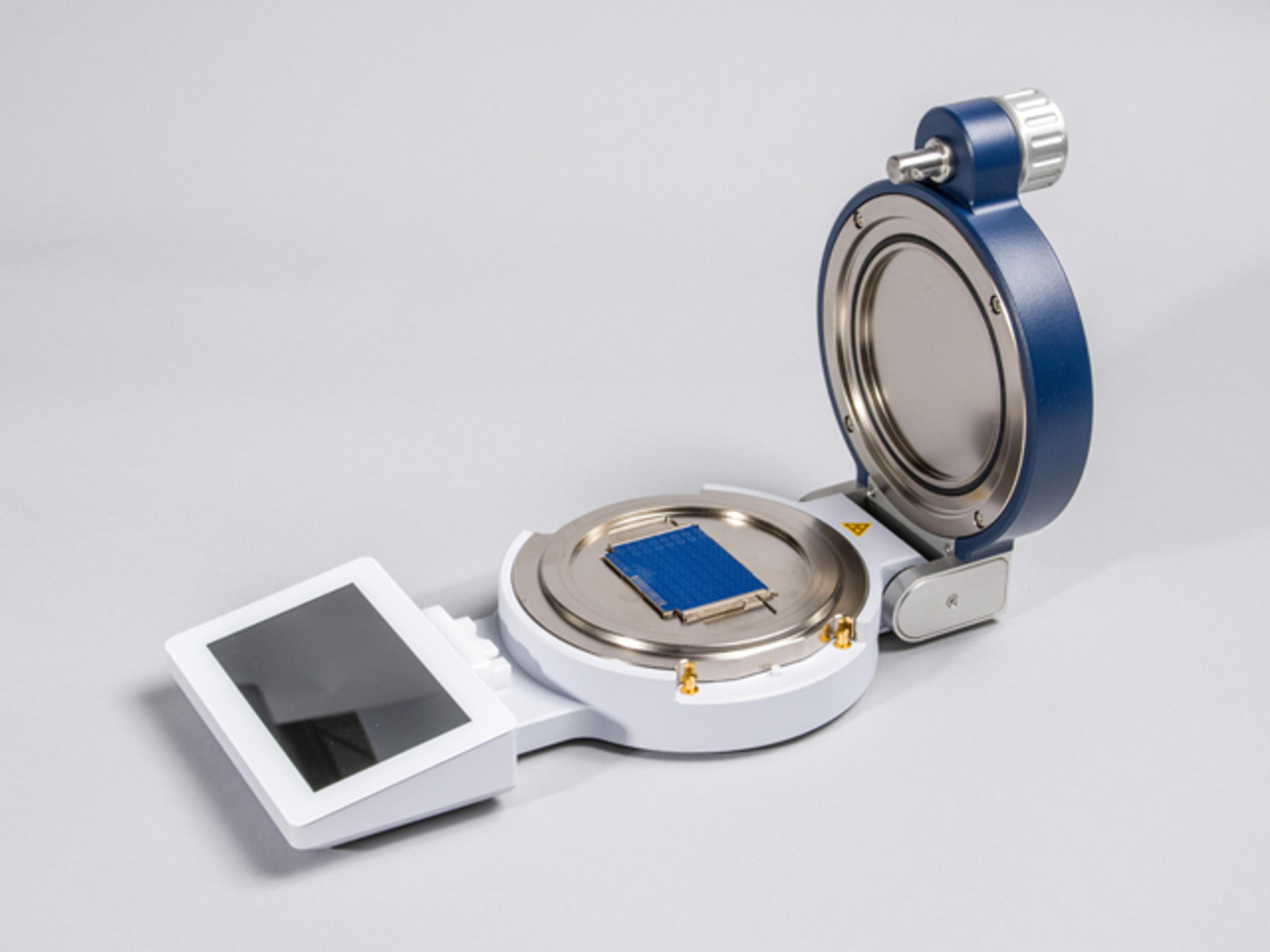
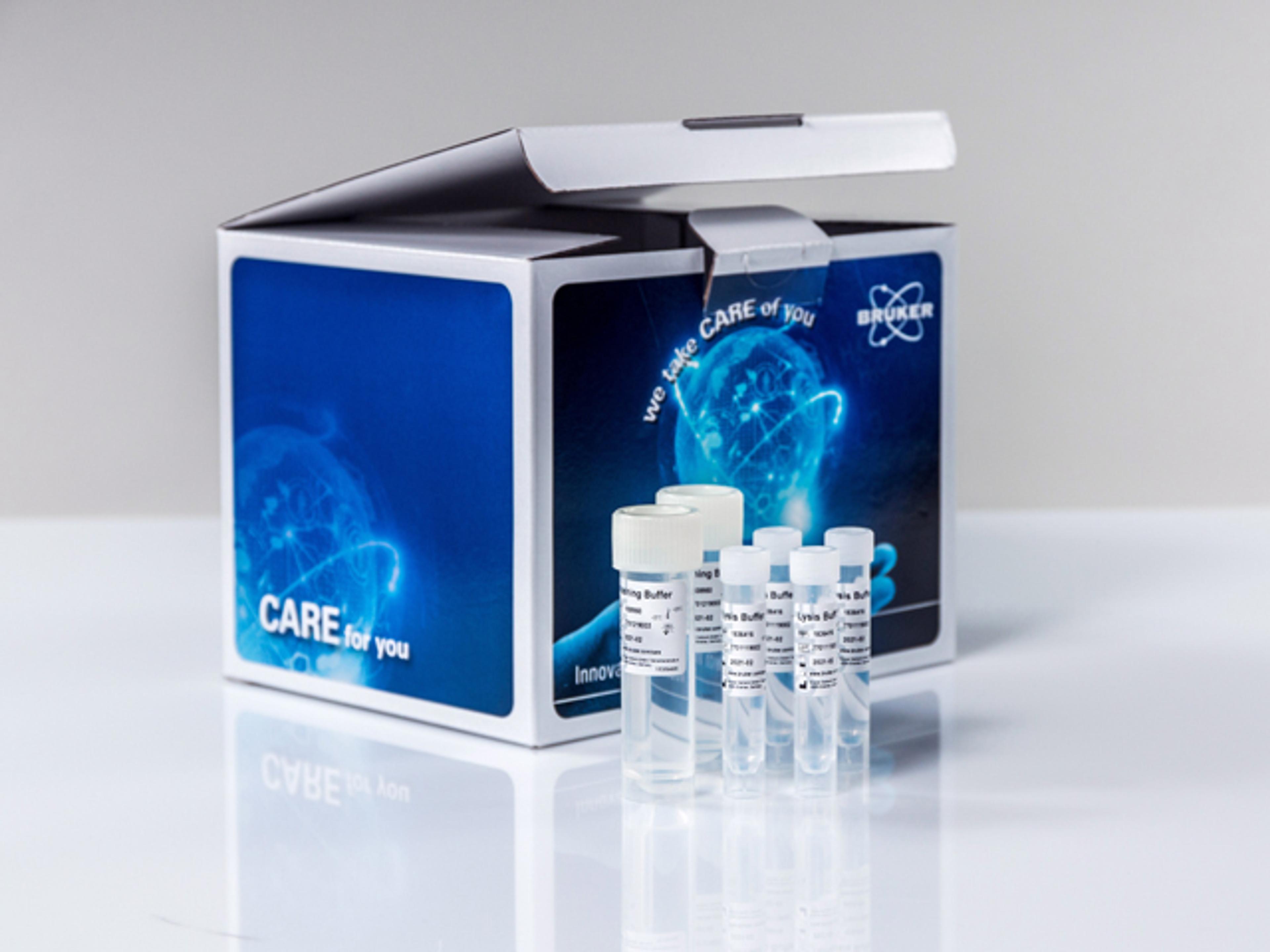
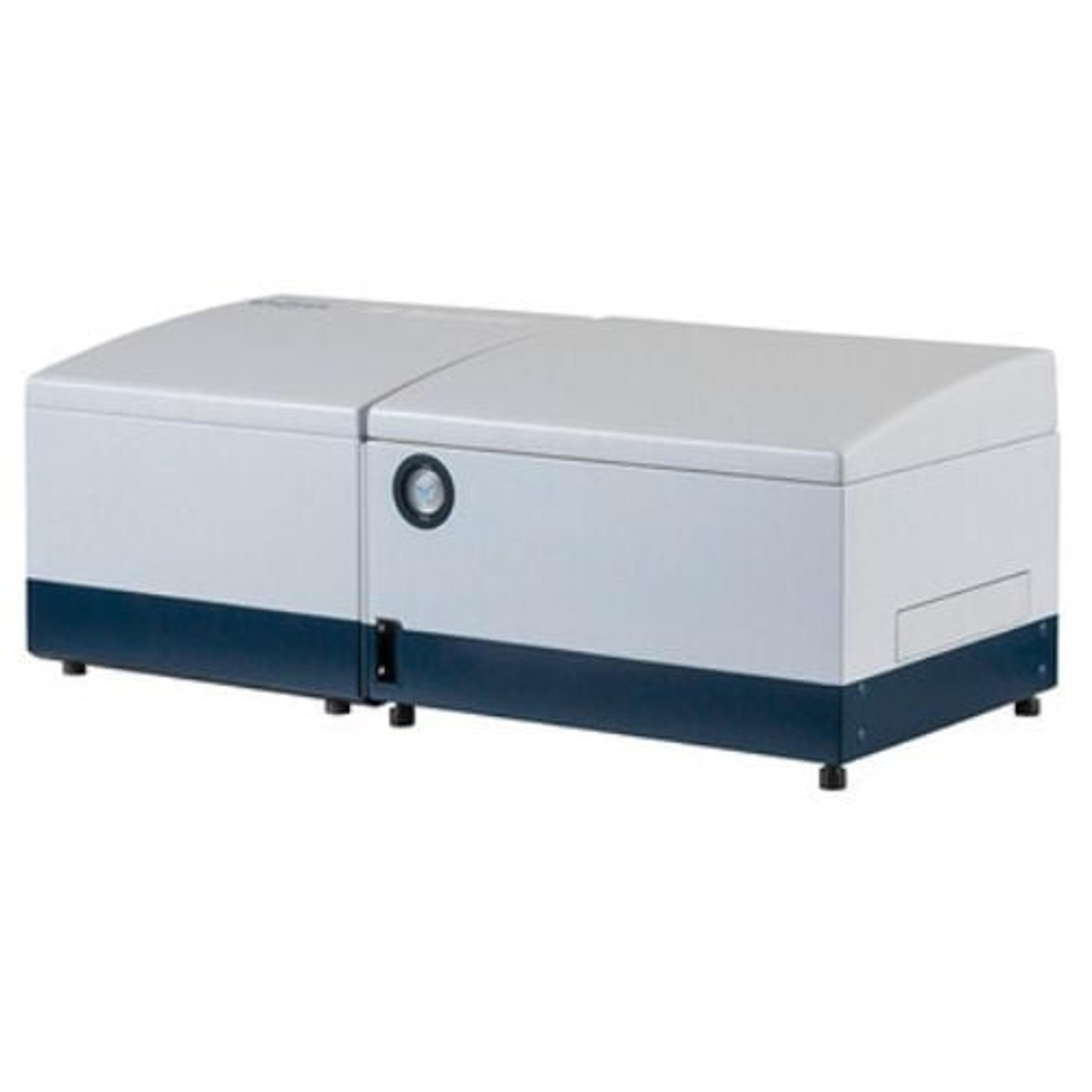
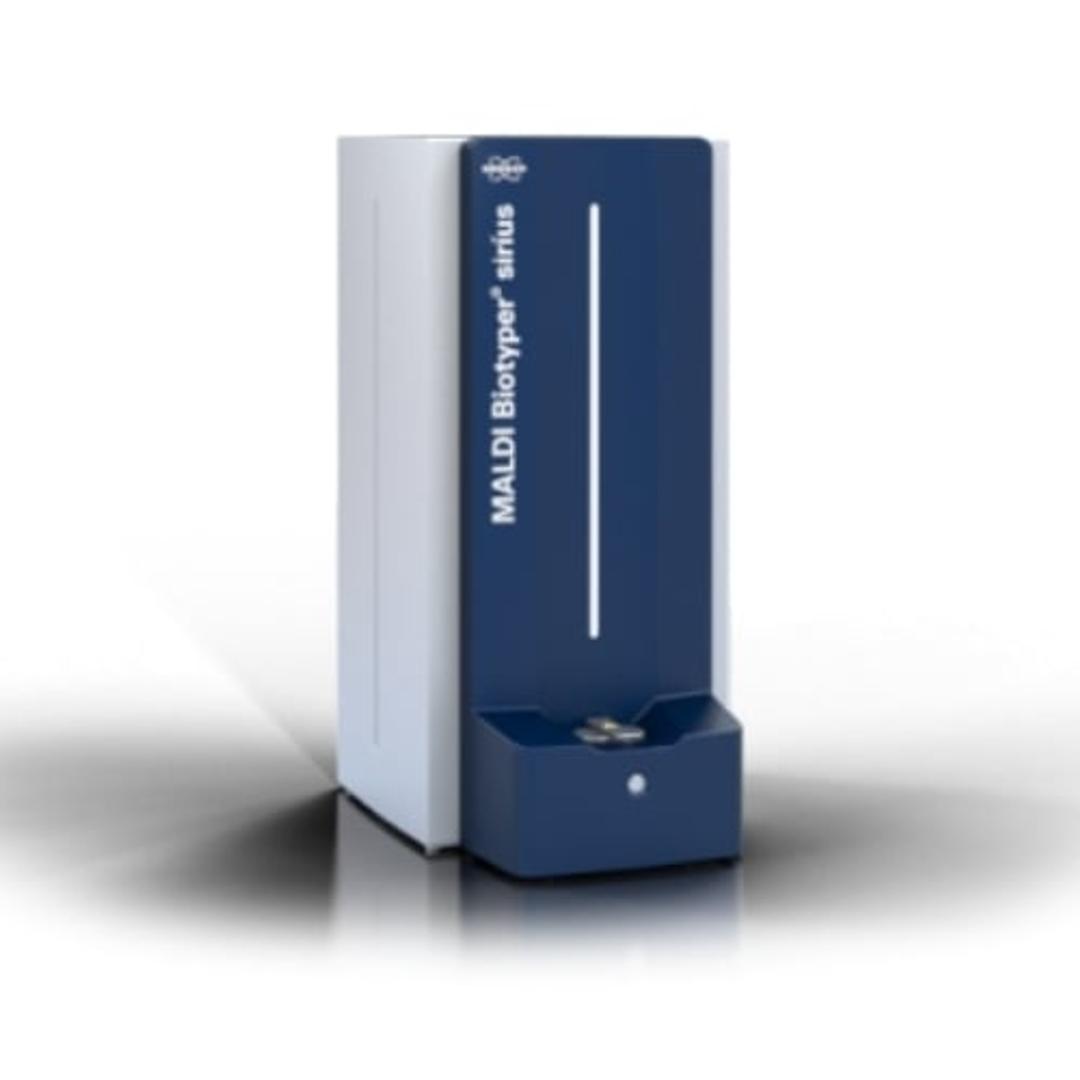
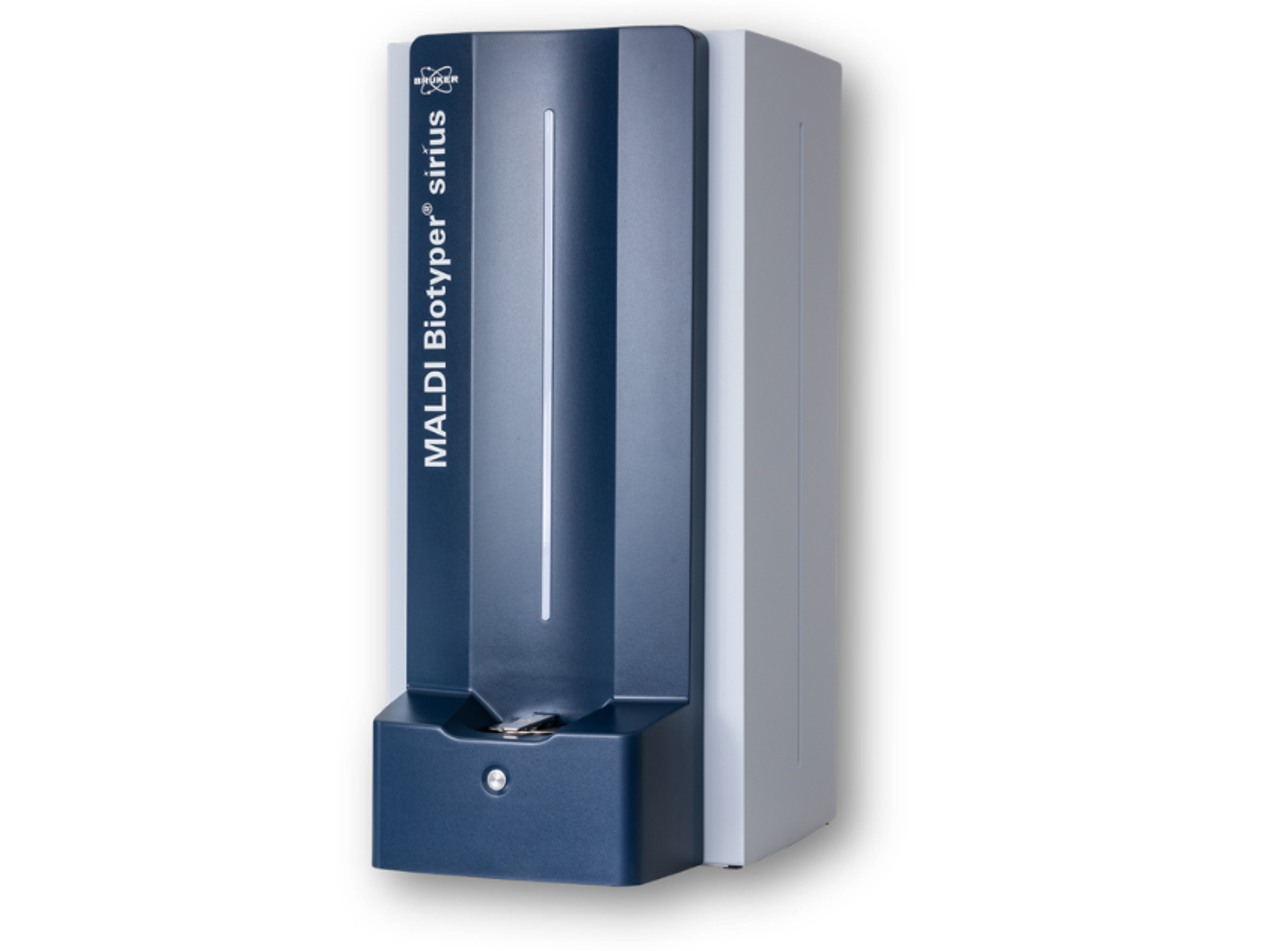
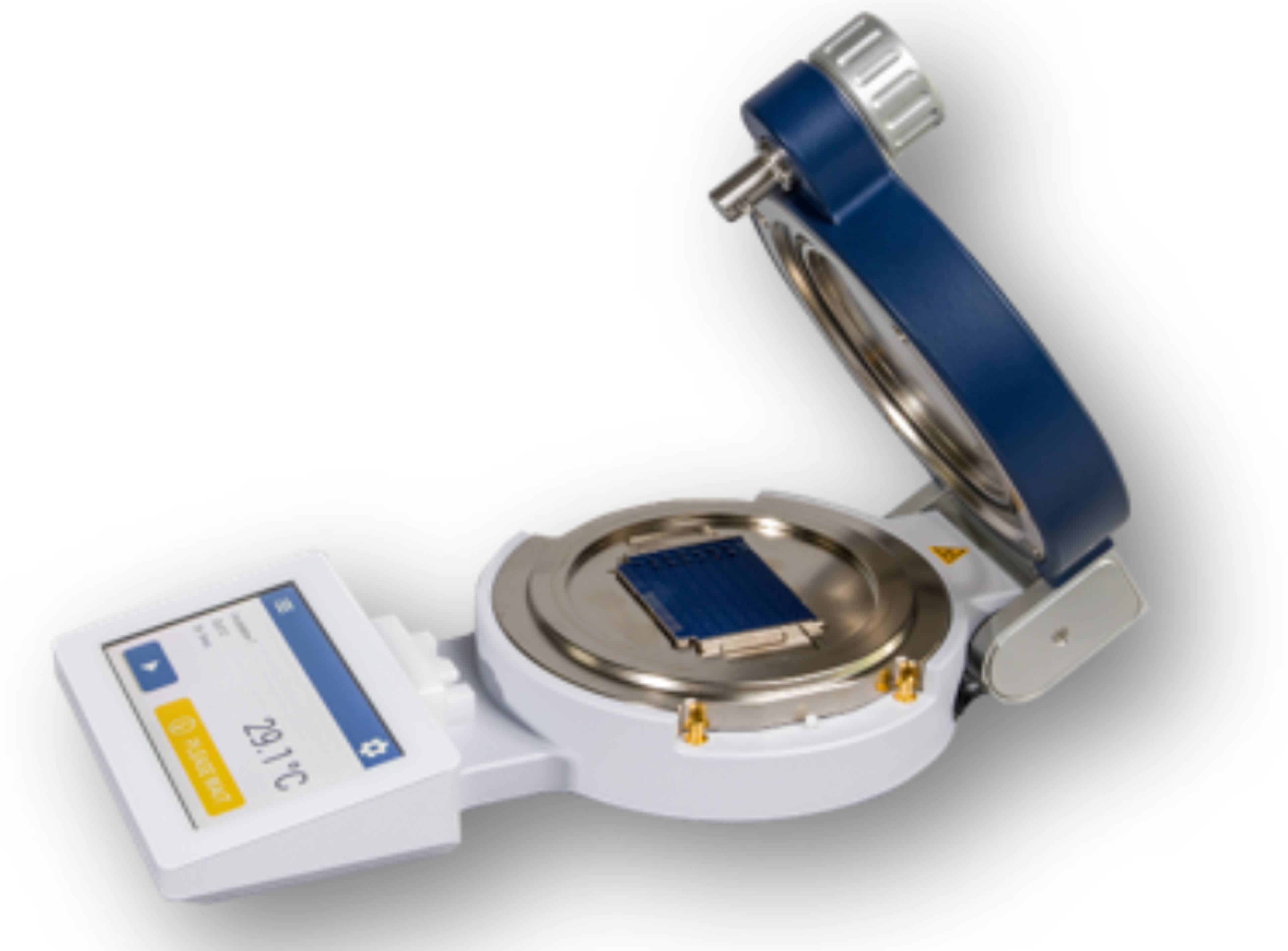
MALDI Biotyper® sirius System
The MALDI Biotyper® employs MALDI-TOF mass spectrometry for microbial identification, facilitating unbiased identification of microorganisms within a few minutes down to the species level, starting from culture. It boasts various features, such as ease of use, rapidity, robustness, high throughput, cost-effectiveness, and efficiency, making it a must-have for microbiology laboratories.



Receive your quote directly from the manufacturer.
Excellent customer care and easy-to-use platforms
Food Microbiology
As both a purchaser and an end user, I am able to offer a well-rounded perspective on my experience. Overall, it has been excellent. The customer care team has been particularly responsive and attentive, demonstrating a genuine willingness to understand our needs as a university and research center. I have also had the opportunity to work closely with Bruker technicians on the development of an in-house database for food-borne yeasts, as well as on the identification of both bacteria and yeasts derived from fermented foods. Their technical expertise, collaborative approach, and ongoing support have been invaluable throughout these projects.
Review Date: 9 Apr 2026 | Bruker Microbiology & Infection Diagnostics
Simply the best
Microbiology
Me & BFF 💫👩🏻🔬 Maldi-TOF is indeed your right hand in diagnostics, your best friend, and surely someone you can trust and rely on! Identification that is done counting minutes, long time ago seemed like -far-away future- but now with this in our laboratory, we are living the future – and the future is now! So grateful to have the opportunity to be part of this future.✨
Review Date: 21 Sept 2025 | Bruker Microbiology & Infection Diagnostics
Great tool !
Clinical microbiology
We have been using the Bruker Sirius One MALDI-TOF for clinical microbiology, and it highly meets our expectations. The system is very cost-effective, with an intuitive interface that makes daily workflow straightforward even for new users. Incidents or technical issues are rare, and in the few occasions where support was needed, Bruker’s customer follow-up was responsive and highly professional. Overall, it delivers reliable identification results, low running costs, and peace of mind in a busy clinical setting.
Review Date: 15 Sept 2025 | Bruker Microbiology & Infection Diagnostics
Time savings and performance
Identification of pathogenic strains in the veterinary field, confirmation of the presence of pathogens in food products
Using sirius 1 equipment provides us with results of a level of reliability that we cannot achieve by other means. This saves us valuable time in delivering results and helps us achieve our goals of total customer satisfaction.
Review Date: 2 Sept 2025 | Bruker Microbiology & Infection Diagnostics
Easy utilisation
Environment
Easy to use and to understand. Rapid of utilisation with a simple interface.
Review Date: 1 Sept 2025 | Bruker Microbiology & Infection Diagnostics
Reliable, high-performing machine with rare downtime
Microbiology
The MBT Sirius and MBT Sirius One are highly reliable and efficient instruments, delivering strong performance with minimal interruptions. Designed for durability and accuracy, they operate smoothly even under intensive use, performing over 300 identifications per day with rapid results. Breakdowns are rare, maximizing uptime and reducing maintenance, making them valuable assets in demanding laboratory settings.
Review Date: 28 Aug 2025 | Bruker Microbiology & Infection Diagnostics
Pretty Good!
Clinical laboratory
The equipment is useful and support us reliable achievements. However, the annual maintenance is expensive.
Review Date: 29 Jul 2025 | Bruker Microbiology & Infection Diagnostics
The MALDI Biotyper Sirius System is a fast, reliable, and user-friendly instrument that enables timely and accurate microbial identification
Clinical Microbiology
As both a purchaser and daily user of the MALDI Biotyper Sirius System, I can confidently say it has been a game-changer in our lab. The instrument is incredibly fast, and when paired with the outstanding customer service, we’re able to deliver accurate and timely reports to the patients we serve. What truly sets it apart is its ease of use—minimal training is required, and there’s no need for elaborate daily or weekly maintenance. For any laboratory that performs microbial identification, this system is a must-have. It identifies virtually any organism in less than 10 minutes.
Review Date: 18 Jul 2025 | Bruker Microbiology & Infection Diagnostics
Being easy to use, rapid, robust, cost-effective and efficient, while offering high-throughput capabilities, the MALDI Biotyper® is an ideal match for any microbiology laboratory. It determines the unique proteo-mic fingerprint of a microorganism and matches characteristic patterns with an extensive reference library to determine the organism´s identity. Continuous expansion of the reference library ensures that a broad range of microorganisms can be identified easily and reliably.
As a pioneer in MALDI-TOF technology, Bruker is committed to crafting resilient, compact, and high-performance platforms tailored for widespread and daily application in microbiology laboratories.
The MALDI Biotyper stands out as a modular system, allowing customization based on specific laboratory requirements. Ongoing hardware advancements have culminated in the development of Bruker's 4th generation benchtop MALDI Biotyper system, now also offering the capability of analysis in negative ion mode, broadening research applications, such as lipid profiling.
The broad range of microorganisms covered, together with its flexibility make the MBT an ideal solution not just for clinical laboratories, but also laboratories working in an industrial environment, such as phar-ma, food or veterinary labs. Customers looking for identification beyond the species level using the IR Biotyper®, can benefit from a seamless integration of these two instruments.
- Faster than ever, enabling analysis of up to 600 samples/hour
- Zero-button IDealTune feature securing optimal performance without extra cost or effort
- A mighty mold solution for identification of hundreds of filamentous fungi species/species groups
- Accuracy comparable to Nucleic Acid Sequencing
- Much faster than traditional methods
Brochures
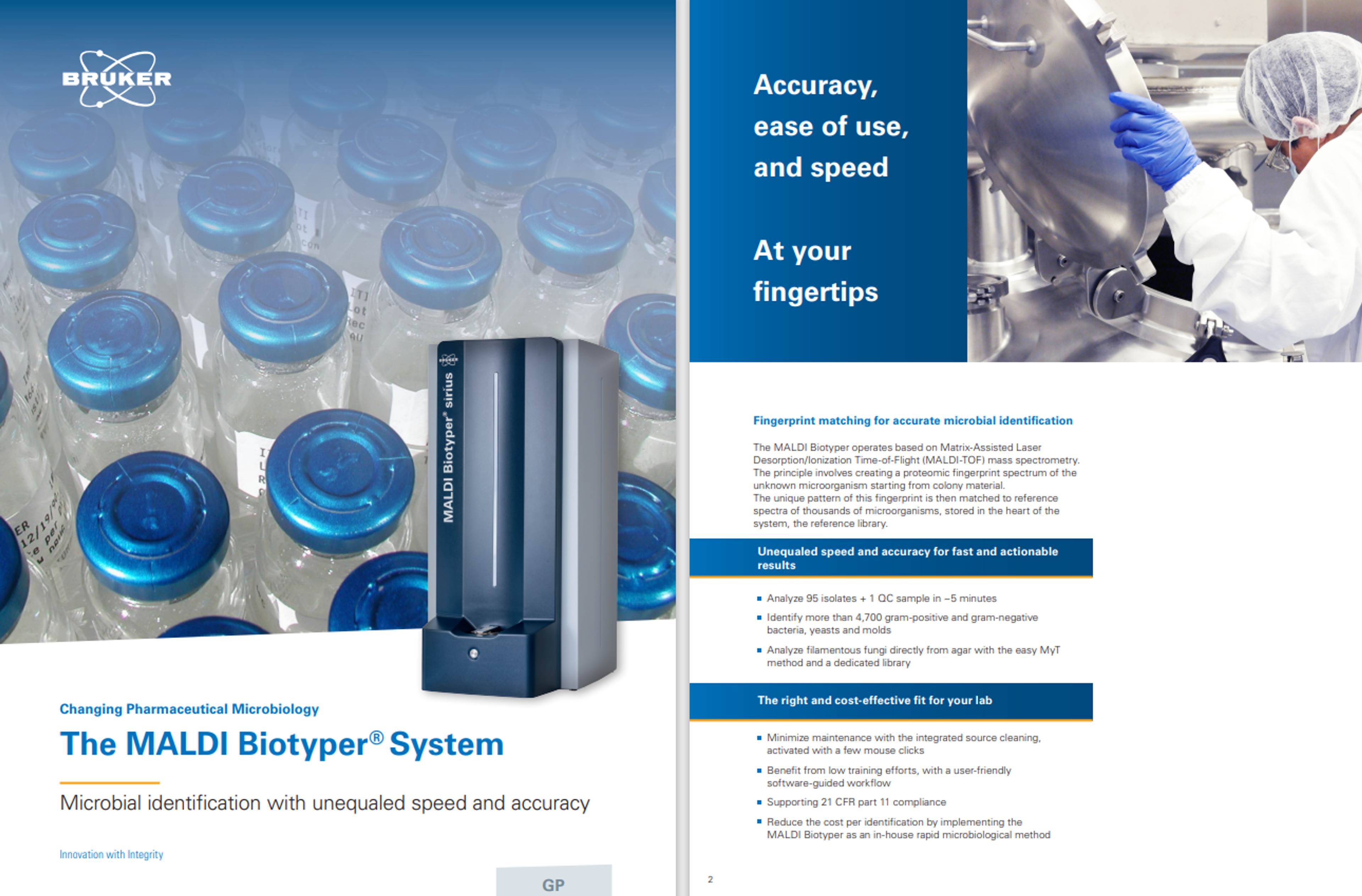
The MALDI Biotyper System: Microbial identification with unequaled speed and accuracy
The Bruker MALDI Biotyper® GP System offers fast and accurate microbial identification for pharmaceutical microbiology. Leveraging MALDI-TOF mass spectrometry and an extensive reference library, this innovative platform enhances laboratory productivity through automation, user-friendly software, and 21 CFR Part 11 compliance.
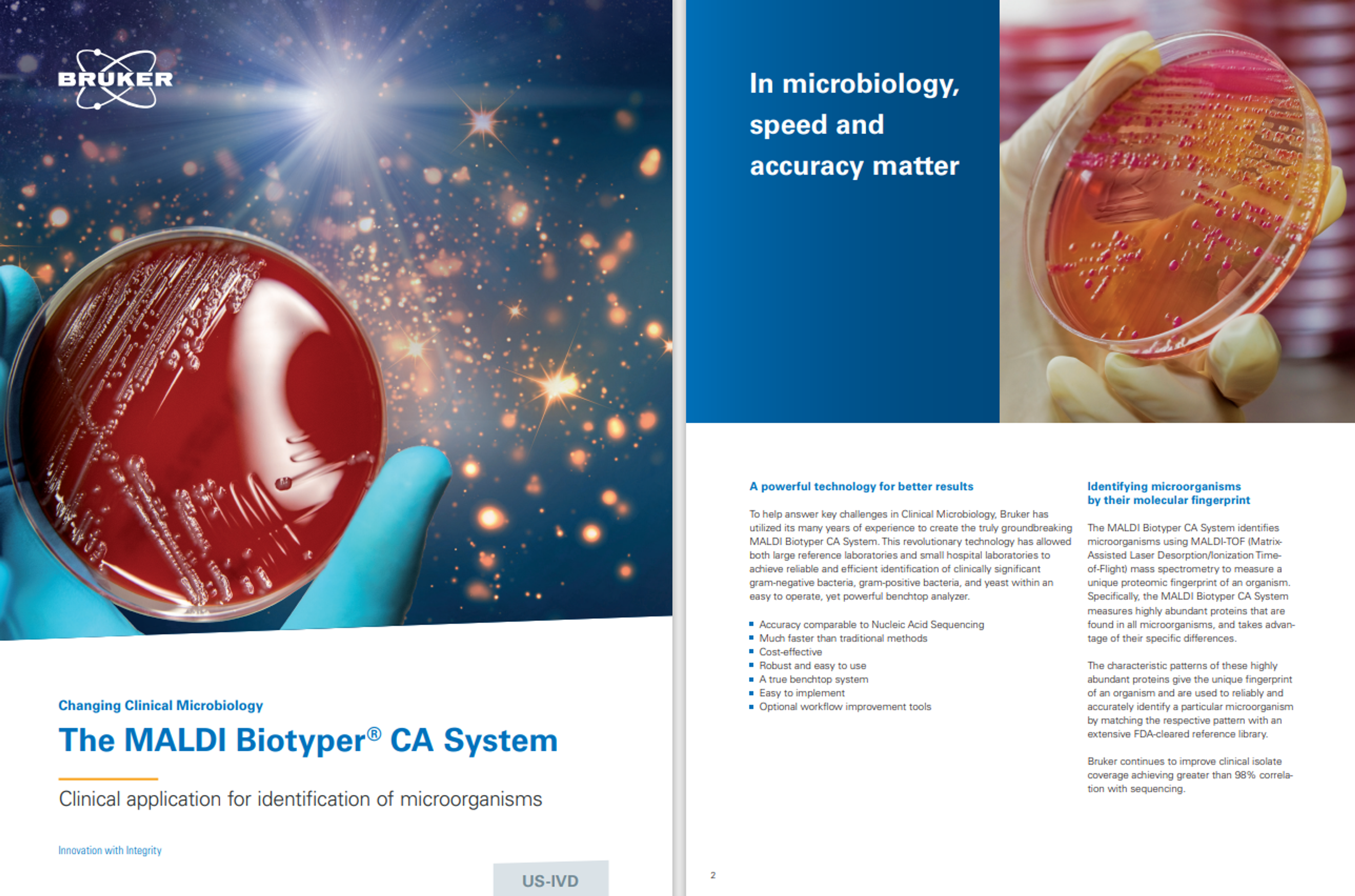
The MALDI Biotyper CA System: Clinical application for identification of microorganisms
Bruker's MALDI Biotyper CA System is a cutting-edge benchtop solution for rapid, reliable identification of gram-negative and gram-positive bacteria and yeast. With accuracy comparable to nucleic acid sequencing and faster results than traditional methods, this cost-effective system enhances workflow efficiency in both small hospitals and large reference labs.

Your laboratory's pathway to accurate antibiotic prescription
Antibiotic resistance is one of the greatest threats to global public health—projected to cause 10 million deaths annually by 2050. The ability to prescribe the right antibiotic at the right time has never been more critical.
In this brochure, find out how Beckman Coulter’s DxM Trio delivers the precision and speed your clinical laboratory needs to support effective antibiotic stewardship.
Key takeaways
- Real-time detection
Detect emerging resistance confidently with MicroScan® panels—ensuring accurate and timely results. - Rapid organism ID
Identify pathogens in minutes using Bruker’s MALDI Biotyper® sirius System—the most comprehensive organism library on the market. - Direct ID from positive blood cultures
Save time and improve outcomes with Bruker’s MBT Sepsityper® for faster turnaround. - Workflow efficiency
Intuitive interface and visual cues on the DxM MicroScan WalkAway system help streamline lab operations.
With antibiotic development slowing and resistance accelerating, your laboratory plays a pivotal role. Download the brochure to learn how to empower your team to identify threats early, guide appropriate therapy, and optimize care—safely, efficiently, and reliably.
The MALDI Biotyper system
In this product brochure, Bruker introduces the MALDI Biotyper System® (MBT) designed to address key challenges in clinical microbiology. This innovative technology enables clinical laboratories worldwide to achieve reliable, fast, and efficient identification of a wide range of microorganisms. The MALDI Biotyper System utilizes MALDI-TOF mass spectrometry to determine the unique proteomic fingerprint of each organism by measuring highly abundant proteins, exploiting their specific differences for accurate identification.
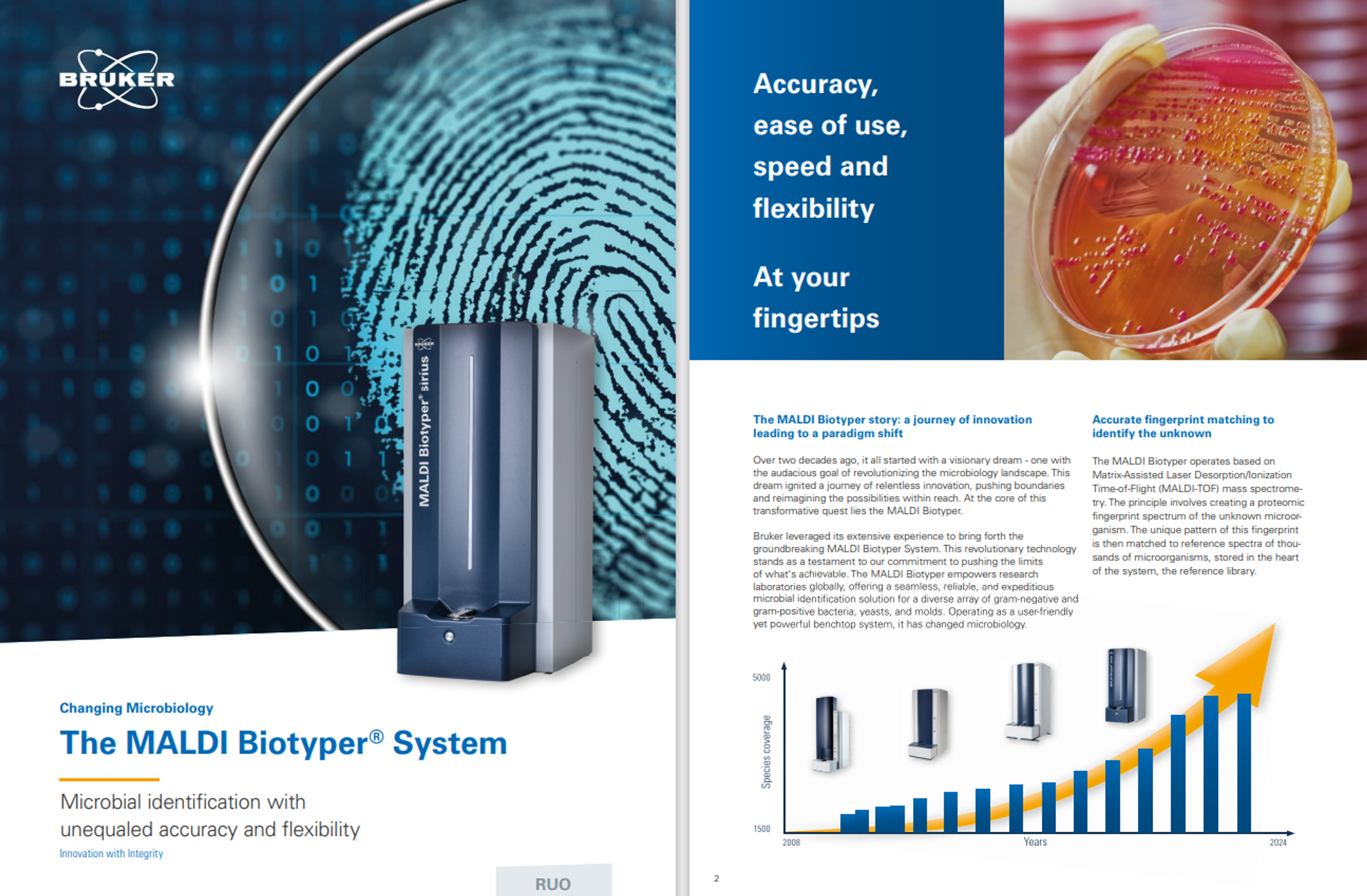
The MALDI Biotyper System: Microbial identification with unequaled accuracy and flexibility
The Bruker MALDI Biotyper System is a cutting-edge benchtop solution for rapid and reliable microbial identification. Designed for ease of use, it delivers accurate results for gram-negative and gram-positive bacteria, yeasts, and molds.
Changing food microbiology: MALDI Biotyper
In this application note, Bruker presents the MALDI Biotyper® as a reliable and rapid test method for various applications in microbiological laboratories. The system is versatile, capable of analyzing environmental samples, monitoring food quality and safety, and identifying pathogens in both plant and animal samples. Additionally, it is valuable for research projects focusing on microbiomes, probiotics, beverages, and new food products. The MALDI Biotyper provides quick identification of bacteria, yeast, and molds in minutes, directly from colony material, offering convenience and efficiency by measuring all types of microorganisms in parallel within a single run.
MALDI Biotyper: MBT Biotarget 96 IVD
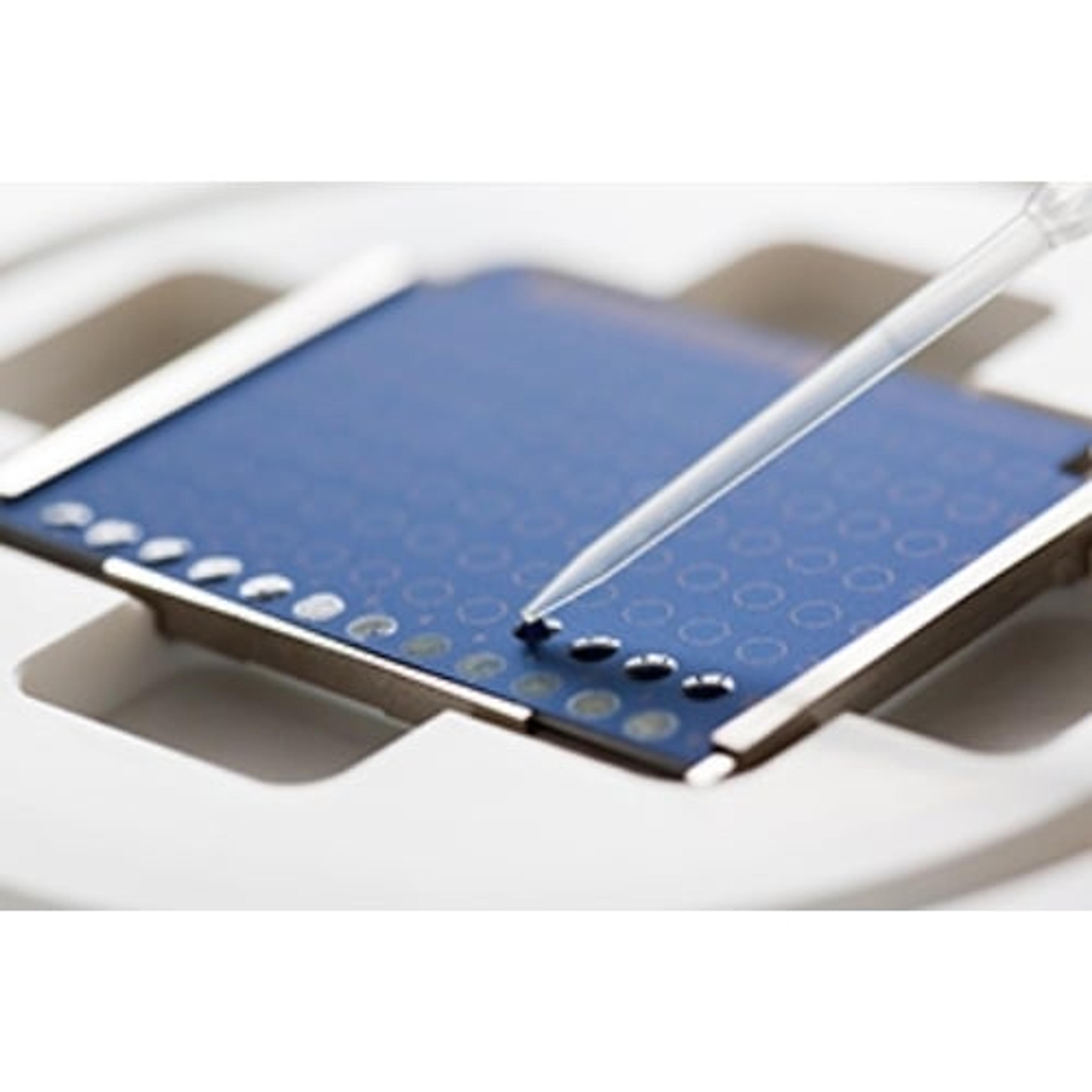
In this application note, Bruker introduces the MALDI Biotyper® MBT Biotarget 96 IVD, emphasizing its cost-effectiveness and convenience. The innovative system features disposable MALDI target plates with 96 sample positions, each marked with a unique barcode for traceability. The perfectly flat surface ensures reliable and reproducible results, with high flexibility in sample run sizes and no wasted spots. The AnchorChip™ effect facilitates preparation, making it an essential component of the IVD workflow for identifying filamentous fungi.
MALDI Biotyper: MBT Biotarget 96
In this application note, Bruker introduces the MALDI Biotyper® MBT Biotarget 96, emphasizing its cost-effectiveness and convenience. The innovative system features disposable MALDI target plates with 96 sample positions, each marked with a unique barcode for traceability. The perfectly flat surface ensures reliable and reproducible results, with high flexibility in sample run sizes and no wasted spots. The AnchorChip™ effect facilitates preparation, making it an essential part of the workflow for identifying filamentous fungi.
Changing pharmaceutical microbiology: MALDI Biotyper
In this product brochure, Bruker introduces the MALDI Biotyper®, a microbial identification system based on MALDI-TOF mass spectrometry, allowing unbiased identification of microorganisms within a few minutes down to the species level. The system identifies microorganisms based on their molecular fingerprint, utilizing MALDI-TOF mass spectrometry to determine each organism's unique fingerprint from colony material. This characteristic spectrum pattern enables reliable and accurate identification by matching against thousands of reference spectra from microorganism strains.
MALDI-TOF MS for species identification in single laboratories or laboratory networks
In this application note, Bruker discusses the central role of MALDI-TOF MS in food microbiology and veterinary diagnostics. The note also outlines guidelines for method validations, emphasizing three categories: non-directed identification checks, targeted identification validations, and confirmatory method validations, each tailored to different identification goals.
Streamlining MALDI workflows in the microbiology lab
In this application note, Bruker highlights the benefits of disposable target plates for cost-effective and convenient microorganism identification workflows. Matrix-assisted laser desorption/ionization time-of-flight mass spectrometry (MALDI-TOF MS) is praised for its ability to overcome the limitations of classical biochemical methods, offering rapid and specific results. MALDI-TOF MS utilizes proteomic fingerprinting to identify bacteria, yeast, and fungi species. The technique's speed, accuracy, and simplicity in sample preparation make it ideal for routine and high-throughput microbial identification. MALDI-TOF MS target plates, typically made of metal, plastic, or ceramic, hold samples for analysis, with disposable plates offering the advantage of immediate use without the need for cleaning and checking between runs.
From materials to microorganisms: The emergence of MALDI-TOF as a tool for clinical diagnostics
In this whitepaper, Bruker reflects on the history of MALDI-TOF, tracing its origins to Bruker's early contributions in developing the first commercial MALDI-TOF system. It examines the expanding applications of MALDI-TOF, from materials and pharmaceuticals to biomolecular analysis, driven by advancements in instrumentation, software, and mass-spectral reference libraries. The paper also discusses the ongoing evolution of MALDI Biotyper® applications, emphasizing its role in enhancing patient care through rapid, simple, and cost-effective microorganism identification in hospital settings.
Faster identification method for pharmaceutical microbiology with the MALDI Biotyper
In this application note, Bruker emphasizes the significance of microbial contamination in pharmaceutical manufacturing and the importance of detecting and preventing it through robust environmental monitoring. The note highlights MALDI-TOF MS as the standard for microbial identification, with Bruker's MALDI Biotyper® (MBT) system offering rapid and reliable identification down to the species level. With nearly 4,700 species covered in its reference library and the ability to create custom libraries, the MBT ensures comprehensive identification capabilities for pharmaceutical laboratories.
Chasing listeria in food and water: Advancements in detection and strain discrimination
In this application note, Bruker's listeria workflow showcases the MALDI Biotyper's® ability to identify microorganisms by their proteomic fingerprints. Additionally, the IR Biotyper® serves as a rapid microbiological method for strain discrimination, offering ready-to-use classifiers that are valuable for typing L. monocytogenes based on colony material. The IR Biotyper is not limited to L. monocytogenes alone, supporting various other species and allowing users to test their own strain collections. This flexibility extends to constructing dendrograms and scatter plots for strain discrimination across Gram-positive and Gram-negative bacteria.

Resistance on the rise
Join Dr. Ahmed Babiker, Assistant Professor, Rush University, and Professor Elaine Cloutman-Green, Principal Clinical Scientist in Infection Control at Great Ormond Street Hospital for Children, London as they explore the evolution of superbugs and superbugs’ impact to clinical treatment. They will present case study examples, and discuss global infection prevention strategies to support antibiotic stewardship.
Key learning objectives
- Explore the evolution of superbugs and current top priority global threats
- Recognize the impact, and outcome, of resistant bacteria present in the clinical setting
- Explore key infection prevention strategies
Who should attend?
- Clinical microbiology lab directors/supervisors/managers
- Microbiologists
- Microbiologist lab technicians
- Infectious disease specialists
- Infectious disease pharmacists
- Clinical microbiology lab executives
- Antibiotic stewardship committee members
Certificate of attendance
All webinar participants can request a certificate of attendance, including a learning outcomes summary, for continuing education purposes.
IR Biotyper: For same-day strain typing results
In this video, Bruker demonstrates its contribution to microbial identification and presents the IR Biotyper™. The benefits of microbial strain typing are discussed including hygiene control and animal health monitoring. Predefined classification models enable rapid detection of known serotypes and strains. The IR Biotyper streamlines the detection process through the inclusion of infra-red spectroscopy, allowing for same-day typing results.
Bruker showcases expanding microbiology and infection diagnostics portfolio at ASM Microbe 2026
New developments in microbial identification, sepsis diagnostics, and NGS workflows support faster clinical decision-making
Bruker announces FDA clearance of Claims 7 and 8 for the MALDI Biotyper CA System
FDA clearance of MBT FAST™ Shuttle US IVD and MBT Compass HT CA software improves workflow efficiency and accelerates data processing and FDA approval of expanded reference library increases coverage to 549 validated microbial species