
Bruker showcases expanding microbiology and infection diagnostics portfolio at ASM Microbe 2026
New developments in microbial identification, sepsis diagnostics, and NGS workflows support faster clinical decision-making
4 Jun 2026Bruker Corporation’s Microbiology & Infection Diagnostics (BMID) division is presenting its expanding microbiology and infection diagnostics portfolio at ASM Microbe 2026 in Washington, D.C., where the company is highlighting new capabilities in microbial identification, sepsis diagnostics, molecular testing, and next-generation sequencing (NGS) workflows to support faster, clinically actionable infectious disease diagnostics and advanced clinical research.
Expanded clinical capabilities for MALDI Biotyper CA System
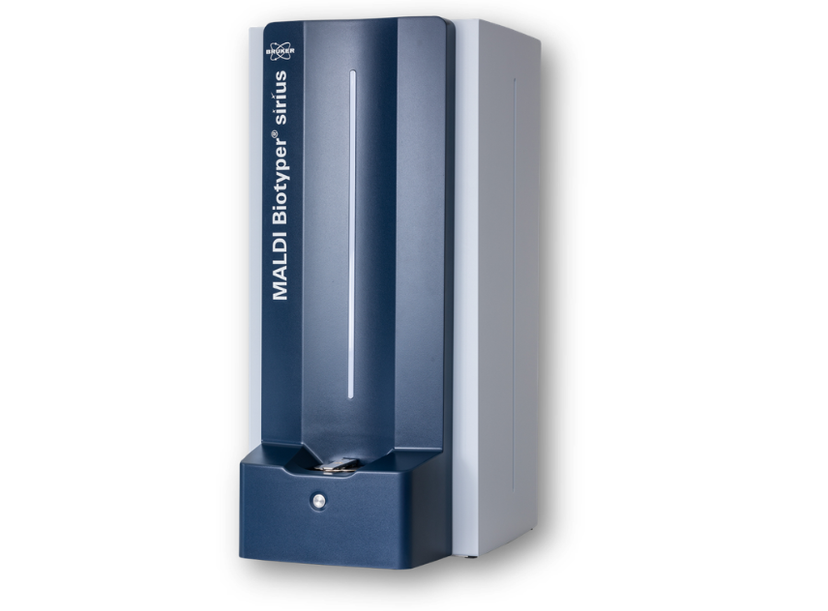
MALDI Biotyper® CA System
At ASM Microbe 2026, Bruker is showcasing the expanded clinical capabilities of the MALDI Biotyper® CA System enabled by FDA Claims 7 and 8, which support broader and more confident microbial identification in clinical laboratories. These enhancements include the MBT Compass® HT CA software, the MBT FAST™ Shuttle US IVD, and an expanded FDA-cleared reference library.
The updated MALDI Biotyper CA System library now covers 549 clinically validated microbial species across bacteria, anaerobes, and yeasts. This expanded coverage is designed to help clinical microbiology laboratories improve diagnostic confidence and efficiency in routine microbial identification workflows.
Advancing rapid bloodstream infection and sepsis diagnostics
Bruker is emphasizing its focus on bloodstream infection and sepsis diagnostics with a new vision to advance rapid antimicrobial susceptibility testing (AST) in clinical microbiology. In combination with the MALDI Biotyper CA System and the Bruker Arc™ automated sample preparation solution for positive blood cultures, Bruker is developing an innovative rapid AST workflow.
This rapid AST workflow under development is expected to enable faster, actionable diagnostics to support earlier clinical decision-making in critically ill patients with bloodstream infections and suspected sepsis.
New MALDI Biotyper RUO/GP solutions for the U.S. market
Bruker is also introducing multiple new solutions for the MALDI Biotyper RUO/GP systems to the U.S. market that were recently launched at ESCMID Global 2026. These include the MBT Easy T® Kit (GP), MBT Compass HT RUO/GP v.500 with an expanded library, and the MBT HT Library Creator (RUO).
The MBT Compass HT RUO/GP v.500 library now covers 5,325 species, with the latest RUO/GP expansion adding more than 600 new species. This includes approximately 30% improved coverage of filamentous fungi, addressing a recognized challenge in microbiology and supporting more comprehensive research applications.
The MBT HT Library Creator (RUO) Module enables laboratories to generate, manage, and share custom libraries within the MBT Compass HT environment for research purposes. Bruker is also introducing new classifiers for the IR Biotyper®, further enhancing capabilities for rapid outbreak investigation and surveillance.
Integrated NGS and molecular diagnostics workflows
Bruker’s portfolio expansions are complemented by advances in NGS and molecular diagnostics. The MBioSEQ® Ridom Typer software (RUO), being introduced to the U.S. market at ASM Microbe 2026, supports reflex NGS testing as an extension of microbial identification and outbreak analysis workflows.
Together, the MALDI Biotyper, IR Biotyper, and MBioSEQ Ridom Typer reflex testing form a cohesive workflow that enables laboratories to progress from microbial identification to epidemiological insight and genomic characterization. This integrated approach is designed to support more comprehensive infectious disease surveillance and research.
Carla Schneider, Bruker’s Director Commercial Operations, Microbiology & Infection Diagnostics - Americas, said “At ASM Microbe 2026, we are showcasing how our expanding portfolio and innovation pipeline are helping laboratories move toward faster decision-making – including the next wave of solutions for rapid positive blood culture analysis.”
Want the latest science news straight to your inbox? Become a SelectScience member for free today>>
Related products
Request Quote for All Products
MALDI Biotyper® sirius System
Bruker Microbiology & Infection DiagnosticsThe MALDI Biotyper® employs MALDI-TOF mass spectrometry for microbial identification, facilitating unbiased identification of microorganisms within a few minutes down to the species level, starting from culture. It boasts various features, such as ease of use, rapidity, robustness, high throughput, cost-effectiveness, and efficiency, making it a must-have for microbiology laboratories.
Links
Tags
Frequently asked questions
Show frequently asked questions
What new microbiology and infection diagnostics solutions is Bruker showcasing at ASM Microbe 2026?
Bruker’s Microbiology & Infection Diagnostics division is presenting an expanded portfolio at ASM Microbe 2026, including new capabilities in microbial identification, sepsis diagnostics, molecular testing, and next-generation sequencing (NGS) workflows. Key solutions include enhancements to the MALDI Biotyper® CA System, rapid bloodstream infection and sepsis diagnostics workflows, new MALDI Biotyper RUO/GP tools, and integrated NGS and molecular diagnostics software.
How has Bruker expanded the clinical capabilities of the MALDI Biotyper CA System for U.S. microbiology laboratories?
At ASM Microbe 2026, Bruker is highlighting expanded clinical capabilities of the MALDI Biotyper CA System enabled by FDA Claims 7 and 8. These include MBT Compass® HT CA software, the MBT FAST™ Shuttle US IVD, and an expanded FDA-cleared reference library now covering 549 clinically validated microbial species. This broader coverage supports more confident, efficient microbial identification in routine clinical microbiology workflows.
What role do the MALDI Biotyper, IR Biotyper, and MBioSEQ Ridom Typer play in Bruker’s integrated infectious disease diagnostics workflow?
Bruker’s integrated workflow combines the MALDI Biotyper, IR Biotyper, and MBioSEQ® Ridom Typer reflex NGS testing to move from microbial identification to epidemiological insight and genomic characterization. This cohesive approach supports rapid outbreak investigation, surveillance, and advanced infectious disease research. It is designed to deliver faster, clinically actionable information for conditions like bloodstream infections and sepsis, while enabling more comprehensive infectious disease surveillance.