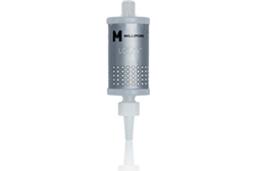
LC-Pak Point-of-Use Polisher
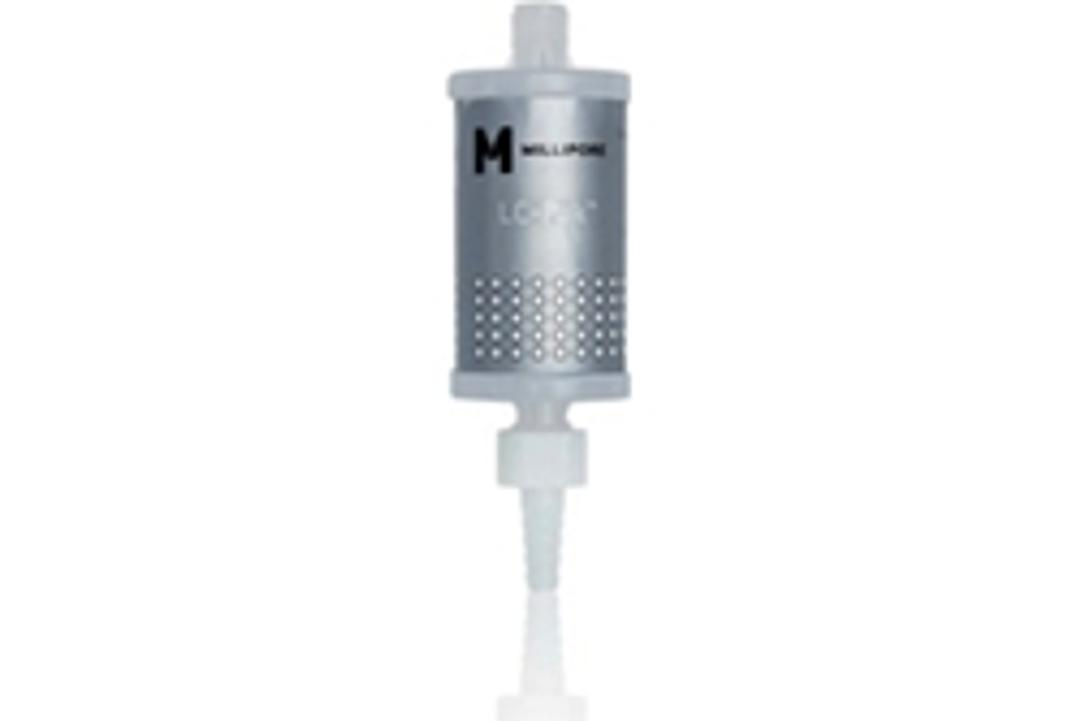
The LC-Pak is designed to provide scientists with the certitude that the ultrapure water that they are using in critical organic molecules analysis at trace and ultra-trace levels will be adequate. Recent advances in analytical techniques such as UPLC, LC-MS, LC-MS / MS have considerably improved the sensitivity of organic and biochemical molecule detection. As a result, these techniques now require improved water quality for…

The supplier does not provide quotations for this product through SelectScience. You can search for similar products in our Product Directory.
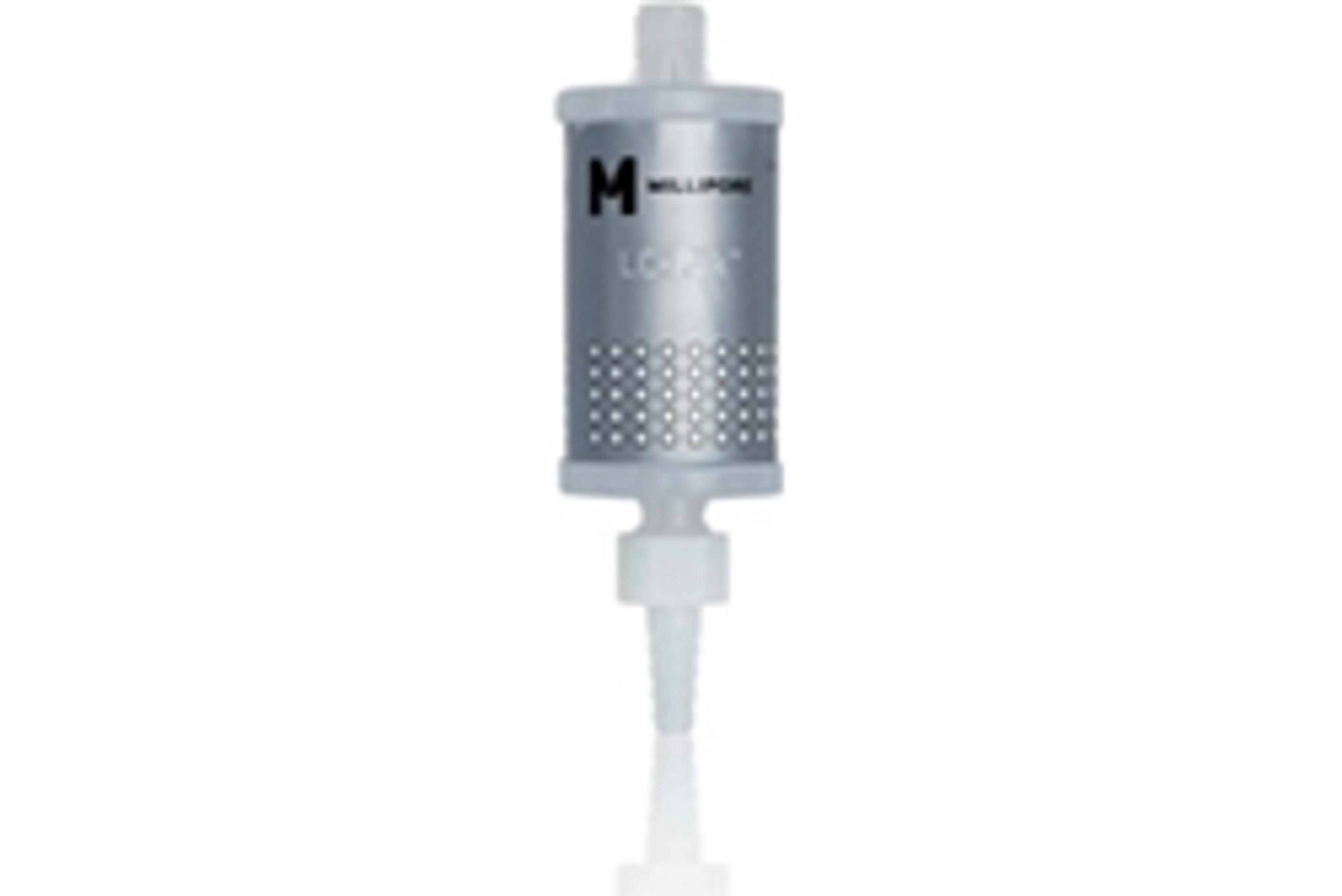
The LC-Pak is designed to provide scientists with the certitude that the ultrapure water that they are using in critical organic molecules analysis at trace and ultra-trace levels will be adequate.
Recent advances in analytical techniques such as UPLC, LC-MS, LC-MS / MS have considerably improved the sensitivity of organic and biochemical molecule detection. As a result, these techniques now require improved water quality for the production of mobile phase, buffers, blanks, standards preparation, sample dilution, glassware rinsing or extraction.
The granular C18 reverse phase silica in the polypropylene housing is tightly packed by a compression disc to avoid any channeling effect. This ensures that the water passing through the LC-Pak will be in close contact with the C18 chains binding organic molecules by hydrophobic interactions.
Featured at EMD Millipore Pittcon 2014.
LC-Pak Point-of-Use Polisher Benefits:
- The LC Pak is easily connected to the outlet of all Millipore Type 1 water systems (Milli-Q, Direct-Q, Synergy and Simplicity)
- Final purification step uses efficient C18 reverse phase silica technology to provides fresh low organic traces ultrapure water at high flow rate-when you need it
- Delivers a minimum of 500 L of organics-free ultrapure water
- Designed to answer the demands of UPLC, LC-MS and LC-MS/MS analytical techniques used for organic traces and ultra-traces analysis
- Validated for the production of water whose quality equals or exceeds the specifications of bottled water for LC-MS
- Each LC-Pak cartridge is delivered with a Certificate of Quality

Point-Of-Use (POU) Polishers for the Production of High Purity Water Tailored to Specific Analytical Needs
This poster presents the results of experiments that were carried out to qualify POU polishers. In order to meet the unique requirements of specific analytical applications, three POU polishers were developed and designed to be installed at the outlet of a water purification system: (1) LC-Pak® polisher for HPLC, LC/ MS, LC/MS/MS, UPLC analyses, (2) VOC-Pak™ polisher for the Volatile Organic Compounds (VOC) analyses, and (3) EDSPak® polisher for analyses involving endocrine disruptors (EDs). The GC-MS and LC-MS data show their efficiency in eliminating contaminants specific to the application for which they were intended.
Point-Of-Use (POU) Polishers for the Production of High Purity Water Tailored to Specific Analytical Needs
This poster shows the results of a study to qualify three Point-Of-Use (POU) polishers by showing their efficiency in eliminating contaminants. The three POUs tested were the LC-Pak® Polisher for HPLC, LC/ MS, LC/MS/MS, UPLC analyses, the VOC-Pak® Polisher for the Volatile Organic Compounds and the EDS-Pak® Polisher for analyses involving endocrine disruptors (EDs).

Is your lab water pure enough for sensitive PFAS analyses?
Per- and polyfluoroalkyl substances (PFAS), also referred to as ‘forever chemicals’, are an increasing concern since they accumulate in the environment and may have some deleterious effects on human health.
In this webinar, Dr. Estelle Riche, Global Application Specialist from Merck KGaA, Darmstadt, Germany, will discuss the importance of reagent water quality in trace analyses of PFAS by LC-MS/MS. Dr. Riche will show data on the efficiency of a lab water purification system at removing traces of PFAS from tap water and delivering ultrapure water suitable for sensitive PFAS testing. This webinar will also offer guidance on how to select an optimal water purification solution for these analyses, including tips on how to prevent water contamination for optimal experimental results.
Key learning objectives
- Understand the role of reagent water in PFAS analyses by LC-MS/MS
- Discover how water purification technologies play a role in PFAS removal
- Learn how to select the best water purification solution to suit your lab’s needs
Who should attend?
- Any scientist analyzing or planning to analyze PFAS
- Lab managers and anyone using or maintaining lab water purification systems
Certificate of attendance
All webinar participants can request a certificate of attendance, including a learning outcomes summary, for continuing education purposes.