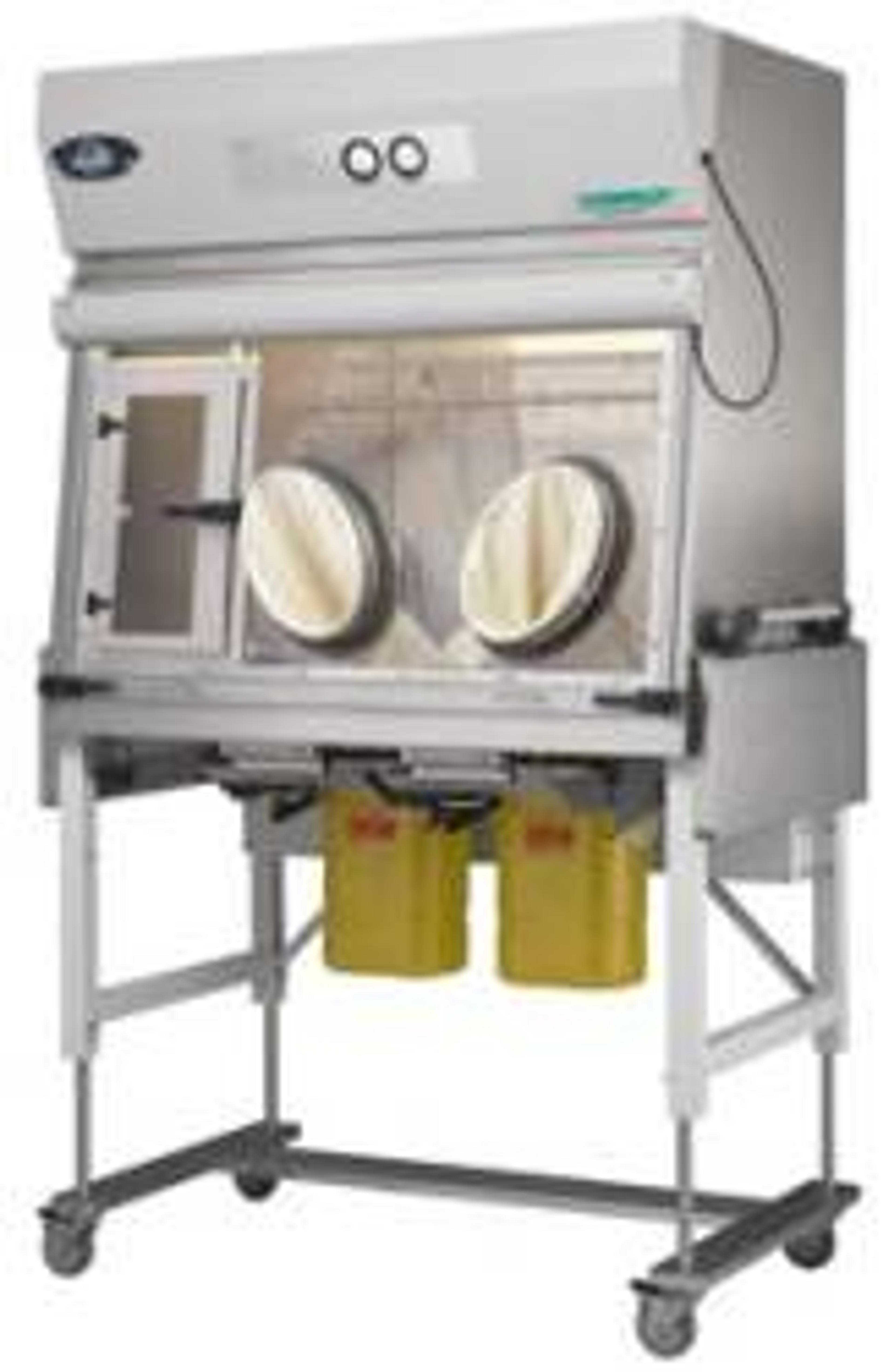
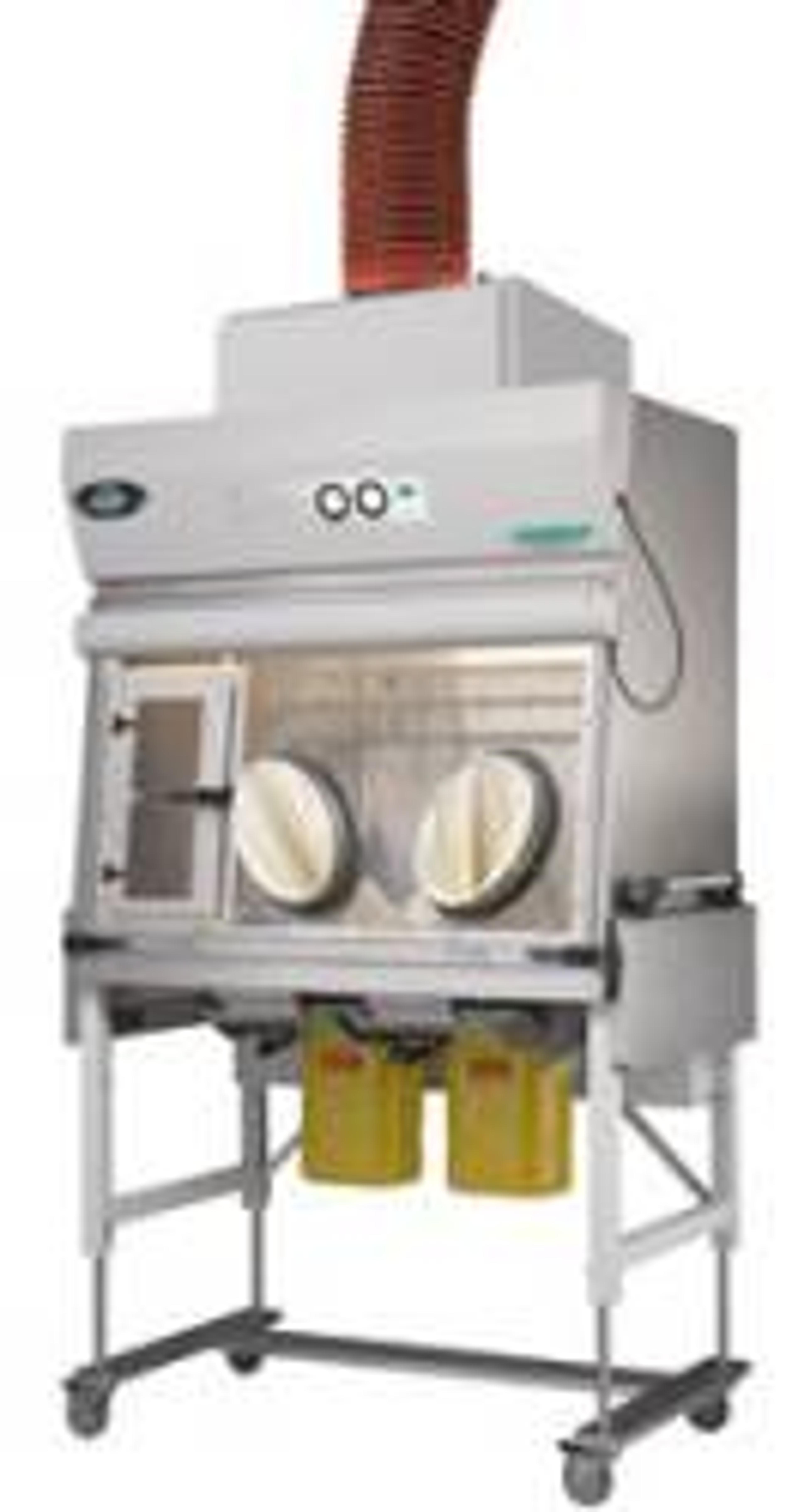
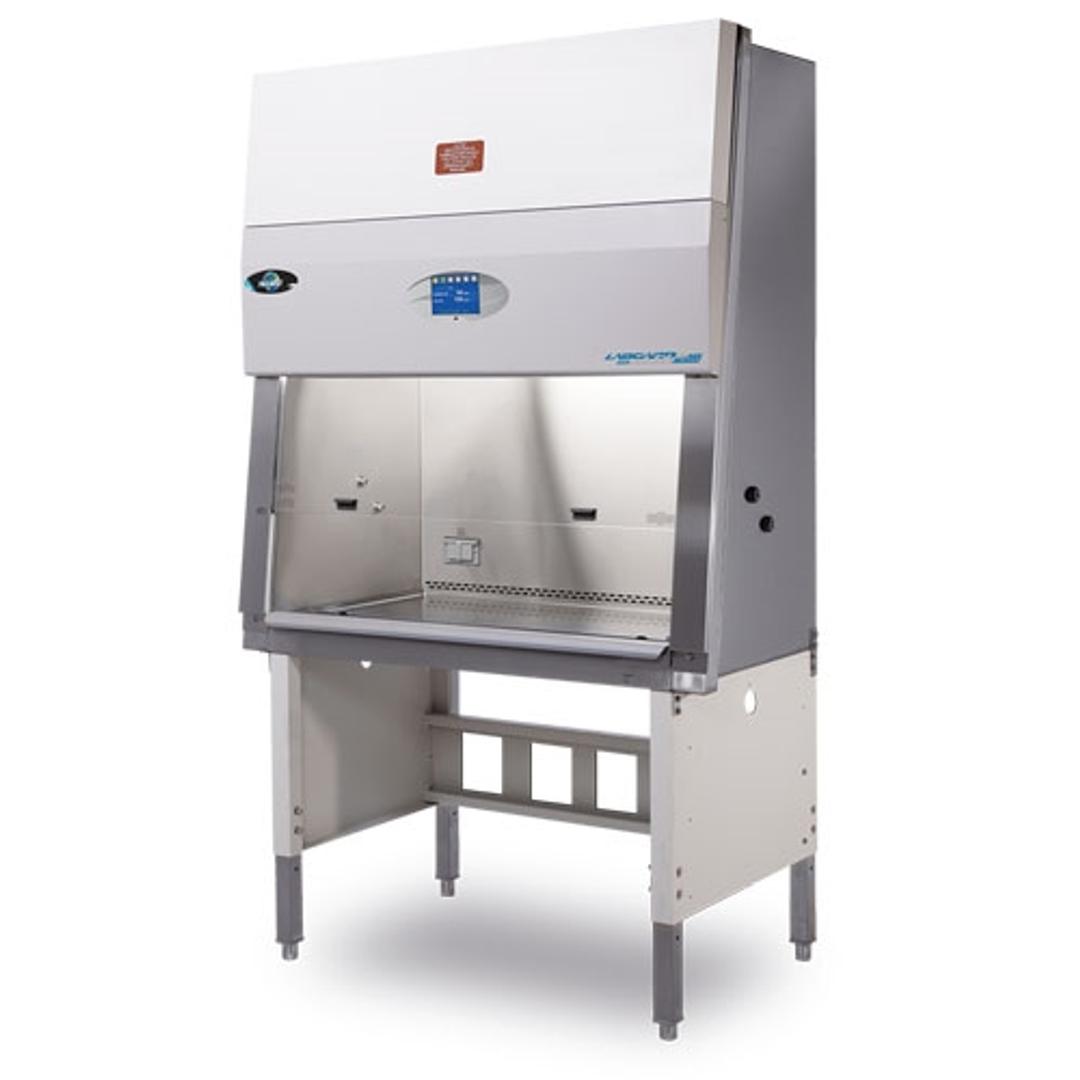
LabGard® ES AIR Limited NU-545 Class II, Type A2 Biosafety Cabinet
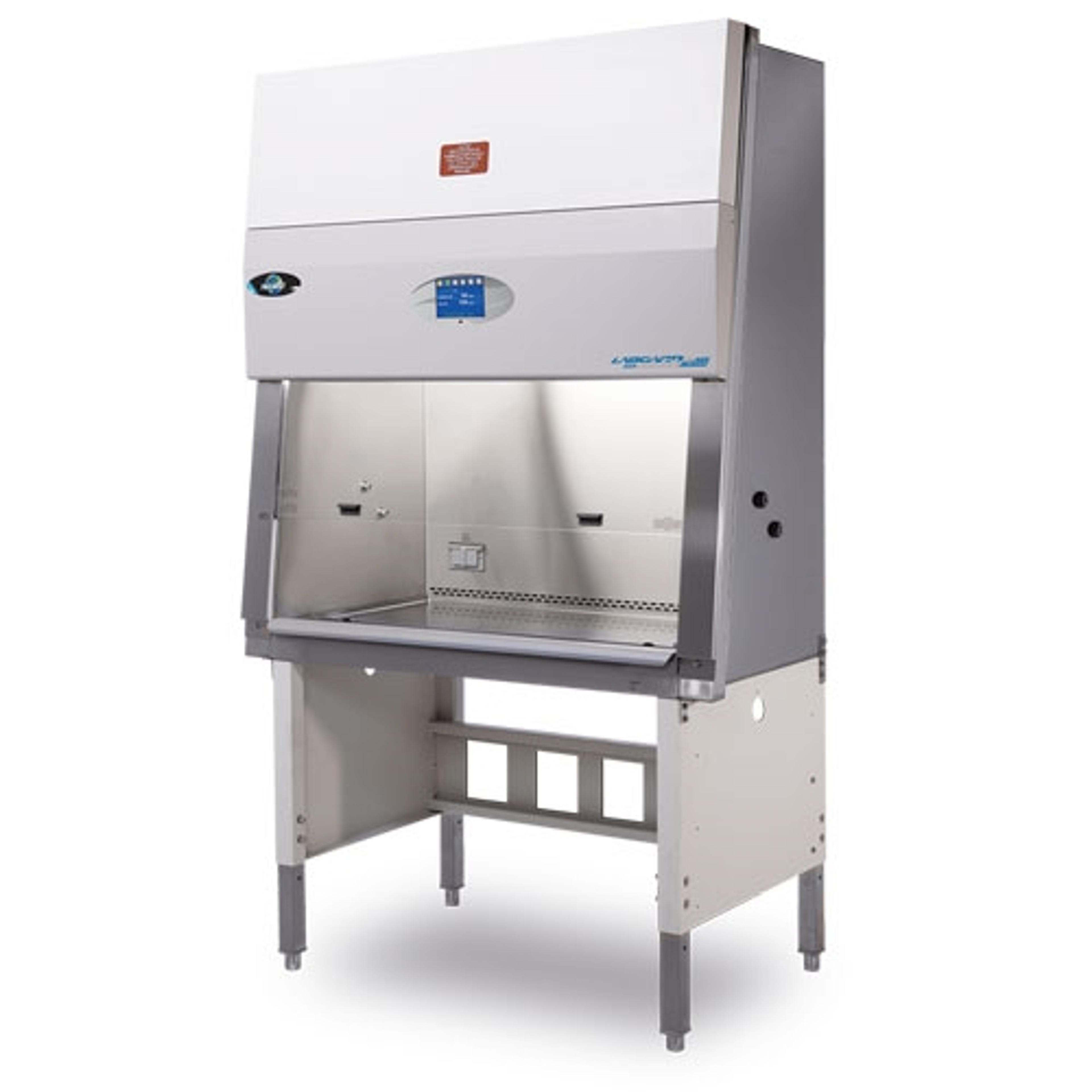
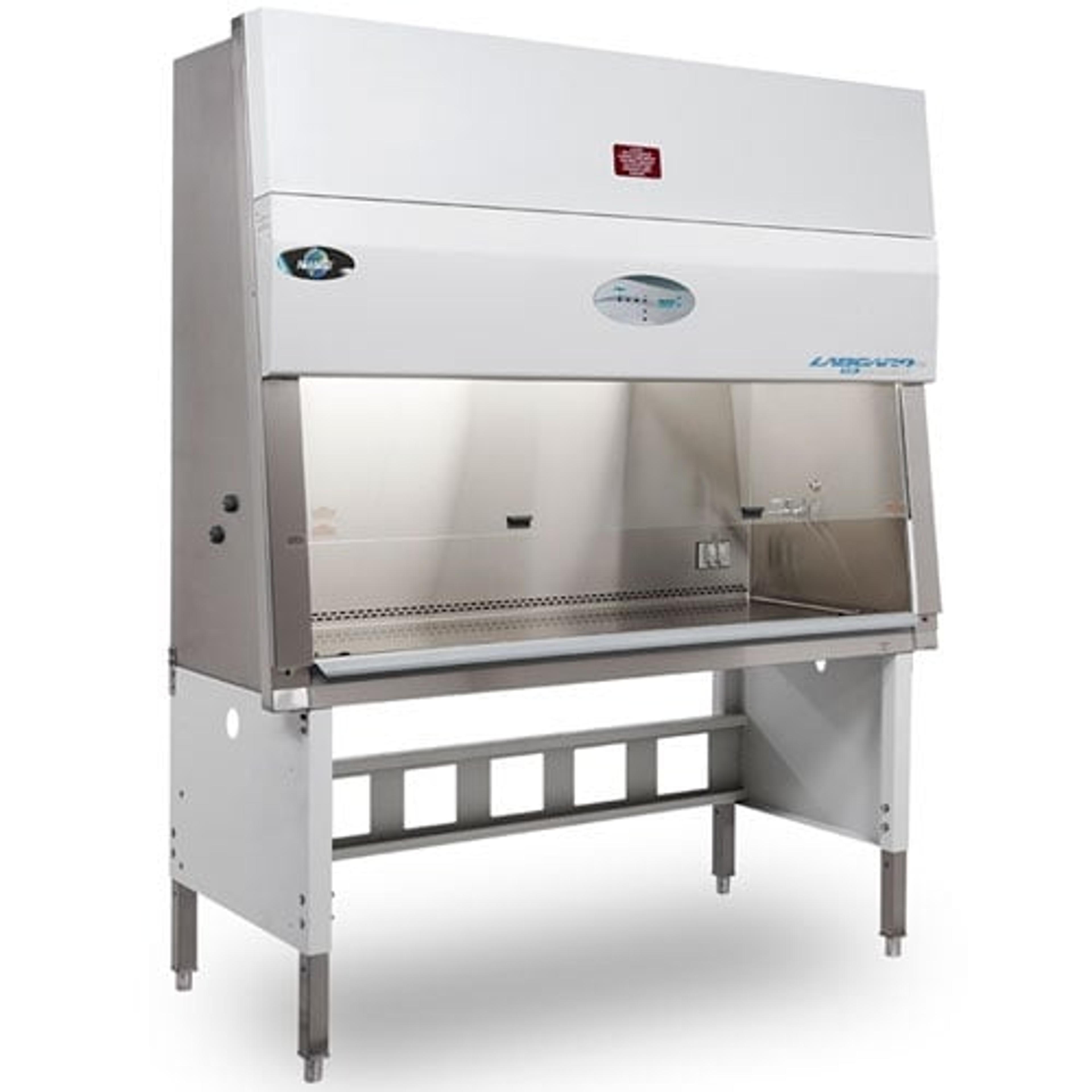
The LabGard (Energy Saver) AIR Limited model NU-545 is an NSF/ANSI 49 certified Class II, Type A2 biological safety cabinet delivering the long-lasting, high-quality performance you and your staff demand to protect you and your work. Safety Automatic Airflow Compensation To maintain safe airflows, the LabGard Limited Edition automatically compensates for both filter loading and line voltage variance to provide yo…

Receive your quote directly from the manufacturer.
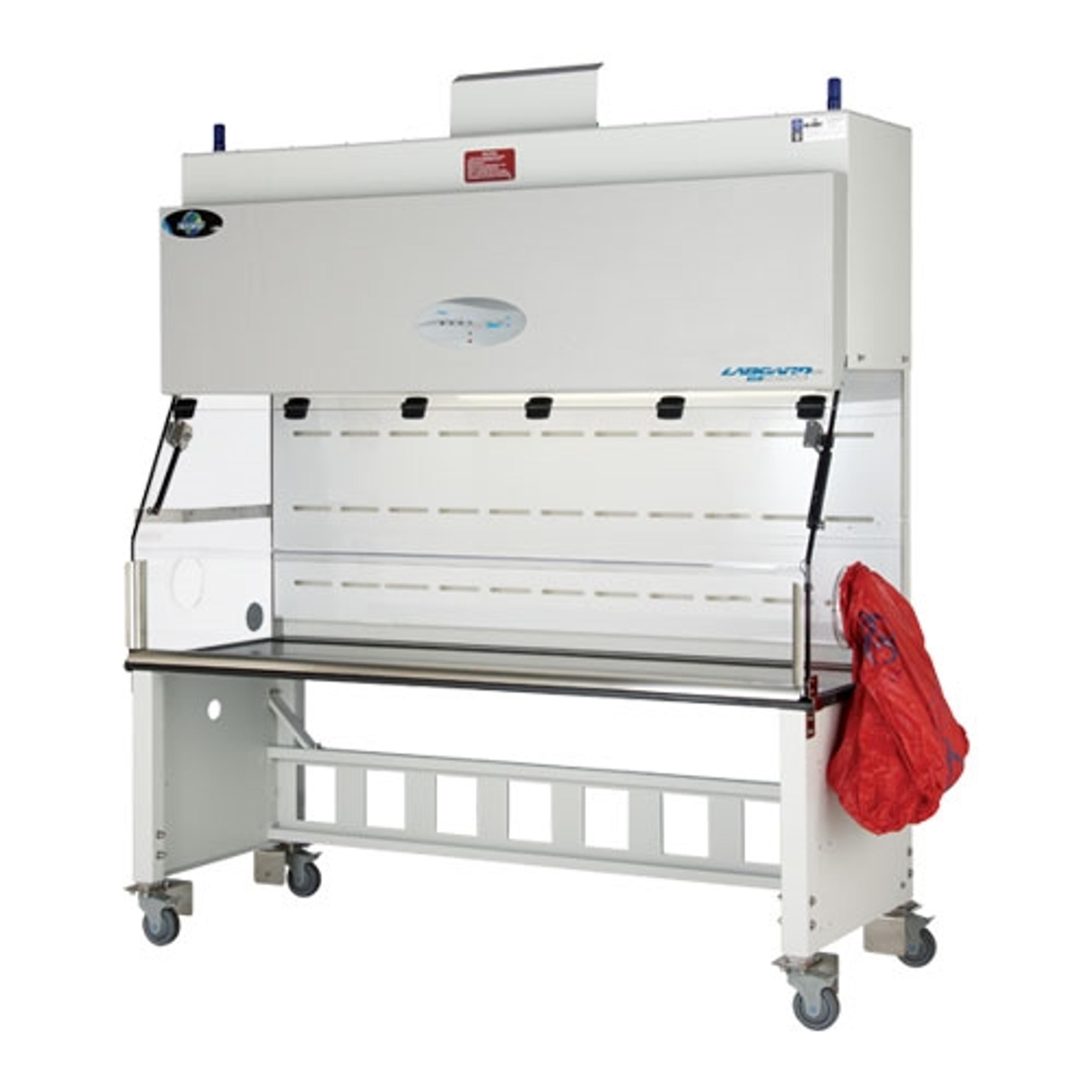
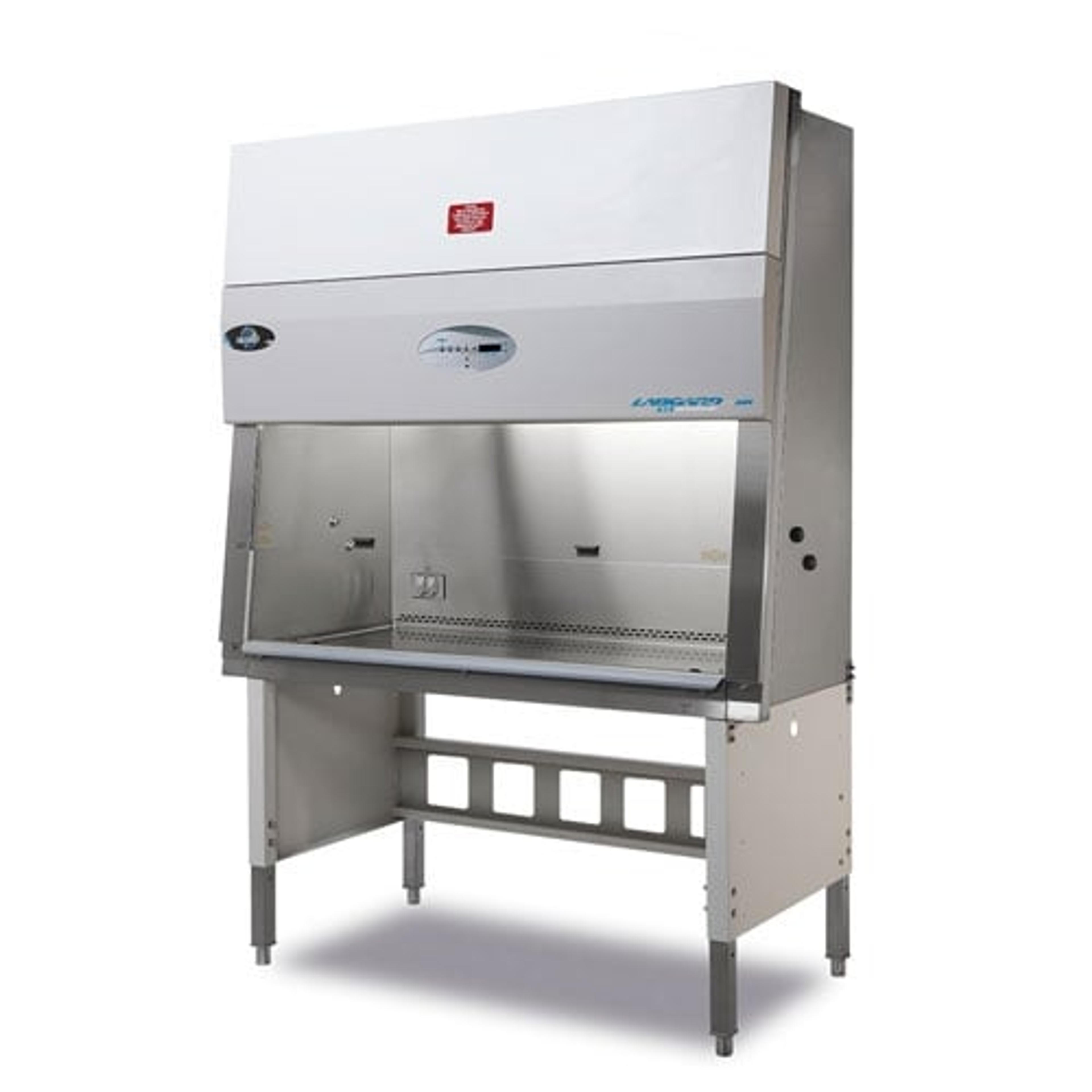
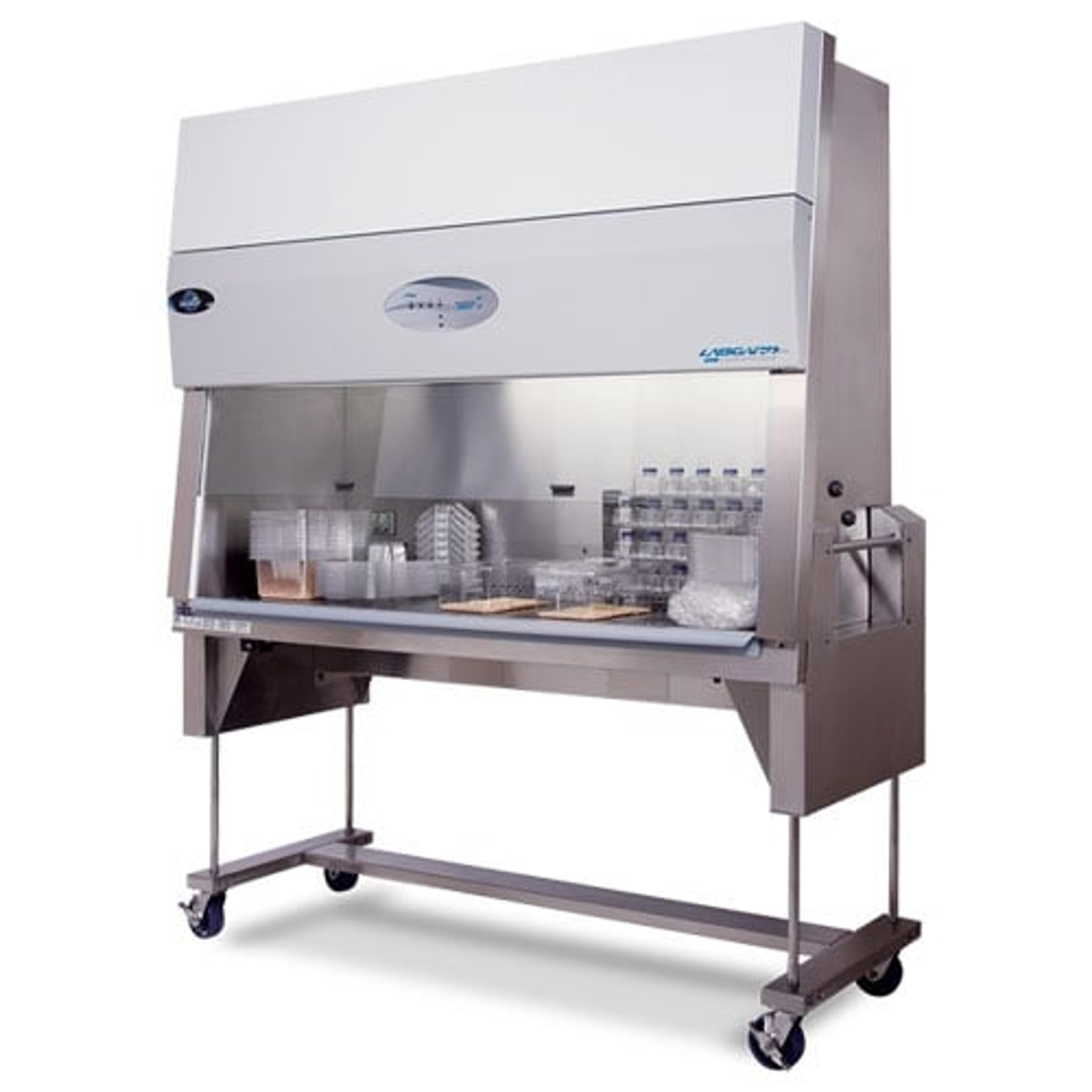
The LabGard (Energy Saver) AIR Limited model NU-545 is an NSF/ANSI 49 certified Class II, Type A2 biological safety cabinet delivering the long-lasting, high-quality performance you and your staff demand to protect you and your work.
Safety
Automatic Airflow Compensation
To maintain safe airflows, the LabGard Limited Edition automatically compensates for both filter loading and line voltage variance to provide you safe, constant airflow protection.
HEPEX Zero Leak Airflow System
The HEPEX™ Zero Leak Airflow System provides quiet, uniform velocities throughout the entire sterile work zone. All positive pressure chambers and ducts are surrounded by a vacuum or negative air pressure relative to the room. This feature eliminates the possibility of cabinet and gasket leaks. Uneven particulate loading is prevented by maintaining high-static pressure over the entire filter surface assuring True Laminar Airflow.
Dynamic Air Barrier
Air exchanges within a Class II, Type A2 Biological Safety Cabinet, can occur 25 times per minute. This rapid air exchange system combined with an aerodynamic, ergonomic air foil and a significantly larger access opening creates the strongest air barrier, personnel protection, of any Biological Safety Cabinet.
True Laminar Airflow
Unidirectional Airflow moving along parallel flow lines at a constant velocity minimizes air turbulence within the work zone. With proper techniques, activities within the work area can be performed safely minimizing the chance of cross-contamination.
Technology
TouchLink 2.0 Electronic Control System
TouchLink™ is an easy-to-use touch screen LCD which will operate and display all system functions. On / off functions for fluorescent and germicidal ultraviolet lights, blower motor, and interior outlets. Monitors high / low limits for down flow, inflow, and sliding window position. The password protected TouchLink ™ also contains a unique date/clock display and timer functions that can be used as a laboratory timer, purge timer, outlet timer, UV light timer, auto-run timer, night setback, or weekend turn-off. TOUCHLINK™ also contains diagnostic functions for a NSF trained service technician or certifier.
Real Time Airflow Monitoring
Using the same technology as your NSF Accredited Certifier, model NU-545 features digital dual thermistor airflow sensors in the down flow and exhaust flow air to monitor and control real-time airflow ensuring safe airflows based on air velocity instead of pressure inside the plenum.
Auto Decontamination
The automatic decontamination works in conjunction with hydrogen peroxide, chlorine dioxide, and paraformaldehyde systems. The process simultaneously runs the cabinet blower at a low rate during the decontamination cycle. This will aid in the process of distributing the decontaminant gas/vapor throughout the cabinet during the entire decontamination cycle. Window clamps securely create an air tight seal against an inner window gasket. The inlet port is connected to a connection point on top of the BSC. The outlet port is attached to a fitting on an auto decontamination exhaust seal plate.
Lower Total Cost of Ownership
Ultra-High Efficiency Motor
A single DC ECM motor with an optimally sized fan saves you up to 47% off your electricity bill compared to previously used motor technologies.
LED Lighting
Exterior LED lighting provides life up to 50,000 hours and is 30% more efficient than standard fluorescent lightning. The LED lighting provides cool white illumination of the work zone from 90 – 120 foot-candles (968 – 1291 lux).
Larger, Longer Lasting Filters
NuAire offers filters that use more filter media and offer more pleats per square inch. Combined with an ultra-high efficiency motor with more torque, a NuAire BSC can extend the life of a HEPA filter up to 10 years or more.
Night Setback
As a standard option, upon window closure, the NU-545 may allow the motor to continue to run at a lower rate to continually HEPA filter the work zone. The LED light will be disabled. If the sliding window is then opened, the cabinet will resume normal airflow set points in run mode. Night setback will save your facility money if your standard operating procedures require you to run the BSC 24/7.
Design
Monolithic Design
At the core of any NuAire Biosafety Cabinet is the single piece stainless steel shell. The process starts by bending a single piece of heavy duty stainless steel to create the back and side walls of the cabinet. Additional stainless steel sheets are seam welded into place to create the top and bottom. A smaller sheet of stainless steel is bent and welded into place to create the coved interior work zone. The final step welds the frame work into place to house the motor/blower assembly and HEPA filters. The result is a monolithic shell eliminating the need for rivets, gaskets, and sealants extending product life and enhancing safety.
Vibration Control
The motor/blower system is suspended inside the BSC using the attenumont system, a shock absorbing technology minimizing vibration transfer from the motor to the cabinet. The HEPEX Zero Leak Airflow System uses an impermeable, antimicrobial, and flameproof flexible fabric to make up the BSC’s plenum eliminating vibration transfer from the motor/blower to the plenum.
Clean-ability
The interior of the BSC features smooth coved corners for easy clean-ability. A spill trough with drain valve is located under the work surface to catch any unwanted spills. The work surface comes optionally with a prop-up work tray to easily clean under the work surface.
Brochures

Improved Principles of Biological Safety Cabinet Design
NuAire is recognized as a world leader in Class II Biological Safety Cabinets that offer great personnel, product, and environmental protection. Whether it’s cabinet design, cabinet integrity, HEPA filters, safety alarms, or maintenance - NuAire quality means an outstanding value to you.
Biosafety cabinet selection in the context of risk assessment
The process of conducting a risk assessment can be crucial before initiating experiments involving potentially hazardous conditions or materials in the laboratory. This eBook provides comprehensive guidance on understanding, performing, and incorporating risk assessments into biological materials work. It covers the definition of a risk assessment, evaluation of hazards, implementation of control measures, and selection of biosafety cabinets (BSCs) based on risk assessment outcomes.
by Julianne Baron, PhD, CPH, RBP
The need for field certification of biosafety cabinets
Biosafety cabinets (BSCs) are the primary engineering control devices used to mitigate exposure risk to biohazardous materials, particulates, and aerosols in many different industries. NuAire explains how Class II BSCs are performance tested, validated and certified by NSF International. Discover why it is vital that BSCs are properly certified in your lab, what a BSC field certification should look like, and how to find the right qualified BSC field certifier for your lab needs.
by Julianne L. Baron, PhD, CPH, RBP
Safely disposing of a biosafety cabinet
Biosafety cabinets (BSCs) are critically important primary containment devices used to protect individuals from exposure to biohazardous materials while they are working in the laboratory. They are also large devices that often contain biologically contaminated internal parts after they have been used. At the end of their lifespan, it is therefore vital to safely and fully dispose of the BSC. NuAire explains how to conduct a risk assessment to determine what steps are needed to safely handle the retired BSC, and the disassembly guidelines set out by the NSF/ANSI Standard 49 Informative Annex 1.
by Julianne Baron, PhD, CPH, RBP
Using ergonomic and workflow analyses to configure a biosafety cabinet
Biosafety cabinet (BSC) sizing, configuration, and ergonomic accessories are all very important aspects to consider when purchasing a new BSC to support the user’s health and comfort while conducting their workflow. Conducting a workflow analysis is an important step in selecting an appropriately sized BSC for your scientific processes and the ergonomic needs of your laboratory’s BSC users. NuAire explains how to conduct a workflow analysis to select and configure your new biosafety cabinet. Explore some important ergonomic considerations for BSC use, work zone set-up, and available customization.
by Julianne Baron, PhD, CPH, RBP
Laboratory layout and design considerations for biosafety cabinet installation
When designing or renovating a laboratory space, the proper placement of equipment is vital, especially biosafety cabinets (BSCs) and other devices that are impacted by airflow and personnel patterns. This is important in order to ensure their containment performance and to allow for appropriate process flow for both scientific procedures and safety purposes. NuAire compares different BSC placement best practice recommendations visually, and provides example placements of specific equipment based on common laboratory uses within the bounds of those clearances.
by Julianne Baron, PhD, CPH, RBP
10 tips for working safely with the NuAire Biosafety Cabinet
When working in the laboratory with a NuAire Biosafety Cabinet, following strict safety protocols is crucial. This infographic highlights a number of safety procedures ranging from understanding airflow and maintaining the proper sash level to the superior handling of tubes, Petri dishes, and aspirator bottles. Many common procedures in Biological Safety Cabinets (BSCs) may create splatter or aerosols, so techniques to reduce their generation are crucial to minimize personnel exposure to infectious materials.
Download this SelectScience infographic to explore how to:
- Understand how to correctly set up and prepare a NuAire biosafety cabinet to ensure optimal airflow and contamination control.
- Learn best‑practice techniques for safe and efficient work inside the cabinet, including proper hand placement and material organization.
- Recognize common user errors that compromise protection and discover how to avoid them through consistent, validated workflows.
- Apply correct shutdown, cleaning, and maintenance procedures to preserve cabinet performance and ensure long‑term laboratory safety.
Resource details:
- Document type: Infographic
- Page count: 1
- Read time: 1.5 mins
- Edition: 1st
Biosafety made simple: A journey into biosafety cabinet selection and custom solutions
In the domain of laboratory safety and containment, biosafety cabinets (BSCs) serve as the primary defense against potentially dangerous materials and pathogens. Yet, it is essential to recognize that not all BSCs are alike. Every laboratory operates with its distinct research goals, procedures, and safety measures, making the one-size-fits-all approach insufficient. Customization emerges as the key to bridging this gap.
In this application eBook, we examine biosafety cabinets (BSCs) and their pivotal role in laboratory safety and efficiency. This expert guide will explore the significance of conducting thorough risk assessments before starting new experiments to determine what kind of biosafety cabinet you need before searching for a suitable vendor.
This guide will also cover:
- Custom-built biosafety cabinets
- Experimental setups
- Safety protocols
5 Most Common Missed Reminders When Operating Your Biosafety Cabinet
From arm movements to ergonomics and airflow checks, discover the 5 most important rules to stay safe when working in a biological safety cabinet and how you can improve your practices, in this downloadable infographic.
Flow Chart for USP 797 and USP 800 PEC Requirements
This infographic presents a flow chart for USP 797 and USP 800 Pec Requirements when preparing drugs in healthcare settings.
Facility and Engineering Controls Using USP 800 Guidelines
Like many layers of an onion, there are unanswered questions on the intricate details of USP 800-related engineering control parameters. In addition, the multitude and flexibility of theengineering controls can seem daunting to the independent pharmacy owner. Even more concerning, and certainly at the forefront of all of the independent pharmacy owners’ minds, is the cost associated with being compliant with USP 800. The costs associated with building a new facility or remodeling an existing space, are proving to be as equally subjective as the choice of engineering controls. The focus of this white paper is to discuss the details for consideration of a good working design of a USP 800 compliant compounding lab.

Laboratory Best Practices to Keep You Safe: 3 Essential Downloads
Find out how to improve the set-up of your biological safety cabinet for effective and safe experiments

Essential Equipment for Cell Culture: Tips and Resources to Improve Your Results
From CO2 incubators and biosafety cabinets to freezers and centrifuges, scientists share their experiences with the technology vital to their cell culture workflow

Keeping Cells Contamination Free for Biopharmaceutical Production
Biotech scientist shares the importance of reliable technologies in the production of therapeutic proteins

Don’t Miss Out on Our Biosafety Cabinet Masterclass – Available Now On Demand
Your biosafety cabinet questions answered and top considerations for choosing new equipment for your lab