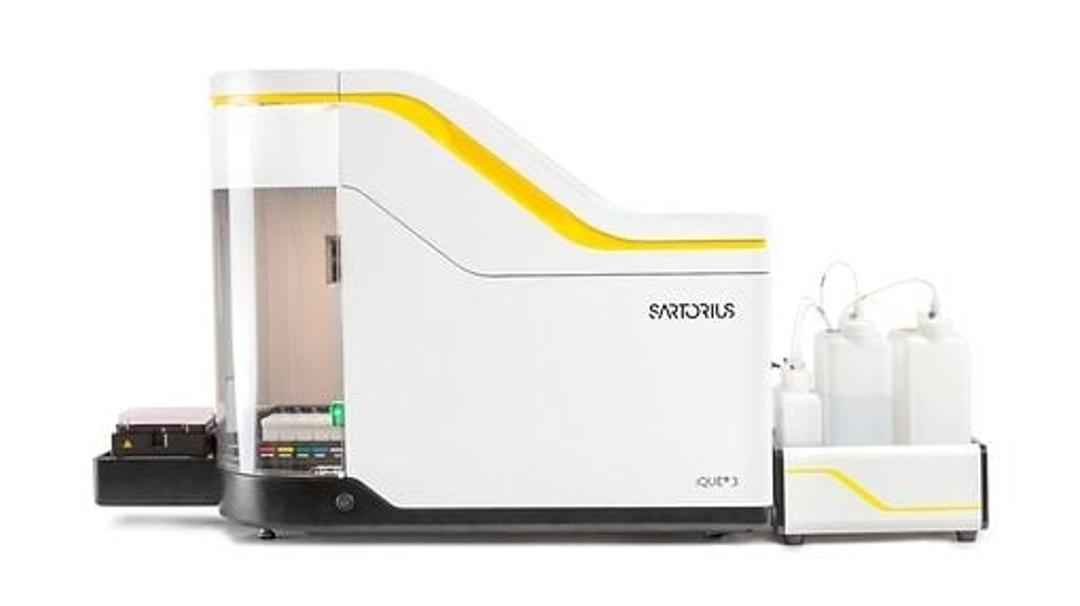
iQue®3 High-Throughput Screening Cytometry Platform
Truly Fast. Simply Effortless.

iQue ® HTS by Cytometry Platform






Receive your quote directly from the manufacturer.
Great instrument. Save my time while generate great data.
Flow Cytometry
The instrument is very user-friendly. It reads samples fast and allows high-throughput reads.
Review Date: 10 Feb 2023 | Sartorius Group
Can’t live without this instrument for sure.
Antibody screening
If connected with automation it can screen fifty 384-well plates in 24 hours. Very useful for high throughput antibody primary screening and still works for smaller size of flow assays.
Review Date: 10 Feb 2023 | Sartorius Group
Great instrument! I absolutely recommend it.
Quality control - pharmaceutical industry
The product is very effective and very easy to use and clean. It increases the performance of our tests and our auditors always admire this equipment. It is an investment of money, but you do get great results. I absolutely recommend it.
Review Date: 23 Apr 2021 | Sartorius Group
Great results and user friendly.
Estimating titer for lentivirus, estimating chimeric antigen receptor in T cells
Intellicyt is a powerful tool that provides rapid and cost effectively screening and profiling of disease, small molecule drug discovery or biologics discovery by cell based or bead-based assays. It provides user friendly software, ‘Forecyt’ that enables acquisition and analysis of the data quickly and accurately. The software has multiple features and is advantageous to understand the assay outcome by providing easy access to plate level analytics, dynamic profiling and result visualization. It provides graphic generations from each well of the plate.
Review Date: 9 Feb 2021 | Sartorius Group
Excellent product.
FACS
Very user friendly, easy setting and running. Maintenance is reasonable.
Review Date: 8 Feb 2021 | Sartorius Group
Great value and very useful instrument.
FACS assay
Intellicyt is a very user friendly instrument. Service is OK from their after sale service team. I think the instrument's daily and monthly maintenance is a little bit too much to do. The software for analysis is nice and cool for bulk data sorting.
Review Date: 21 Jun 2020 | Sartorius Group
Great device, short life cycle and short software support.
Apoptosis assay automation
Pros: Very effective product wich is integrated in an automatisation system. Good value to money. Cons: As soon as the device was integrated, the support ended. This very disappointing. We do not know if we get any spare parts or service. Also software updates ended. If we now decide to buy a newer model, how do we update the older ones running on one server? We are not amused.
Review Date: 1 Apr 2020 | Sartorius Group
Good analysis software.
FACS assay
It's an easy-to-use machine but not a very easily maintained one.
Review Date: 27 Mar 2020 | Sartorius Group
Good results.
High-throughput FACS screening of Rat B cell binding
High-throughput, easy to use, time consuming but easy to analyze results.
Review Date: 27 Mar 2020 | Sartorius Group
Great instrument for high-throughput studies.
High-throughput drug screening using fluorescence read-out
It's a piece of irreplaceable equipment whenever I need to test fluorescence in a high-throughput fashion. It's easy to use and maintain.
Review Date: 23 Mar 2020 | Sartorius Group
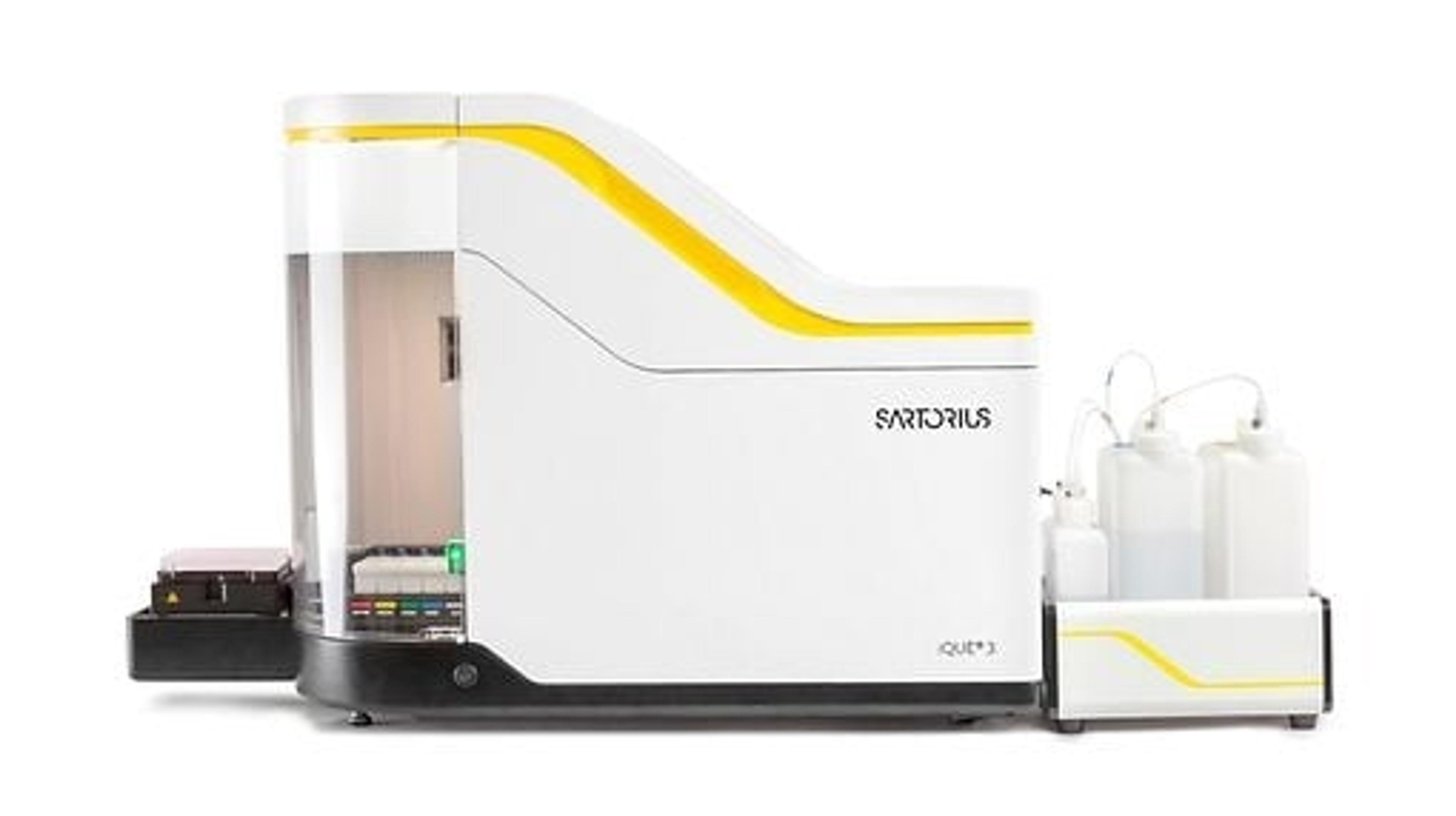
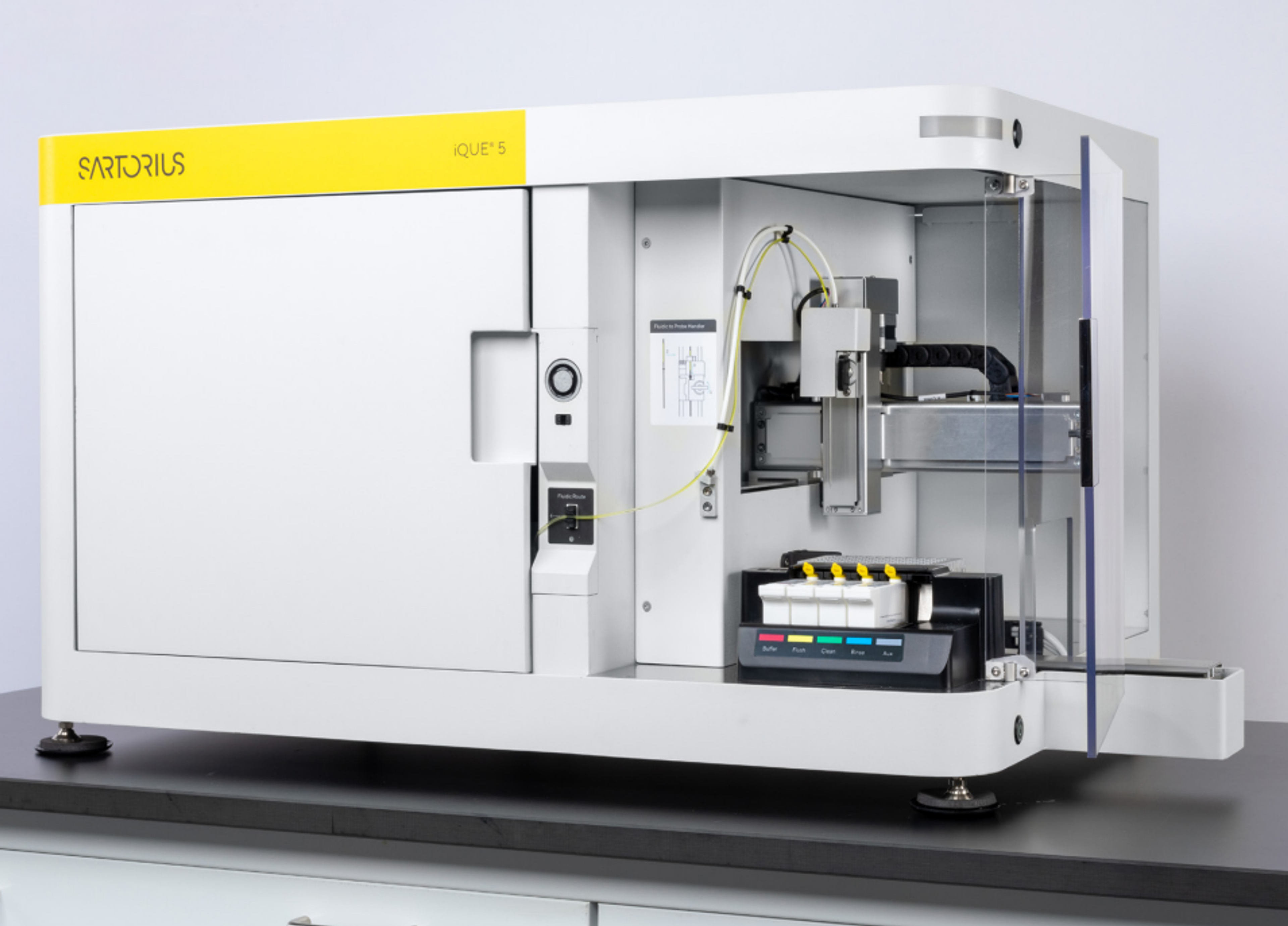
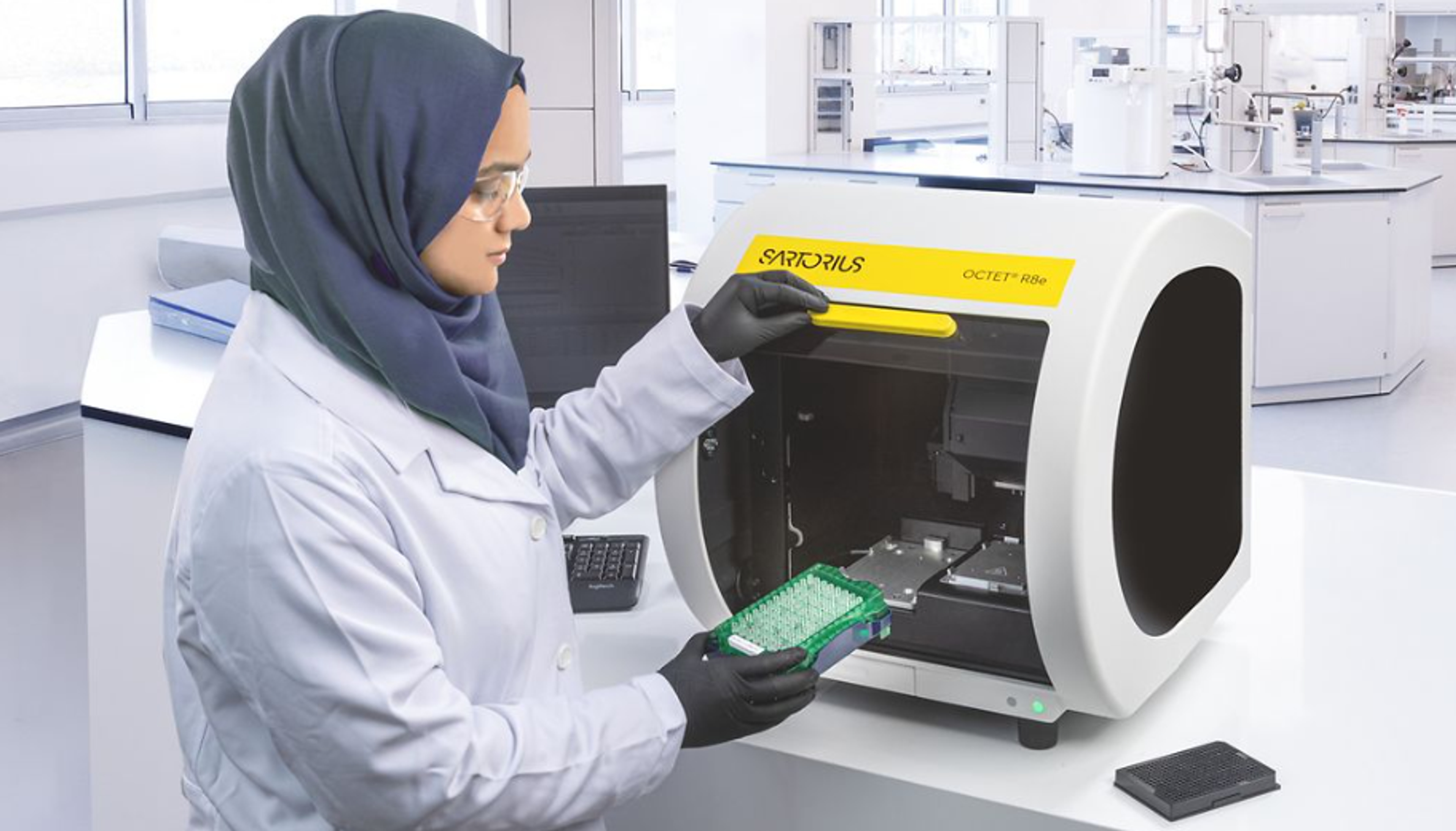
The iQue® 3 High-Throughput Screening (HTS) by Cytometry Platform offers a focus on speed, from setup to acquisition and analysis, to get you from samples to actionable results in record time.
This intuitive iQue® HTS cytometer can take you from sample - to biologically relevant data, faster than other instruments on the market. Complemented by elegant and easy-to-use software, users can go from sample acquisition to data-driven decisions, in the time it takes to have a coffee break.
A newly integrated enhanced rinse station monitors system reagent usage and consumption ensuring a smart way to detect there is always enough to complete your run. The platform allows researchers to acquire and analyze high content, multiplexed, miniaturized assays needed to assess immune cell function by combining cell immuno-phenotyping, cell health, and secreted protein (cytokine) analysis in every well of a microtiter plate.
Automation with assorted plate loaders is simple.
The integrated Forecyt® software addresses the analysis bottlenecks associated with multi-parametric data generation by enabling rapid data visualization and interpretation. Tools such as profile maps, auto-generated IC50/EC50 curves, and analysis templates enable make for easier analysis at the end of a run. An advanced analysis feature called Panorama enables instant analysis of multiple plates even if run on separate days.
All these tools reduce data analysis time from days to minutes.
Brochures

iQue 3 - Faster, smarter flow cytometry
Whether you are discovering a new therapeutic antibody, developing a specific checkpoint inhibitor or evaluating CAR T cell function, driving your research forward hinges on the ability to rapidly evaluate more samples in a biologically relevant, reproducible, and costeffective way.
In this brochure, find out how you you can get from samples to actionable results in record time with the iQue® 3 from Sartorius.
High-throughput cytometry for MSC, iPSC, and CAR-T studies
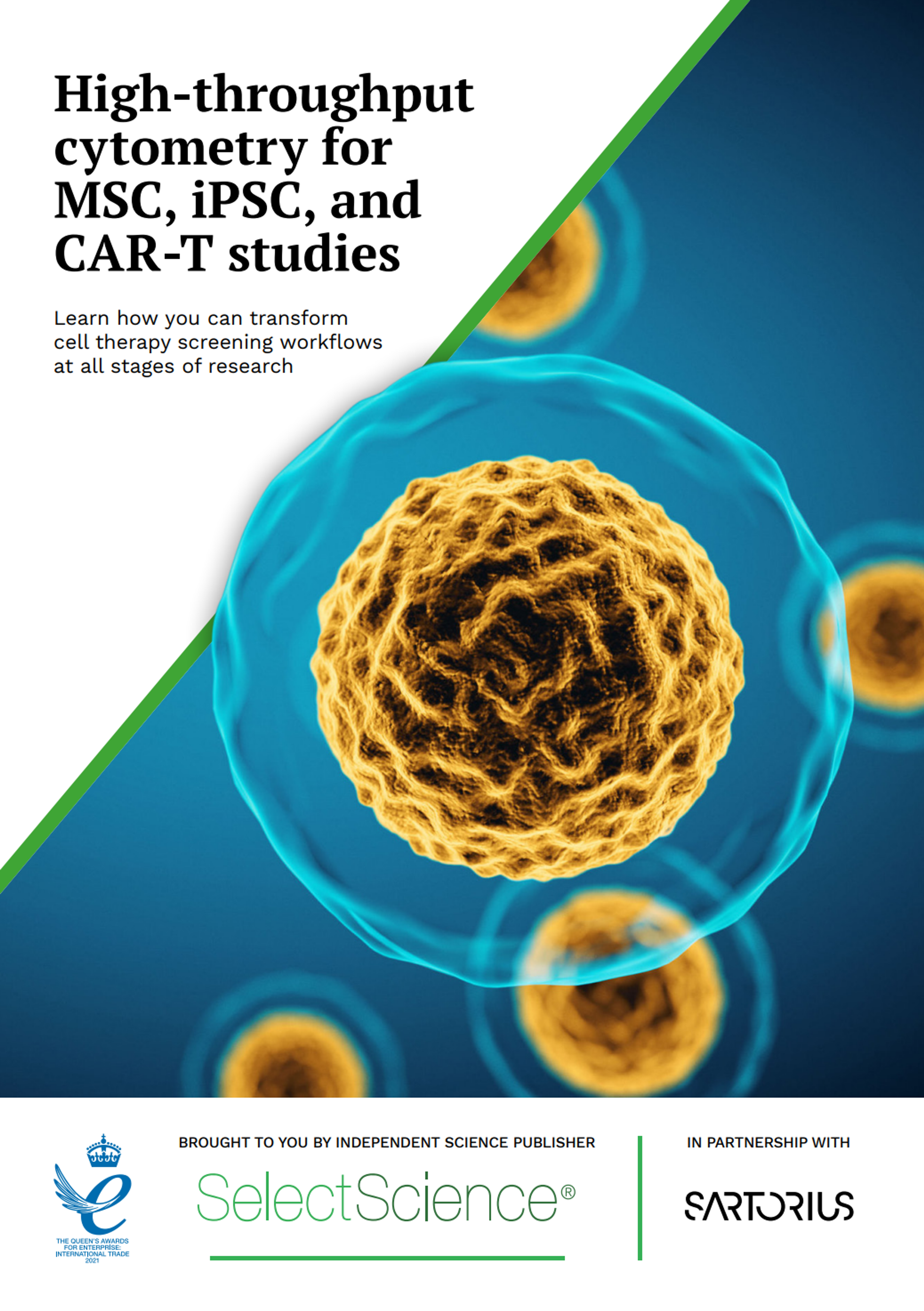
From regenerative medicine to cancer immunotherapy, cell therapies are reshaping the future of healthcare. Yet as these therapies become more sophisticated, researchers face growing challenges in how they screen, characterize, and monitor increasingly complex cell models.
Generating high-quality data at scale can be difficult, particularly when working with mesenchymal stem cells (MSCs), induced pluripotent stem cells (iPSCs), and engineered immune cells such as CAR-T therapies. Researchers need workflows that can keep pace with development while maintaining confidence in their analytical results.
This application guide explores how High-Throughput Screening (HTS) by cytometry can help overcome these challenges, enabling more efficient characterization, optimization, and monitoring of therapeutic cells across the cell therapy workflow.
What you'll learn in this guide
This application guide examines how HTS by cytometry can be applied to key areas of cell therapy research, including:
- Mesenchymal stem cell (MSC) identity and differentiation
- Optimization of advanced cell models
- Characterization and optimization of induced pluripotent stem cells (iPSCs)
- Phenotypic characterization of CAR-T cells
- Functional characterization of CAR-T cells
- Assessment of T cell activation workflows
Who should download this resource?
This guide may be valuable for:
- Cell therapy researchers
- Stem cell scientists
- CAR-T and immunotherapy teams
- Translational medicine researchers
- Drug discovery and development scientists
- Flow cytometry specialists
- High-throughput screening teams
Increase efficiency in B cell workflows for clinical and biotherapeutic research and antibody development
In this application note, Sartorius addresses challenges in B cell workflows and highlights the drawbacks of traditional hybridoma methods, such as being time-consuming, costly, and inefficient. Sartorius proposes solutions to improve efficiency and performance by characterizing B cells earlier in the hybridoma development workflow. This approach aims to enhance the robustness of B cells, minimizing potential pitfalls in the development of therapeutic antibodies.
Utilizing advanced high-throughput cytometry to quantify direct and competitive live cell antibody binding
Monoclonal antibodies (mAbs) can be used to treat symptoms of inflammatory disease, with their success largely due to their high specificity and affinity for the target antigen. Evaluation of mAb target binding is a critical part of the antibody development process and robust, high-throughout techniques are needed to facilitate rapid screening of antibody libraries. In this application note, Sartorius presents two simple assays that utilize the iQue® Advanced Flow Cytometry Platform and validated reagents to measure the binding of unlabeled therapeutic mAbs to specific targets on live cells.
Using flow cytometry to enhance antibody discovery and characterization
Antibody based biotherapeutics have revolutionized the development of novel treatments, particularly in cancer. Antibody characterization is an essential step in the antibody discovery and screening workflow, contributing to the understanding of the components and functions of an antibody to move toward quality therapeutic development.
Flow cytometry is an incredibly useful technology used in antibody discovery and characterization. Specifically, high-throughput flow cytometry can provide required information in timescales appropriate for efficient antibody evaluation.
This eBook will highlight some key applications for high-throughput flow cytometry in the profiling of antibodies for therapeutic benefit. In particular, the methods shown will demonstrate the function and benefits of the iQue® advanced flow cytometry platform.
Topics covered include utilizing high-throughput flow cytometry for:
- Accelerating antibody screening and characterization
- High throughput, multi-parametric analysis
- Fast and full-scale multipass membrane antibody optimization
- Visualization and quantification of phagocytosis
- Evaluating NK cell killing
Intelligent tools to generate clonal cell lines faster
The generation of biologic-producing cell lines comprises numerous time-consuming, expensive, and often technically challenging steps.
In this new eBook, we examine these challenges in greater detail and explore a range of intelligent analytical solutions that can be incorporated into cell line development workflows to eliminate bottlenecks in clone selection, fast-track development timelines, optimize CQAs, and reduce costs.
Download your free copy today to learn more about:
- Critical steps in cell line development
- Areas to improve efficiency
- Overcoming bottlenecks through streamlined clone selection
- Accelerating process optimization with integrated analysis tools
COVID-19 vaccine research challenges and solutions
Accounting for at least 15% of all human pathogens, emerging infectious diseases (EID) pose a significant burden on public health. Vaccination represents one of the most successful prophylactic tools for disease prevention and control, however, the development process is typically lengthy and expensive. While there has been a rapid development of multiple safe and highly effective vaccines in response to the current COVID-19 pandemic, there are still many challenges to overcome. This application note will explore the common challenges of vaccine development and the solutions available to overcome them.
Development of next-generation antibodies for therapeutics
Antibody-based therapeutics represent an important advancement in the progress of infectious disease therapy and cancer treatment options.
The discovery and development of monoclonal antibodies (mAbs) has led to an improved understanding of their therapeutic potential against emerging infectious diseases including COVID-19 and offers one of the most successful therapeutic strategies for cancer in recent years.
In this third edition eBook, we look at some of the successful discovery and development methods for next-generation monoclonal antibody-based therapeutics and vaccines.
Assessment of NK cell-mediated killing and phenotypic analysis using advanced flow cytometry and an optimized multiplexed assay
In this scientific poster, Sartorius introduces a novel multiplexed assay that simultaneously measures target cell killing, expression of NK cell activation markers, and quantitation of secreted effector proteins and cytokines in a single well of a microtiter plate using a mixed cells and beads assay format and the iQue® platform.
iQue Human 4-Plex Apoptosis Kit using advanced high-throughput flow cytometry
Flow cytometry assays offer significant benefits for studying the hallmarks of apoptosis—with the ability to quantify multiple cellular parameters at once.
In this application note, Sartorius illustrate how the iQue® and iQue® Human 4-Plex Apoptosis Kit can be used to measure apoptosis in a simple, mix and read assay format.
A high-throughput, multiplex antibody internalization assay
Many fluorescence based methods are available to assess internalization; however, performing these assays can prove challenging due to complicated workflows, large sample sizes and the low throughput of analytical methods such as traditional flow cytometry or confocal microscopy.
In this poster, Sartorius describe a high-throughput, multiplex, no-wash assay that measures antibody internalization, specificity, and cell health from a single 30 uL assay volume in 96- and 384- well formats, with the iQue® platform.

Evaluation of checkpoint inhibitor therapies using a mixed lymphocyte reaction (MLR) assay
Immune checkpoints are molecules that signal and control the synapse between T cells and antigen presenting cells (APCs). Checkpoint inhibitor therapies aim to target and inhibit the signals that ‘switch off’ T cells, leading to upregulation of T cell activation and tumor cell killing.
The mixed lymphocyte reaction (MLR) mimics the T cell and APC synapse by co-culturing immune cells from two individuals. Consequently, MLR is used as a model, to discover the effects of checkpoint inhibitor drugs in vitro, furthering biological research applications and drug discovery processes.
Join this webinar to find out about:
- The use of the iQue® MLR assay to generate pharmacological outputs for checkpoint inhibitor induced T cell activation
- The impact of checkpoint inhibitor therapeutics on inflammatory cytokine release
- How the iQue® Advanced Flow Cytometry Platform and associated reagent kits can be used to quantify T cell response in MLR
Speaker name: Kirsty McBain, Associate Scientist, iQue® Applications Group, Sartorius
Professional bio Kirsty McBain is an Associate Scientist in the iQue® Applications Group, part of the European based BioAnalytics at Sartorius, where she is involved in the research and development of novel applications.
Kirsty’s efforts are focused on the iQue® advanced flow cytometry platform, supporting a number of the immuno-oncology campaigns.

New strategies for laboratory testing of von Willebrand factor
In recent years, there have been advancements in von Willebrand disease (vWD) testing as well as updates in the diagnosis and management of vWD. Paradigm shifts in vWD testing in the context of new guidelines will likely lead to improvements in vWD diagnosis. In this SelectScience webinar, Dr. Edward Wong will explore these current diagnostic approaches and the advantages of new testing strategies.
Key learning objectives
- Demonstrate the current biological function of von Willebrand factor and how it affects testing strategies in the diagnosis of vWD
- Describe potential new testing strategies in the diagnosis of vWD
- Explain the new changes in the American Society of Hematology (ASH), the International Society on Thrombosis and Haemostasis (ISTH), the National Hemophilia Foundation (NHF), and the World Federation of Hemophilia (WFH) 2021 guidelines on the diagnosis of vWD
Who should attend?
- Clinicians (especially Adult and Pediatric Hematologists)
- Clinical Lab Scientists
- Lab Managers and Healthcare Scientists
Certificate of attendance
All webinar participants can request a certificate of attendance, including a learning outcomes summary, for continuing education purposes.
Accreditation statement
SelectScience is approved as a provider of continuing education programs in the clinical laboratory sciences by the ASCLS P.A.C.E.® Program. Attendees of this one-hour webinar are also entitled to 1.0 ACCENT Continuing Education Credits from the AACC. This activity was planned in accordance with ACCENT® Standards and Policies. Verification of Participation certificates are provided to registered participants based on completion of the activity, in its entirety, and the activity evaluation. For questions regarding continuing education, please email education@aacc.org.

Tools to streamline cell line development for biotherapeutics
Commercialization of a biologic is a lengthy and expensive process. Successful cell line development (CLD) is heavily dependent upon balancing time and resources with acquiring high-quality data for informed decisions. Each stage of the CLD workflow has challenges and there is a real need for advanced strategies and intelligent use of innovative solutions.
The CellCelector, iQue®, Octet®, and Ambr® 15 CC platforms are perfectly designed to seamlessly work together to streamline the early CLD workflow, enabling data-driven decisions and reducing risk during later stages of biologic development. In this webinar, Dr. Fern Slingsby, Ambr Product Specialist at Sartorius and Dr. Daryl Cole, Applications Scientist at Sartorius, will explain how integration of these platforms can be achieved, and where they best fit into the cell line development workflow.
Key learning objectives
- Learn about the early CLD workflow and the bottlenecks associated with the various stages
- Discover instruments which are suited to high-throughput demands and where they fit into the CLD workflow
- Establish a strategy for a simplified approach to cell line development
Who should attend?
- Analytical scientists and researchers involved in early drug discovery and cell line development
- Bioprocessing engineers and scientists
- Process development engineers and scientists
- Lab managers
Certificate of attendance
All webinar participants can request a certificate of attendance, including a learning outcomes summary, for continuing education purposes.
Strategies for simplifying viral vaccine and biotherapeutic discovery
Watch this presentation by Allan Schell, David Apiyo, and Victoria Yatsula, titled: Strategies for simplifying viral vaccine and biotherapeutic discovery. This talk was presented at the SelectScience® Virtual Microbiology and Infectious Disease Summit 2022.
How flow cytometry is advancing potential cancer therapeutics
In this video, Dr. Komal Kumar Javarappa, postdoctoral research at University of Helsinki, discusses his work finding new target mechanisms for treating malignant cancers such as multiple myeloma and leukemia. Javarappa explains how the Intellicyt iQue®3 has helped advance his research by enabling him to observe cellular responses to a variety of potential cancer therapeutics.
Faster, smarter flow cytometry with the Intellicyt iQue3
In this video, Sartorius presents the Intellicyt iQue3, a comprehensive solution for the multiplexed analysis of cells and beads, designed to rapidly generate results not just data. In addition to rapid setup and analysis, this advanced flow cytometry platform promises fast sample acquisition and a newly integrated Enhanced Rinse Station. Whether your destination is identifying a new drug candidate, screening for specific antibody clones, characterizing T cells, or developing the latest immunotherapy, the iQue3 is designed to get the answers to your research questions fast.
Reduce Analysis Bottlenecks with the Intellicyt iQue3 Platform
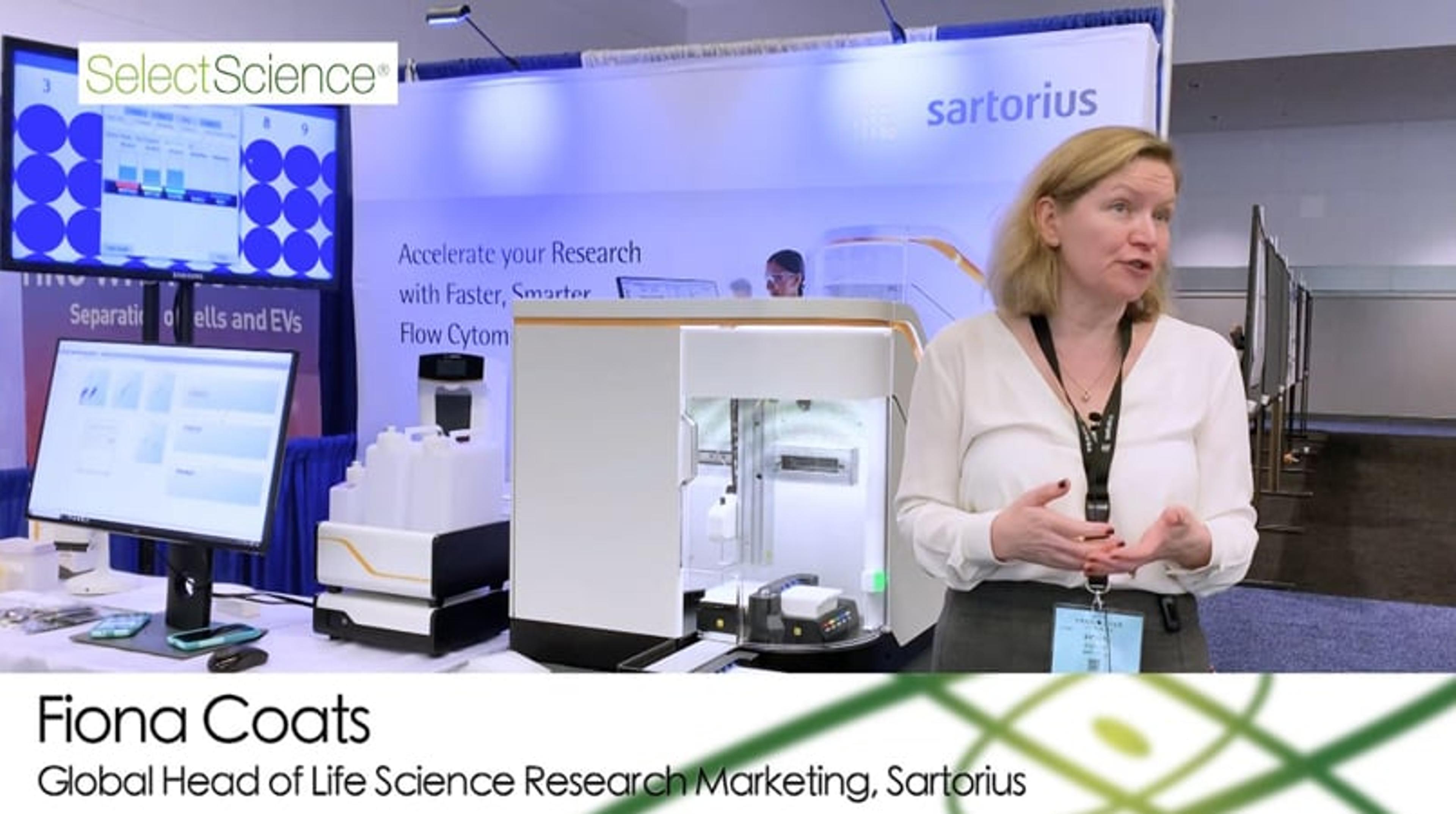
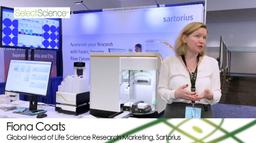
In this video, Fiona Coats, head of life science research marketing at Sartorius, outlines the latest line of the high-throughput flow cytometry platforms, as launched at this year's CYTO conference. Here, she explains how the new Intellicyt iQue3 platform is an end-to-end solution designed for speed and ease of use, from set-up to analysis.
Antibody Discovery Solutions with the Intellicyt® iQue Screener PLUS
Acquire and achieve high-content analysis of multiplexed assays with the Intellicyt® iQue Screener PLUS from Sartorius, and save time, resources and costs across your antibody discovery workflows.
This interview was filmed as part of our coverage of AACR 2019 - see other video highlights here >>
Rapid, High-Throughput Cellular Screening and Profiling with the IntelliCyt iQue Screener Platform
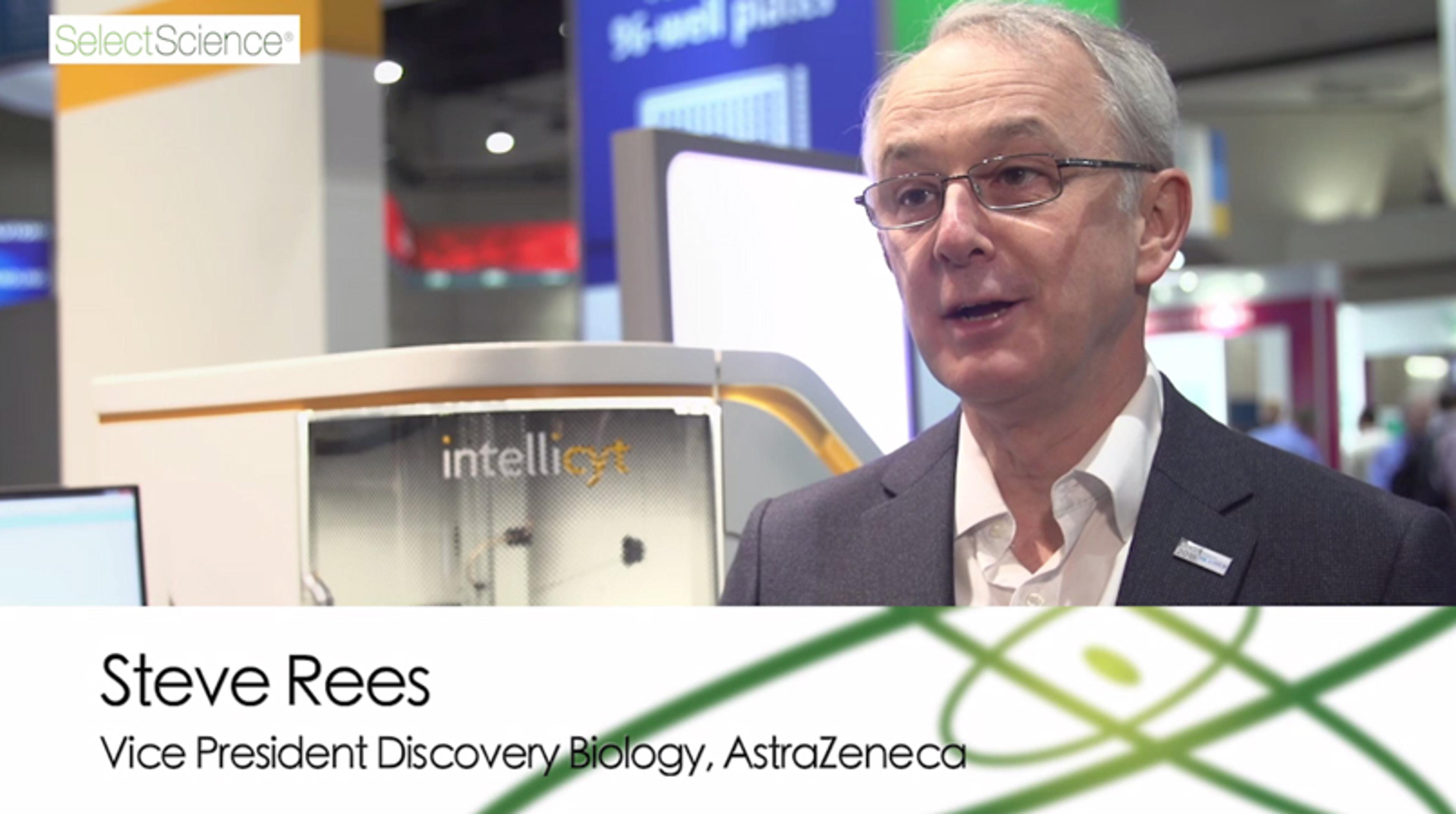
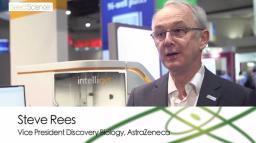
Steve Rees, Vice President of Discovery Biology, AstraZeneca, describes how the Intellicyt iQue Screener has accelerated his research in drug discovery, enabling high-throughput screening and aiding in subsequent lead optimization.

Introducing iQue's 2nd edition high-throughput cytometry handbook
Comprehensive digital guide to high-throughput screening (HTS) by cytometry, featuring assays, application data, and more
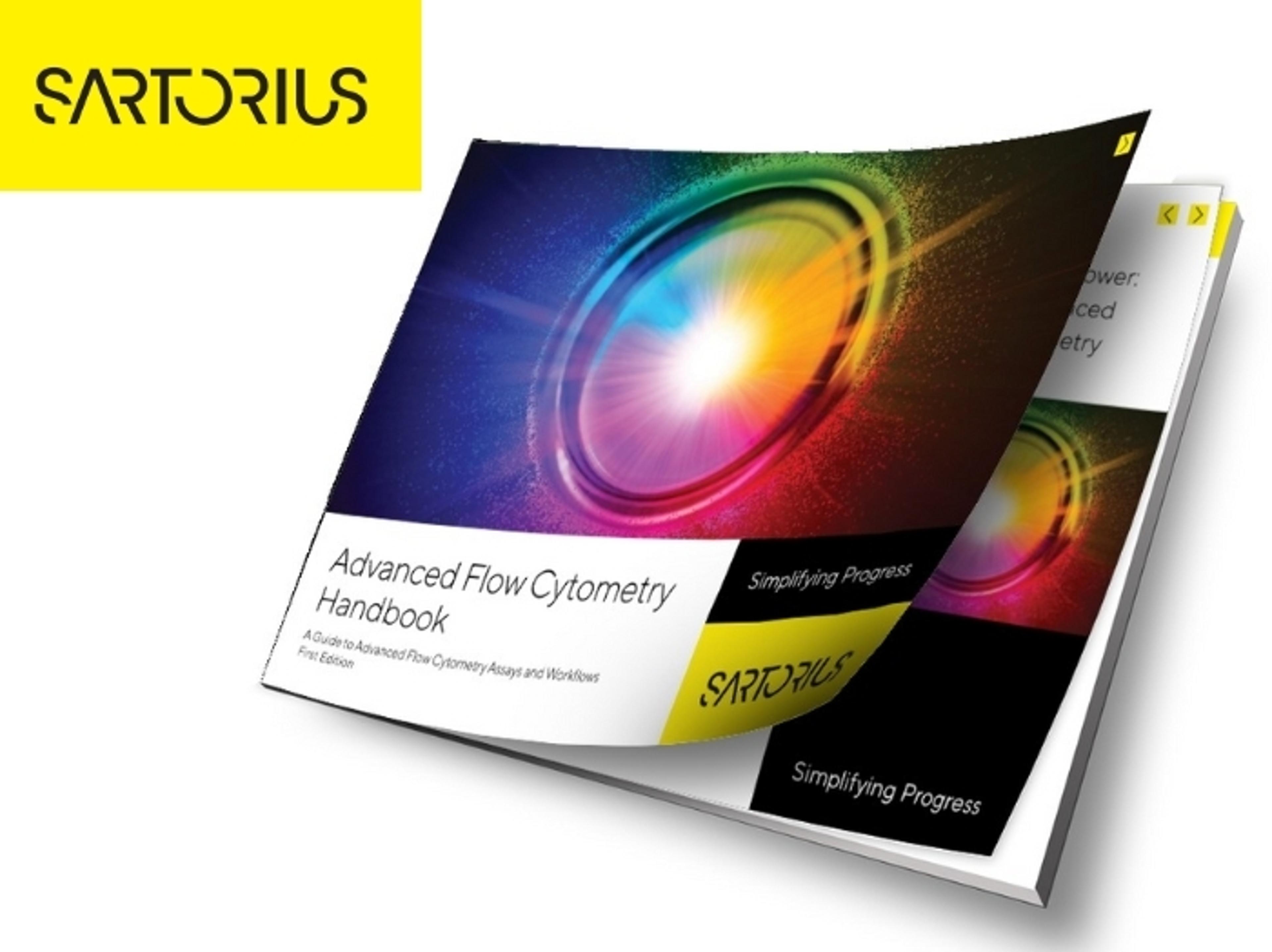
New Sartorius advanced flow cytometry digital handbook
A comprehensive and interactive digital guide to advanced flow cytometry with assays, applications, and other resources

5 essential resources to streamline your drug discovery and development processes
Explore the latest application eBooks with top tips on biopharmaceutical characterization and high-content screening

7 of the top trends and latest resources in virology and infectious diseases
Explore cutting-edge technologies, free downloads, and expert insight to support your research

9 new resources to advance your biopharmaceutical research
Explore expert webinars, free downloads, latest methods, and much more to help support biopharmaceutical research

The quest for precision medicine: Decoding cancer pathogenesis and overcoming drug resistance
Dr. Komal Kumar Javarappa shares insights from the multidisciplinary forefront of immuno-oncology, where translational biologists race against time to optimize new cancer therapies
Top new resources to advance your immuno-oncology research
Exclusive interviews, free downloads, the latest methods and much more to help support your immuno-oncology research

High-quality therapeutic antibody generation for the immuno-oncology sector
Discover the importance of high-throughput and robust methodologies for finding ‘needle-in-the-haystack’ therapeutic antibodies
T cell characterization combining advanced flow cytometry with live-cell analysis
Watch this on-demand webinar to gain insight on how advanced flow cytometry and live-cell analysis can facilitate faster drug development