In Vitro ADME-Tox Test Systems
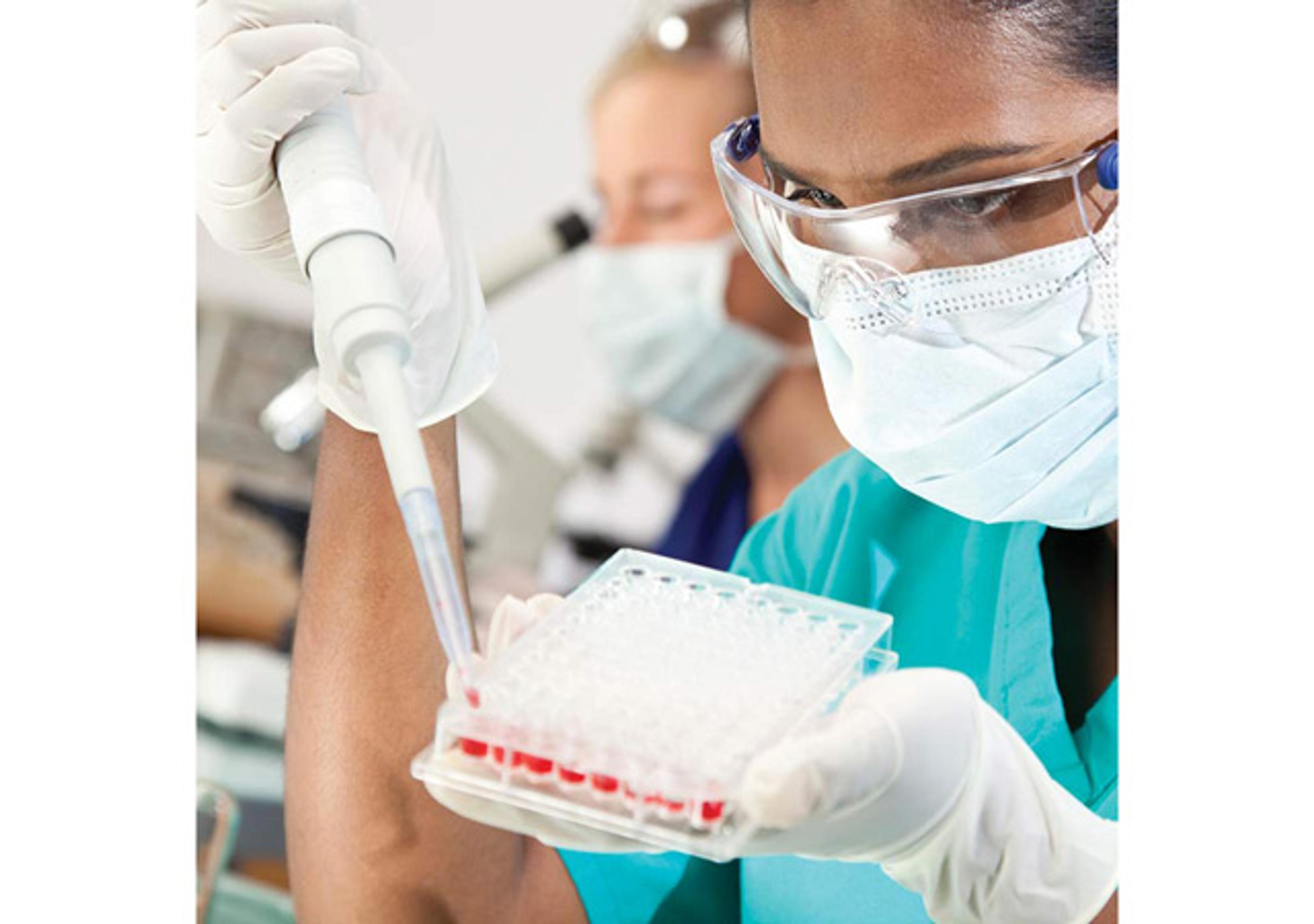
BioIVT is the leading provider of quality, highly characterized, ethically procured ADME research products, featuring custom preparation or extensive ready-to-ship inventory, large lot sizes and expert support.

Comprehensive in vitro ADME test systems


The supplier does not provide quotations for this product through SelectScience. You can search for similar products in our Product Directory.
BioIVT is the leading provider of quality, highly characterized, ethically procured ADME research products, featuring extensive ready-to-ship inventory, large lot sizes and expert support:
- Hepatocytes and long-term hepatic co- or tri-cultures
- Hepatic or extrahepatic microsomes, S9 and other subcellular fractions
- BACTOSOMES® recombinant enzymes
- Plasma, serum and other biofluids
- Kupffer cells, lysosomes, exosomes, and more
- Isolated from a diverse human donor pool or any commercially available species
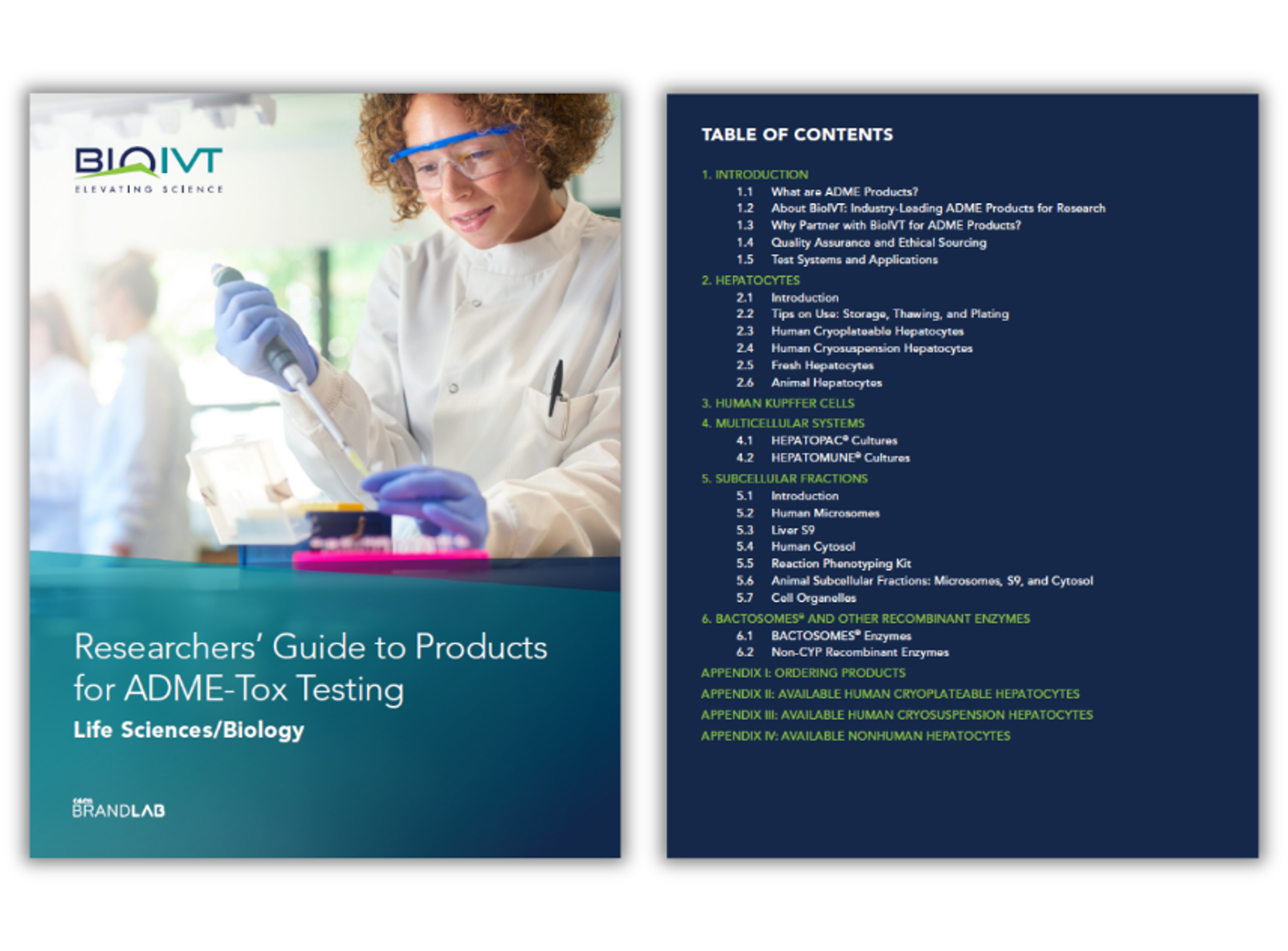
Researchers’ guide to products for ADME-Tox testing
This application note provides a comprehensive overview of BioIVT’s portfolio of in vitro ADME-Tox research products used to evaluate drug absorption, distribution, metabolism, excretion, and toxicity. Learn about primary hepatocytes, Kupffer cells, multicellular liver models, subcellular fractions and recombinant enzyme systems designed to support metabolism, drug-drug interaction, transporter, and toxicology studies. Plus, explore guidance on species comparisons, product characterization, how to select appropriate test systems, and best practices for generating reliable, reproducible data throughout preclinical drug development.
Resource details:
Resource type: Application note
Page count: 29
Read time: 20 mins
ADME/DDI challenges and strategies for emerging modalities including a PROTAC case study
Tuesday, September 29 at 16:00 BST | 17:00 CEST | 11:00 EDT | 08:00 PDT
Not all drug candidates behave like traditional small molecules. As modalities such as PROTACs, oligonucleotides, antibody-drug conjugates (ADCs), and peptides gain momentum, researchers are increasingly challenged to apply established absorption, distribution, metabolism, and excretion (ADME) and drug-drug interaction (DDI) approaches in new ways.
In vitro ADME and DDI studies are critical tools for identifying safety and potential interaction risks in early development. When applied appropriately, they can also help address the unique challenges associated with emerging modalities, including PROTACs and other protein degraders.
In this SelectScience webinar, discover how adapting test conditions and using complementary in vitro systems can improve understanding of metabolic clearance, biotransformation pathways, and DDI risk assessment. Dr. Tina Mueller, Scientific Advisor for ADME-Tox Services at BioIVT, will demonstrate applying these concepts with a case study using BioIVT-generated data from evaluating two commercially available PROTACs, ARV-825 and JNJ-1013. She will also discuss practical strategies for navigating common development challenges and generating data that supports informed decision-making and regulatory alignment.
Certificate of attendance
If you attend the live webinar, you will automatically receive a certificate of attendance, including a learning outcomes summary, for continuing education purposes.
If you view the on-demand webinar, you can request a certificate of attendance by emailing editor@selectscience.net.
Webinar details
Cost: Free to attend
Location: Online
Duration: 60 minutes
Registration is required to secure your place. If you register but can’t attend live, you will receive a link to the on‑demand recording once it becomes available.
TechTalk: Metabolic Stability in Preclinical Development: From Data to Decision Making
Friday, November 13 at 16:00 GMT | 17:00 CET | 11:00 EST | 08:00 PST
Metabolic stability studies (also known as hepatocyte stability, microsomal stability, etc.) are an important part of a new drug’s preclinical ADME evaluation. Metabolic stability influences the oral bioavailability and plasma half-life of a compound. These in vitro assays measure intrinsic clearance and determine the extent to which a drug will be metabolized.
BioIVT Scientific Advisor, Dr. Tina Mueller, provides an overview of what every researcher involved in the ADME evaluation of new therapeutics should understand about conducting these studies.
Certificate of attendance
If you attend the live TechTalk, you will automatically receive a certificate of attendance, including a learning outcomes summary, for continuing education purposes. If you view the on-demand TechTalk, you can request a certificate of attendance by emailing editor@selectscience.net.
TechTalk details
- Cost: Free to attend
- Location: Online
- Duration: 20 minutes
Registration is required to secure your place. If you register but can’t attend live, you will receive a link to the on-demand recording once it becomes available.