HPTLC PRO Module DEVELOPMENT
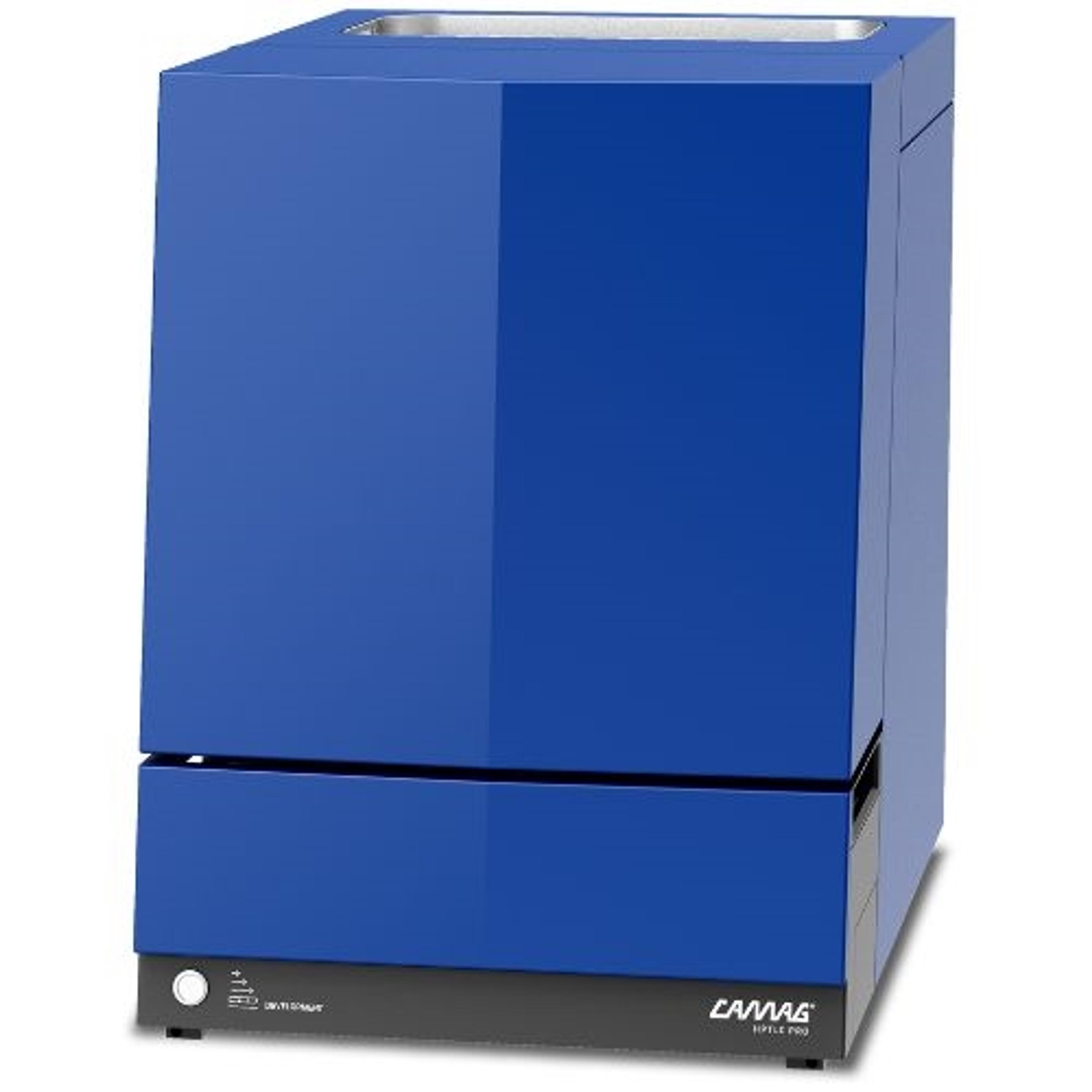
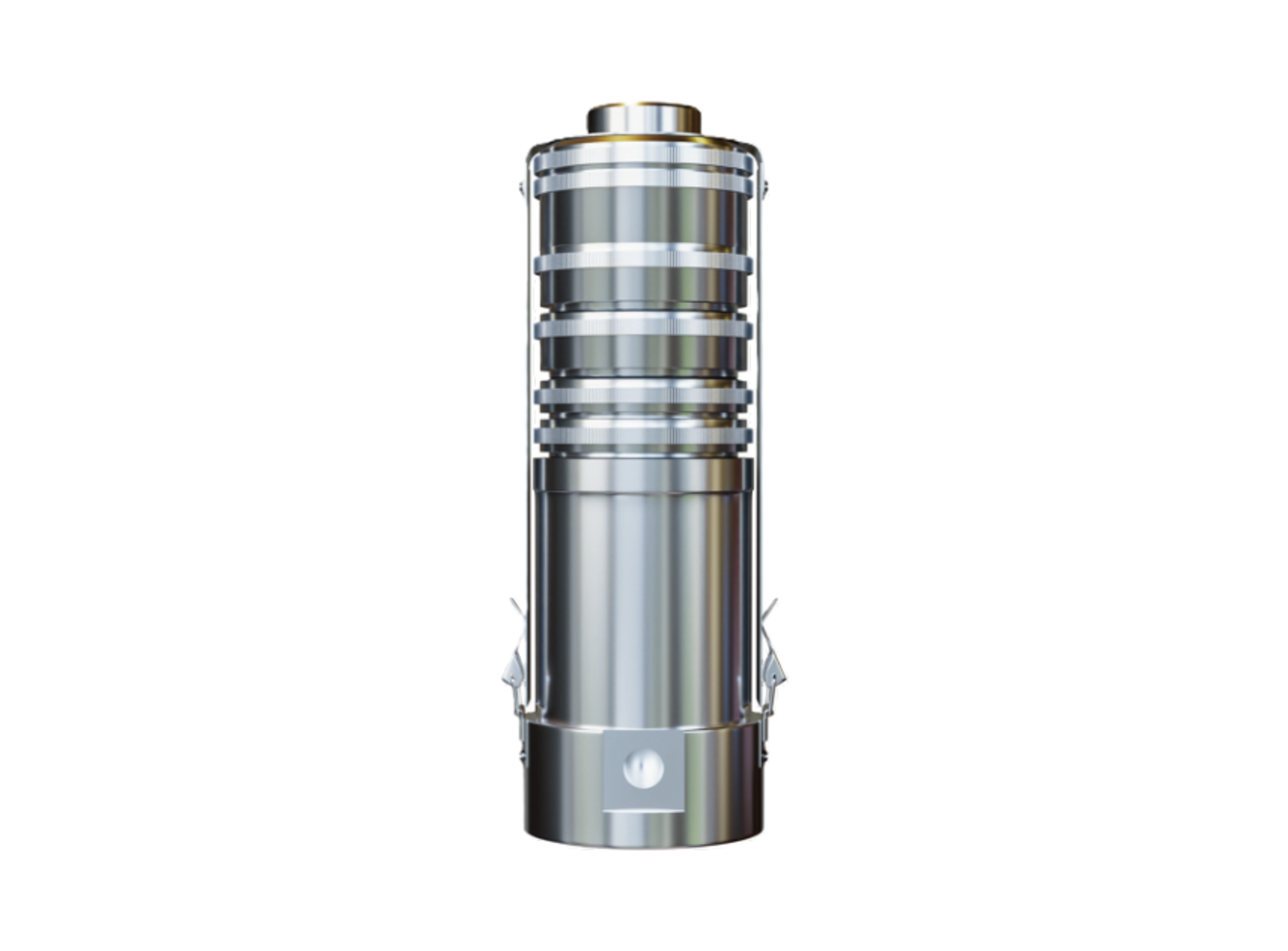
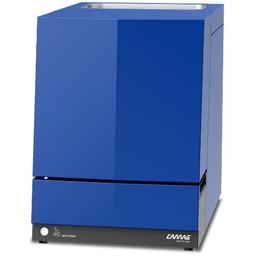
Chamber designed to separate analytes using optimized parameters (activation and preconditioning of the HPTLC glass plate (20 x 10 cm) before, conditioning during, and drying after development).
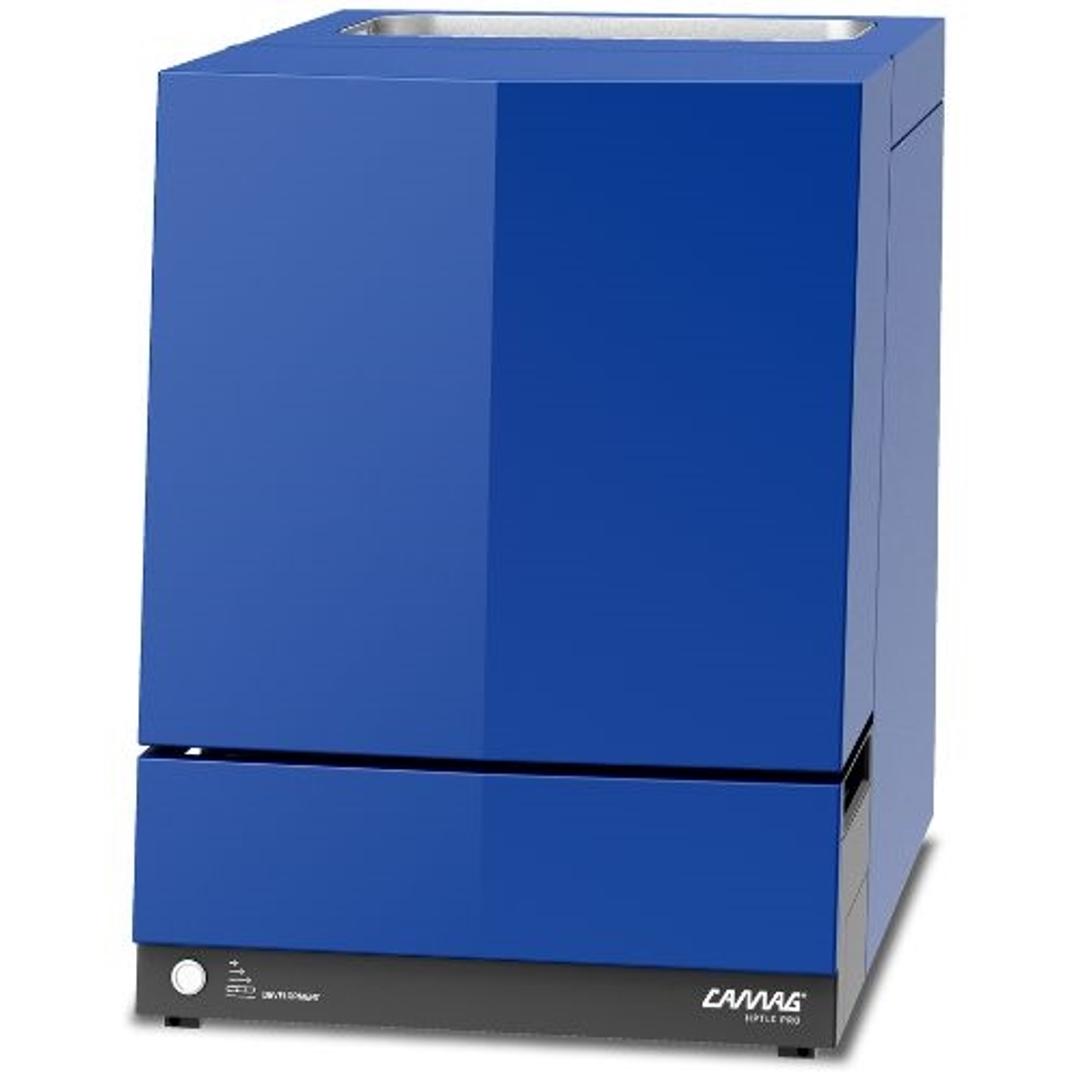
CAMAG® HPTLC PRO Module DEVELOPMENT
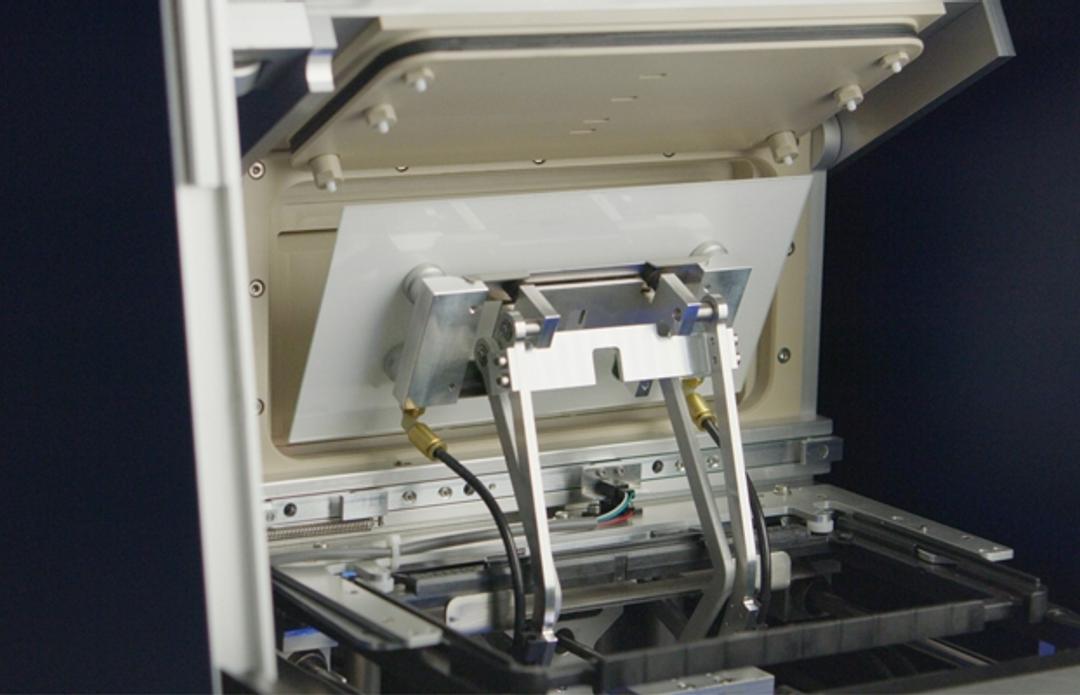
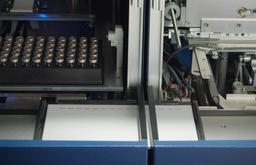
Plate loading into the developing chamber
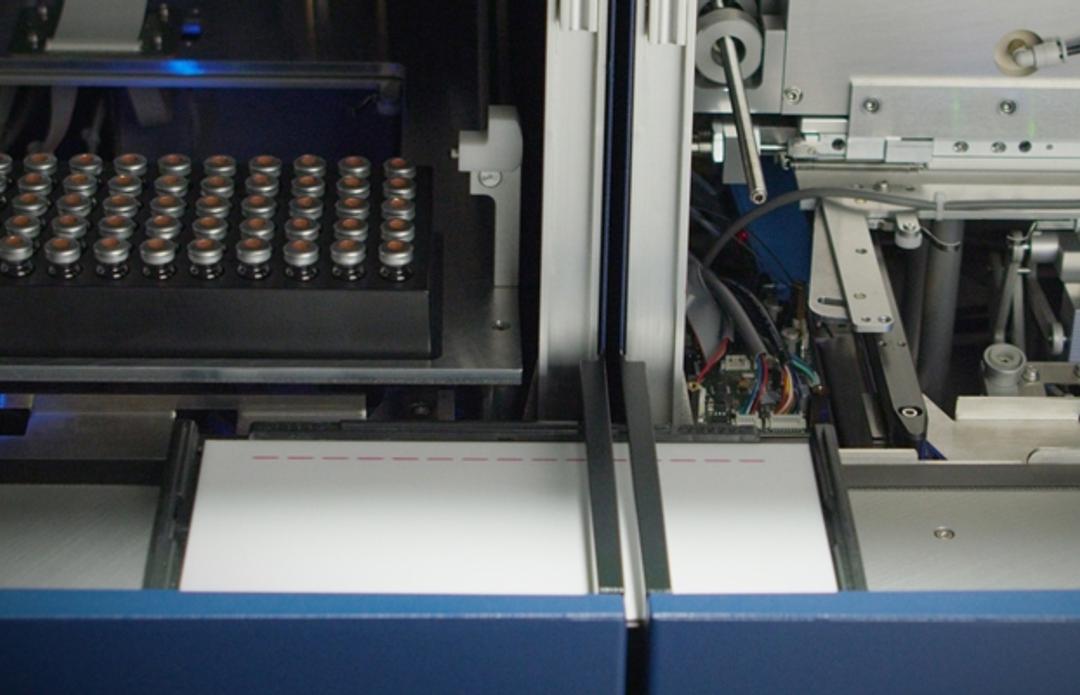
The built-in conveyor transports a 20x10cm HPTLC glass plate






The supplier does not provide quotations for this product through SelectScience. You can search for similar products in our Product Directory.
Very useful instrument to get band of different chemical constituents.
Estimation of chemical constituents of crude drug of plants.
The HPTLC instrument is a very useful instrument in the field of Pharmacy. One can get result in the form band on pre-coted silica aluminium plate.
Review Date: 1 Apr 2022 | CAMAG
The HPTLC PRO Module DEVELOPMENT is part of the CAMAG® HPTLC PRO SYSTEM – the first fully automated HPTLC system worldwide.
The sophisticated developing chamber of the CAMAG® HPTLC PRO Module DEVELOPMENT revolutionizes the development step: its geometry allows for the full control of the gas phase prior to and during chromatography, enabling the Module DEVELOPMENT to obtain highly reproducible analytical results, while the duration of pre-conditioning and activation of the stationary phase are significantly reduced.
Controlled by the CAMAG® HPTLC Software visionCATS, the Module DEVELOPMENT allows for the preparation of several analysis files, which can be executed sequentially, enabling the autonomous development of up to five different HPTLC glass plates (20 × 10 cm) with up to three different developing solvents. Users have the choice to operate a module as stand-alone or as part of the HPTLC PRO SYSTEM. If two or more modules are connected to form a system, a conveyor moves the HPTLC plate from one module to the other.
Key Features
- Part of the fully automated HPTLC PRO SYSTEM
- Development of up to 5 HPTLC plates (20 x 10 cm)
- Supports up to 3 different developing solvents
- Chamber geometry streamlined to speed up the development
- Gas phase can be actively circulated during development
- HPTLC glass plates (20 x 10 cm), only
- Optimal cleaning between different developing solvents
- Software-controlled by visionCATS
Key Benefits
- Low chamber volume for better control of the gas phase
- Fast activation and pre-conditioning of the stationary phase (due to active circulation of the gas phase)
- Full control of the gas phase during development
- Sensor-controlled constant volume of the developing solvent in the chamber during development
- Significant time savings due to active gas phase handling
- Optimized cleaning procedure between different developing solvents
- User-independent reproducibility

Quantification of carbohydrates in various matrices
CAMAG highlights methods for the quantification of carbohydrates in various matrices using the HPTLC PRO System. The quantification of carbohydrates can be challenging due to their high polarity, low volatility, lack of a chromophore, and their common occurrence in complex matrices. The HPTLC PRO allows for the separation of mono- and oligosaccharides after minimal sample preparation and sensitive detection and quantification of these compounds after post-chromatographic derivatization. The note provides a method that can reliably and accurately quantify carbohydrates in different matrices using the HPTLC PRO System.

2nd HPTLC Online User Meeting, hosted by the HPTLC Association
Promoting the use of HPTLC in plant analysis and other analytical fields is the main purpose of the International Association for the Advancement of High-Performance Thin-Layer Chromatography (HPTLC Association). For this, we bring together representatives from academia, industry, research, regulatory, and standard setting bodies.The “HPTLC Online User Meetings” shall facilitate a worldwide exchange of knowledge between HPTLC users and share the spirit of working in an exciting analytical field!
Using just classical Silica gel 60? There is more!
The stationary phase most commonly used in basic and High-Performance Thin-Layer Chromatography is the classic Silica gel 60 layer. It is also referred to as the normal phase. However, for many applications the choice of a modified silica gel layer could lead to a much better chromatographic result. Plus, the corresponding mobile phase may permit the use of less hazardous solvents. This session will discuss the diverse properties of available stationary phases, and present unique application examples to illustrate the possible improvements of separation conditions.
How to assess the safety of food products in absence of toxicological data
Assessing the safety of food is challenging as foods are complex mixtures containing thousands of known and unknown substances occurring at various concentrations. What is the best method to detect chemicals of most concern on which further toxicological investigations should be focused? Recent progress using Thin-Layer Chromatography (HPTLC) coupled to bioassays has been proposed as a breakthrough solution to fill some of the gaps identified with standard bioassays. In this session, HPTLC effect-direct analysis (EDA) for toxicologically relevant endpoints will be presented, anchoring bioassays and chemical analysis in complex mixtures of unknown composition with the goal to optimize and speed up decision-making in Food Safety.
Space for discussions – Meet the speakers and representatives from the HPTLC Association in a follow-up meeting held via Zoom at 15:15 BST
Take the opportunity to engage in discussions with speakers, colleagues, and representatives from the HPTLC Association in a moderated Zoom meeting, scheduled immediately after the main event. A separate registration for the Zoom meeting is not required – registrants for the main event will receive an email invitation with an access link one day prior to the event. Additionally, a QR code and a shortlink will be displayed after the Q/A session to bridge the gap, enabling a seamless transition from the webinar platform to the Zoom meeting also for last minute registrants.
Key learning objectives
- Extend your knowledge about HPTLC and understand the benefits of HPTLC for diverse applications.
- Get insights into the daily work of HPTLC users.
- Learn how to optimize your HPTLC application(s).
Who should attend?
- Researchers
- Students
- Analysts
- Technicians
- Scientists
- Members of the HPTLC Association
Certificate of attendance
All webinar participants can request a certificate of attendance, including a learning outcomes summary, for continuing education purposes.
This event is sponsored by:
CAMAG HPTLC PRO – Fully automated high-performance thin-layer chromatography
In this video, CAMAG presents a webinar where a fully automated system for high-performance thin-layer chromatography (HPTLC) is discussed. Dr. Melanie Broszat, scientific business development manager at CAMAG, explains the various components of the system, including the sample application device, the plate handler, and the data analysis software, and describes how they work together to automate the entire process of conducting an HPTLC experiment. By automating the process, the system reduces user error and increases the reproducibility and accuracy of results. The video also provides examples of applications for the system, such as the analysis of medicinal plants and food samples, and highlights the benefits of using HPTLC in these fields.
The universal HPTLC mix: A new concept for system suitability tests in HPTLC
In this video, CAMAG presents a webinar where a new method for system suitability tests (SST) in high-performance thin-layer chromatography (HPTLC) is discussed. Dr. Tiên Do, Head of Laboratory, explains the importance of SSTs in chromatography and how they are used to assess the performance of the system and ensure the reliability of results. The new method presented involves using a specially designed plate with eight reference compounds that can be analyzed simultaneously with the sample. The reference compounds cover a range of polarities and Rf values, allowing for a comprehensive evaluation of the HPTLC system. The webinar serves as a practical guide for researchers and practitioners in HPTLC who are interested in improving their SST procedures and ensuring the reliability of their results.
Comprehensive HPTLC fingerprinting for quality control of herbal drugs
In this video, CAMAG presents a webinar where the application of high-performance thin-layer chromatography (HPTLC) in the quality control of food, herbal, and Ayurvedic products was discussed. The various speakers explain how HPTLC fingerprinting can be used as a rapid and reliable method for identifying and assessing the quality of natural products, such as herbs and spices, as well as processed foods. The speakers also highlight the advantages of HPTLC fingerprinting over traditional methods like high-performance liquid chromatography (HPLC), including its cost-effectiveness, high-throughput capability, and ease of operation.
CAMAG announces HPTLC PRO
The HPTLC PRO offers high-power thin-layer chromatography technology that produces hyperspectral evaluations of analyte mixtures in a reliable, reproducible, and automated manner.

HPTLC Online User Meeting: Highlights from the discussion
Watch this on-demand webinar to expand your knowledge of HPTLC and discover the benefits of HPTLC for a diverse range of applications

Automate your routine QC with high-performance thin-layer chromatography
In this on-demand webinar, discover a new approach to fully automated QC and explore the newest trends in HPTLC instrumentation

Automate your routine QC with high-performance thin-layer chromatography
Join us on Monday, December 14, to discover a new approach to fully automated QC and explore the newest trends in HPTLC instrumentation