Cydem VT System
Automated Cell Culture System


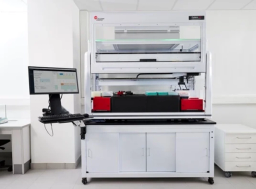


The supplier does not provide quotations for this product through SelectScience. You can search for similar products in our Product Directory.
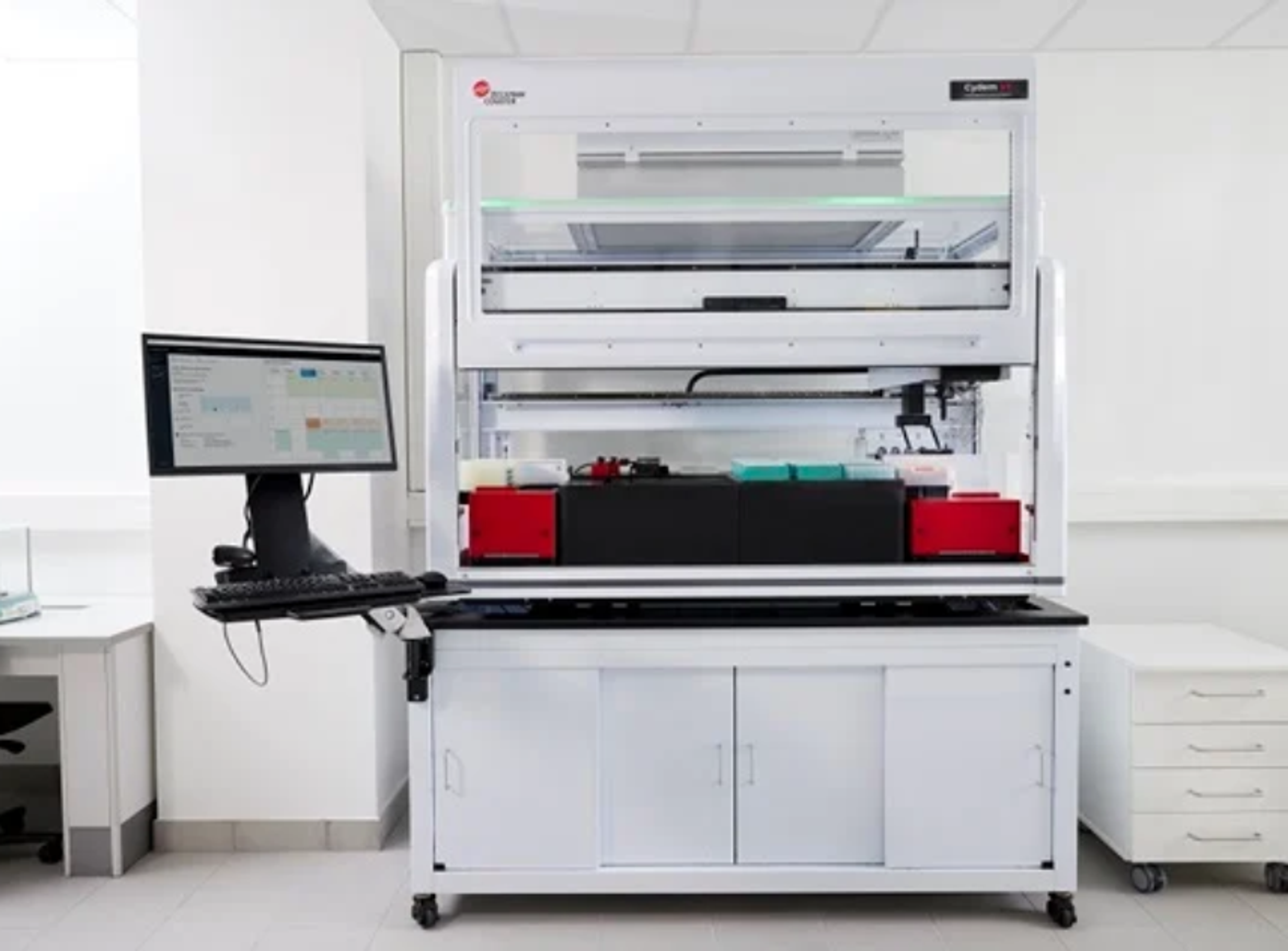
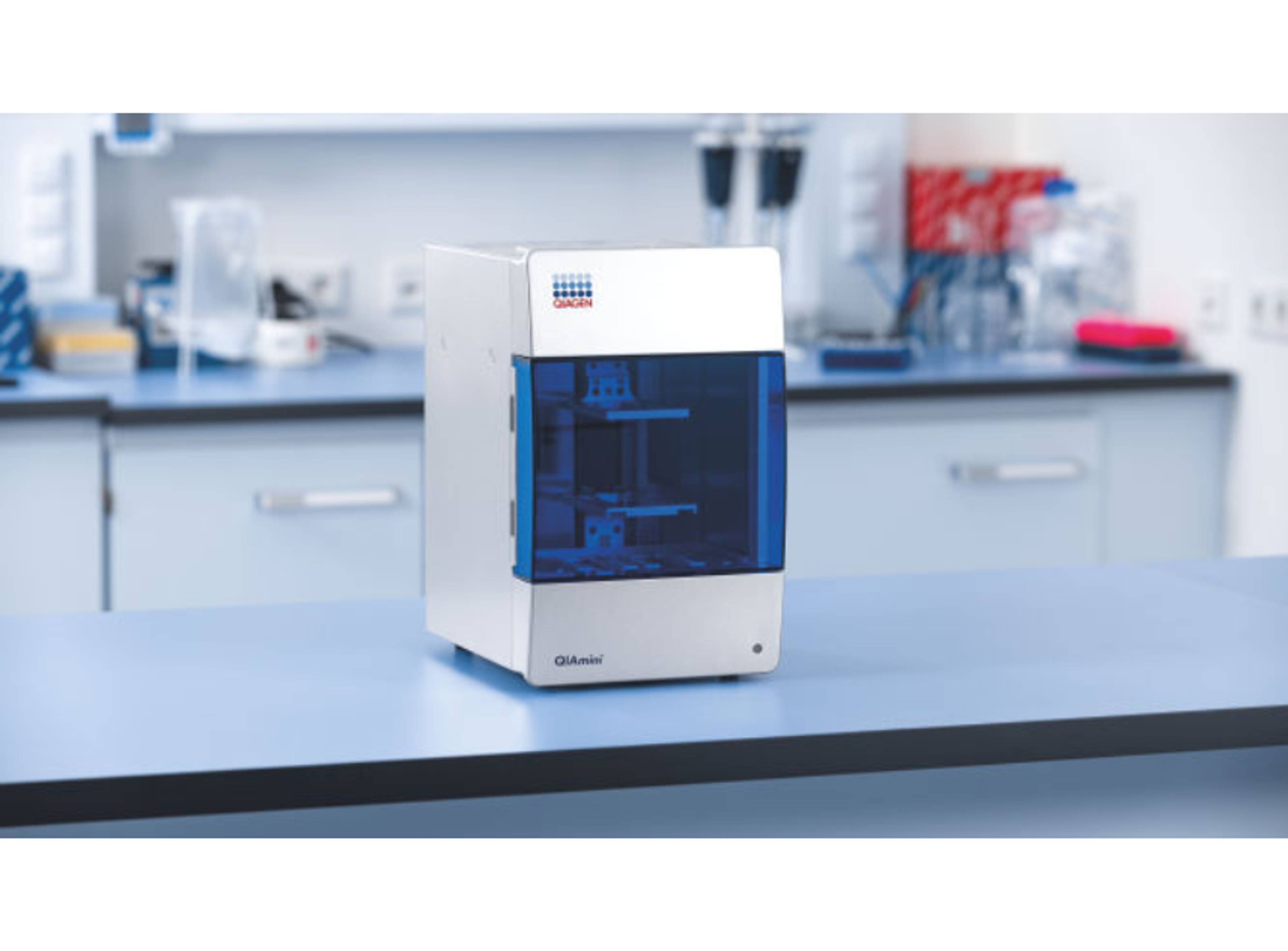
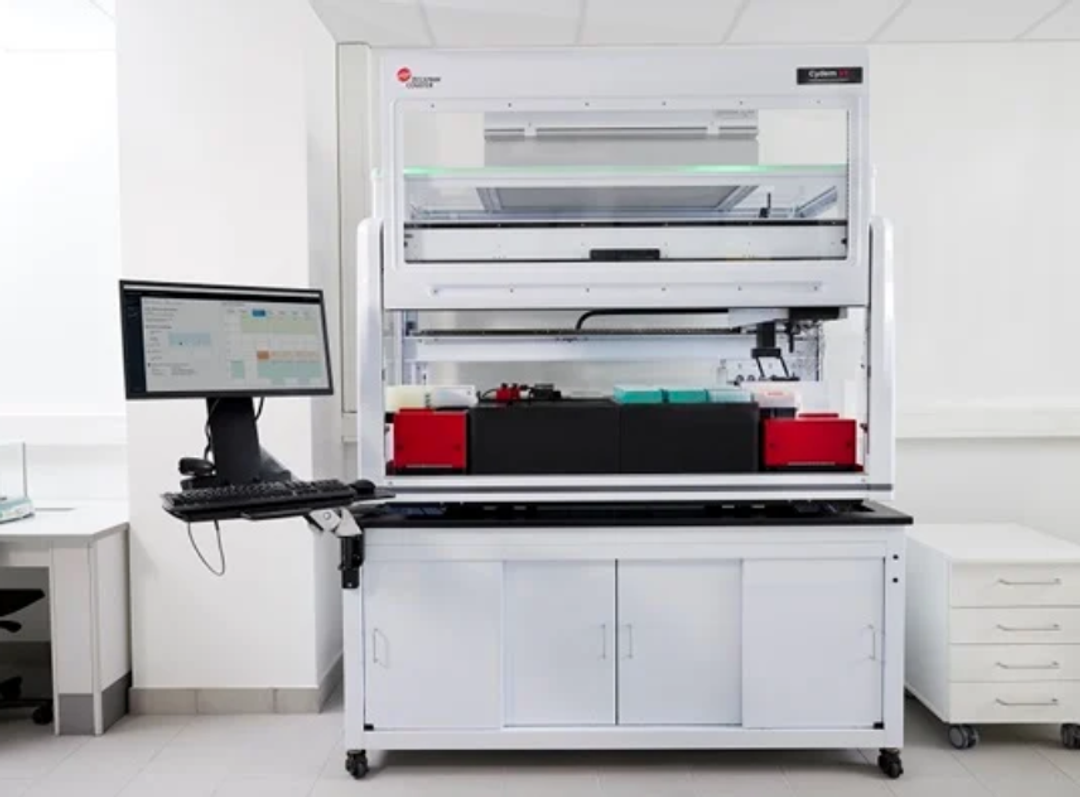
The Cydem VT Automated Cell Culture System combines multiple trusted Beckman Coulter Life Sciences technologies into one advanced platform that empowers lab managers with a far more effective, higher-throughput method for top clone screening in Cell Line Development—offering increased confidence that promising clones don’t get overlooked in the process of consistently selecting the best.
Brochures

Cydem VT Automated Clone Screening System brochure
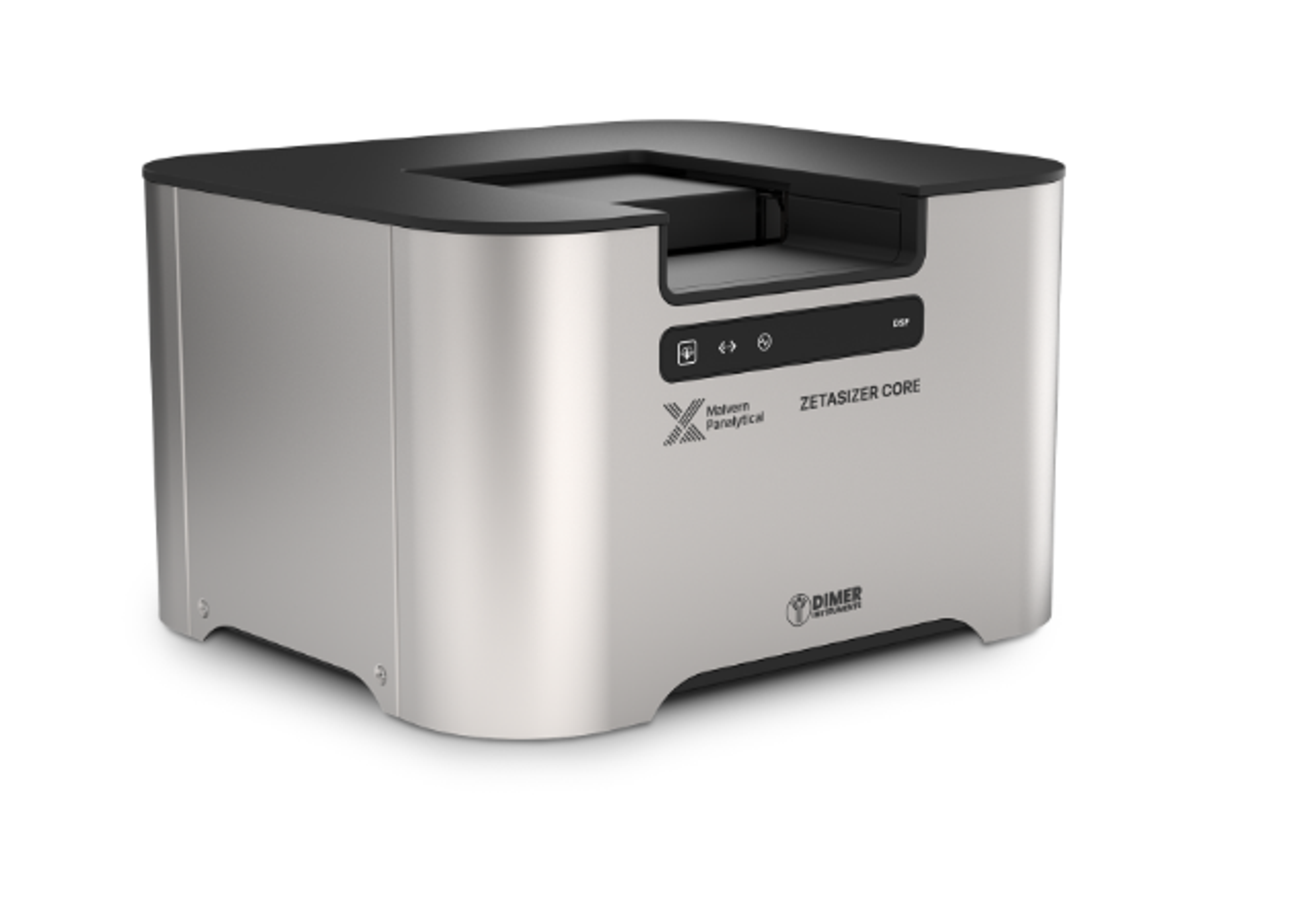
Explore the Cydem VT Automated Clone Screening System which combines multiple Beckman Coulter technologies into one advanced platform, including an integrated liquid handler, and integrated bioreactor, titer, and cell count and viability modules. Lab managers working with the Cydem VT Automated Clone Screening System can improve success rate along with benefitting patients as it allows researchers to select the best clone for therapies and cures.
Introducing the Cydem VT automated cell culture system: high-throughput solutions for clone screening
The Cydem VT Automated Cell Culture System revolutionizes clone screening with its advanced high-throughput capabilities. Designed for parallel fed-batch cultivation of up to 96 clones, it features automated liquid handling, precise environmental controls, and integrated modules for real-time cell health and titer analysis. This reliable, user-friendly platform ensures optimal productivity and reproducibility for cell line development and biopharma research.
In this application note, we describe how to set up your experiment on the Cydem VT System. An overall understanding of the device’s modules will be given, and protocol and experiment considerations discussed. Furthermore, the options for data analysis are presented.
Efficient clone screening with the Cydem VT Automated Clone Screening System
Discover how Beckman Coulter Life Sciences' technology allows for parallel screening of up to 96 IgG producing CHO clones. This system provides individual gassing control with CO₂, O₂ and N₂ for all cultivations and determines cell concentration, viability and titer concentration. A prototype of the Cydem VT system was placed at a third-party cell line development laboratory, where it was tested and used by their team of scientists as part of their clone screening process.
Cultivate mammalian cells with the Cydem VT system bioreactor module
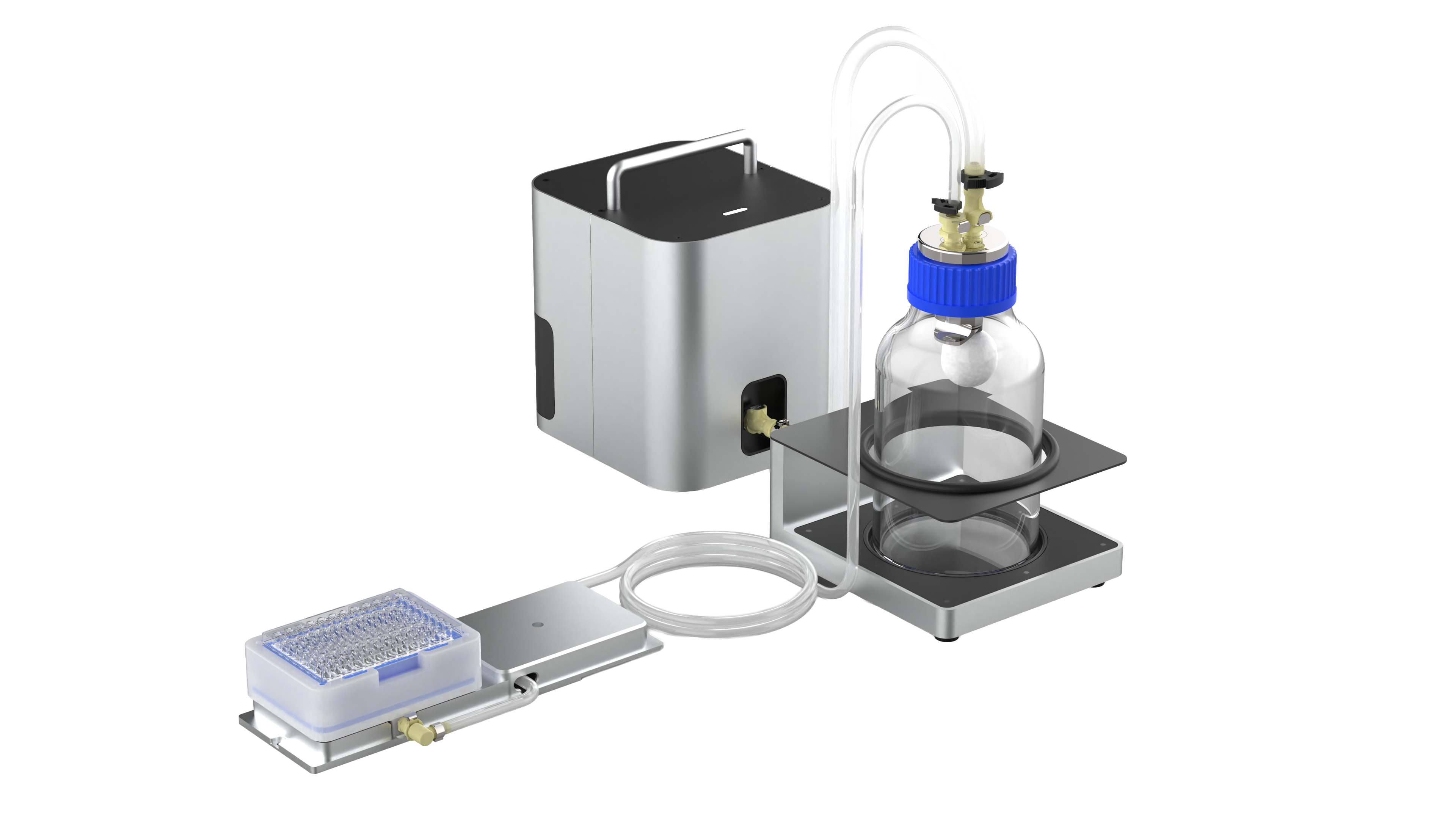
Consistency is crucial to clone screening for cell line development and allows top clones to be confidently selected. As an evolution of the BioLector bioreactor, Beckman Coulter Life Sciences has introduced the Cydem VT bioreactor module to feature fine-tuned delivery of O2, CO2 and N2 gases, to create a stable environment for optimal mammalian cell growth and antibody production. Discover how the Cydem VT system delivers reliable and predictable cell health results for week-long fedbatch experiments.
Generating an antibody standard curve with the Cydem VT system
Explore the Cydem VT Automated Clone Screening System from Beckman Coulter Life Sciences, a solution for generating accurate antibody standard curves. Leveraging fluorescence polarization, it provides precise IgG quantification and integrates quality criteria, enhancing data reliability for biologic drug development.
The Cydem VT Automated Cell Culture System for clone screening experiments
Beckman Coulter Life Sciences describes how to set up an experiment on the Cydem VT Automated Cell System. Explore the high-throughput platform for fast and reliable clone screening experiments. An overall understanding of the device’s modules are given, and protocol and experiment considerations discussed. Furthermore, the options for data analysis are presented.

Vote for the Best New Drug Discovery & Development Product in the Scientists’ Choice Awards 2025
For the chance to win a $100 Amazon Gift Card cast your vote for the new product that has made the most difference to research
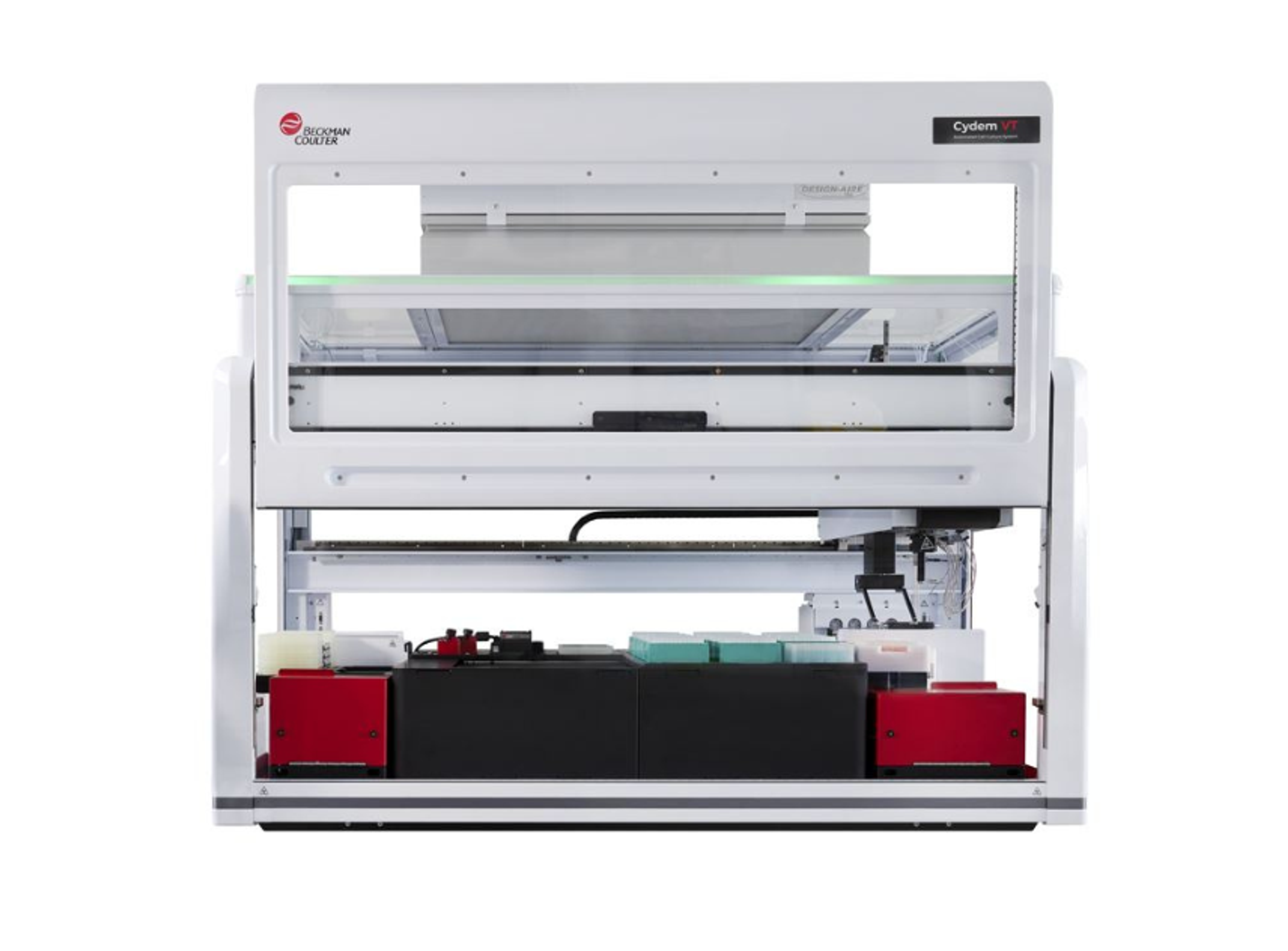
Beckman Coulter Life Sciences launches Cydem VT Automated Clone Screening System
High-throughput platform accelerates drug discovery by reducing the number of manual steps by up to 90%