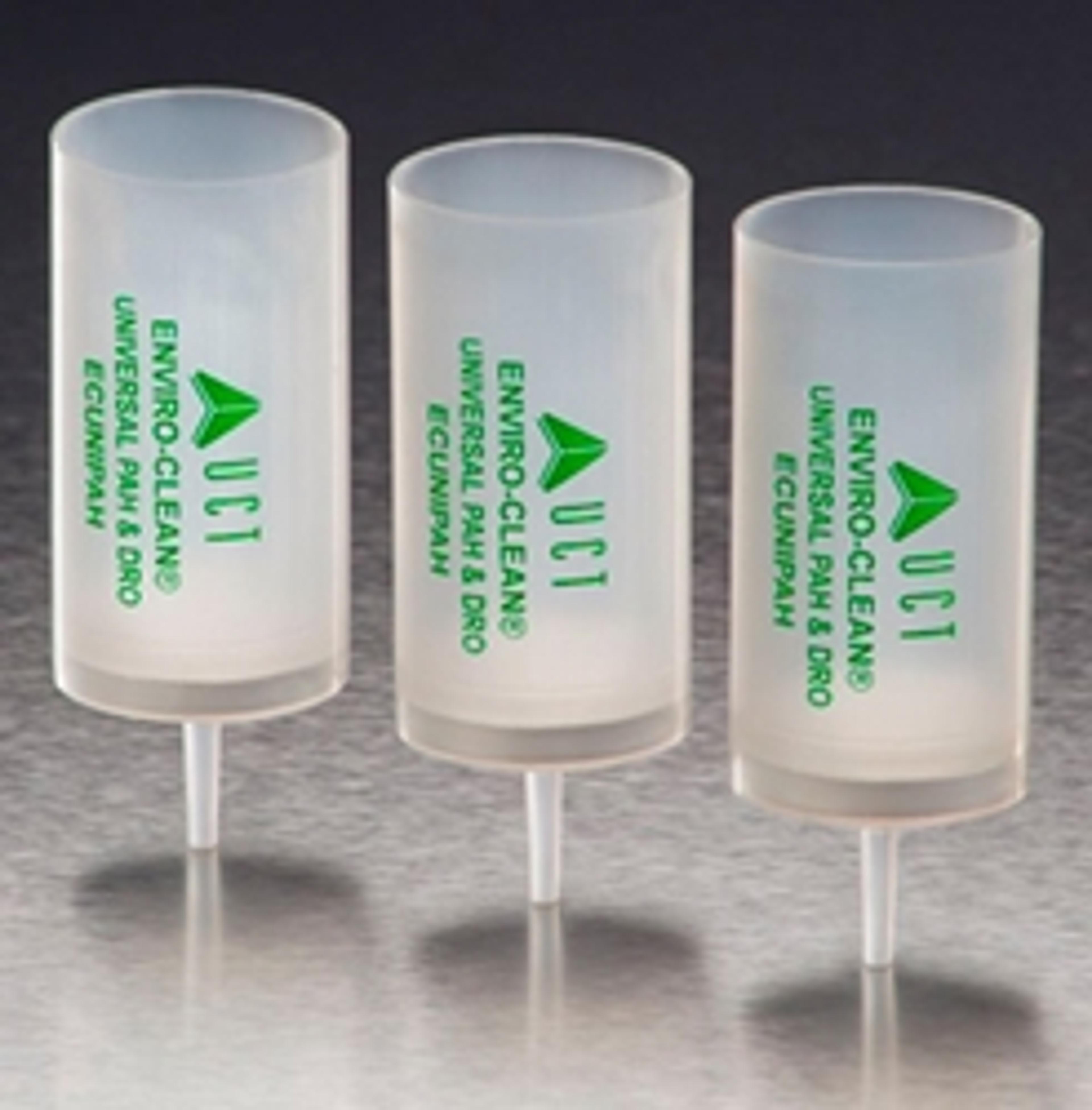
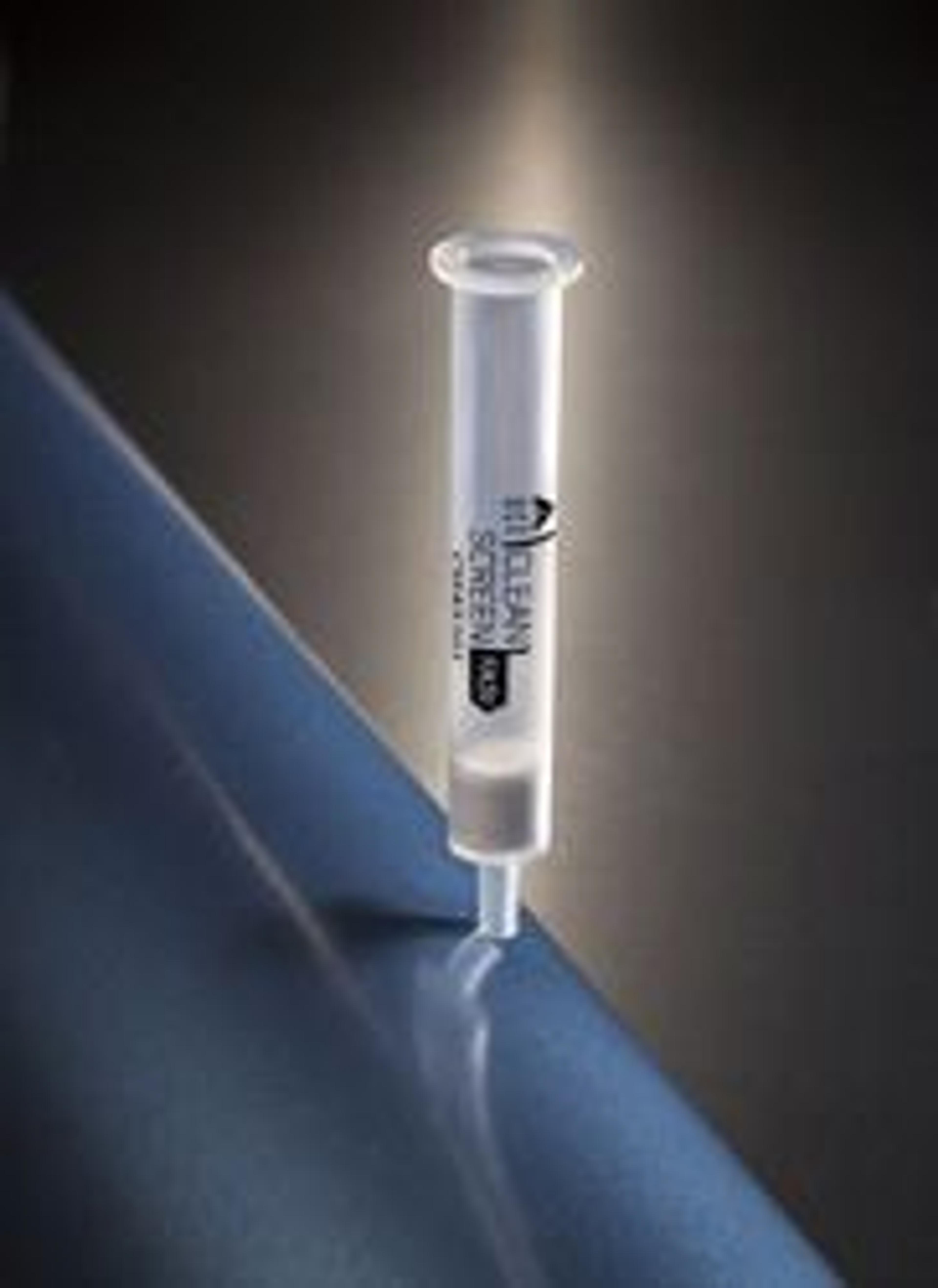
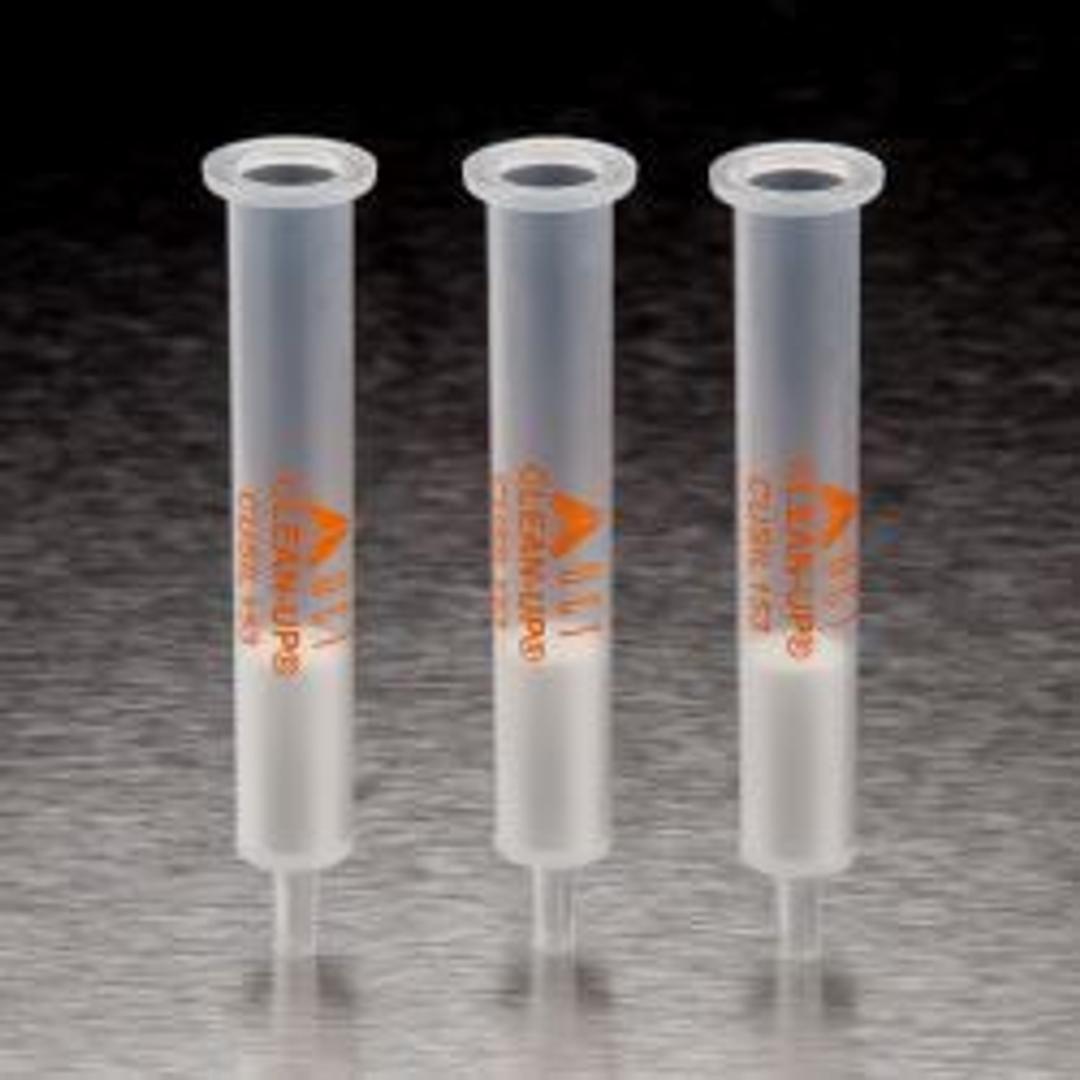
Clean-Up® Hydrophilic Columns
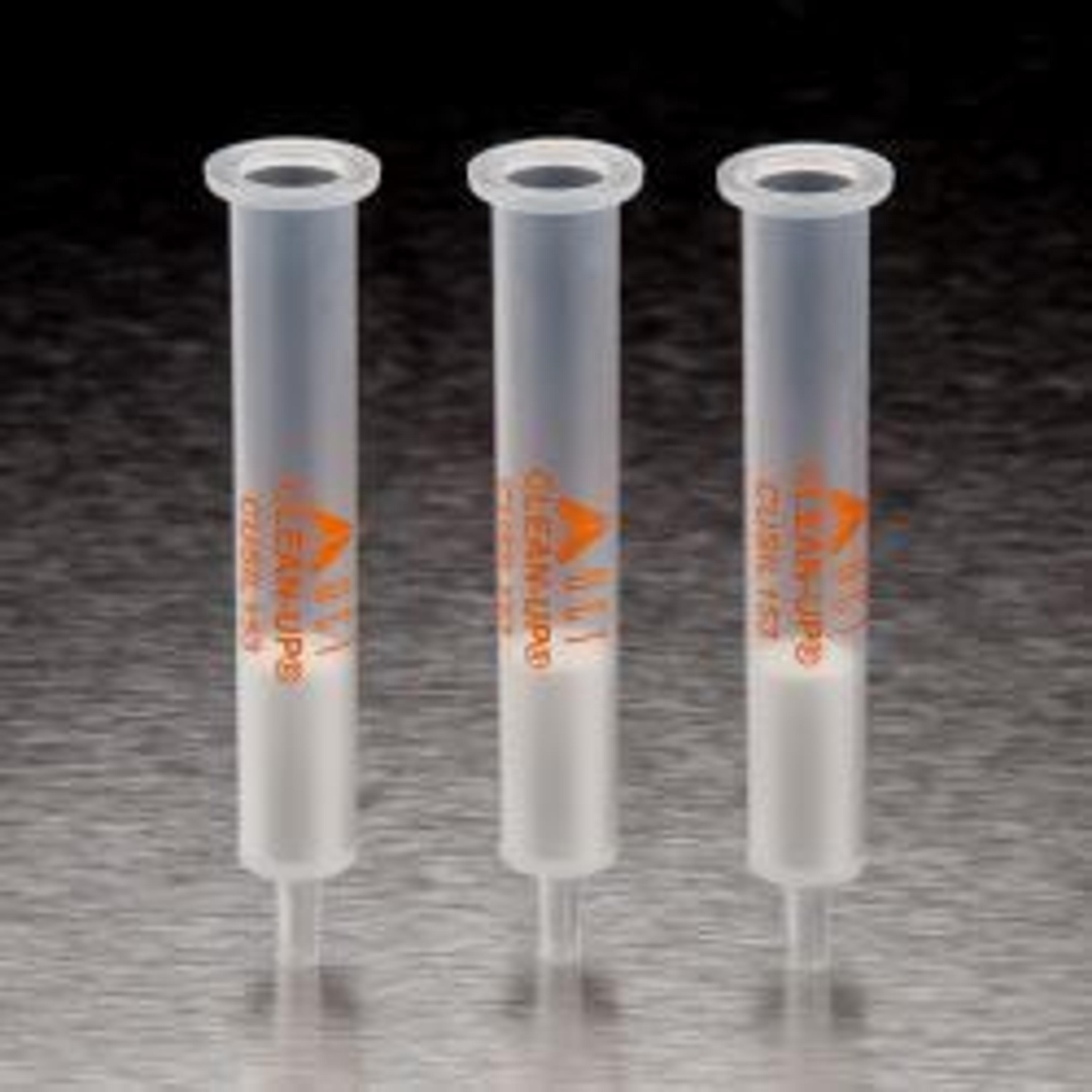
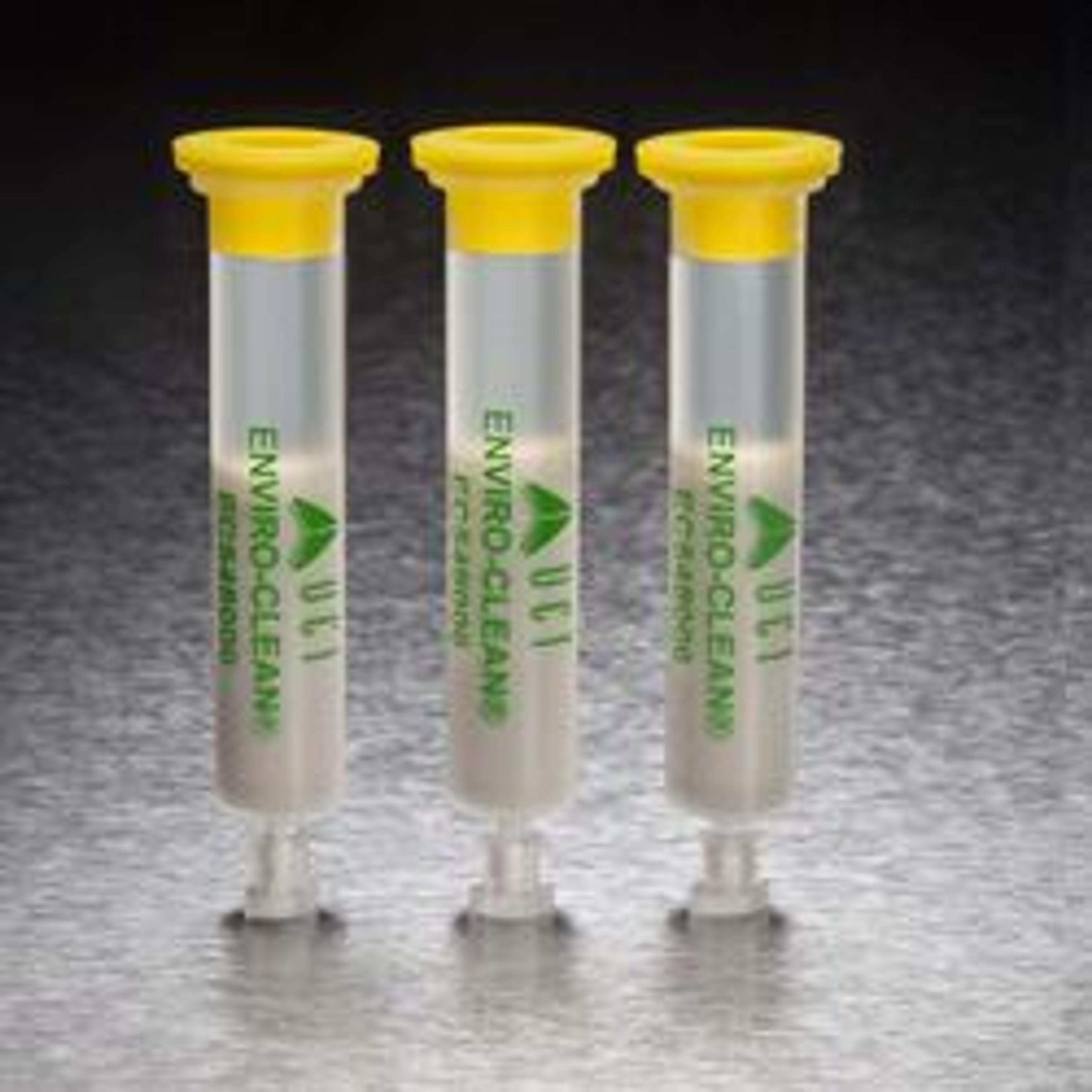
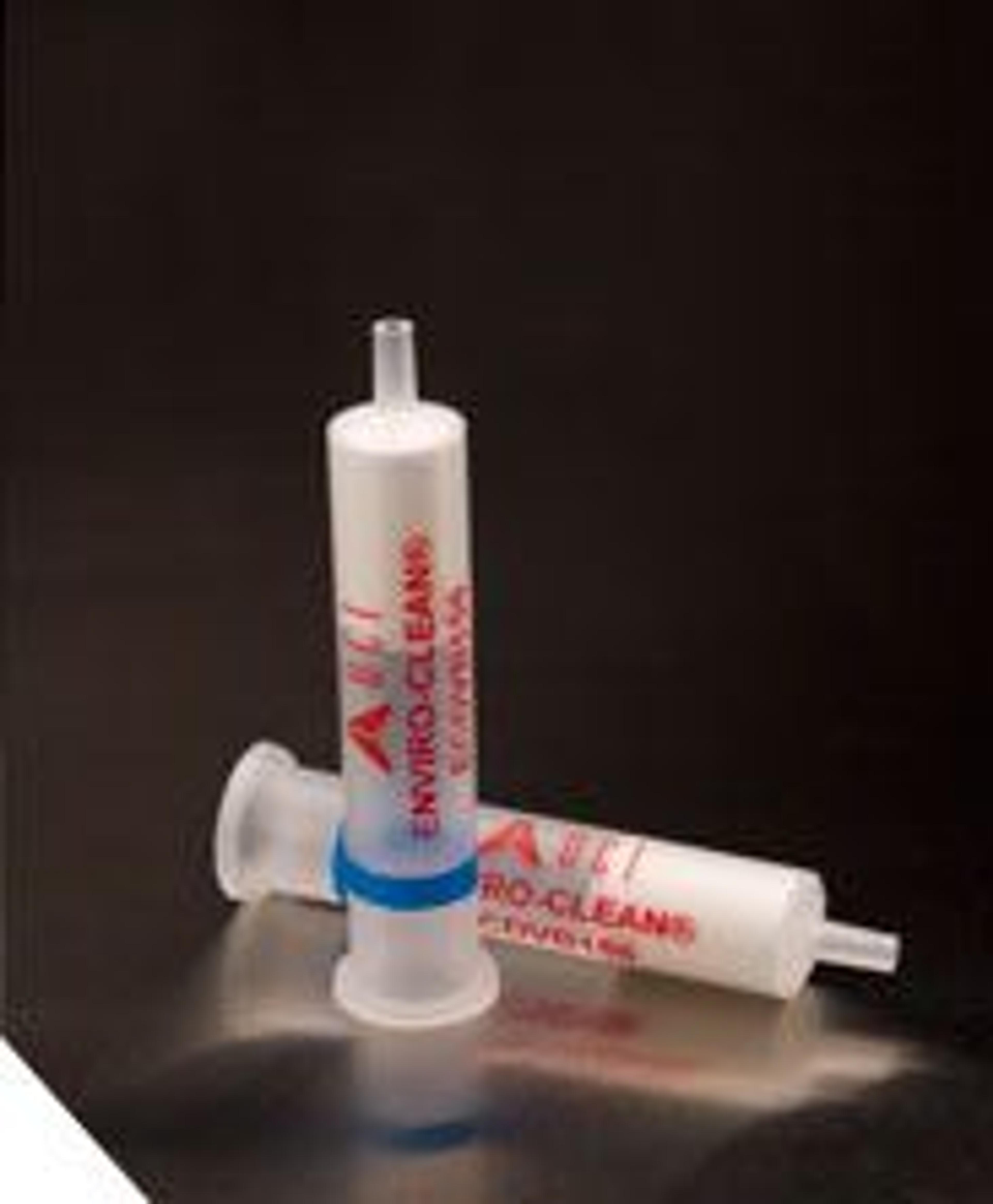
Compounds are retained on hydrophilic sorbents through polar interactions including hydrogen bonding, pi-pi or dipole-dipole interaction. Compounds typically extracted on a hydrophilic column include analytes which have polar groups, including amines, hydroxyls and carbonyls. Elution is performed by strong polar solvents. For these types of extractions UCT offers various types of base silica, Florisil®, Alumina's, cyanopropy…

Receive your quote directly from the manufacturer.
Compounds are retained on hydrophilic sorbents through polar interactions including hydrogen bonding, pi-pi or dipole-dipole interaction.
Compounds typically extracted on a hydrophilic column include analytes which have polar groups, including amines, hydroxyls and carbonyls. Elution is performed by strong polar solvents. For these types of extractions UCT offers various types of base silica, Florisil®, Alumina's, cyanopropyl and diol sorbents as well as non-porous graphitized carbon.

Comparison of SPE vs. SLE for the Quantitative Analysis of Anabolic Steroids in Serum Using LC-MS/MS
Analysis of anabolic steroids in serum typically requires a sample pretreatment step such as solid-phase extraction (SPE) prior to instrumental analysis. Traditional SPE-based methods utilize C18 or alternative reversed phase sorbents to retain the hydrophobic steroids. Alternatively, the use of a supported liquid extraction, or SLE, is also gaining popularity for this panel of compounds. This application note demonstrates a method that utilizes a traditional reversed phase interaction, but also features the addition of strong-anion exchange functionality (QAX) within the sorbent. This added functionality aids in the removal of unwanted matrix components commonly found in serum such as amino acids and inorganic ions.