CellRaft AIR System
Empowering the generation and automated isolation of monoclonal colonies from single cells




The supplier does not provide quotations for this product through SelectScience. You can search for similar products in our Product Directory.
I can recommend it to anyone who wants to pick single cells or clone.
whole genome amplification from single cells
It is user-friendly.
Review Date: 13 Dec 2022 | Cell Microsystems
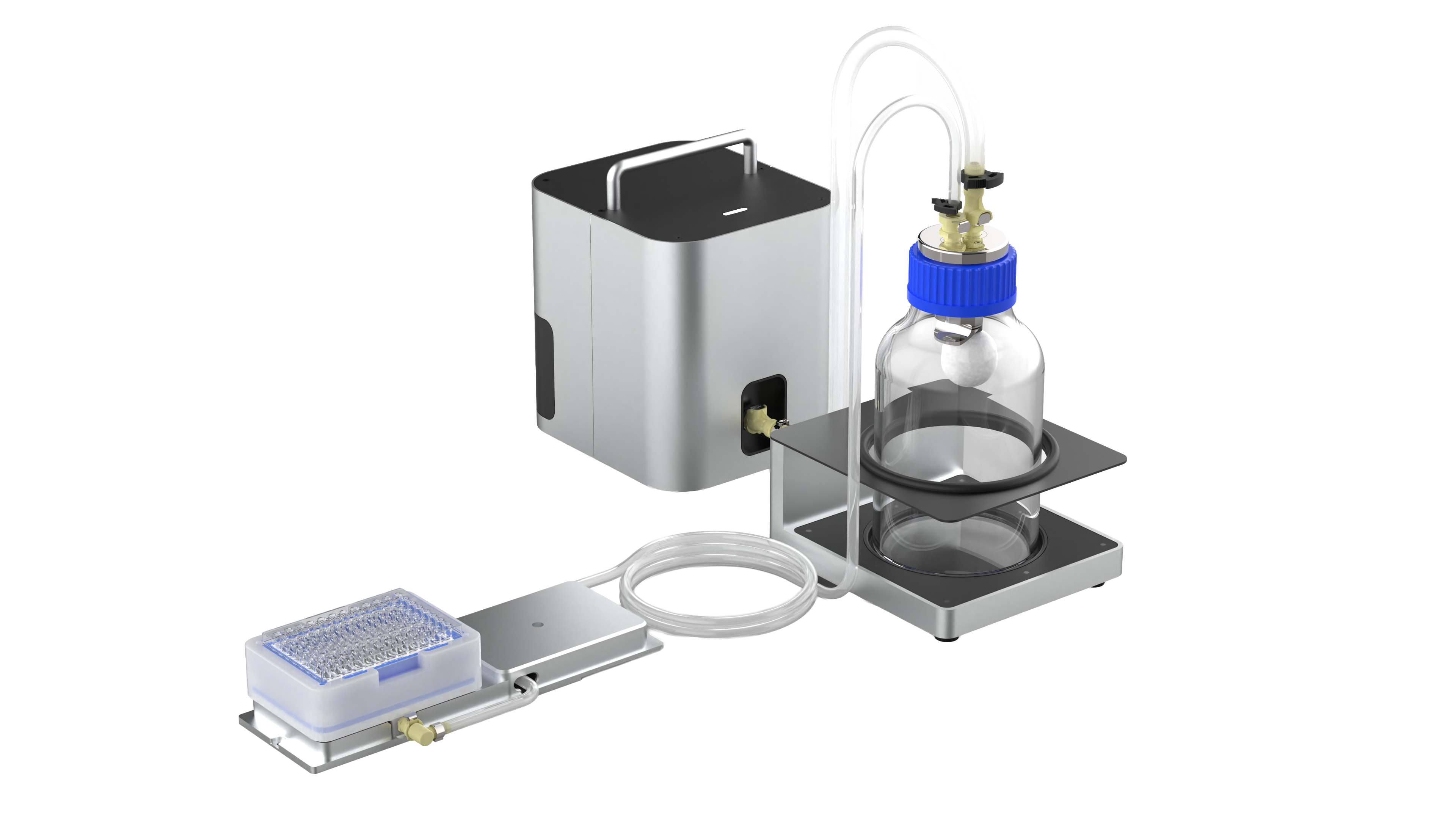
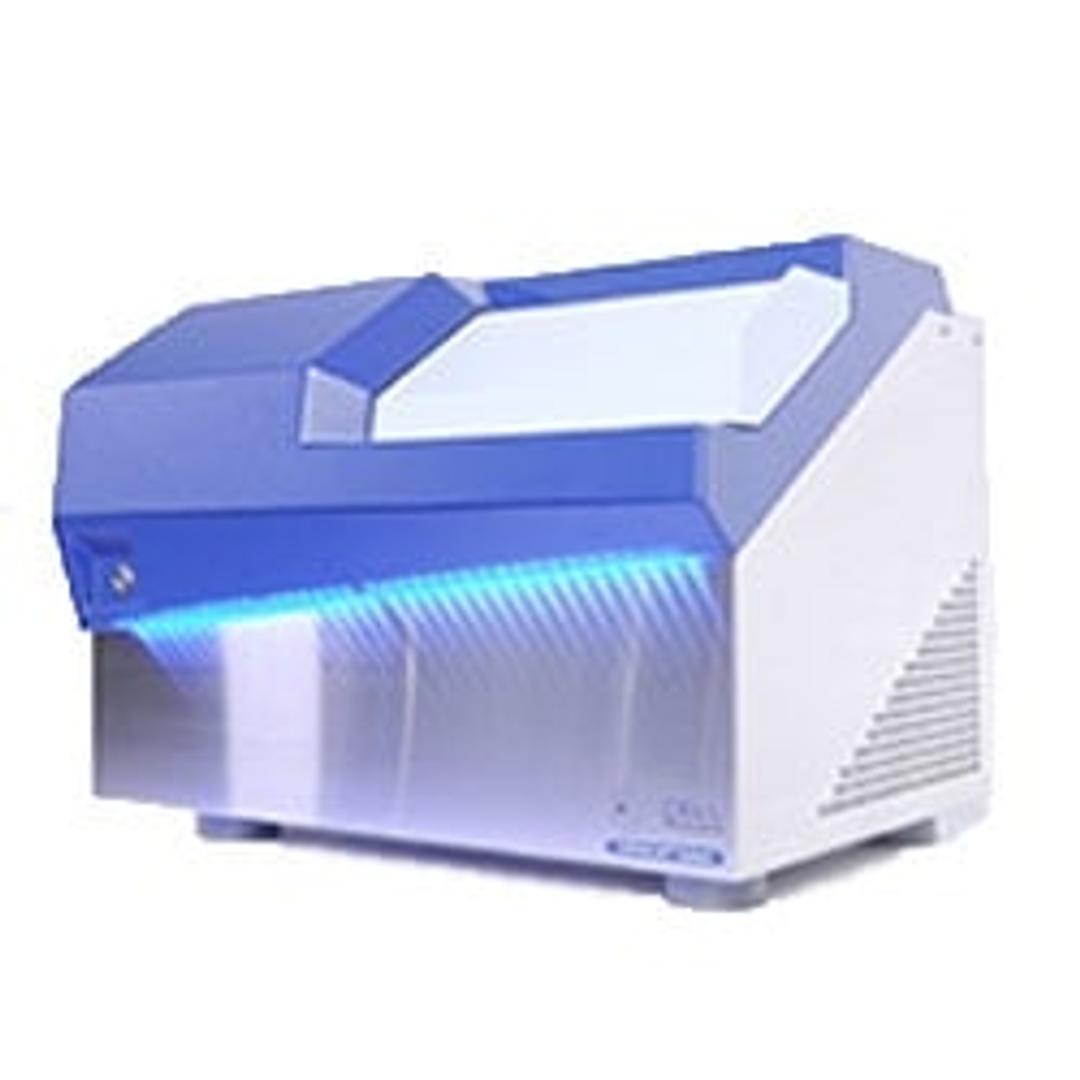
The CellRaft AIR® System uses proprietary CellRaft technology and CytoSort® Arrays to keep cells viable using a contiguous media environment leading to an increase in the number of colonies from single cells that can be isolated. With the instrument you can:
- Image, track, analyze, and automate isolation of colonies from single cells on one instrument (three-color and brightfield) with no minimum sample size requirement
- Grow single cells without physically isolating cells thus no perturbation to ensure viability and vitality of single cells as they develop into clones
- Obtain 10 to 50X more viable monoclonal colonies with a high proliferative index (vitality)
- Identify the cells you want the instrument to automatically isolate based on various precise user-based attributes as a function of gene expression-morphology and time using the CellRaft Cytometry™ software
- Grow colonies from primary, adherent, or suspension cells, including iPSCs and immune cells
- Grow iPSCs into 3D cell systems, including organoids
- Maintain a complete record of all clones to accelerate regulatory submissions

Taking the fear out of iPS cell line development
In this application note, Cell Microsystems shows how to dramatically improve the efficiency and success of iPSC cloning, while decreasing time, expense, and effort. Here, Cell Microsystems shows that the ability of the CellRaft Array to provide flask-like culture conditions while maintaining spatial separation of single cells greatly improved iPSC viability and monoclonal colony formation. In addition, a single consumable can screen thousands of iPSCs, decreasing the time required for cell line generation and therapeutic discovery. Together, CellRaft Array technology and the automated imagining and isolation capabilities of the CellRaft AIR System can increase the utility of iPSCs by collapsing complicated iPSC maintenance and cell line development workflows.
Automated cloning for CRISPR workflows
Gene editing workflows require transformation of a large number of cells, followed by isolation of individual cells from the larger population to establish clonal colonies. Given the large number of gene edits required for contemporary research and the labor-intensive components of the workflow, there is an unmet need to automate post-transformation cloning. In this application note, Cell Microsystems presents data and protocols describing the CellRaft AIR® System as a fully automated cloning platform. Using an imaging-based sorting modality, single cells can be monitored for transformation-positive phenotypes as well as their retention of clonality as colonies begin to grow.
Increasing efficiency and cell viability when reprogramming somatic cells to iPSCs
In this poster, Cell Microsystems shows how to increase efficiency and cell viability when reprogramming somatic cells to iPSCs. Patient-specific induced pluripotent stem cells (iPSCs) are a valuable resource in the development of models for studying unique disease or drug responses. Donor somatic cells are reprogrammed into iPSCs then differentiated into target cells for treatment or testing purposes. However, reprogramming has low efficiency (<1%), instability of pluripotency, and higher chance for mutations. Reprogramming is long, labor intensive and manual, and requires additional screening to derive a monoclonal population. The CellRaft® Array offers a more biological culture environment by providing flask-like culture conditions combined with single-cell segregation for tens of thousands of cells per consumable. The CellRaft AIR® Technology has the ability to accelerate reprogramming by improving efficiency, automation, and cell viability.
Development of monoclonal cell lines - Available technologies and overcoming challenges
For decades, limiting dilution and single cell sorting have been the primary methods for development of monoclonal cell lines. Significant disadvantages of cellular damage, slow workflows, and questions of clonality have remained outstanding problems with these methods. Newer single cell dispensers have provided significant improvements in assurance of clonality and confluence, but yields can still be low due to cellular perturbation from the selection process. Furthermore, there are new demands for a wider array of selection capabilities for stem cells/iPSCs, organoids, adherent cells, and rare cell types. In this whitepaper, Cell Microsystems presents the CellRaft Air System, which is an integrated platform that encompasses imaging, tracking, analysis, and automated isolation of verified monoclonal cultures. It offers significant cost-saving, viability, and high outgrowth advantages over other systems that require additional space, equipment, and manual labor. The CellRaft Air System is robust for numerous applications such as cell line development, CRISPR gene editing, stem cell culture, organoid development, and single-cell genomics, making it ideal for a wide range of fields.
Approaches to accelerate cell line development
In addition to serving as mini-biologics factories, the ability to manipulate innate cellular function has led to the rapid expansion of novel biologics and cell-based therapies within the biopharmaceutical industry. Despite progress in bioprocess and bioproduction, certain challenges not only slow down the process but also create uncertainty in bringing a biologic to market. There are several obstacles for which the biopharma community and equipment-reagent manufacturers need a better solution. In this white paper, Cell Microsystems shows that single cell cloning workflow mediated by CellRaft Technology not only allows easy seamless cloning due to high cell viability but also provides direct auditable images for proof of monoclonality. CellRaft Technology is designed to reduce time while increasing efficiency and success rate for accelerating the generation of research cell banks for Mabs and ATMPs.
Identification of a rare double positive clone
Given the critical need for rapidly developing genetically edited analytical cell lines to advance drug and disease research, the research community needs solutions for overcoming the bottlenecks preventing simple and efficient development of clonal cell lines. In this case study, using the CellRaft AIR System, Cell Microsystems were able to screen thousands of cells in a single consumable to identify the rare double positive clones, in a matter of weeks, not months. In total, the time from cell seeding to clonal outgrowth was only 16 days, and viable cell banks of the verified clones were cryopreserved in 27 days. Thus, Cell Microsystems shows that the CellRaft AIR® Technology enables successful monoclonal cell line development for even rare or challenging cells faster and more efficiently than traditional methods.
Making the impossible possible: Platform and protocols to develop clonal iPSC derived organoids
Lack of relevant in vitro models of human neurodevelopmental and degenerative disorders has been alleviated with the advancements in induced pluripotent stem cells (iPSCs) and organoid technology. In the last decade, several protocols and commercial kits have been launched to help differentiate iPSCs into multicellular, neuronal organoids that closely resemble human brain development, including region-specific cellular composition and functional physiology. However, the adoption of these organoid models is still limited to relatively low throughout applications, as the workflows are hampered by challenges in reproducibility and scalability, as well as being manually intensive. Here, Cell Microsystems reports the use of the CellRaft® Technology, to develop and enable streamlined, reproducible organoid workflows that offer reliable imaging, software-guided selection, and automated isolation of single organoids for downstream applications.
Comparison of limiting dilution and CellRaft technology for cell line development
In this application note, Cell Microsystems discusses the importance of therapeutic proteins in the pharmaceutical market and the need to establish high-quality monoclonal cell lines for efficient recombinant protein production. Chinese hamster ovary (CHO) cell lines are commonly used for this purpose, but generating a homogeneous cell line is challenging. Single-cell cloning is necessary, but traditional methods like limiting dilution are time-consuming and labor intensive.
CellRaft® technology has been designed to offer a streamlined and efficient solution, combining flask-like cell culture conditions with automated isolation and imaging using the CellRaft AIR® System. This technology improves cell line development, providing higher seeding and cloning efficiency, and supporting cell health with automated isolation for downstream propagation. The CellRaft® Array demonstrates advantages over the traditional method, making cell line development more time, labor, and cost-efficient.
Accelerating generation of single cell clones by using CellRaft AIR™ System coupled with fluorescence activated cell sorting
In this scientific poster, explore how CRISPR genome engineering of cell lines enables target discovery and provides a disease model for preclinical research, including in the field of chimeric antigen receptor T‑cell therapy.
How scientists really feel about limiting dilution
In this video, Cell Microsystems describes the issues faced by scientists utilizing limiting dilution and introduces its CellRaft® Technology for single cell cloning.

Novel methods for the development of stem cell-derived 2D and 3D models
Watch this on-demand webinar to explore the use of hPSC-derived models to study human health, development, and disease