CellCelector Flex
Fully automated cell imaging and picking system developed for the screening, detection, selection and isolation of single cells, clusters, spheroids and organoids, as well as single cell clones and adherent colonies.

Receive your quote directly from the manufacturer.
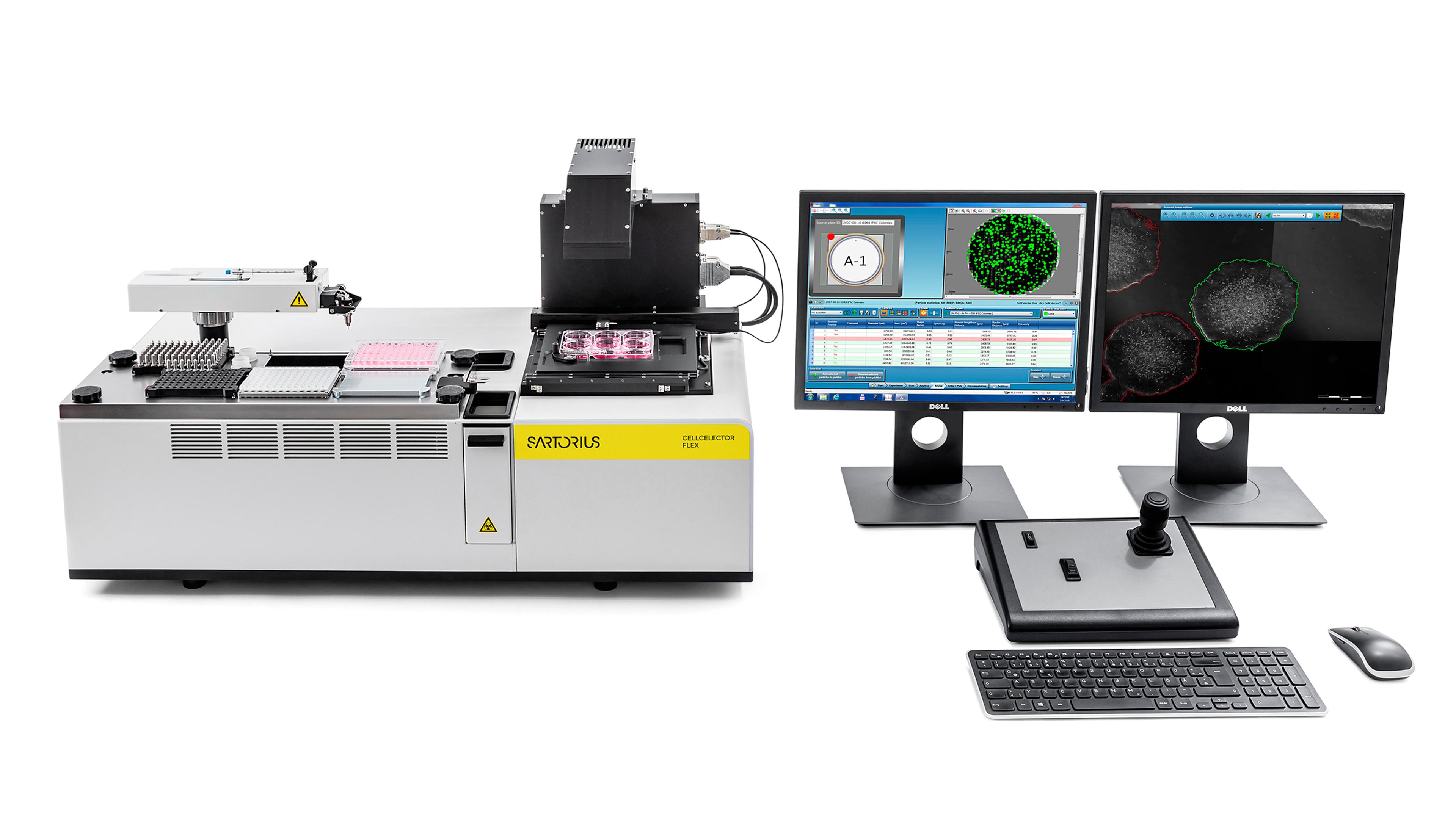
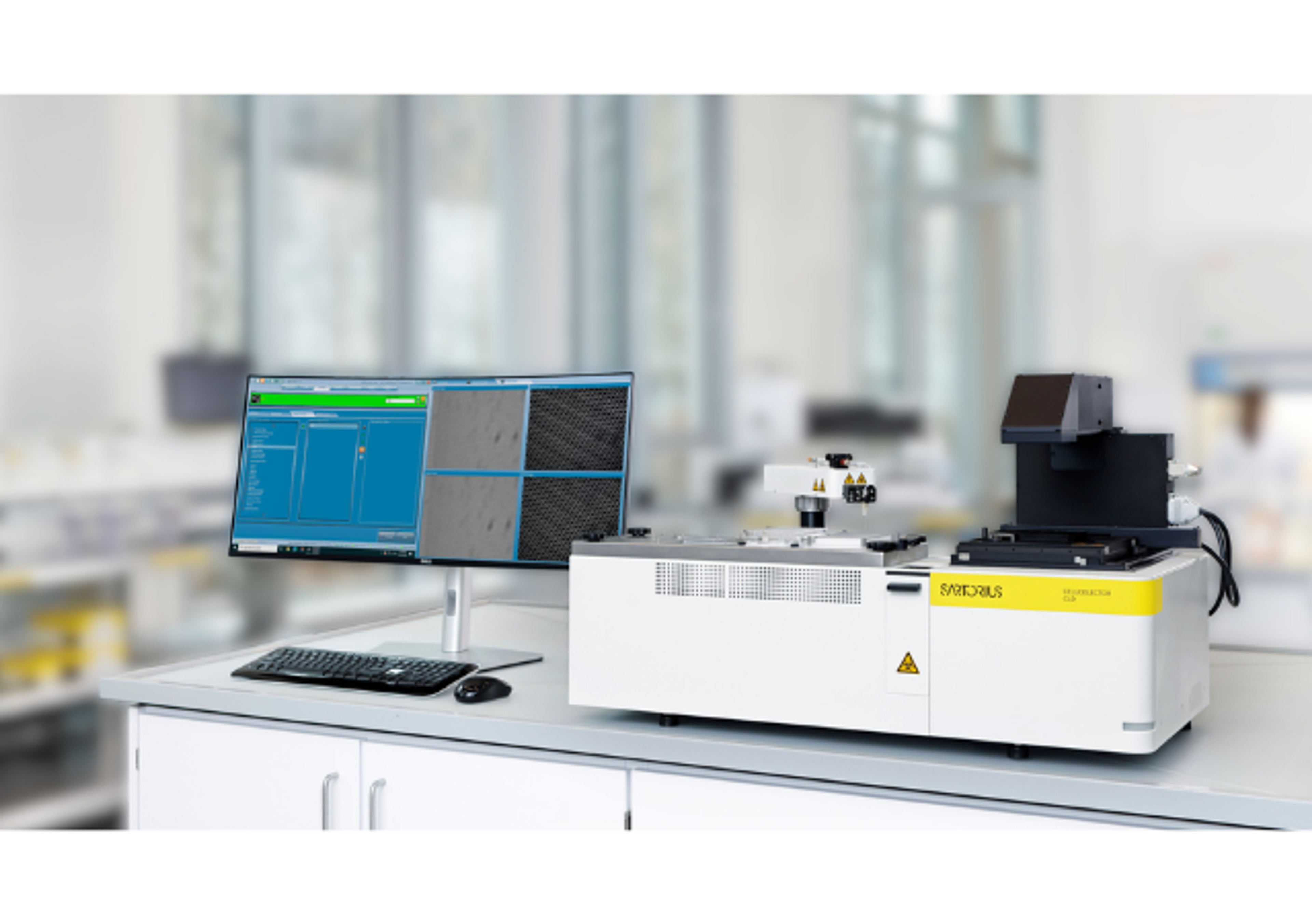
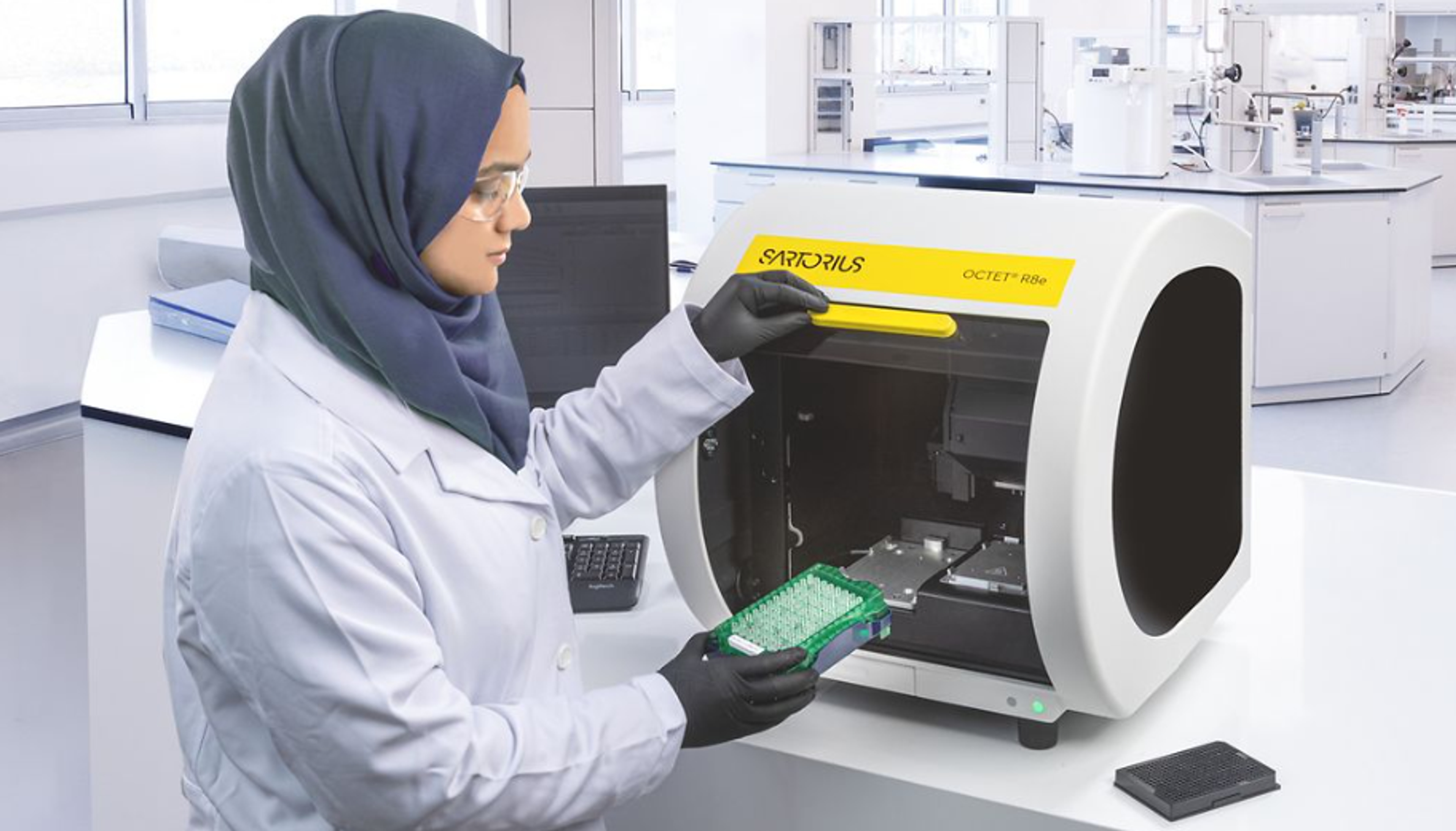
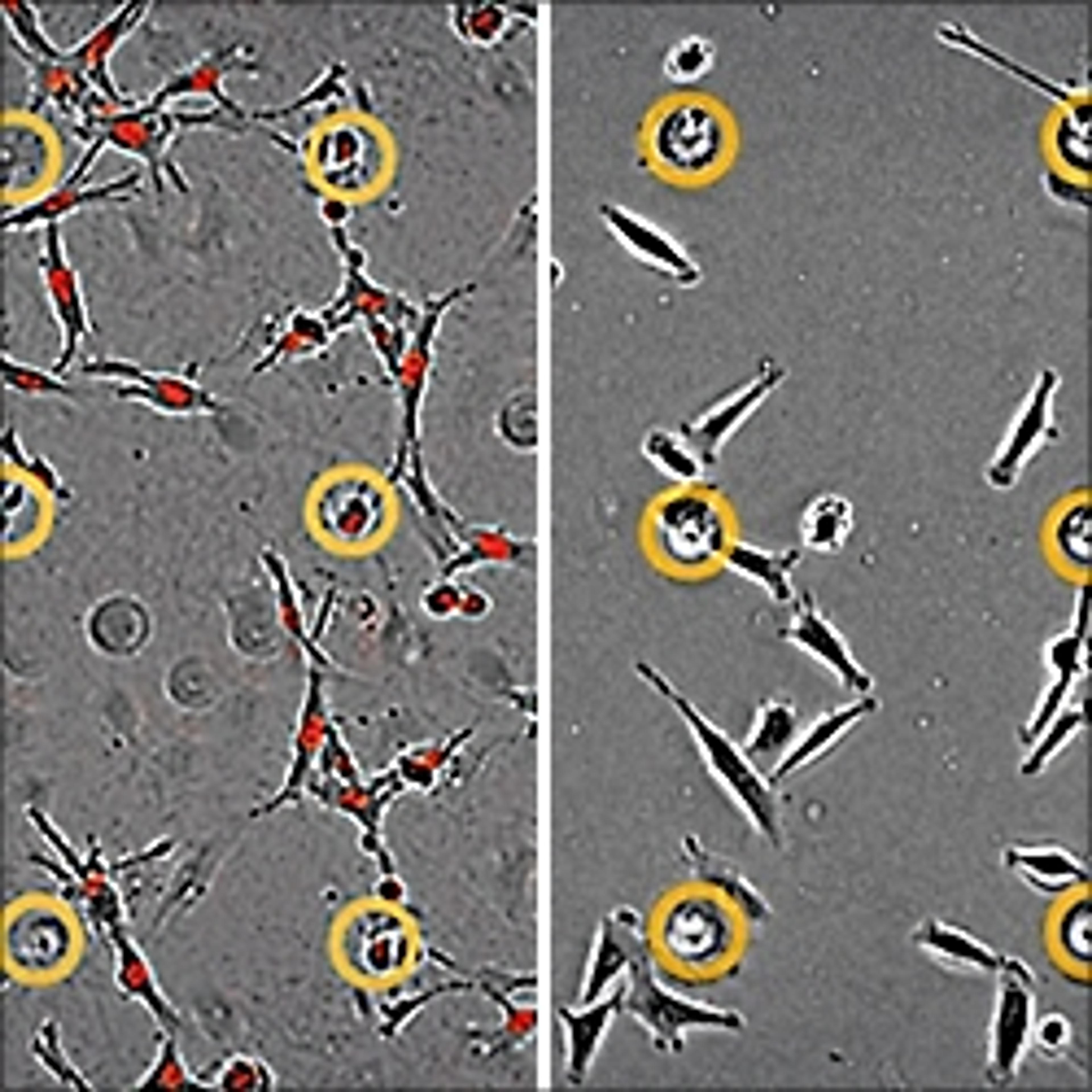
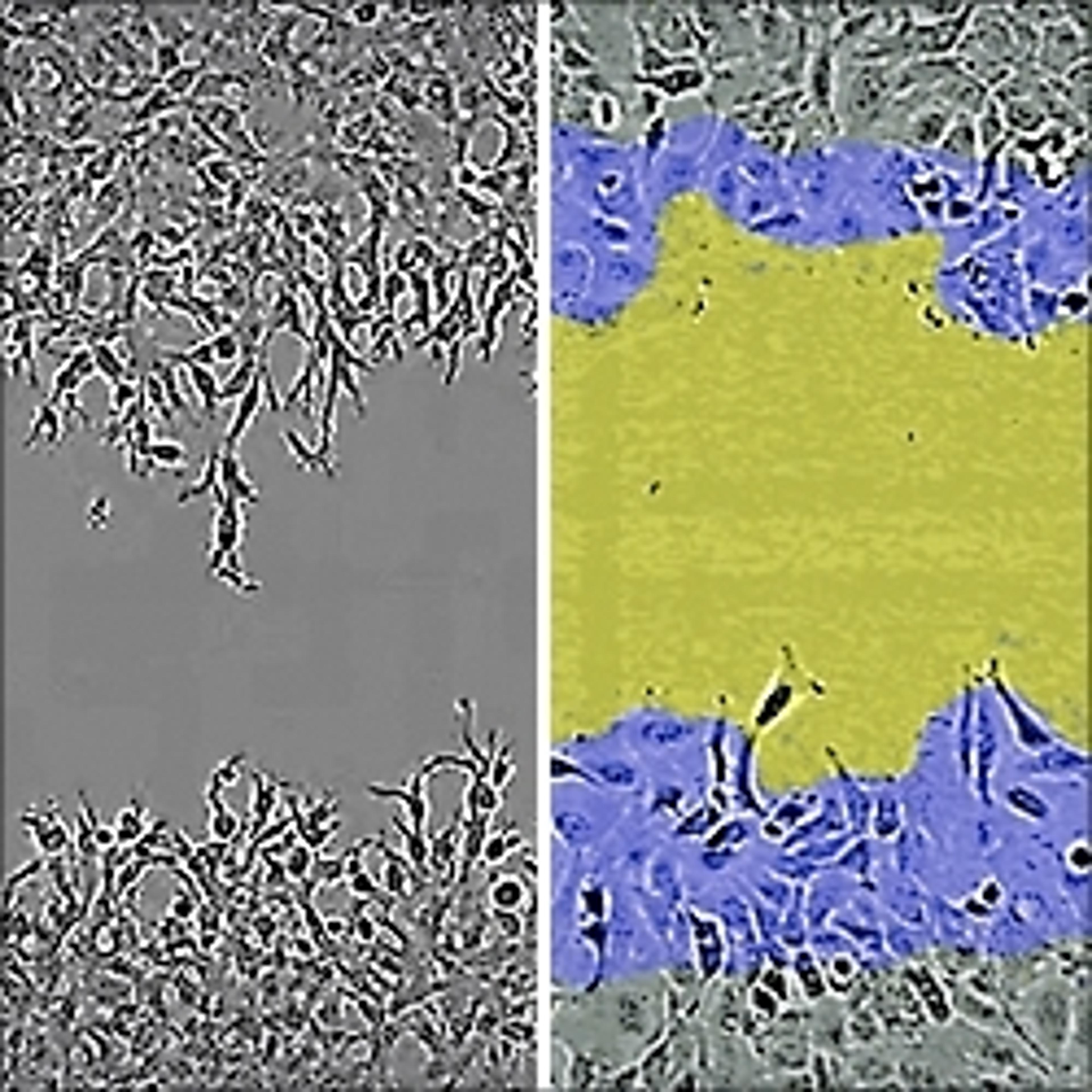
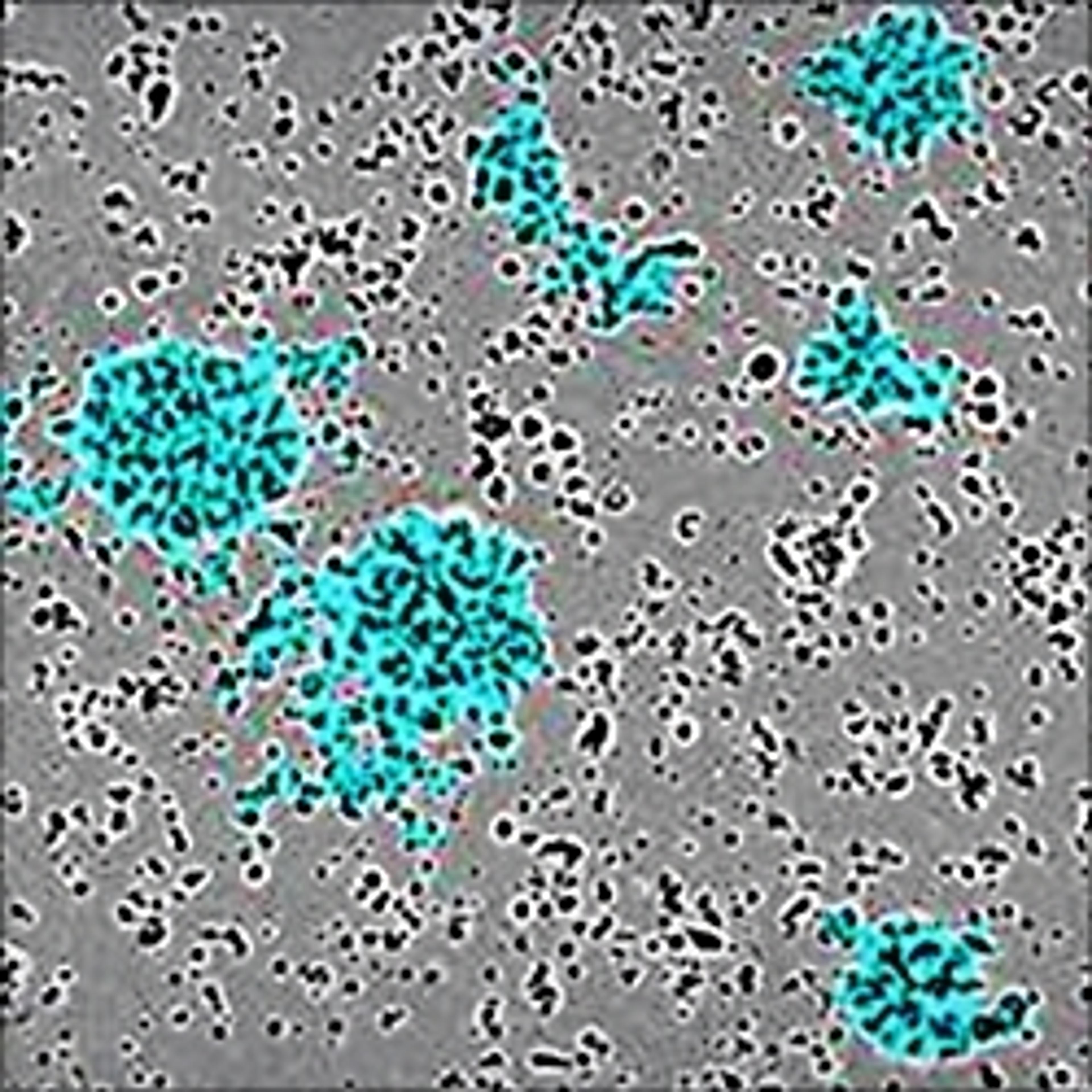
CellCelector is a unique and fully automated cell imaging and picking system developed for detection, selection and isolation of single cells, clusters, spheroids and organoids as well as single cell clones and adherent colonies. It is widely used in a multitude of research areas such as circulating tumor cell/CTC screening, stem cell research as well as cell line development and antibody discovery.
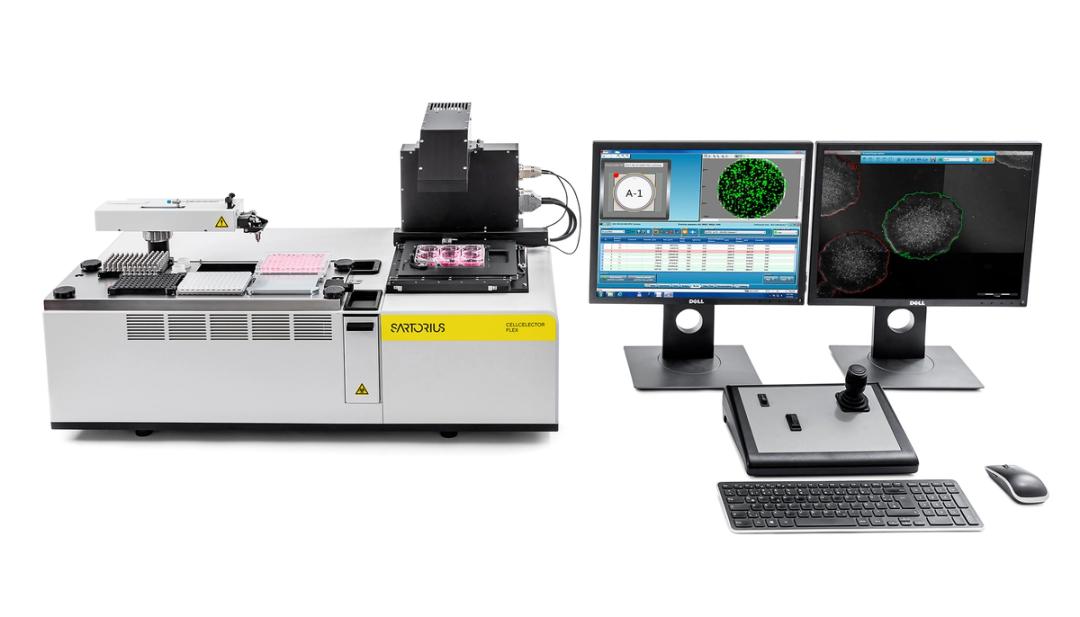
The platform combines an automated inverted fluorescence microscope with a high-speed scanning stage, a high-precision microfluidic cell picking robot and a PC workstation running powerful image processing software typing all system components together. The unique versatility is achieved by three exchangeable picking modules utilizing either high-precision glass capillaries, reusable (autoclavable) stainless steel scraping tips or disposable plastic tips. The operation principle can be summarized as following:
- Image the source plates
- Detect/Select cells, clusters or colonies of interest
- Pick target cells and transfer them into destination plates
The whole workflow is fully automated and documented by providing a live image during picking, cell tracking data from source plate to destination plate as well as before and after picking images.
Benefit by applying the CellCelector:
- Open platform allowing the development of individual imaging, detection and picking protocols
- Versatility: single cell picking, isolation of clusters, spheroids, organoids, adherent colonies, single cell clones from a variety of liquid and semi-solid medias
- Up to 100 % picking/transfer efficiency
- Extremely gentle cell transfer resulting in high cell integrity and outgrowth rates after the cell transfer
- Isolation of living or fixed cells
- Fully automated or interactive picking modes with live on-screen visualization of the picking process
- High scanning and picking throughput resulting in fast retrieval of cells
- Optionally deck tray with cooled destination positions available to prevent degradation of RNA of picked cells
- Automated adjustment of picking position and height
- Validated protocols for detection and isolation of single cells in suspension, adherent cells or colonies, 3D clones in liquid or semi-solid media
- Compatibility with standard and custom cell culture labware
- Complete documentation and traceability from source plate to destination including cell tracking data as well as before and after picking images
- The high-content imaging subsystem can also be used for imaging applications without picking
- Easy to operate with no routine maintenance necessary
Brochures

Fully automated image-based single-cell and colony picking for stem cells
Stem cells play an important role in the field of regenerative medicine as their high self-renewal and differentiation potential makes them particularly suitable for a wide range of biomedical and pharmaceutical research applications. In this product brochure, learn more about the CellCelector Flex with its specifically designed picking modules for adherent cells and cell colonies.
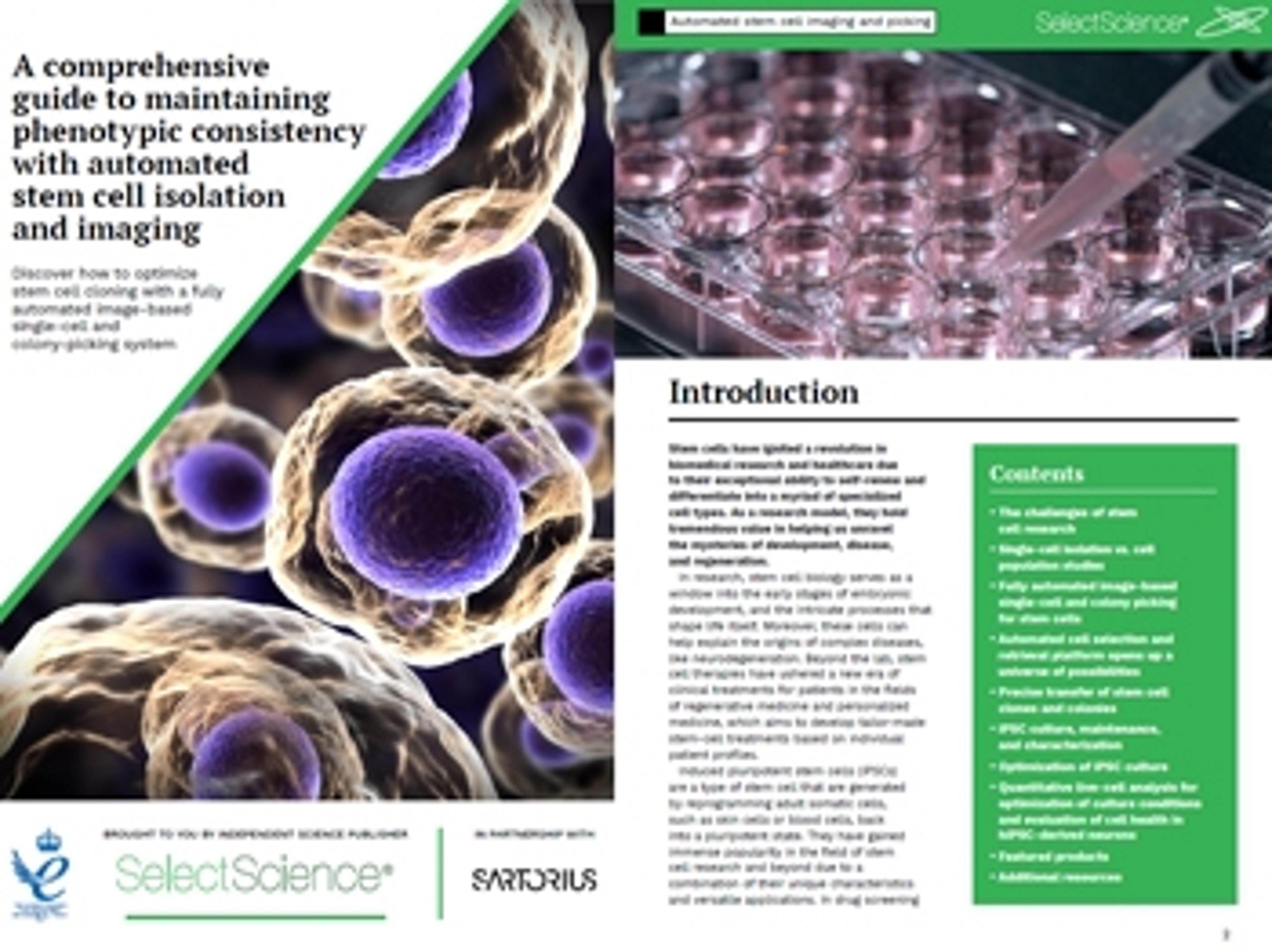
A comprehensive guide to maintaining phenotypic consistency with automated stem cell isolation and imaging
Stem cells can self-renew and differentiate into a vast array of specialized cell types and are therefore of high value as a research model for studying development and disease. Despite their promise, stem cell workflows are inherently complex in part due to their sensitivity to environmental stress which can cause spontaneous differentiation. Additionally, the lack of standardized protocols in stem cell workflows can lead to inconsistent results.
This eBook provides a comprehensive collection of articles and interviews about the unique challenges scientists face with stem cell workflows and the benefits of automated solutions for stem cell imaging, isolation, and retrieval.
Download this free guide to learn more about:
- The challenges of stem cell research
- The benefits of single-cell isolation versus cell population studies
- Fully automated image-based single-cell and colony picking for stem cells
- Precise transfer of stem cell clones and colonies
- Induced pluripotent stem cell (iPSC) culture, maintenance, and characterization
- Quantitative live-cell analysis for optimization of culture conditions and evaluation of cell health in hiPSC-derived neurons
Streamlining cell line development with CellCelector Flex platform
In this application note, Sartorius demonstrates how the CellCelector Flex system can improve the cell line development (CLD) workflow by reducing time, resources, and increasing success rates. The system offers advantages such as increased clone viability and outgrowth, the ability to predict clone production capacity, streamlined monitoring of multiple clone types, and high efficiency with tracked monoclonality. The data presented in this application note supports the use of the CellCelector Flex system as a platform for CLD.
Integration of spatial cell selection (CellCelector) with primary template-directed amplification (ResolveDNA™ WGA) to enable spatial single-cell genomics
In this application note, Sartorius describes how its CellCelector can simplify the isolation of single cells from a variety of samples to enable low input and single-cell genomics. The workflow presented highlights how next-generation single-cell selection and sequencing technologies are able to obtain high-quality single-cell genomic data from individual cells at a spatially specific location.
Fully automated image-based single cell and colony picking for stem cells
Stem cells play an important role in the field of regenerative medicine as their high self-renewal and differentiation potential makes them particularly suitable for a wide range of biomedical and pharmaceutical research applications. In this application note, Sartorius presents the CellCelector Flex and explains how it can support your stem cell research.
Fully automated image-based screening and isolation of clones and single cells for antibody discovery
The identification and selection of optimal clones that secrete high levels of the desired antibody is one of the critical and time-consuming steps in the antibody discovery process. In this application note, Sartorius shows how using the CellCelector Flex, a fully automated image-based screening and isolation platform, significantly accelerates the process compared to conventional techniques.
High-throughput nanowell-based image-verified cloning for cell line development
In this application note, Sartorius describes how the CellCelector Flex single cell and colony picking platform has been designed to streamline your workflows. This promises to save consumable and media costs, incubator space, and time by avoiding missteps, a second cloning round, and unnecessary procedures.

Tools to streamline cell line development for biotherapeutics
Commercialization of a biologic is a lengthy and expensive process. Successful cell line development (CLD) is heavily dependent upon balancing time and resources with acquiring high-quality data for informed decisions. Each stage of the CLD workflow has challenges and there is a real need for advanced strategies and intelligent use of innovative solutions.
The CellCelector, iQue®, Octet®, and Ambr® 15 CC platforms are perfectly designed to seamlessly work together to streamline the early CLD workflow, enabling data-driven decisions and reducing risk during later stages of biologic development. In this webinar, Dr. Fern Slingsby, Ambr Product Specialist at Sartorius and Dr. Daryl Cole, Applications Scientist at Sartorius, will explain how integration of these platforms can be achieved, and where they best fit into the cell line development workflow.
Key learning objectives
- Learn about the early CLD workflow and the bottlenecks associated with the various stages
- Discover instruments which are suited to high-throughput demands and where they fit into the CLD workflow
- Establish a strategy for a simplified approach to cell line development
Who should attend?
- Analytical scientists and researchers involved in early drug discovery and cell line development
- Bioprocessing engineers and scientists
- Process development engineers and scientists
- Lab managers
Certificate of attendance
All webinar participants can request a certificate of attendance, including a learning outcomes summary, for continuing education purposes.

Do you have the right strategy for cell line and clone development success?
Doing things quickly has become a paradigm in biopharma development. Simultaneously, in early development, variability is required to extract the most data and increase chances of success. This leads to a demand in high-throughput, automated techniques, and highly skilled professionals. Risk taking and early adoption of new techniques is part of innovation to optimize workflows, especially when projects are highly individual and cannot follow standard routines. In clone development, this includes working with very different host cell lines, customized protocols, and unforeseen circumstances which needs adaptable processes and multifunctional devices.
In this webinar, Dr. Vicky Goralczyk and Dr. Lena Thoring, Directors of Cell Line Development and Bioprocess Development at FyoniBio GmbH, will present data on how the CellCelector system can effectively be used for cell line development, host cell engineering, and cell adaptation. They will also cover how it was successfully integrated into FyoniBio‘s platform for the development of biopharmaceutics for autologous and allogeneic cell therapies.
Key learning objectives
- Learn how to identify key development and manufacturing challenges.
- Gain insight into commercial scalability strategies for late-stage cell therapies.
- Discover ways to innovate and accelerate the delivery of cell therapies to patients.
- Learn how, when, and why you should leverage state-of-the-art technologies.
- Explore the importance of end-to-end supply chain management.
Who should attend?
- Researchers looking for monoclonality assurance and comprehensive documentation.
- Organizations looking to significantly decrease their overall cell line development workflow duration.
Certificate of attendance
All webinar participants can request a certificate of attendance, including a learning outcomes summary, for continuing education purposes.
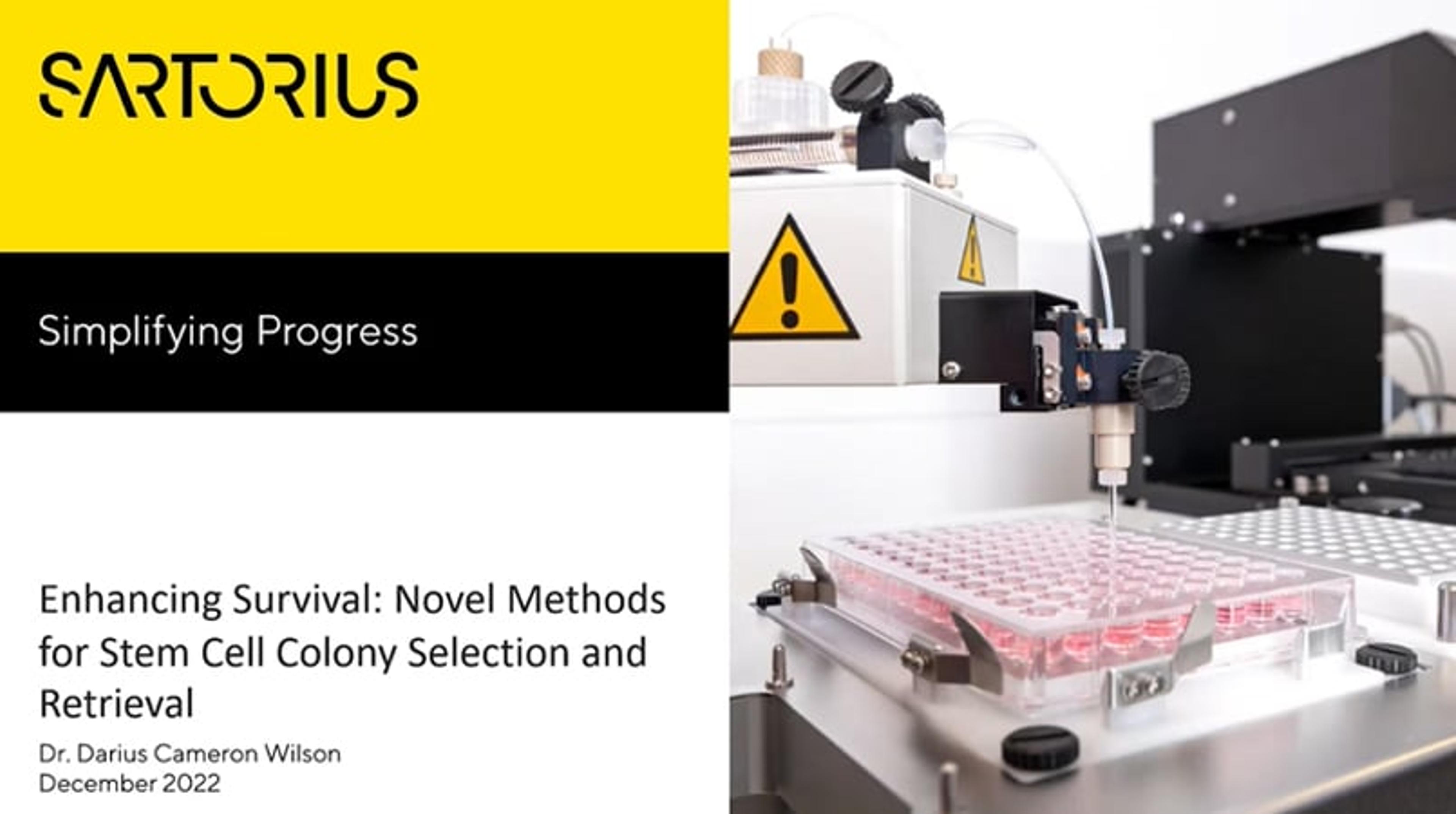
Novel methods for stem cell colony selection and retrieval
Human induced pluripotent stem cells (hiPSCs) represent a priceless asset within the realm of regenerative medicine with reprogrammed hiPSCs offering a powerful tool to aid drug discovery efforts and the development of cell-based therapeutic strategies. The need to frequently assay cells without perturbing their inherent biological functions necessitates a diverse array of tools.
In this on-demand webinar, Dr. Darius Cameron Wilson, Manager of Product Management at Sartorius, provides an overview of hiPSC applications and workflows. Several novel imaging tools across the entire hiPSC workflow are presented which are designed to help maintain high levels of cell viability in colony growth profiling, colony isolation, and single-cell selection.
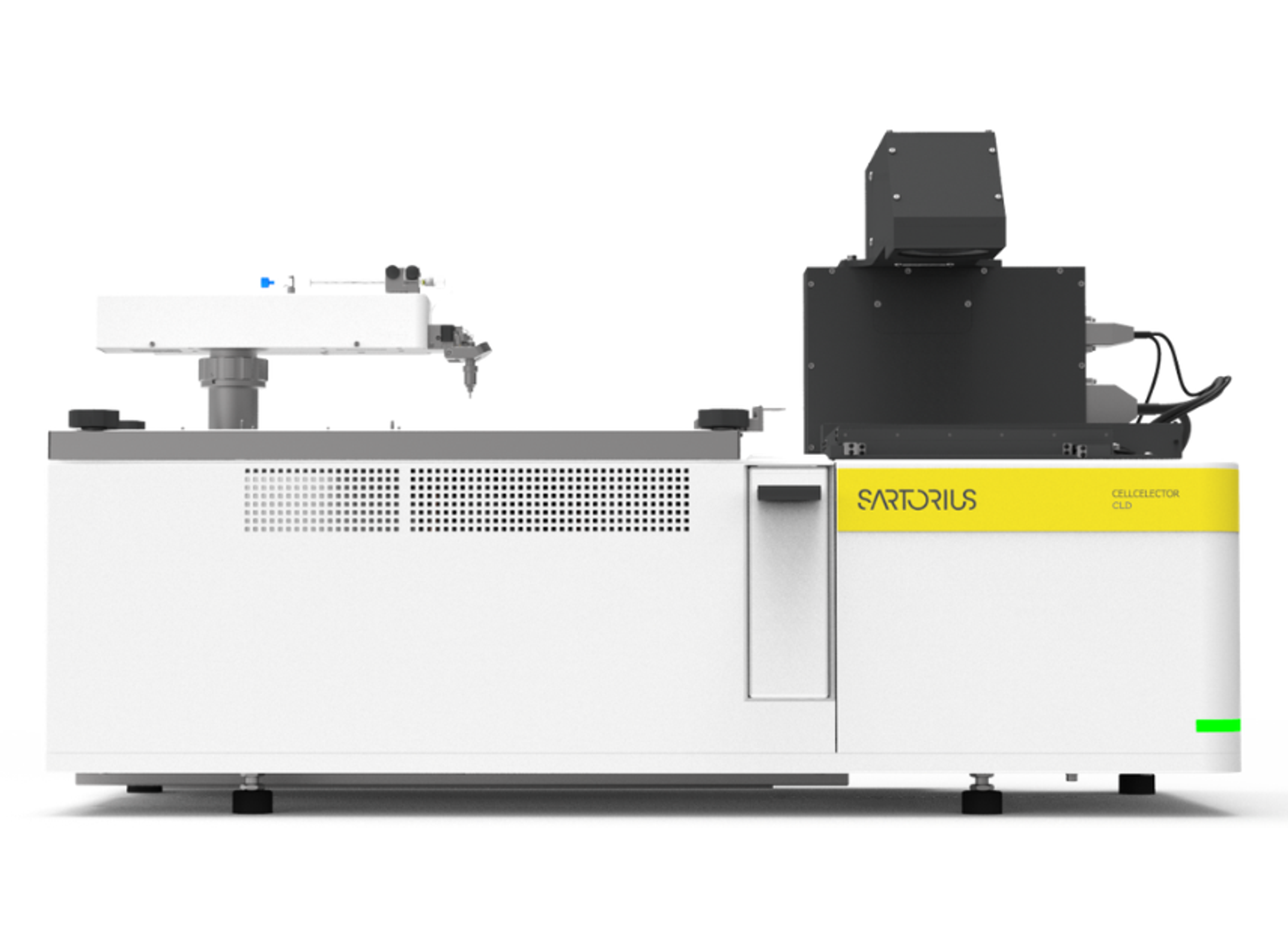
Sartorius launches CellCelector CLD to simplify and accelerate monoclonal cell line development
Up to 100 percent transfer efficiency and viability to protect top clones for downstream expansion

5 top technology stories and latest industry developments in cell line development
Gain insights from industry experts, access free downloads, webinars, and more to streamline your cell line development
Single-cell isolation: When art is not enough
How automated, single-cell isolation systems are transforming single-cell screening and cloning workflows for cell line development