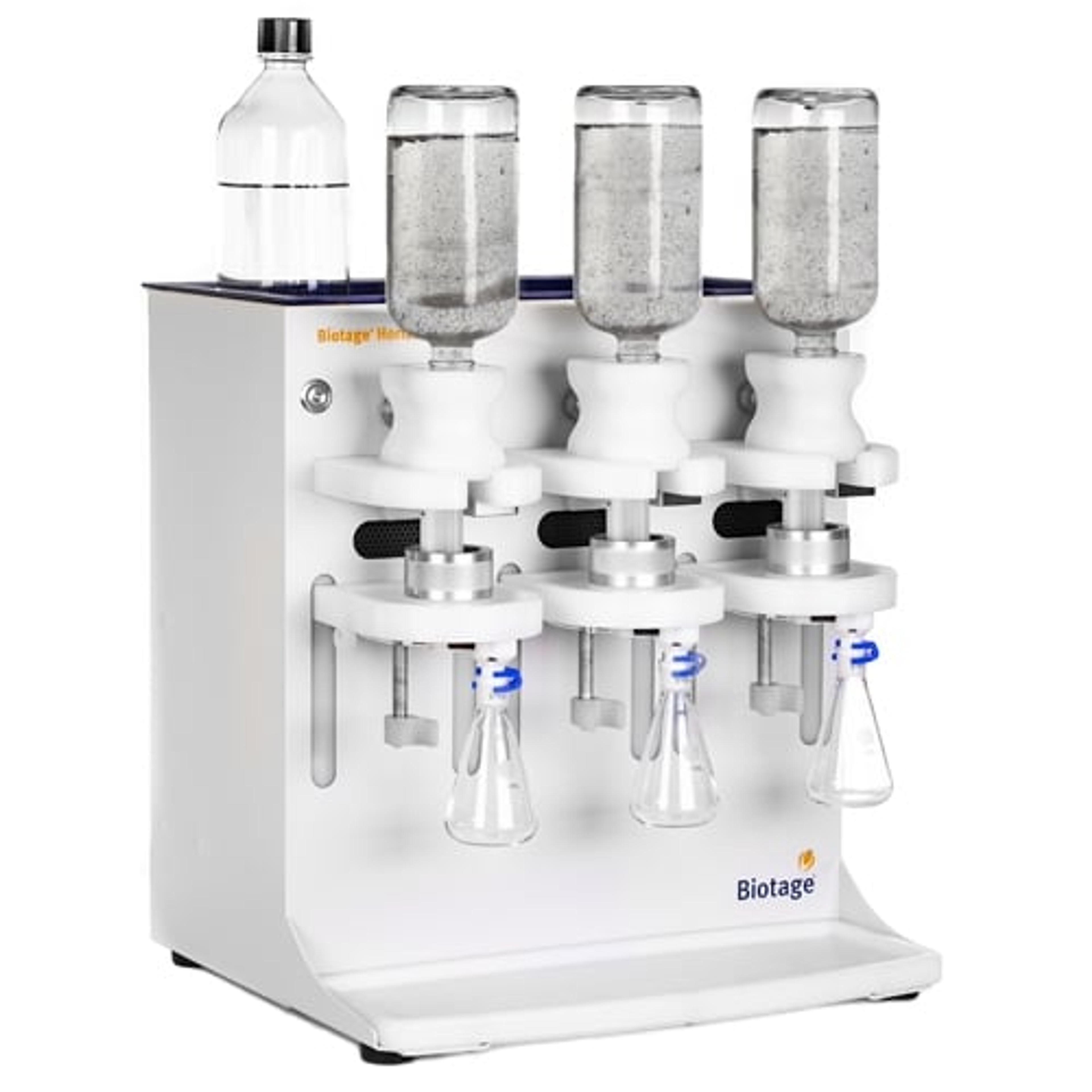
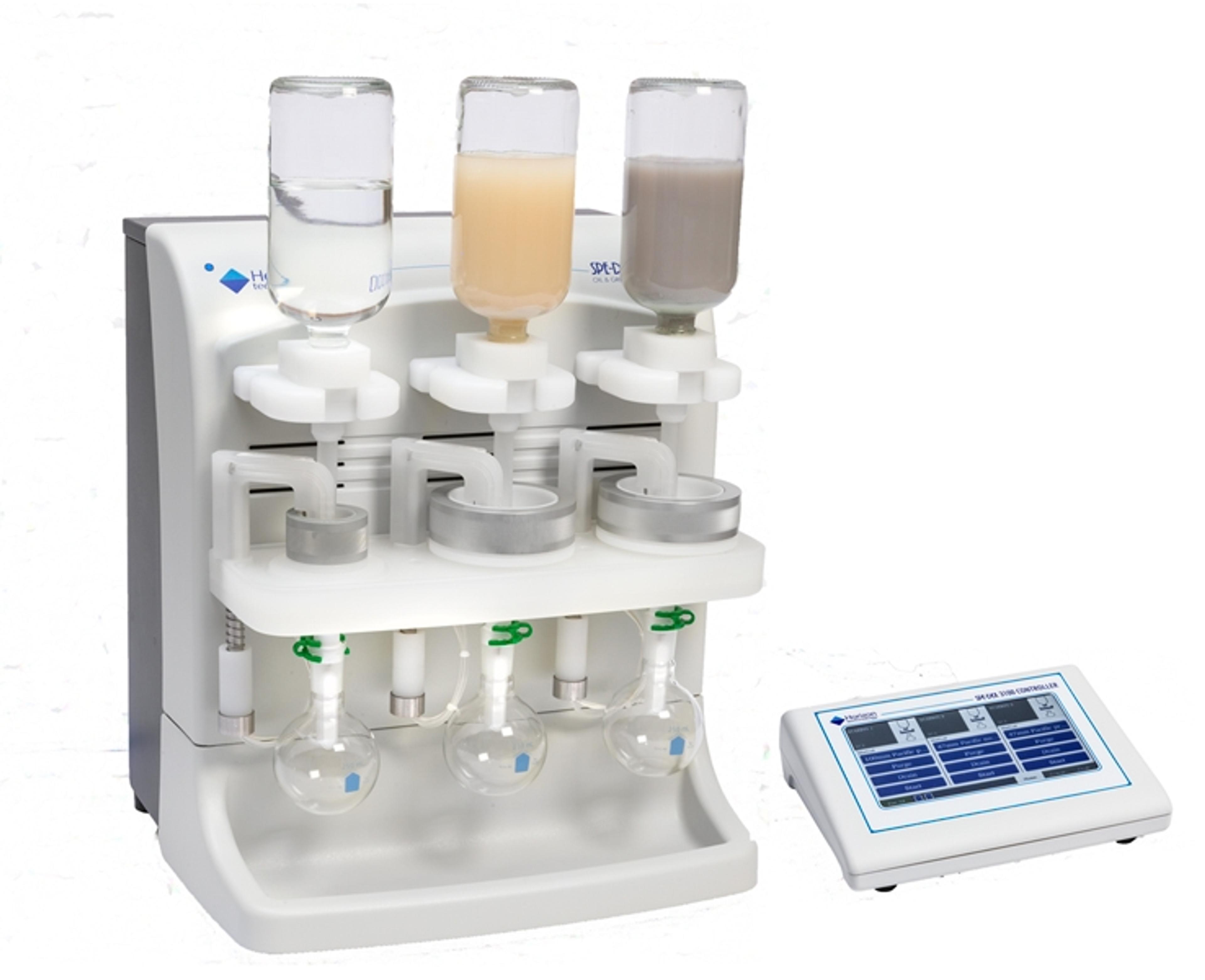
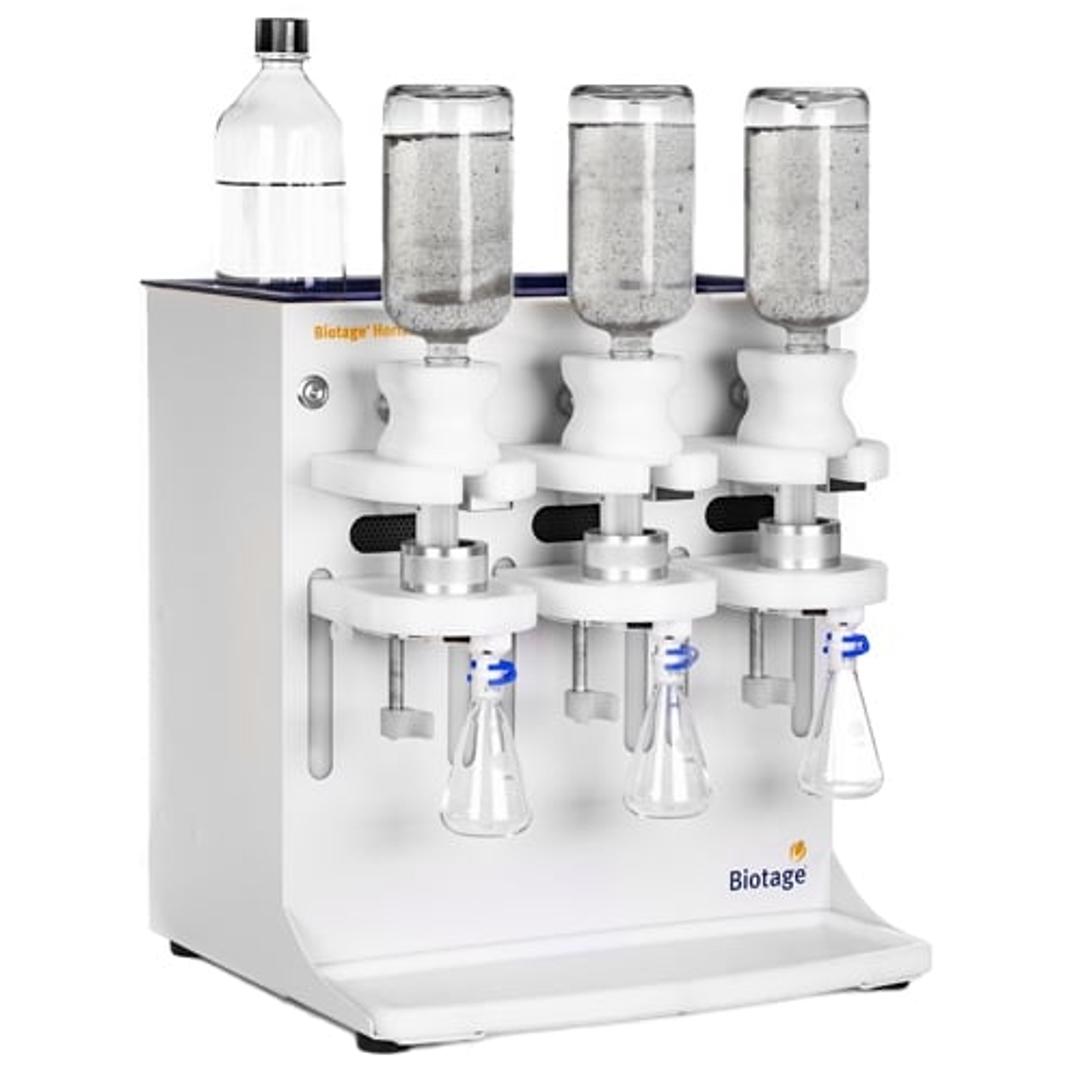
Biotage® Horizon Automated Extraction System
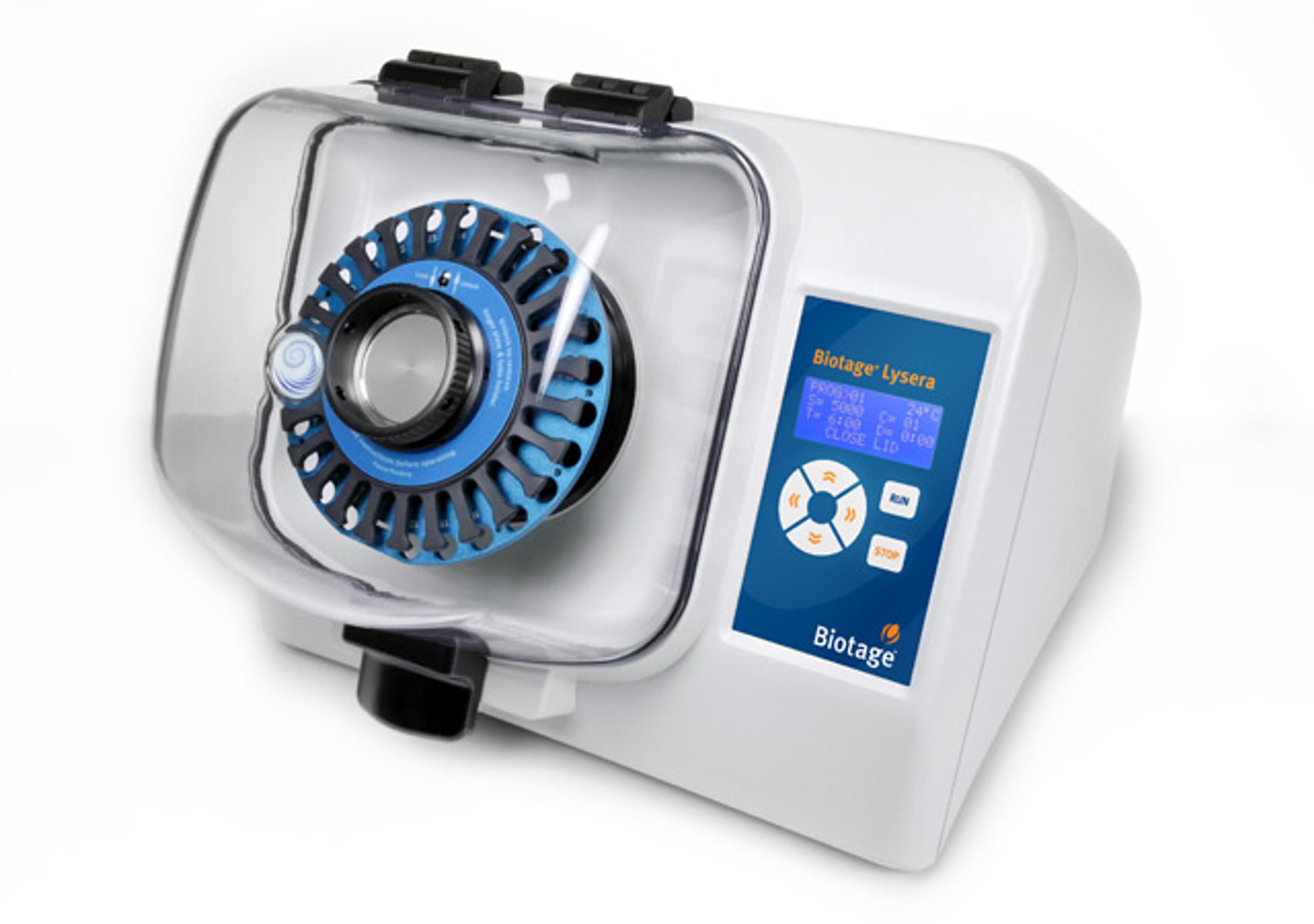
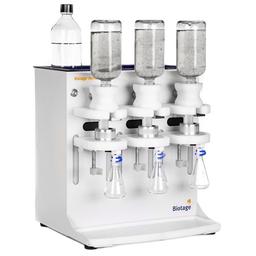
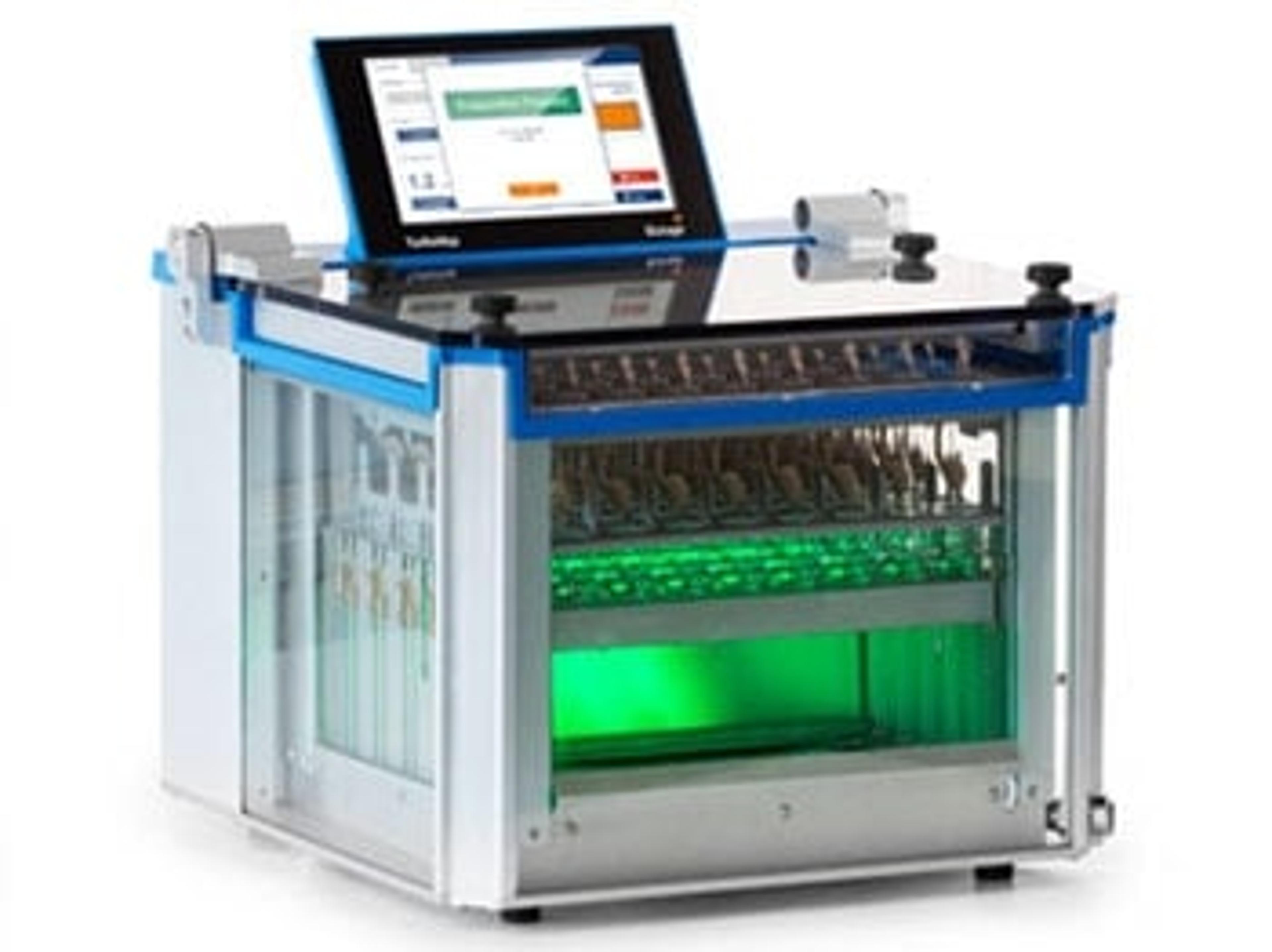
The Biotage® Horizon Automated Extraction System is a vacuum-driven workstation for automated disk and column-based sample preparation, handling 2–20 mL volumes. Ideal for environmental testing of SVOCs, pesticides, PCBs, PAHs, and EPH, it features automated bottle rinsing, clog detection, and versatile 6–20 mL columns or 47–90 mm disks.
SPE-DEX® 5000 Disk Extraction System


Receive your quote directly from the manufacturer.
Great
Metabloite analysis
Very good
Review Date: 8 May 2019 | Biotage
The Biotage® Horizon Automated Extraction System is a vacuum-driven, automated workstation dedicated to disk and column-based sample preparation for environmental testing.
Highlighted Applications:
- SVOCs
- Pesticide, Herbicide & Insecticide
- PCBs, PAHs & EPH
System Capabilities:
- Sample Volumes:20 mL to 2 mL<
- Column Format:6, 20 mL
- Disk Format: 47, 90 mm
- Automated sample bottle rinsing
- Clog Detection & Alert

Utilizing 250 mL sample volumes for EPA method 1664B extractions
EPA Method 1664B was developed for measuring oil and grease in wastewater with Hexane Extractable Material (HEM) concentrations ranging from 5 to 1000 mg/L. However, samples containing high oil and grease content (> 500 mg/L HEM) are challenging to extract and therefore the method allows for a smaller sample to be collected. To run reduced sample volumes, laboratories must be able to demonstrate the ability to meet the method detection limit (MDL) requirements at the reduced sample volume level. This application note provides a full solution for EPA method 1664B that meets the method detection limits at 250 mL sample volumes.
Utilizing 100 mL sample volumes for EPA Method 608.3 automated extractions on the Biotage Horizon 5000
Pesticides, including insecticides, fungicides, and herbicides, are used extensively to increase agricultural yield. However, these pesticides can be detrimental to the health of humans as well as animals. It is important to monitor organochlorine pesticides and polychlorinated biphenyls (PCBs) not just in drinking water (US EPA Method 508), but also in wastewater (US EPA Method 608.3). Some influent wastewater samples can be heavily laden with particulates, sludge, and the like, so it may be difficult to extract an entire liter of this sample when following US EPA Method 608.3. Fortunately, with this method, laboratories have the option of extracting smaller sample volumes, thus reducing the particulates that needs to be filtered out of the sample during extraction. In this application note, Biotage provides a solution for extracting 100 mL of 608.3 wastewater samples utilizing the Biotage® Horizon 5000 to automatically load the sample and rinse the original sample container for solid phase extraction (SPE), DryDisk® Solvent Drying System for drying the residual water from the extracts, and the TurboVap® for concentrating the dried extracts. Samples are extracted in methylene chloride, then solvent exchanged into hexane prior to analysis by gas chromatography/electron capture detection (GC/ECD).
Investigating the extraction efficiency of dioxins in several types of aqueous matrices by automated solid phase extraction utilizing disks
In this application note, Biotage outlines an automated extraction method utilizing the Atlantic® DVB SPE Disk and the Biotage automated and manual SPE solutions for the extraction of dioxins and furans in several water matrices. The first section highlights the use of the Biotage® Horizon 5000 fully automated extraction system and the method used for this application. Additionally, there is an Application Modification section that highlights the use of the Biotage® Horizon 4790 (with data and discussion) and Biotage® VacMasterTM Disk for this application.
Analysis of pharmaceuticals in water by automated solid phase extraction
In this application note, Biotage outlines an automated extraction method utilizing the Atlantic® HLB-M SPE Disk and Biotage automated and manual SPE solutions for the extraction of pharmaceuticals in water. The first section highlights the use of the Biotage® Horizon 5000 fully automated extraction system and the method used for this application. Additionally, there is an Application Modification section that highlights the use of the Biotage® Horizon 4790 (with data and discussion) and Biotage® VacMaster™ Disk for this application.
Determination of endocrine disrupting hormones in drinking and wastewater utilizing the Atlantic HLB SPE Disk
In this application note, Biotage outlines an automated extraction method utilizing the Atlantic® HLB SPE Disk and the Biotage automated and manual SPE solutions for the extraction of hormones in drinking water. The first section highlights the use of the Biotage® Horizon 5000 fully automated extraction system and the method used for this application. Additionally, there is an Application Modification section that will highlight the use of the Biotage® Horizon 4790 (with data and discussion) and Biotage® VacMaster™ Disk for this application.
Extraction of EPA Method 625.1 semi-volatile analytes from wastewater using the Biotage Horizon 5000, DryDisk Solvent Drying System and TurboVap II
The EPA has been monitoring organic pollutants within wastewater matrices since 1984 by developing their own methods and acceptance criteria. The basic, neutral and acidic extractions in EPA Method 625.1 are a part of the revised version of EPA Method 625. In this application note, Biotage shows recoveries of all the analytes within tables 1–2 of 625.1 and a few analytes from table 3 obtained using the Biotage® Horizon 5000 with Atlantic® 8270 One Pass solid phase extraction disks (P/N 47-2346-11), 8270 Carbon Cartridges Max-Detect cartridges (P/N 49-2620-01), and 1.0 Micron Atlantic® Fast Flow Pre-Filters (P/N FFAP-100-HS1) for analyte extraction. The DryDisk® Solvent Drying System and the TurboVap® II are used for solvent drying and concentration and analysis is by GC-MS.
Extraction of semi-volatile analytes from wastewater using the Biotage Horizon 5000
This application note shows the recoveries of the analytes described in EPA method 625.1 obtained using the Biotage® Horizon 5000 and describes how the DryDisk® Solvent Drying System and the TurboVap® II can be used for solvent drying and concentration.
Environmental analysis: Smarter sample prep
Environmental analysis of pollutants, water, and soil is essential in preserving and protecting our environment and limiting unnecessary exposure to contaminated material that threatens the livelihood of humans and wildlife. While good water quality is a key contributor to the preservation of a healthy ecosystem, maintaining healthy ecosystems also requires the analysis of soil, waste, and pollution, as well as fats, oils and grease.
In this application guide, learn how solid-phase extraction, developing instrumentation, and media formats can accommodate increasing compound lists, application-specific media, and custom media for specific application challenges. Also, find out how you can solve the challenges laboratories face by creating smarter sample prep workflow solutions that streamline analysis and meet the market requirements and regulatory methods for which they were designed. This eBook covers:
- Drinking water solutions for semi-volatile organic compounds
- Wasterwater: Influent and effluent solutions for semi-volatile organic compounds
- Oil and grease: Avoid setbacks and improve workflows
- Extraction and drying solutions: Hexane extractable material using SPE
- Improving the SPE workflow for 1,4 dioxane in drinking water
- EPH fractionation: Streamline your EPH fractionation process
- Improve throughput and quality in determining diquat paraquat in drinking water
Quantitative determination of diquat and paraquat in drinking water via EPA method 549.2
Diquat and paraquat are some of the most widely used and commercially available herbicides in the world. Both compounds are fast-acting, non-selective quaternary amines used primarily in the agricultural industries to control the penetration of invasive plants and increase crop yield. While these compounds have proven to be effective in herbicides, they also have been proven to be toxic to humans upon exposure. This toxicity and widespread availability has led to instances where individuals have issued fatal doses to humans. In turn, this has led to strict guidelines worldwide involving the use of diquat and paraquat in the agricultural community.
Improving Automated SPE Disk Extraction Technology for Semivolatile Compounds in Groundwater Using US EPA Method 8270
This application note will demonstrate the results of Initial Demonstration of Proficiency (IDP) evaluations for compliance with US EPA Method 8270E to determine a list of 114 semi-volatile organic compounds that are neutral, acidic, and basic. In addition to the IDP, a typical groundwater sample will be evaluated and contains a different matrix and particulate content than seen in the IDP. The Matrix Spike (MS)/ Matrix Spike Duplicate (MSD) will demonstrated. Solid phase extraction is described as a suitable sample preparation alternative in Method 8270 and companion method US EPA 3535 outlines the general use of SPE. Suitable sorbent material in disk format for this list of analytes and a modern system for automation will be demonstrated.
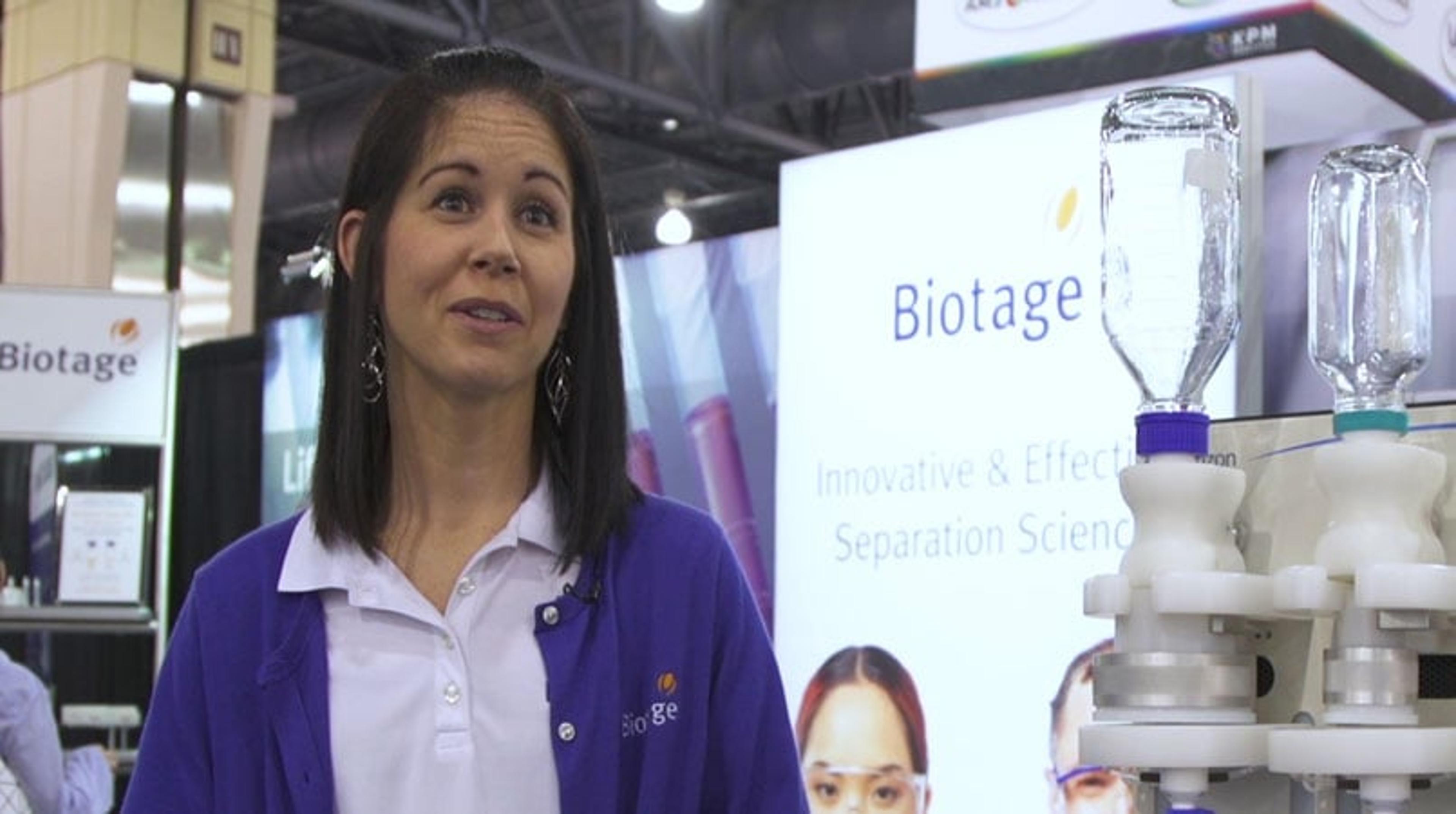
Enhanced SPE Sample Preparation with Minimized Lab Downtime
With laboratories facing many challenges during sample preparation, in this video, discover how solid phase extraction systems from Biotage can increase the accuracy and reproducibility in your lab.
This interview was filmed as part of our coverage of Pittcon 2019 - see other video highlights here >>
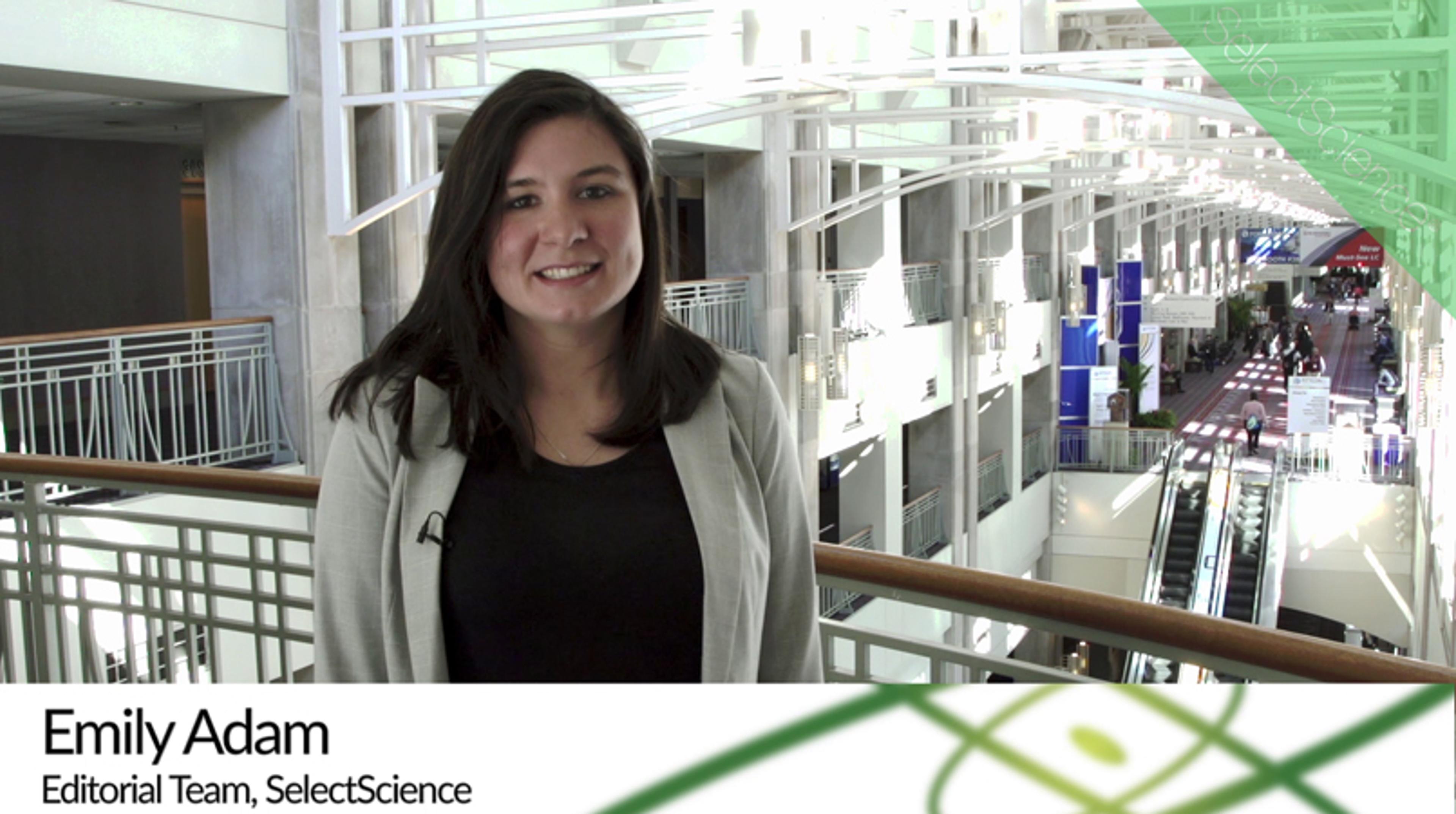
Exciting Technology Highlights from Pittcon 2019: Video Walkaround
Join SelectScience's very own Emily Adam as she explores the various exciting new technologies on display at the 2019 Pittcon conference and expo. The novel innovations include solid phase extraction (SPE) for tricky samples, from Biotage; the Cubis II balance from Sartorius with a motion-controlled, automatic door; and finally, some robust and reliable freezers, fume-hoods and centrifuges from NuAire.
Improve Analysis of 1,4-Dioxane in Drinking Water
In this webcast filmed at the NEMC Conference 2018 find out how improved analysis of 1,4-Dioxane in drinking water can be carried out using solid phase extraction with automation for US EPA Method 522.
What is Solid Phase Extraction (SPE)?
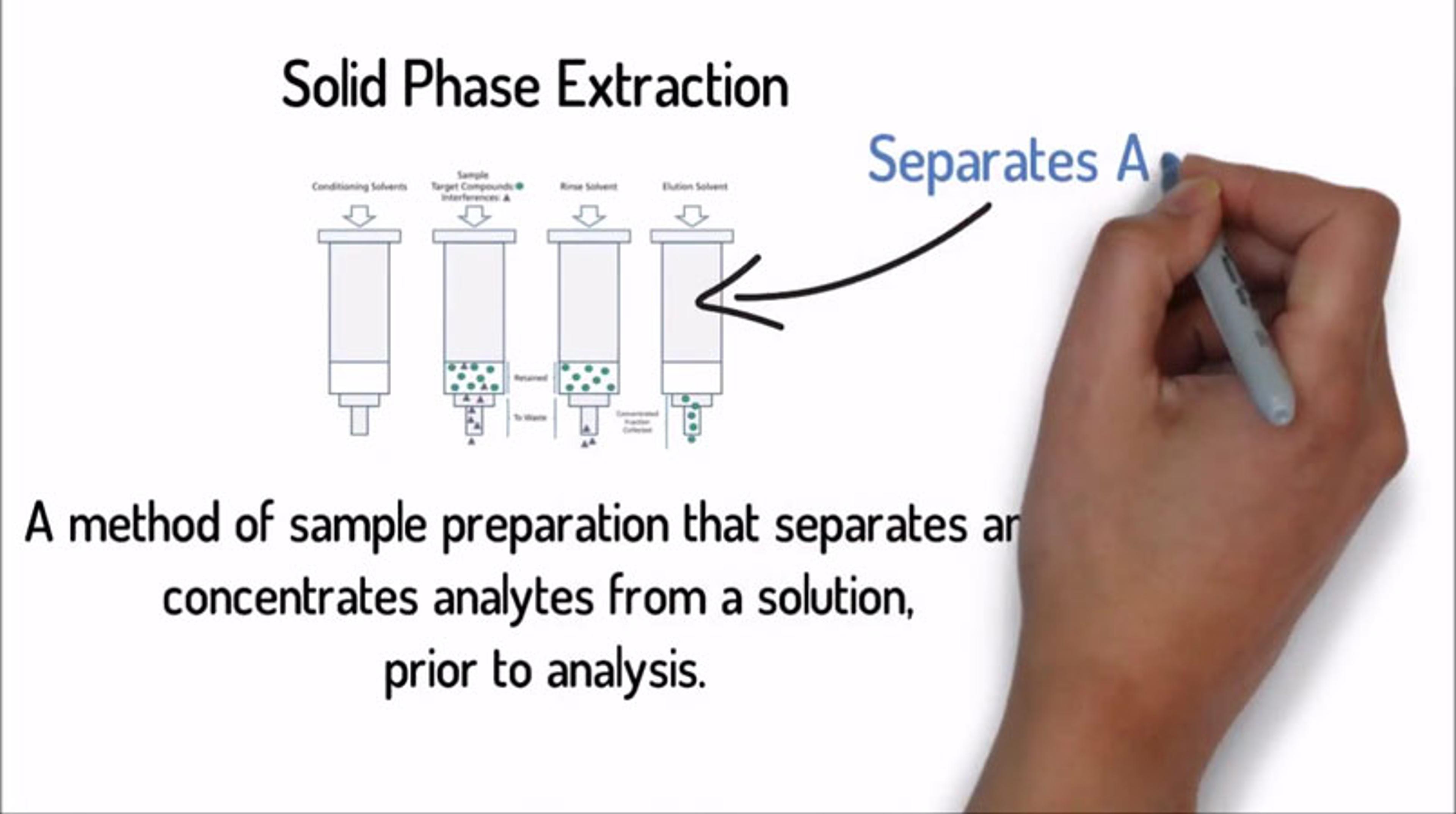
Solid phase extraction (SPE) is a method of sample preparation that separates and concentrates analytes from solution prior to analysis. In this video find out more about how SPE works, comparing SPE to liquid liquid extraction (LLE).

How solid-phase extraction is transforming environmental analytical testing
In this interview, we explore a first-hand experience of the time and cost-saving advantages of SPE as a sample preparation technique
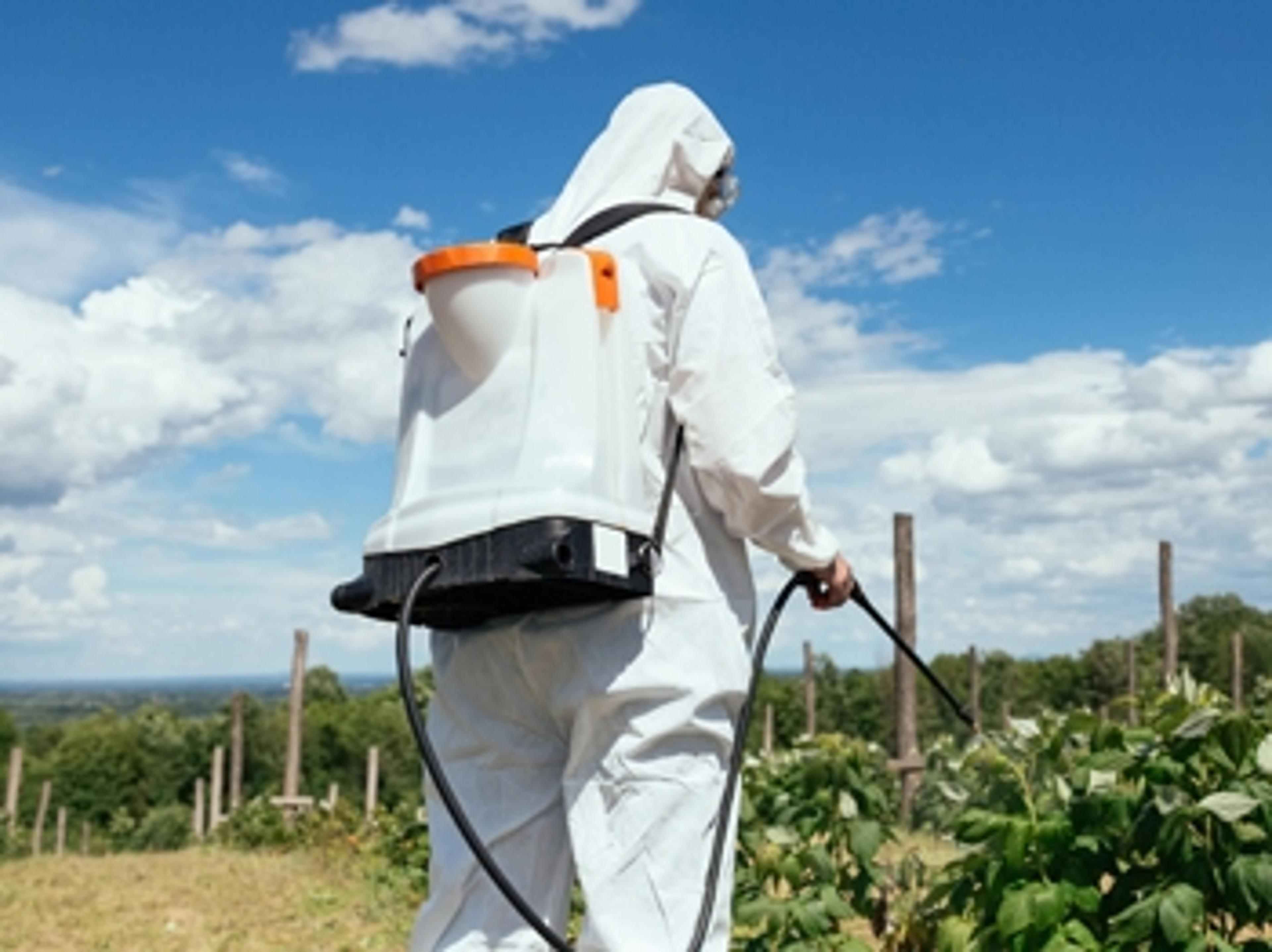
How environmental labs can save time and boost productivity with automated solid-phase extraction
Explore the benefits of adopting automated SPE for high-throughput environmental testing
Analytical Chemistry Playlist: The Latest Technology in 7 Videos
Watch these exclusive video interviews covering the latest innovations in analytical chemistry, as highlighted by experts at Pittcon 2019
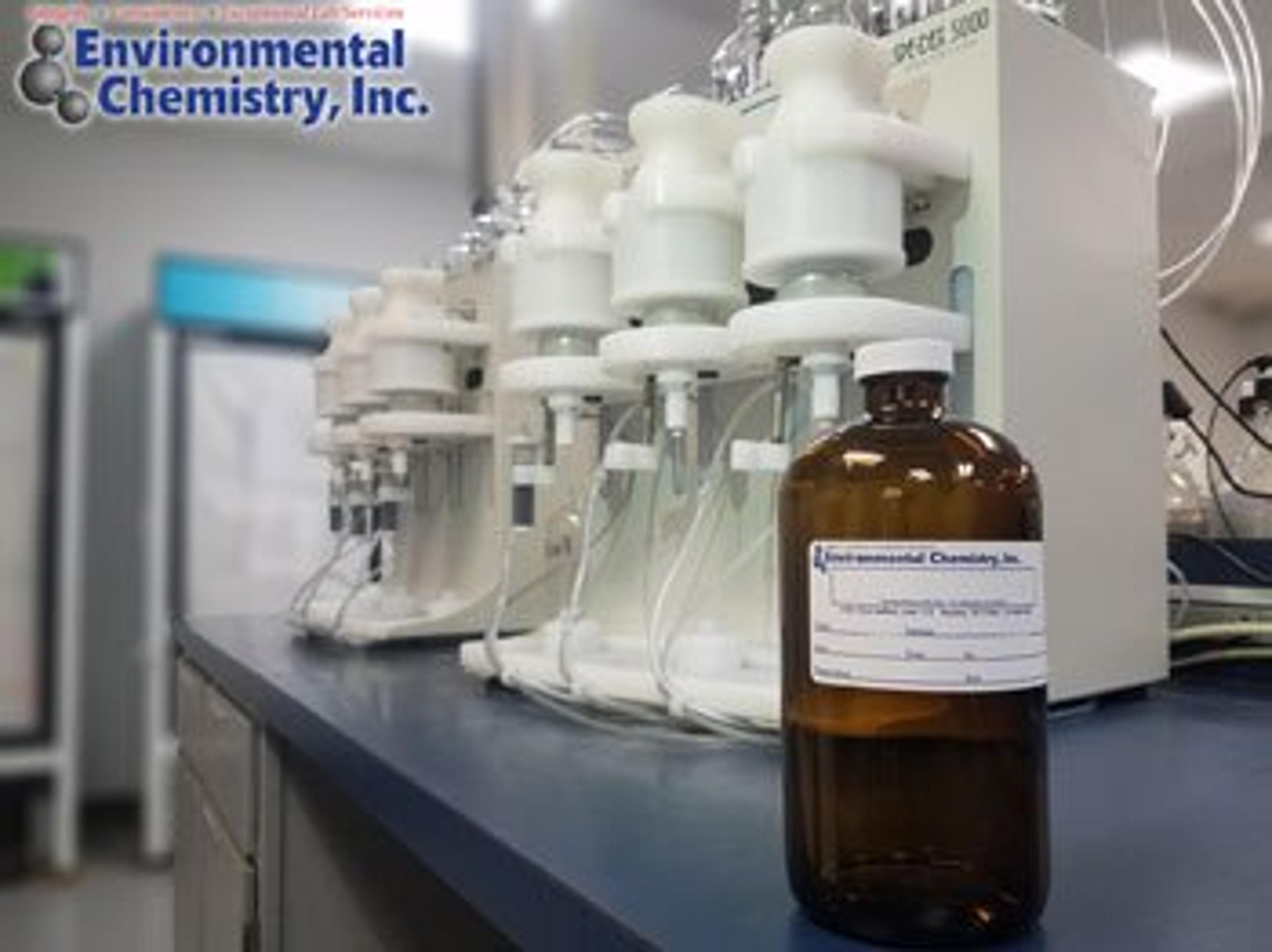
Sample Prep Solved: An Insight into Automated Solid Phase Extraction
Discover how solid phase extraction has improved the quality and throughput of analysis at an environmental lab in Texas
Waving Goodbye to Water Safety Concerns with Advanced Water Analysis - Special Feature
Discover the techniques making waves in water analysis, from LC-MS to solid phase extraction