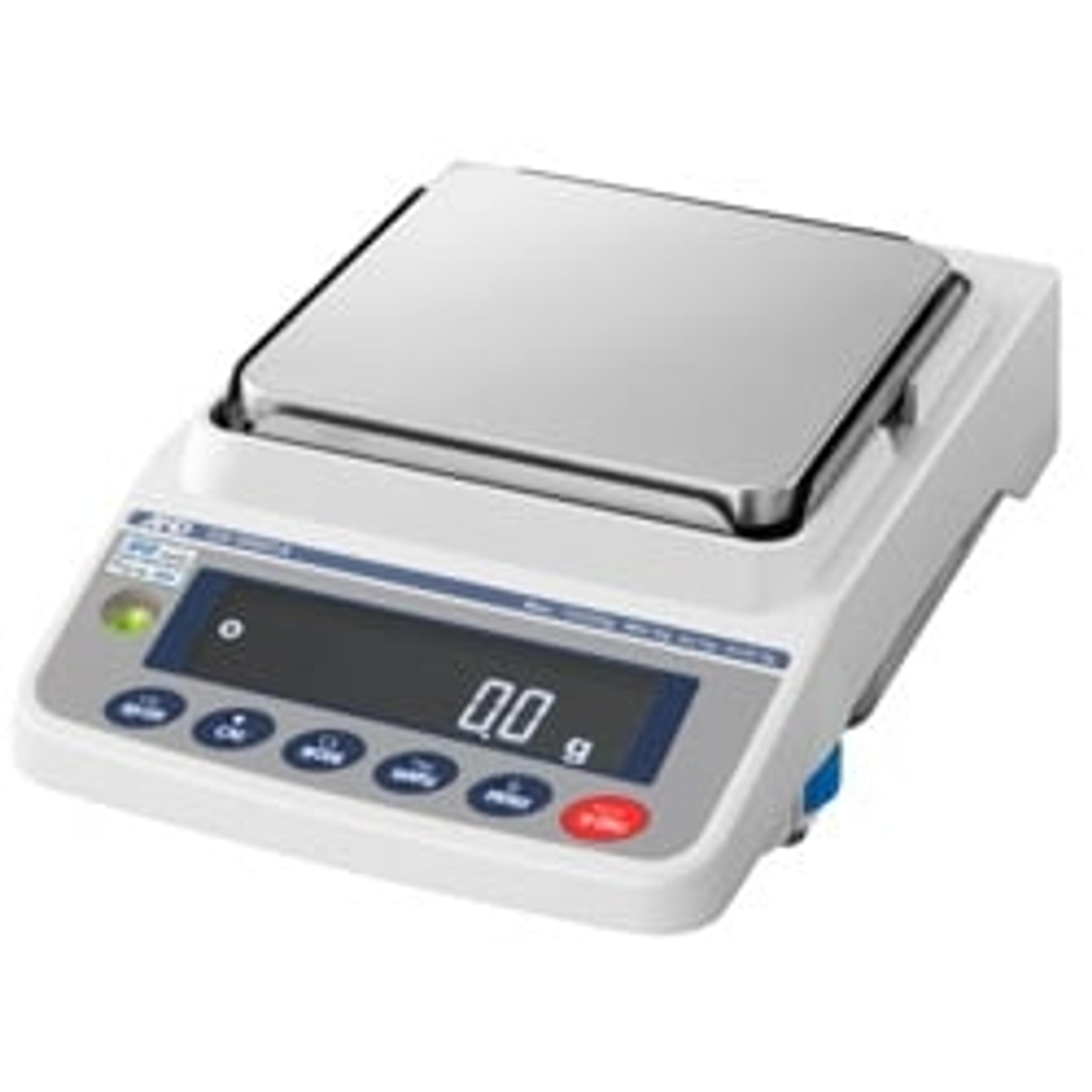
Apollo Multi-Functional Precision Balance with Impact Shock Detection GX-A/GF-A Series - 10200g by 0.1g
Multi functional range of precision top pan balances with unique features and rugged, robust design. Wide range of capacities from 110g to 10kg;wide range of resolutions from 0.001g to 0.1g; Patented Impact Shock Detection (ISD) for preventing damage due to sudden shock; Patented Electronically Controlled Load (ECL) for Automatic Precision Assessment (APA) and minimum weight determination; Multi user and multi level password…
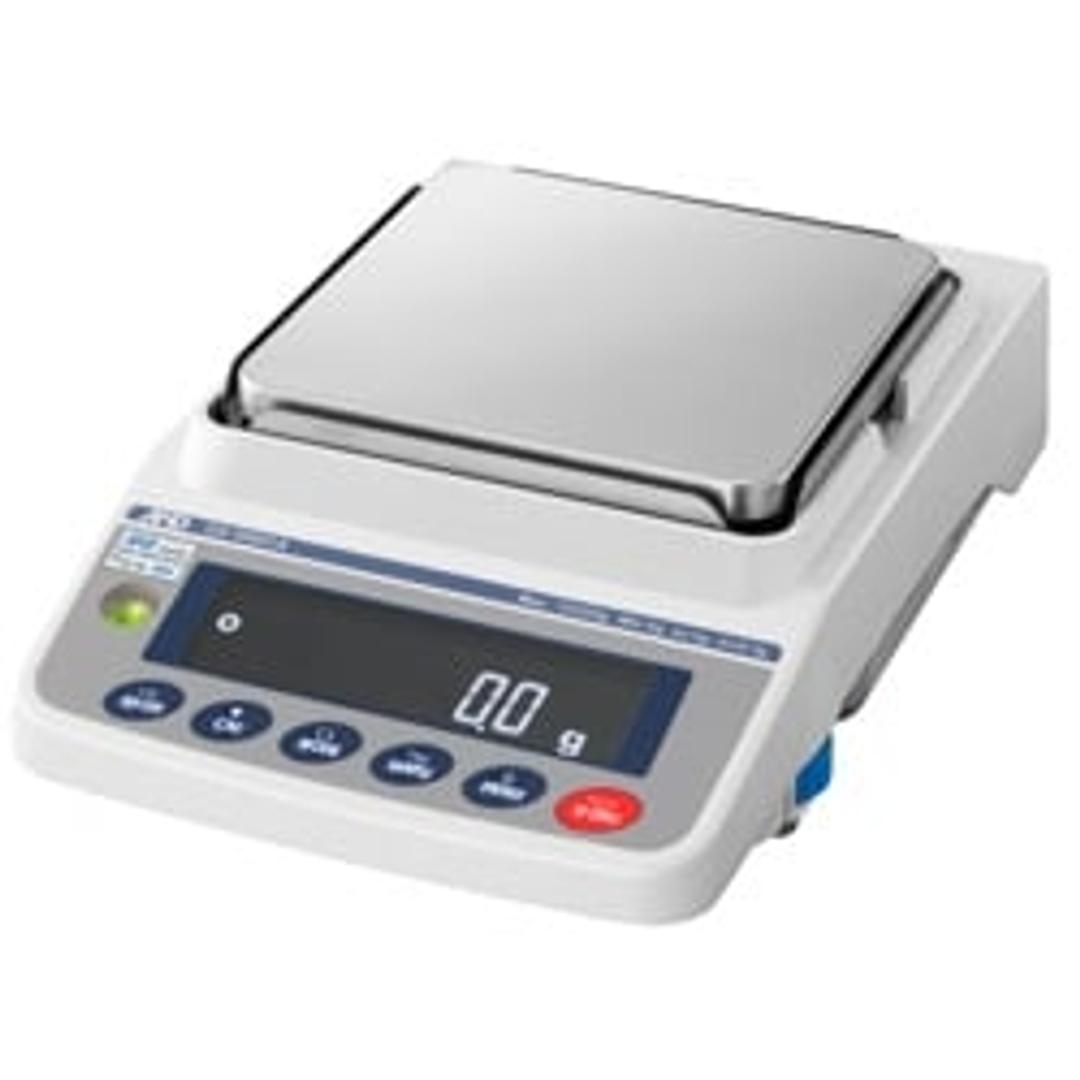
GX-10001A



The supplier does not provide quotations for this product through SelectScience. You can search for similar products in our Product Directory.
Multi functional range of precision top pan balances with unique features and rugged, robust design. Wide range of capacities from 110g to 10kg;wide range of resolutions from 0.001g to 0.1g; Patented Impact Shock Detection (ISD) for preventing damage due to sudden shock; Patented Electronically Controlled Load (ECL) for Automatic Precision Assessment (APA) and minimum weight determination; Multi user and multi level password functions.
Features
- Impact shock detection (ISD)*1 that visualizes what degree of impact shock is detrimental to the balance and allows users to take preventive measures as necessary
- Flow rate display (FRD)*2 that makes calculating and recording flow rates easier and more accurate
- Auto precision assessment (APA) and minimum weight calculation using electronically controlled load (ECL)*1
- Cushioning under the weighing pan to mitigate impact shocks
- Protection against vertical and transverse static overloading
- Flow rate comparator that indicates whether the flow rate is within the designated limits
- Tare memory function that saves the tare value in non-volatile memory
- Alert function to ensure that the measured quantity is not smaller than the set minimum weight
- Fast stabilization of approx. 1 second (approx. 1.5 seconds with the GX/F-1603A and GX/F-10002A)
- Selectable response characteristics for trading weighing speed for higher display stability or vice versa
- One touch calibration using internal weight (GX-A)
- Automatic self calibration to maintain accuracy under temperature changes (GX-A)
- Timed calibration function (GX-A)
- Large, front-mounted spirit level with LED illumination
- Easy-to-adjust leveling feet with thumbwheels
- Clearly visible, reverse backlit LCD display
- Multiple weighing units: g, oz, lb, lb-oz, ozt, ct, mom, dwt, grain, specific gravity, and a user-programmable unit for conversion applications (either tael, tola or Newton can be added upon request)
- User access control (UAC) function that password-protects the balance at two levels
- Key lock function to make the balance operable only by sending commands from an external device
- Clock and calendar function
- GLP/GMP/GCP/ISO compliant output to meet documentation requirements
- Universal Flexi Coms (UFC) function to edit serial data output/printout format
- Gross/Net/Tare output
- Data memory function to save weighing results, calibration results and unit masses for the counting mode in the device itself
- Counting mode with the Automatic Counting Accuracy Improvement (ACAI) function
- Percent mode function for target weighing or checking sample variation
- Animal weighing (average & hold) function for weighing moving objects
- Statistical calculation function (SCF) to facilitate the analysis of measurements
- Five-level comparator function with buzzer
- Auto power ON and OFF functions
- Density determination function (optional density determination kit available for the 0.001 g models)
- Underhook for weighing a magnetic material as well as measuring density
- Security slot in the rear of the balance to accommodate an anti-theft lock
*1 Patented
*2 Patent pending
Brochures

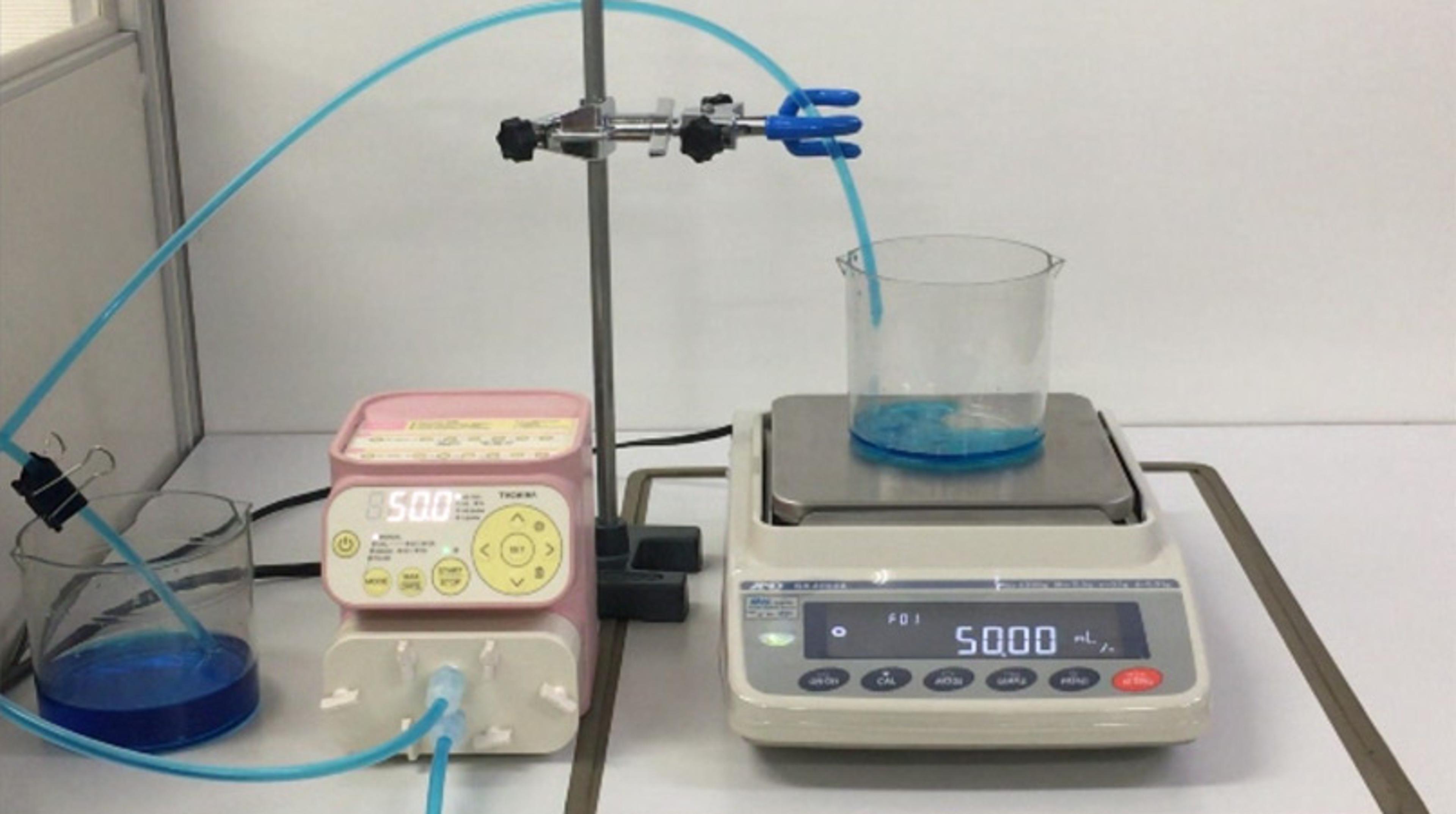
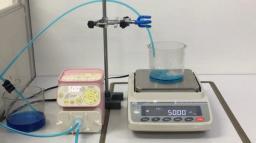
Automatically Calculate Flow Rate Based on Change of Mass Over Time
Effortlessly measure the flow rate of liquids and powders without using a stopwatch with the Apollo GX-A/GF-A Series.
Smart Super Hybrid Sensor (Smart SHS)
In the past, A&D developed a weighing sensor called the Super Hybrid Sensor (SHS) for the GX/GF series─predecessor to the newly-developed GX-A/GF-A series of multifunctional precision balances. The SHS is a sensor that combines the technology of the electromagnetic force restoration method and a spring-material Roberval structure used for load cells using strain gauges. The SHS takes advantage of both the high resolution of electromagnetic force restoration balances and the high stability of strain gauge load cell balances when loading an object on the weighing pan.
Verification of a Method for Testing Repeatability of Electronic Balances Without Using a Weight
Recently, balances are increasingly used in unfavorable environments such as inside a fume hood or enclosure where airflow is generated. Under such circumstances, it is essential to correctly evaluate the performance of the balance at the actual location of installation, which requires calculating repeatability using a weight. However, in many fields, use of weights is a cumbersome and time-consuming operation. Solution: Load/unload the balance without using a weight by electronically controlling and altering its internal settings. In this application note, this method for evaluating the performance (repeatability) of a balance, called Electronically Controlled Loaded or ECL, is proposed and tested.
ECL and the USP Minimum Weight Standard
ECL, which stands for Electronically Controlled Load, is A&D's unique technology (patent pending) of generating a minute load (0.3 to 3% of the balance capacity) by purposely altering the equilibrium state of the electromagnetic force restoration sensor. A balance with this technology, such as the GX-A/GF-A series, allows the user to test its repeatability performance without using an external weight by automatically calculating the standard deviation from 10 repeated measurements with the said artificially generated load. Further, based on the result of this repeatability test, the balance indicates the minimum weight
in accordance with the United States Pharmacopeia (USP) standard. Currently, ECL can complete a repeatability test and minimum weight calculation in about a minute and a half.
Precise Measurements of Flow Rates of Liquids and Powders with Only a Balance
Balances are often used for measuring flow rates. For example, they are found in production lines where they are used to improve the accuracy and stability of transfer pumps or constant supply devices. They are also used in laboratories to control the flow rates of solutions added to culture media for cell cultures.
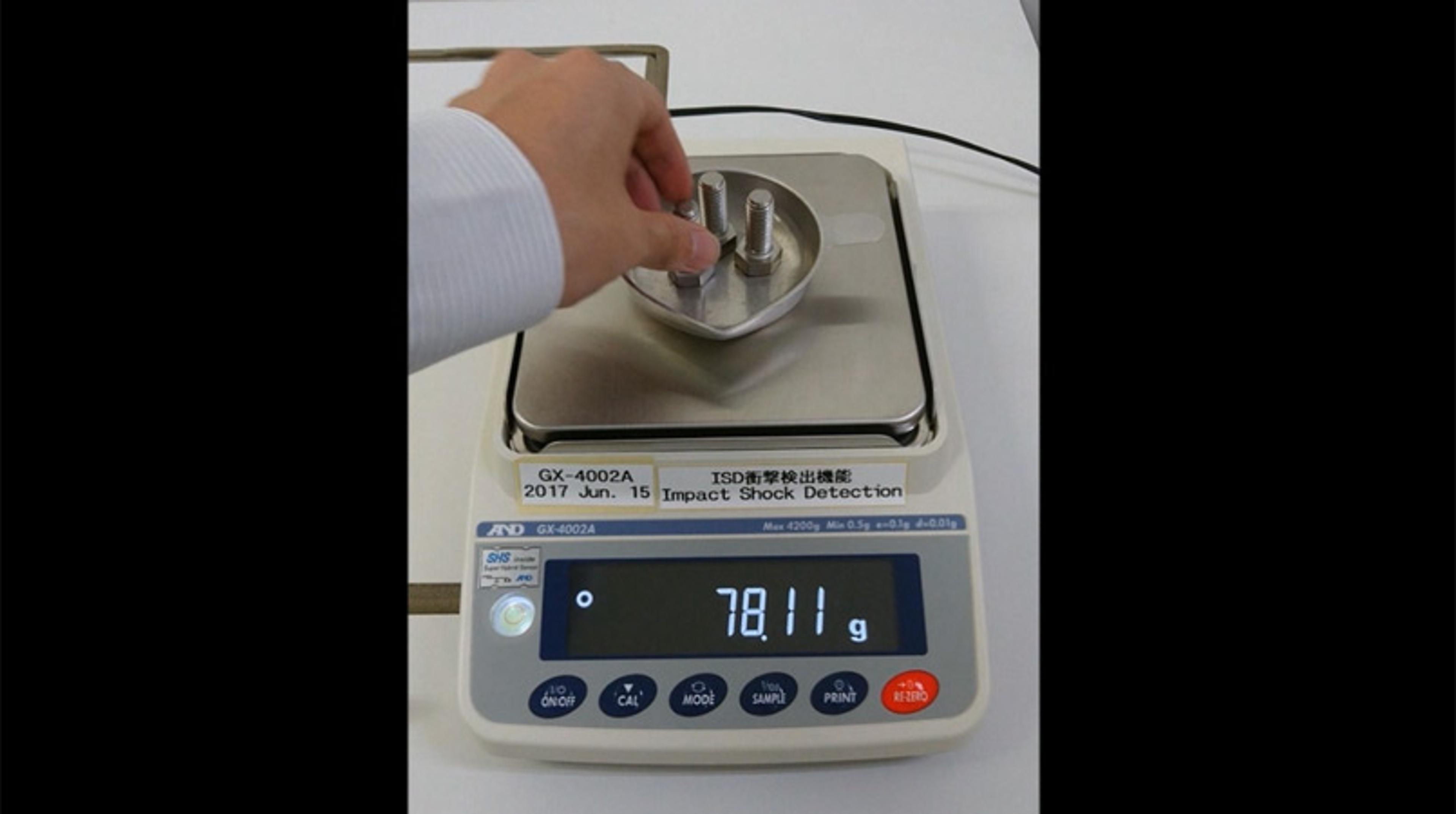
Apollo GX-A: Impact Shock Detection
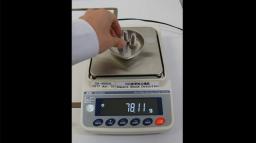
Impact Shock Detection (ISD) visually indicates the magnitudes of impact shocks that the sensor receives at four different levels. Often balances can be damaged or errors can occur due to sharp impacts from automated machine loading or operators dropping material onto the pan. The Apollo series educates, prevents and documents such scenarios. ISD visually indicates the magnitudes of impact shocks that a weigh sensor receives at four different levels. It audibly beeps once at Level 3 and twice at Level 4 delivered through the feature of Impact-Alert. ISD ensures the investment of the balance is protected, helps to extend the life of balance, reduce repair and replacement cost and ensure productivity can be maintained by reducing downtime.
Flow Rate Display: Streamline & Improve Filling or Dosing Accuracy & Precision
Many operators use a stopwatch or PC to determine a flow rate. Flow Rate Display (FRD) helps to streamline and improve both by offering a synced solution that improves accuracy and precision in filling or dosing applications. For example, the internal clocks of external devices are never in complete sync with precision balances. Therefore there is a time-clock disparity that is most noticeable when measuring and recording flow rates of pumps, feeders and other devices at short intervals. Command speed and refresh rate will cause the PC to intermittently produce irregular values or spikes even if the actual flow rate is constant. The Apollo series through an FR-Cal function calculates, displays, & outputs (WinCT-FRD) the mass flow rate, or the volume flow rate by entering the density of the material. Up to 10 densities can be saved to the device. Both the display refresh rate and interval (set between 1 second and 1 hour) are regulated by the same internal clock of the balance, making measurements free from the irregularity that rise from time clock disparity problem.
Electronically Controlled Load: Automated Self-Diagnostic Check at the Touch of a Button
The operator simply holds the mode key to first perform a self-diagnostic check and proceed to ECL where internally a repeatability test is performed without use of an external weight. This critically checks the stability of analog-to-digital conversion before applying a controlled load inside the balance (between 0.3% to 3% of the weighing capacity). It does this by altering the equilibrium state of the weigh sensor and takes 10 repeated measurements. The entire process takes only 1.5 minutes versus traditional repeatability procedures which can take up to 10 minutes, ultimately giving greater convenience and time savings to customers. The ECL technology provides valuable information which Auto Precision Assessment (APA) smartly processes into meaningful, beneficial outcomes such as Dia-Check, Standard Deviation, Quick Min-S, and Min-S-Alert.