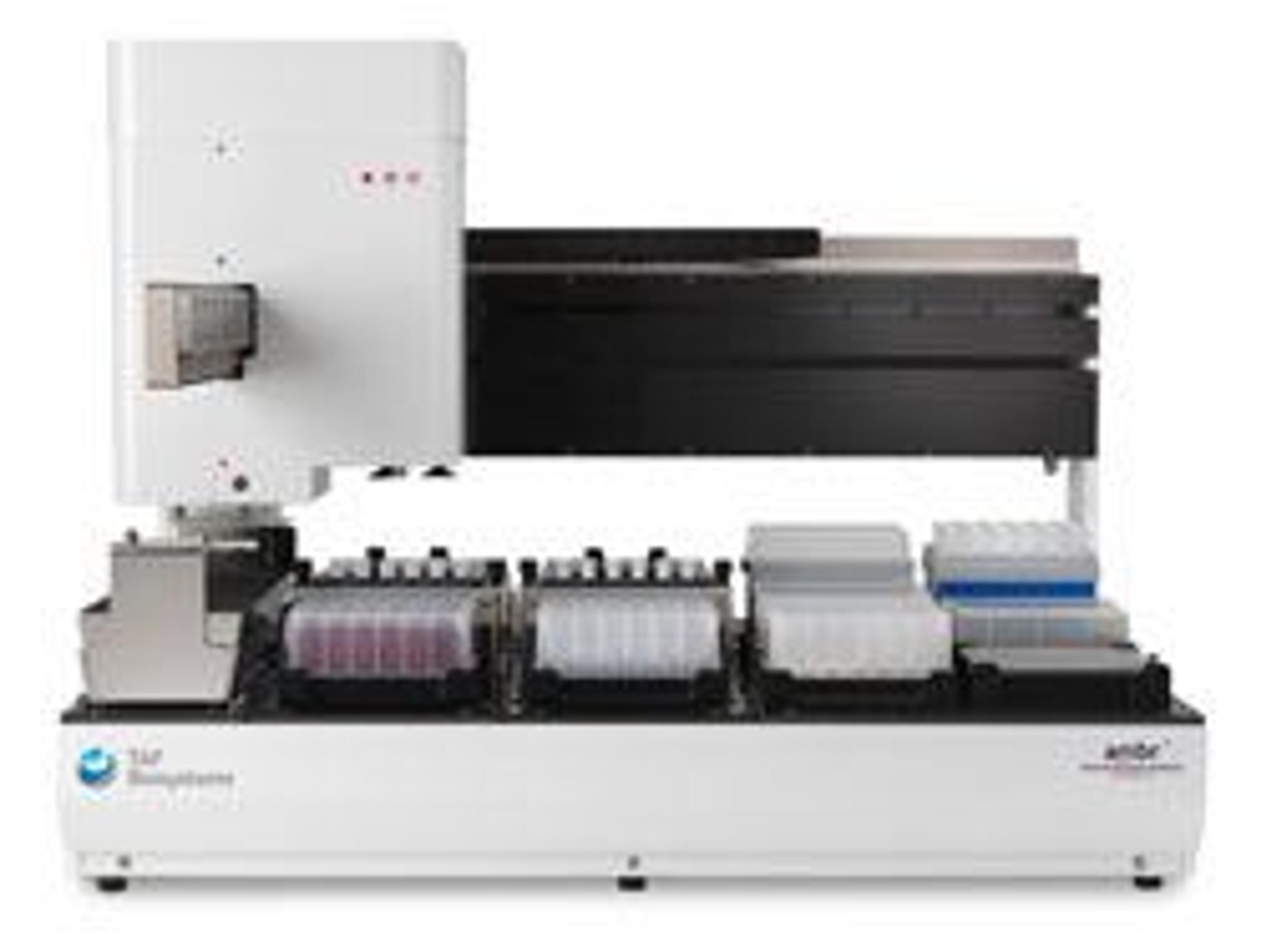
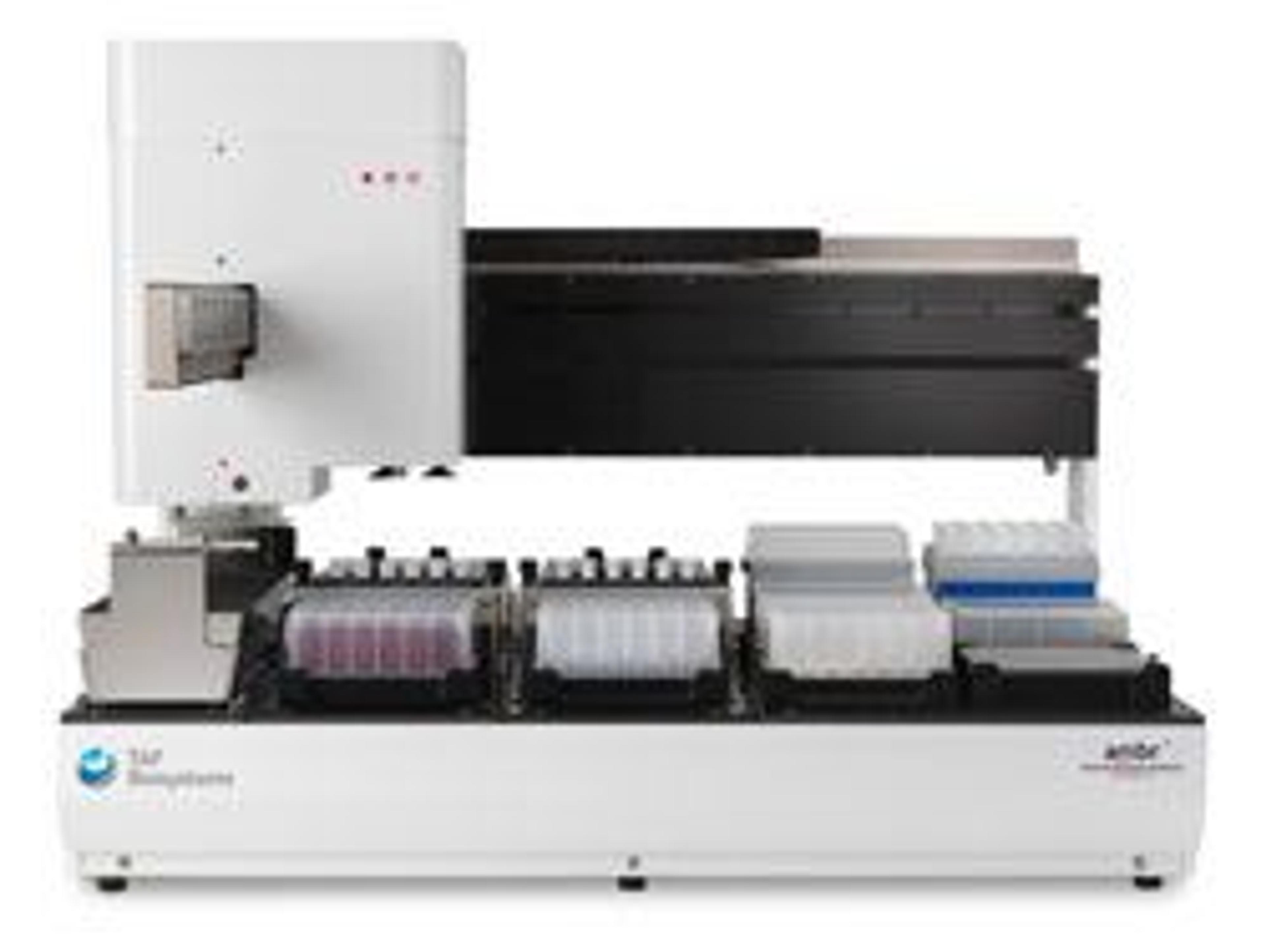
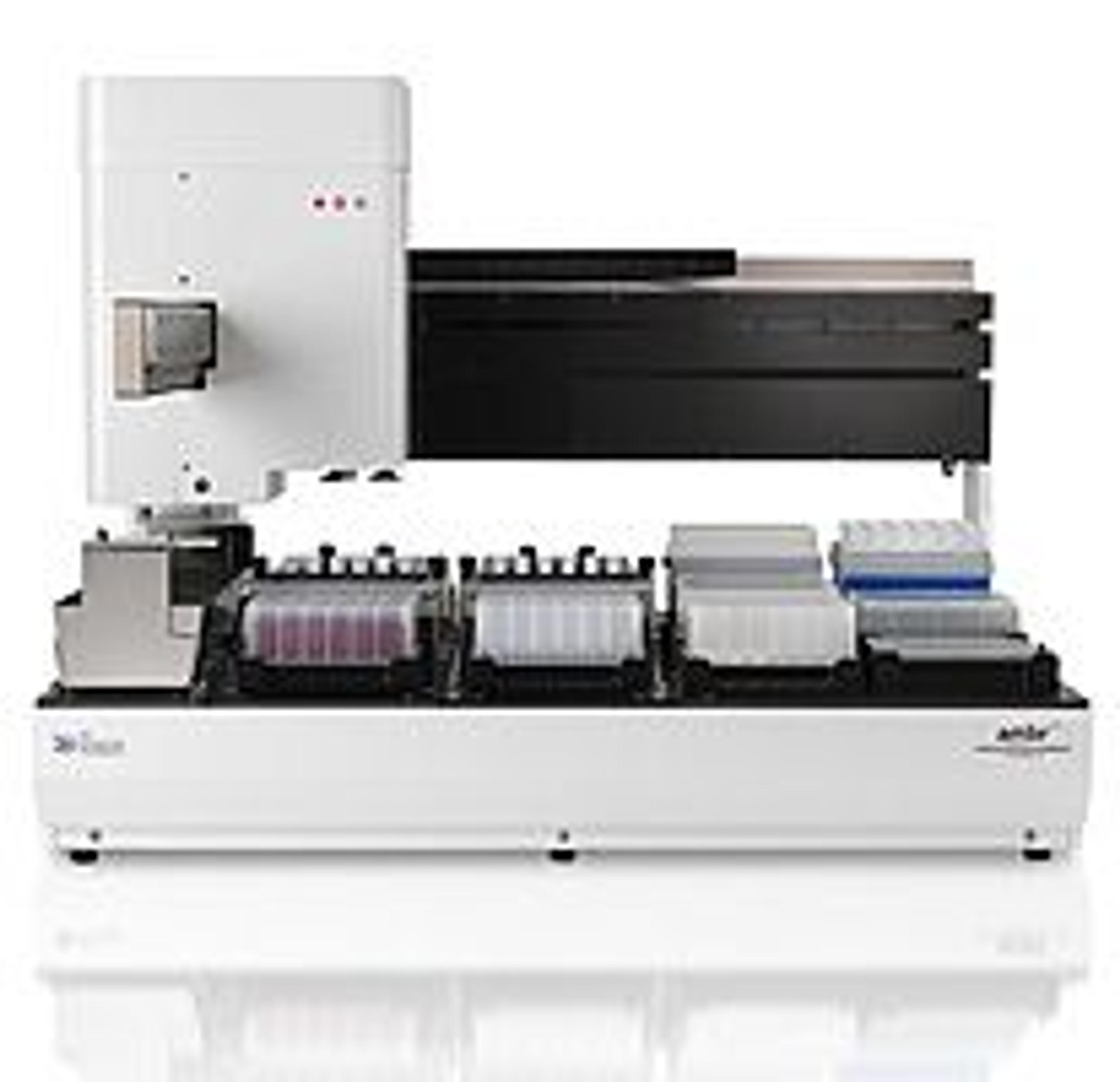
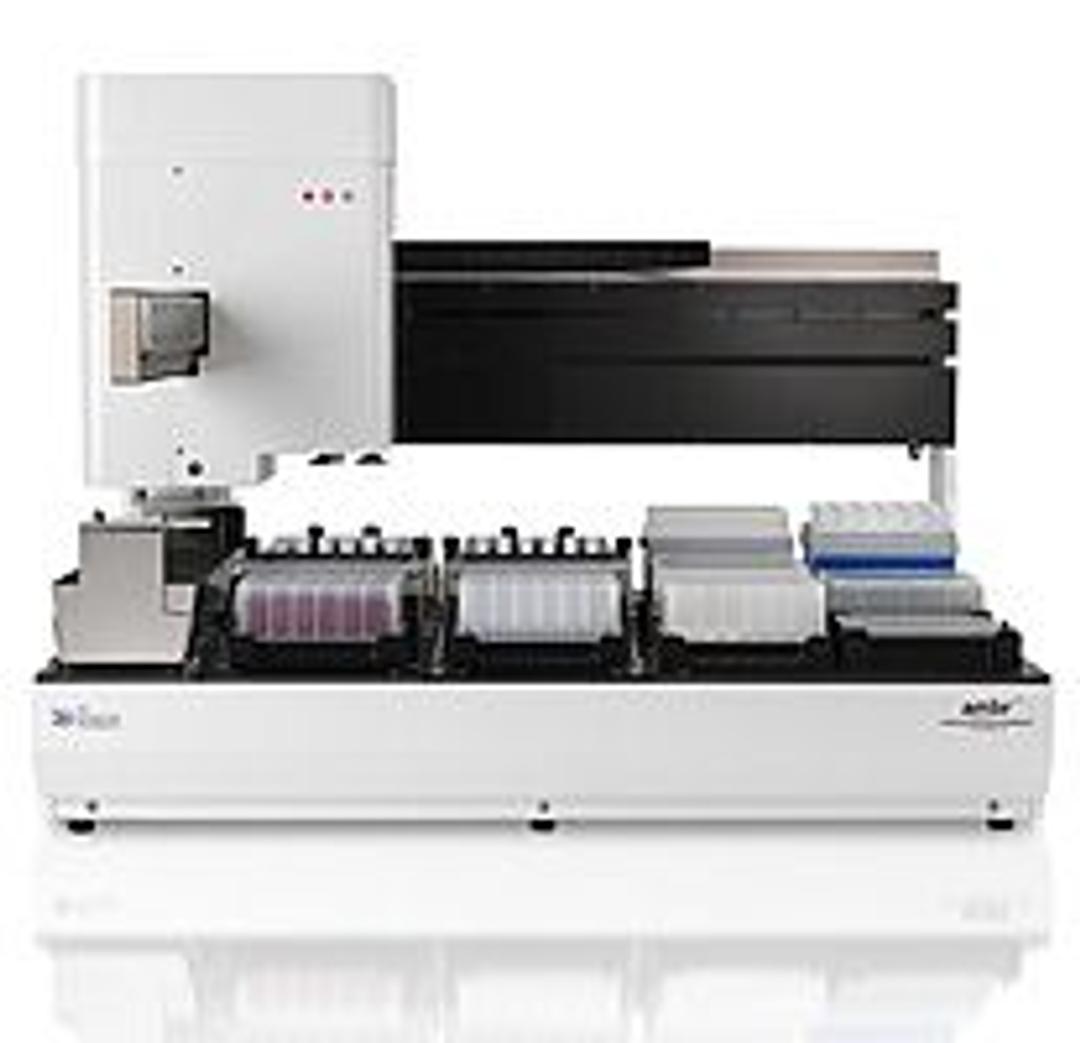
ambr Advanced Microscale Bioreactor System
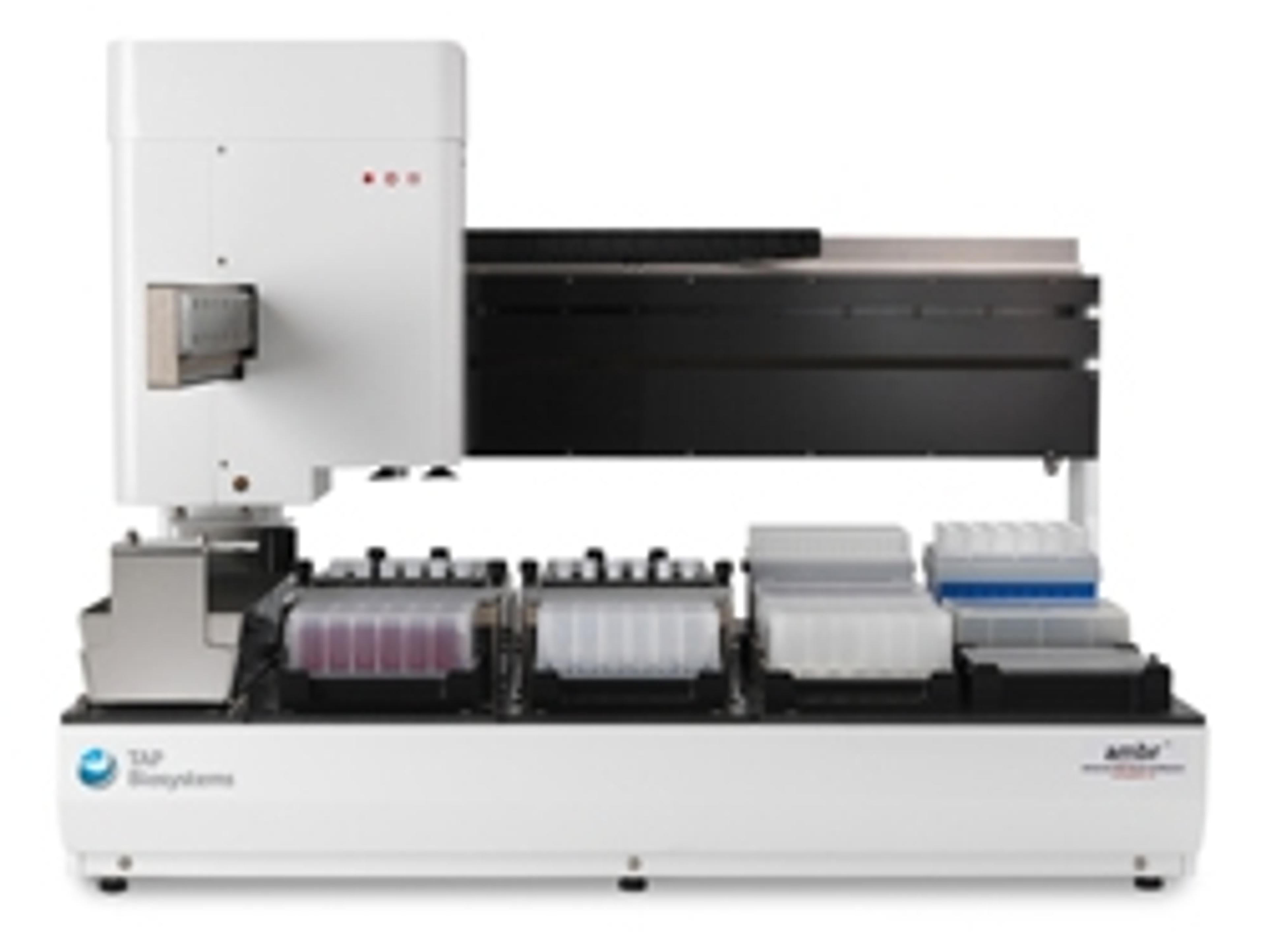
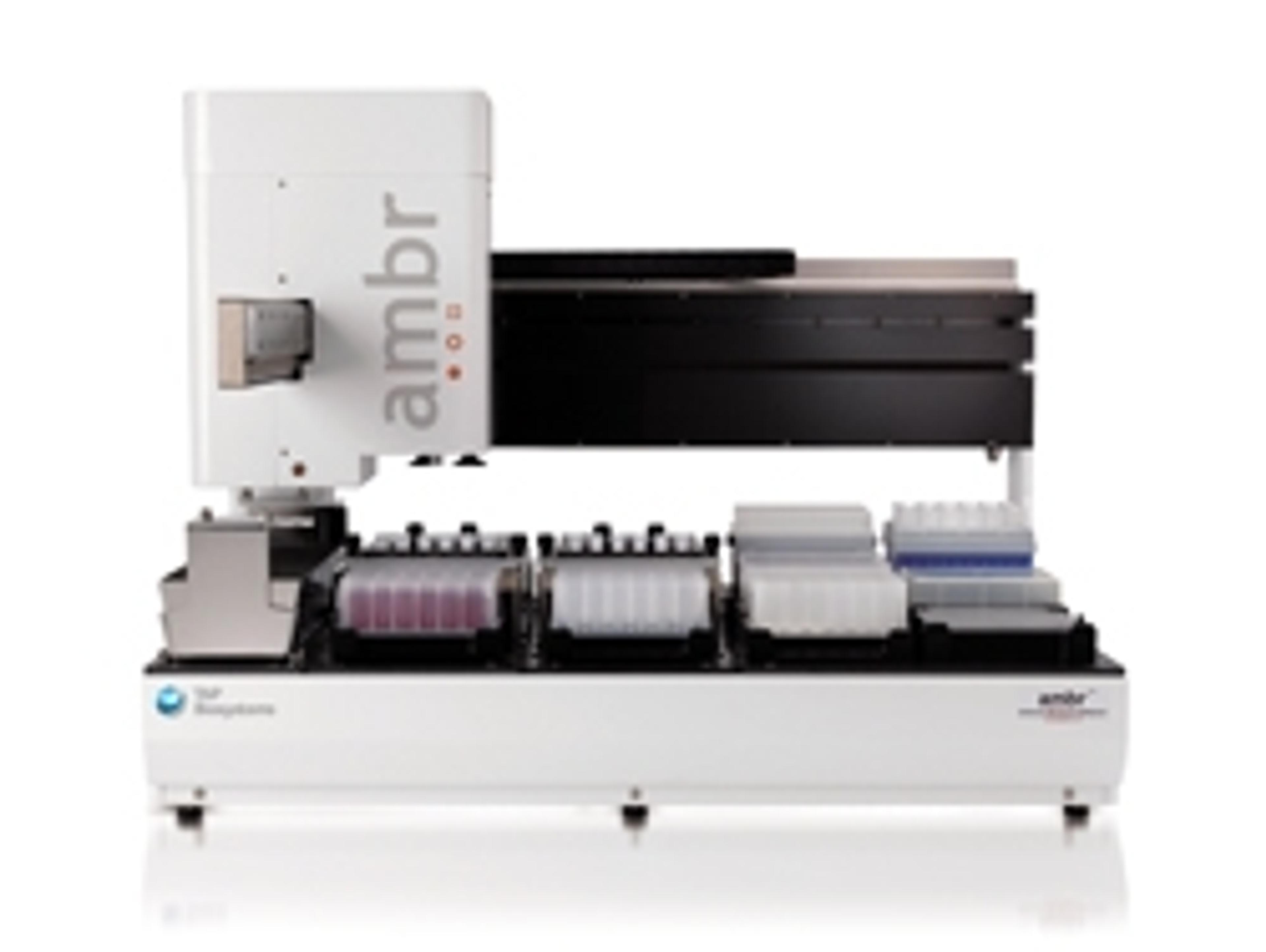
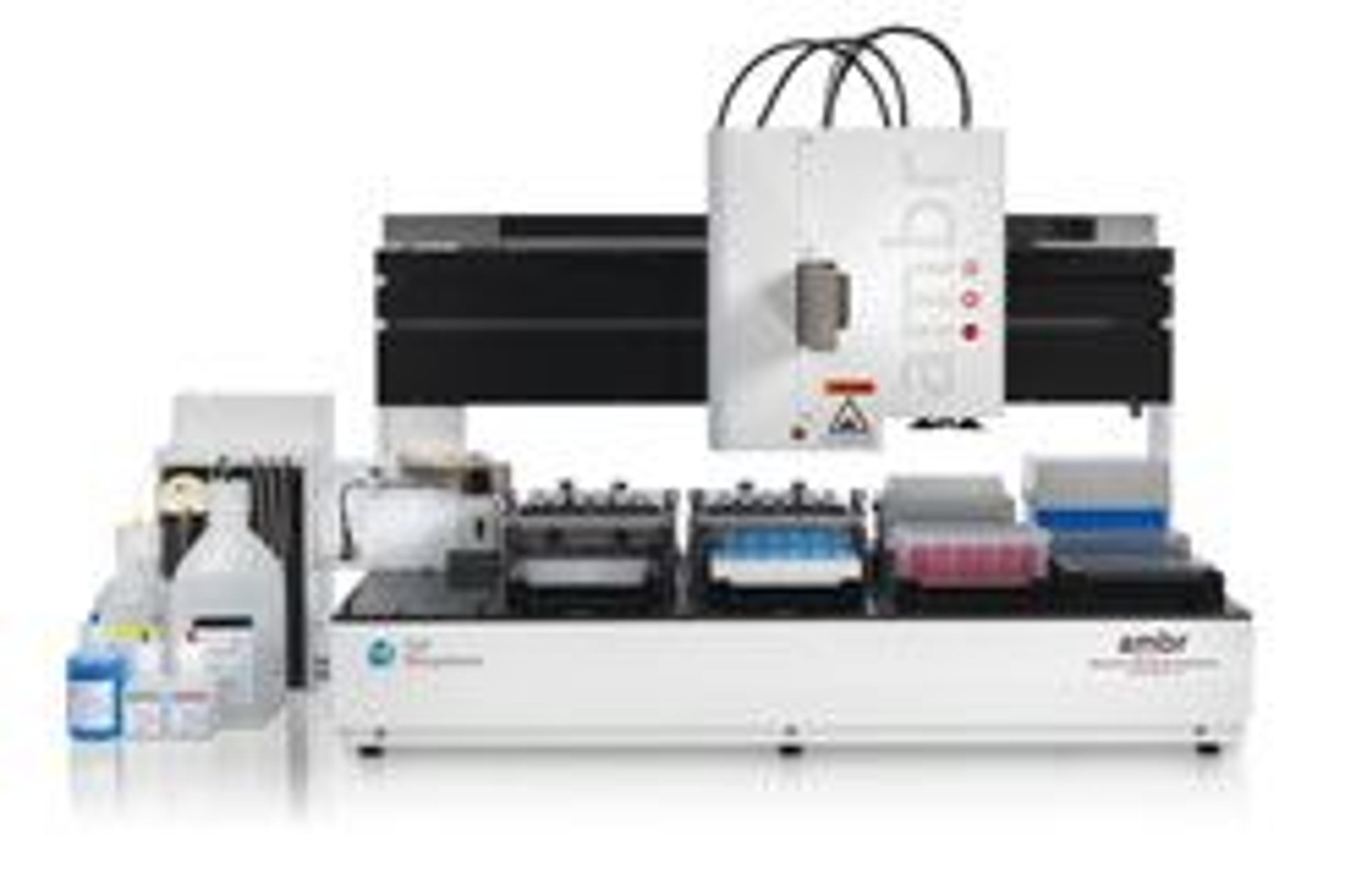
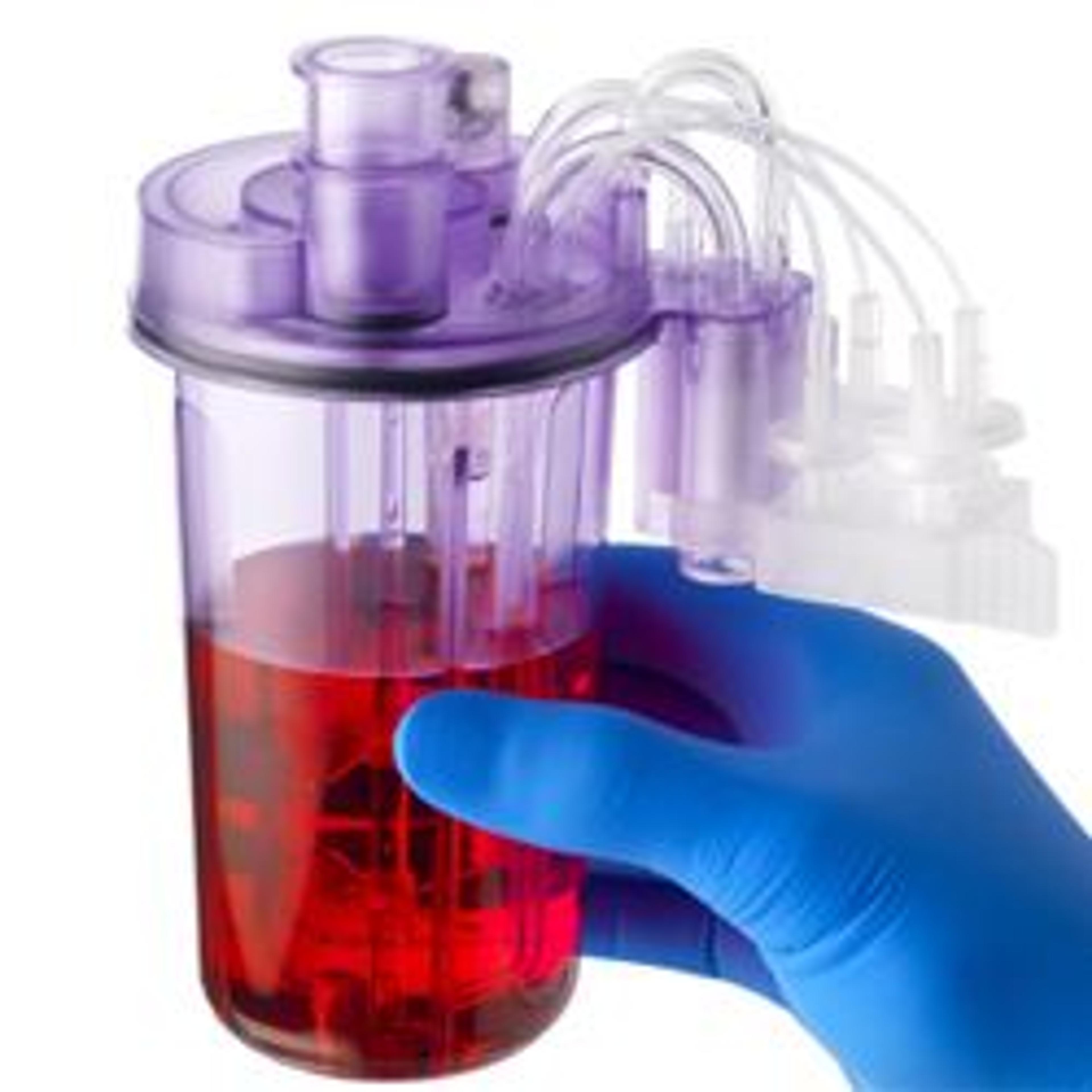
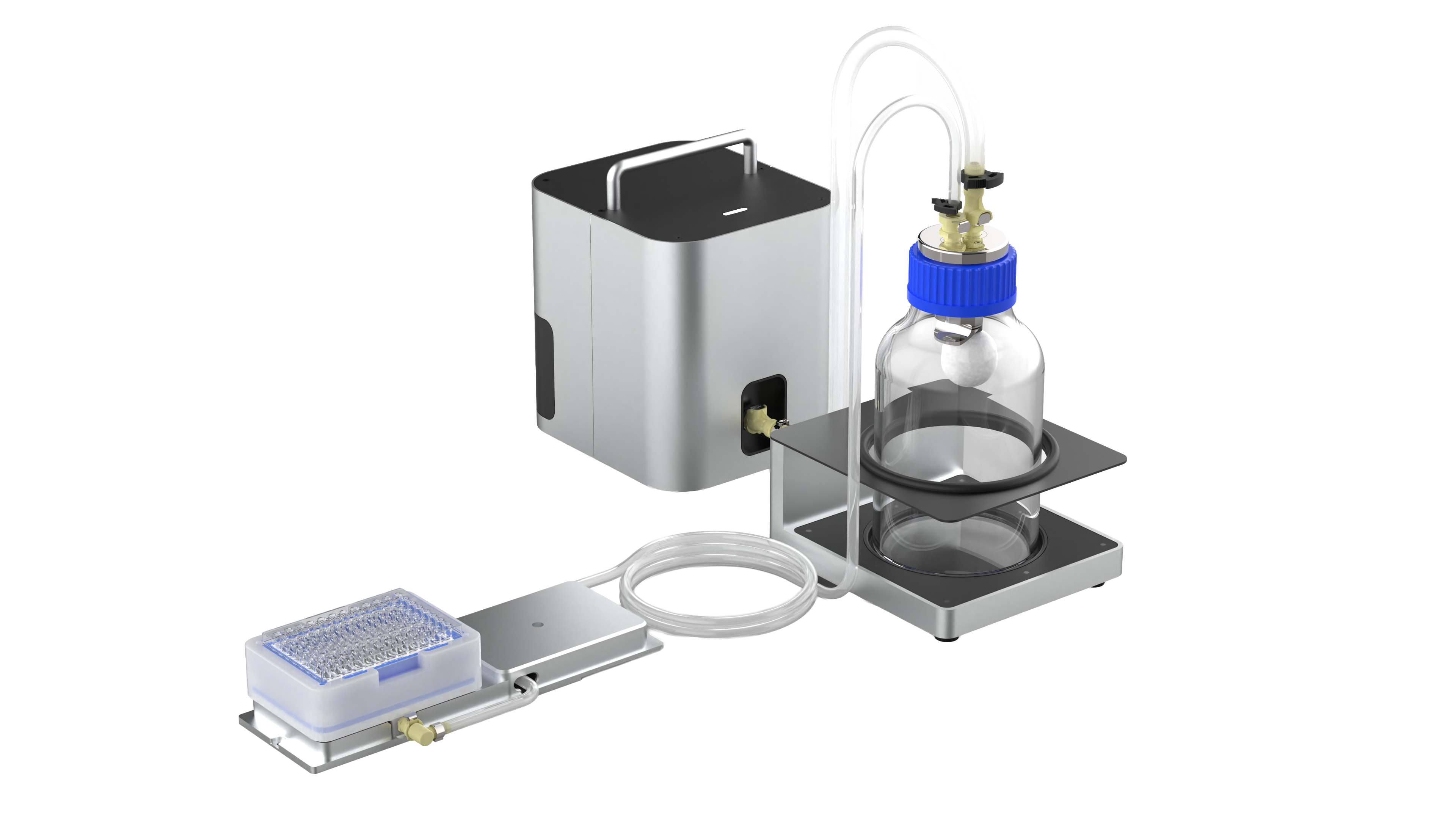
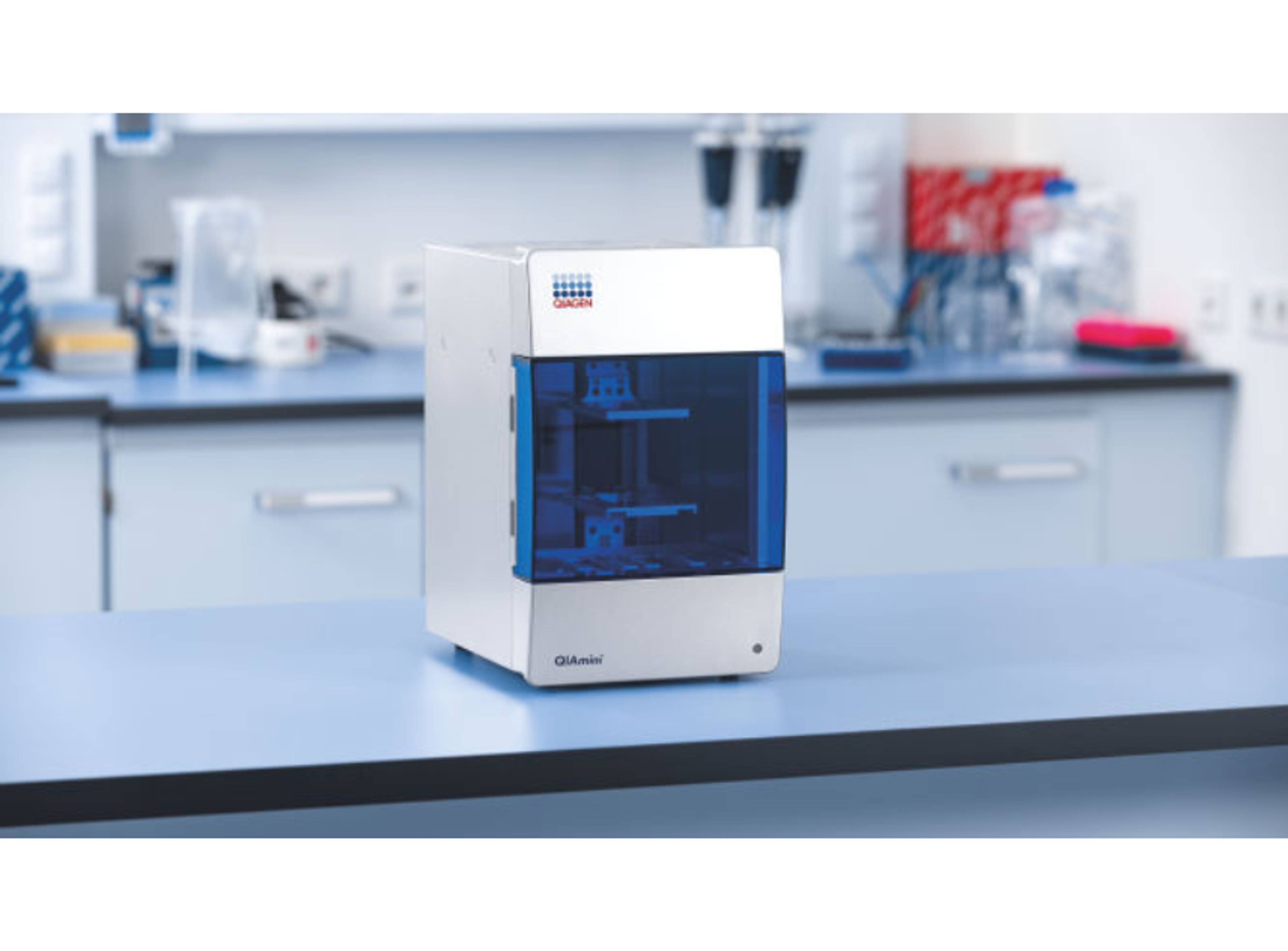
ambr is an advanced microscale bioreactor system comprises 24 or 48 disposable micro bioreactor vessels (10-15ml) controlled by an automated workstation. For rapid evaluation of multiple bioreactor cultures in parallel. ambr is a better tool for cell line selection and devlopment amd offers significant reduction in cost per experiment.

The supplier does not provide quotations for this product through SelectScience. You can search for similar products in our Product Directory.
ambr is an advanced microscale bioreactor system comprises 24 or 48 disposable micro bioreactor vessels (10-15ml) controlled by an automated workstation. For rapid evaluation of multiple bioreactor cultures in parallel. ambr is a better tool for cell line selection and devlopment amd offers significant reduction in cost per experiment.

Experiments using Attachment Dependant Cells on Microcarriers performed in the ambr System
The ambr microbioreactor can be applied to adherent cell cultures such as in vaccines and regenerative medicine, using microcarrier cultures. This technical note demonstrates the culture of Vero cells on Cytodex 1 using new ambr protocols for handling and seeding microcarriers, and exchanging media.
Implementation of a Micro Bioreactor Model for Perfusion Cell Culture using a Chemostat Approach
While recent industry trends have brought a renewed focus on continuous and perfusion processes, practical limits in small-scale models have constrained their development and widespread adoption. The ambr™ system provides a new way forward, with automated liquid handling operations enabling a semi-continuous chemostat model for perfusion culture in 10-15mL micro bioreactors.
Steady State and Dynamic Control Performance of the ambr™ Automated Micro Bioreactor System in a CHO Cell Batch Culture
This scientific poster describes three different tests to evaluate the performance of the ambr™ automated micro bioreactor system for bioprocessing applications. Learn how to obtain a high degree of reproducibility for replicate cultures, good resolution in CHO cell culture response for a variety of experimental conditions (high signal to noise ratio) and good process controls.