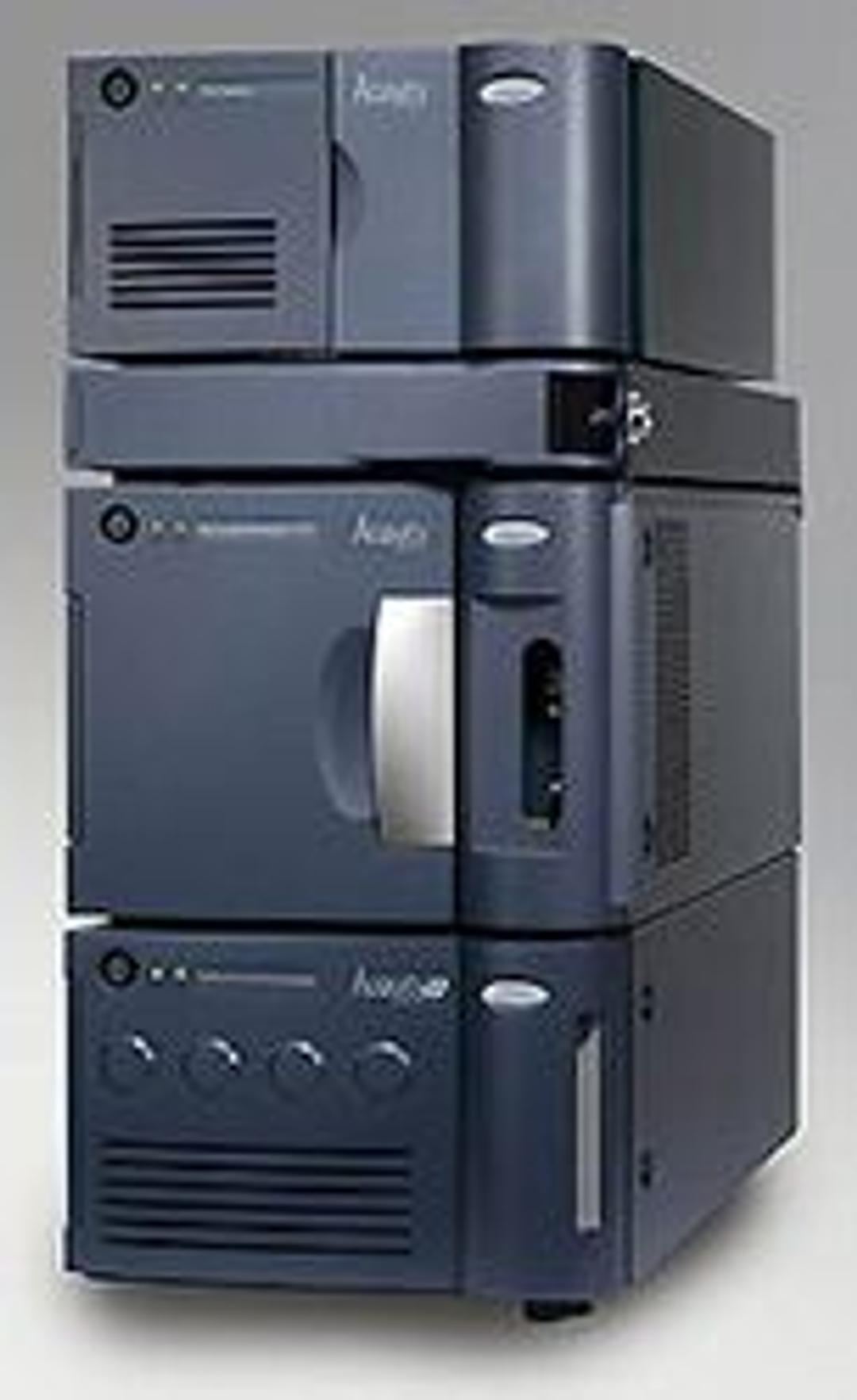
ACQUITY UPLC H-Class PLUS Bio System
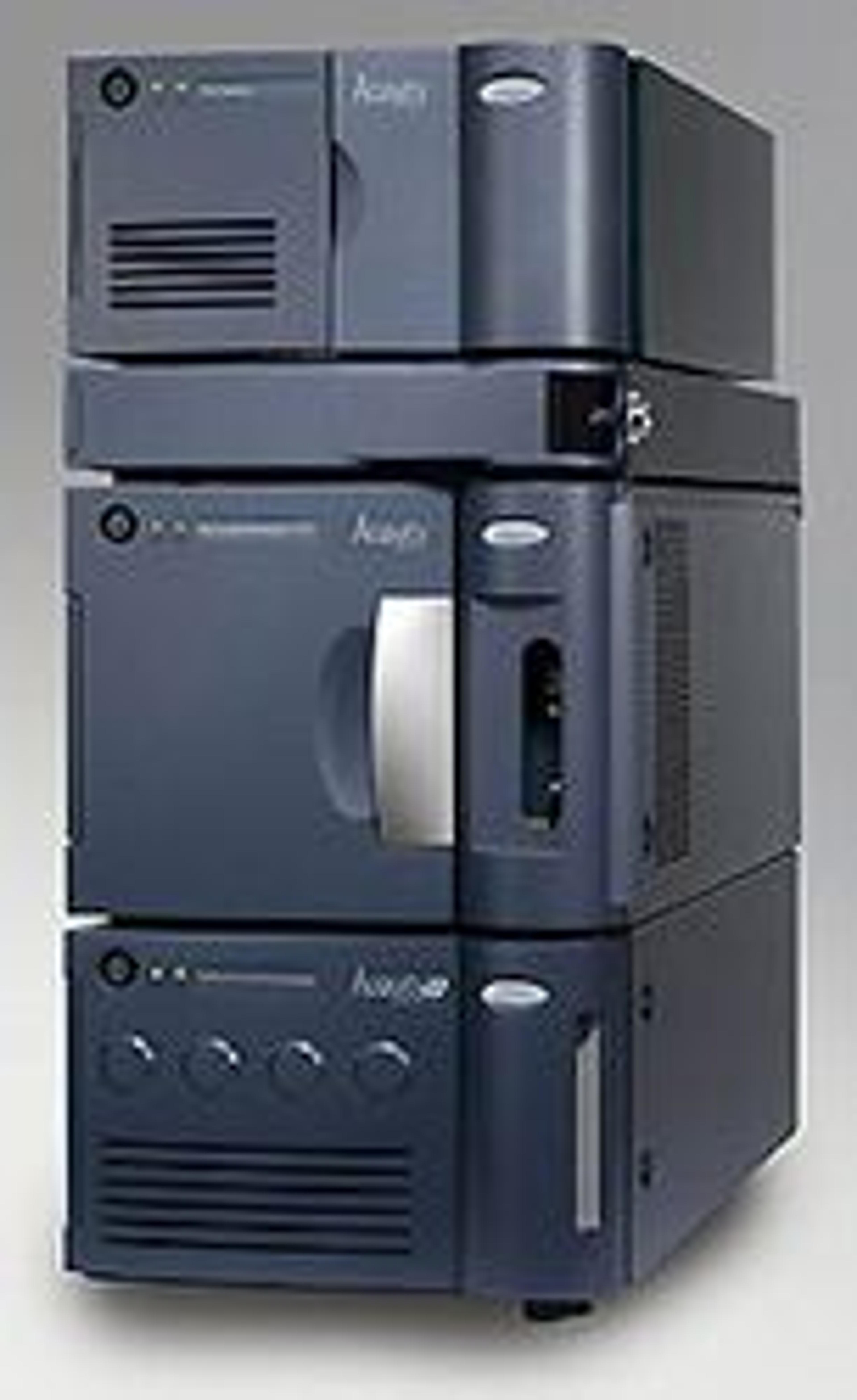
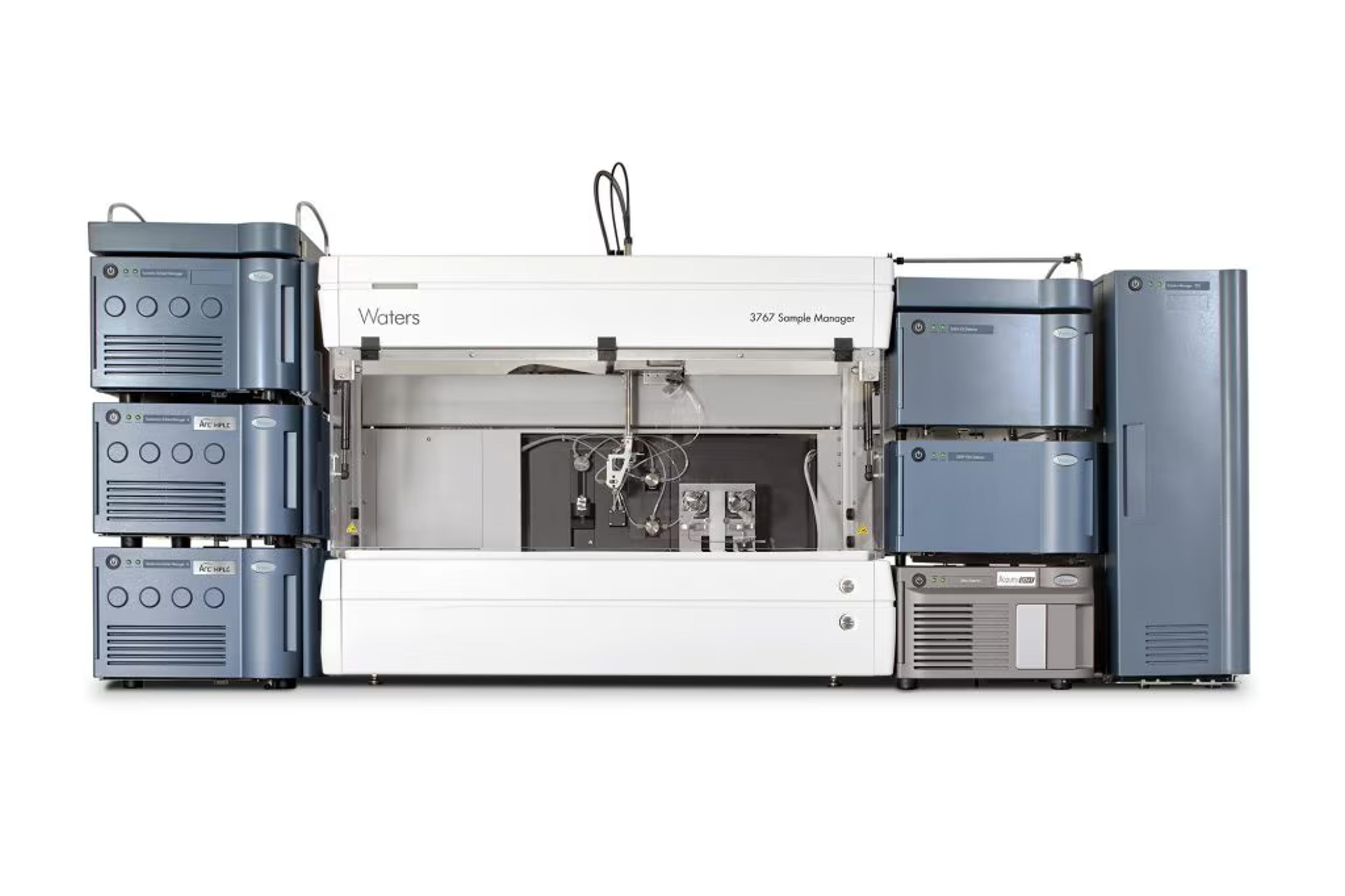
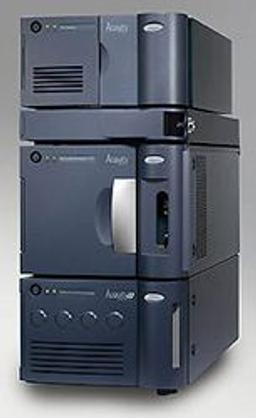
The ACQUITY UPLC H-Class PLUS Bio System delivers the benefits of UPLC's resolution, sensitivity, and throughput in a system purpose-built for the analysis of proteins, peptides, nucleic acids, and glycans.



Place your order directly with the manufacturer.
Great instrument
Biopharma
Best of its class instrument with features and robustness
Review Date: 20 May 2022 | Waters
I am using the best upgraded analytical tool at my organization.
Method development for therapeutic proteins, antibodies, empty and full capsid etc.
Currently I use the H Class bio UPLC system for analytical method development for purity and related variants for therapeutic proteins and monoclonal antibodies. The performance of the equipment and reproducibility of reagents from Waters are of the best quality in the analytical world. Also after-sales response and required support is excellent.
Review Date: 25 Apr 2020 | Waters
Highly recommend
LC method development
Highly recommend - when coupled with Empower, remote method development is very easy!
Review Date: 27 Mar 2019 | Waters
Great product.
LC
Great product and even better customer service.
Review Date: 27 Mar 2019 | Waters
Great instrument!
Protein characterization
Very impressed with the performance of our acquity. We run lots of proteins of unknown stability and the instrument has great robustness.
Review Date: 27 Mar 2019 | Waters
The results are linear, reproducible and accurate. The technology is excellent.
Analytical development methods
I am satisfied with the technology of the equipment, its performance has been satisfactory and the robustness that I have obtained in my methods has been fulfilled. The team has been of great help to me in the development, validation and transfer of analytical methods by HPLC and UHPLC (<9000psi).
Review Date: 13 Nov 2018 | Waters
Analysis of polymeric compounds
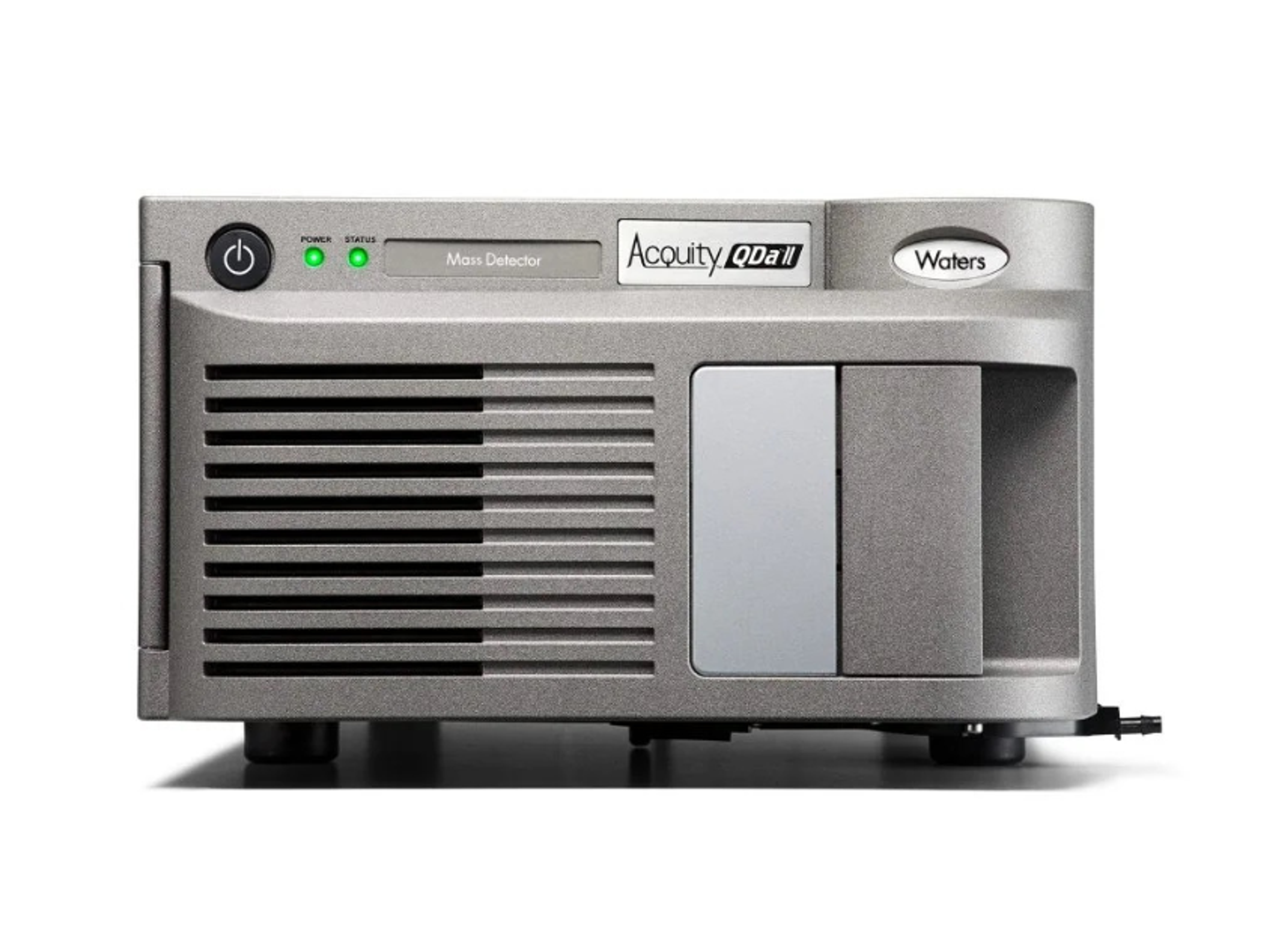
With this UPLC system, a synthetic chemist can do analysis with such an ease. Qda definitely gives the edge to this in comparison to the other such systems in the market. From loading the sample to analysis (yes mass analysis also, "TWO in ONE ") is no " Rocket Science" anymore especially for a synthetic chemist.
Review Date: 30 Sept 2015 | Waters
The ACQUITY UPLC H-Class PLUS Bio System delivers the benefits of UPLC's resolution, sensitivity, and throughput in a system purpose-built for the analysis of proteins, peptides, nucleic acids, and glycans.
Built on the foundation of the ACQUITY UPLC H-Class PLUS System, with its flow-through-needle injector, quaternary or binary solvent delivery system, and AutoBlend Plus™ technology, the ACQUITY UPLC H-Class PLUS Bio System gives you more control than ever over your bioseparation. The Bio System enables you to run more chromatographic modes on an application-inspired UPLC platform for biopharmaceutical analysis providing better peak clarity and selectivity to confidently, routinely, and robustly characterize your biomolecule.
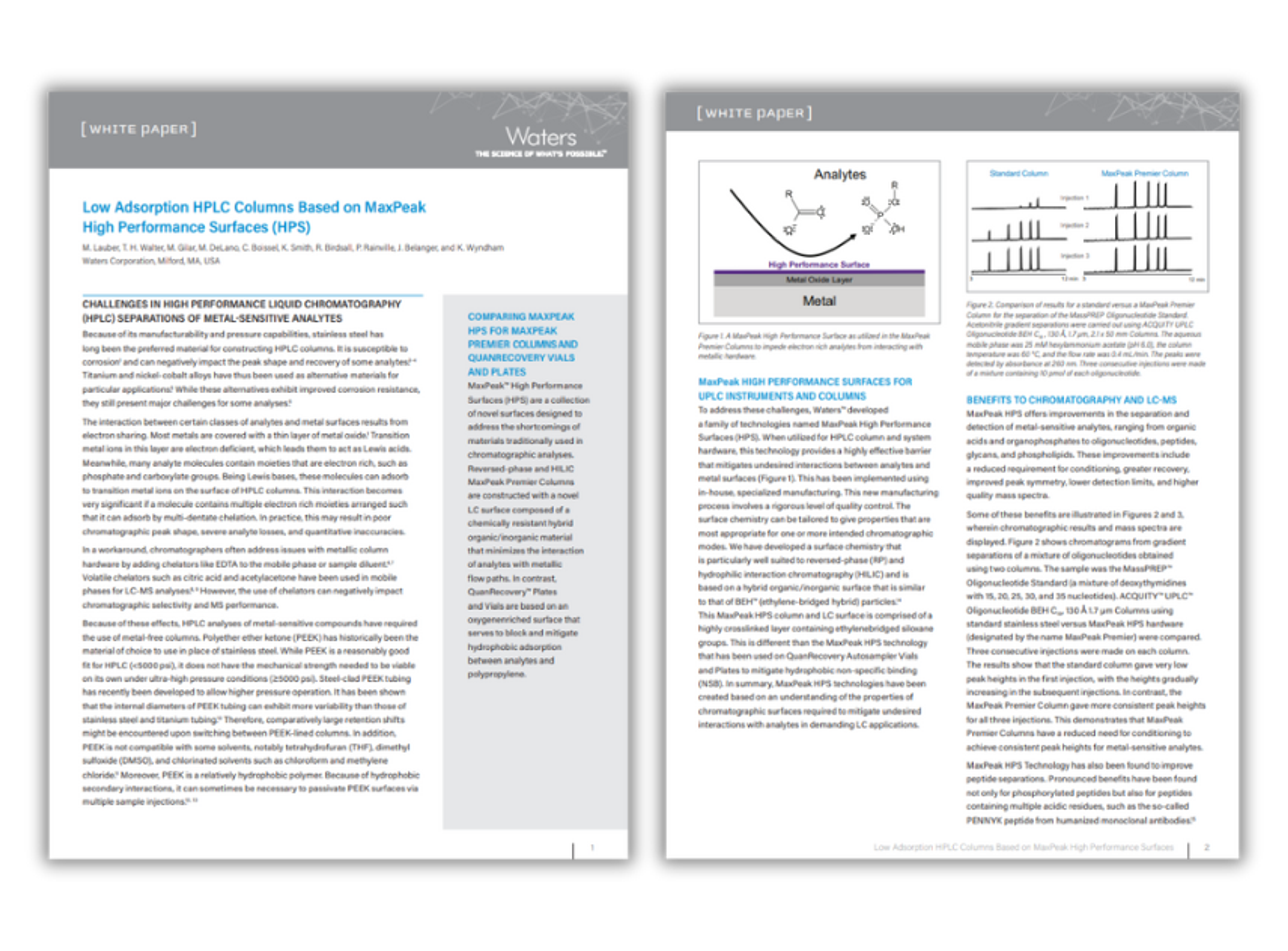
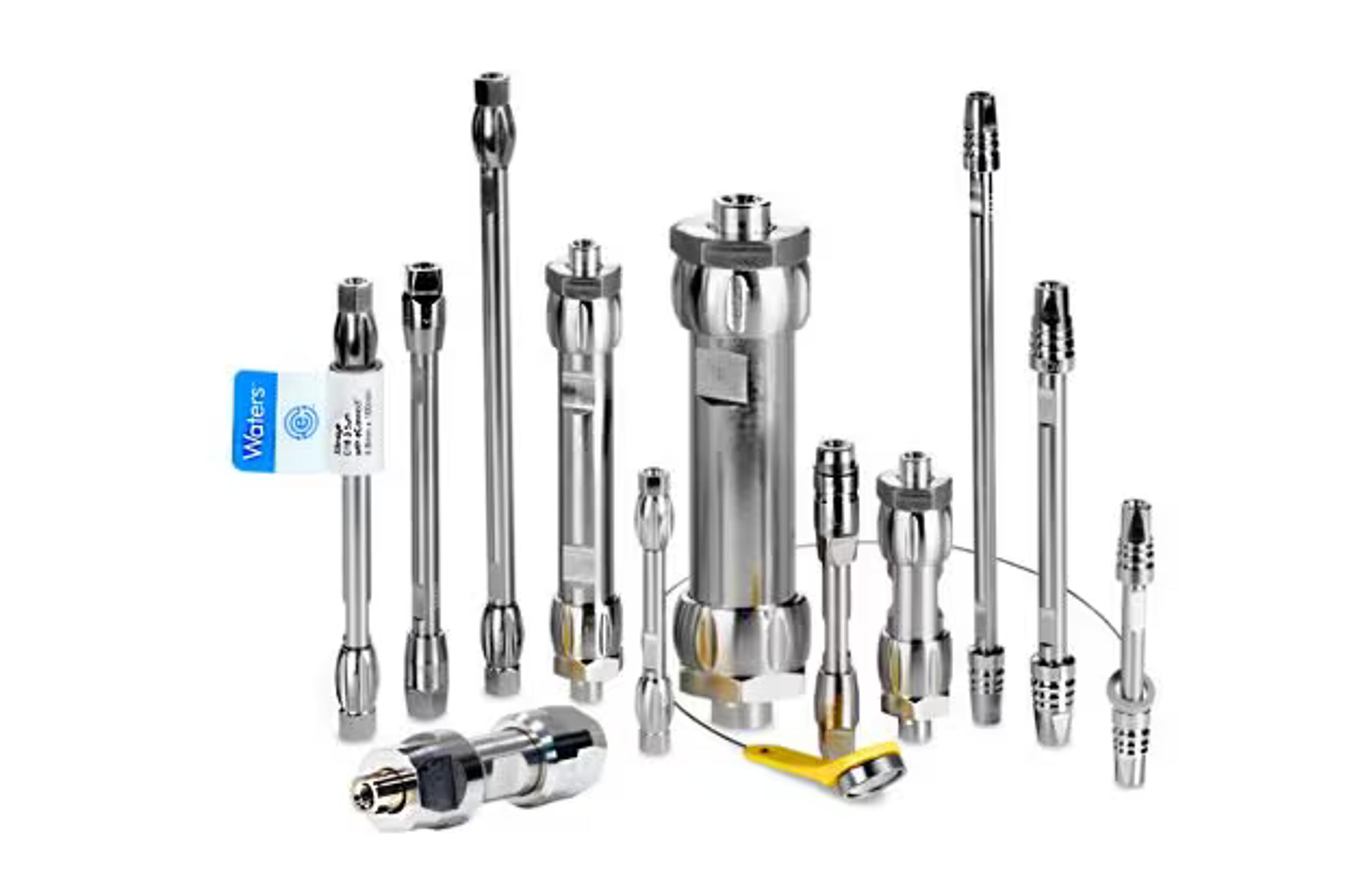
Low adsorption HPLC columns based on MaxPeak high performance surfaces
In this application note, Waters demonstrates how the PREMIER columns, when constructed with MaxPeak Performance Surfaces, provide a means to improve the liquid chromatography analysis of analytes that are sensitive to adsorption on metal surfaces.

Rapid AAV concentration determination using size-exclusion chromatography with fluorescence and UV dual detection
In this application note, discover a rapid size-exclusion chromatography (SEC) method (two minutes) with fluorescence (FLR) detection for the determination of AAV capsid concentration (Cp/mL).
Improving recovery and quantitation of oligonucleotide impurities using MaxPeak HPS Technology
This application note demonstrates that the ACQUITY Premier Solution is designed to be used to enhance recovery for more reliable quantitation of impurities compared to more traditional analysis using a stainless-steel column and an LC system containing a metal flow path.
Plasmid isoform separation and quantification by anion-exchange chromatography (AEX)
This application note discusses a method that uses an ACQUITY UPLC H-Class Bio System and a Waters Protein-Pak Hi Res Q strong anion-exchange column to separate and quantify plasmid isoforms.
Methods for the anion exchange chromatographic analysis of mRNAs
In this application note, an anion exchange column between 30–50 °C at neutral pH was used for the analysis of mRNAs. The effect of temperature on the anion exchange column is discussed and how it might be utilized to detect conformational changes to the mRNA molecules.
Size-exclusion chromatography analysis of adeno-associated virus (AAV) preparations using a 450 Å Diol-Bonded BEH Column and fluorescence detection
This application note presents optimized size-exclusion chromatography (SEC) methods that can separate soluble AAV self-associated forms and fragments under non-denaturing conditions for several CMV-GFP control AAV serotypes including AAV1, AAV2, AAV5, AAV6, AAV8, and AAV9.
Anion-exchange chromatography for determining empty and full capsid contents in adeno-associated virus
This application note demonstrates how AAV8 empty and full capsids can be separated, and their relative abundances determined using a Waters Protein-Pak Hi Res Q Column.
Advanced therapeutic medicinal products: Adeno-associated virus (AAV)
This application note discusses the entire drug discovery workflow for AAV-based therapeutics from capsid development to bioprocessing. Explore common analytical technology for each stage of the therapeutic discovery process.
Determination of the Oregon pesticide list in cannabis
In this application note, Waters presents the use of a simple sample extraction and dispersive solid phase extraction (dSPE) clean-up procedure, followed by UPLC-MS/MS analysis, for rapidly monitoring the Oregon pesticide list.
Building laboratory capacity to ensure cannabis safety, quality, and efficacy
Waters Acquity UPLC-MS/MS and Xevo TQ-S micro systems are designed to improve pesticide detection for ProVerde laboratories, helping scientists ensure customer safety for medical marijuana products.
Analysis of Antibody Drug Conjugates
As biopharmaceutical organizations explore the use of Antibody Drug Conjugates (ADC) as a class of cancer therapies, significant challenges are found in analyzing their complex, heterogeneous structures. The determination of drug-to-antibody ratios (DAR) and sites of conjugation presents unique analytical challenges that can be addressed with Waters' fit-for-purpose UPLC, QTof MS, and informatics solutions.
Unparalleled Sensitivity and Precision in the Screening of Leached Compounds from Food Packaging
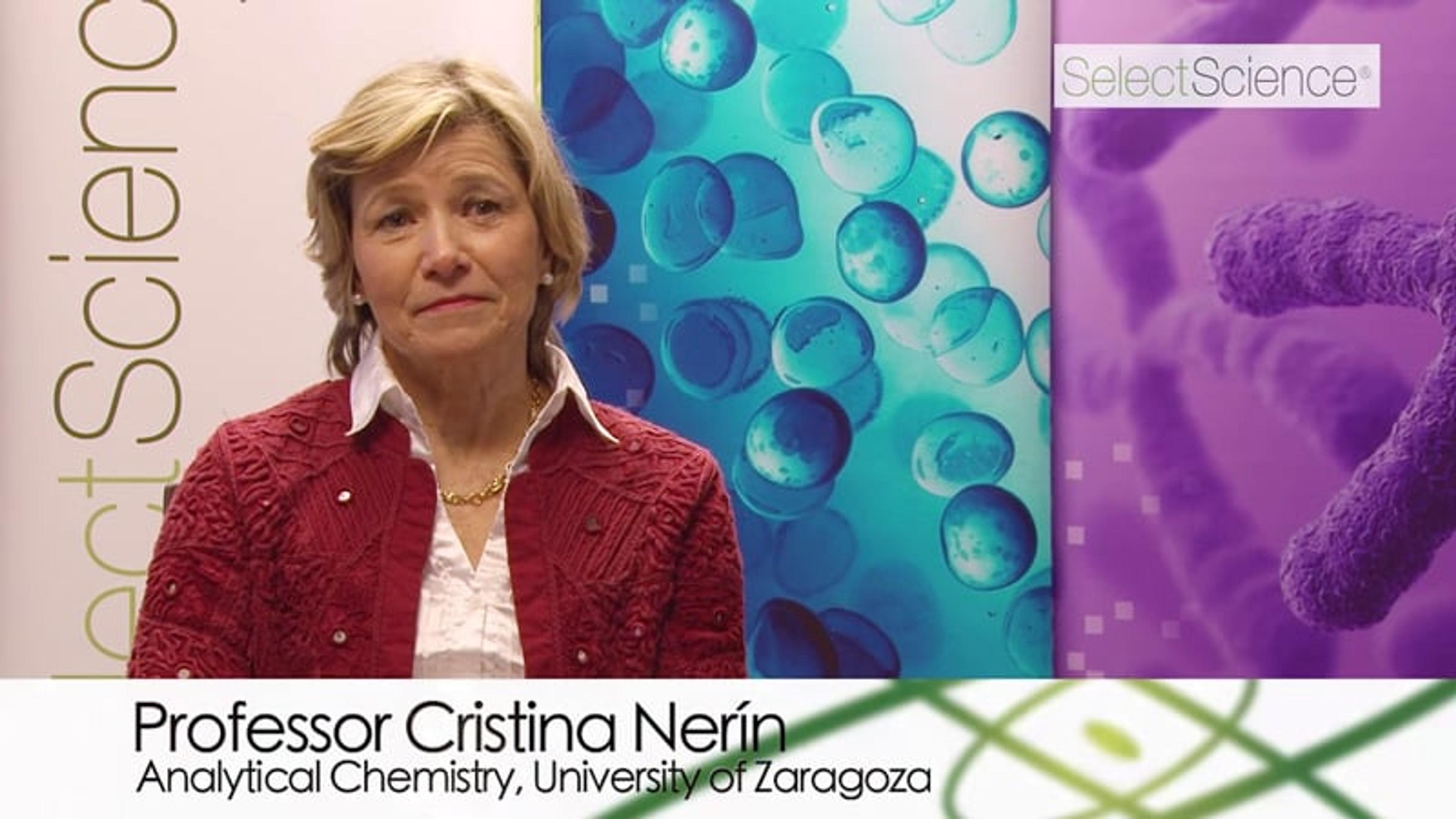
Watch this video to learn how the Xevo G2-XS from Waters is essential in the highly sensitive screening of compounds leached from food packaging. Cristina Nerin, Professor of Analytical Chemistry at the University of Zaragoza, Spain, describes how she uses UPLC and the Xevo G2-XS to separate then detect unknown compounds at levels as low as 1ppb.
The Benefits of Automated Preparation of Mobile Phases using Auto Blend Plus
Watch this video to learn about the automating optimization of mobile phase pH for LC-UV-MS analytical methods. To find out more, click on the website link below.

Choosing the best UPLC system for your application – quaternary versus binary systems
In this popular on-demand webinar, learn more about which applications may benefit from a particular pump and how to select an LC system based on your application needs