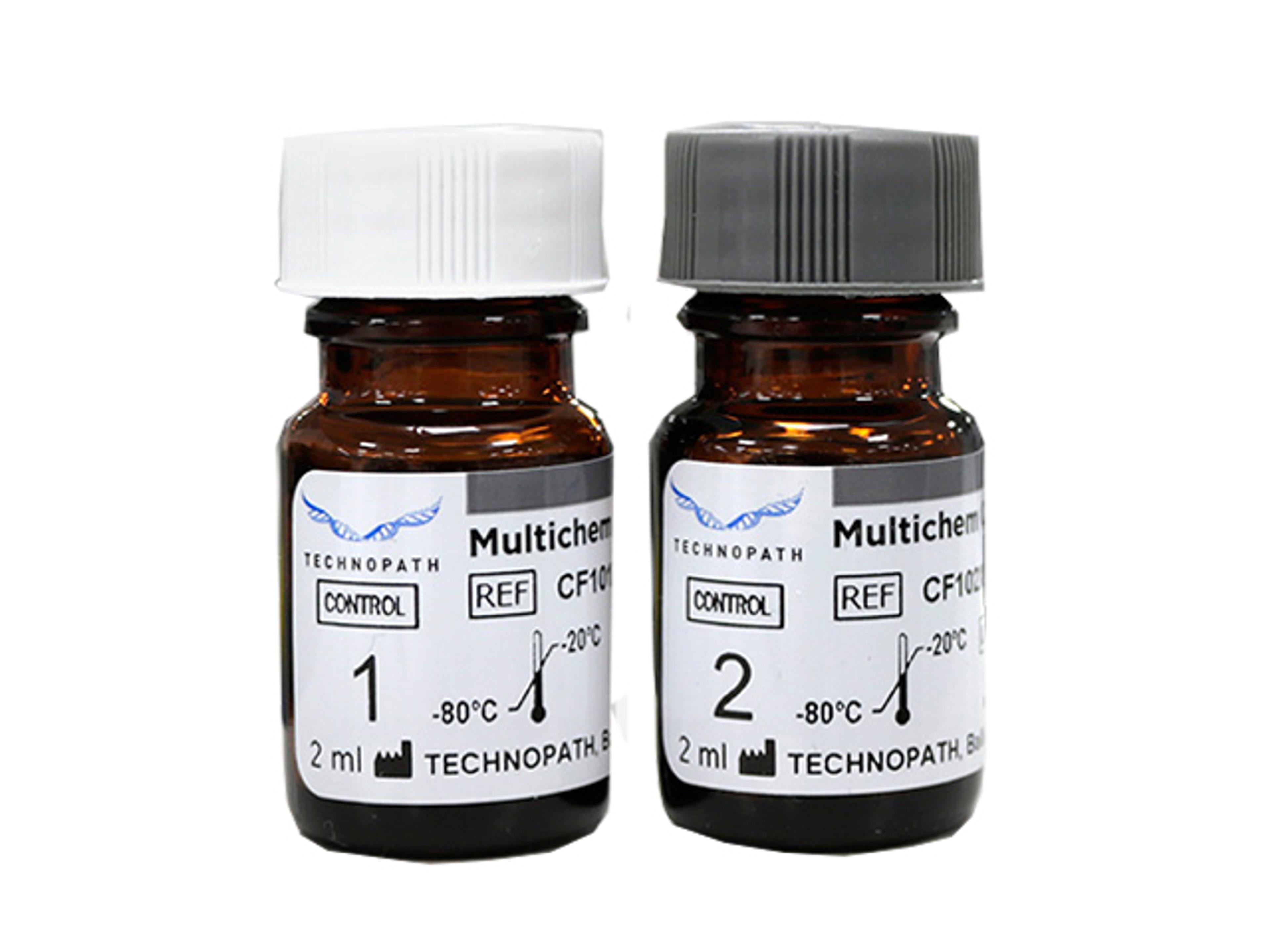
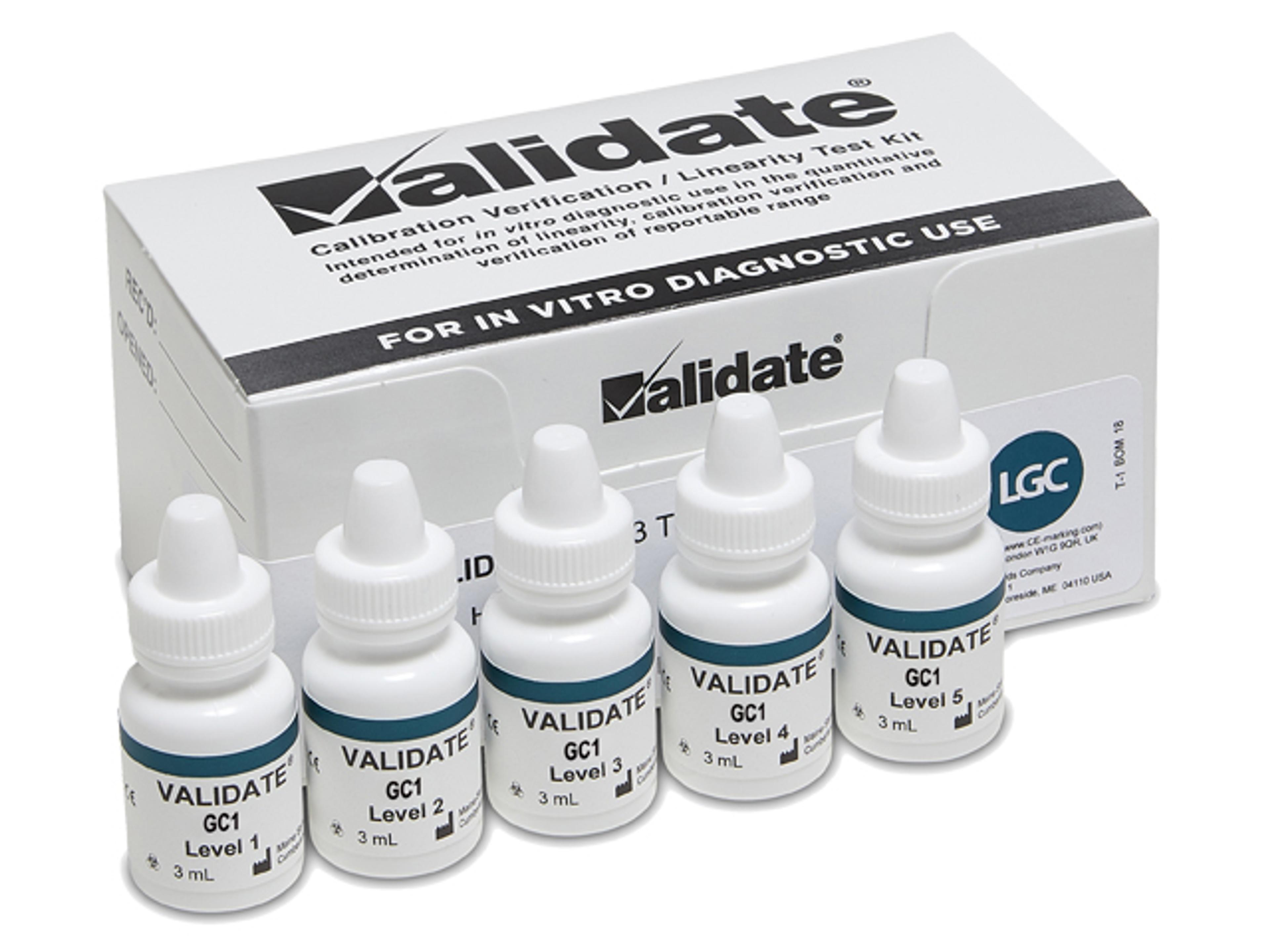
Reference Materials & Quality Controls with ACCURUN®
Helps labs to avoid false-negative and false-positive results
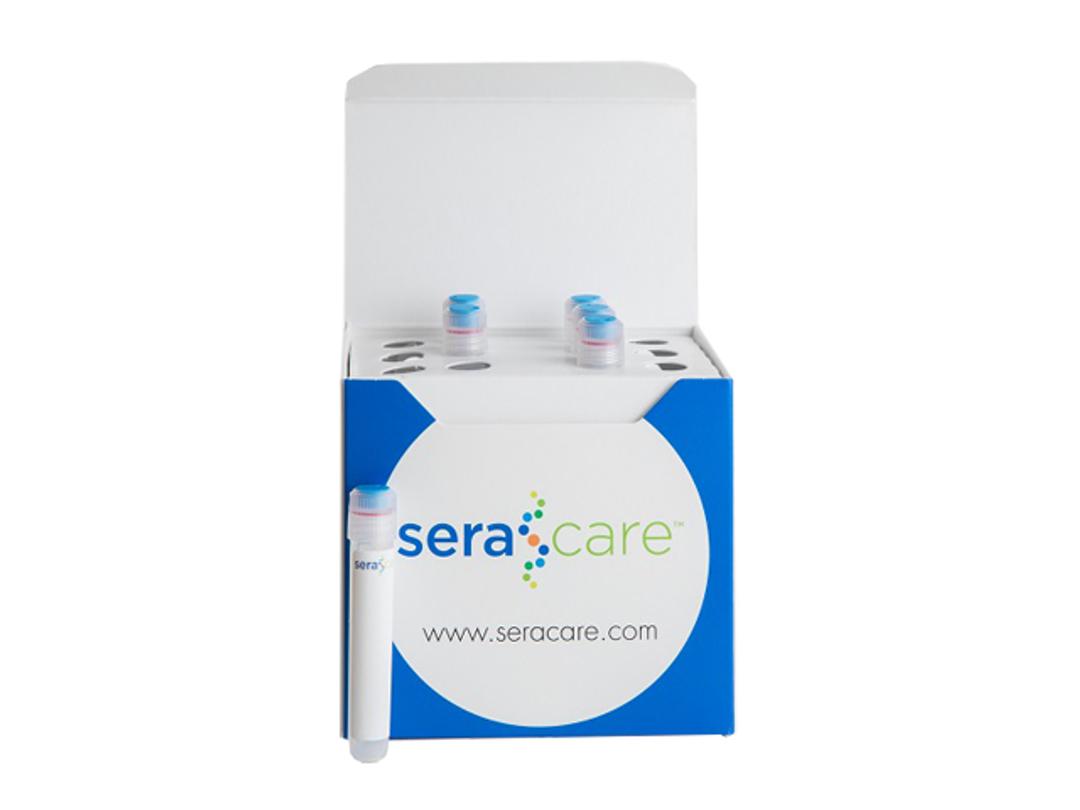



Receive your quote directly from the manufacturer.
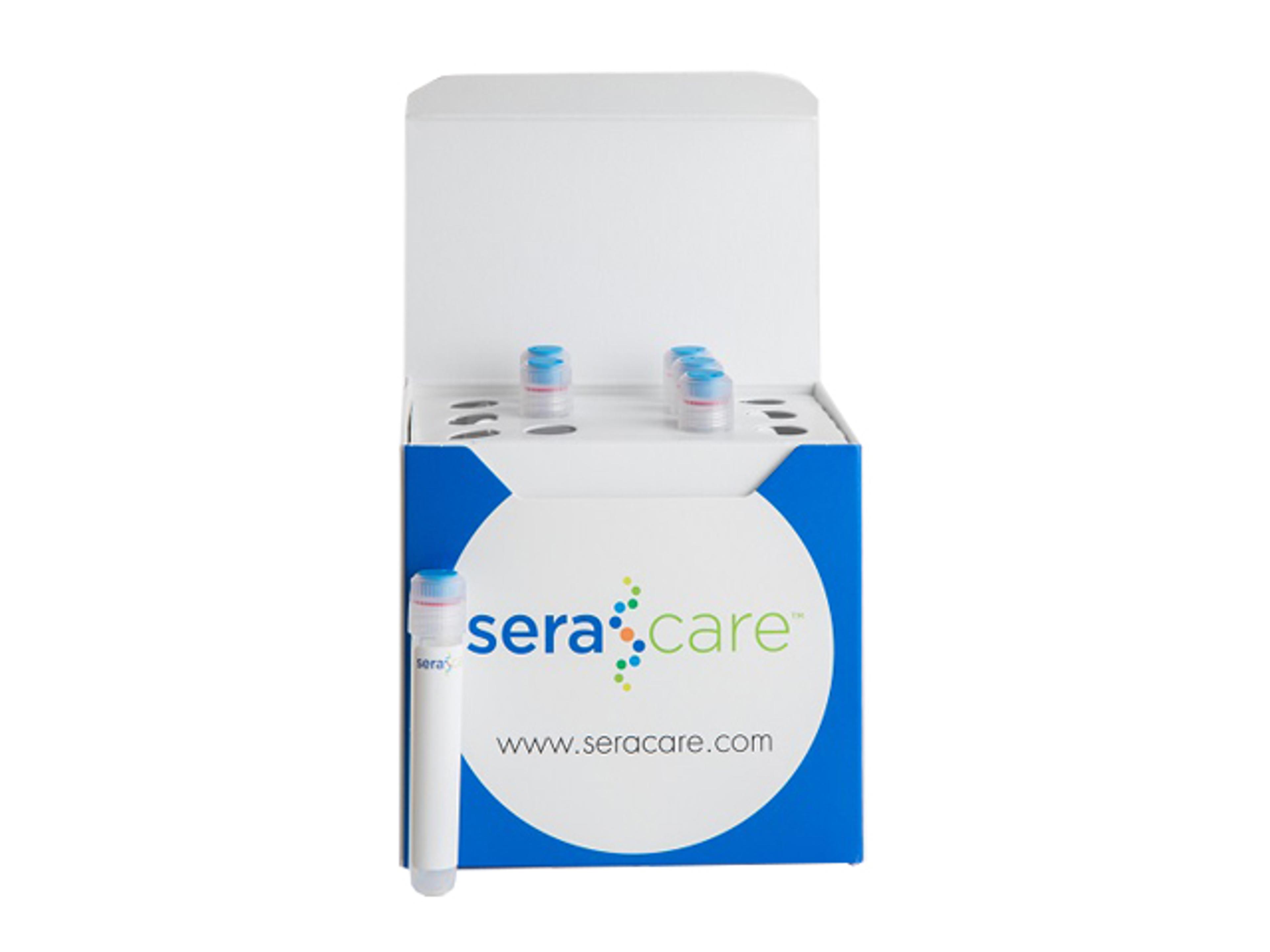
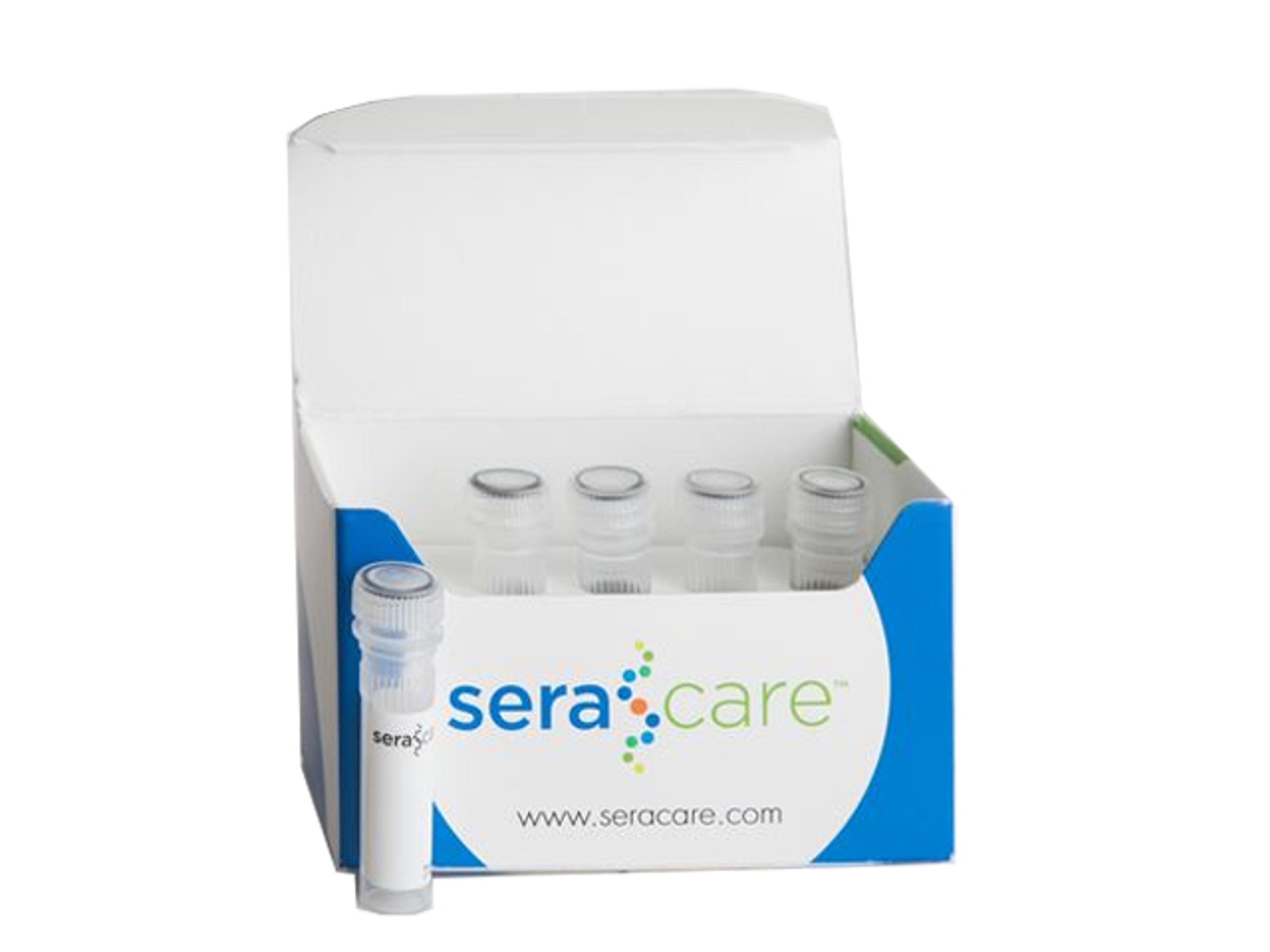
LGC Clinical Diagnostics’ ACCURUN® controls and reference materials are designed to be weakly reactive to help labs monitor serology assays and provide additional confidence in laboratory test results. Monitoring assay performance can help labs avoid costly repeats and, more importantly, avoid false negative and false-positive results. With ACCURUN controls, labs can troubleshoot their test methods and isolate system errors in the laboratory.
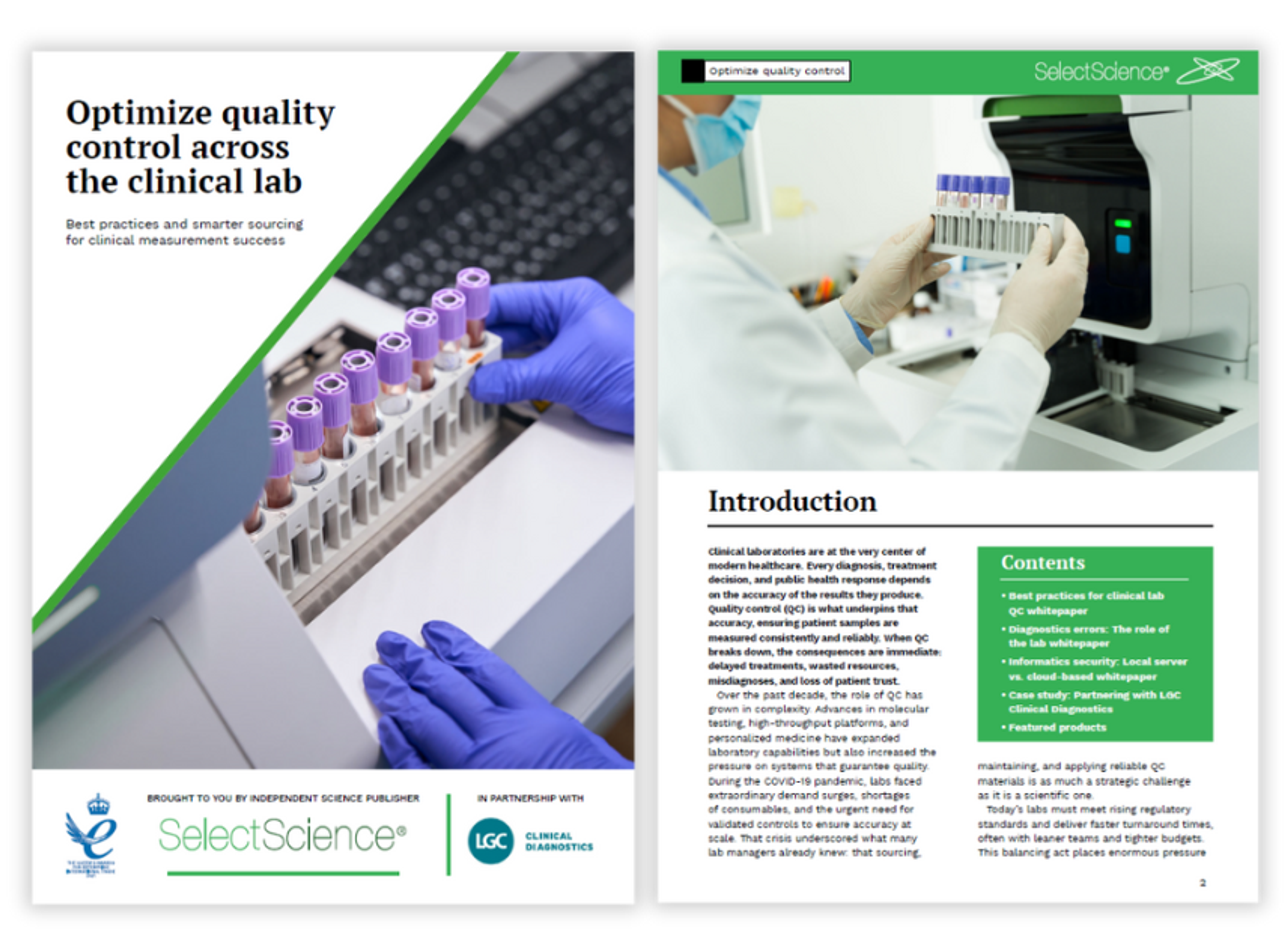
Optimize quality control across the clinical lab
Every diagnosis and treatment decision depends on the reliability of clinical lab results, making quality control (QC) a critical component of success, from assay validation and improving operational efficiency to risk management, staff development and partnership building. Today’s labs must meet rising regulatory standards while managing leaner teams and tighter budgets. This SelectScience guide, produced in partnership with LGC Diagnostics & Genomics - SeraCare Clinical Diagnostics, a supplier of liquid-ready quality controls for clinical chemistry, toxicology and pregnancy testing, urinalysis, and molecular diagnostics and serology assays, provides practical insights for lab directors and quality managers to build QC strategies that are not only compliant but also resilient and scalable.
Inside, you will find:
- A whitepaper on best practices for clinical lab QC
- An analysis of diagnostic errors and the lab’s role
- A comparison of informatics security options
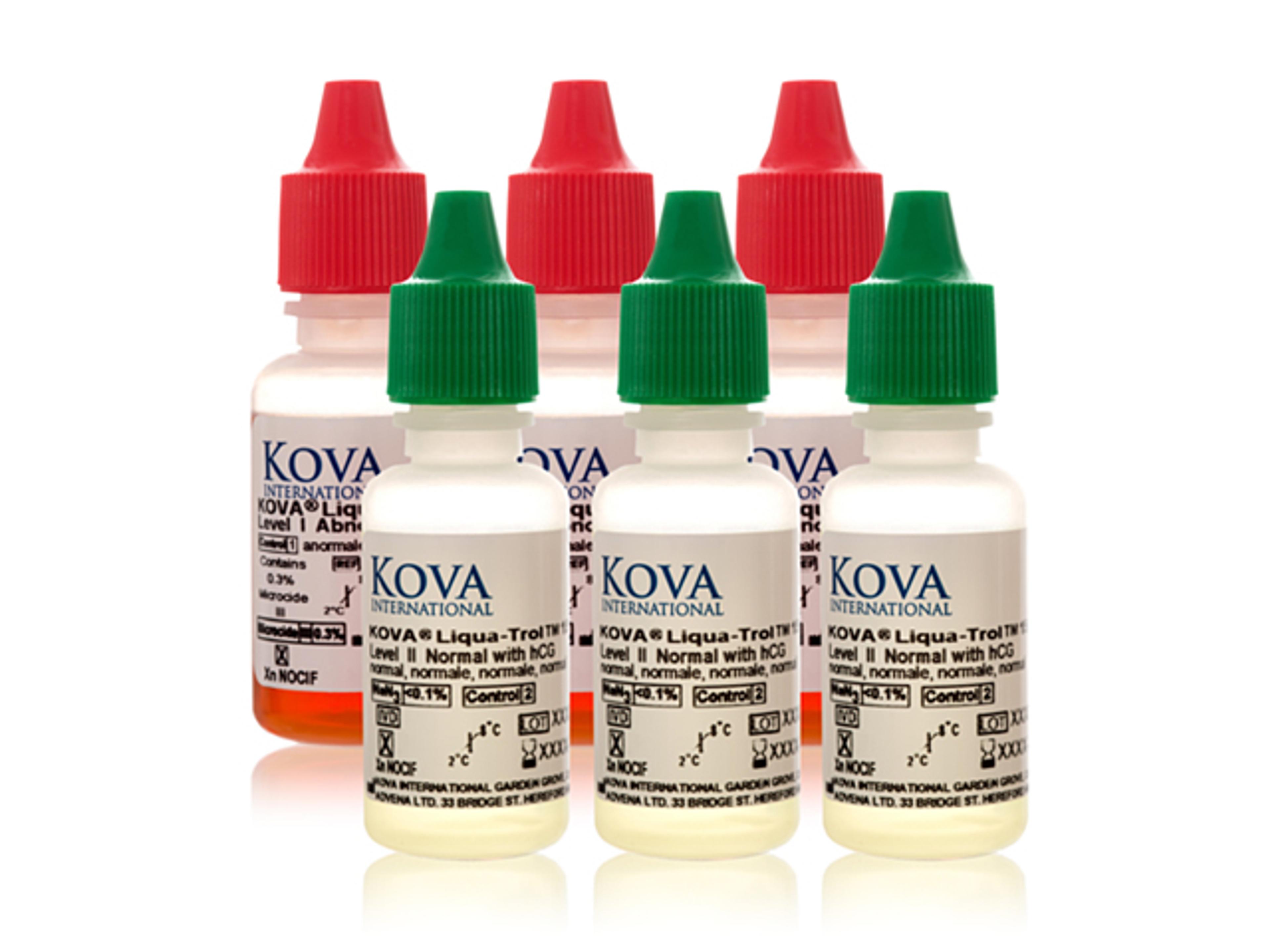
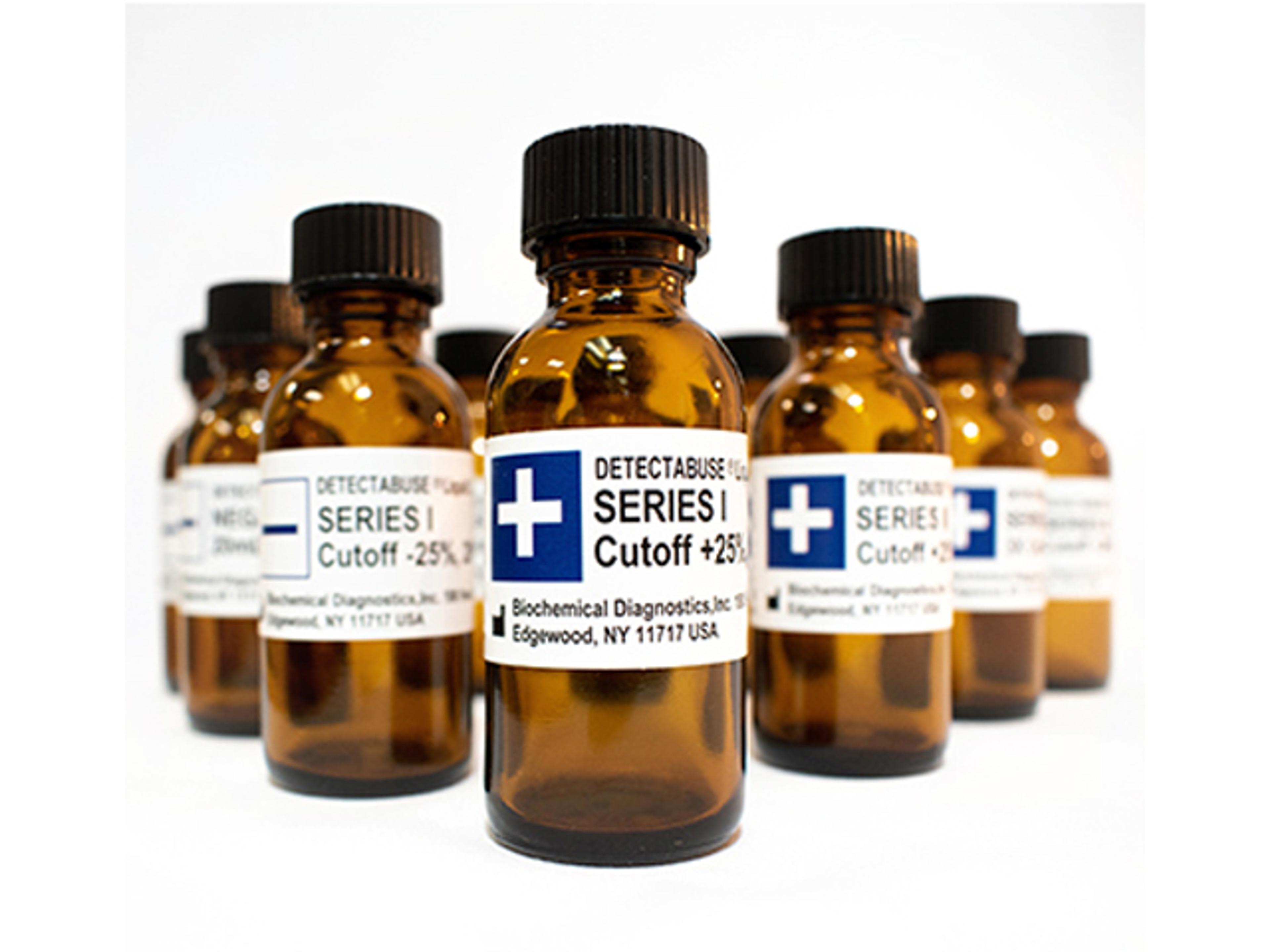
- A curated selection of QC-supporting products
Whether you're refining your QC protocols or preparing for future challenges, this eBook delivers the knowledge and tools to help your clinical lab thrive.
Download it now to stay ahead and make quality control a strategic advantage in your lab.
MRD workshop at AMP 2025 on tumor-agnostic testing and standardization challenges
This expert panel discussion that took place at the Association for Molecular Pathology (AMP) 2025 Annual Meeting & Expo, explores current advances and future challenges in minimal residual disease (MRD) testing using liquid biopsy technologies. Featuring leaders from academia, industry, and clinical diagnostics, the conversation highlights progress in detecting circulating tumor DNA at extremely low levels, alongside the need for improved sensitivity, specificity, and standardization.
The panel examines emerging approaches such as tumor‑naive MRD testing, multi‑omics integration, including epigenetics and fragmentomics, and the growing role of AI and large datasets in improving assay performance. Key topics also include clinical validation, regulatory challenges, and the potential of MRD testing to enable earlier intervention and more personalized cancer treatment.