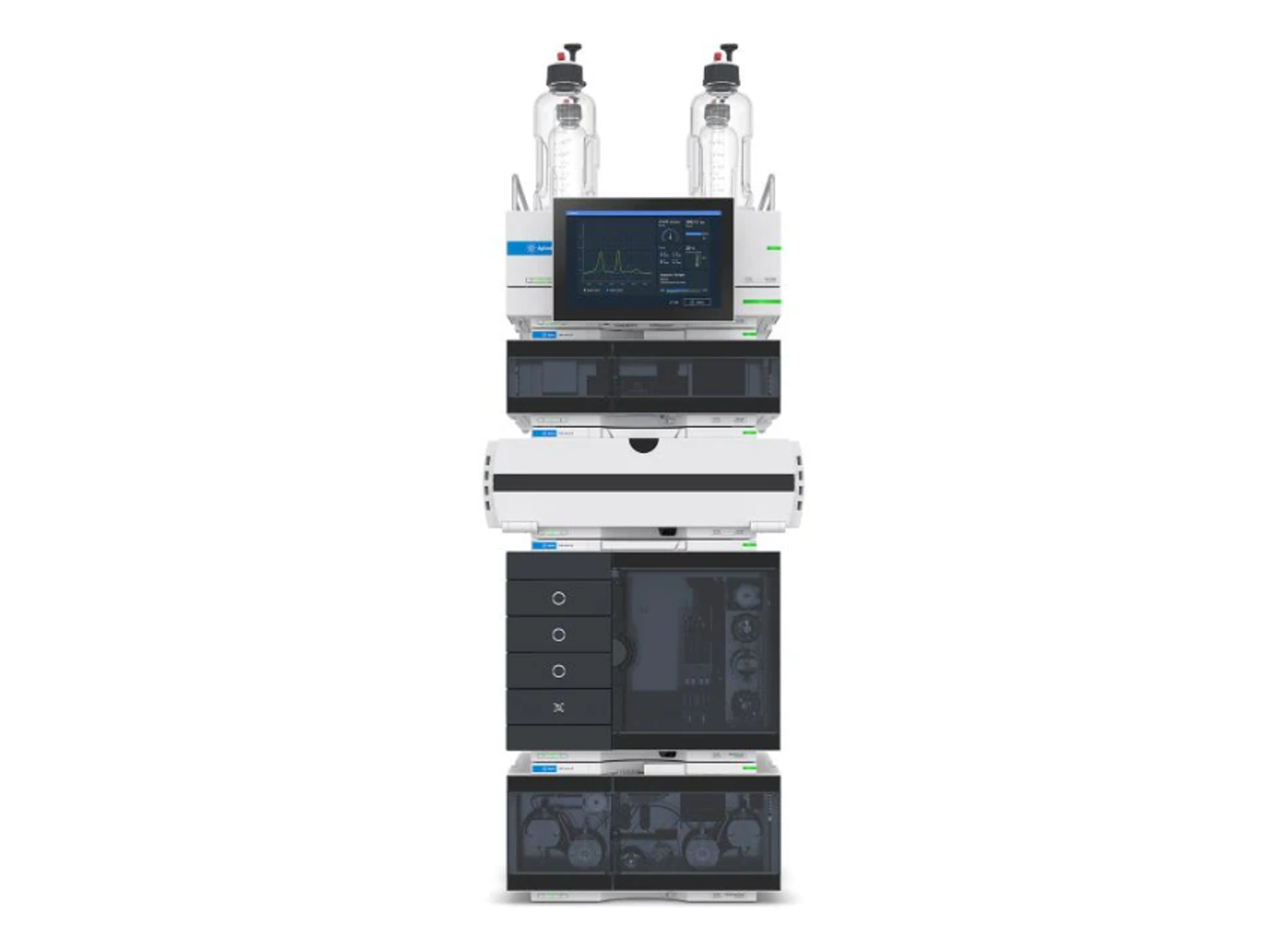
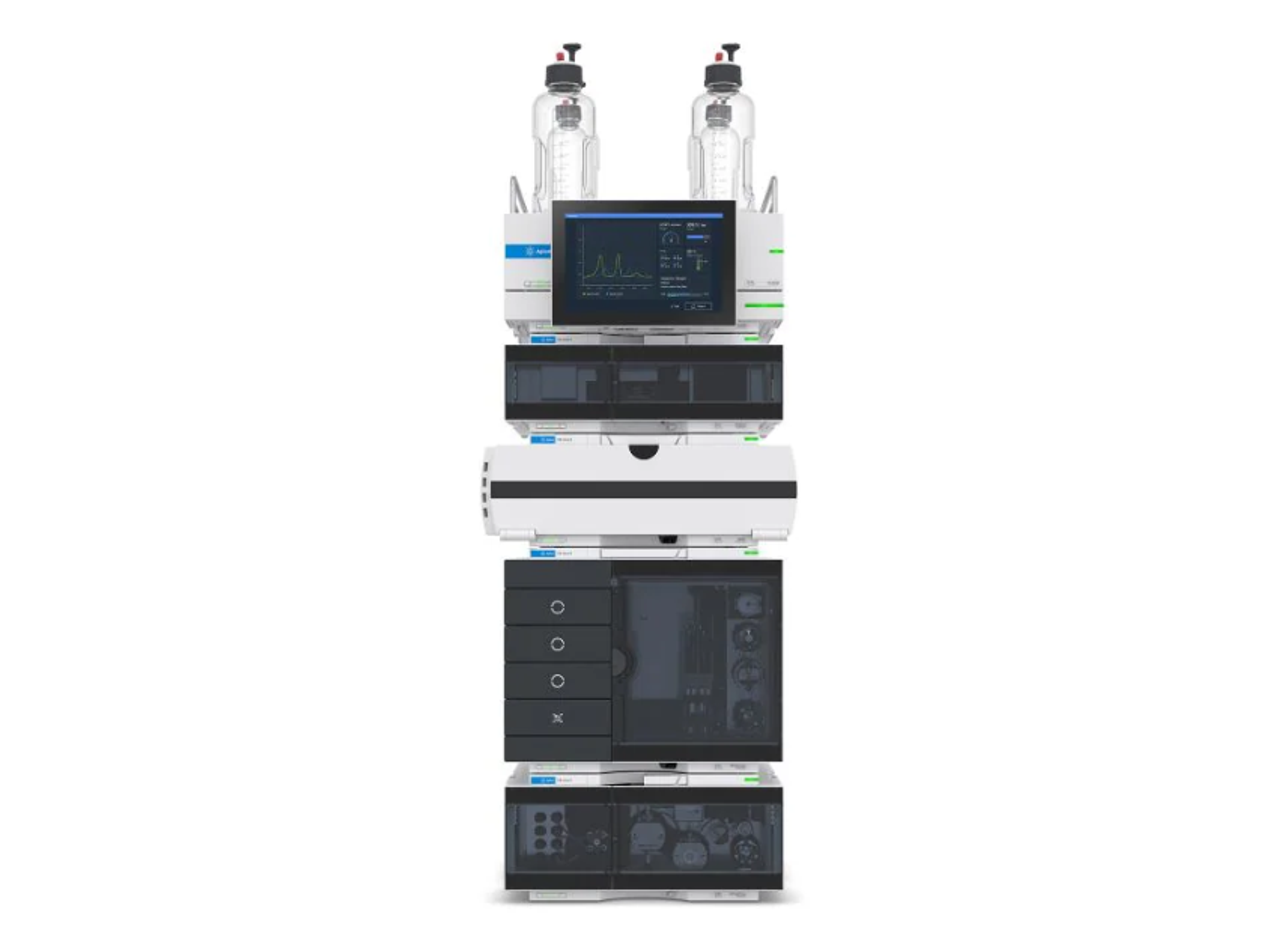
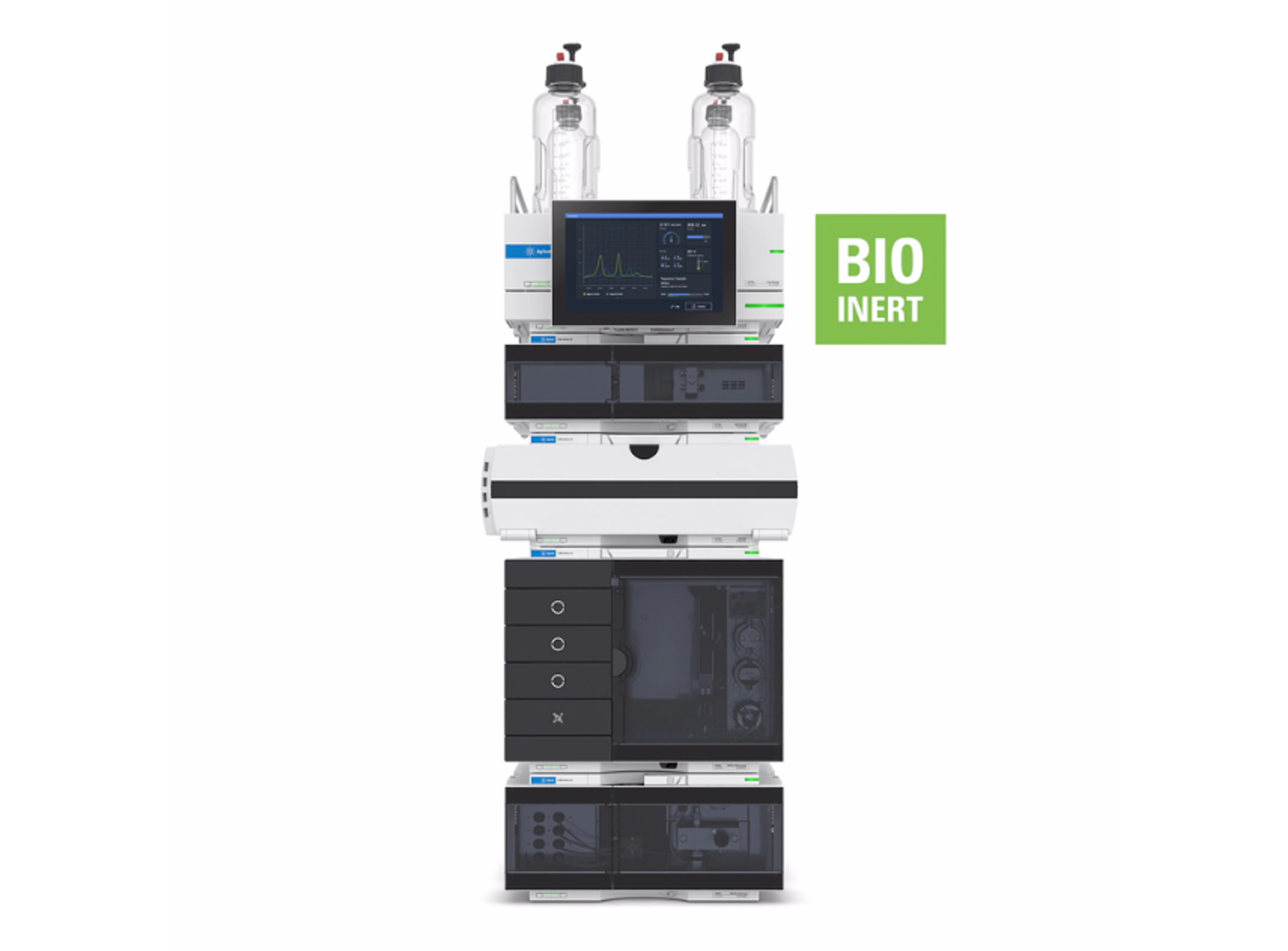
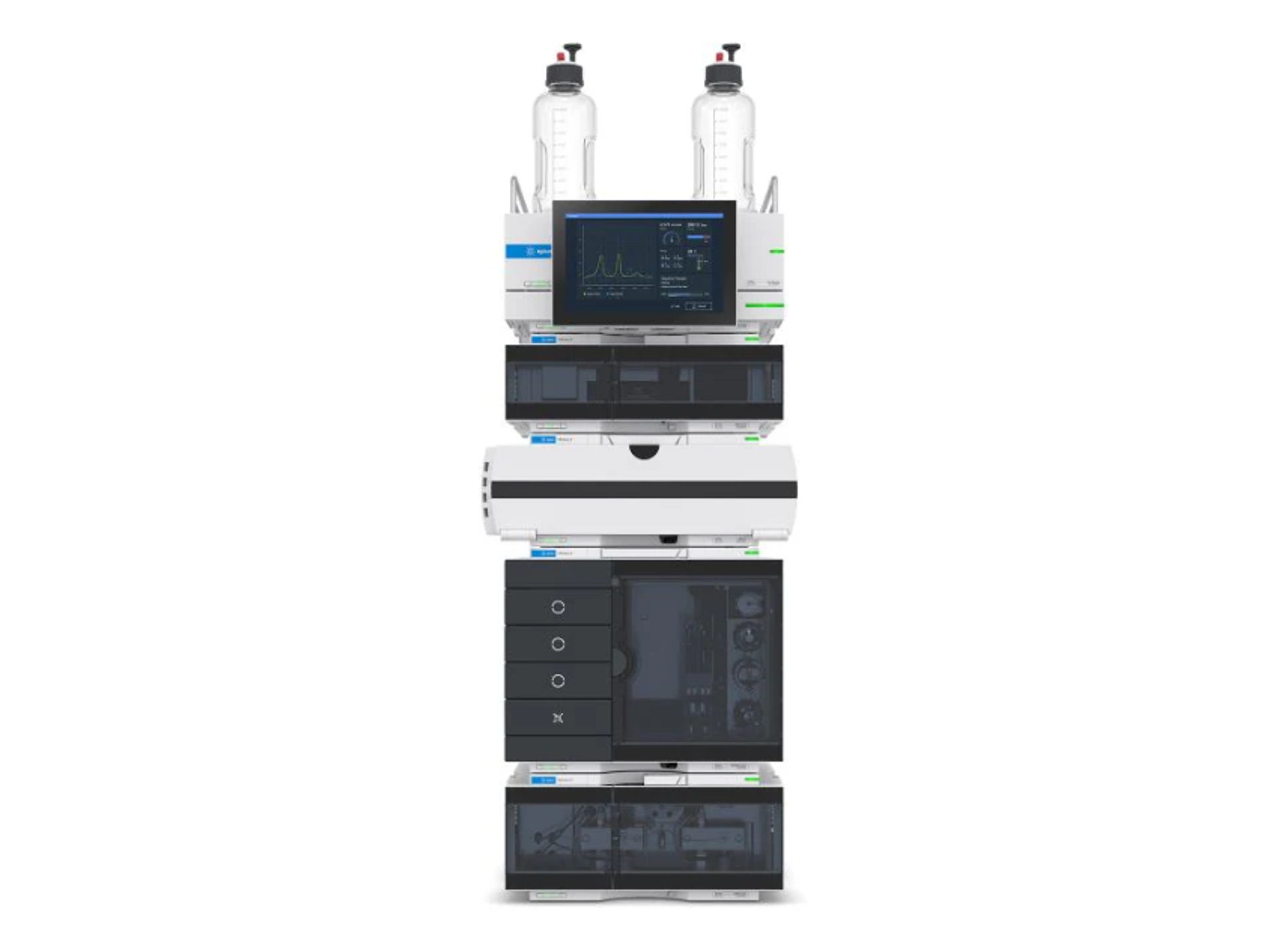
7693A Automatic Liquid Sampler (ALS)
Improve lab productivity with fast, precise injections and upgrade to expand sampler capabilities as your lab needs evolve.


Receive your quote directly from the manufacturer.
Enviro analysis
Excellent and reliable autosampler. No trouble at all except one setback. The multiple injection (for example in solvent vent mode) does not have repeatable delays between the injections and even by setting the delay precisely in the software you do not receive repeatable response of injection times. According to our local distributor, Agilent is aware of this but new firmware that would fix this issue was not released yet.
Review Date: 20 Mar 2013 | Agilent Technologies
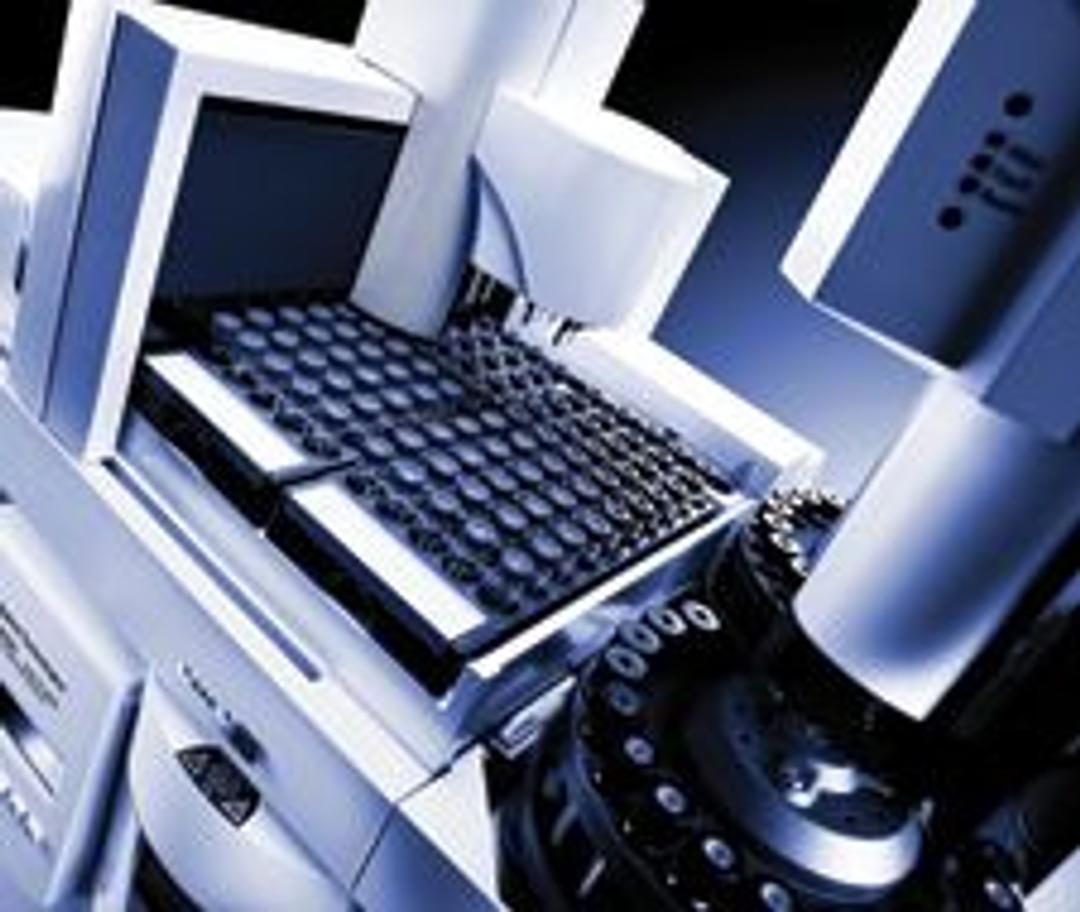
The Agilent 7693A Automatic Liquid Sampler (ALS) provides dependable, fast, and precise injections for Agilent GC and GC/MS systems. The modular design allows this autosampler to grow with your lab. You can start with a 16-vial injector tower then expand to the 150-vial tray and add a second tower for dual simultaneous injections to increase throughput. For additional sample prep capabilities or sample tracking, upgrade to the heater/mixer/barcode reader module.
Features
- 150-sample vial tray allows longer unattended operation
- Dual simultaneous injection increases lab productivity by doubling sample throughput
- Fast injection technology minimizes needle discrimination and enables the use of external standards
- Sandwich injections of three layers eliminate manual error from internal standard, surrogate, or analyte protectant additions
- Sample heater and mixer dramatically improves high molecular weight chromatographic results
- Heat the entire tray or cool it to sub-ambient temperatures to meet your lab’s needs
- Modular design allows the flexibility to easily move the sampler from GC to GC or start with a single injector and add on to the system as needed
- Priority sample capability means there is no need to stop a sequence to add the next most important sample
- Barcode reader allows the system to perform specific actions on mismatch, ensuring chain of custody

Hydrogen carrier gas for analyzing pesticides in pigmented foods with GC/MS/MS
Due to recurring helium shortages and increased prices experienced in recent years, there is an intensified demand for adapting the GC/MS analysis to hydrogen carrier gas. Agilent describes the key strategies for pesticide analysis with gas chromatography/triple quadrupole mass spectrometry (GC/TQ) using hydrogen as the carrier gas, while maintaining sensitivity to meet maximum residue limits (MRLs). Explore key strategies for column configuration, optimized injection conditions, and choice of mass spectrometer (MS) electron ionization (EI) source hardware developed for use with hydrogen carrier gas – the Agilent HydroInert source and the Agilent High Efficiency Source (HES).
Agilent sample introduction portfolio
This product brochure describes Agilent’s sample introduction portfolio which includes automated liquid handling solutions, headspace samplers, portable samplers, and much more.
Agilent GC-MS Technologies and Post-Mortem Forensic Toxicology at LAT LUMTOX Laboratory
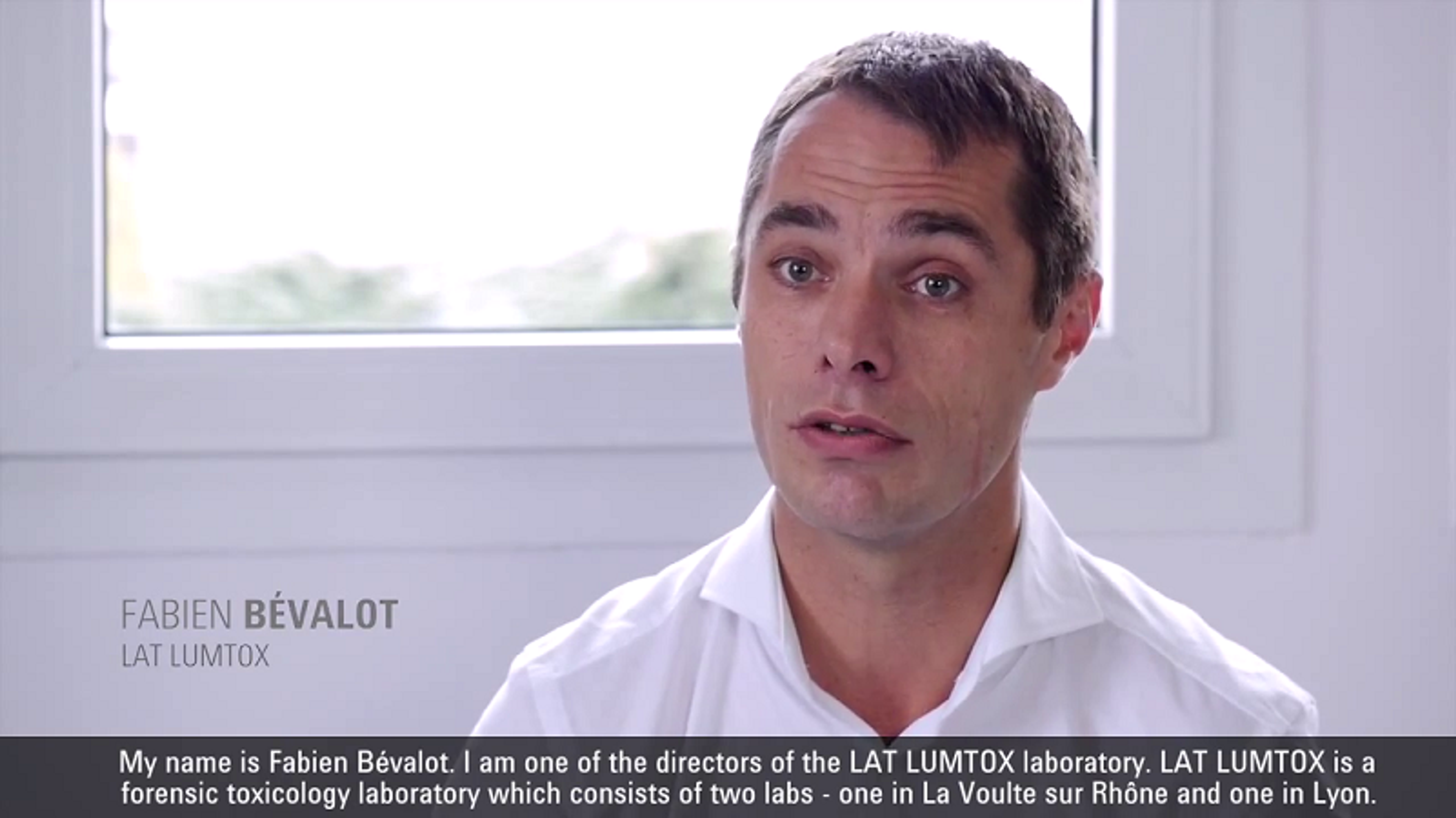
Watch this video to see Fabien Bévalot, one of the directors at the LAT LUMTOX Forensic Toxicology Laboratory, explain how Agilent equipment has vastly improved the laboratory’s post-mortem forensic toxicology capabilities. Mr Bévalot describes the GC-MS from Agilent as “the most robust system I have used”, as it brings two new possibilities: the backflush and the self-cleaning source. These are particularly useful as the samples that they analyze can be very dirty, even with a multiplex fraction procedure as a purification step. This new technology now means that the ion source only has to be cleaned once every six months as opposed to every two and they have found that the lifetime of the columns has increased two-fold. In forensic toxicology and other investigative fields, decisions are contingent on the accuracy of your results. Analysts require sensitive, accurate and reliable systems to screen for a wide array of targets in complex matrices.

Climbing the peaks of GC intelligence: Discover the smart new features in Agilent GCs
Watch this on-demand webinar to learn more about the new features available and how they could change the way you work