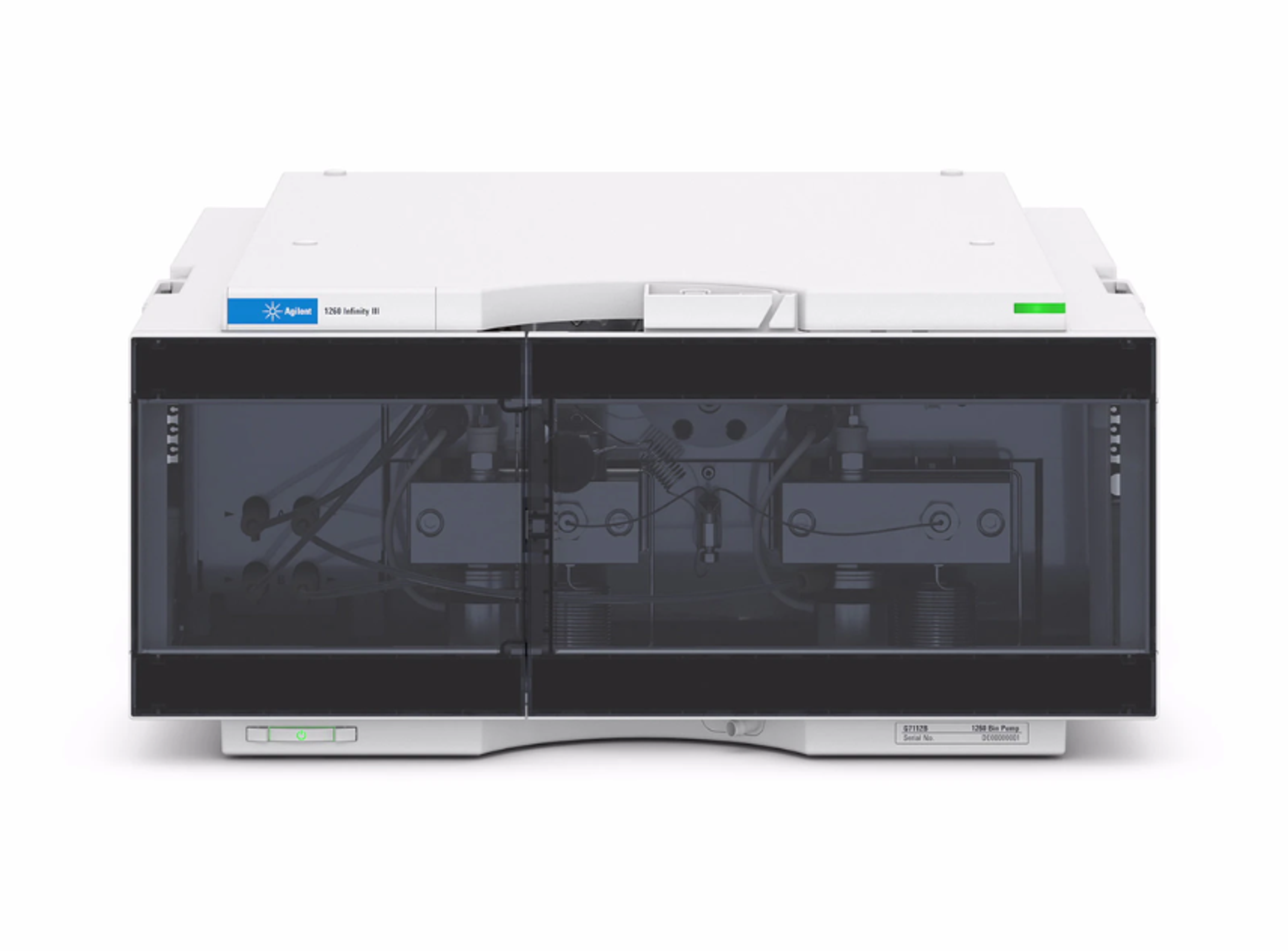
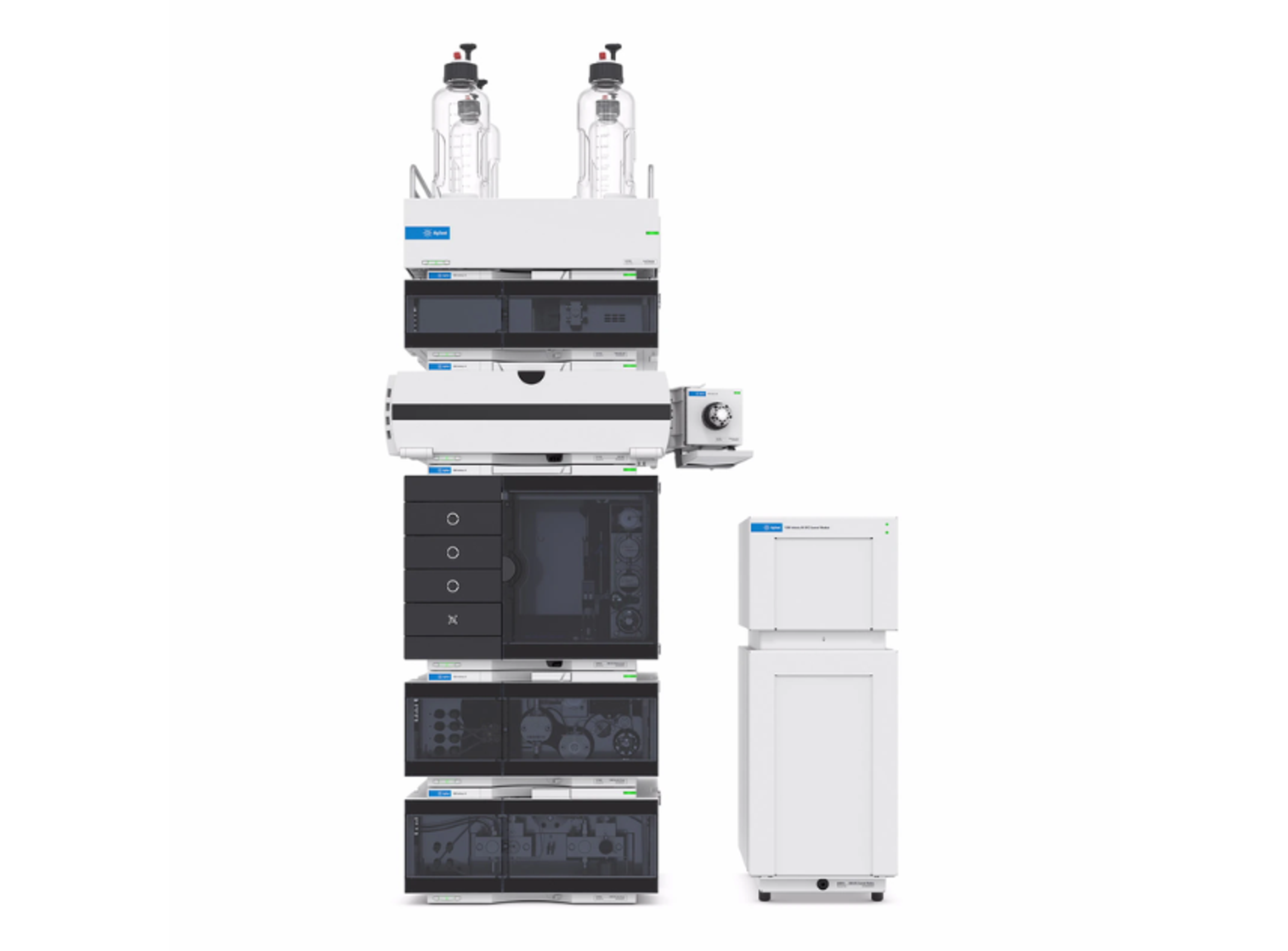
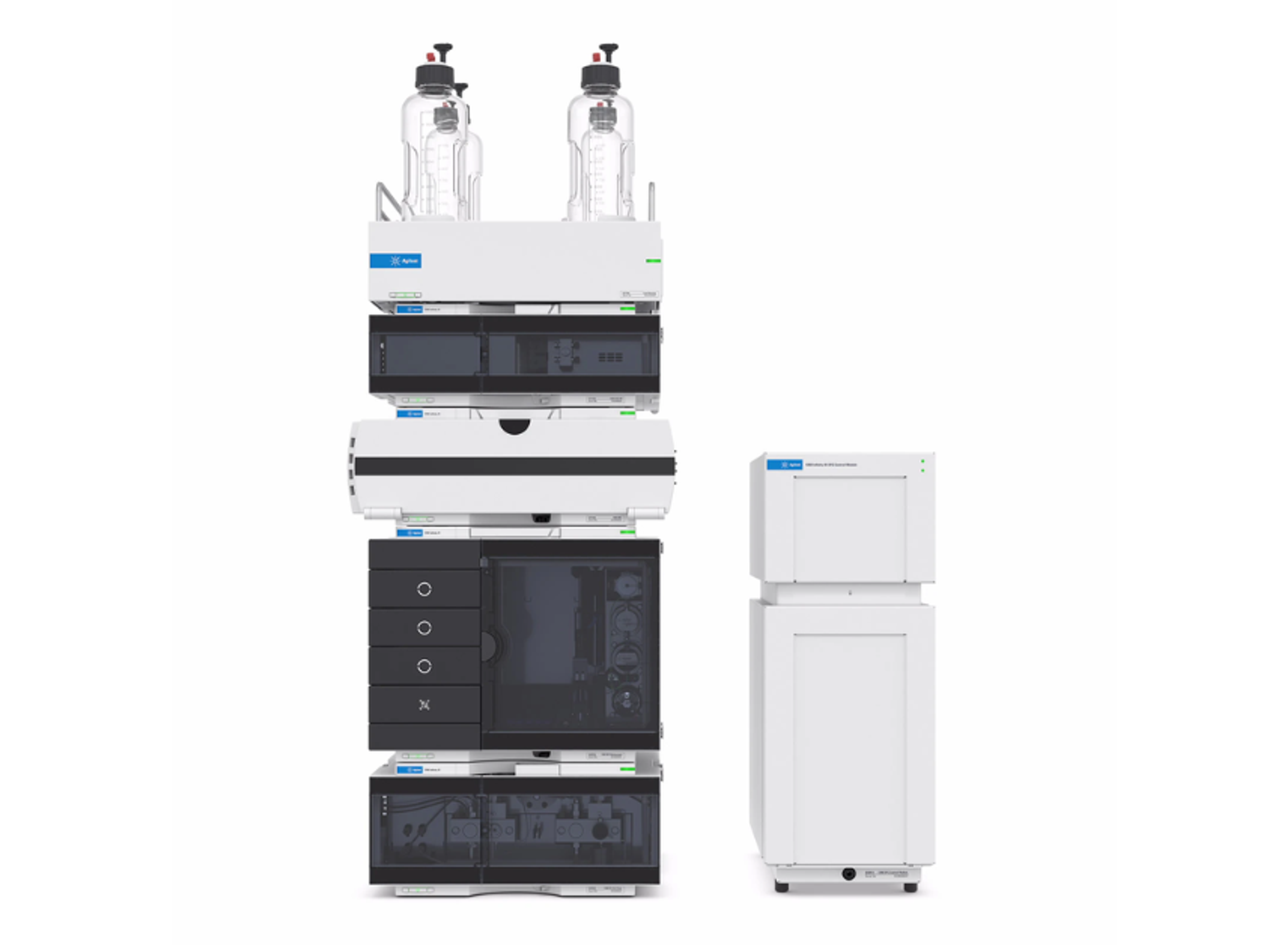
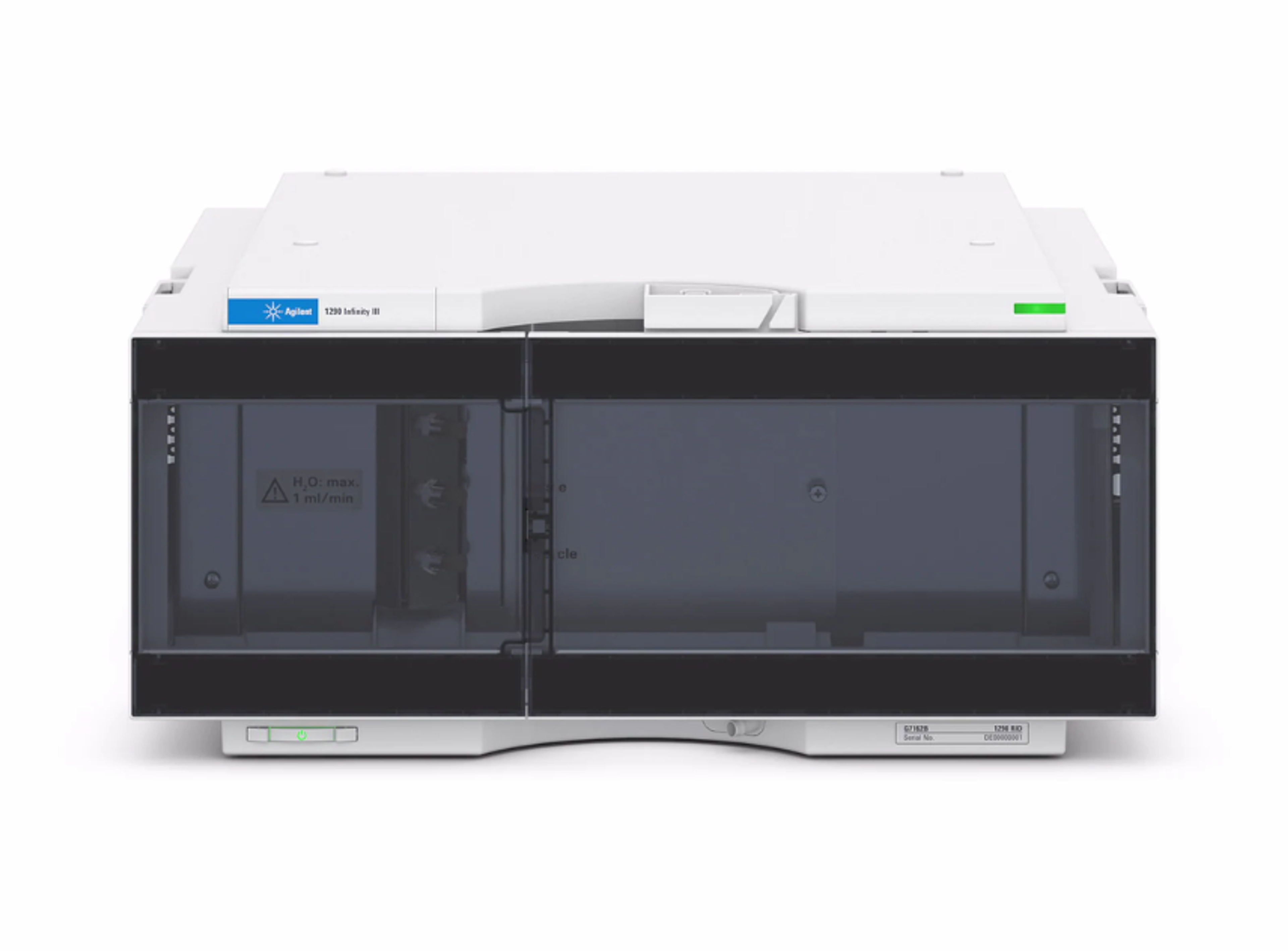
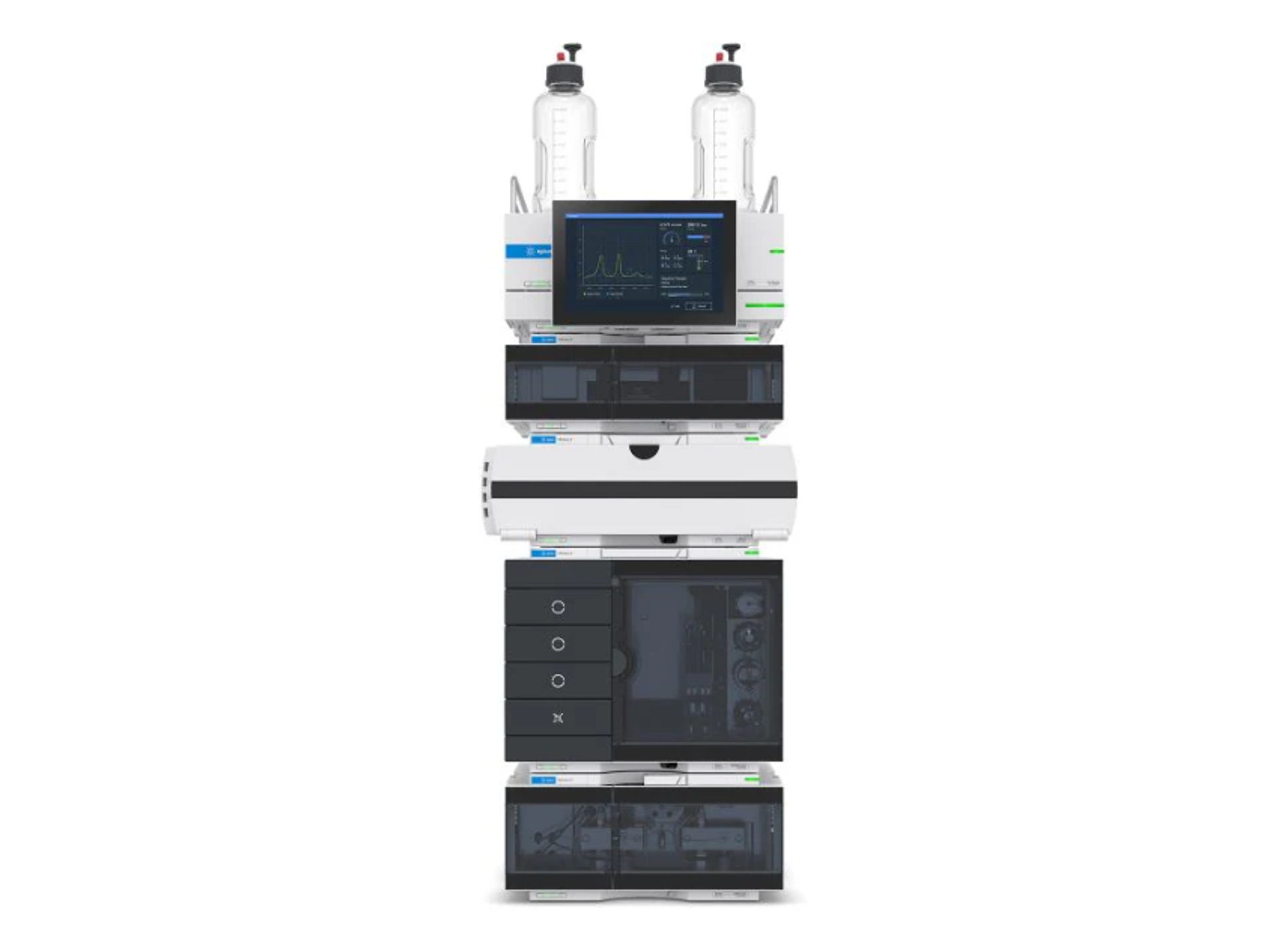
7010C Triple Quadrupole GC/MS
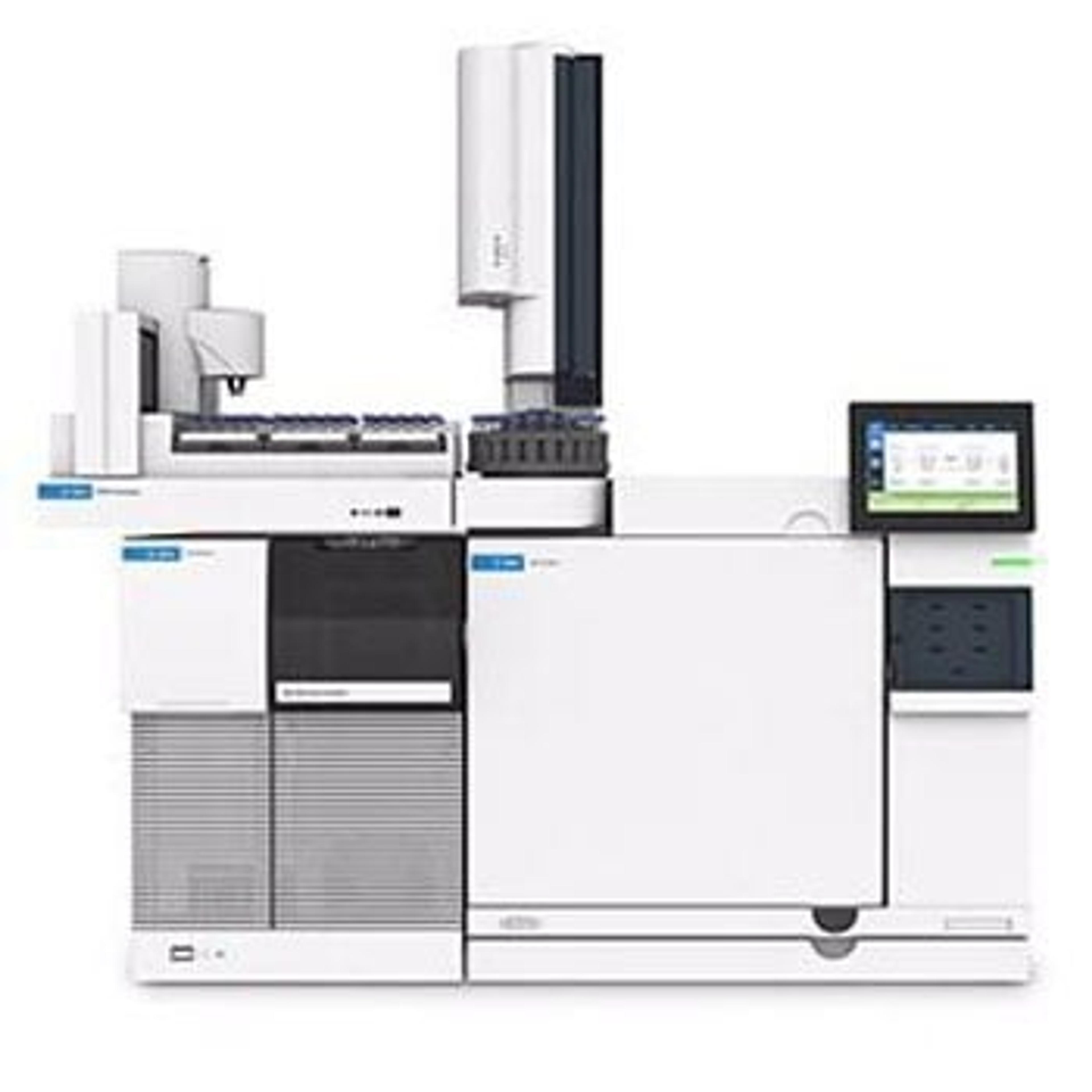
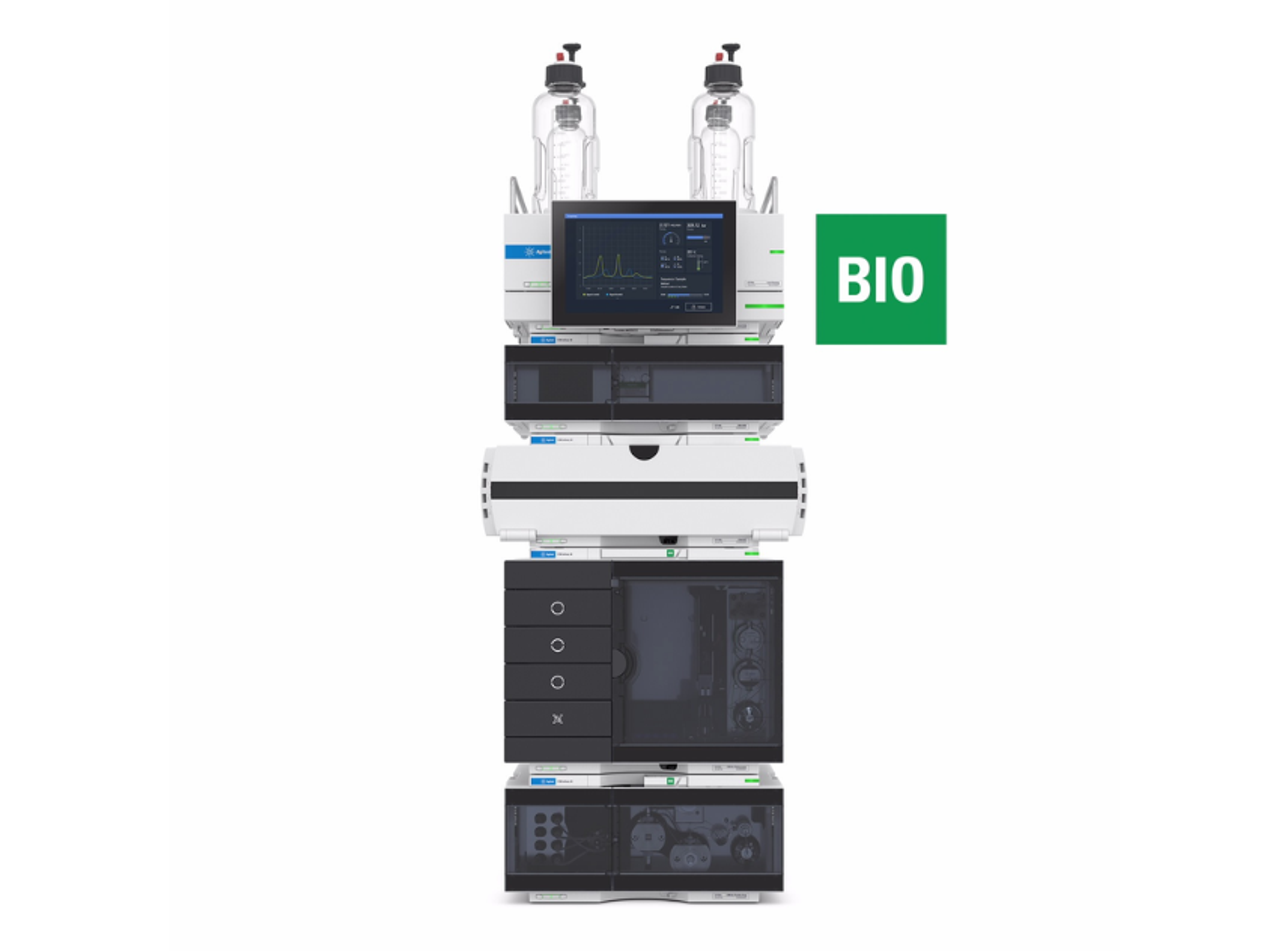
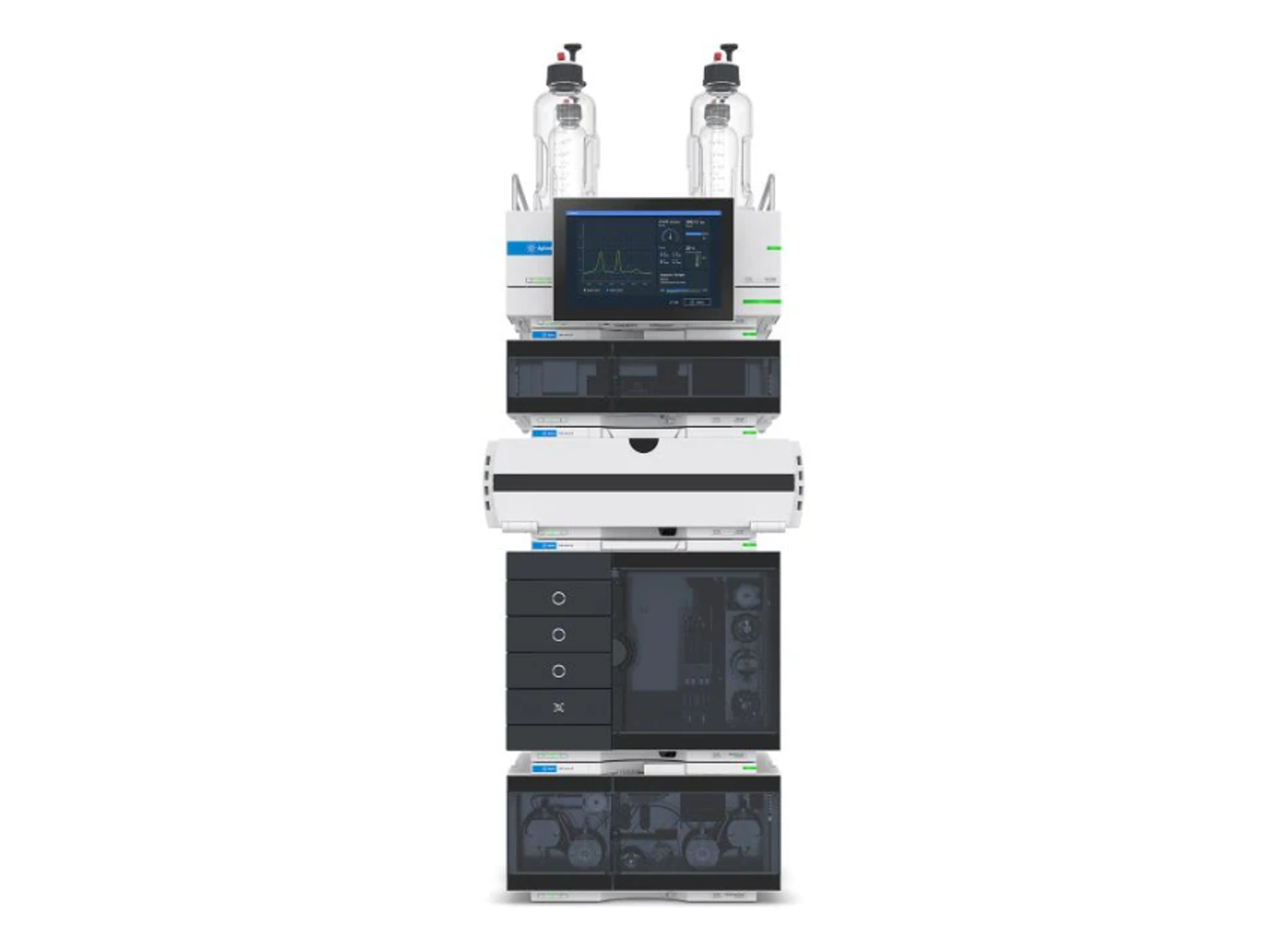
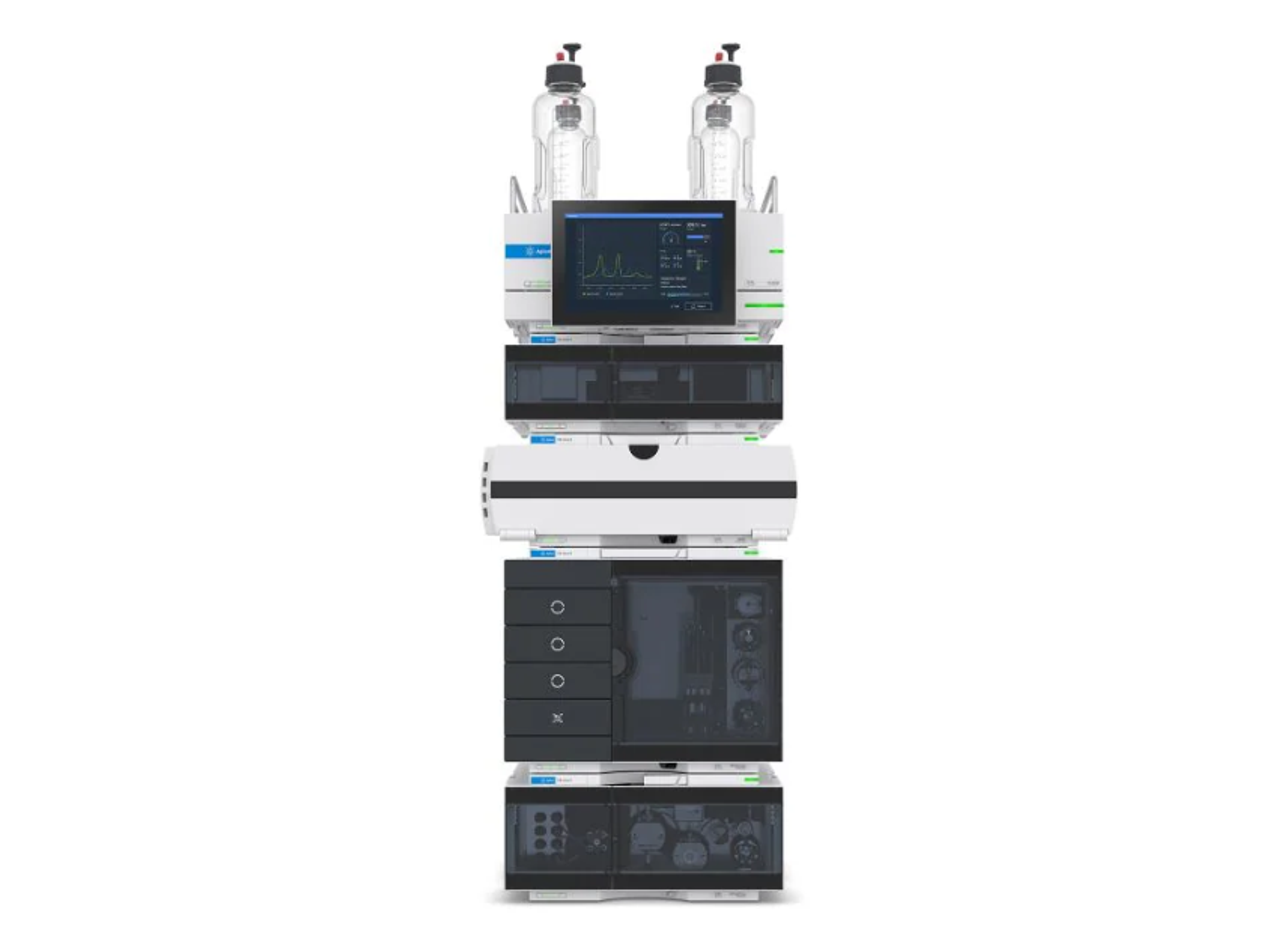
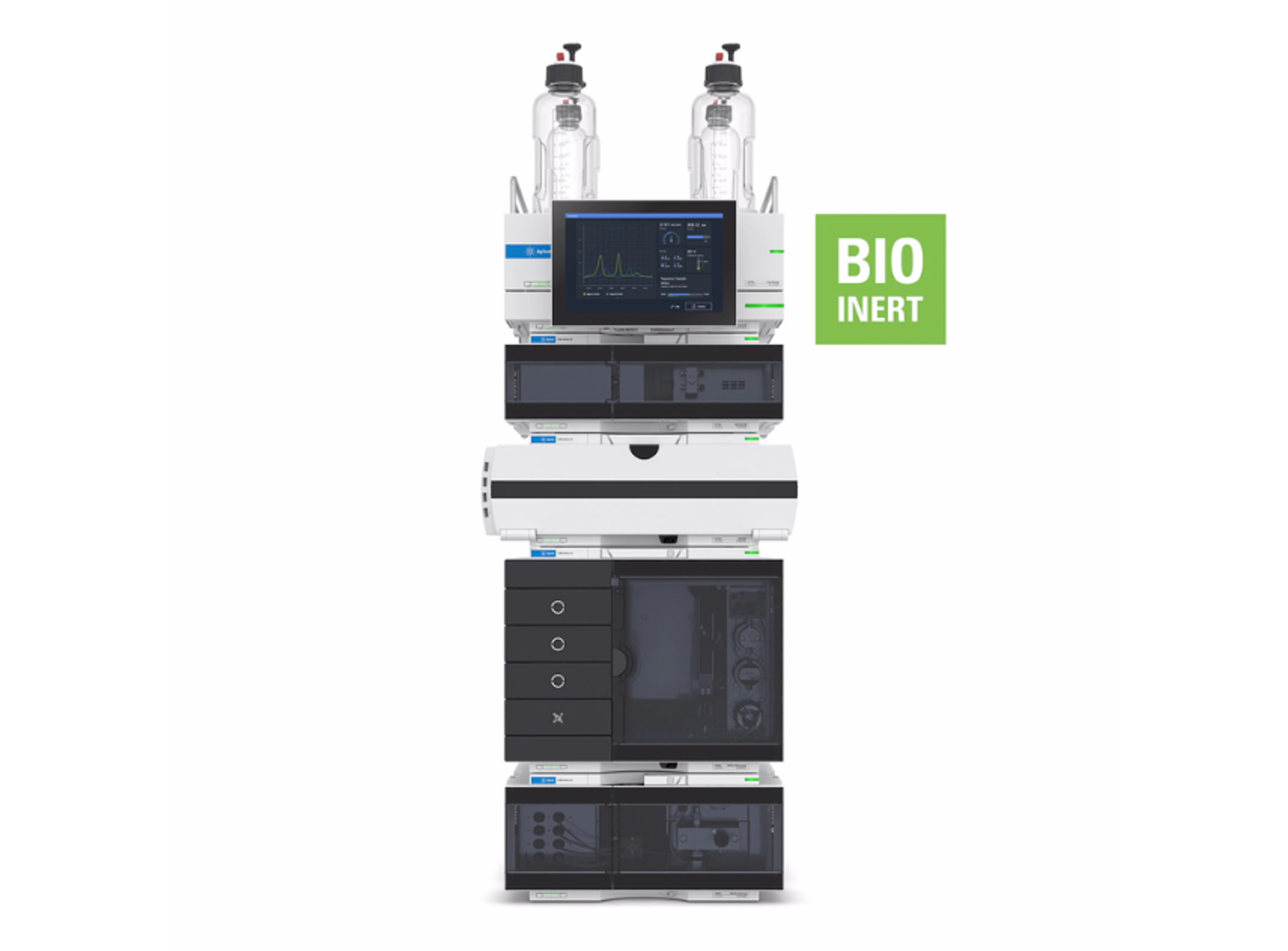
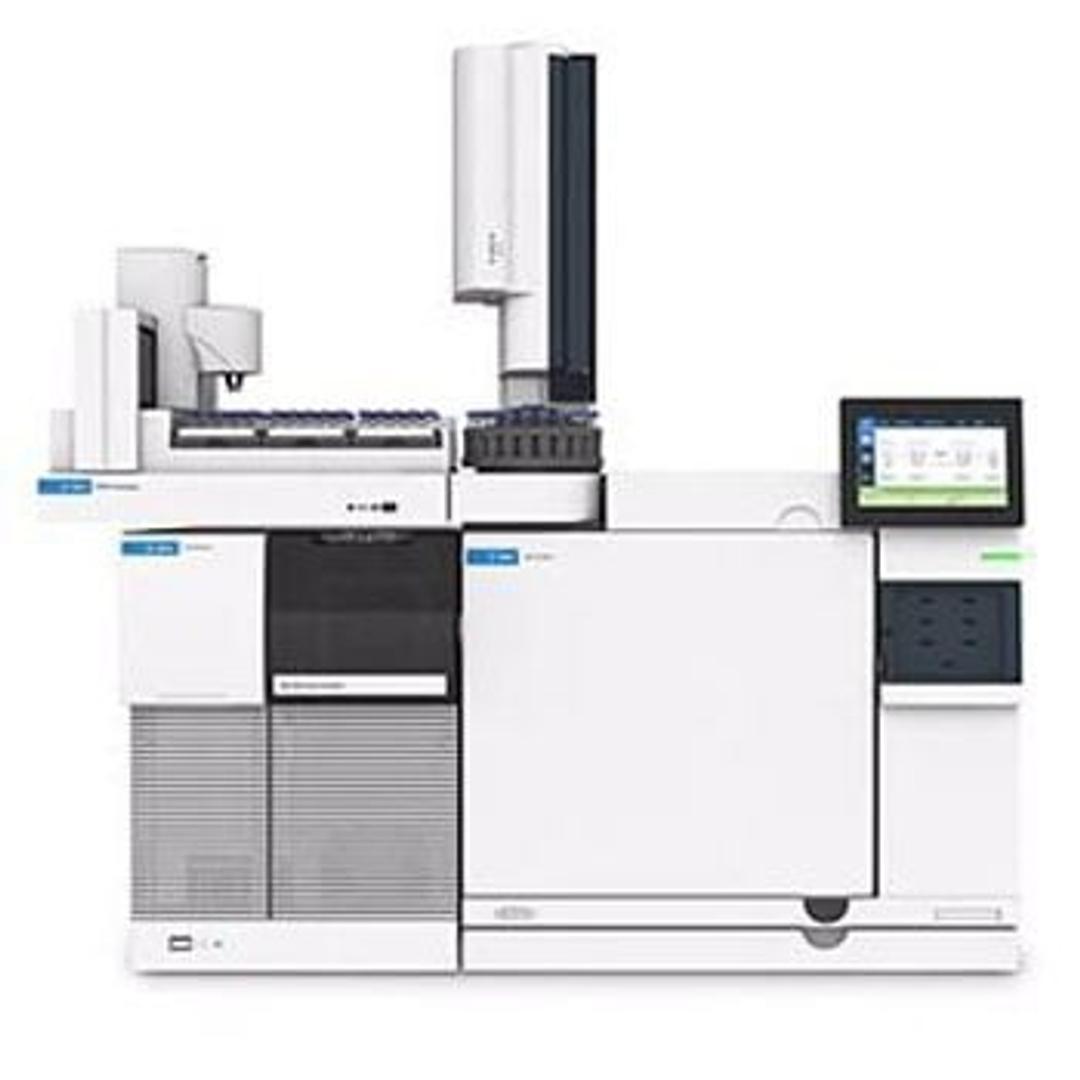
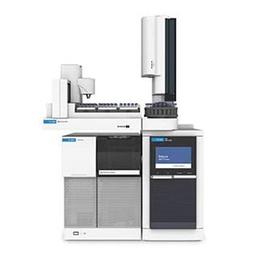
The new Agilent 7010C triple quadrupole GC/MS is the most sensitive instrument of the Agilent GC/TQ portfolio. For applications that demand the most sensitivity, like the analysis of dioxins and furans, the 7010C GC/TQ equipped with the high-efficiency ion source (HES) is the best fit with low limits of detection down to the attogram level. New advanced GC/TQ intelligence includes SWARM autotune that finishes twice as fast as…

Receive your quote directly from the manufacturer.
Great results, hard to live without this instrument!
Pesticide analysis
Good sensitivity, ease of use, after-sales care and value for money
Review Date: 20 Feb 2024 | Agilent Technologies
Features:
- The high-efficiency ion source (HES) delivers confident ultratrace-level analysis even in complex matrices, and the Agilent JetClean self-cleaning ion source reduces or even eliminates the need for manual source cleaning
- The Agilent Reference Compound Introduction Valve enables easy analysis of environmental dioxins, while meeting the requirements and strict method detection limits of the EPA-approved alternative testing procedure
- Data acquisition modes like data-dependent tMRM and simultaneous dMRM and scan mode enable targeted screening with confident quantitation of hundreds of analytes in a single run
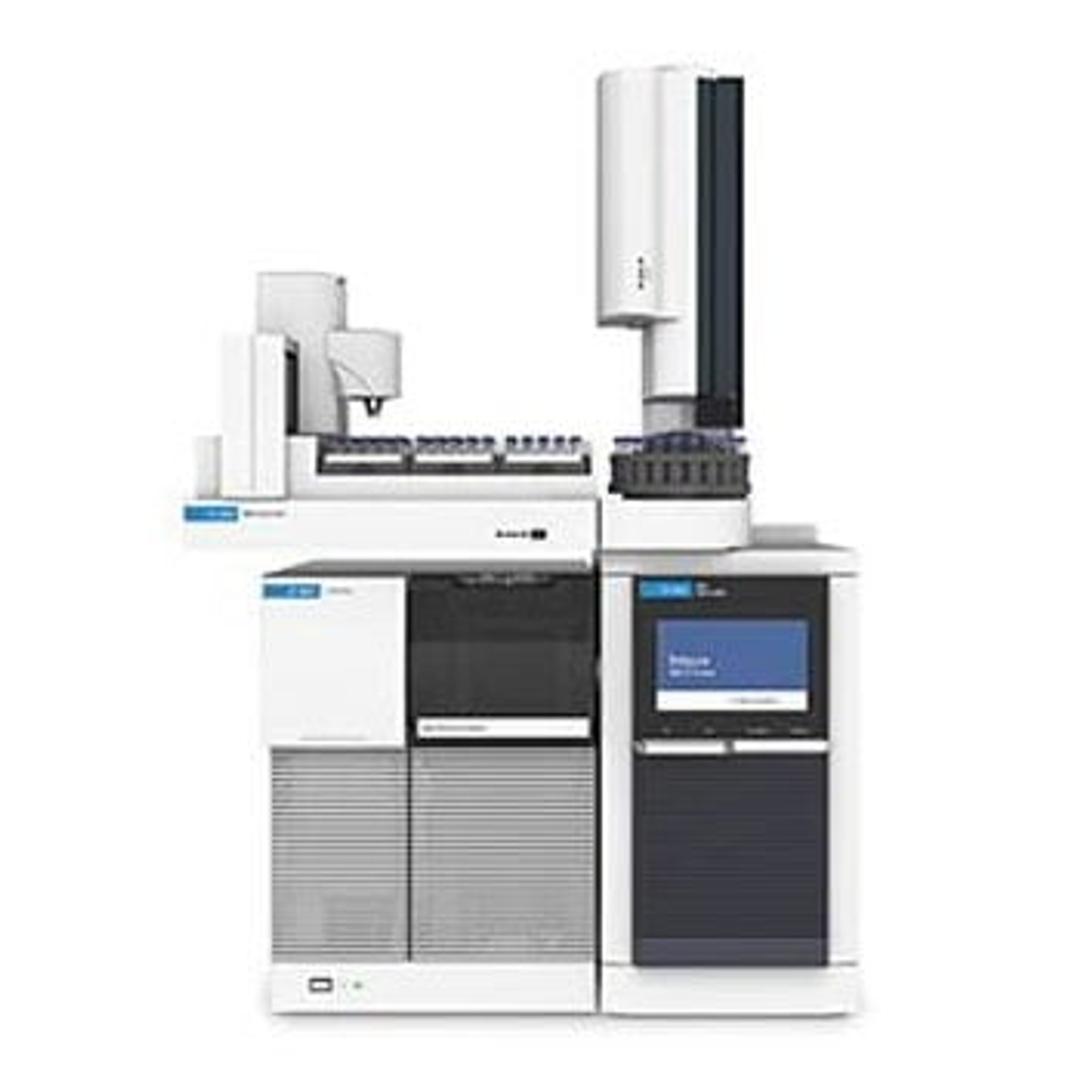
- Twice as fast SWARM autotune with incorporated diagnostic features pairs with the built-in intelligence of the 8890 and Intuvo GCs for improved system diagnostics and simplified access to powerful operations through an integrated touch screen and browser interface
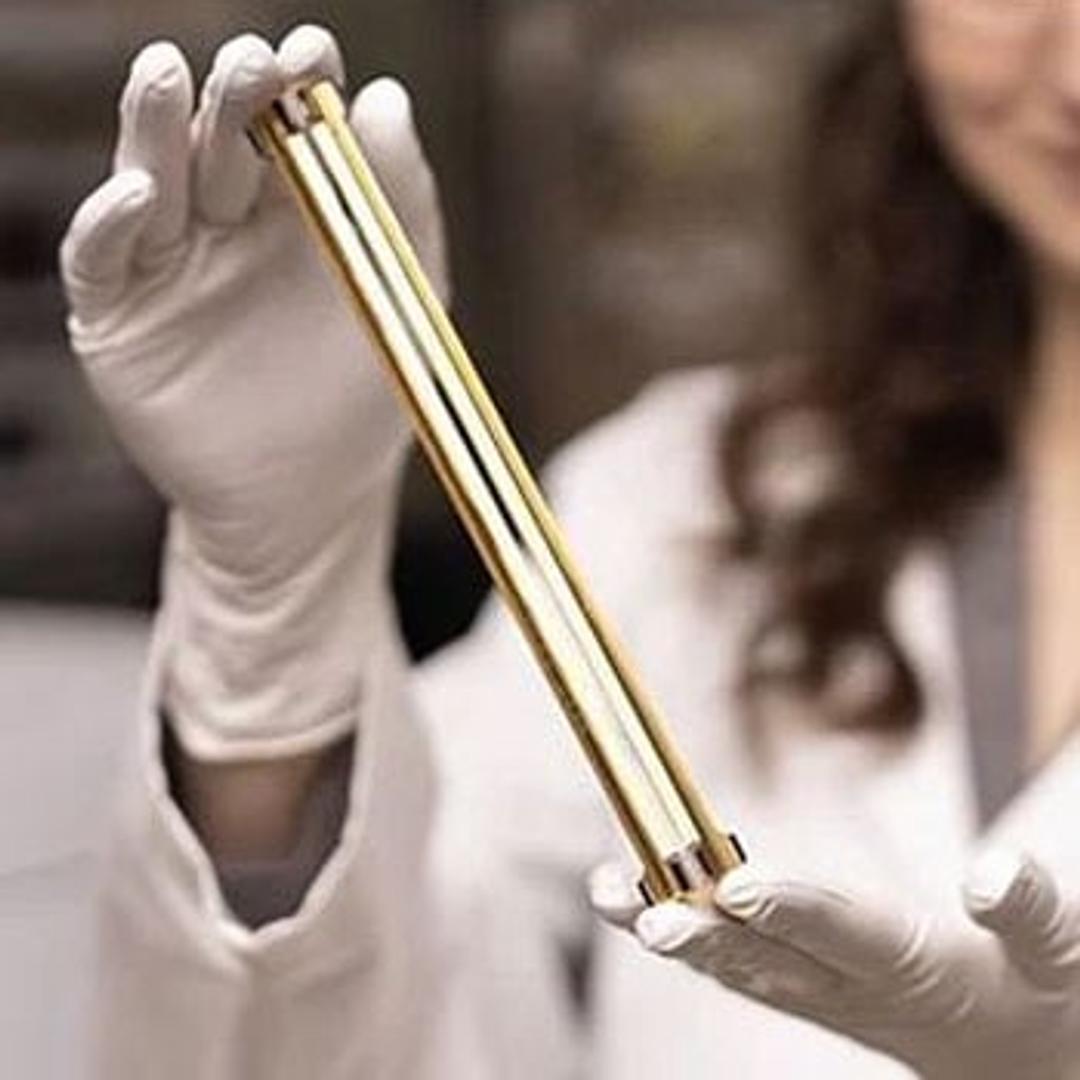
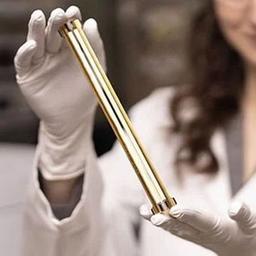
- A heated gold quadrupole, triple-axis HED-EM detector, and fast venting enhance the performance of the mass spectrometer by reducing neutral noise and instrument cool-down time
- Agilent MassHunter software delivers complete control from tune to data analysis and report generation, streamlining your workflow
- MassHunter Optimizer software easily transfers GC/MSD methods to GC/TQ and uses retention time locking software to reproducibly transfer methods between GC systems
- Built-in technical controls combined with procedural controls ensure the security of your data, control access, and facilitate compliance as defined by US FDA 21 CFR Part 11, EU Annex 11, and similar national electronic record regulations
- The Agilent Pesticides and Environmental Pollutants 4.0 Database contains over 1,100 compounds with multiple transitions per compound and over 7,500 matrix-optimized MRM transitions, helping you build acquisition methods that reduce matrix interferences
- To enable a better-informed, sustainable choice, Agilent has partnered with My Green Lab to have the 7010C GC/TQ independently audited for their Accountability, Consistency, and Transparency (ACT) label

Adding more confidence to sensitive quantitation in complex foods by triple quadrupole GC/MS (GC/TQ)
Concern about trace-level food contaminants is driving the demand for robust, rapid, and reliable methods for identification and quantitation of chemical residues and contaminants in food matrices. Agilent describes the use of the novel simultaneous dMRM/scan (dynamic multiple reaction monitoring/scan) data acquisition mode for reliable identification and quantitation of pesticides in challenging food matrices. Simultaneous dMRM/scan mode eliminates the need to reanalyze the sample in each data acquisition mode separately, enabling retrospective analysis, yet demonstrating comparable performance for quantitation to dMRM only mode. Explore an outline of this method using the Agilent 8890/7000E and 8890/7010C triple quadrupole GC/MS systems (GC/TQ), for spinach, walnut, and cayenne pepper extracts.
GC/MS instrument intelligence
Agilent continues to advance GC/MS and help real-world analytical challenges with new tools, ranging from AI-enabled data processing to high-quality spectral libraries. Explore the latest in GC/MS technology, demonstrated by a collection of experimental application notes, using Agilent technologies including the 5977C GC/MSD, the 7000E GC/TQ, the 7010C GC/TQ and the 7250 GC/Q-TOF.
Hydrogen carrier gas for analyzing pesticides in pigmented foods with GC/MS/MS
Due to recurring helium shortages and increased prices experienced in recent years, there is an intensified demand for adapting the GC/MS analysis to hydrogen carrier gas. Agilent describes the key strategies for pesticide analysis with gas chromatography/triple quadrupole mass spectrometry (GC/TQ) using hydrogen as the carrier gas, while maintaining sensitivity to meet maximum residue limits (MRLs). Explore key strategies for column configuration, optimized injection conditions, and choice of mass spectrometer (MS) electron ionization (EI) source hardware developed for use with hydrogen carrier gas – the Agilent HydroInert source and the Agilent High Efficiency Source (HES).
Five keys to unlock maximum performance in the analysis of over 200 pesticides in challenging food matrices by GC/MS/MS
In this application note, Agilent describes five best practices to enhance analytical performance in the analysis of over 200 pesticides in challenging matrices including spinach, walnut, and cayenne pepper.

How to navigate the lab digitalization journey
Gain insights from industry experts on how to approach lab digitalization and ease the transition from paper to pixels