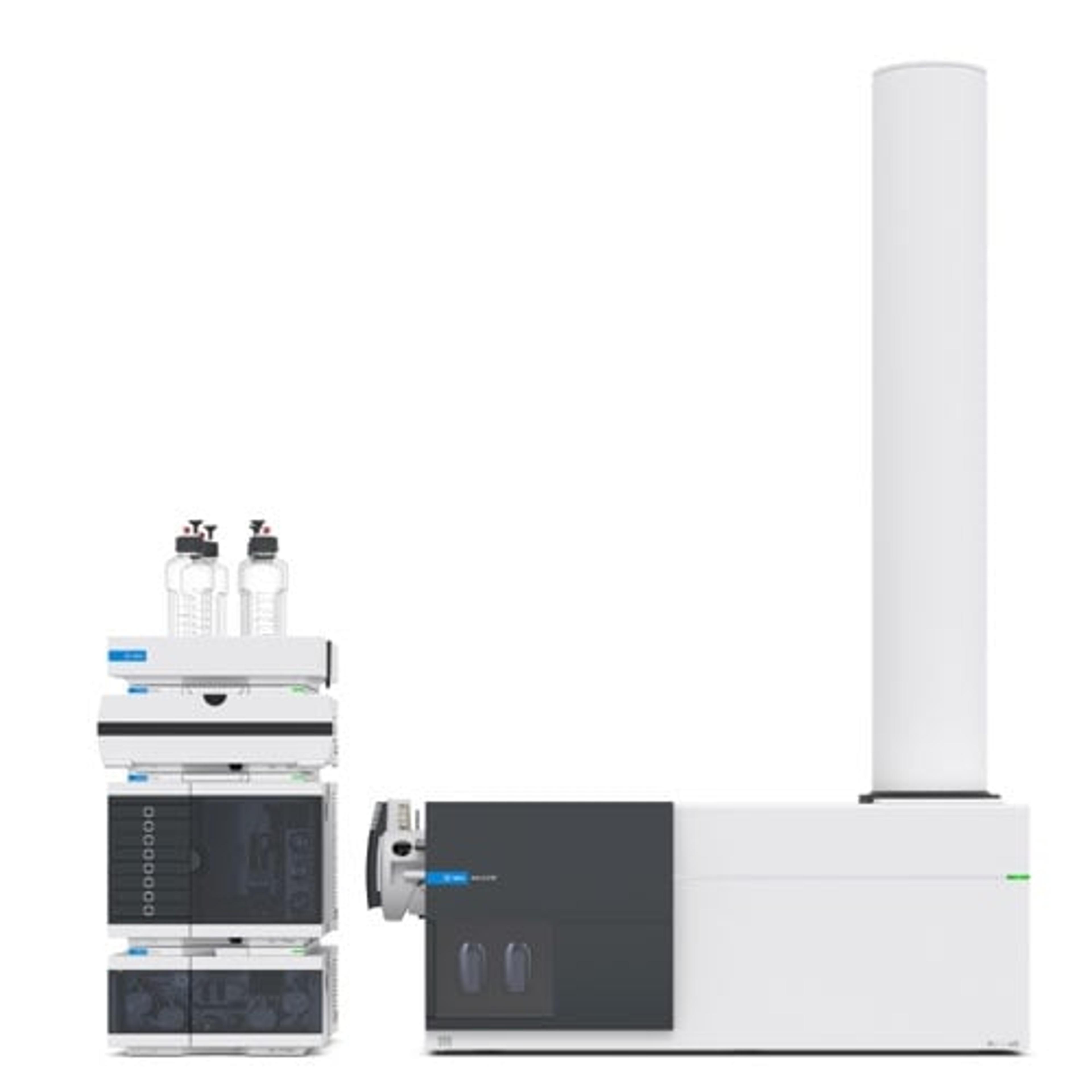
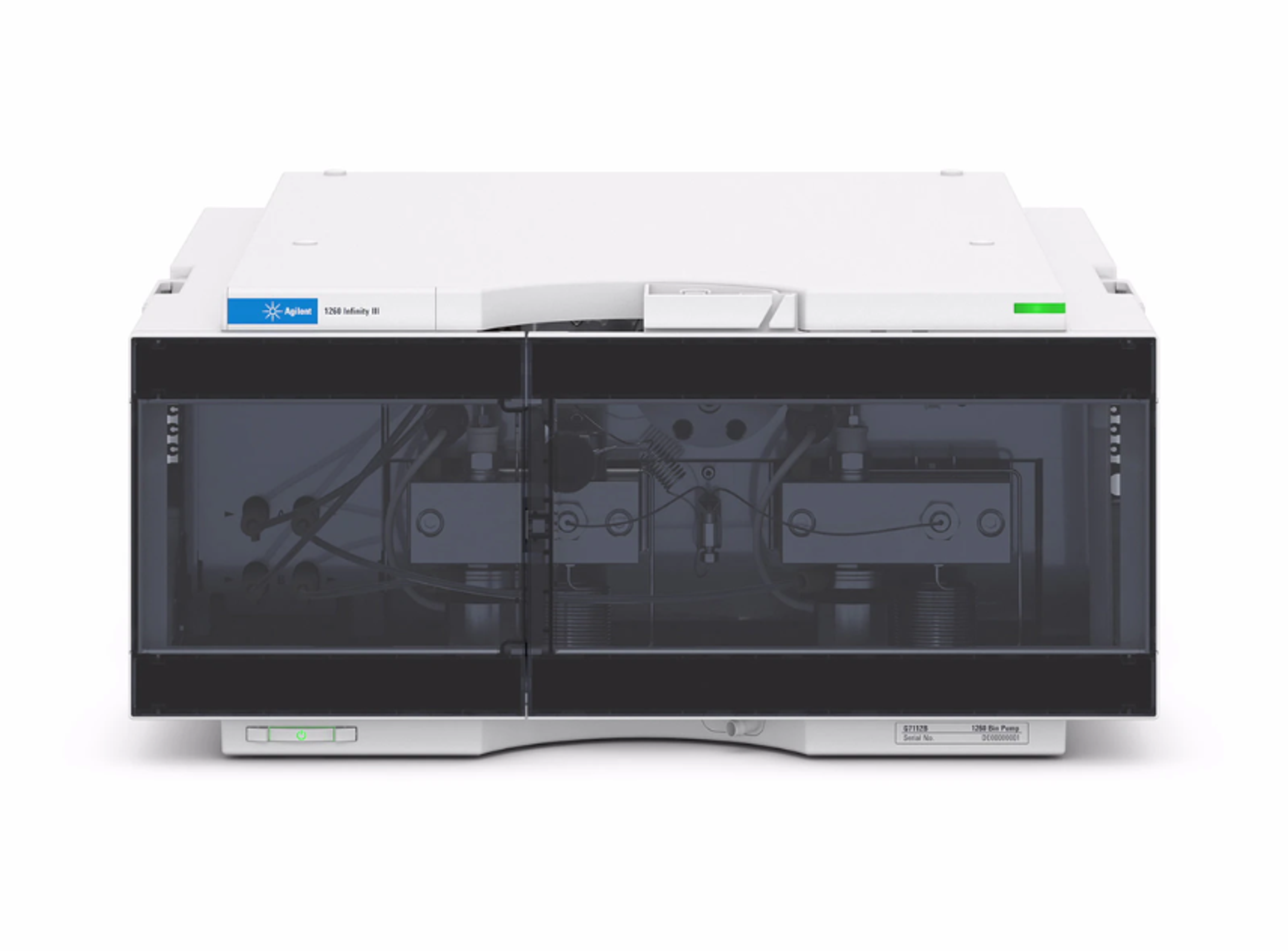
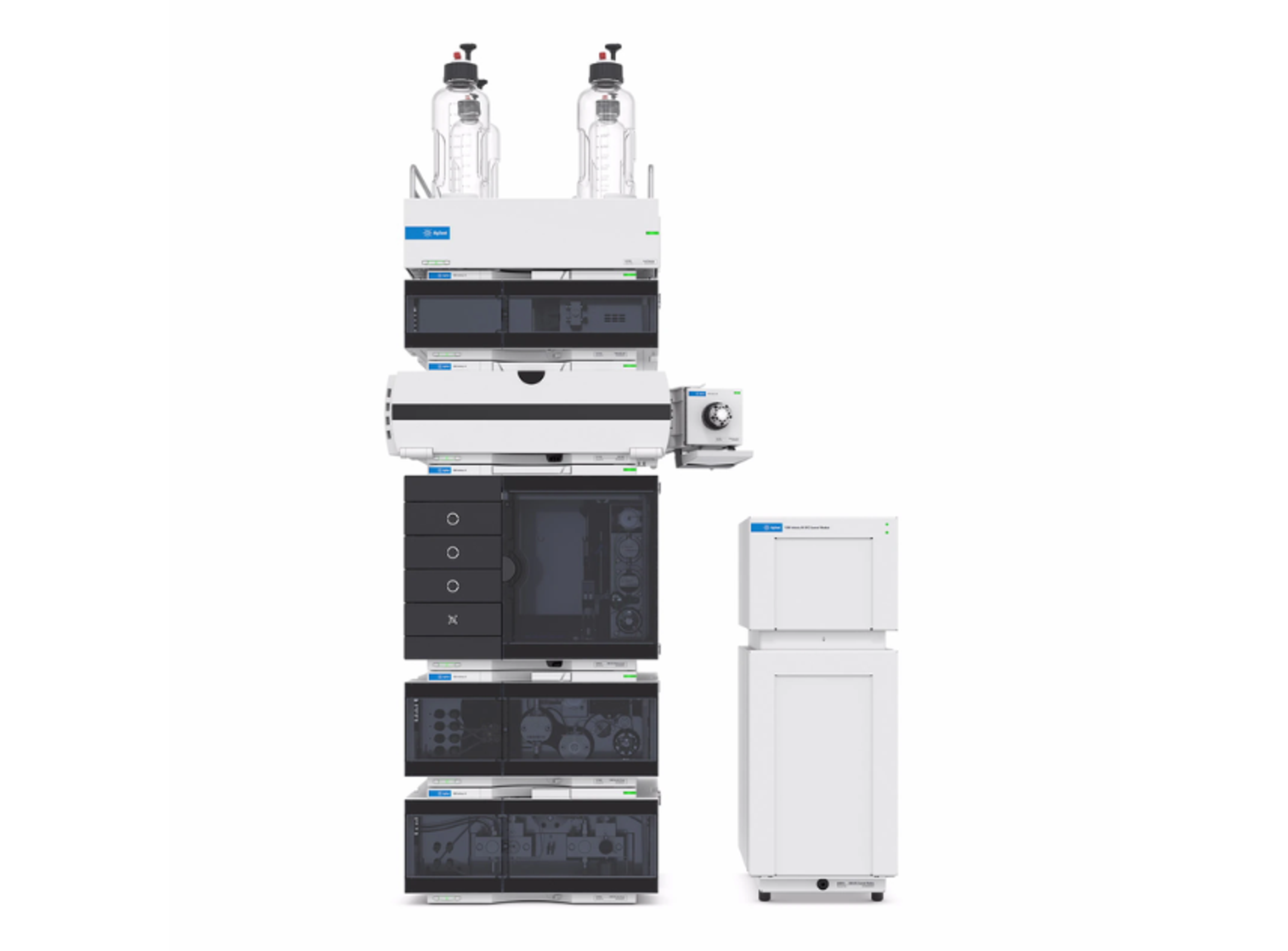
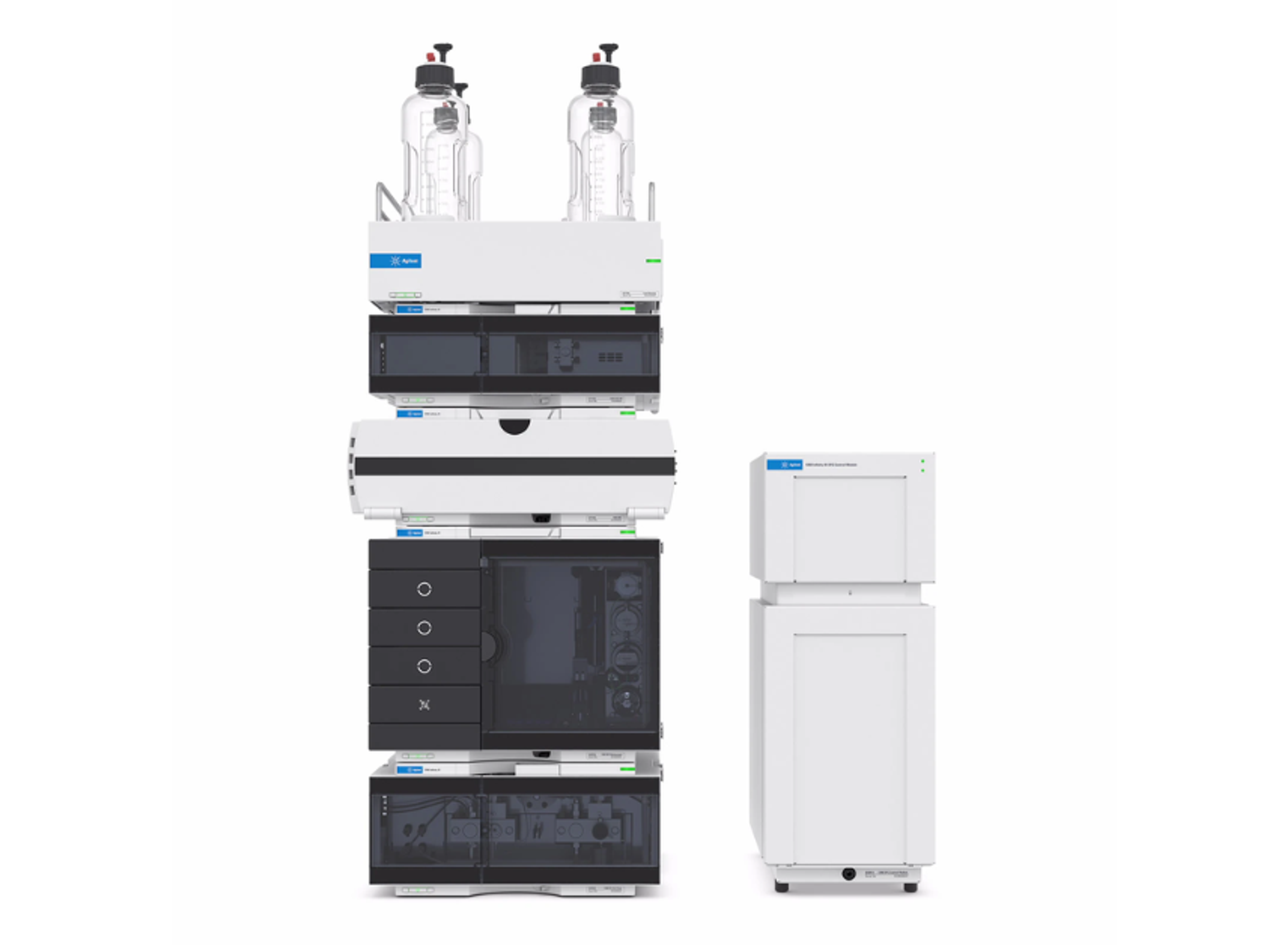
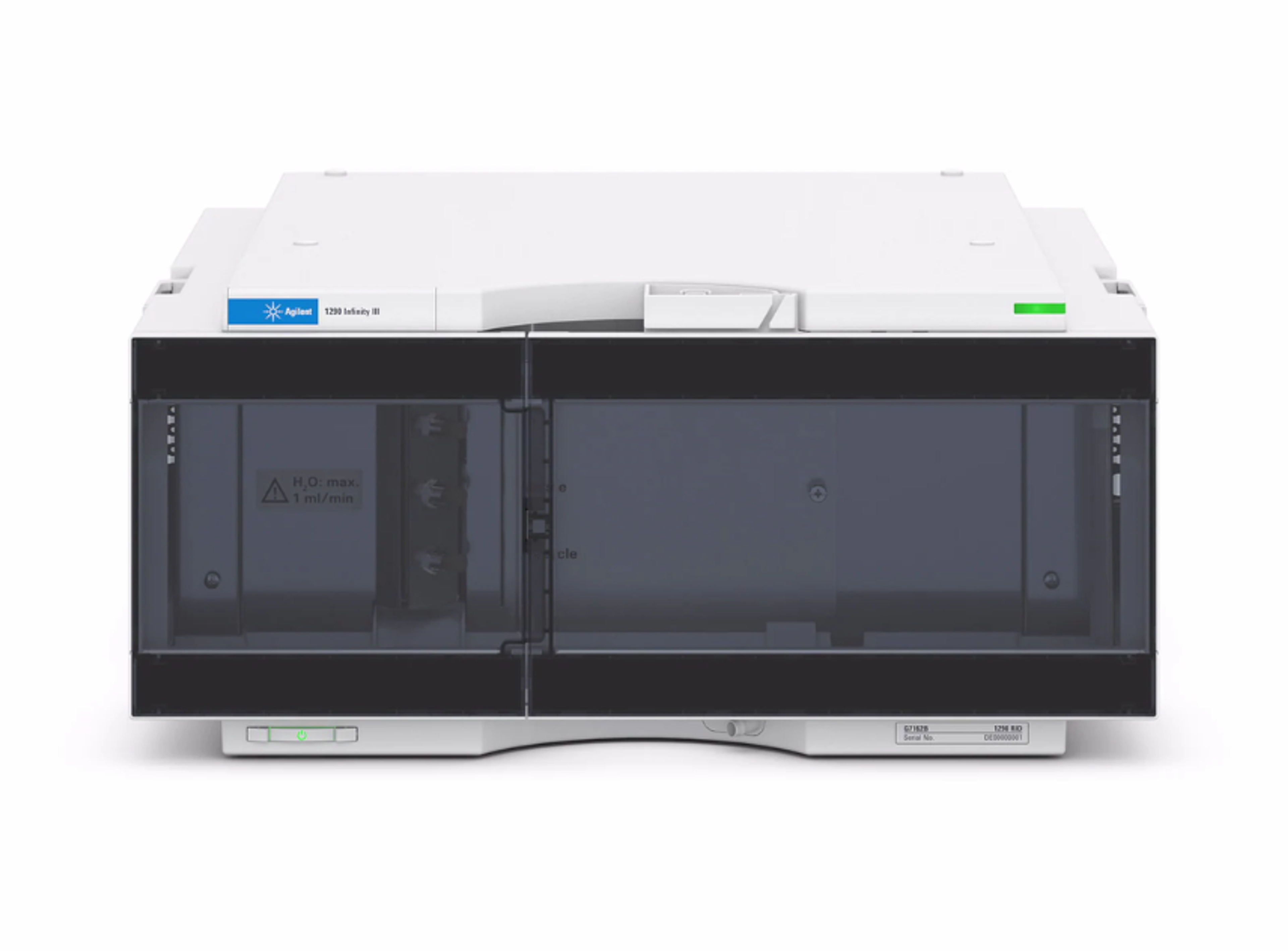
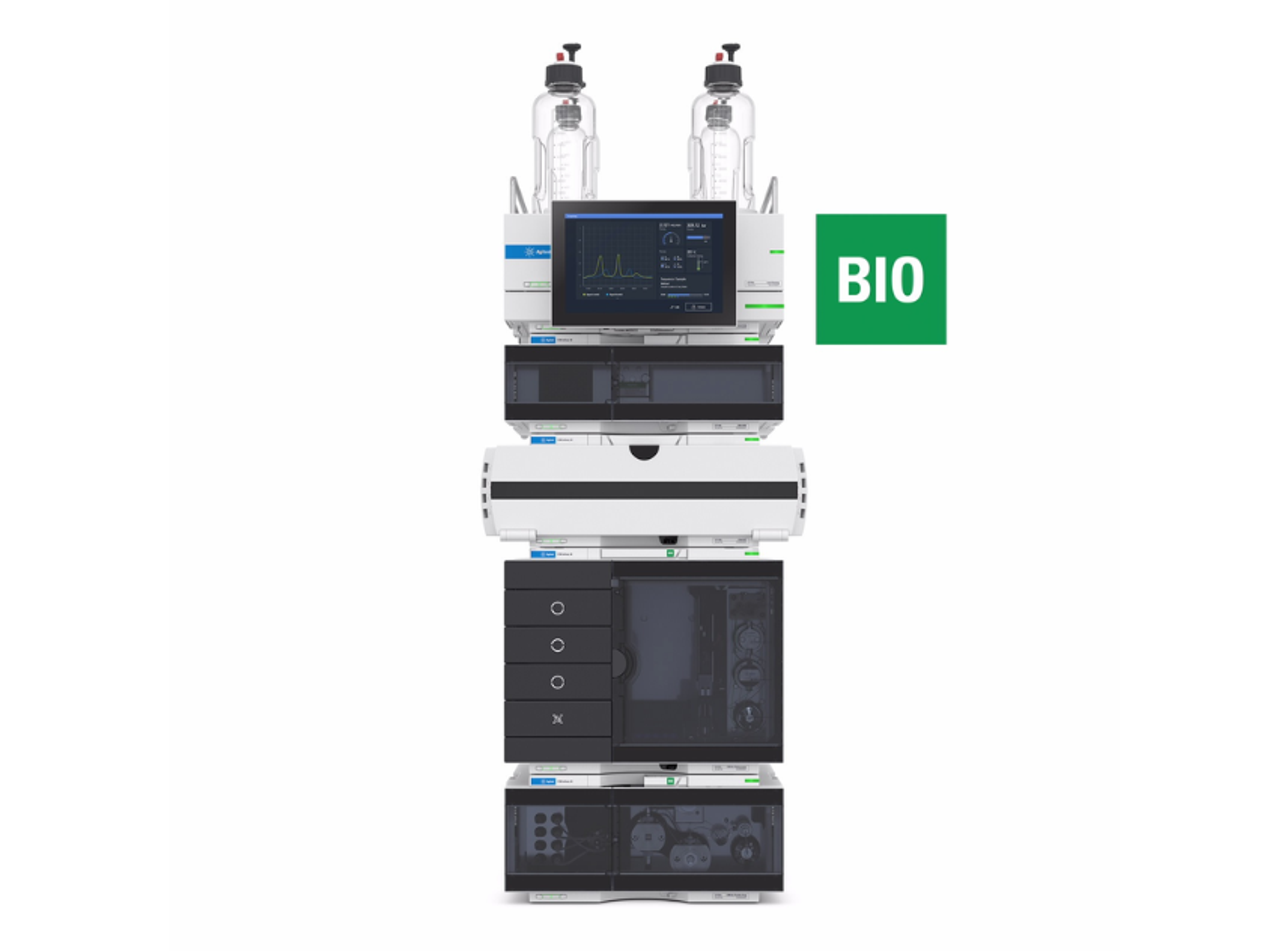
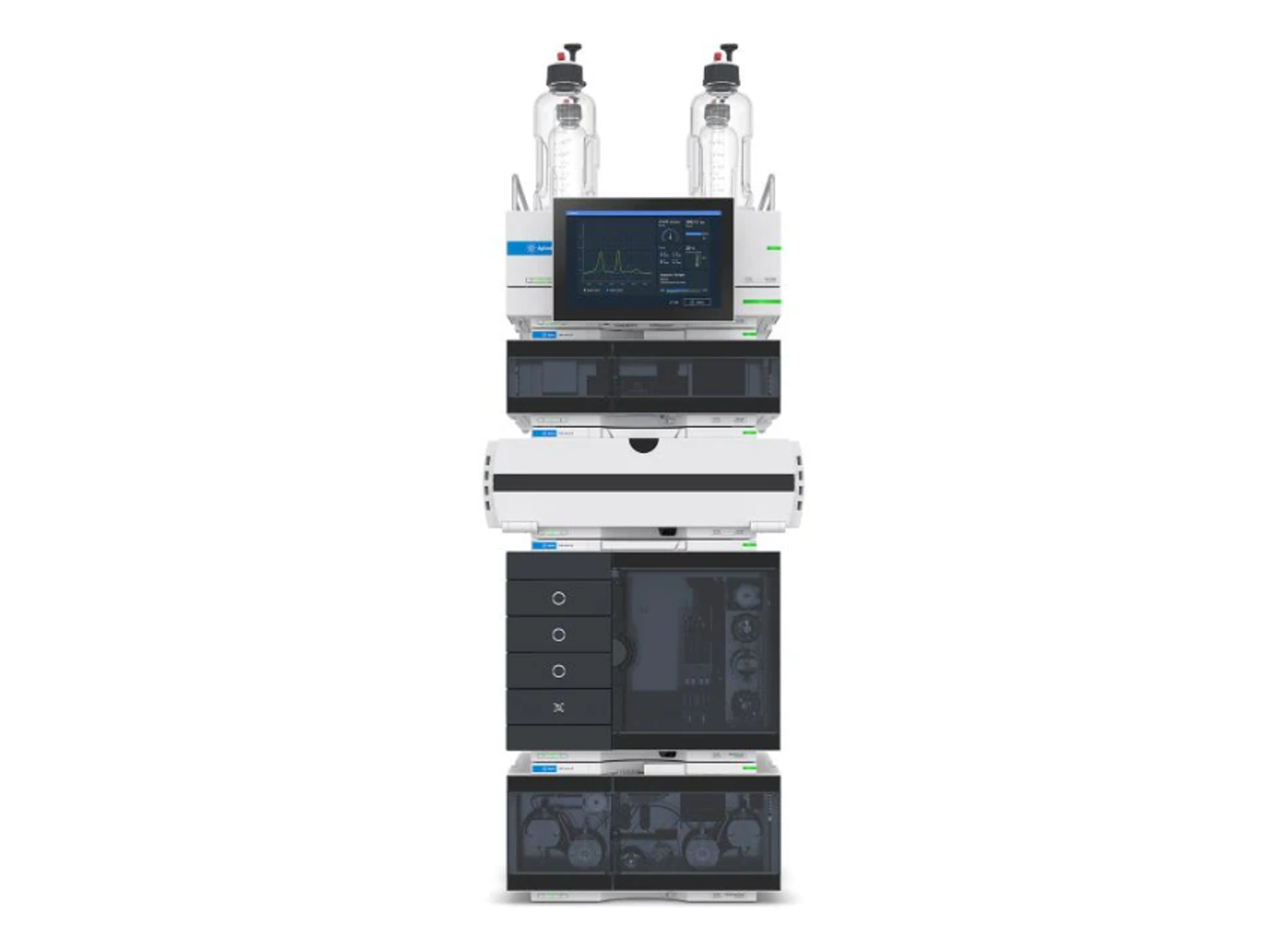
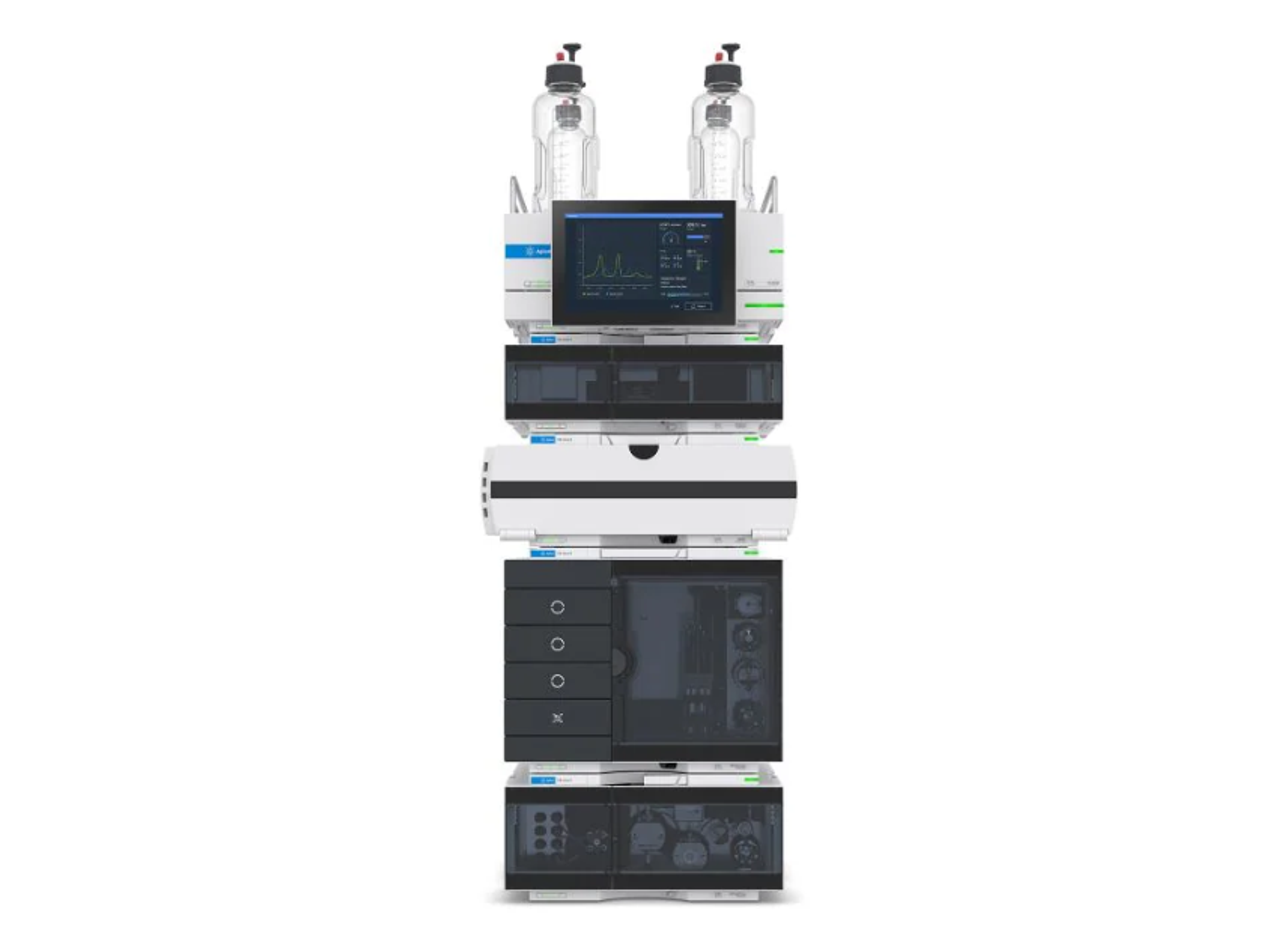
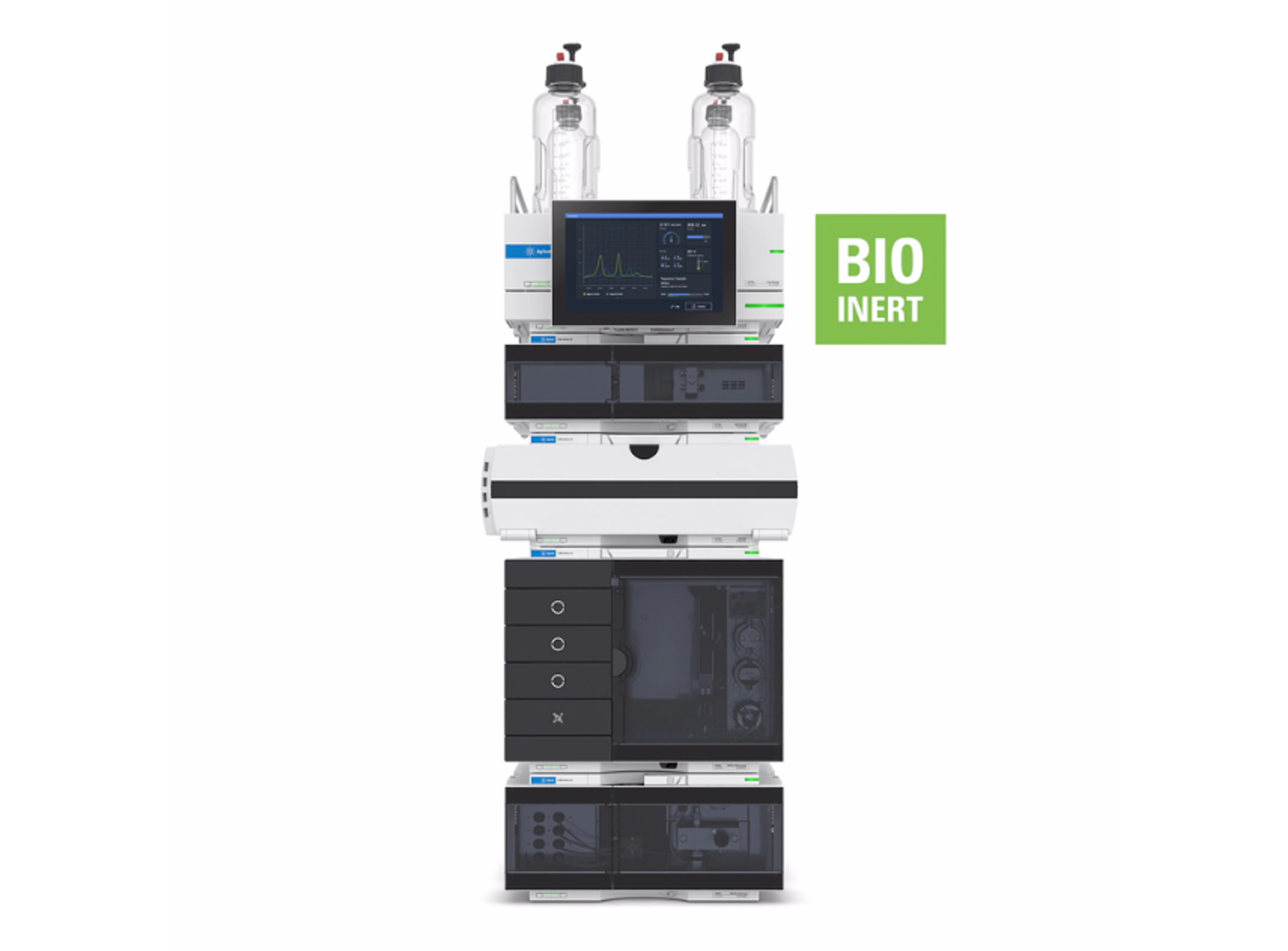
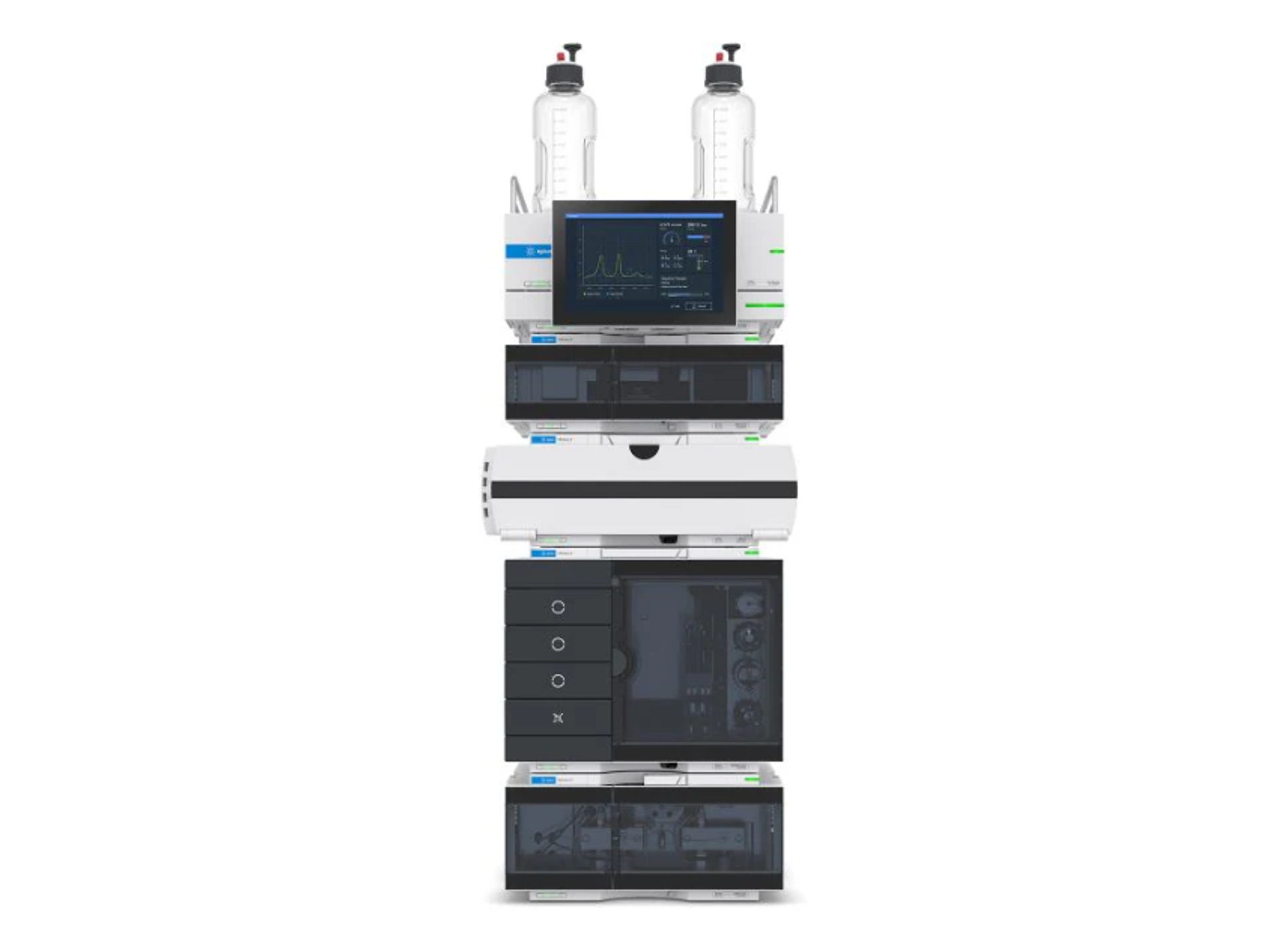
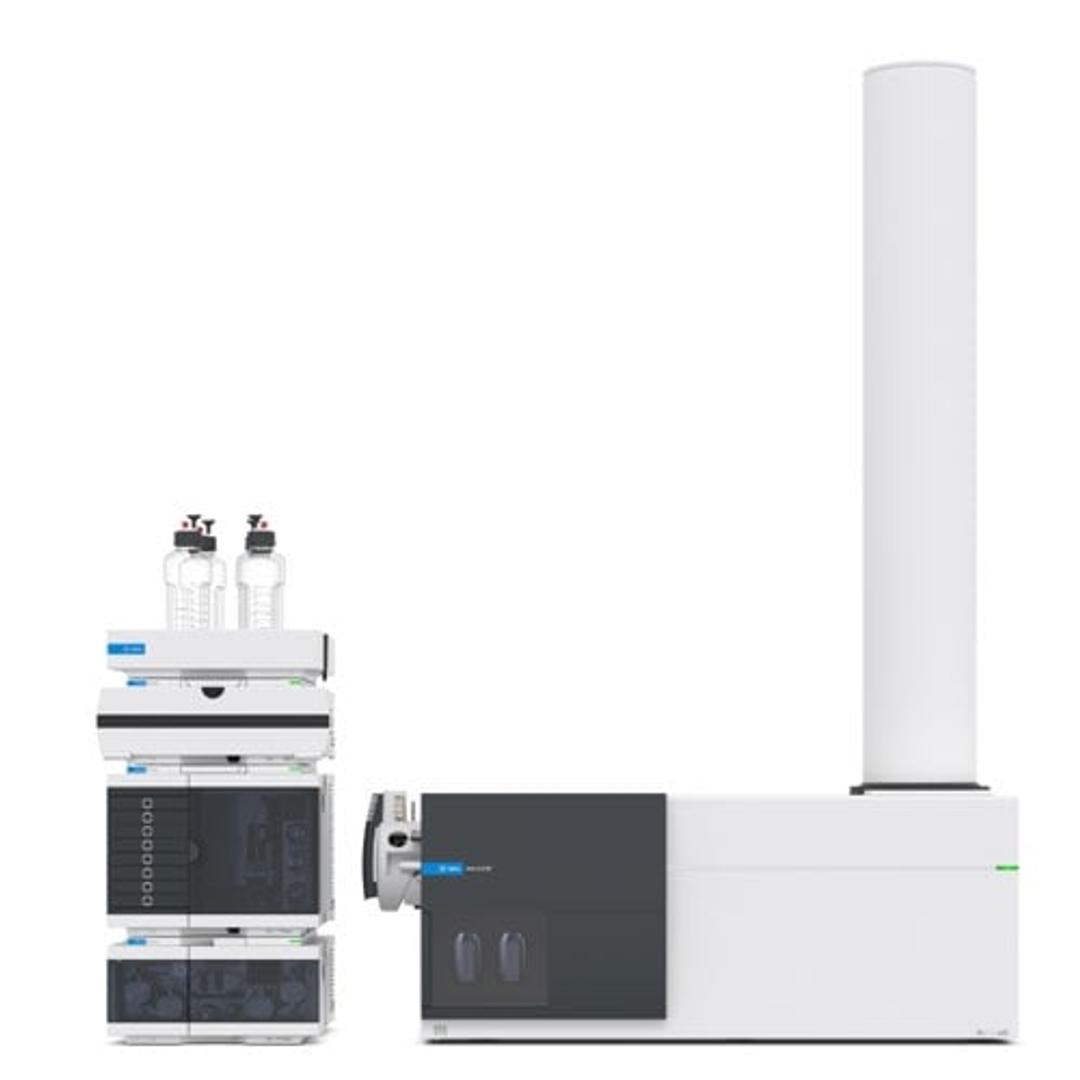
6546 LC/Q-TOF
Quadrupole Time of Flight LC/MS





Receive your quote directly from the manufacturer.
Good results
Drug products
It was an informative data and useful.
Review Date: 4 Oct 2022 | Agilent Technologies
Good.
Phytochemistry
Good.
Review Date: 24 Sept 2022 | Agilent Technologies
Most accurate instrument in the market!
Analytical chemistry (Environmental)
I have been using accurate mass instruments for the last 20 years. The last model (Quadrupole-time of flight 6546) is the most accurate I have ever seen, and sensitive too! We use it both for quantitation purposes and for screening environmental contaminants.
Review Date: 24 Dec 2020 | Agilent Technologies
The 6546 LC/Q-TOF accelerates your lab’s capabilities by enabling comprehensive workflows in metabolomics research, food safety, food authenticity, and environmental screening. With simultaneous high sensitivity, wide dynamic range, high resolution, isotope fidelity and accurate mass measurements the resulting high data quality provides the level of confidence you need for fast and simplified data review processes.
With Q-RAI Quadrupole resolved All Ions or All Ions acquisition, food safety screening can now be combined with fragment information for identification, allowing you to conduct target and suspect screening simultaneously. In addition, for metabolomics research, the resolution increase together with broad dynamic range and isotopic fidelity makes the 6546 LC/Q-TOF the ideal platform.
Features:
- Gain confidence at the low and high concentrations with simultaneous delivery of 5 orders of in-spectrum dynamic range and mass resolution over 60k (for high masses) and over 30k (for low masses)
- Narrow down identification possibilities through sub-ppm mass accuracy and isotope fidelity within 5%
- Maintenance made easy with vent-free access to ion source and inlet
- Move beyond analytical targeted screening restriction on number of compounds and time-consuming method maintenance with accurate mass spectral libraries for pesticides, veterinary drugs, mycotoxins, extractables and leachables, and water contaminants
- Access metabolomics workflows for profiling, lipidomics, and qualitative flux analysis
- Use the new food authenticity workflow to streamline analysis when testing for product origin or adulteration

Six ways that Agilent Q-TOF technology can help you achieve excellent spectral quality
In this application note, Agilent Technologies explains how its Agilent Q-TOF technology delivers a wide in-spectra dynamic range to achieve reliable detection, quantitation, and identification for everyday samples, even when other abundant compounds are present.
Lipid profiling workflow demonstrating disrupted lipogenesis induced with drug treatment in leukemia cells
As a proof-of-principle study, a lipidomics profiling workflow was applied to analyze lipid alterations in the AML K562 cell line in response to a BEZ, MPA, and BaP drug combination. The Agilent lipid analysis workflow was performed with the 6546 LC/Q‑TOF, a mass spectrometer designed to have wide dynamic range while simultaneously providing improved resolution independent of acquisition rate. Key to the workflow is MassHunter Lipid Annotator software, which quickly annotates lipid MS/MS spectra and easily generates a custom library of detected lipids, with deep annotation coverage. These libraries are a critical component of the complete lipid analysis workflow, and support targeted and untargeted lipidomics profiling.
Enhanced food safety testing
This Application Note describes a methodology for screening hundreds of pesticides in a variety of complex food matrices. Screening is done using an Agilent 6546 quadrupole time-of-flight LC/MS system with the LC/Q-TOF Screener tool of Agilent MassHunter Quantitative Analysis software. This workflow solution can confidently perform target quantitation and suspect screening, achieving excellent reproducibility, mass accuracy, and linearity.
Methodologies for food fraud: Tips for robust experimental results
As a researcher investigating the validity of product labeling or supply chain integrity, determining the composition of foods can be an enormous challenge. In this application note by Agilent, learn about the latest workflow options for identifying food authenticity markers.
High-resolution mass spec for metabolomic analysis
Since its first use to demonstrate the existence of isotopes, the application of mass spectrometry (MS) has expanded immeasurably, and its practitioners are to be found in almost every analytical laboratory. Driven by the ever-increasing demand for greater performance and speed, particularly for analyzing complex biological samples, MS technology has continued to improve and, through coupling with other technologies (chromatography and data processing software), to yield the cutting-edge, high-throughput workflows we see today.
In this eBook, we look at some of the wide-ranging applications of the latest MS technology and workflows used to solve some of the most challenging analytical challenges faced by biologists working in metabolic profiling, and cover:
- Gaining confidence and throughput in metabolite analysis
- A multi-omics approach to metabolism
- Extracellular flux analysis
- Lipid Annotator software
- Lipid profiling workflows
- Metabolomics to mechanisms
Agilent collaborator takes an integrated, multi-omics approach to metabolism
Adam Rosebrock was feeling unsettled. For years he had been using genomics to study what cells do when they do, well … what cells do. That is, which genes turn on or off as they go through cell division, for example, or various external insults. Simply put, he was not getting enough information. So Rosebrock, a classically trained microbiologist and biochemist, began to expand the scope of his investigation
13C glucose qualitative flux analysis in HepG2 cells
In this application note, Agilent Technologies demonstrates qualitative flux analysis in human carcinoma cell lines using U-13C glucose as the tracer. Data was acquired on a 6546 LC/Q-TOF system and analyzed with MassHunter VistaFlux. The study demonstrates the effect of pyruvate carboxylase knockdown on glucose flux in the TCA cycle in HepG2 cells.
Optimize your workflow and confidently face any regulatory compliance audit
Is your lab audit ready? Ensure you have the tools to help you run a compliant lab. See how a unified software solution for LC/Q-TOF and LC/TOF with technical controls for compliant environments helps you confidently face regulatory audits.
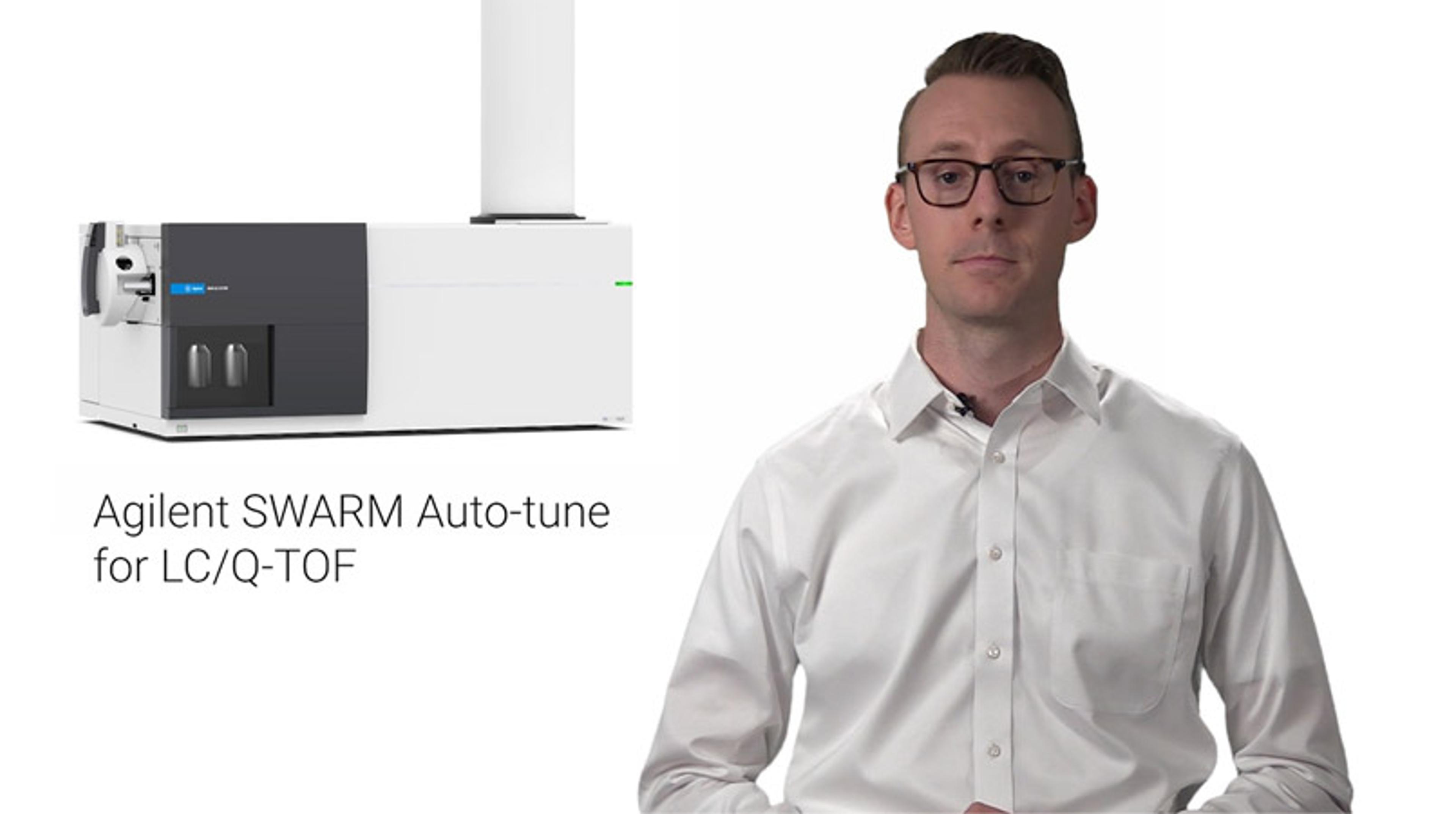
Agilent SWARM Auto-tune for LC/Q-TOF innovation minute
In this innovation minute, learn how to get expert results specific to your application every time using the Agilent SWARM Auto-tune for LC/Q-TOF.
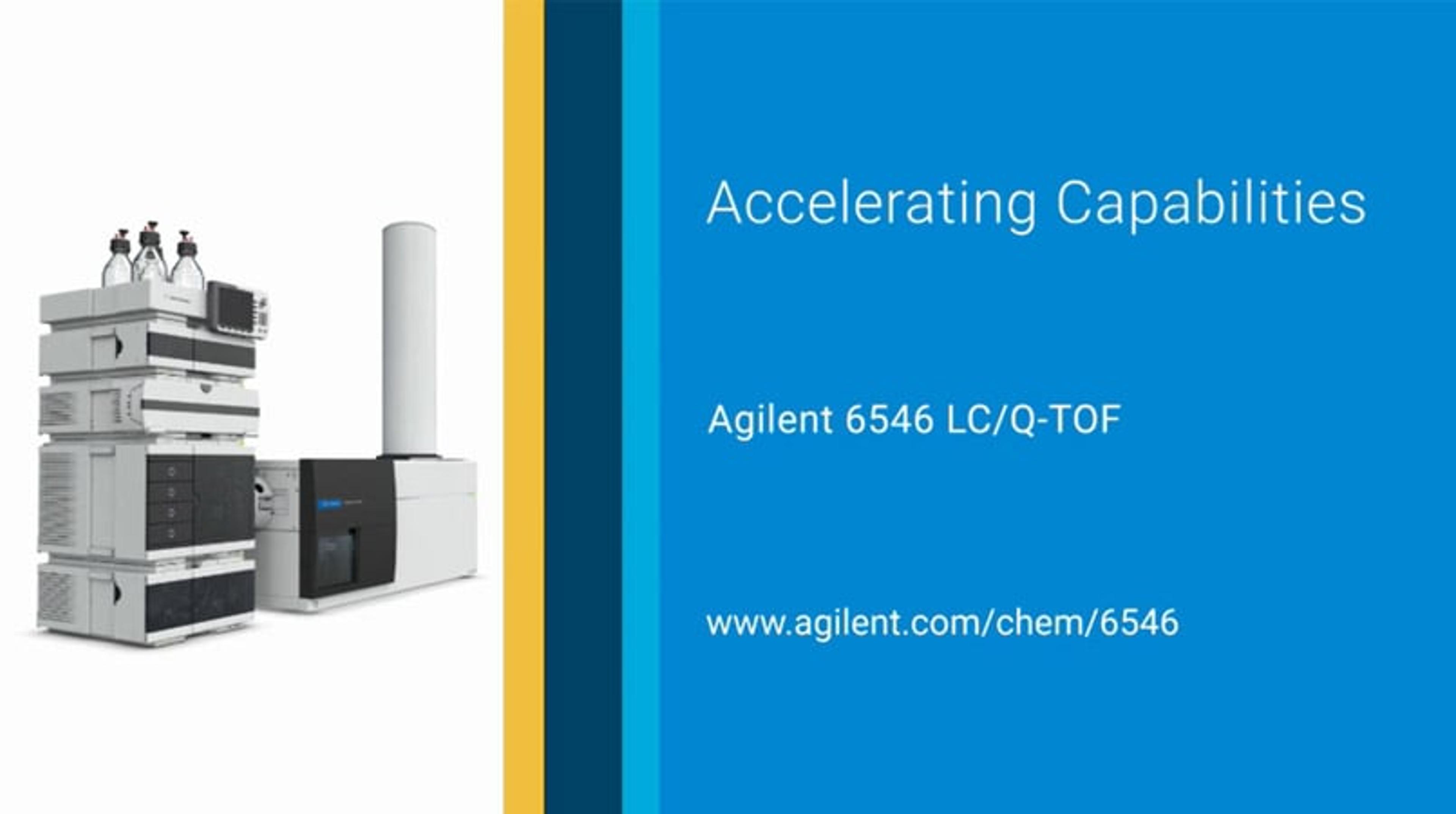
Accelerate capabilities with the Agilent 6546 LC/Q-TOF
In this video, explore how the 6546 LC/Q-TOF can help keep your lab up to speed by providing uncompromised data quality for qualitative and quantitative analyses spanning target screening, food analysis and metabolomics research.
Enhance your chromatography knowledge with these top trending resources
Discover the latest technologies, application eBooks, and expert insights that can help your laboratory optimize its separations
Agilent announces new ion mobility LC/Q-TOF and enhanced solutions for biotherapeutics at ASMS 2021
New solutions are designed to accelerate the development of new protein-based therapeutics

Food safety: Tackling the global PFAS contamination crisis with mass spec
Marco Zhong, Director of the National Reference Laboratory for Food Contact Material, discusses ‘forever chemicals’ and why effective FCM testing is more important than ever

The journey from metabolomics to mechanisms with mass spectrometry
Watch this on-demand webinar to understand trends and challenges in high-throughput metabolomics and 13C metabolic flux analysis