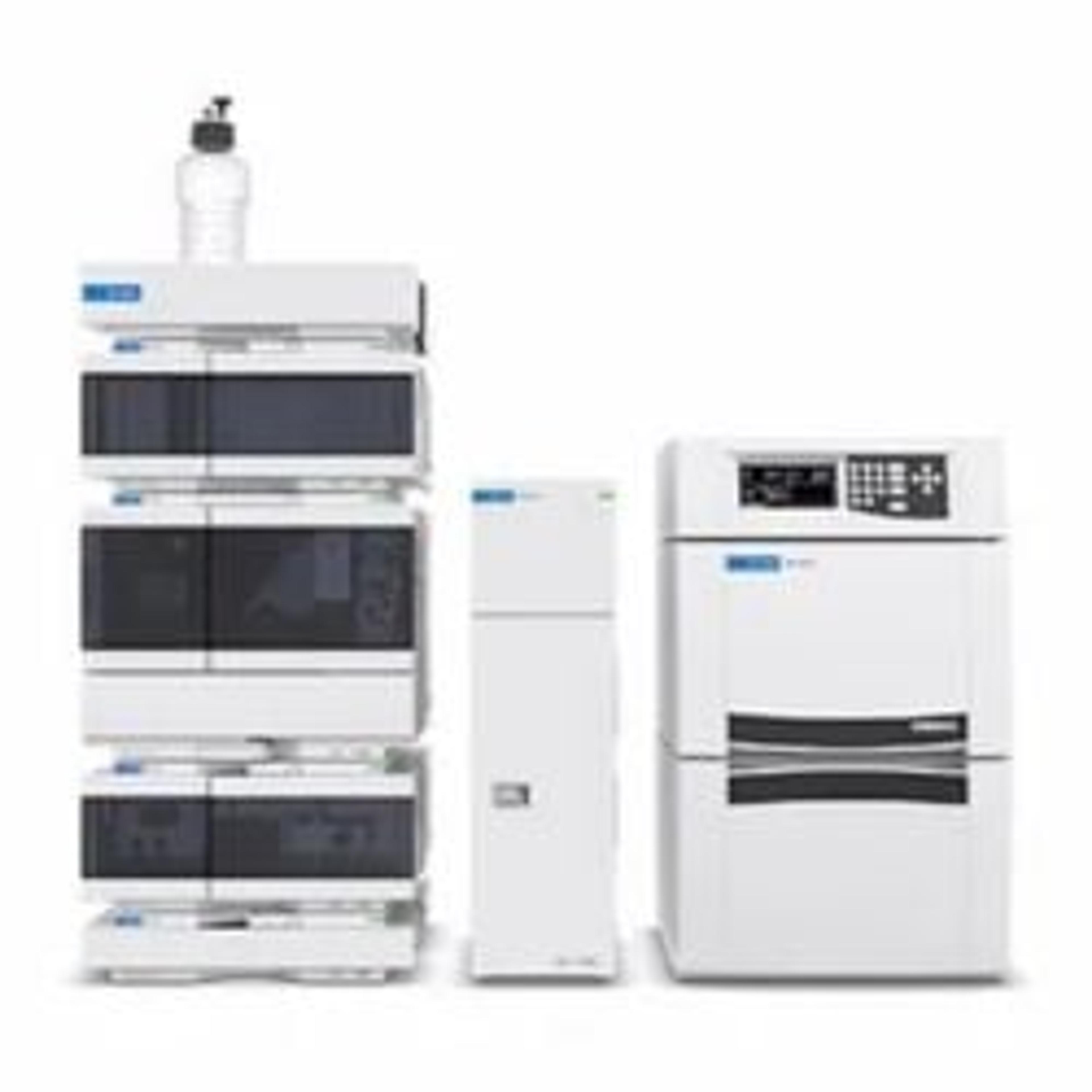
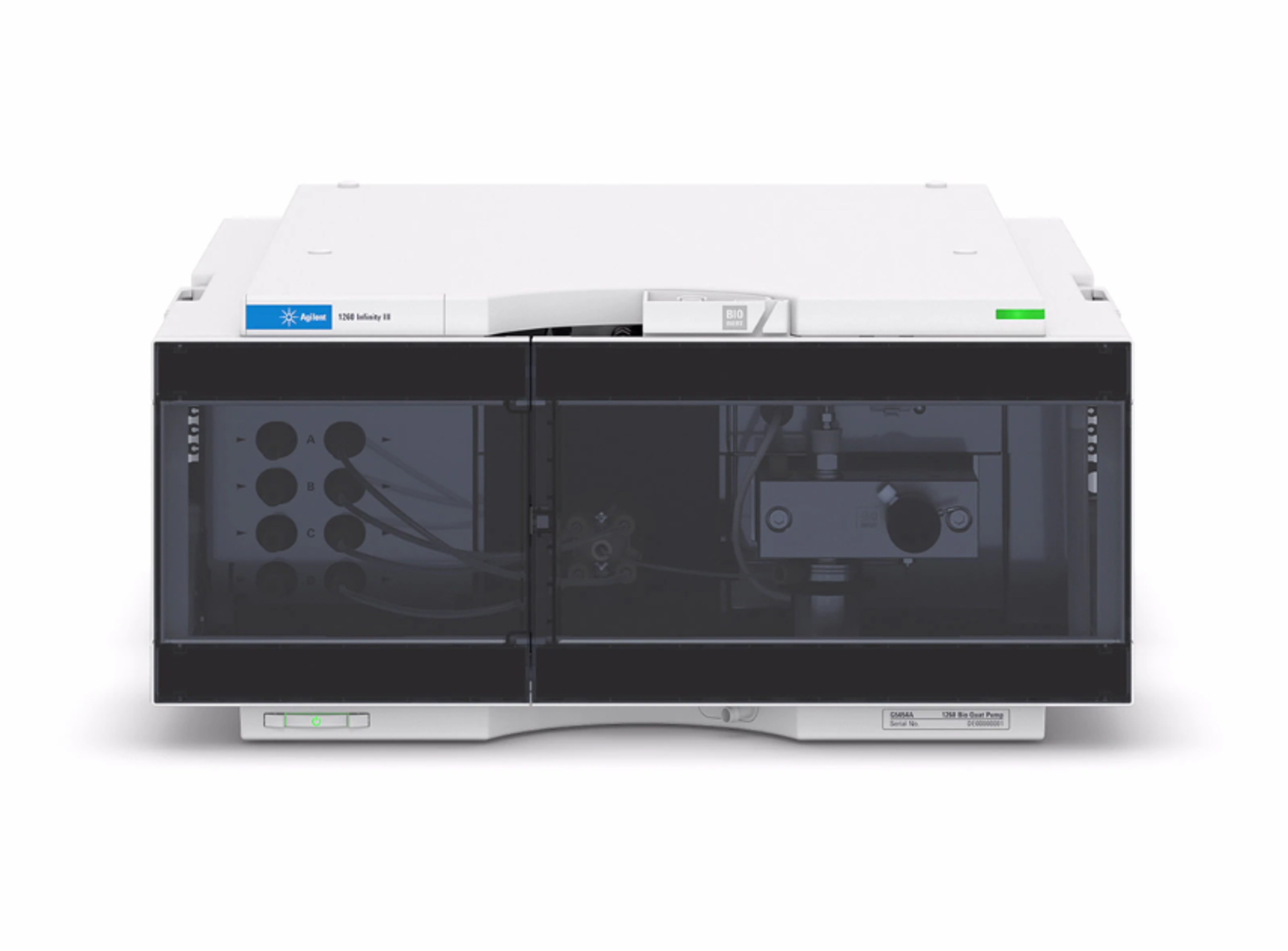
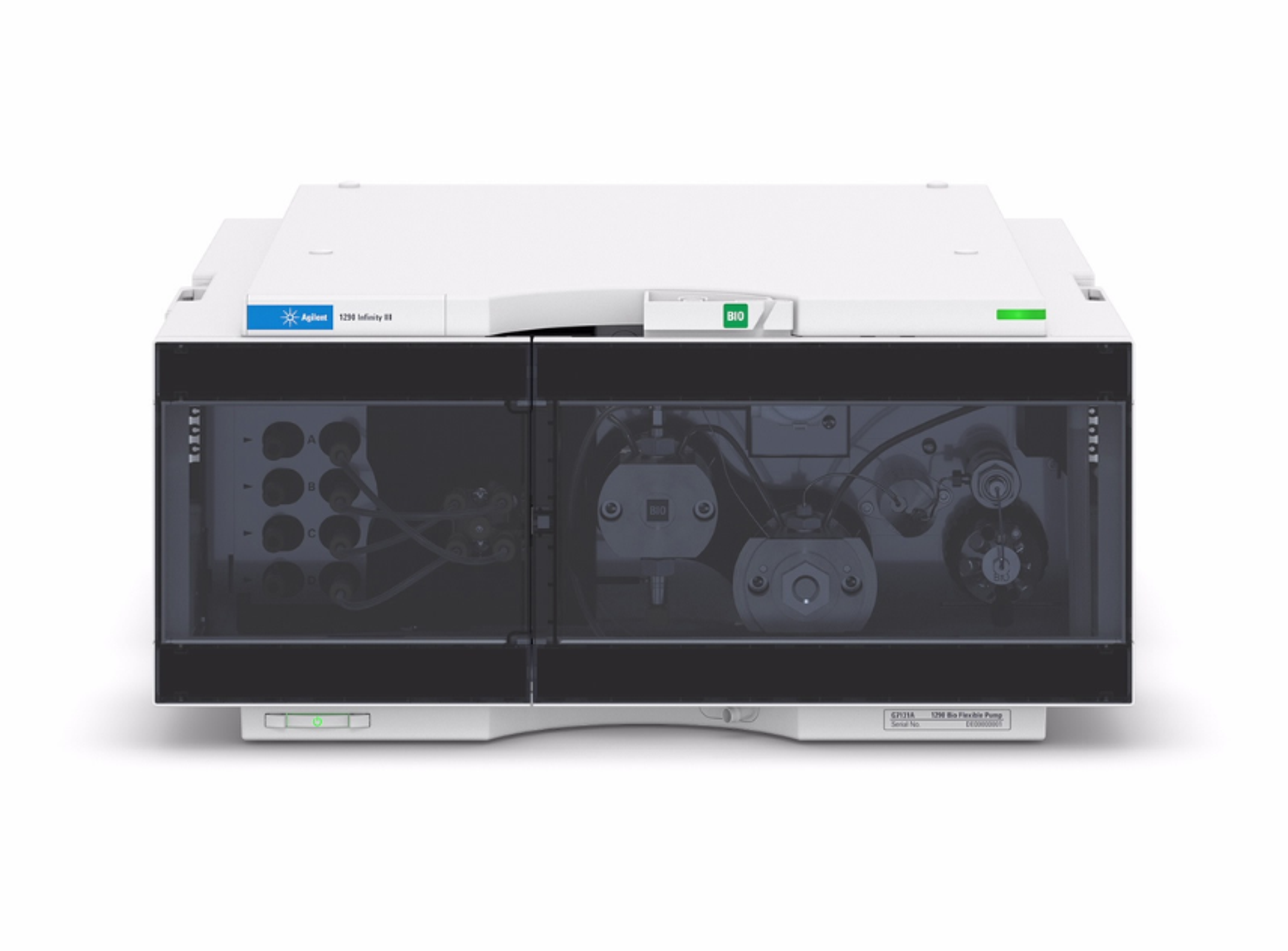
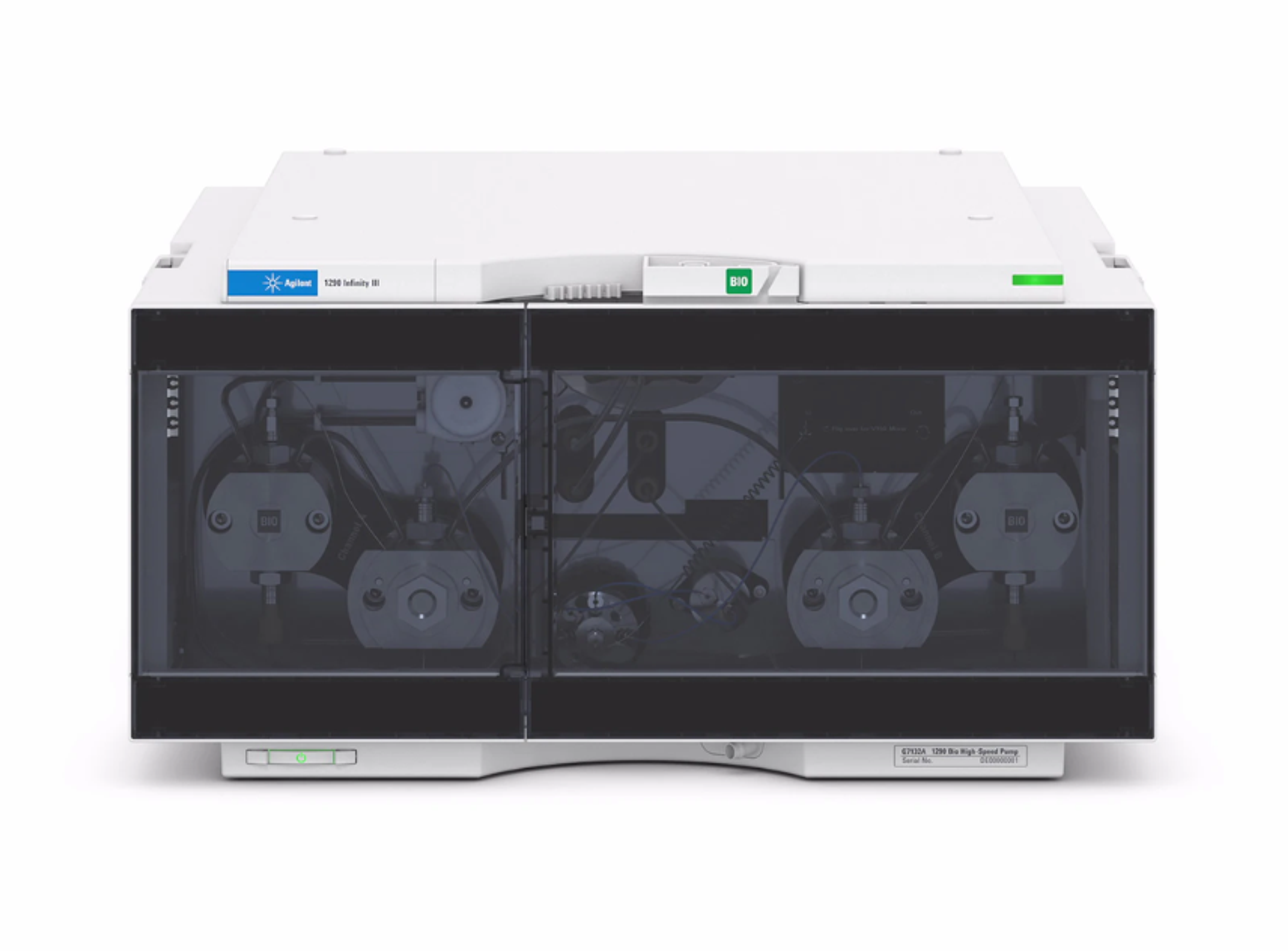
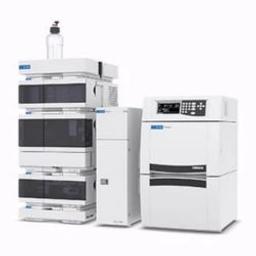
1260 Infinity II Multidetector GPC/SEC System
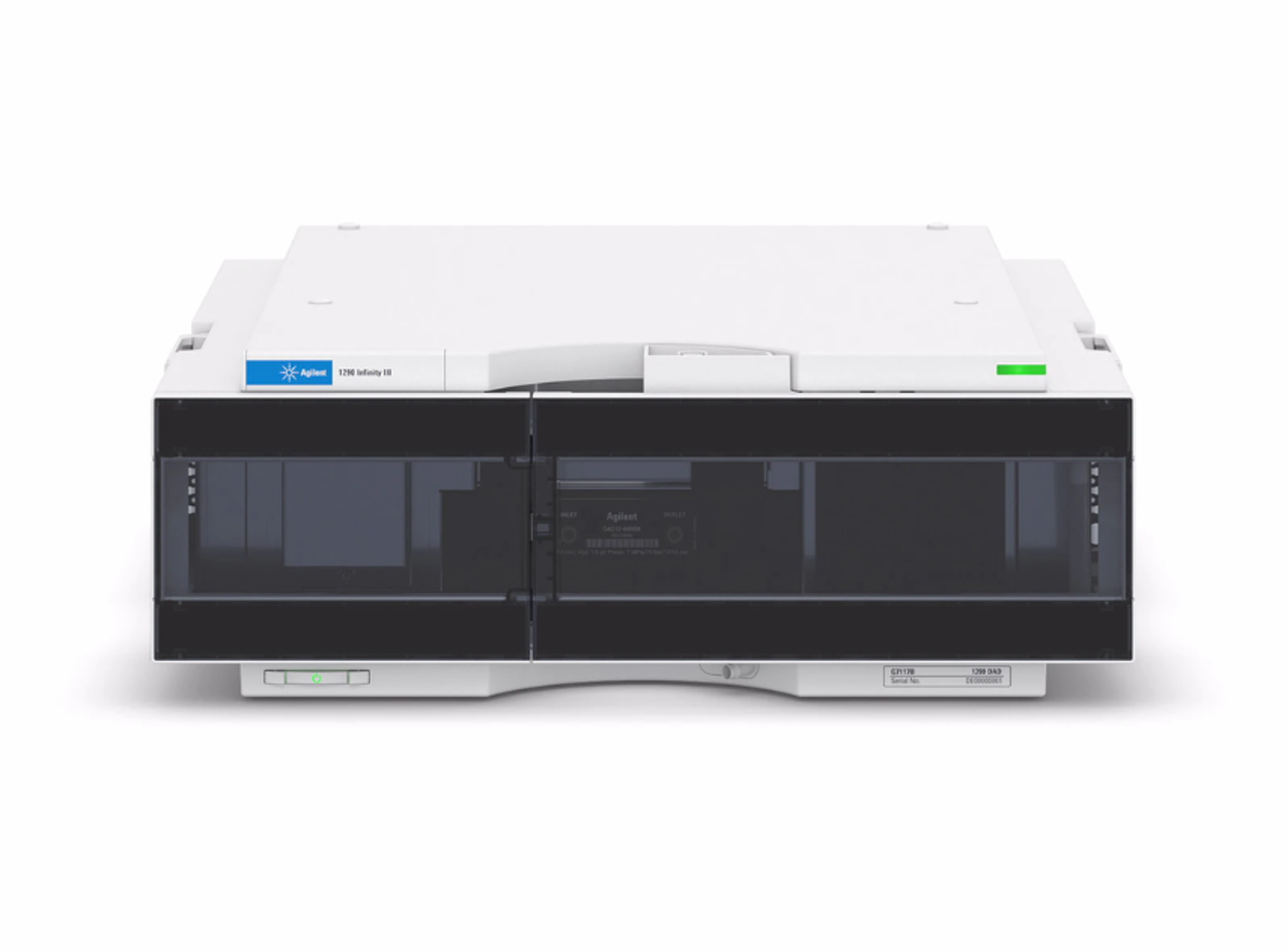
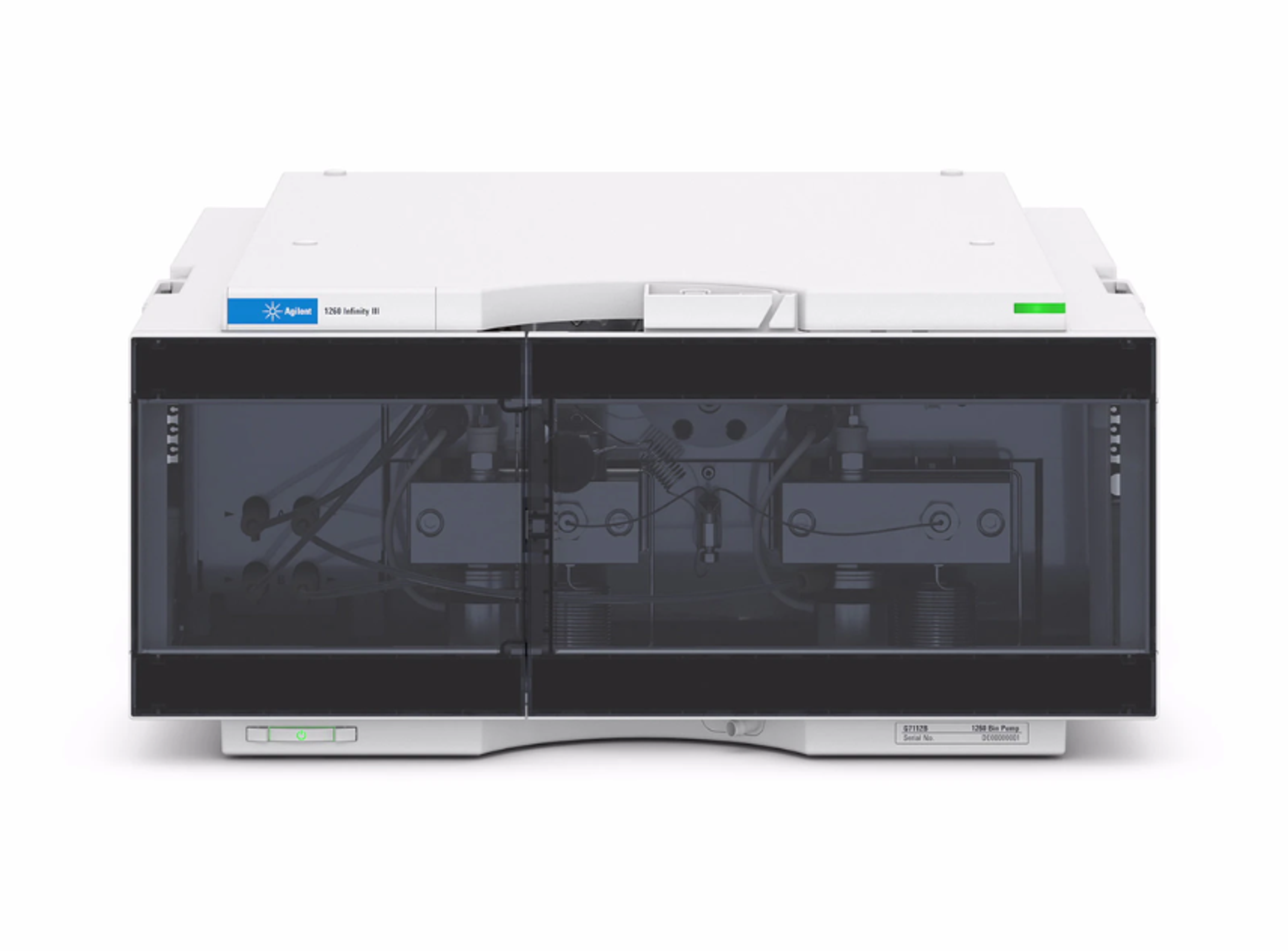
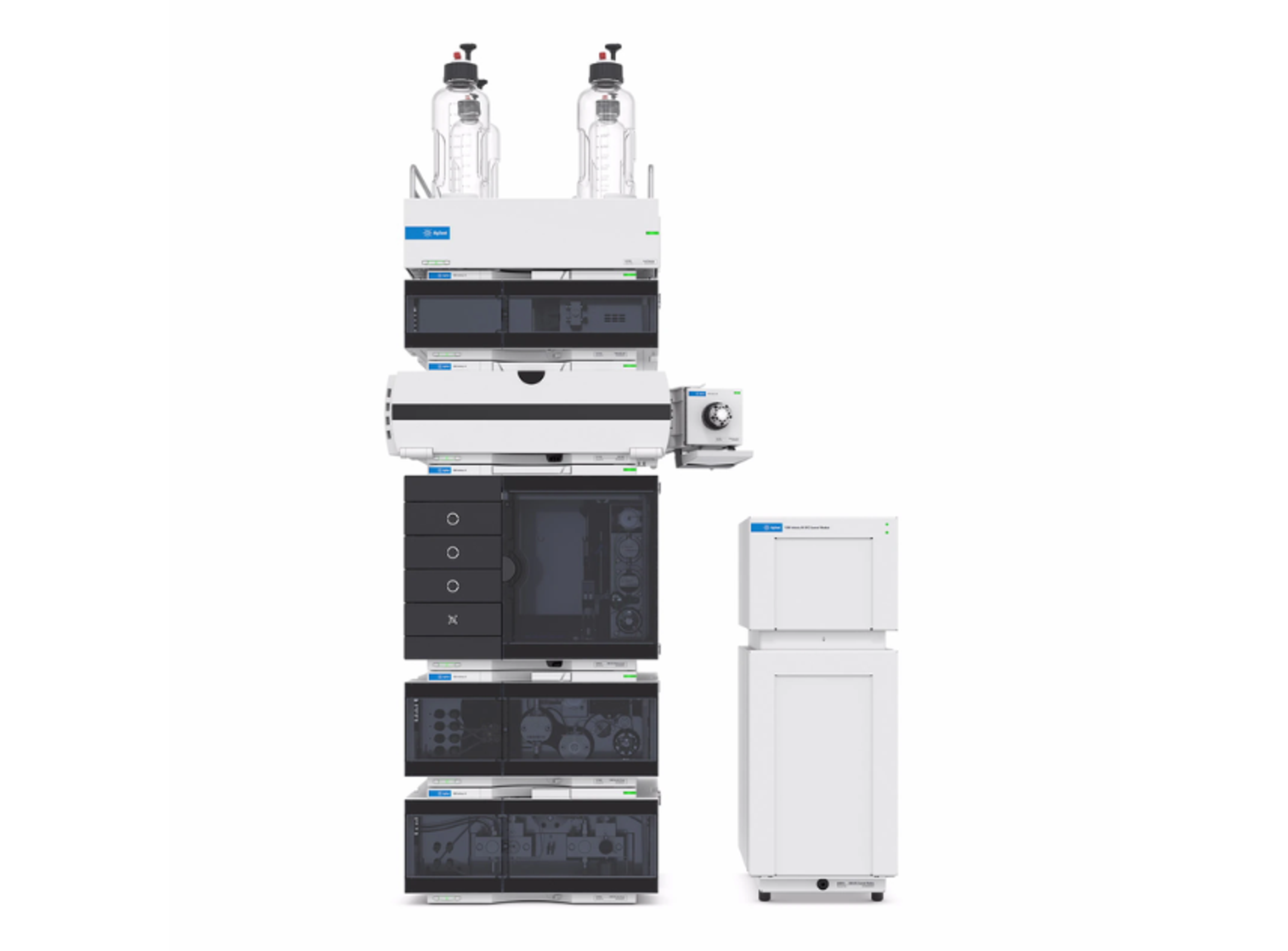
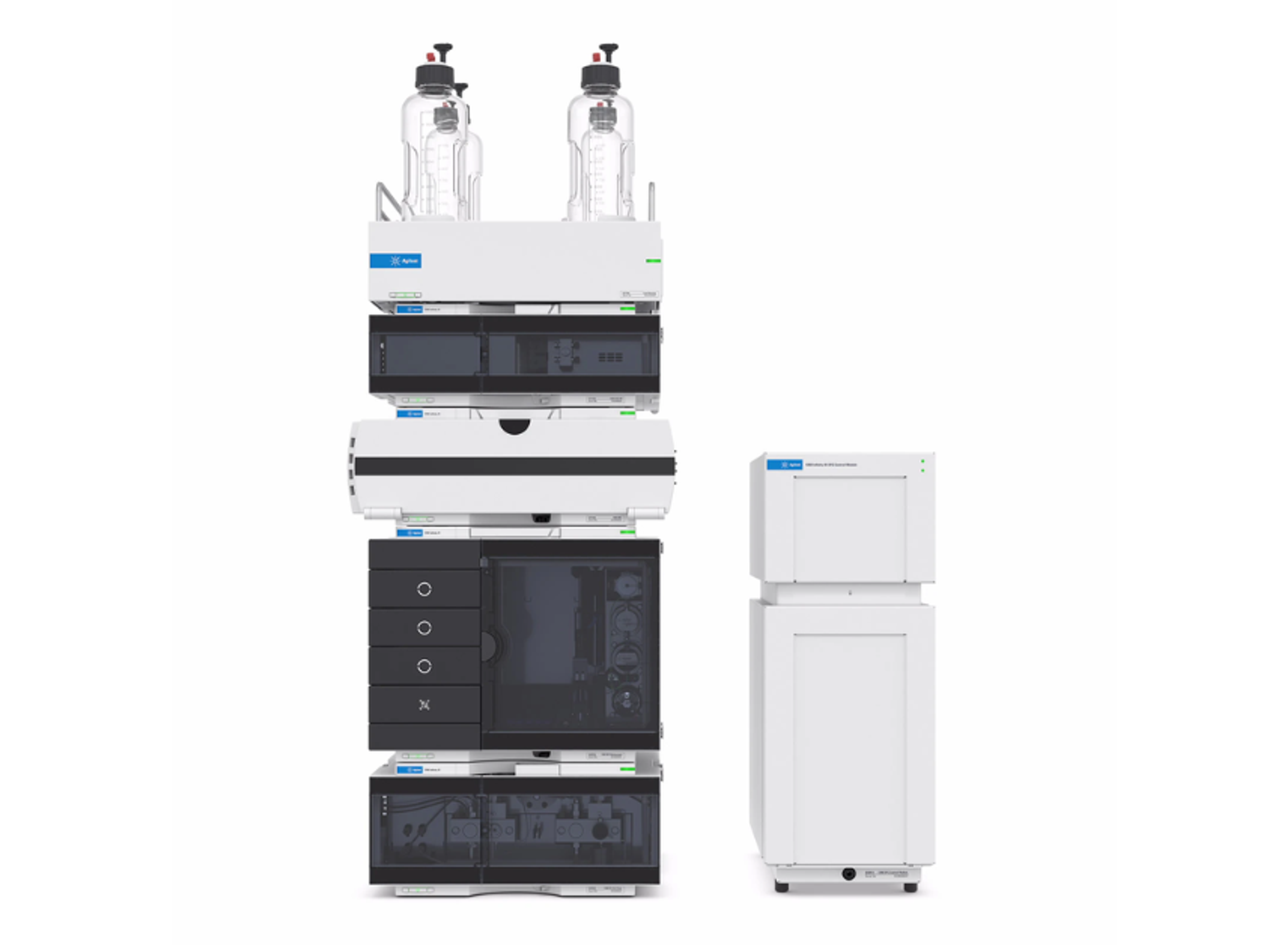
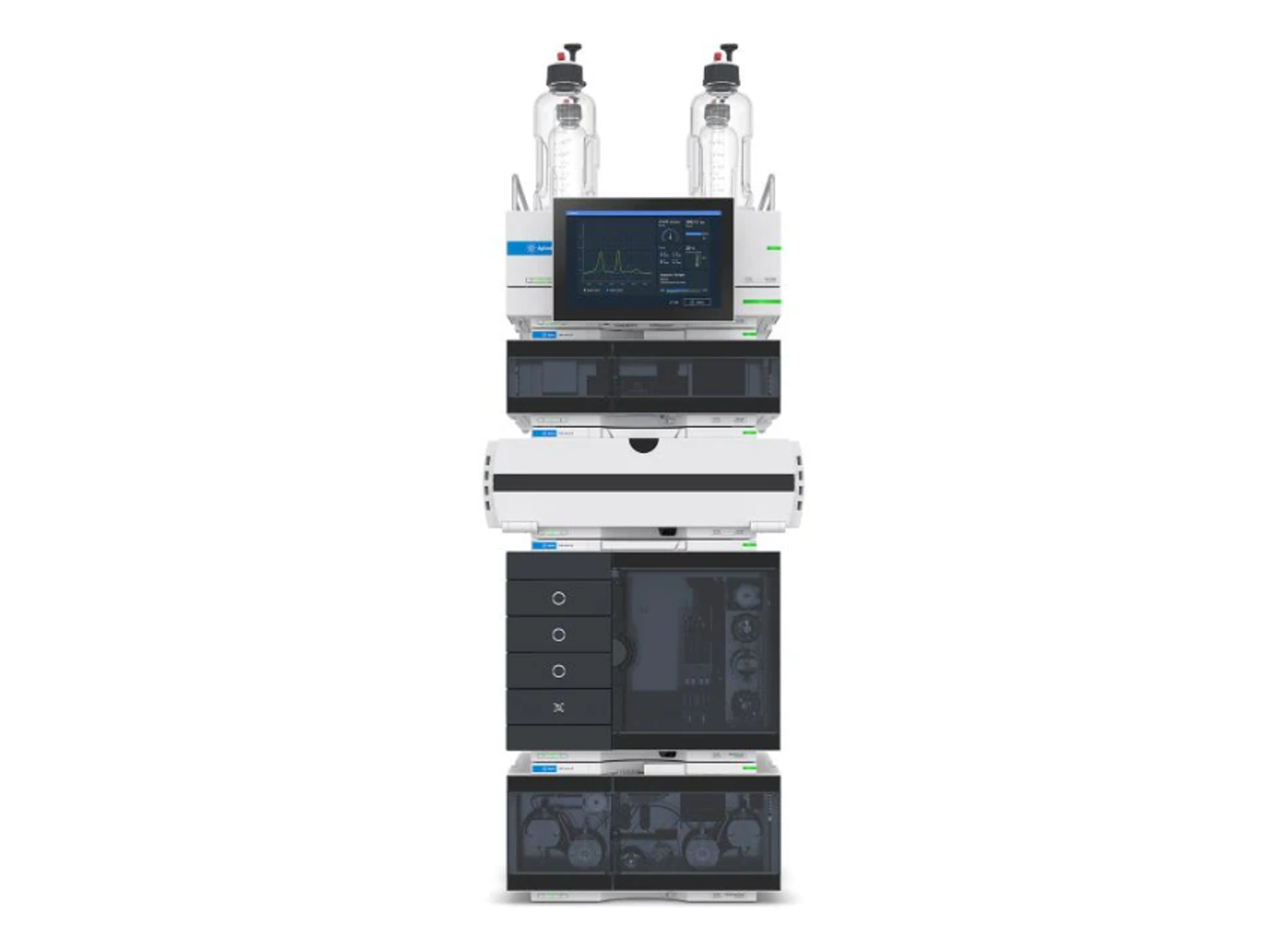
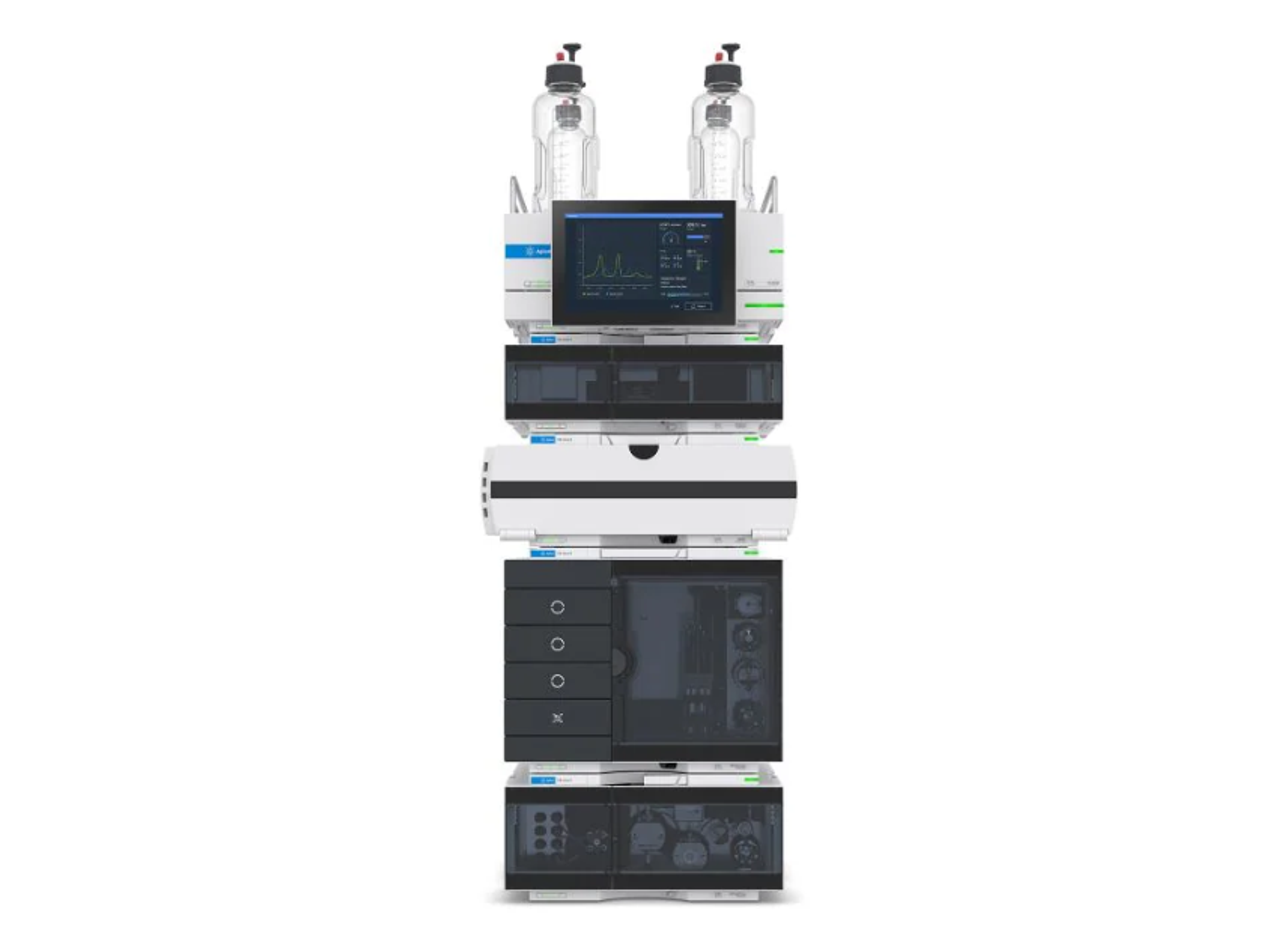
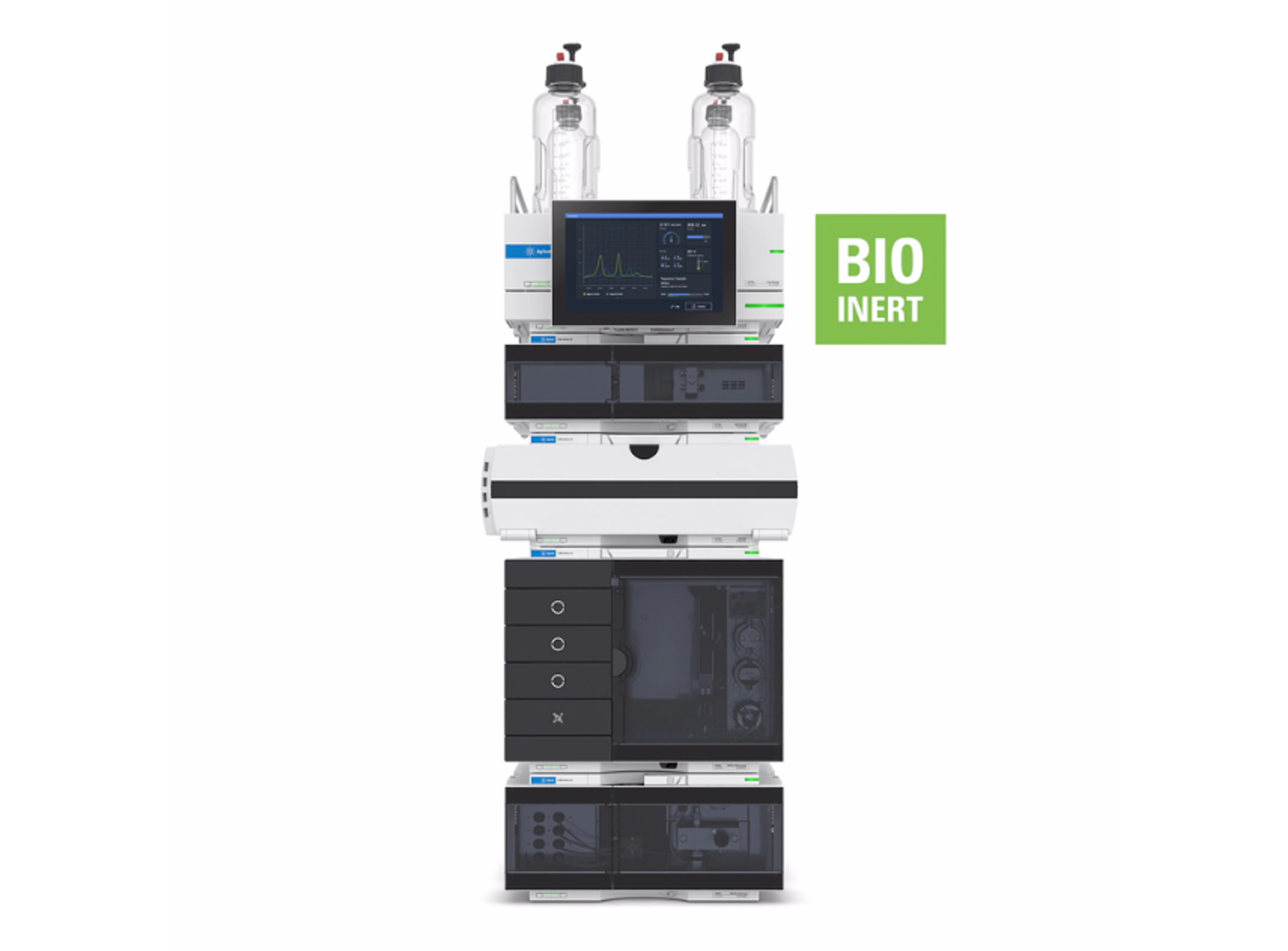
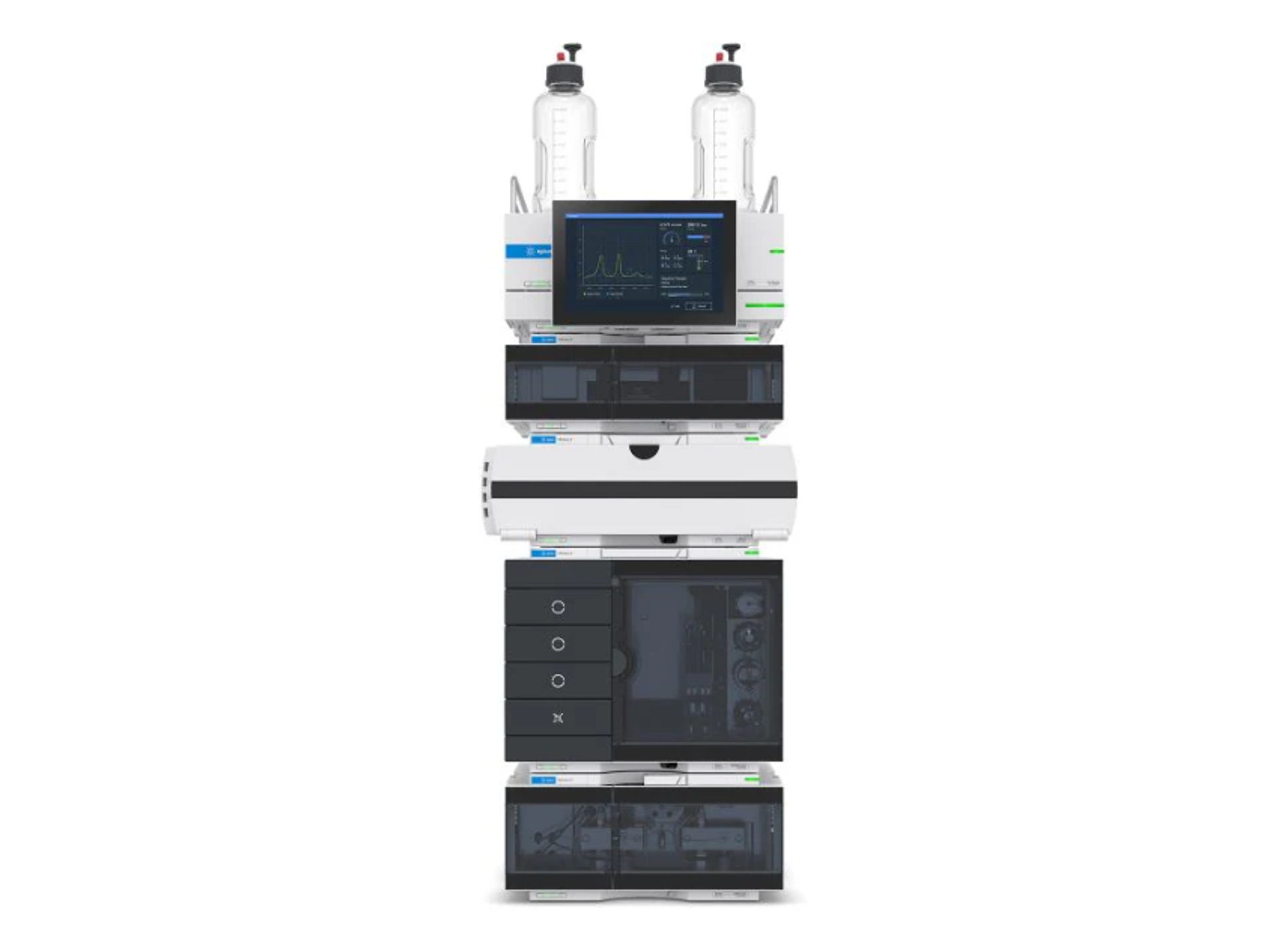
With the 1260 Infinity II Multidetector GPC/SEC System, you can select from any combination of detection by refractive index, light scattering, and viscometry. The system delivers accurate, absolute molecular weights and sizes, and can be used to analyze a wide range of polymers, regardless of molecular weight range or solvent. Each detector has independent temperature control to ensure that high levels of precision and repro…
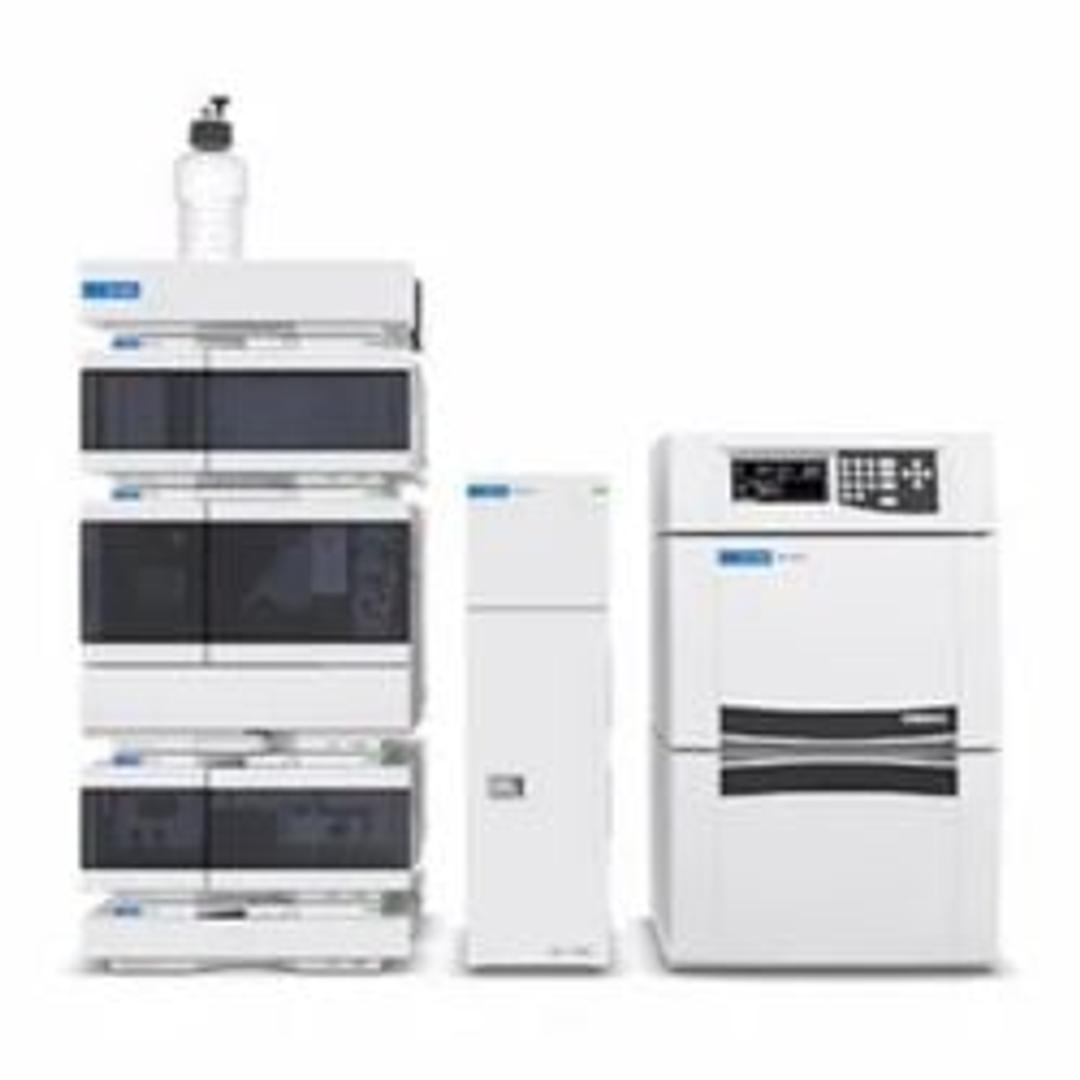
1260 Infinity II Multidetector GPC/SEC System
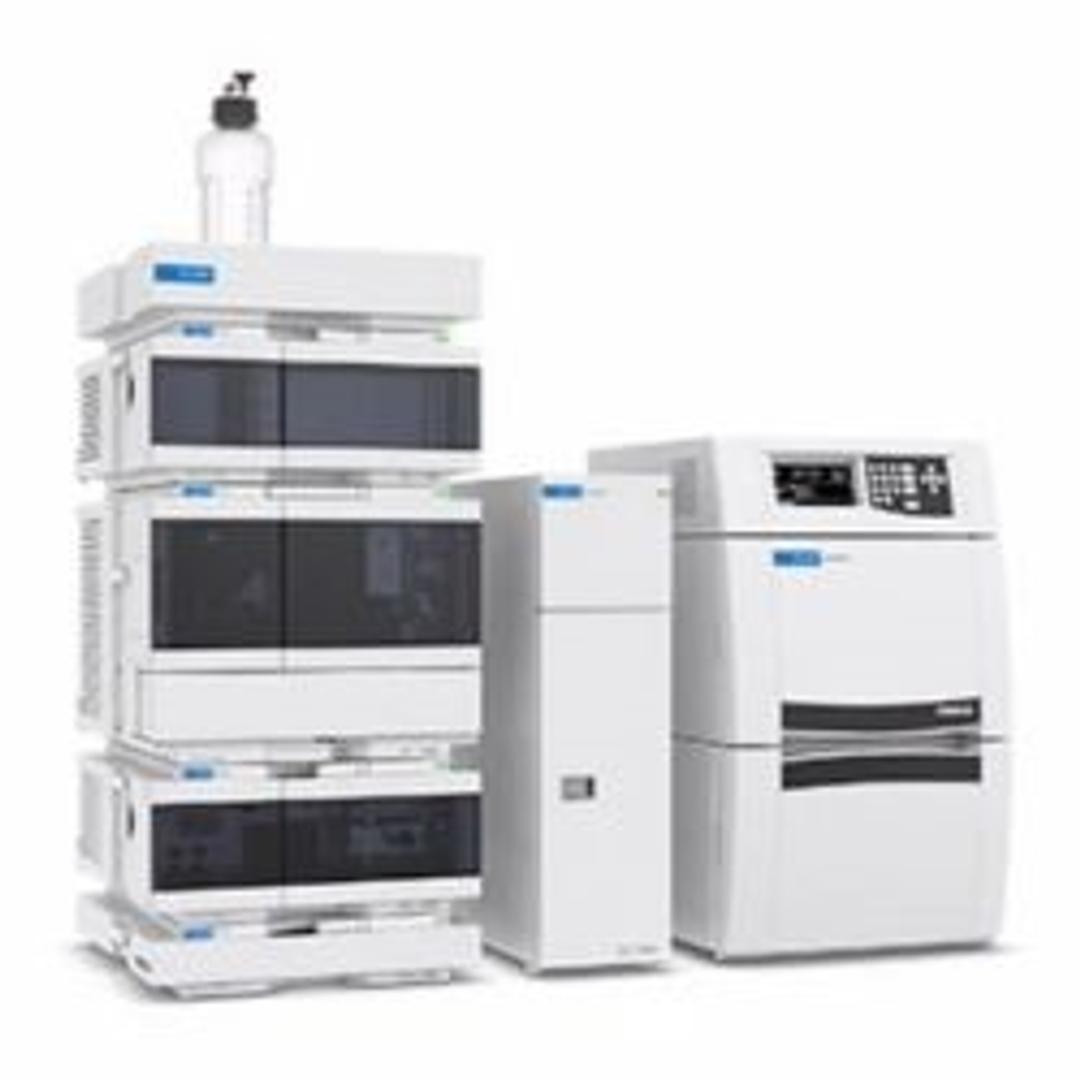
1260 Infinity II Multidetector GPC/SEC System
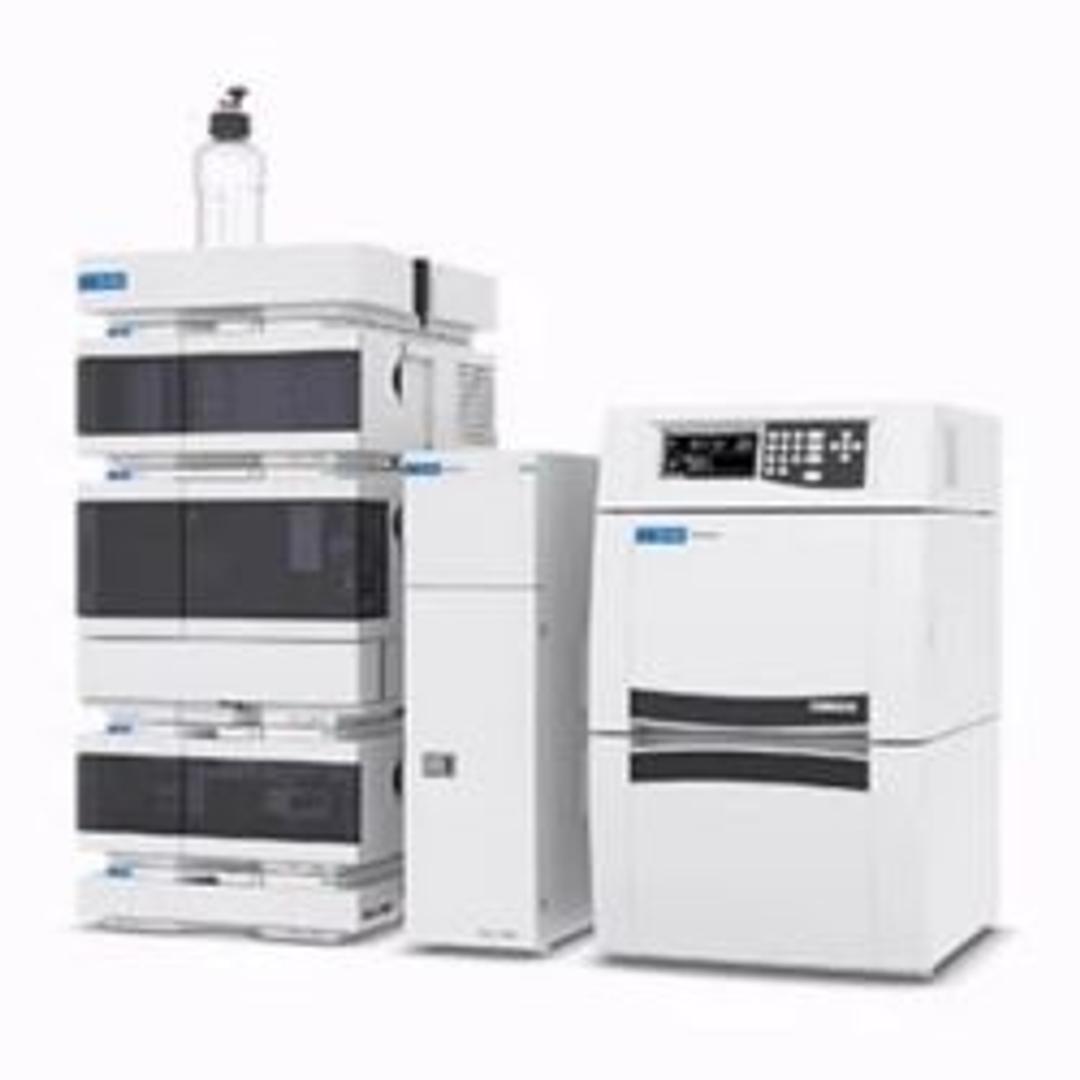
1260 Infinity II Multidetector GPC/SEC System

Receive your quote directly from the manufacturer.
With the 1260 Infinity II Multidetector GPC/SEC System, you can select from any combination of detection by refractive index, light scattering, and viscometry. The system delivers accurate, absolute molecular weights and sizes, and can be used to analyze a wide range of polymers, regardless of molecular weight range or solvent. Each detector has independent temperature control to ensure that high levels of precision and reproducibility can easily be achieved from one day to the next.
Features:
- Accurate molecular weights - light scattering detection does not require column calibration and when combined with PLgel columns delivers perfect results about the true polymer molecular weight, size, shape, and long chain branching
- Accurate size and structure - viscometry can be used to measure Rg (sample radius) and sample structure over a wide molecular weight range extending from millions to tens of daltons, and connects with light scattering to give the ultimate detector combination
- Minimal dispersion - a low-volume light scattering detector flow cell of just 10 μL ensures correct values for polydispersity
- Efficient, reproducible answers - each detector is independently temperature controlled from 30 to 60 °C to ensure high baseline stability and minimal baseline drift
- Fully upgradable - to expand the system’s capabilities, you can upgrade at any time from a single, advanced detector to full triple detection
- Simple instrument operation - in a single software solution you get complete instrument control, data collection, and data analysis from conventional GPC through to triple calculations
- Low molecular weight sample analysis - the viscometer can measure molecular weights down to as low as 100s thanks to the latest advances in silica and pressure transducer technology
- Versatile - any combination of detectors is possible and a touch-sensitive keypad enables easy operation or fast visual inspection of status summary
- Full control through the Agilent GPC/SEC software
- Triple detection delivers the ultimate in polymer analysis - absolute molecular weights are determined by light scattering detection and molecular size and solution behavior comes from the light scattering and viscometry detectors
- Your choice for performance and sustainability: The 1260 Infinity II LC System has received the My Green Lab ACT (Accountability, Consistency, Transparency) label after an independent audit to verify its environmental impact throughout the product life cycle.

Expanding the GPC/SEC experiment beyond conventional limits using viscometry and light scattering detection
In this application note, Agilent presents the Agilent 1260 Infinity Multi-Detector GPC/SEC System, a powerful tool for polymer characterization. The system utilizes signals from a concentration sensitive detector, such as refractive index (RI) or ultra-violet (UV), along with light scattering and viscometry. These signals enable the determination of the absolute molecular weight, size, and shape of the polymer in solution. The application note demonstrates the value of this technique by analyzing three structurally different materials. It highlights the advantages of using multi-detection GPC/SEC to study a range of polymers.
Analysis of star polymers using the Agilent 1260 Infinity Multi-Detector GPC/SEC System
In this application note, Agilent demonstrates the use of the Agilent 1260 Infinity Multi-Detector GPC/SEC System for analyzing star polymers. The system employs a light scattering detector to accurately calculate molecular weights, while a viscometer determines the number of arms in the polymers. The system's exceptional stability and sensitivity allow for distinguishing subtle differences in molecular density that arise from varying numbers of arms in the star polymers.
Multiple Detector Approaches to Protein Aggregation by SEC
Methods are given for the use of Agilent Bio-SEC columns, with LS, UV and RI detection, for quantification or quality control of protein aggregates