
Horiba Scientific Announces New EMCCD and Scientific CMOS Cameras for Low Light Imaging Applications
14 May 2014
HORIBA Scientific, global leader in optical spectroscopy equipment, is pleased to announce the release of three new scientific imaging cameras, e.g., EFiS, AToR and iRiS. These three new cameras are complementing the existing scientific cameras line already offered by HORIBA Scientific. Dedicated to low light imaging applications such as fluorescence imaging, astronomy, X-ray tomography and single molecule detection, the EFiS, AToR and iRiS are the ideal candidates when photons are scarce or when fast temporal acquisition is required. A choice of several software systems is offered with these cameras, depending on the customer budget and application.
The EFiS is a scientific frame transfer EMCCD camera with a 1004x1002 sensor size enabling optimum data resolution. The frame transfer technology adds the benefit of not requiring a mechanical shutter for ultra-fast data acquisition.
The AToR is a scientific interline EMCCD camera with a sensor size of 658x496 pixels. The interline transfer technology allows very short integration times without image smearing. Competitively priced, the AToR is the ideal candidate for low light application with limited budget.
Finally, the iRiS is a 4.2 Megapixel Scientific CMOS camera. The 2048x2048 sensor size enables a large field of view and ultimate image resolution. The iRiS Scientific CMOS camera combines ultra-low noise, extreme sensitivity, wide dynamic range and high resolution.
“The addition of these new cameras enable the Optical Spectroscopy Division of HORIBA Scientific to address the imaging and microscopy markets and complement perfectly our existing line of spectroscopy scientific cameras such as the Synapse, Syncerity or Symphony II,” said Eric Teboul, Director of Optical Spectroscopy Division.
Related products
Request Quote for All Products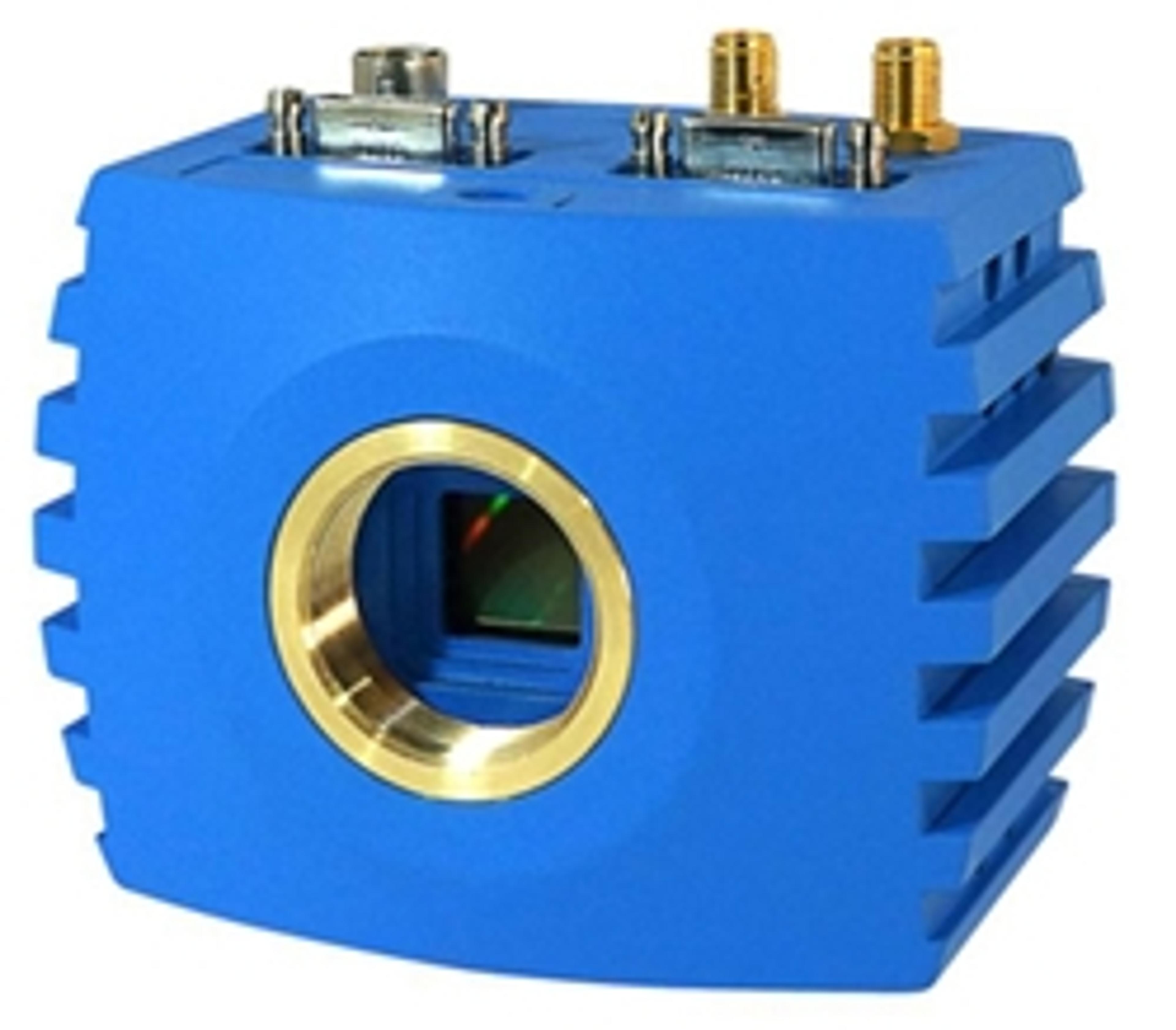
iRiS 4.2 MP Scientific CMOS Camera
HORIBA ScientificThe iRiS is a 4.2 Megapixel Scientific CMOS camera. The 2048x2048 sensor size enables a large field of view and ultimate image resolution. The camera is peltier cooled enabling low dark current.The iRiS Scientific CMOS combines ultra-low noise, extreme sensitivity, wide dynamic range and high resolution. The excellent quantum efficiency of 63% at 500 nm and 34% at 850 nm, makes the iRiS camera the ideal candidate for low light, high resolution measurements.iRiS uses a 12 bit A/D converter and offers a standard CameraLink output to offer the best, most reliable and cost effective interface solution.Features & Benefits: 4.2MP Scientific CMOS sensor - Enables large field of view imaging 5.5µm x 5.5µm - Enables ultra sharp image resolution On-board Non Uniformity Correction (NUC) - Enables highest quality images TE cooling - Optimizes dark current Quantum Efficiency: >63% @ 500nm and >34% @ 850nm - Optimum Photon collection Ultra compact and rugged - Ideal for OEM integration into Life Science instruments Applications: Adaptive Optics and Astronomy Bio & Chemi-luminescence Calcium signaling Fluorescence imaging / spectroscopy Flow cytometry FRET / FRAP / TIRF Genome sequencing High content screening High resolution fluorescence imaging Hyperspectral imaging Live cell imaging Single molecule detection Solar cell inspection X-ray tomography
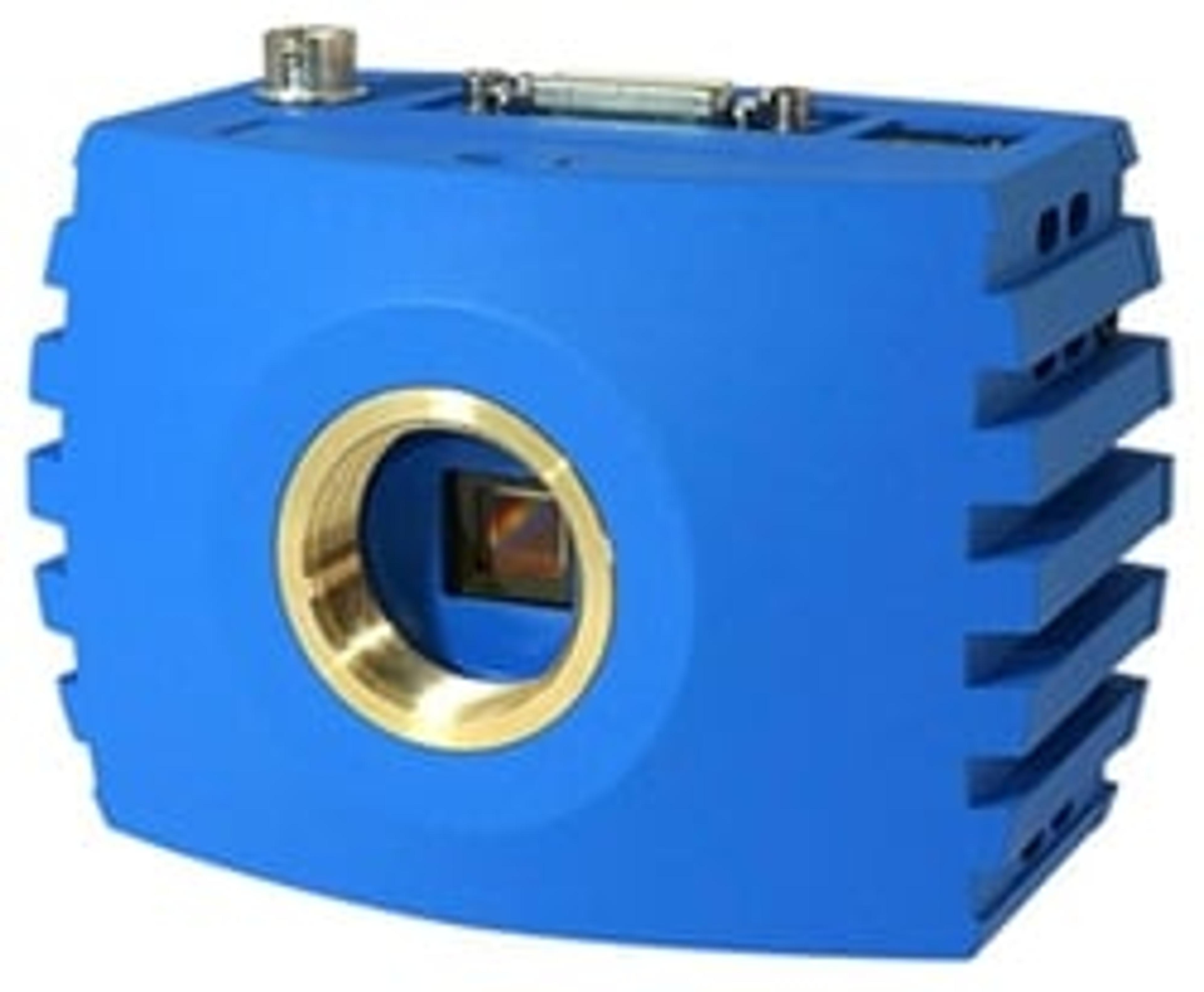
AToR Visible EMCCD Camera
HORIBA ScientificThe AToR EMCCD is a scientific interline EMCCD camera. The 658x496 sensor size enables optimum data resolution while the interline transfer technology allows very short integration times without image smearing as a result of the very quick transfer of signal charge to the lightshielded storage column.The AtoR EMCCD camera provides outstanding performances for low light application and combines high sensitivity, speed and high resolution. It uses a peltier cooled Texas InstrumentsInterline Transfer device which provides QE up to 53%.AToR uses a 16 bit A/D converter and offers a standard CameraLink output to offer the best, most reliable and cost effective interface solution.Features & Benefits: 658 x 496 EMCCD sensor - Enables optimum image resolution in low light imaging applications B/W EMCCD technology - Enables high sensitivity imaging with up to 1000x on-chip gain 16 bit CameraLink output - Provides wide dynamic range 53% QE from Virtual Phase sensor - Optimum Photon collection Frame Interline Transfer (FIT) - No mechanical shutter required, less smear at shorter exposures High frame rate imaging - Enables capture of fast events Applications: Adaptive Optics and Astronomy Calcium signaling Fluorescence imaging / spectroscopy Flow cytometry FRET / FRAP / TIRF Genome sequencing High content screening High resolution fluorescence imaging Hyperspectral imaging LIBS Live cell imaging Single molecule detection Solar cell inspection X-ray tomography
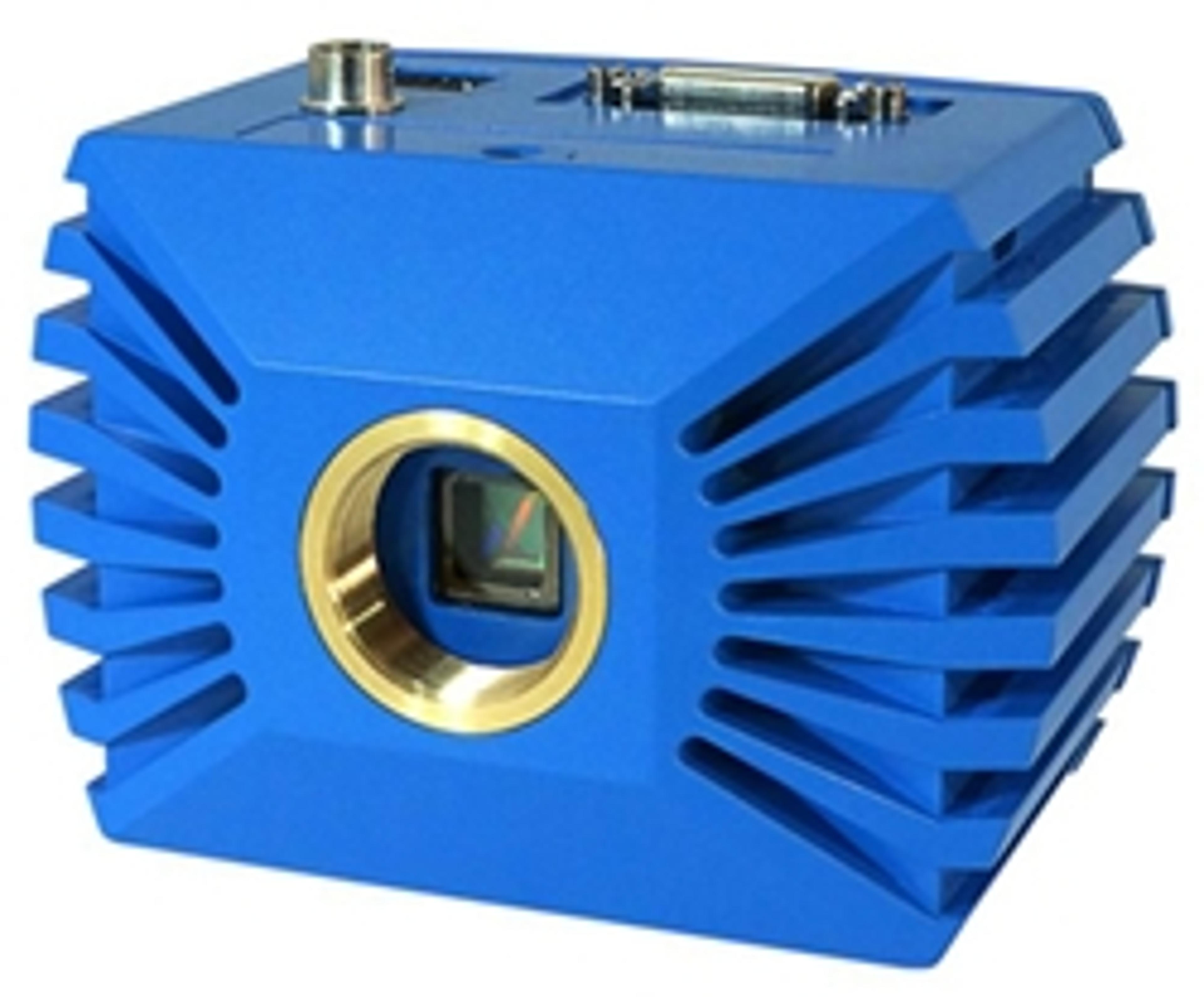
EFiS UV EMCCD Camera
HORIBA ScientificThe EFIS UV EMCCD is a scientific frame transfer EMCCD camera. The 1004x1002 sensor size enables optimum data resolution while the frame transfer technology adds the benefit of not requiring shuttering of the incident light. The EFIS UV EMCCD camera combines high sensitivity, speed and high resolution. It uses a peltier cooled Texas Instruments' 1 MegaPixel Frame Transfer Impactron device which provides QE up to 65%. The front fused Silica window allows data acquisition down to 180nm. EFIS uses a 16 bit A/D converter and offers a standard CameraLink output to offer the best, most reliable and cost effective interface solution.Features & Benefits: 1004 x 1002 EMCCD sensor - Enables optimum image resolution in low light imaging applications B/W EMCCD technology - Enables high sensitivity imaging with up to 1000x on-chip gain UV Transmission with a Fused Silica window - Offering transmission down to 180nm 16 bit CameraLink output - Provides wide dynamic range 65% QE from Virtual Phase sensor - Optimum Photon collection Frame Transfer - No mechanical shutter required, vibration-less CCD readout Applications: Adaptive Optics and Astronomy Bio & Chemi-luminescence Calcium signaling Fluorescence imaging / spectroscopy Flow cytometry FRET / FRAP / TIRF Genome sequencing High content screening High resolution fluorescence imaging Hyperspectral imaging LIBS Live cell imaging Single molecule detection Solar cell inspection X-ray tomography