Helping in the fight against brain tumors
13 Jun 2021
Product news
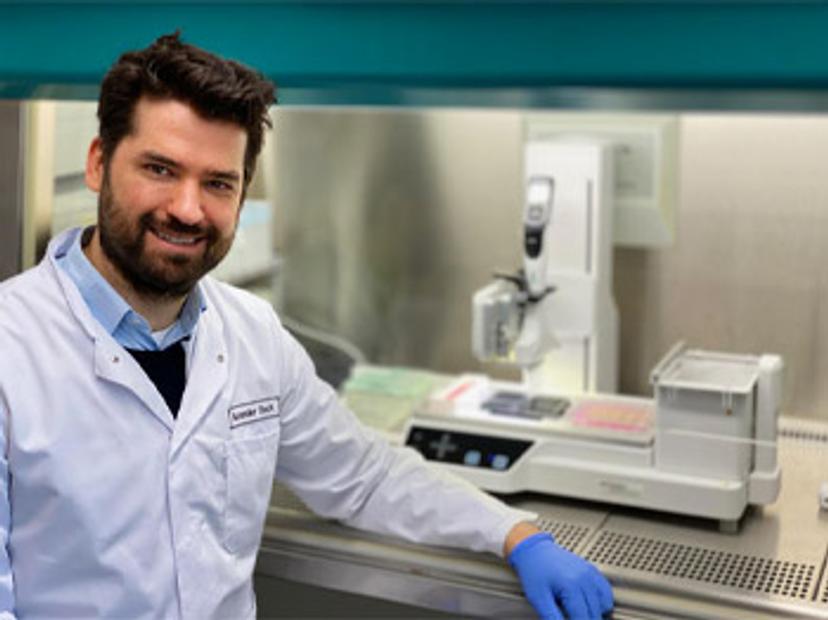
Childhood brain tumors are rare but, despite all the progress made over recent years, they are often associated with poor prognoses and low survival rates.
Dr. Alexander Beck worked as a fellow in pediatric neuro-oncology in Boston, USA, before returning to his native Germany to set up a lab dedicated to research into pediatric brain tumors and drug translation at the Ludwig Maximilian University of Munich. He explained: “Most of our work is funded by donations and every donation counts. Our main focus is on diffuse intrinsic pontine glioma, a brain tumor that usually affects children between five and nine years of age, with no significant long-term survival beyond five years. Progress in this area is very difficult, and so the emphasis is on the rapid translation of drugs that we can give children now, looking at approved drugs that we can repurpose, as well as working with pharmaceutical companies to develop new therapeutics.”
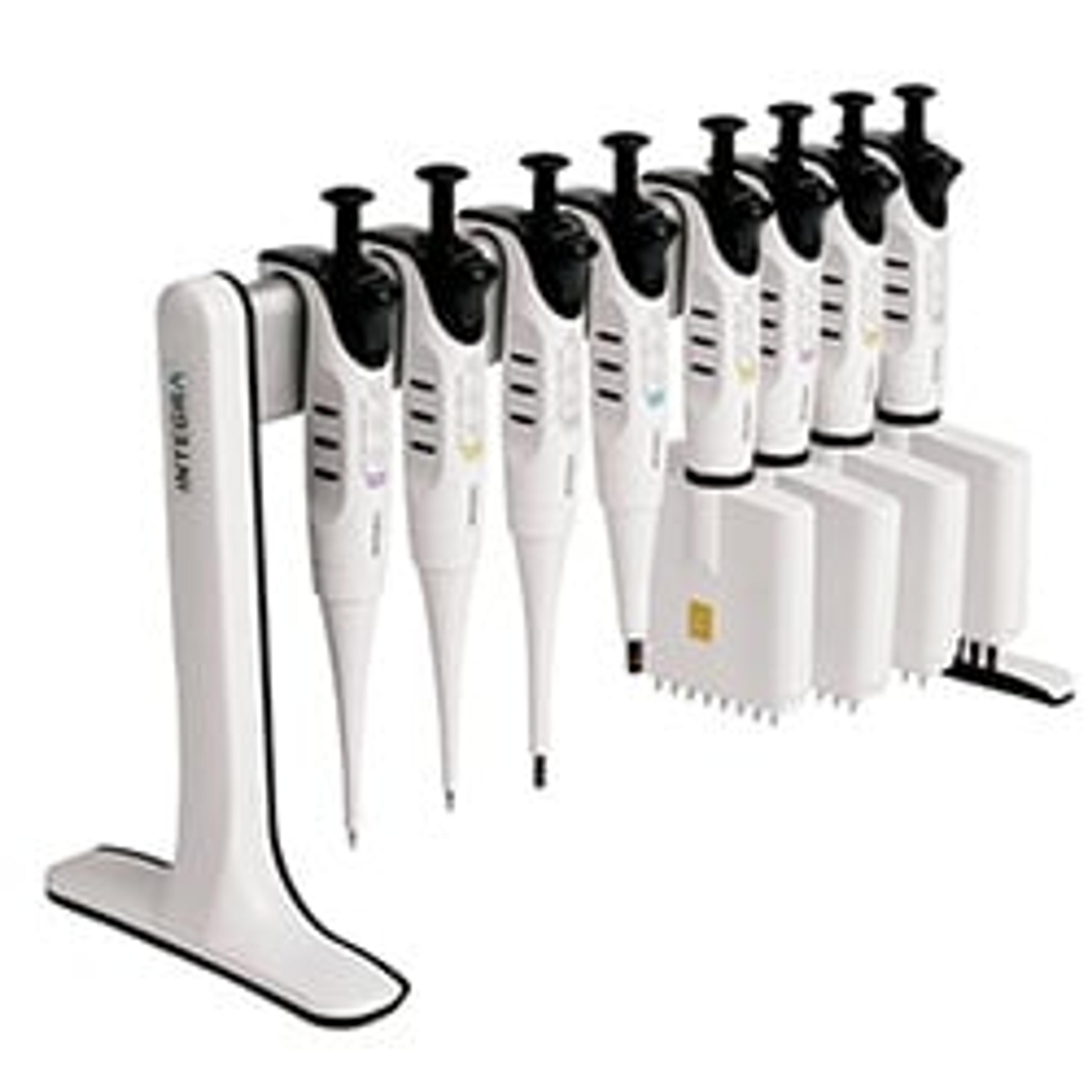
The INTEGRA family of products – including VOYAGER adjustable tip spacing pipettes, the ASSIST PLUS pipetting robot, EVOLVE manual pipettes and the PIPETBOY acu 2 pipette controller – were part of the lab from the very start. Alexander continued: “We needed to purchase a range of equipment to set up our facility, and I began by acquiring a VACUBOY for liquid aspirations. The INTEGRA team then introduced me to their other products, and I purchased an ASSIST PLUS pipetting robot, as well as EVOLVE and VOYAGER pipettes and several PIPETBOY acu 2.”
Supporting drug development and efficacy
“Our lab assesses drugs in terms of their efficacy on tumor cells, blood-brain barrier penetration, toxicity and, on a deeper level, the tumor biology,” said Alexander. “To do this, we use tumor models derived from preclinical patient biopsy samples, as well as quite sophisticated brain organoid cultures, which are biologically very close to what we see in the primary tissue. Alongside this, we have blood-brain barrier models that allow us to test a drug’s ability to cross from the blood into the brain, as well as methods to study the neurotoxic potential of drugs to understand dose-limiting toxicities. These results are communicated to the clinicians on a case-by-case basis, as part of a highly individualized treatment approach. Although we don’t run huge preclinical trials, we try to keep the major clinical centers informed of our findings, as this allows them to use these drugs in broader clinical trials to evaluate the potential significance of our results. In cases with an extremely poor prognosis, we can even recommend drugs that are in the very early stages of clinical development, although we still need some human toxicity data before suggesting treatment.”
Project-changing equipment
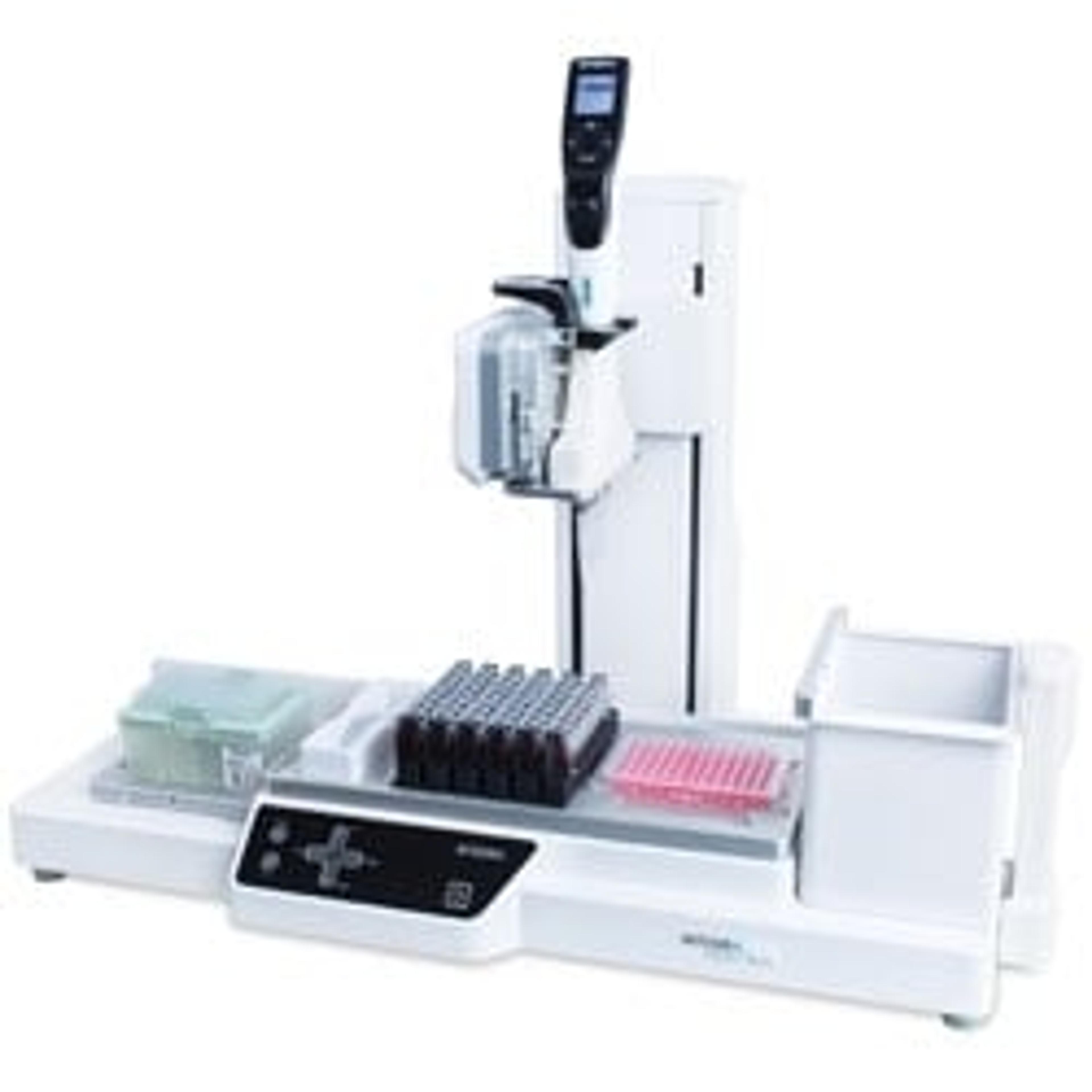
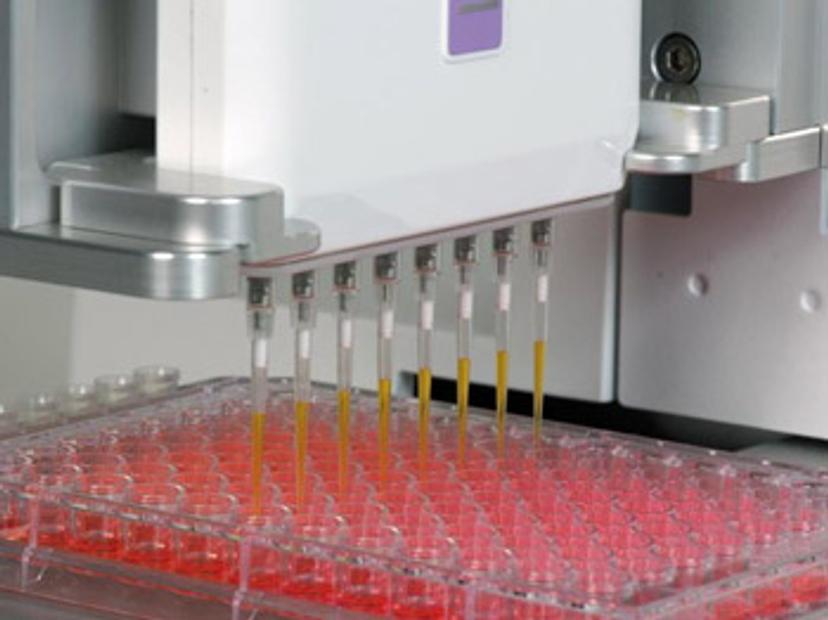
“The ASSIST PLUS pipetting robot is without doubt the system that has had the most impact on our work; I don’t think there is anything else out there with the same capabilities, especially for its price point. We do a large amount of cell culture, and have set up an ASSIST PLUS workflow to test a lot of drugs weekly. Initially, we seed 96 or 384 well plates of tumor cells, then perform drug dilutions and the drug treatment. Finally, the system is used for the viability assay. We can test 20 to 30 plates a week – a much higher throughput than manual processing, where we could process two plates a week – and, at the same time, free up time for other tasks thanks to its automation abilities.”
Creating automated pipetting protocols is straightforward with the ASSIST PLUS pipetting robot and VIALAB software. Alexander added: “The software is super intuitive – it’s as easy to use as a smartphone – and it also lets us simulate programs, helping to prevent mistakes before they are made. Medical students don’t always have a lot of lab experience but, thanks to our automation, we just have to teach them basic cell culture techniques. The rest is then carried out by the robot, which is a huge benefit in terms of reproducibility.”
Improving precision and productivity
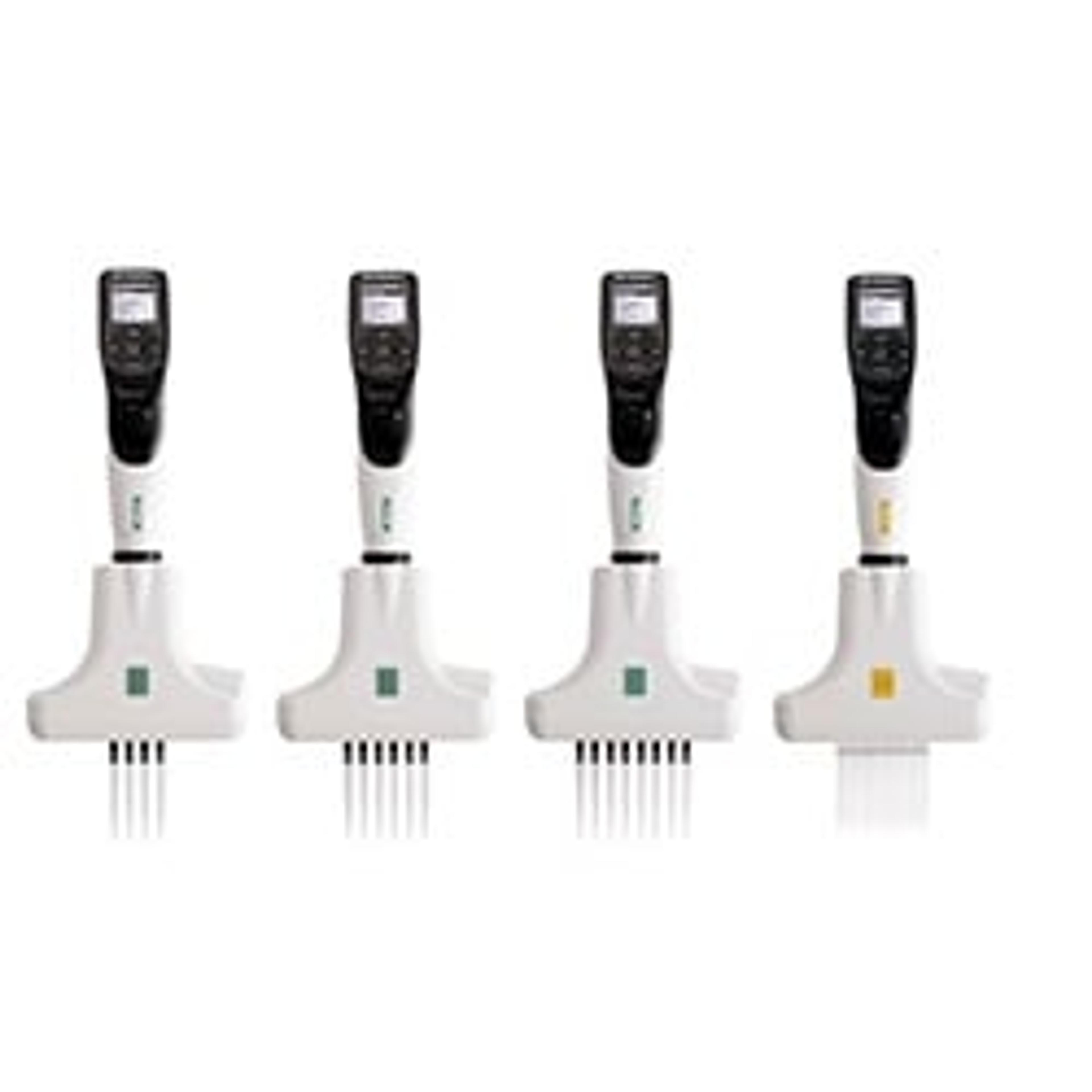
Using the VOYAGER pipettes on the ASSIST PLUS has increased throughput, as well as making the process much faster and more accurate. “We are now optimizing the use of a six channel VOYAGER with wide bore tips on the ASSIST PLUS, to transfer embryoid bodies from 96 to 24 well plates. Automating this process would ensure that no embryoid body is missed and could reduce the workflow from hours to just a matter of minutes. Previously, this had to be done with a single channel pipette, transferring the bodies one by one; it wasn’t even possible using a fixed space multichannel pipette due to the difference in spacing between the well plates.”
Automation isn’t the only way that INTEGRA helps to improve life in the lab. Traditional pipettes use a single rotating plunger to set volumes – a tedious process, especially when switching from lower to higher volumes. In contrast, EVOLVE pipettes feature three quick set dials, one for each of the three volume digits. Alexander commented: “The EVOLVE pipettes make such a difference to our work too; the quick set dials allow us to change dispensing volumes with ease, making our workflows faster and more streamlined. We have over 30 of these pipettes now and they are very comfortable to handle. The GripTips pipette tips are very beneficial too. When you're conducting as much work as we are, it’s great to know that you don’t have to worry about losing tips or samples! Although translational research for brain tumors is certainly a challenging field, our INTEGRA portfolio is helping us along the way,” concluded Alexander.
Find out more about Alexander and his work and learn more about Alexander's research on preclinical models of pediatric neurooncology here.
Do you use INTEGRA products in your lab? Write a review today for your chance to win a $400 Amazon Gift Card>>