
Accurately Detect and Quantify 204 Pesticides of Global Food Safety Concern by LC-MS/MS
26 Apr 2017
Stop spending your time and money developing LC-MS/MS multi-residue pesticide methods and mixing reference standards when you could be running samples! Restek’s trusted food safety experts have already done the work for you—with guaranteed accuracy and at a lower cost.
Restek’s new certified reference materials (CRMs) for LC-MS/MS multi-residue pesticide analysis eliminate the need to source, purchase, and store individual materials along with the need to prepare your own mixes. Choose separate ampuls for mix-and-match customization or a complete kit that contains 204 compounds of interest, covering many LC-determined pesticides listed by government agencies. Designed for maximum shelf life, stability, and chromatographic performance, each standard ships with support documentation detailing Restek’s rigorous in-house quantitative testing. They even offer an optimized multi-residue pesticide method—including conditions and downloadable transition tables—free of charge.
Set up, verify, and validate your pesticide-screening methods in less time, with proven confidence, and at a significantly reduced cost by turning to Restek’s ISO-accredited labs for your LC-MS/MS multi-residue pesticide certified reference materials. For added convenience and unbeatable results, also consider their internal standards, Ultra and Pinnacle® DB LC columns, and Q-sep™ QuEChERS sample prep products.
Related Products
Request Quote for All Products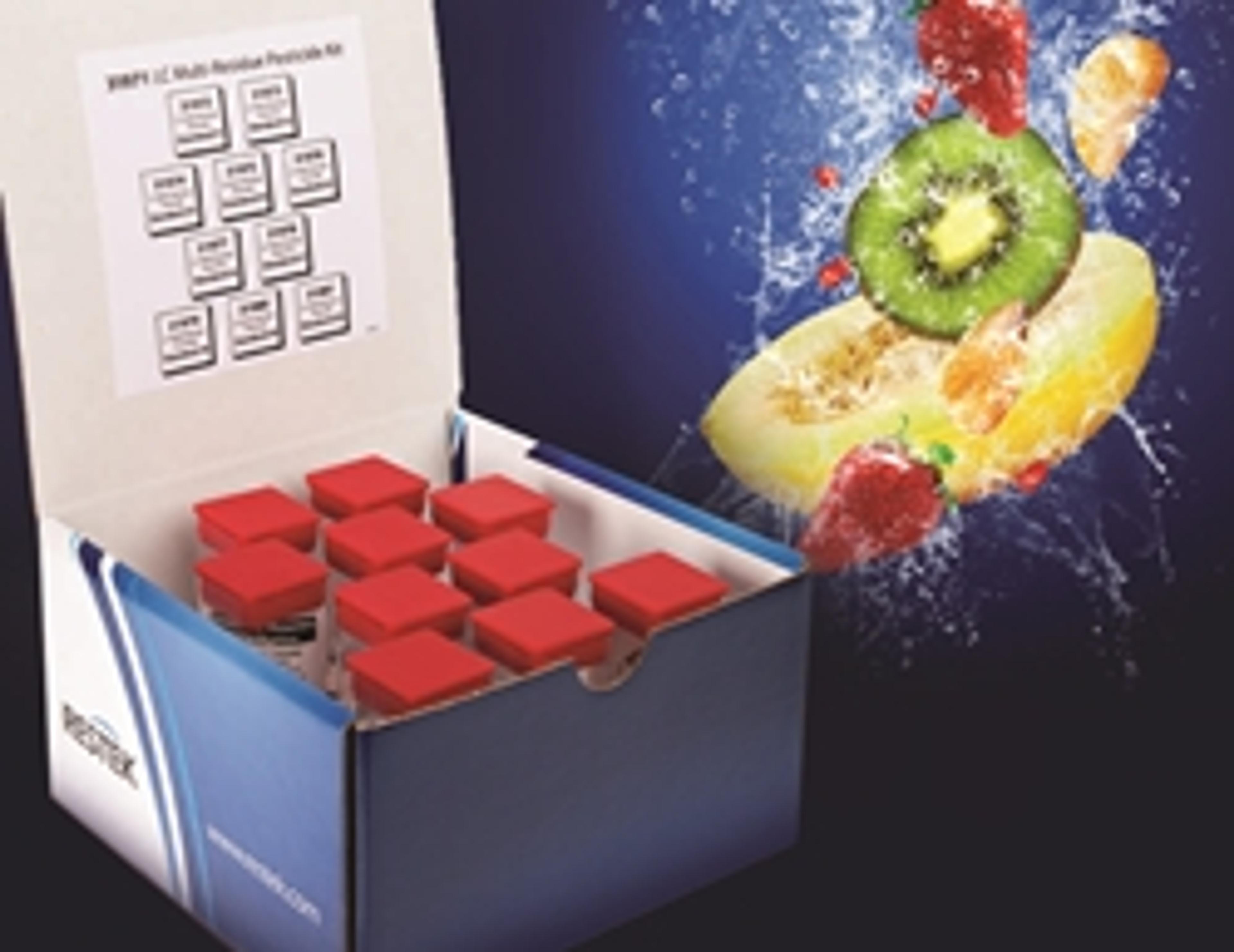
LC Multi-Residue Pesticide Kit
Restek Corp.Stop spending your time and money developing LC-MS/MS multi-residue pesticide methods and mixing reference standards when you could be running samples. Restek’s trusted food safety experts have already done the work for you—with guaranteed accuracy and at a lower cost.
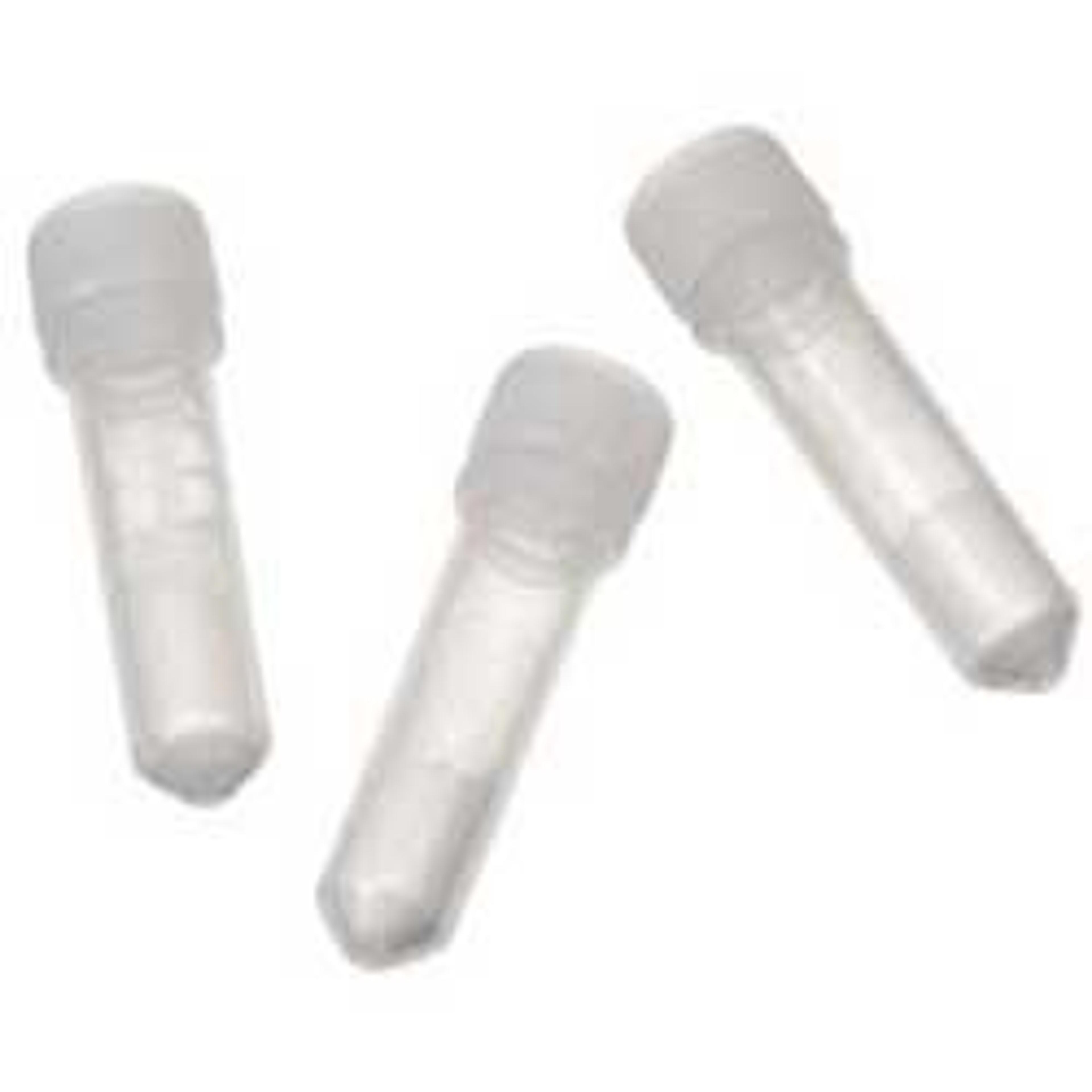
Q-sep™ QuEChERS Tubes
Restek Corp.Q-sep™ QuEChERS Tubes for Pesticide Residue Analysis • Fast, simple sample extraction and cleanup using dSPE. • Fourfold increases in sample throughput. • Fourfold decreases in material cost. • Convenient, ready to use centrifuge tubes with ultra pure, preweighed adsorbent mixes. Quick, Easy, Cheap, Effective, Rugged, and Safe, the QuEChERS ("catchers") method, developed by the USDA Eastern Regional Research Center, has become very popular for extraction and clean-up of pesticide residue samples. Our products are available in three centrifuge tube sizes to meet the needs of both extraction and cleanup of a wide variety of sample matrices following various methods. The researchers developed a simple two-step procedure. First, the homogenized samples are extracted and partitioned, using an organic solvent and salt solution. Then, the supernatant is further extracted and cleaned, using a dispersive SPE technique. Multiple adsorbents are placed in a centrifuge tube, along with the 1mL of organic solvent and the extracted residues partitioned from step 1. The contents are thoroughly mixed, then centrifuged, producing a clean extract ready for a variety of GC or HPLC analytical techniques. Validation and proficiency data for the QuEChERS method are available for a wide variety of pesticides in several common food matrices on their website.