
Formlabs create 3D printed nasal swabs during emergency shortage situation

With medical equipment in short supply, the 3D printing company steps up in coronavirus crisis

15 Apr 2020

Diane Li
Assistant Editor

Industry news

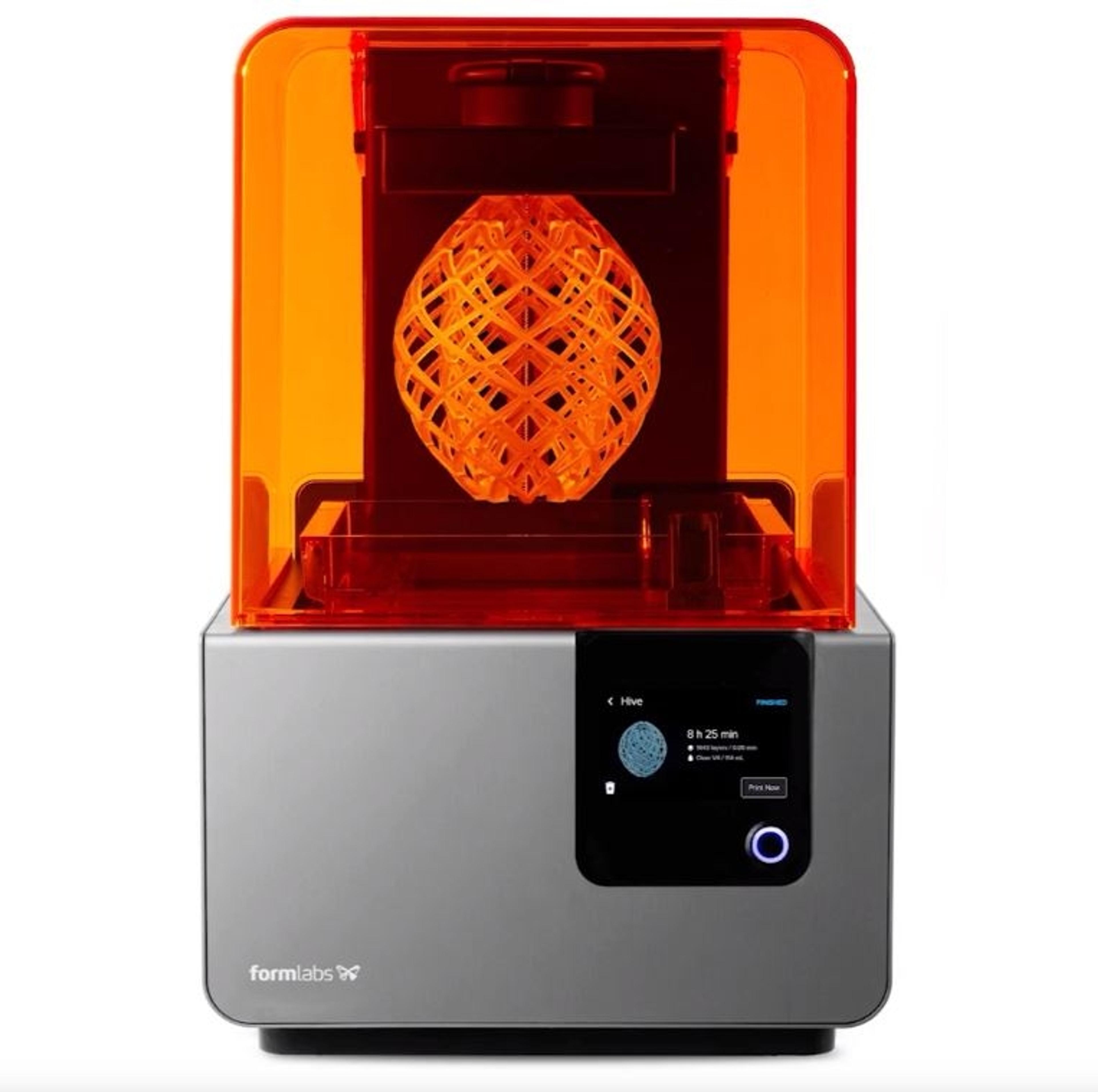
The University of South Florida (USF) Health, Formlabs, a leading 3D printing company, and Northwell Health, New York's largest healthcare provider, have announced they have successfully produced and tested a 3D printed nasal swab to address emergency shortages that hospitals and health care teams may face as testing for COVID-19 increases.

Key milestones in testing the swabs were conducted by USF Health faculty researchers in the Departments of Radiology and Infectious Diseases in collaboration with Northwell Health, including validation testing (24-hour, 3-day, and leeching), and rapid clinical testing at Northwell Health and Tampa General Hospital. All testing showed that the 3D printed nasal swabs perform equally to standard swabs used for testing for COVID-19.

After identifying that nasal swabs for testing COVID-19 were in high demand and extremely limited in supply, a team from the USF Health’s 3D Clinical Applications Division created an initial design, working with Northwell Health and collaborating with Formlabs to develop prototypes and secure materials for a 3D printed alternative. Over the span of one week, the teams worked together to develop a nasal swab prototype and test it in the USF Health and Northwell Health labs. In two days, USF Health and Northwell Health, using Formlabs’ 3D printers and biocompatible, autoclavable resins, developed prototypes. The swabs were tested by clinicians at Northwell Health, USF Health and Tampa General Hospital for patient safety and comfort. Now that clinical validation is complete, 3D printers at USF Health and Northwell Health will produce the swabs and provide them to their patients.

“This is a prime example of the incredible impact we can have on human lives when teams of experts across academia, health care delivery, and the tech industry come together,” said Charles J. Lockwood, MD, MHCM, senior vice president for USF Health and dean of the USF Health Morsani College of Medicine. “During this current COVID-19 outbreak, there is little time for delay, and the swift, agile and adept action of everyone on this effort will greatly improve this nation’s ability to test patients.”

“When we were notified of the shortage of swabs by Dr. Lockwood, we immediately began working as a team to create a novel design in a printed material that was proven safe for patients, as is Formlabs’ surgical grade resin,” said Summer Decker, PhD, associate professor in the USF Health Morsani College of Medicine and director for 3D Clinical Applications in USF Health’s Department of Radiology. “We reached out to Northwell Health and Formlabs to work with us on this response initiative. With our collaborators in USF Health Infectious Diseases, we’ve been able to validate the printed swabs utility for this purpose and are extremely optimistic about the pending clinical testing results. With 3D printed swabs, we will be able to add thousands of swabs a day to testing kits developed here at USF Health, and treat more patients safely and effectively. We look forward to continuing to work with Northwell Health and Formlabs to further combat the COVID-19 pandemic.”

“Northwell Health is proud to collaborate with Formlabs and USF to address the global health crisis of COVID-19,” said Todd Goldstein, PhD, Director of Northwell Health 3D Design and Innovation. “When we saw that the testing kits were limited in supply, our 3D printing lab immediately changed focus from creating materials for surgeries to designing and creating materials that help our front line healthcare providers treating COVID-19 patients. In one weekend, we worked together to develop a nasal swab prototype and test it in the lab. After our positive testing results, we then immediately went to work and have already started producing 1,000-1,500 swabs per day. Not only will these swabs be provided to Northwell Health patients, we are also proud to be sharing the design with other institutions that can 3D print so that patients across the country can benefit from our work."

Formlabs’ CEO and co-founder, Max Lobovsky, said: "Formlabs has been working around the clock to provide assistance in the wake of the COVID-19 pandemic, and we’re hopeful that our efforts will help patients get the care they need. It is important that the medical devices we supply to medical professionals on the frontlines battling this disease are safe and work effectively so as not to put workers or their patients at risk. By working hand-in-hand with Northwell Health and USF Health to design and safely produce these swabs, Formlabs is providing a viable solution to the current shortage of nasopharyngeal (NP) swabs and can now produce them at scale to help hospitals better treat patients.”

“During this unprecedented time, Tampa General Hospital is proud to unite with USF Health, Formlabs and Northwell Health to ultimately help save lives. I’ve been humbled and inspired by the perseverance, sacrifice and teamwork of our clinical teams collaborating to create the 3D printed nasal swabs to test patients in need, during emergency shortage situations. Thank you to Formlabs 3D printers for being a true partner to all of our physicians and teams working tirelessly to protect the health and safety of our community and beyond,” said John Couris, president & CEO of Tampa General Hospital.

It is worth noting that the “FDA believes that a nasopharyngeal specimen is the preferred choice for swab-based SARS-CoV-2 testing,” and that “collection should be conducted with a sterile swab.” With years of experience in the medical industry and hundreds of hospitals already using its technology to develop tools for surgery on-premises, Formlabs adheres to a wide range of required sterilization, regulatory, safety, biocompatibility, and manufacturing standards. The company produces sterilizable, surgical-grade plastics for use in medical and dental applications, and its FDA-registered manufacturing site has an ISO 13485 certification. By turning to proven 3D printing technology to improve production processes, shorten supply chains and localize manufacturing, healthcare providers can quickly and efficiently gain better access to the supplies they need to combat COVID-19.

For more of the latest science news, straight to your inbox, become a member of SelectScience for free today>>
Links

Tags

Labware and Lab SuppliesLabware and lab supplies include various forms of glassware, plasticware, reagents and personal protective equipment (PPE) and are used across all scientific laboratories, enabling daily tasks to be performed. Explore a range of flasks and beakers, petri dishes, carboys and storage bottles. Labware such as condensers, desiccators and burettes are also available for more specific tasks. Find the best labware and lab supplies in our peer-reviewed product directory: compare products, check customer reviews and receive pricing direct from manufacturers.Sample ManagementSample management systems include sample storage devices such as freezers and plate storers, sample environment enclosures and sample organization, retrieval and sorter systems. Useful system features include high-throughput, automation, robotic arms, automated liquid handling and associated database systems. Accessories in sample management include barcode scanners, heat sealers and tubes.Medicinal ChemistryMedicinal chemistry is a broad discipline encompassing the design, identification, synthesis and development of chemicals in drug discovery. It includes a number of techniques covering structural biology, synthetic chemistry and molecular biology. Technologies used in medicinal chemistry include ADME, lab-on-a-chip, high content screening and assay assembly.ImmunologyImmunological techniques measure and characterize immune responses. Immunology kits and analysis systems often use techniques such as ELISA, radioimmunoassay (RIA) and immunodiffusion assays, Immunohistochemistry, and flow cytometry. Immunologists use equipment such as flow Cytometers, plate readers, plate washers and fluorescent microscopes.Biopharmaceutical AdvancesBiopharmaceutical advances follow the development of pharmaceuticals derived from biotechnology, also known as biotechnology medicines. Biopharmaceuticals may be produced from cell lines, plants, or microbial cells. Important considerations of biopharmaceutical use include application, cost, production process and purification.Clinical TrialsClinical Trials, an essential part of drug discovery process, assess the safety and effectiveness of a new medication or device in the pharmaceutical industry. Clinical Trials are a phased process (Phase 0, Phase I, Phase II, Phase III and Phase IV) which begins after initial preclinical testing.Clinical ChemistryBiochemistry (or clinical chemistry) involves the analysis of bodily fluids using chemical tests. Techniques used include HPLC, chromatography, spectroscopy, mass spectrometry, immunochemical, electrophoresis, turbidometric / spectrophotometric assay, MRI and ISE analysis. Tests are often carried out on plasma or serum but urine (urinalysis) and fecal specimens are also processed.Clinical GeneticsMolecular Genetics covers the analysis of hereditary genetic disease and chromosomal abnormalities. Genetics can be analysed using DNA, RNA, and protein microarrays, PCR, RT PCR and DNA sequencing. Genetic equipment includes genetic workstations, thermal cyclers, cooling blocks and electrophoresis products. Diagnostic kits are used for DNA / RNA extraction and purification.Clinical MicrobiologyMicrobiology is the study of microorganisms including protists, prokaryotes, fungi, and, often, viruses. Microorganisms are a useful research tool as genetic vectors and, in immunology, for antibiotic susceptibility testing, cellular biology and genetics. Microorganisms commonly grow readily in incubators with microbial culture media; this can contain chromogenic supplements to differentiate between cell lines. Estimate your culture’s density of microorganisms with colony counters, or screen and select colonies for desirable clones with automated colony pickers. Additionally, equipment is available to monitor environments for the presence of microbes and identify with microbial identification instruments. Find the best microbiology products in our peer-reviewed product directory: compare products, check customer reviews and receive pricing direct from manufacturers.Development SoftwareComputational techniques used in both the chemistry and biology aspects of drug development, for data acquisition, data analysis, processing and storage. Software is used for analysis of ADME results, toxicology, clinical trials and regulatory processes. Scale-upScale-Up is generally defined as the process of transferring the results of the discovery phases of the drug discovery process, obtained on a laboratory scale, to the pilot plant and finally to production scale. Scale-Up uses reactors and pump systems as well as reagents, standards and buffers. Often Scale-Up is provided as a service by Contract Manufacturing Organizations (CMOs). 3D Printing3D printing is becoming an increasingly popular fixture in modern labs. From making bespoke equipment and replacing broken parts, to fabricating biological structures that imitate natural tissue characteristics, 3D printers can be used for a broad range of applications. Respiratory InfectionsRespiratory infections are caused by pathogens such as bacteria, viruses, and fungi, leading to diseases like pneumonia, tuberculosis, and COVID-19. It is important to identify respiratory infections quickly in patients to ensure appropriate treatment and care, and to prevent sepsis. Browse our peer-reviewed product directory to find the best tools for respiratory infection detection, compare products, check reviews, and get pricing directly from manufacturers.Molecular DiagnosticsMolecular diagnostics use an individual’s genetic code and gene expression to diagnose and monitor diseases. The technique is used increasingly in the field of infectious diseases and oncology, as well as areas such as coagulation, HLA typing and pharmacogenomics. Molecular diagnostics plays a pivotal role in personalized medicine.CoronavirusCoronaviruses are a large family of viruses that can cause illnesses ranging from the common cold to more severe diseases like COVID-19. Research into the biology, transmission, and treatment of coronaviruses has become a global priority, particularly since the emergence of SARS-CoV-2. Understanding the virus�s structure and behavior is essential for developing vaccines, diagnostics, and antiviral treatments. Explore our peer-reviewed product directory to discover the latest research tools, diagnostic tests, vaccines, and treatments for coronavirus, compare products, read reviews, and receive pricing directly from manufacturers.
Formlabs create 3D printed nasal swabs during emergency shortage situation