Tools to advance precision oncology

Global Head of Medical Affairs at Agilent Technologies offers insights into the technologies driving the field of precision oncology

21 Feb 2024


Lawrence Howes
Editorial Assistant

Editorial article

Eileen Hannigan and Sarah Nadin, Assay Development team at Merck
Dr. John Palma, Global Head of Medical Affairs at Agilent Technologies

What are the latest tools for clinical and cancer research? We spoke with an expert, John Palma, Ph.D., Global Head of Medical Affairs at Agilent Technologies, a leading tools provider, to find out.

Dr. John Palma has been developing molecular diagnostic tests and supporting clinical evidence generation for the past 25 years. The highest responsibility of his teams is to integrate the voice of the patient, clinicians, and healthcare networks into Agilent’s innovative solutions to advance quality of life. It all starts with basic and translational research products that help define diagnostic opportunities.

Which markets does Agilent focus on?

JP: We focus our expertise on six key markets (diagnostics, research, pharmaceuticals, environmental and forensics, food, chemicals, and advanced materials) to help our customers achieve their goals. As we drill down into the oncology space, we strive to advance precision oncology by providing our customers with research and clinical tools that support new disease insights, drug, and device development.

What has been the most exciting cancer genomics development in the last 25 years, and what should we anticipate in the next 25 years?

JP: There are many exciting aspects of genomics that deserve a nod from the past 25 years – PCR is still a major backbone for all genomic NGS solutions. Thinking about where genomics is today, we are a few years away from the 25th anniversary of the remarkable effort that resulted in the sequencing of the human genome. The private and public sectors have made great strides, but we need to continue to increase investment in basic research to unlock the promise of the next 25 years. Keep an eye towards the burgeoning clinical space of liquid biopsies and digital (plus AI) pathology solutions; there is so much more this field has to offer for cancer patients and for other diseases.

What key challenges do cancer genomics customers currently face?

JP: Key challenges for cancer genomics are like the marketing/advertising triangle: quality (accuracy), speed, and cost. NGS solutions need to improve accuracy and reduction of background signals, have complex workflows that need further simplification, and are expensive when flow cells are not fully utilized. One example, with error suppression through molecular barcoding or clonal hematopoiesis filtering, there is improved accuracy. With compatible workflows (DNA+RNA), samples can be combined and processed with faster turnaround time. With greater platform competition, there is progress on cost. There is still a long way to go to make these technologies accessible to all cancer patients around the world.

What solutions does Agilent provide for oncology (i.e. cancer and pathology markets)?

JP: Agilent offers solutions across the cancer continuum, from basic and translational research to clinical diagnostics. We have several immunohistochemistry (IHC) and fluorescent in-situ hybridization (FISH) diagnostics for pathology that are approved for different indications around the world with specific claims for different regions. (Examples below are for the US only):

  • PD-L1 IHC 28-8 pharmDx serves as an aid in the diagnosis for non-small cell lung cancer (NSCLC), or for patients with >1% IHC expression non-squamous NSCLC, head and neck squamous cell carcinoma, and urothelial cancer for treatment with nivolumab
  • PD-L1 IHC 22C3 pharmDx is a diagnostic biomarker that is approved for NSCLC using a tumor proportion score (TPS) and for esophageal, HNSCC, cervical and triple negative breast cancer by combined positive scoring (CPS) for treatment with pembrolizumab
  • Ki67 IHC MIB-1 pharmDx is indicated as an aid in identifying patients with early breast cancer for consideration of treatment with abemaciclib in combination with endocrine therapy
  • HER2 IQFISH pharmDx and HercepTest aid in the diagnosis of breast and gastric cancer for treatment with certain HER2-specific treatments

We are also working with many global pharmaceutical partners for additional claims and new biomarkers and indications in different countries.

In the translational and research setting, we are expanding our SureSelect cancer genomics portfolio (RUO) with new products this year. In the spring, we launched a new comprehensive genomic profiling assay (SureSelect Cancer CGP assay*) for solid tumors. And in September, we released a set of tumor-specific gene panels (lung, colon, pancreas, kidney, bladder). So that means scientists can interrogate genomic content for a wide range of targets using our SureSelect Cancer portfolio: from Exomes (~22,000 genes) to CGP (679 genes) to tumor-specific gene panels (~50 genes each). Similar Agilent reagents and custom panels are also used by our customers to develop their own NGS solutions for the market.

Tell us more about the SureSelect Cancer CGP assay.

JP: Our SureSelect Cancer CGP assay was developed with workflow and content solutions in mind. Customers need fast turnaround time to results, efficiency with minimal hands-on time and automation options, and performance with low input samples. To help ensure that the content of our assays is clinically relevant, we consulted with a global network of key opinion leaders in oncology to advise on the gene content for the SureSelect Cancer CGP assays. In addition, the content was also sourced directly from key clinical databases and guidelines (NCCN, NHS, ASCO, ESMO, etc.). NGS solutions offer comprehensive genomic profiling that optimizes insights from limited tissue biopsies. A recent poster presentation at ASCO 2023, by Mary K. Nesline, MS, from Labcorp Oncology, suggests that CGP testing provides more information and actionable results compared to initial single-gene testing (SGT).

To meet the customer need for lower-cost genomic profiling, we just launched the smaller tumor-specific panels. This means tumor genomic profiling is accessible to more customers but the cost of sequencing for individual samples is lower and can fit within reimbursement and private payer guidance when customers use their own validated tests in CLIA labs.

What does this technology enable your customers to do that they couldn’t otherwise?

JP: For translational research and genomic profiling for applications such as cancer biomarker discovery, laboratory scientists can use the SureSelect Cancer CGP assay to assess clinically relevant somatic variants, including SNVs, CNVs, indels, gene fusions, and translocations, to the immuno-oncology biomarkers TMB (tumor mutational burden) and MSI (microsatellite instability). The CGP assay enables the detection of variants from DNA and RNA, from a single sample. The breadth of this content allows translational researchers to gain deeper insights on drivers of cancer or resistance to targeted therapies. We believe that we can deliver on price, workflow efficiency and speed, and improved accuracy relative to other platforms.

What level of support and training can your customers expect?

JP: Agilent has a global network of application specialists who support customers across the entire workflow: beginning with sample and library QC, library preparation and target enrichment, sequencing, and all the way through to data analysis, i.e. secondary and tertiary analysis. Understanding our customer’s needs along the workflow, allows Agilent to deliver efficiency and productivity.

How do you see Agilent helping to advance the future of precision oncology?

JP: Agilent is a tools provider and in the near term, we will enable full customization of the CGP assay to accommodate the needs of any clinical and translational research lab. We look forward to introducing a new, cutting-edge technology that significantly simplifies the workflow for liquid and tissue biopsy and incorporates methylation profiling. Agilent also offers a growing catalog of approved companion diagnostic pathology tools that help clinicians deliver timely results to their patients.

*Disclaimer: SureSelect Cancer CGP assay is For Research Use Only. Not for use in diagnostic procedures.

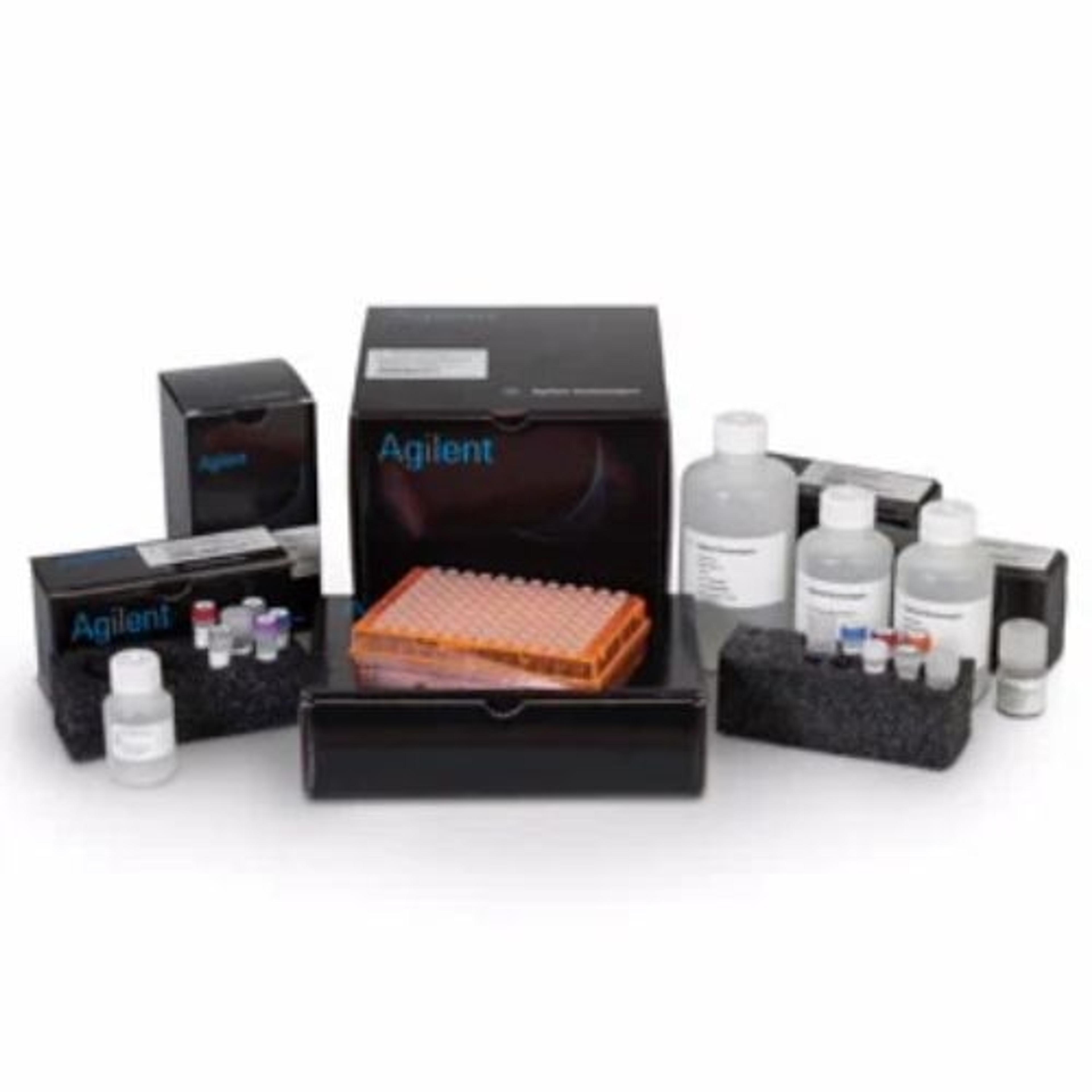
SureSelect Cancer CGP Assay ​

Agilent Technologies

SureSelect Cancer CGP assay offers comprehensive genomic profiling for solid tumors. This pan-cancer NGS panel enables detection of somatic variants, including single nucleotide variants (SNVs), copy number variants (CNVs), insertions/deletions (indels), translocations (TLs), gene fusions, and the immuno-oncology biomarkers TMB (tumor mutational burden) and MSI (microsatellite instability).

(0)

Links

Tags

Mass SpectrometryMass spectrometry (MS) is a powerful analytical technique used to identify and quantify molecules based on the mass-to-charge ratio of gas-phase ions. It provides detailed information about the structure, composition, and properties of compounds and is widely used across fields such as environmental monitoring, materials science, drug discovery and development, food and beverage testing, and wider chemical research. Key MS techniques include tandem mass spectrometry (MS/MS), liquid chromatography–mass spectrometry (LS-MS) and inductively coupled plasma (ICP-MS). Choosing from these wide range of techniques and technologies can be a daunting task, so keep up to date with scientific applications, performance expectations, and customer reviews here all in one place. Visit our product directory to receive quotes direct from the manufacturer. BiosensorsBiosensors are devices used to detect an analyte using biological molecules specific to the analyte coupled to a detector. Biosensor instruments may be photometric, typically using surface plasma resonance (SPR), electrochemical or QCM (quartz crystal microbalance) biosensors. Biosensors should be selective, portable, robust and sensitive and have a fast response time. Systems may be manual or automated and usually have associated software.Cell Adhesion AssaysCell adhesion assays are used to quantitate attachment and analyze the molecular mechanisms for extracellular matrix adhesion, cell migration and sensitivity to inhibitors. Find the best cell adhesion assay equipment in our peer-reviewed product directory: compare products, check customer reviews and receive pricing direct from manufacturers.ProteomicsProteomics is the systemic bioinformatics study of proteins and amino acids, including their structure, size, function and identification. Tools used in proteomics include chromatography, blotting and gels, protein arrays, mass spectrometry and ELISA and associated analysis software. Analyzers and proteomic systems should be sensitive, high resolution, fast and may be automated for high-throughput.PCR and Thermal CyclingPolymerase chain reaction (PCR) kits and thermal cyclers are used for the in vitro amplification of DNA permitting subsequent analysis and experimental procedures. Explore a range of high-quality polymerase, primers and nucleotides or simplify your workflow with a PCR mastermix. Find reverse transcription PCR (RT-PCR) and cDNA synthesis kits for RNA products and libraries. Quantitatively measure the amplification of DNA with real-time PCR (qPCR) and droplet digital PCR (ddPCR) kits and systems, and discover automated PCR setup solutions to increase throughput. Alternative DNA amplification methods also include recombinase polymerase amplification (RPA) kits. Find the best PCR kits and thermal cyclers and purification equipment in our peer-reviewed product directory: compare products, check customer reviews and receive pricing direct from manufacturers.Cell-Based AssaysCell-based assays are used to monitor the presence, quantity and activities of a desired cellular analyte including drug molecules or biomarkers. This can reveal information on cell health (apoptosis, cytotoxicity, viability and proliferation assays), cell metabolism, cell migration and cell signaling mechanisms. Find the best cell-based assay products, kits and equipment with our peer reviewed product directory: compare products, check customer reviews and receiving pricing direct from manufacturers.Protein PurificationProtein purification is a vital step in drug discovery, therapeutics, biotech and life science research. The purification process typically involves subcellular or membrane protein extraction with cell lysis kits, separation of proteins from cell debris by filtration or spin columns, and the isolation of proteins of interest from other proteins and impurities with affinity purification (including fusion protein tags and antibody binding proteins A, G and L), immunoprecipitation or chromatographic methods, such as ion exchange, size exclusion and immobilized metal affinity chromatography. All purification methods come in multiple formats for your laboratory needs, including agarose or magnetic beads, resins, columns and filter plates. Find the best protein purification equipment in our peer-reviewed product directory: compare products, check customer reviews and receive pricing direct from manufacturers.BiomarkersBiomarkers are biological markers which can be measured and evaluated to indicate a biological state. The use of biomarkers in research and diagnosis can indicate a normal or disease state or drug response of cells / tissues. Biomarkers include genetic markers, cell surface markers such as antigens, antibodies or receptors and secreted molecules such as cytokines. An assay system is required for identification of biomarkers. :Next Generation SequencingNext-generation sequencing (NGS), also known as whole-genome sequencing, high-throughput sequencing and massive parallel sequencing, produces and analyses thousands to millions of nucleotide sequences at once. Sequencing systems operate via varying technologies depending on the manufacturer, including sequencing by synthesis, ligation, pyrosequencing, ion semiconductor and single-molecule real-time sequencing. For NGS, library preparation is paramount to successful sequencing. In this section, explore a range of library preparation kits, from targeted, amplicon-based or hybridization-based kits including epigenomic, transcriptomic and genomic workflows to fragmentation kits. Find the best next-generation sequencing products in our peer-reviewed product directory: compare products, check customer reviews and receive pricing direct from manufacturers.Protein QuantificationThe detection and quantification of proteins in a sample is vital across life sciences, pharmaceutical research and clinical diagnostics, and a variety of equipment is available to scientists to simplify the workflow. Proteins of interest can be easily labeled and detected on light-based detection instruments. Immunoassay kits allow you to identify a specific protein of interest and protein detection beads or antibody microarrays allow you to identify multiple specific proteins at once. Protein interactions and enzyme activity can also be monitored with protein-protein interaction assays. Additionally, the biophysical characterization of proteins is made easy with biokinetic analyzers. Find the best protein detection and quantification products in our peer-reviewed product directory: compare products, check customer reviews and receive pricing direct from manufacturers.DNA / RNA QuantificationDetection and quantification of nucleic acids is important in molecular biology, cloning, expression, forensics and clinical diagnostics. Nucleic acids can be detected by labeling with colorimetric, fluorescent or radio labels and using in situ hybridization kits to identify specific sequences. Multiple nucleic acids can be detected and quantified at once using RNA / DNA detection beads or RNA / DNA microarrays. Find the best DNA / RNA Quantification products in our peer-reviewed product directory: compare products, check customer reviews and receive pricing direct from manufacturers.Protein ExpressionProtein expression is the utilization of cell machinery for the synthesis of proteins and has become a critical tool in biotherapeutic, genomic, and proteomic research. Produce recombinant proteins with expression vectors in combination with a host cell suitable for high-level protein expression. For production of toxic proteins, consider cell-free expression vectors. Create and monitor post-translational modifications with protein modification kits. Find the best protein expression products in our peer-reviewed product directory: compare products, check customer reviews and receive pricing direct from manufacturers.Cancer DiagnosticsThere are a wide variety of diagnostic tests for cancer available, and this range continues to expand as our knowledge of cancer improves. Current diagnostic methods include biopsy, imaging and blood tests for known biomarkers. New methods in research development include liquid biopsies and cancer breathalyzers.Clinical StudyProspective biomedical or behavioral research studies on human subjects, following tests in animals, that are designed to answer specific questions about novel vaccines, drugs, treatments, dietary supplements, devices or new ways of using known interventions, generating safety and efficacy data.TumorsTumor research focuses on understanding abnormal cell growth that leads to cancer. Identifying biomarkers, studying tumor microenvironments, and developing targeted therapies are critical for advancing cancer treatment. Early detection and personalized treatment options are key to improving outcomes for patients. Browse our peer-reviewed product directory to explore tools for tumor research, diagnostics, and cancer therapies; compare products, read customer reviews, and get pricing directly from manufacturers.