
NewsLife Sciences
How to Evaluate the Drug Response in Patient-Derived Organoids Using True 3D HCA
Join this expert webinar to find out how imaging and true 3D high-content analysis can benefit drug studies based on patient-derived organoids
16 Jul 2019Georgina Wynne Hughes
Editorial Assistant
Patient-derived organoids are a useful tool for drug discovery because they mimic human physiology since they are derived from patient cells and have a 3D structure. In this upcoming SelectScience webinar, learn how to apply patient-derived organoids for drug discovery research using imaging and how true 3D analysis contributes to the study.
REGISTER NOWIn this webinar, Olympus imaging expert Brendan Brinkman will discuss:
- A drug study based on patient-derived organoids that benefited from using true 3D high-content analysis (HCA)
- How truly three-dimensional analysis can improve quantitative results over sub-sampling data sets
- How the NoviSight™ HCA software interface links all your confocal 3D data from a microplate experiment in a powerful, visual, analytical interface — including 3D rendering, object segment gallery, heat map, and data mining scatterplot
The live webinar takes place on Tuesday, July 30, 2019, at:
- 16:00 BST
- 11:00 EDT
- 08:00 PDT
- 17:00 CEST
Scheduling conflict? No matter, register to receive an on-demand link to watch later>>
Related products
Request Quote for All Products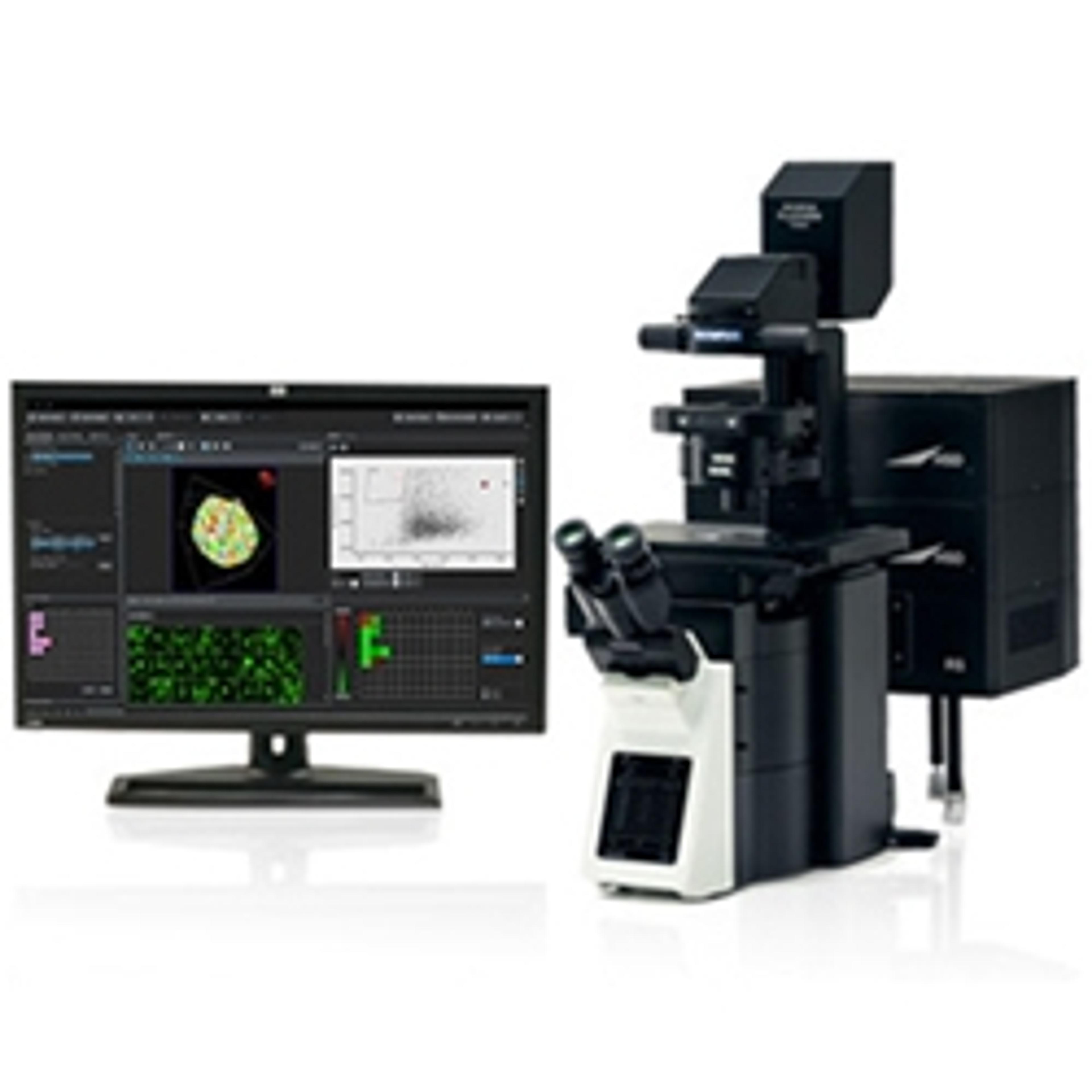
Links
Tags
Data AnalysisData analysis hardware and software is available to make data processing straight-forward yet powerful. Data software can be used for math and stats, technical graphing and image analysis. In addition, software is available for specific data analysis of electrophoresis, densitometry, ELISA and DNA sequencing.Biopharmaceutical AdvancesBiopharmaceutical advances follow the development of pharmaceuticals derived from biotechnology, also known as biotechnology medicines. Biopharmaceuticals may be produced from cell lines, plants, or microbial cells. Important considerations of biopharmaceutical use include application, cost, production process and purification.Software PlatformsSoftware platforms are useful for various stages of laboratory experiments from data collection to data storage and processing. For instance lab software is available for system control, data management, data analysis and qualification / validation.Light MicroscopyLight microscopes or optical microscopes are used to visualize microscale objects under magnification, including cells, clinical specimens and materials. Lab equipment for light microscopy includes confocal microscopes, fluorescence microscopes, zoom and stereo microscopes. Microscope slides and imaging reagents are available for visualizing samples, as well as various microscope stages and incubators for large or temperature-sensitive samples. Find the best light microscopes in our peer-reviewed product directory: compare products, check customer reviews and receive pricing direct from manufacturers.ConfocalImagingImaging techniques are essential for obtaining visual representations of samples to understand structures, processes, and function in biological, chemical, and physical research. These tools range from traditional light microscopy to advanced imaging modalities like MRI and electron microscopy, providing researchers with valuable data for diagnostics, drug discovery, and material analysis. Explore imaging solutions in our peer-reviewed product directory to compare products, check reviews, and get pricing directly from manufacturers.3D Imaging3D imaging technologies allow for the visualization and analysis of three-dimensional structures at high resolution. These systems are used in fields like molecular biology, material science, and medical diagnostics. 3D imaging can be applied to visualize cells, tissues, and organs, providing valuable insights into their structure and function. Browse our peer-reviewed product directory to find the best 3D imaging solutions, compare products, check reviews, and get pricing directly from manufacturers.Data AnalysisThe analysis of data is the process of transforming, modeling and evaluating data to discover useful information from experimental results. Drug DiscoveryDrug discovery is the process of identifying potential new medications, involving stages such as target identification, compound screening, and preclinical development. It relies on cutting-edge technologies like high-throughput screening, artificial intelligence, and molecular modeling to accelerate the identification of drug candidates. Drug discovery plays a pivotal role in developing new therapies for diseases ranging from cancer to rare genetic disorders. Browse our peer-reviewed product directory to find the latest drug discovery technologies, compare options, check customer feedback, and get pricing directly from manufacturers.