Virtual Neuroscience Summit 2021: Poster highlights

Discover the latest research in neuroscience from scientific posters presented at the SelectScience Virtual Neuroscience Summit 2021

21 Oct 2021

Dora Wells
Clinical Content Editor

Editorial article

Virtual Neuroscience Summit 2021: Poster highlights

This year's Virtual Neuroscience Summit saw a range of fascinating and insightful scientific posters presenting the latest research in neuroscience. Explore our top picks below to gain insights on a range of topics, including cusp catastrophe models applied to neurochemistry and behavior, human chronic wasting disease in transgenic mice, the role of fetal ethanol exposure on ribosome biogenesis, and more!
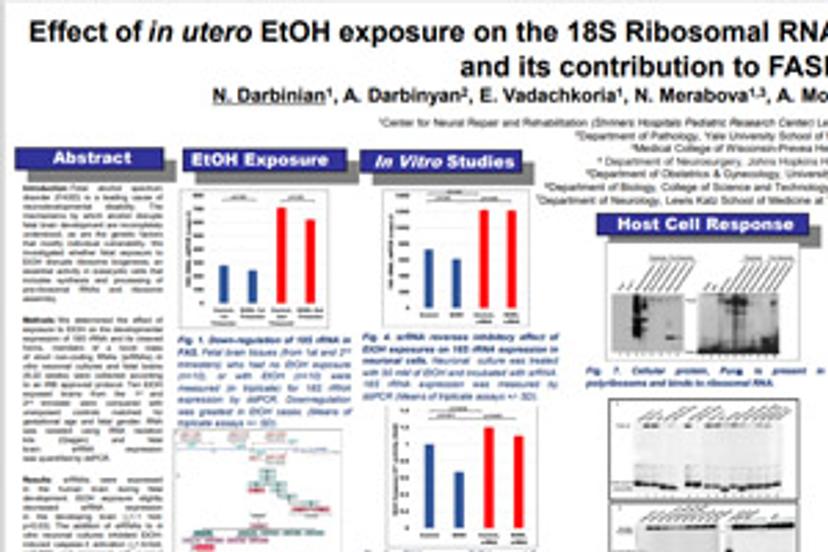
Effect of in utero EtOH exposure on the 18S Ribosomal RNA processing in developing brain, and its contribution to FASD

Effect of fetal EtOH exposure on the 18S ribosomal RNA processing in the developing brain, and its contribution to FASD

Fetal alcohol spectrum disorder (FASD) is a leading cause of neurodevelopmental disability. This poster, presented by Dr. Nune Darbinian-Sarkissian, clinical-research lab manager at Temple University, summarizes the results of a study into the effects of in utero EtOH exposure on 18S ribosomal RNA processing. Download now to explore novel findings on the role of in utero EtOH exposure on ribosome biogenesis, and contributions to FASD.
Download poster

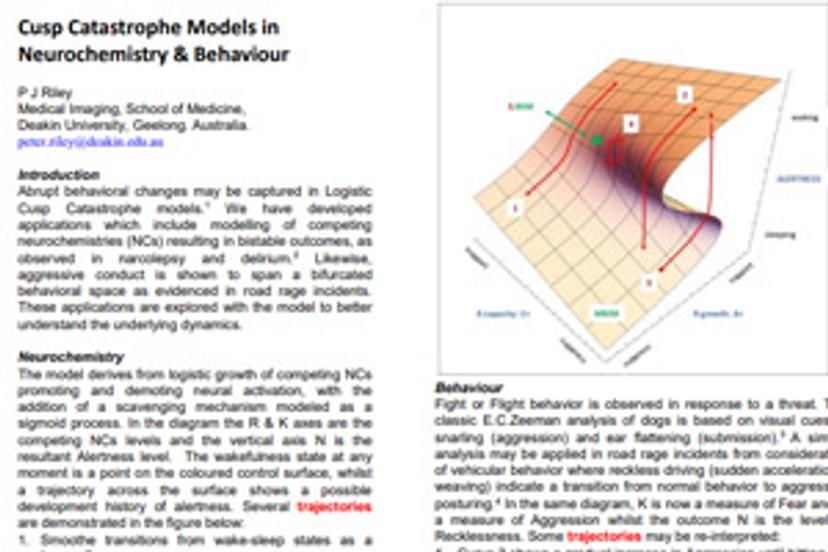
Cusp catastrophe models in neurochemistry & behavior

Cusp catastrophe models in neurochemistry and behavior

In this poster, Peter Riley, senior lecturer of diagnostic imaging and Medical Physics at Deakin University, Australia, describes cusp catastrophe models in neurochemistry and behavior. Download it now to discover how complex behaviors and neurochemical states can be represented by simple, non-linear models.
Download poster

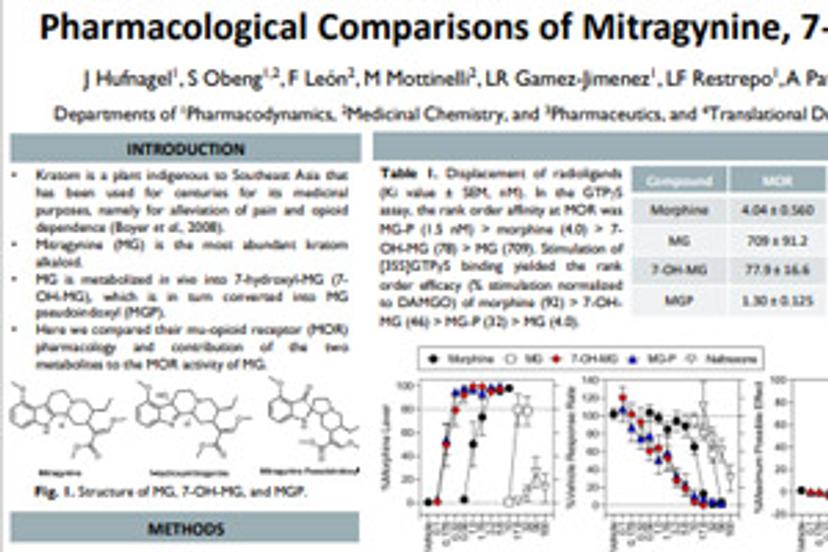
Pharmacological comparisons of mitragynine, 7-hydroxymitragyine, and mitragynine pseudoindoxyl

Pharmacological comparisons of mitragynine, 7-hydroxymitragynine, and mitragynine pseudoindoxyl

Mitragynine (MG) is the most abundant alkaloid in kratom, which has historically been used as a medication to alleviate pain. In this poster, Jane Hufnagel et al., University of Florida, compare the pharmacodynamics of MG metabolites, 7-Hydroxymitragyine, and pseudoindoxyl. Download now for an insight into their actions at the μ-opioid receptor (MOR) and contributions to the MOR activity of MG.
Download poster

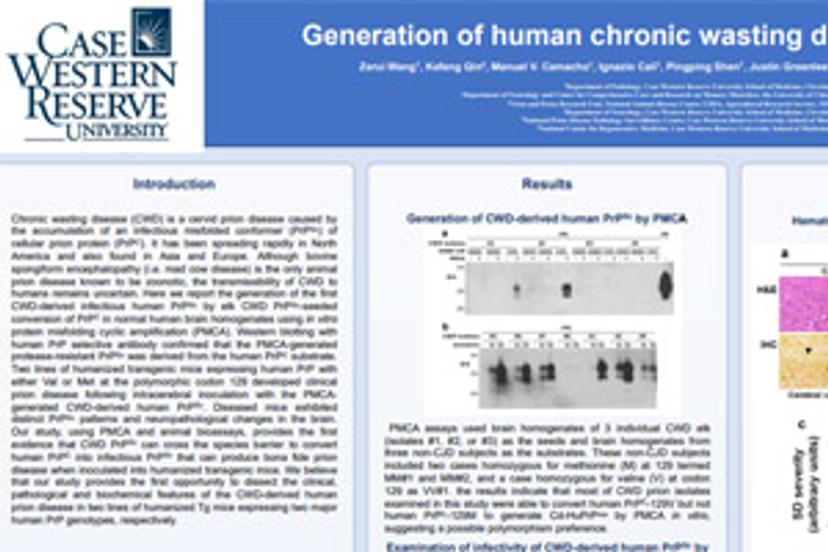
Generation of human chronic wasting disease in transgenic mice

Generation of human chronic wasting disease in transgenic mice

Until now, bovine spongiform encephalopathy (i.e. mad cow disease) has been the only animal prion disease considered to be zoonotic. In this poster presented by Zerui Wang, senior research scientist from Case Western Reserve University, Wang et al. explore evidence that elk or deer chronic wasting disease (CWD) prions may have the potential to cross the species barrier into humans. Download now to gain novel insights into the possible transmissibility of CWD to humans and potential clinical phenotypes.
Download poster

Association of NGF and mitochondrial dysfunction with autism spectrum disorder

Association of NGF and mitochondrial dysfunction with autism spectrum disorder

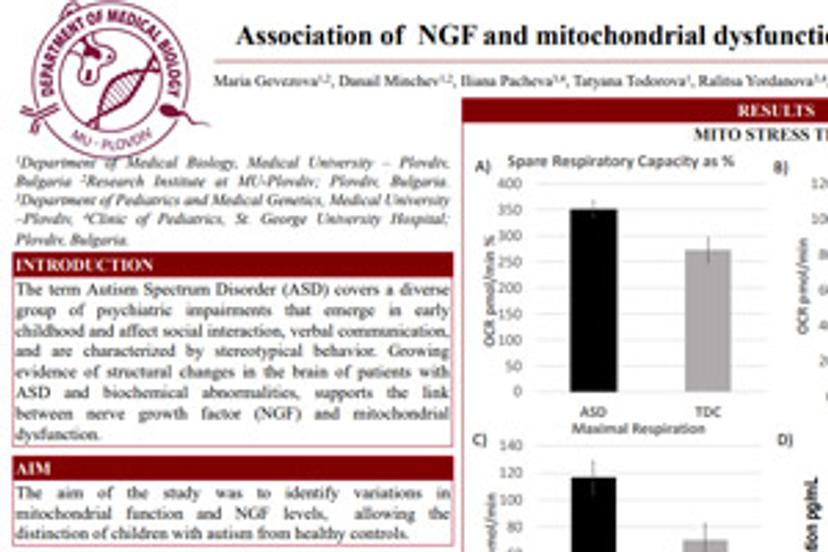
Download this poster, as presented by Maria Gevezova from the Medical University of Plovdiv, Bulgaria to explore the novel findings from a study aimed at identifying variations in mitochondrial function and nerve growth factor (NGF) levels between children with autism spectrum disorder and healthy controls.
Download poster

Morphological changes in parts of the central nervous system (CNS) and the thymus following demyelination and remyelination

Morphological changes in parts of the central nervous system (CNS) and the thymus following demyelination and remyelination

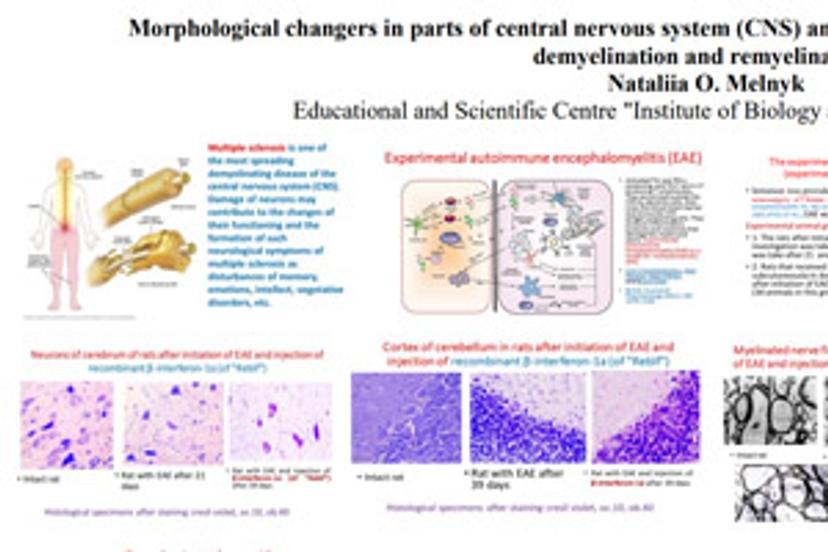
This poster, presented by Nataliia Melnyk, Institute of Biology and Medicine, Ukraine, describes the morphological changes observed in immune and nervous tissue of rats following demyelination and remyelination. Download now to discover how morphology was affected by experimental autoimmune encephalomyelitis (EAE) induced demyelination followed by remyelinating β-interferon-1 treatment.

Download poster

Want to see more from our Virtual Neuroscience Summit 2021? Click here to discover research from our brilliant lineup of guest speakers, the latest news in neuroscience, and more!

Links

Tags

Western BlottingWestern blotting equipment is used to transfer and identify specific proteins within a sample, reveal protein modifications, as well as give a semi-quantitative estimation of their concentration. Western blotting equipment includes all apparatus necessary to transfer proteins from gel to membrane and subsequent processing steps. Protein transfer can be performed by electroblotting with wet, semi-dry and dry transfer systems onto nitrocellulose and PVDF membranes. Blocking, washing and labeling of membranes follows, involving buffers, blocking reagents, blotting / incubation trays, labeling reagents, immunoblotting assays, antibodies and conjugates. Automated equipment for these steps is available to accelerate your lab workflow. Finally, detection and imaging of proteins can be conducted using gel documentation and imaging systems. Find the best western blotting equipment in our peer-reviewed product directory: compare products, check customer reviews and receive pricing direct from manufacturers.Cell / Tissue CultureCell culture or tissue culture is used to study the biology of cells or tissues and to isolate cellular products in an environment which can be manipulated and well defined. Accurately control your culture environment with bioreactors or culture incubators, bind your cells to a surface or together with an extracellular matrix. Distinguish cell types with differential media or proliferate cells with certain characteristics using selective media. Enrich your media with supplements such as growth factors, sera and vitamins. Find the best cell and tissue culture products, kits and equipment in our peer-reviewed product directory: compare products, check customer reviews and receive pricing direct from manufacturers.MicrobiologyMicrobiology is the study of microorganisms including protists, prokaryotes, fungi, and, often, viruses. Microorganisms are a useful research tool as genetic vectors and, in immunology, for antibiotic susceptibility testing, cellular biology and genetics. Microorganisms commonly grow readily in incubators with microbial culture media; this can contain chromogenic supplements to differentiate between cell lines. Estimate your culture’s density of microorganisms with colony counters, or screen and select colonies for desirable clones with automated colony pickers. Additionally, equipment is available to monitor environments for the presence of microbes and identify with microbial identification instruments. Find the best microbiology products in our peer-reviewed product directory: compare products, check customer reviews and receive pricing direct from manufacturers.Animal ModelsThe use of non-human animals in experiments or behavorial observations. The research is conducted inside universities, medical schools, pharmaceutical companies, farms, defence establishments, and commercial facilities that provide animal-testing services to industry. It includes pure research such as genetics, developmental biology, behavioral studies, as well as applied research such as pharmaceutical testing in pre-clinical, before human, studies. DNA / RNA QuantificationDetection and quantification of nucleic acids is important in molecular biology, cloning, expression, forensics and clinical diagnostics. Nucleic acids can be detected by labeling with colorimetric, fluorescent or radio labels and using in situ hybridization kits to identify specific sequences. Multiple nucleic acids can be detected and quantified at once using RNA / DNA detection beads or RNA / DNA microarrays. Find the best DNA / RNA Quantification products in our peer-reviewed product directory: compare products, check customer reviews and receive pricing direct from manufacturers.NeuroscienceNeuroscience research investigates the neurological mechanisms underlying behavior, neurodegenerative diseases, and other brain conditions. Learn about the innovative technologies for bioimaging, electrophysiology, cell culture, chromatography and other techniques used in this field.Molecular BiologyMolecular biology is the branch of biology that focuses on the molecular mechanisms that underlie cellular functions. It involves studying DNA, RNA, and proteins to understand gene expression, replication, and regulation. Molecular biology is fundamental to biotechnology, medicine, and genetic research. Explore molecular biology products in our peer-reviewed product directory; compare products, check reviews, and get pricing directly from manufacturers.ImmunologyImmunology is the branch of medical science that covers the study of all aspects of the immune system of multicellular organisms.NeurobiologyNeurobiology studies the biology of the nervous system, including the structure and function of neurons, glial cells, and their interactions. It is a key field in understanding neurological disorders such as Alzheimer�s, Parkinson�s, and schizophrenia. Research in neurobiology is essential for developing therapies for these conditions. Browse our peer-reviewed product directory to find the best neurobiology research tools, compare products, check reviews, and get pricing directly from manufacturers.EthanolNeuronsNeurons are the fundamental units of the brain and nervous system, involved in transmitting information. Understanding neuron function is critical in neurobiology, neuroscience, and neurodegenerative disease research. Explore neuron research tools in our peer-reviewed product directory; compare products, check reviews, and get pricing directly from manufacturers.PharmaceuticalsPharmaceuticals are medicinal drugs used in healthcare to diagnose, prevent, cure and treat illnesses. Pharmaceuticals that are excreted after use appear in wastewater and can have detrimental effects on the environment.
Virtual Neuroscience Summit 2021: Poster highlights