

Diagnostic advances shaping a smarter future for healthcare
CLINICAL24
Advances in laboratory diagnostics are driving a smarter, more proactive era of healthcare, where data‑driven insights replace reactive treatment with predictive, personalized strategies. Cutting‑edge innovations in point‑of‑care testing (POCT), metabolic diagnostics, genomic sequencing, and precision medicine are enabling clinicians to detect disease earlier, stratify risk more accurately, and tailor interventions to individual patient profiles.
These breakthroughs span a wide spectrum of technologies, including molecular diagnostics, high‑throughput sequencing platforms, biomarker‑based assays, and digital health integration, all of which support real‑time decision‑making and continuous patient monitoring. By combining omics‑based approaches (genomics, proteomics, metabolomics) with AI‑powered analytics, laboratories are laying the foundation for connected, interoperable health systems that improve outcomes, enhance operational efficiency, and expand access to care globally.
From rapid infectious disease panels and cancer biomarker profiling to endocrine and metabolic disorder screening, these diagnostic advances are not only transforming clinical workflows but also promoting preventive healthcare models that reduce costs and improve equity. On this SelectScience® CLINICAL24 feature page, a resource for Biomedical Scientists in the NHS, Medical Laboratory Scientists in US healthcare, and clinical laboratory professionals around the world, explore a curated collection of clinical CPD webinars, whitepapers, expert interviews, and technical resources showcasing how leaders across the laboratory healthcare landscape are shaping the future of diagnostics.
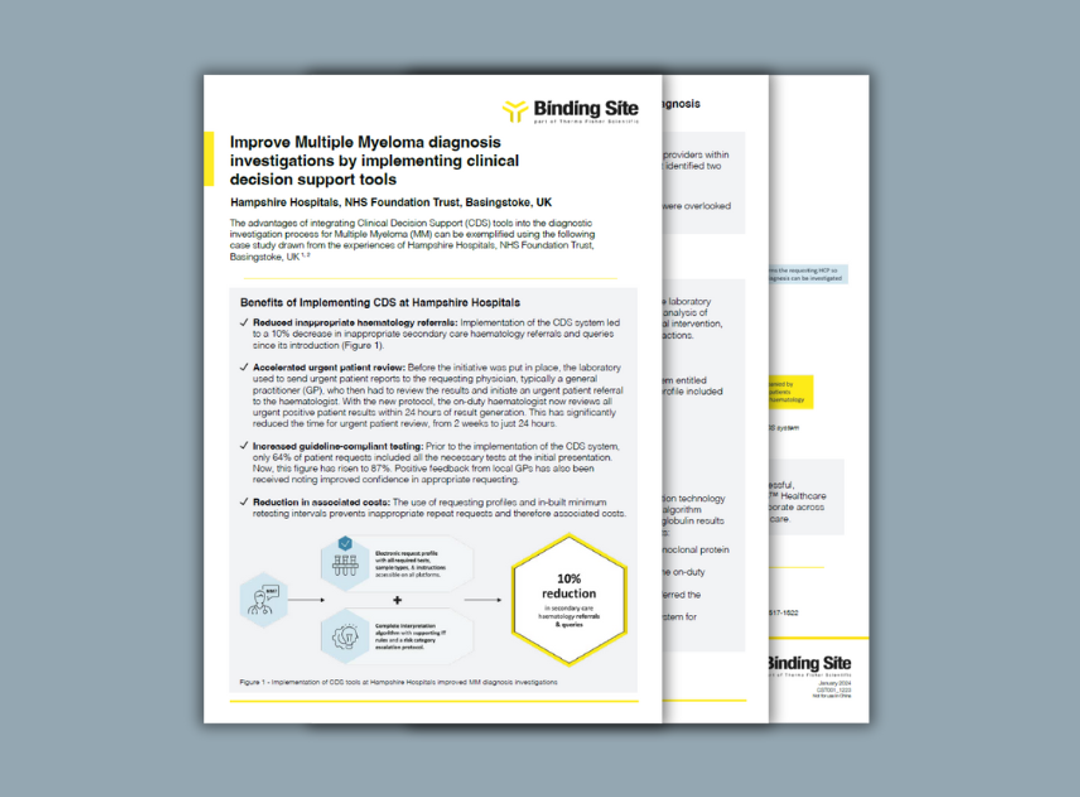
The clinical decision tools advancing multiple myeloma diagnosis
In this case study, Binding Site presents the advantages of integrating Clinical Decision Support (CDS) tools into the diagnostic investigation process for multiple myeloma, drawn from the experiences of Hampshire Hospitals, NHS Foundation Trust, Basingstoke, UK. Benefits observed included a reduction in inappropriate referrals, improved urgent patient review times, and a reduction in associated costs.
Download Hampshire Hospitals case study
Webinar: Improving guideline adherent multiple myeloma diagnostics with primary care provider perspectives
In this ASCLS P.A.C.E accredited clinical CPD webinar, Dr. Bhrugu Yagnik, MS, PhD, shares key findings of a national survey of US primary care providers (PCPs), the first of its kind, assessing the awareness of recommended multiple myeloma (MM) diagnostic workup as well as the current approach to MM diagnosis among US PCPs.
Watch the P.A.C.E accredited webinar today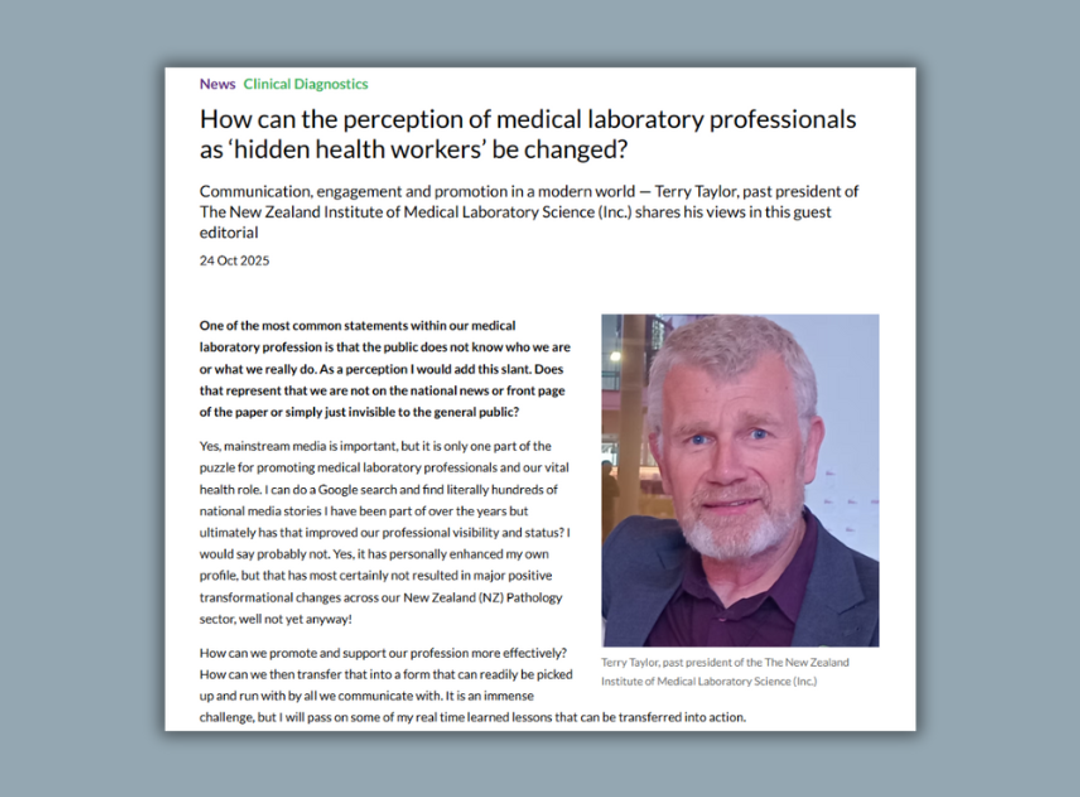
Changing perceptions of lab professionals in healthcare
Terry Taylor, past President of The New Zealand Institute of Medical Laboratory Science (Inc.) (NZIMLS), shares strategies to raise the profile of medical laboratory professionals (such as Biomedical Scientists in the NHS, Medical Laboratory Scientists in US healthcare and similar job titles around the world), urging media engagement, political advocacy, community outreach, and collaboration to shift public perception and highlight their vital healthcare role.
Read expert clinical interview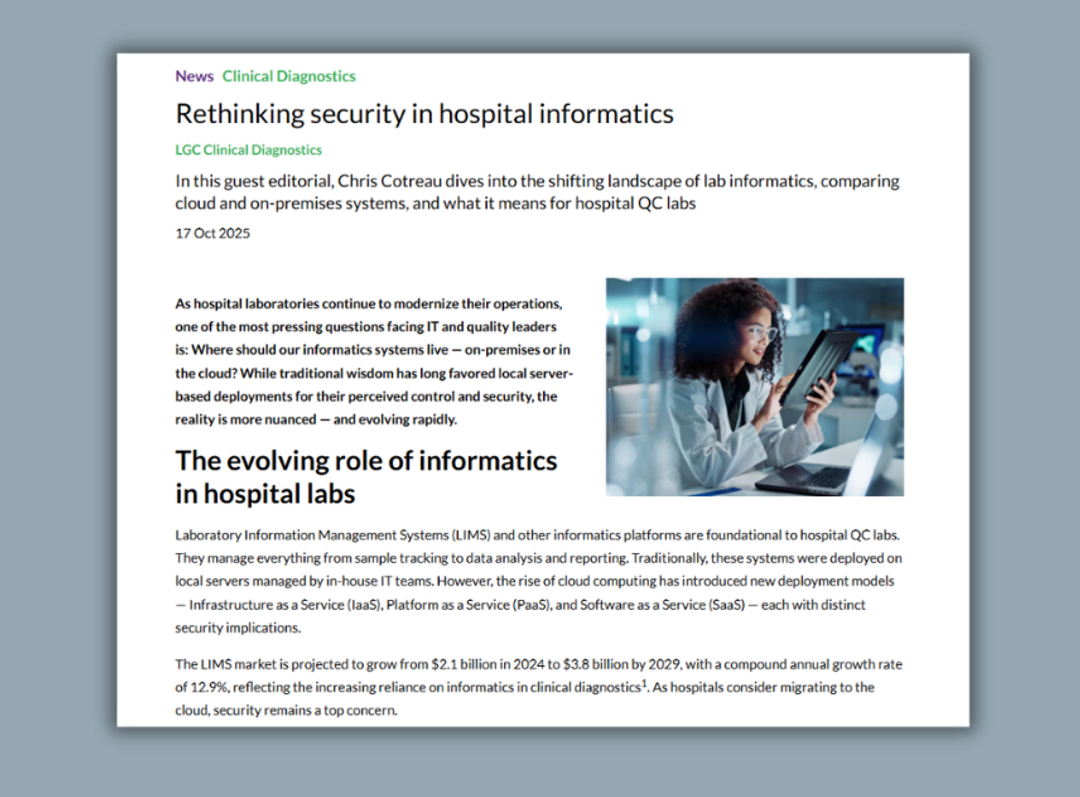
On-premises vs. cloud-based security: Rethinking security in hospital informatics
Where should our informatics systems live — on-premises or in the cloud? In this guest editorial written by Chris Cotreau from LGC Clinical Diagnostics, dive into the shifting landscape of lab informatics, comparing cloud and on-premises systems, and what it means for hospital QC labs.
Read full lab informatics article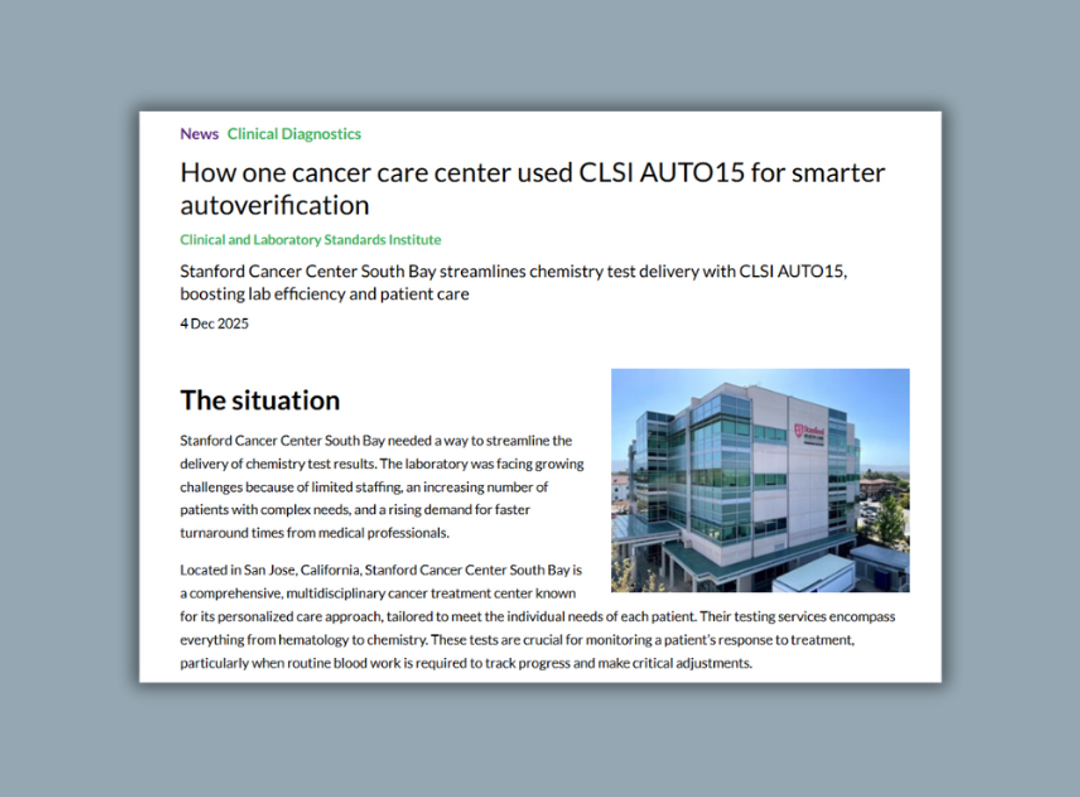
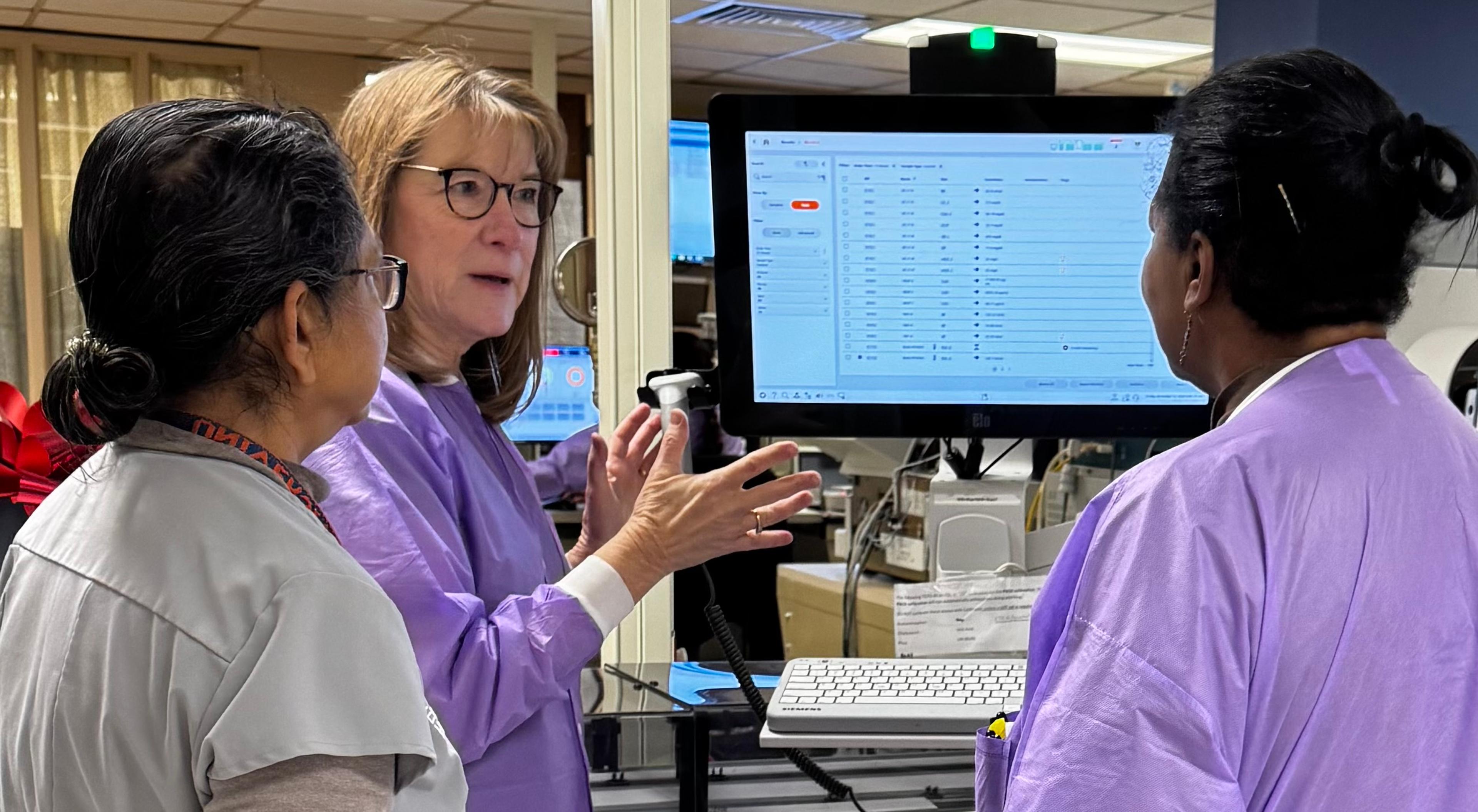
Cancer center uses CLSI AUTO15 for smarter autoverification
Learn how Stanford Cancer Center South Bay, San Jose, California, implemented CLSI AUTO15 | Autoverification of Medical Laboratory Results for Specific Disciplines guidelines to streamline the delivery of chemistry test results and strengthen the connection between lab excellence and patient outcomes.
Read CLSI AUTO15 article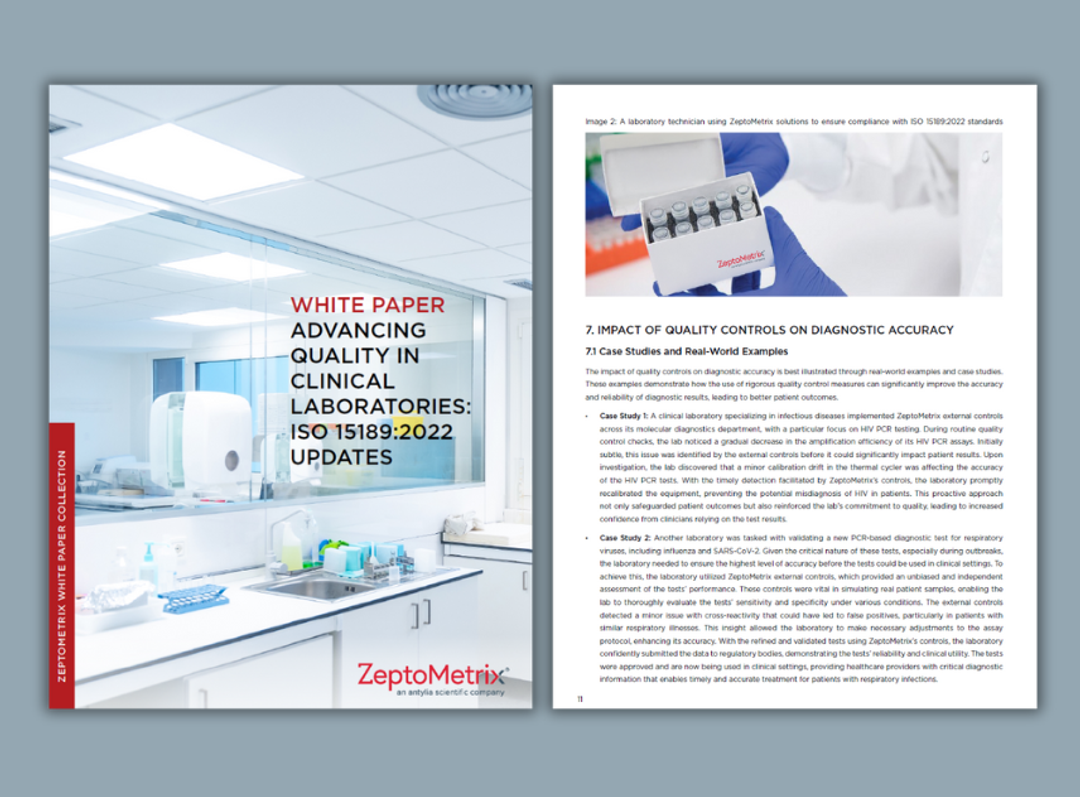
Advancing quality in clinical laboratories: ISO 15189:2022 updates
This whitepaper from Zeptometrix provides a comprehensive overview of the key updates introduced in ISO 15189:2022, the international standard for quality and competence in medical laboratories. The paper offers practical strategies for achieving and maintaining regulatory compliance.
Download Zeptometrix whitepaper
Overcoming barriers to NHS new technology adoption
Discover the key obstacles facing the adoption of new technologies and diagnostics by Biomedical Scientists within the NHS. In this interview, David Wells, Chief Executive of the Institute of Biomedical Science (IBMS), explores funding issues, awareness gaps, systemic delays, and the complexities of moving innovative solutions from pilot programs to nationwide services.
Watch the full IBMS interview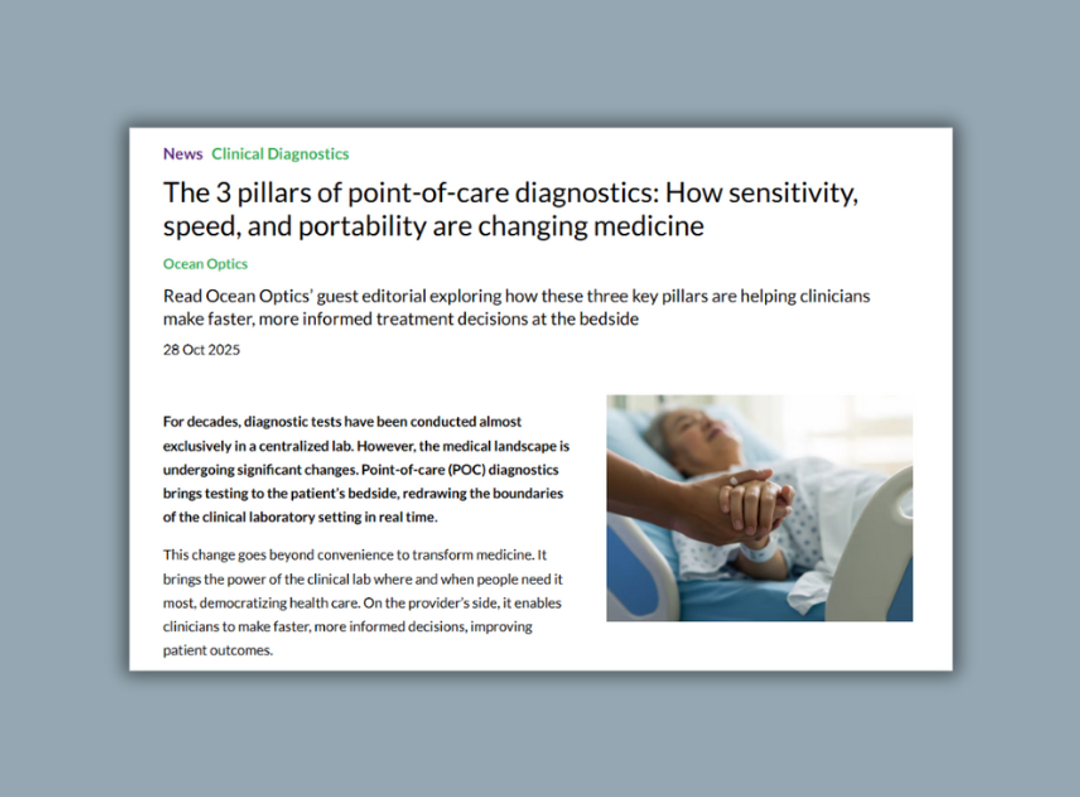
The 3 pillars of point-of-care diagnostics
For decades, diagnostic tests have been conducted almost exclusively in a centralized lab. However, the medical landscape is undergoing significant changes. This guest editorial from Ocean Optics explores how point-of-care diagnostics are redrawing the boundaries of the clinical laboratory setting in real time. This insightful article is a must read for point-of-care coordinators and clinical lab managers offering a point-of-care service.
Read full point-of-care article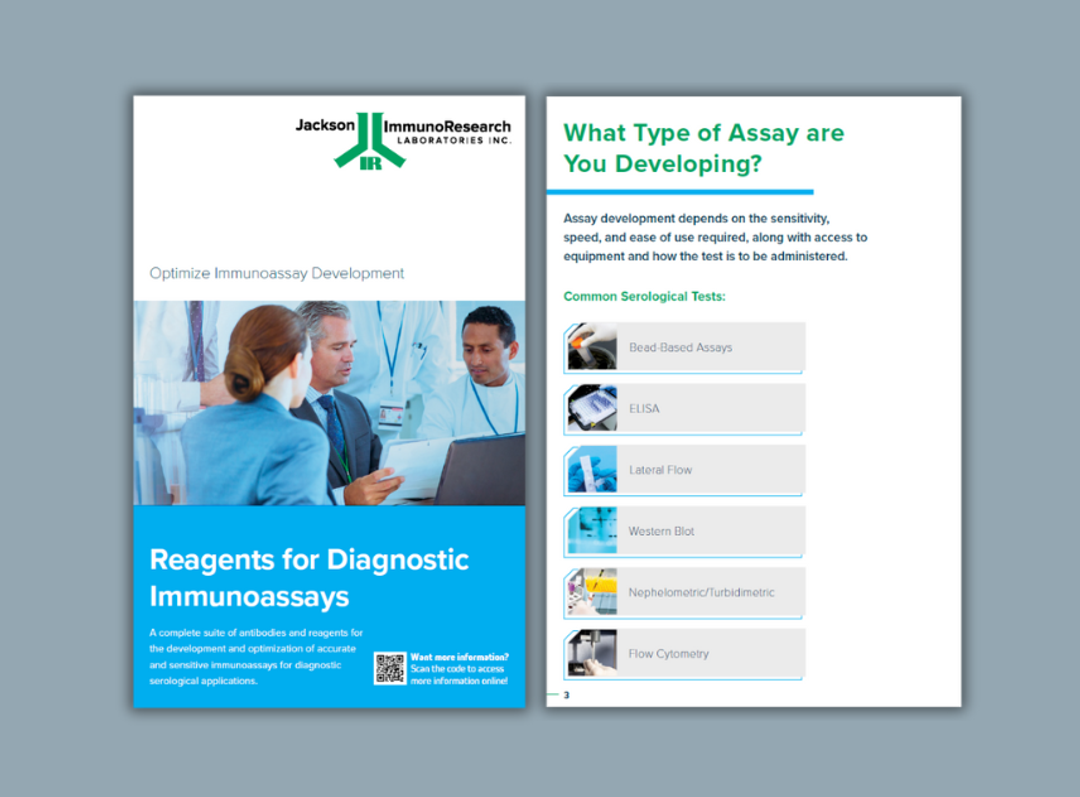
Practical tips for reliable diagnostic immunoassays
This guide from Jackson ImmunoResearch offers guidance for developing diagnostic immunoassays, including selecting antibodies, comparing assay formats, using cross-adsorption to reduce noise, and enhancing sensitivity with blocking methods and reporter conjugates. This brochure offers insightful reading for immunologists using such assays, as well as immunoassay developers.
Download immunoassay brochureRelated reading






Frequently Asked Questions (FAQ)
What are the latest diagnostic advances in the medical laboratory?
Recent laboratory diagnostic innovations include point-of-care testing (POCT), genomic sequencing, metabolic diagnostics, and AI-powered analytics, all designed to improve speed, accuracy, and accessibility in clinical decision-making.
How do these laboratory technologies make healthcare smarter?
They enable predictive and preventive care by providing real-time data, supporting early disease detection, and guiding personalized treatment strategies, reducing unnecessary interventions and improving outcomes.
What role does point-of-care testing play in healthcare?
POCT allows rapid laboratory diagnostic results at or near the patient’s location, improving turnaround times and enabling immediate clinical decisions in settings such as emergency care and remote clinics.
How does genomics impact laboratory diagnostics?
Genomic sequencing identifies genetic variations linked to disease risk and treatment response, supporting precision medicine and tailored therapies for conditions like cancer and rare genetic disorders.
Are these laboratory diagnostic tools widely available?
Access varies globally. While advanced molecular and AI-driven tools are common in high-resource settings, efforts are underway to expand availability in low-resource regions to promote health equity.
How do these clinical laboratory advances support global health systems?
By integrating connected data platforms, digital health solutions, and interoperable technologies, these innovations help build more efficient, equitable, and patient-centered healthcare systems worldwide.
Where can I learn more or access resources?
Explore accredited clinical CPD webinars, whitepapers, and expert interviews available on SelectScience to stay informed about the latest diagnostic technologies and best practices.