Industry NewsSpectroscopy
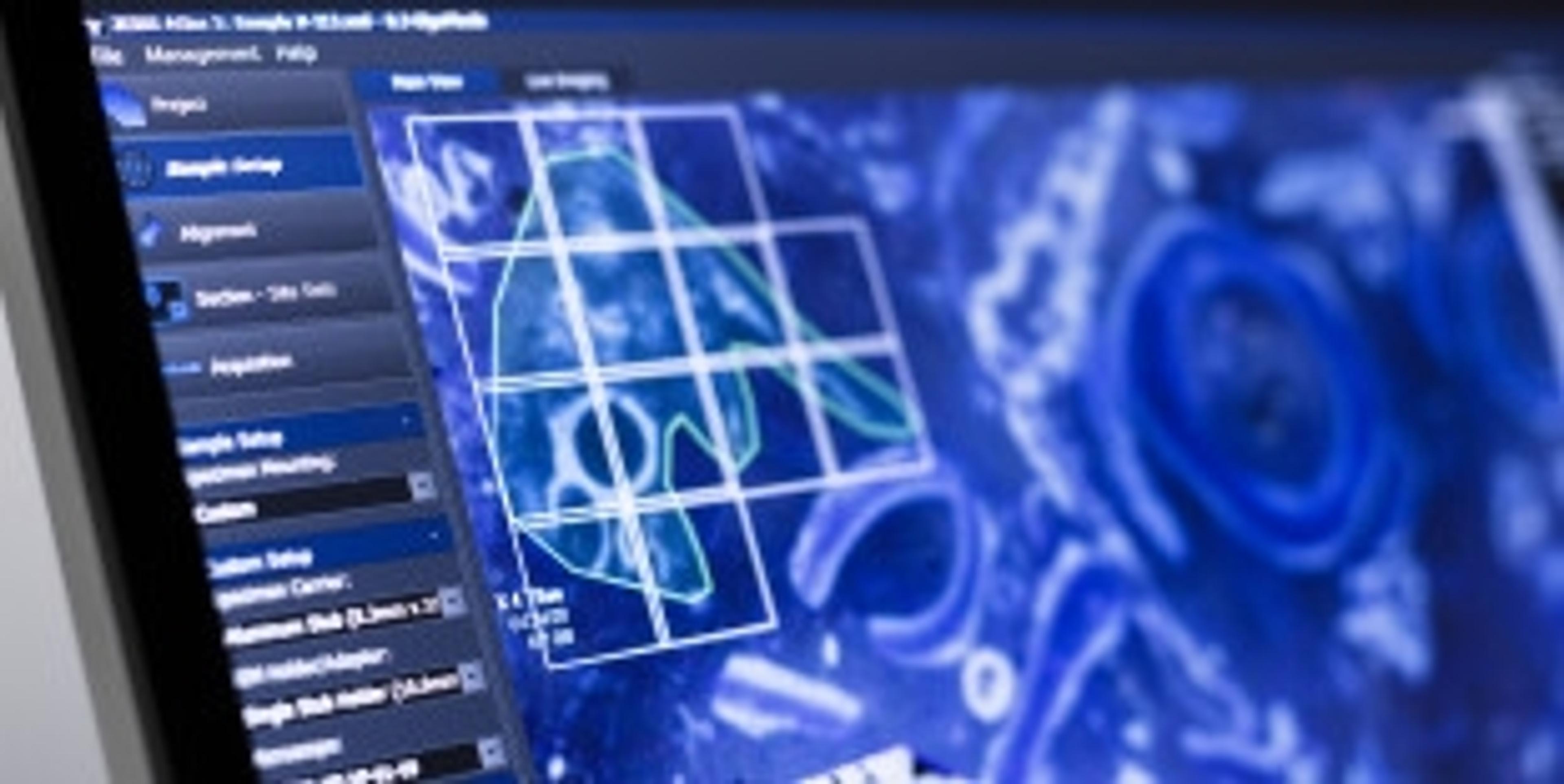
ZEISS Atlas 5 – A New Approach to Master the Multi-Scale Challenge
ZEISS introduces an integrated solution to acquire and analyze multi-scale and multi-modal images in light, electron and X-ray microscopy

ZEISS introduces an integrated solution to acquire and analyze multi-scale and multi-modal images in light, electron and X-ray microscopy
Flexible factory concept allows accelerated drug development and delivery to market, End-to-end solution available globally to help solve customer challenges
Company aims to help accelerate progress toward a vaccine or treatment for this global health threat
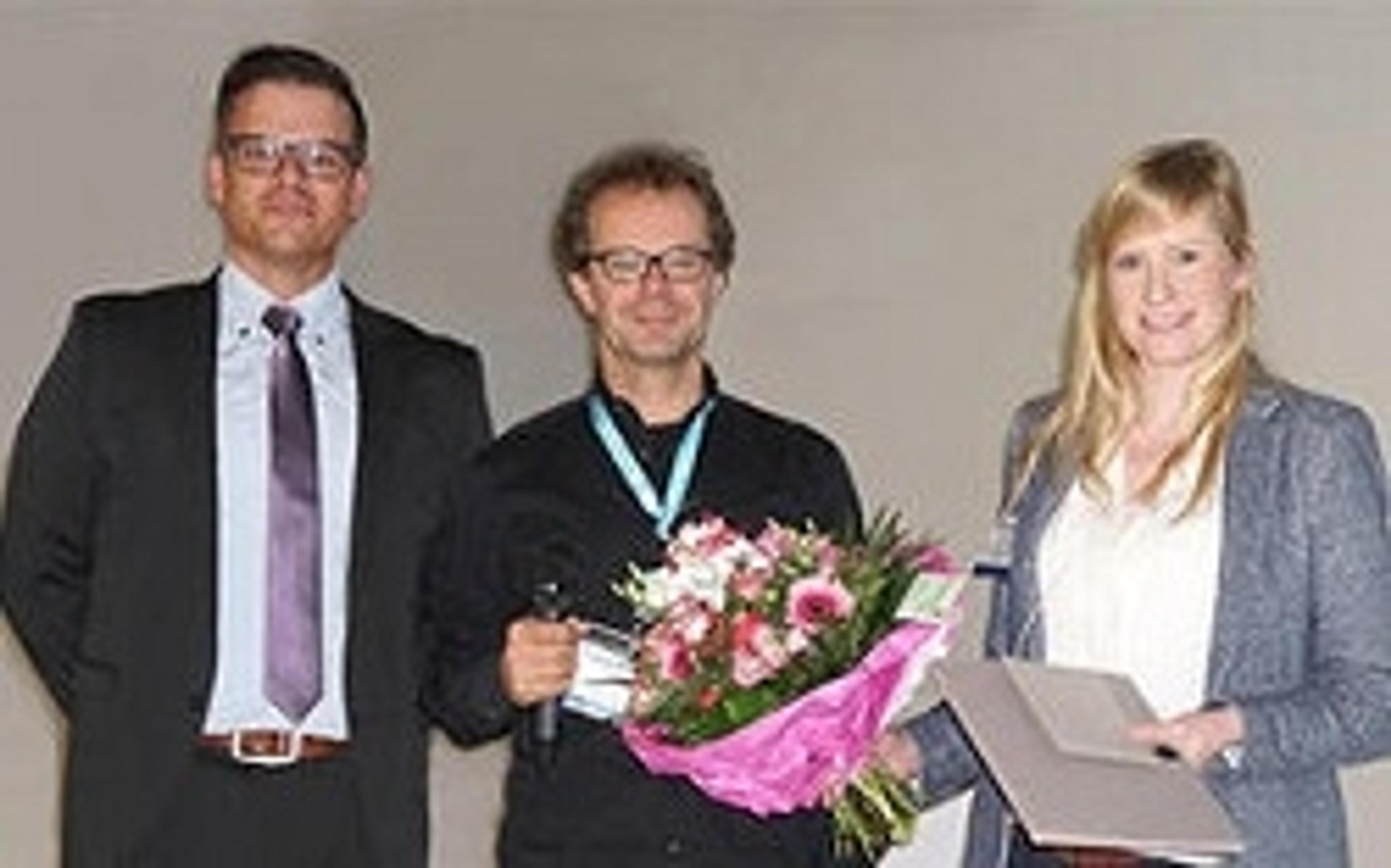
Dr. Melina Schuh has been awarded the BINDER Innovation Prize for her research into the development of fertile egg cells in mammals
Reduce your time to result with automated nano-imaging of large samples: image your serial sections fast and efficiently
Improving resolution and signal-to-noise in cryo-fluorescence microscopy with ZEISS LSM 8 confocal microscopes and Airyscan
Special Issue of the Journal of Microscopy celebrates the future of cell imaging
Hall A2, Stand 307
Research published online in the International Journal of Cancer, shows the ParsortixTM System efficiently captures and harvests intact, viable circulating tumor cells (CTCs), including EpCAM-negative CTCs, to allow for broader downstream CTC analysis
Agena Bioscience to provide Horizon’s human genomic reference standards to assess quality and performance of oncology-based assays on the MassARRAY System
iPLEX® HS chemistry enables multiplex detection down to 1% allele frequency
BMG LABTECH’s readers are used to measure binding kinetics over minutes
Thermo Scientific Delta Ray IRIS and Delta Ray Connect IRIS among highlights at EGU 2016
New platform enables researchers to rapidly identify cutting-edge anti-cancer drugs
Researchers’ use of ParsortixTM System for studies into multiple cancers confirms the cell separation technology’s ability to harvest viable circulating tumor cells for a broad range of downstream analyses
Numerous factors can introduce error into lab processes that lead to Out-of-Specification results—including manual sample processing using flasks. A new article from METTLER TOLEDO explores 10 compelling reasons to leave error-prone manual workflows behind and create greater accuracy and efficiency in routine sample preparation.