Researchers Put the Paradigm of Endless Endpoint Assays in Biased Agonism Studies to Question

BMG LABTECH’s readers are used to measure binding kinetics over minutes

18 Apr 2016
Alex Waite
Editorial Assistant

Industry news

Single reading events of a signaling molecule at a given time should no longer be considered as the only insightful indicator to predict the usefulness of a new drug candidate. In fact, the authors of a new study claim that it is necessary to explore the kinetic context of the binding event instead.

So far, it was very hard to run time-based kinetics in Time-Resolved Fluorescence (TRF) due to the requirements of the assay kits. Researchers now measured binding events in a kinetic over minutes, using BMG LABTECH´s microplate readers and detecting Time-Resolved FRET signals and real-time live cell based biosensors by BRET.

A monitored receptor-ligand binding event (biased agonism) is not sufficient to predict the usefulness of a new drug candidate. This is claimed by Australian researchers of the Monash University in collaboration with the universities of Nottingham (UK) and Columbia (NY, USA). The recently published Nature paper “The role of kinetic context in apparent biased agonism at GPCRs”, Herenbrink et al., 2016, show that it is necessary to explore the kinetic context of the binding event resulting in Dissociation constant (KD), kon and koff values instead of a single time point. To prove this thesis, the dopamine D2 receptor, a common GPCR, was studied in combination with selected agonists for multiple signaling pathways.

The bias profile of a series of agonists for the dopamine D2 receptor changed dramatically in case the ligand-binding kinetics as well as the kinetics associated with different cell signaling processes were considered. In some cases, it even led to reversals in the direction of bias. This should be taken into account by every researcher who is designing and interpreting biased agonism studies.

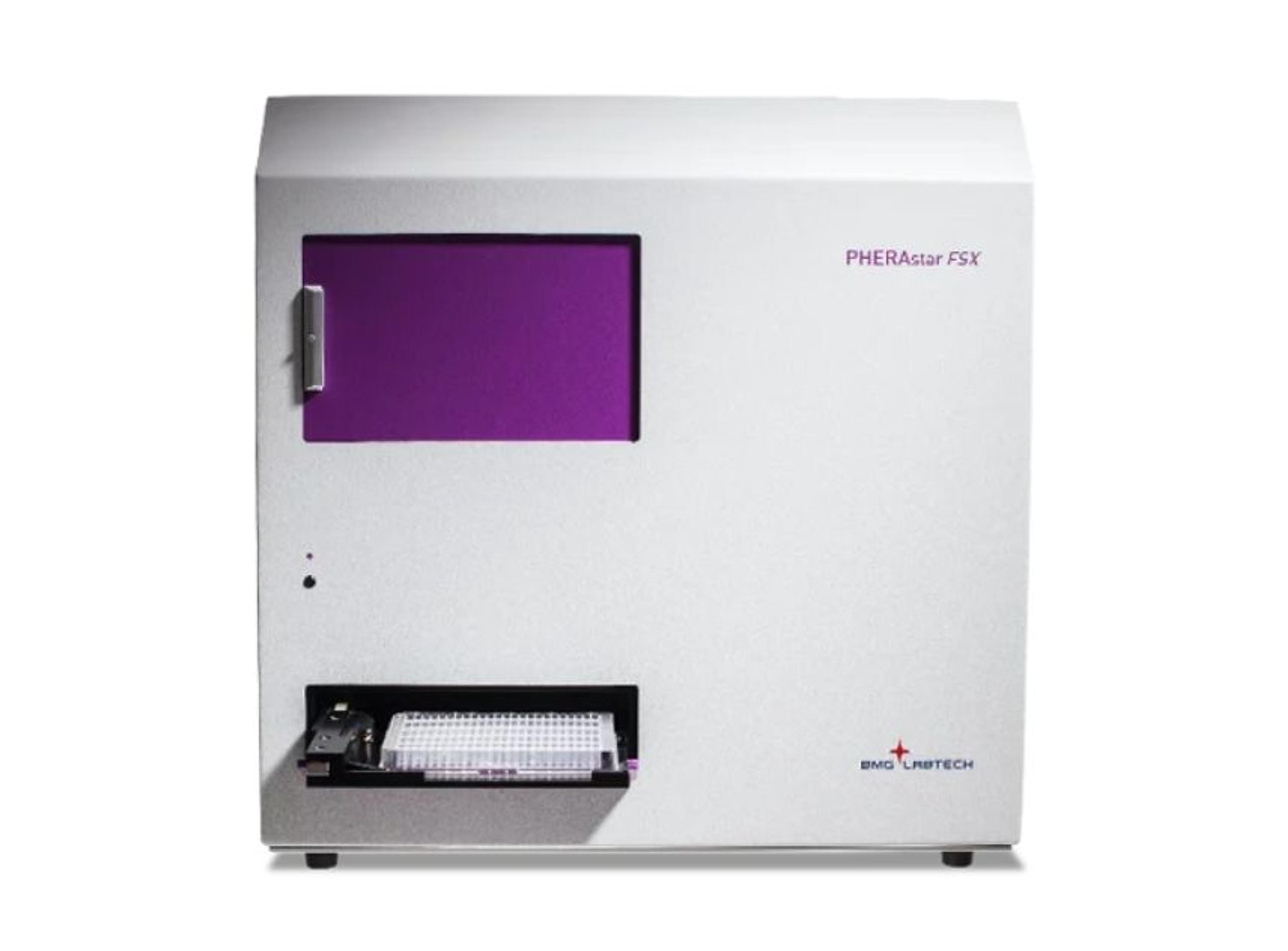
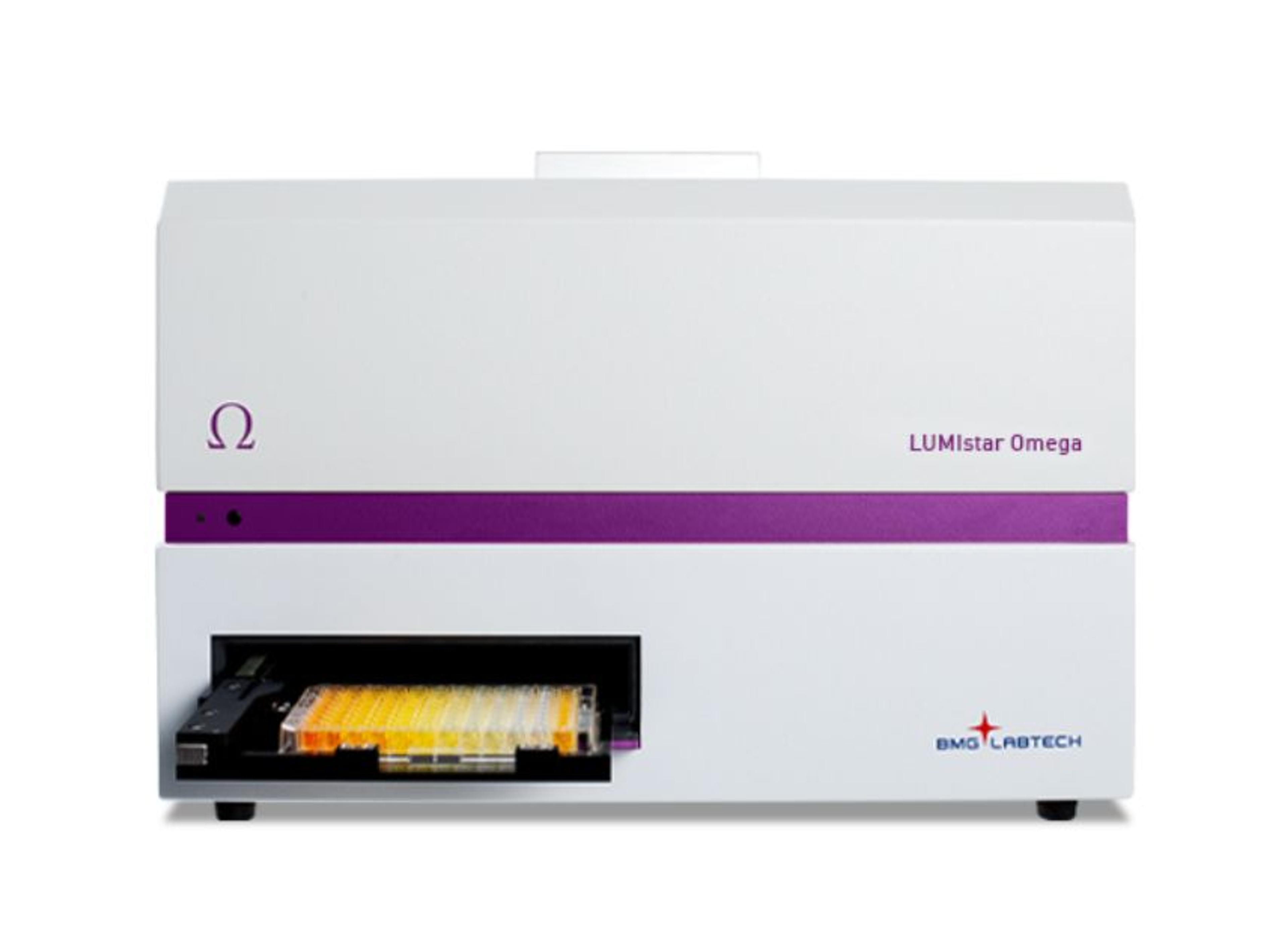
BMG LABTECH’s microplate reader PHERAstar® FS was used to detect fluorescent ligand-binding assays of Time-Resolved FRET signals. Kinetic acquisitions at intervals of 20 seconds were recorded for up to 90 minutes using the standard HTRF® instrument settings. Agonist-based receptor stimulation was further monitored using BRET-based biosensors. BMG LABTECH´s PHERAstar® FS and LUMIstar® Omega equipped with BRET-specific optics were used to capture the signals. Both readers enable the detection of end point signaling assays with HTRF with ease, but they can also detect the most sensitive and fastest real time cell based analysis using live cell biosensors.

Links

Tags

Sample PreparationSample preparation can improve the quality and speed of separation techniques. Products to assist sample preparation include filtration equipment, evaporators, membranes and sieves.MicroplatesMicroplates are multi-well plates used to increase the throughput of biological investigations. The number of wells microplates contain can range from 6 to 3243 wells, with the 96-well format being the most commonly used. Microplates can come tailored for a range of applications including cell culture, PCR, filtration, storage, non-binding surface, protein crystallization, as well as pre-coated, deep well and normal Standard microplates. Additionally, options for microplate colors include clear , black, white or black with clear bottom and white with clear bottom for absorbance microplate reader applications. Find the best microplates for your lab in our peer-reviewed product directory: compare products, check customer reviews and receive pricing direct from manufacturers.Microplate Readers / DetectorsMicroplate readers are used to automate the detection and analysis of labeled or label-free components in microplates during assays or live-cell monitoring. Microplate readers are generally distinguished by their mode of detection. Types include absorbance, luminescence, fluorescence intensity, fluorescence polarization, TRF / FRET and multimode microplate readers. Microplate readers deliver a high throughput of samples by reading multiple wells simultaneously, with the 96-well format the most commonly used. As a result, microplate readers are often used in the drug discovery, bioassays, research and pharmaceutical industries for screening applications. Microplate loading can also be automated, with robotic microplate stackers to increase throughput. Find the best microplate readers in our peer-reviewed product directory: compare products, check customer reviews and receive pricing direct from manufacturers.Sample ManagementSample management systems include sample storage devices such as freezers and plate storers, sample environment enclosures and sample organization, retrieval and sorter systems. Useful system features include high-throughput, automation, robotic arms, automated liquid handling and associated database systems. Accessories in sample management include barcode scanners, heat sealers and tubes.Assay AssemblyAssay Assembly is technique used in drug discovery to develop assays to test the cytotoxicity, genotoxicity, or other activities of a compound on a cell. Assay assembly requires chip assembly, a delivery system and a detection and analysis method. Beneficial features of assay kits or automated systems include high-throughput, high speed and sensitivity and low signal to noise ratio.Microarray AnalysisMicroarrays, also known as biochips, are used for the detection and analysis of multiple genes, proteins, antibodies, or biomarkers on a single microchip. This can reveal information on protein or gene expression, single nucleotide polymorphism (SNP), copy number variation (CNV), epigenetics and patient health in clinical diagnostic tests. Discover a range of microarray scanners and prefabricated antibody, protein, RNA and DNA microarrays for your analysis or consider creating your own custom microarrays with a microarray printer. Find the best microarray products in our peer-reviewed product directory: compare products, check customer reviews and receive pricing direct from manufacturers.Cell-Based AssaysCell-based assays are used to monitor the presence, quantity and activities of a desired cellular analyte including drug molecules or biomarkers. This can reveal information on cell health (apoptosis, cytotoxicity, viability and proliferation assays), cell metabolism, cell migration and cell signaling mechanisms. Find the best cell-based assay products, kits and equipment with our peer reviewed product directory: compare products, check customer reviews and receiving pricing direct from manufacturers.Biopharmaceutical AdvancesBiopharmaceutical advances follow the development of pharmaceuticals derived from biotechnology, also known as biotechnology medicines. Biopharmaceuticals may be produced from cell lines, plants, or microbial cells. Important considerations of biopharmaceutical use include application, cost, production process and purification.Plate ProcessingAutomated plate processing is used in microplate technologies for high-throughput, speed and efficiency. Plate processing systems include microplate handlers for moving plates, heat sealers, stackers and carousels for storage, retrieval and delivery, microplate washers and piercers. Useful features of plate processors include walk-away automation, compatibility and easy integration with microplate systems.Drug DeliveryDrug Delivery refers to dosage form, route of administration, formulations, technologies, and systems for transporting a pharmaceutical compound in the body as needed to safely achieve its desired therapeutic effect. Drug delivery is often approached via the biopharmaceutical or small molecule drug's formulation, but it may also involve medical devices or drug-device combination products. Considerations include instrumentation, software and services. RegulatoryPharmaceutical regulations impact on all areas of drug development, manufacture and control and supply. Services are provided from the early stages of drug development and clinical trials through to dossier submission, approval and marketing. Regulatory also includes submission of analytical studies from the pharmaceutical product and safety. Microplate Reader SoftwarePharmacokineticsReceptorsPharmaceuticalsPharmaceuticals are medicinal drugs used in healthcare to diagnose, prevent, cure and treat illnesses. Pharmaceuticals that are excreted after use appear in wastewater and can have detrimental effects on the environment.
Researchers Put the Paradigm of Endless Endpoint Assays in Biased Agonism Studies to Question