
Triplet-Exciton Energy Transfer from Semiconductor Nanocrystals Demonstrated using Edinburgh Instruments Systems
27 Apr 2016Industry news
Researchers at North Carolina State University, led by Prof. Felix Castellano, have shown for the first time that the photogenerated triplet exciton in semiconductor nanocrystals can be harvested by surface bound molecular acceptors, exhibited by a six-order magnitude increase in the lifetime of the originally prepared excited state.
The research publication, featured in the prominent Science Magazine and titled “Direct observation of triplet energy transfer from semiconductor nanocrystals,” highlights the use of carefully constructed materials and multiple spectroscopic techniques to measure and characterize the triplet exciton energy transfer from cadmium selenide (CdSe) semiconductor nanocrystals, prepared by Prof. Mikhail Zamkov and his group at Bowling Green State University, and surface bound 9-anthacenecarboxylic acid (ACA).
To observe the lifetime differences of CdSe nanocrystals and the CdSe-ACA energy transfer construct, the researchers utilized an Edinburgh Instruments Transient Absorption Spectrometer and MiniTau Fluorescence Lifetime Spectrometer; these instruments complimented the ultra-fast transient absorption experiments and allowed for the detailed measurements of the lifetime increases associated with the triplet exciton energy transfer. Prof. Castellano, a long-time user of Edinburgh Instruments spectrometers, complimented the instrumentation stating the Transient Absorption Spectrometer and MiniTau spectrometers have operated flawlessly since their installation and the results generated on behalf of this project (and all other photophysical projects) on nanosecond and longer time scales are always high quality, reproducible, and reliable.
Edinburgh Instruments is pleased to work with such premier research groups, and looks forward to working with all of its current and future customers to facilitate and excel their photophysical and photochemical measurements.
Related Products
Request Quote for All Products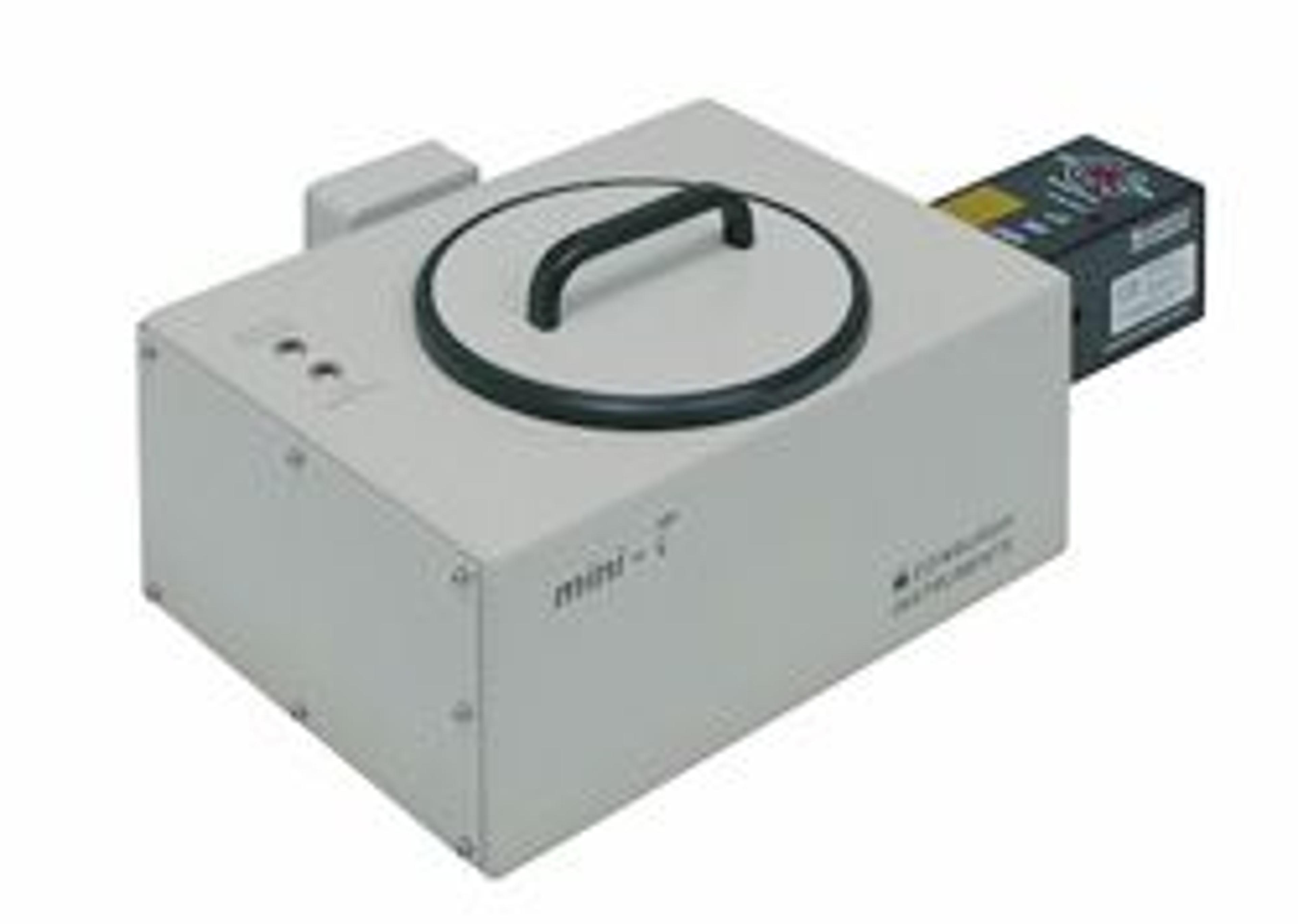
Mini Tau: Miniature Lifetime Fluorimeter
Edinburgh Instruments Ltd.We make and supply spectrometers designed to familiarise students with the principles of fluorescence lifetime spectroscopy and in particular time correlated single photon counting (TCSPC). By monitoring the fluorescence lifetimes of emitting dyes, important information can be obtained on the molecular interactions and the micro-environment of these dyes. Proximity of quenchers, the presence of oxygen, pH level, temperature and viscosity can all influence the fluorescence lifetime. The effects of dynamic quenching and in particular the process of FRET are now widely studied in photochemistry and photobiology. A large variety of biochemical and cell-based assays are now readily available that utilise these dynamic quenching effects and which can be used with our mini- τ teaching spectrometer. The mini-τ can provide an insight into the techniques of fluorescence lifetimes and time-resolved fluorescence anisotropy. It allows you to introduce TCSPC, to your students, as a simple, fast and straight forward data acquisition technology. Our T900 advanced software has an easy-to-use graphical user interface that enables students to take measurements easily and watch their profiles build live on screen. The students are able to discover specifics about the micro-environment of their dyes through the use of the T900 analysis routines, which enable the students to extract the relevant information from their measurements and comprehensively manipulate their data.